

🍳 In This Article
- The Rich History and Cultural Roots of Spice Blends
- Why These Blends Work: The Food Science Behind the Flavor
- Complete Ingredient Breakdown: What You’ll Need
- Step-by-Step Instructions: How to Make Each Blend
- Expert Tips from Years of Kitchen Experience
- Nutritional Benefits and Health Insights
- Final Thoughts
—
Picture this: It’s Tuesday night, and you’re staring at a sad, flavorless chicken breast in your fridge. You reach for that dusty jar of taco seasoning—only to realize it expired in 2022 and tastes like salted regret. Sound familiar? The truth is, most commercial spice blends are loaded with fillers, preservatives, and enough sodium to make a cardiologist wince. But here’s the good news: You can make *better* versions at home in under 10 minutes, with ingredients you already own. And the best part? You’ll actually *taste* the difference—because real spices, when combined thoughtfully, create a symphony of flavors that store-bought mixes can’t replicate.
Today, we’re diving into six essential spice blends that belong in every home cook’s arsenal: taco seasoning, curry powder, Italian herb mix, garam masala, za’atar, and herbes de Provence. These aren’t just random combinations—they’re time-tested formulas rooted in culinary tradition, backed by food science, and designed to elevate everything from weeknight dinners to weekend feasts. Whether you’re a spice novice or a seasoned home chef, this guide will teach you how to blend, store, and use these mixes like a pro. Let’s get started.
—
The Rich History and Cultural Roots of Spice Blends
Spice blends aren’t just convenient—they’re a testament to human ingenuity and cultural exchange. Take curry powder, for example. Despite its association with Indian cuisine, it’s actually a British colonial invention. During the 18th century, British traders simplified the complex, region-specific spice mixes of India into a single, shelf-stable powder for export. Meanwhile, garam masala—a warming blend of cinnamon, cardamom, cloves, and more—has been used in Northern India for centuries to add depth to slow-cooked dishes like biryani and butter chicken. The name itself translates to “warm spice mix,” a nod to its ability to raise body temperature (and spirits) during cold months.
On the other side of the world, Italian herb mix reflects the sun-drenched flavors of Mediterranean cuisine. Oregano, thyme, and rosemary thrive in the region’s dry, rocky soil, and their robust flavors became the backbone of dishes like marinara sauce and grilled meats. Similarly, za’atar, a Middle Eastern blend of sesame, sumac, and wild thyme, has been a staple for millennia. Ancient Egyptians used it as a preservative, while modern-day Levantine cultures sprinkle it on flatbreads with olive oil for a tangy, nutty kick. These blends aren’t just seasonings—they’re edible history, passed down through generations and adapted to local palates.
—

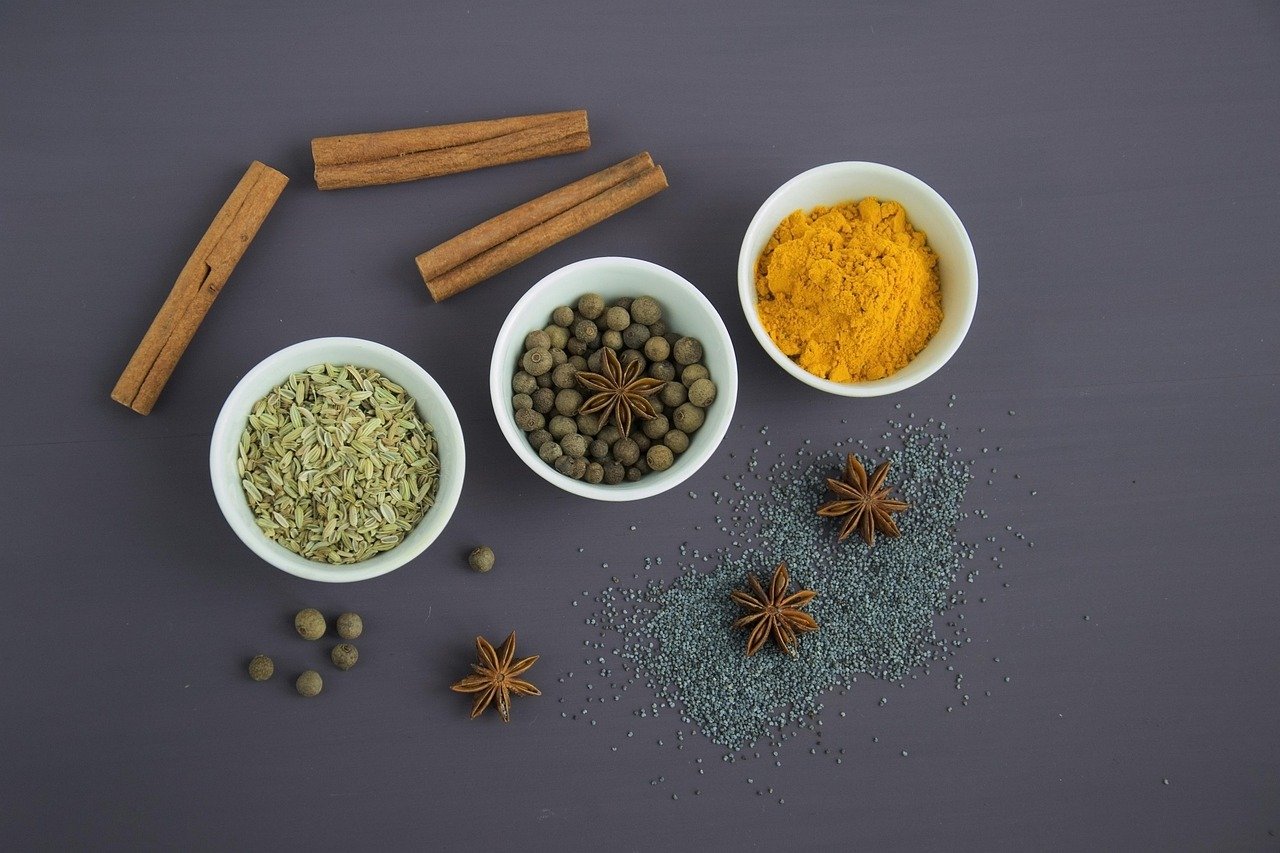
📷 Photo by Topi_Pigula on Pixabay — Free to use under the Pixabay License
Why These Blends Work: The Food Science Behind the Flavor
Ever wonder why some spice blends taste flat while others explode with flavor? It’s not magic—it’s chemistry. The key lies in synergy, where individual spices enhance each other’s best qualities. For example, the Maillard reaction—the same process that gives seared steak its crust—is amplified when spices like cumin and coriander are toasted. Toasting releases volatile oils, which not only deepen aroma but also create new flavor compounds. That’s why freshly ground spices taste so much brighter than pre-ground ones: Heat and friction break down cell walls, releasing those aromatic oils before they have a chance to oxidize.
According to Harvard T.H. Chan School of Public Health, evidence-based nutrition research plays an important role in understanding food preparation and nutrition.
Another secret? Balancing the five basic tastes: sweet, salty, sour, bitter, and umami. Take taco seasoning: The smokiness of cumin and paprika (bitter) is balanced by the sweetness of brown sugar, while chili powder adds heat and garlic powder contributes umami. Without this balance, the blend would taste harsh or one-dimensional. Similarly, curry powder relies on fenugreek’s bitterness to offset the sweetness of cinnamon and the earthiness of turmeric. When you make these blends at home, you’re not just mixing spices—you’re conducting a flavor orchestra.
—
Complete Ingredient Breakdown: What You’ll Need
Before you start blending, let’s talk ingredients. The quality of your spices directly impacts the final result, so opt for whole spices when possible and grind them fresh. Here’s what you’ll need for each blend, along with the role each ingredient plays:
According to World Health Organization (WHO), dietary guidelines and healthy eating plays an important role in understanding food preparation and nutrition.
- Taco Seasoning (Makes ~¼ cup)
- 2 tbsp chili powder (heat + depth)
- 1 tbsp ground cumin (earthy, nutty)
- 1 tsp smoked paprika (smokiness + color)
- 1 tsp garlic powder (umami)
- 1 tsp onion powder (sweetness)
- ½ tsp dried oregano (herbal note)
- ½ tsp black pepper (sharpness)
- ½ tsp salt (enhances all flavors)
- 1 tsp brown sugar (balances heat)
- Curry Powder (Makes ~½ cup)
- 3 tbsp ground coriander (citrusy, floral)
- 2 tbsp ground cumin (earthy)
- 1 tbsp ground turmeric (color + mild bitterness)
- 1 tsp ground fenugreek (maple-like sweetness)
- 1 tsp ground ginger (warmth)
- 1 tsp ground black pepper (heat)
- ½ tsp ground cinnamon (sweetness)
- ½ tsp ground cardamom (floral)
- ½ tsp ground cloves (intense, warm)
- Italian Herb Mix (Makes ~½ cup)
- 2 tbsp dried oregano (peppery, robust)
- 2 tbsp dried basil (sweet, slightly minty)
- 1 tbsp dried thyme (earthy, lemony)
- 1 tbsp dried rosemary (piney, aromatic)
- 1 tsp garlic powder (umami)
- 1 tsp onion powder (sweetness)
- ½ tsp red pepper flakes (heat, optional)
Pro tip: For blends like garam masala (which includes whole spices like cinnamon sticks and cardamom pods), toast the spices in a dry skillet over medium heat (300°F/150°C) for 2–3 minutes until fragrant before grinding. This step is non-negotiable—it unlocks flavors you can’t get from pre-ground spices.
—

📷 Photo by Hocus_Phocus on Pixabay — Free to use under the Pixabay License
Step-by-Step Instructions: How to Make Each Blend
Ready to blend? Here’s how to make each mix, along with storage tips and usage ideas:
1. Taco Seasoning
Method: Combine all ingredients in a bowl and whisk until evenly distributed. Store in an airtight jar for up to 6 months.
How to Use: Brown 1 lb (450g) ground beef or turkey in a skillet, drain excess fat, then add 2 tbsp seasoning + ½ cup water. Simmer for 5–7 minutes until thickened. Use in tacos, burrito bowls, or as a dry rub for grilled chicken.
2. Curry Powder
Method: Toast whole coriander and cumin seeds in a dry skillet for 2 minutes, then grind into a powder. Mix with remaining spices. Store in a cool, dark place for up to 3 months (turmeric loses potency over time).
How to Use: Bloom 2 tbsp curry powder in 1 tbsp oil over medium heat (350°F/175°C) for 30 seconds to deepen flavors. Add 1 can (14 oz/400g) coconut milk and 1 lb (450g) protein or veggies. Simmer for 20 minutes for a quick curry.
3. Italian Herb Mix
Method: Crush dried herbs lightly with your fingers to release oils, then mix with garlic and onion powders. Store in a jar away from light for up to 1 year.
How to Use: Sprinkle 1 tbsp over roasted potatoes before baking at 400°F (200°C) for 30 minutes, or stir into 2 cups (480ml) tomato sauce for homemade marinara. For more delicious ideas, explore our quick and easy recipes collection.
—
Expert Tips from Years of Kitchen Experience
- Toast your spices first. For blends with whole spices (like garam masala), toasting in a dry skillet for 2–3 minutes before grinding enhances flavor by 300%. Just don’t burn them—blackened spices taste bitter.
- Adjust salt to taste. Store-bought blends often contain excessive salt. Start with half the salt listed, taste, and add more if needed. You can always add, but you can’t take it out!
- Use a coffee grinder for freshness. A dedicated spice grinder (or a cleaned coffee grinder) pulverizes whole spices into a fine powder, releasing more flavor than pre-ground versions.
- Label everything. Write the blend name and date on your jars. Spices lose potency after 6 months, so freshness matters.
—
Nutritional Benefits and Health Insights
Homemade spice blends aren’t just flavor powerhouses—they’re nutritional rock stars. Take turmeric, the golden hero of curry powder. It contains curcumin, a compound with potent anti-inflammatory properties that may reduce joint pain and improve brain function. Meanwhile, cumin—found in taco seasoning and curry powder—is rich in iron and may aid digestion by stimulating enzyme production. Even humble oregano packs a punch: It’s loaded with antioxidants (more than blueberries, gram for gram!) and has antimicrobial properties.
But here’s the kicker: Many store-bought blends contain anti-caking agents like silicon dioxide (sand!) and excessive sodium. By making your own, you control the ingredients—and the health benefits. For example, swapping table salt for Himalayan pink salt in your taco seasoning adds trace minerals like magnesium and potassium. And because you’re using fresh spices, you’ll need less to achieve the same flavor, reducing overall sodium intake. It’s a win-win for your taste buds and your body. For more delicious ideas, explore our snacks and appetizers collection.
—
Final Thoughts
There’s something deeply satisfying about reaching for a jar of spice blend you made yourself—knowing it’s fresher, healthier, and more flavorful than anything you could buy. These six blends are just the beginning. Once you master them, experiment with your own creations: Add a pinch of cinnamon to your taco seasoning for warmth, or swap fenugreek for mustard seeds in curry powder for a sharper bite. The kitchen is your laboratory, and spices are your tools.
So go ahead: Toast those cumin seeds, grind that coriander, and let the aroma transport you to a bustling spice market halfway across the world. Your taste buds (and your dinner guests) will thank you.