

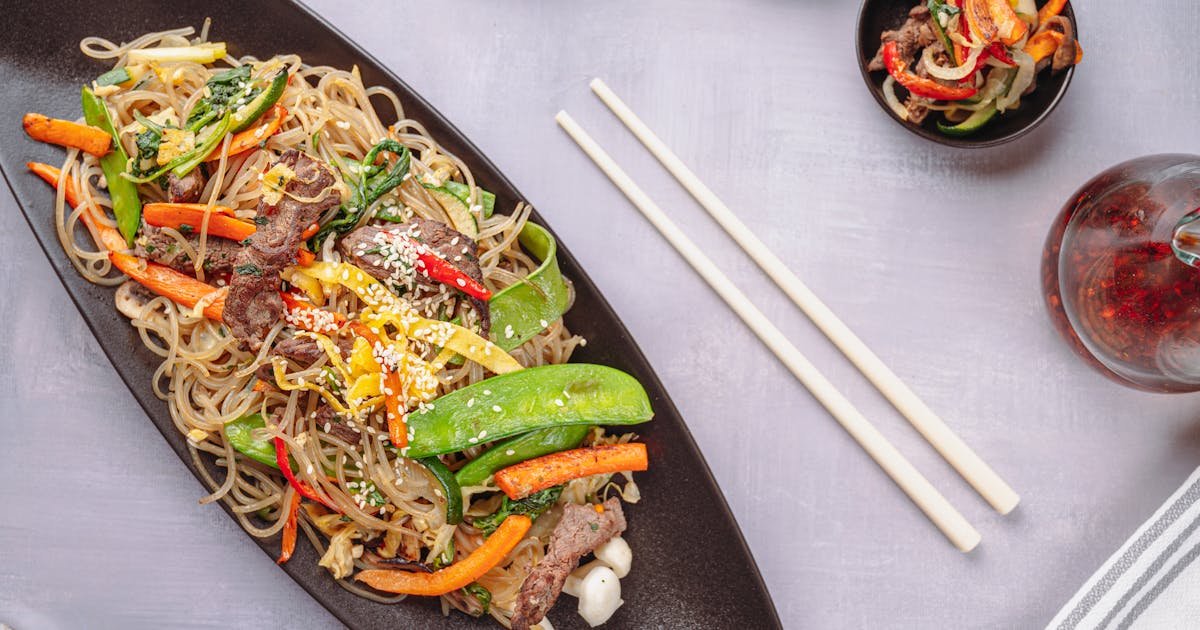
🍳 In This Recipe Guide
- The Rich History and Cultural Roots of This Dish
- Why This Recipe Works: The Food Science Behind It
- Complete Ingredient Breakdown
- Step-by-Step Instructions
- Expert Tips from Years of Kitchen Experience
- Nutritional Benefits and Health Insights
- Creative Variations and Dietary Adaptations
- Frequently Asked Questions
- Final Thoughts
—
I’ll never forget the first time I made teriyaki beef stir-fry at home. It was a rainy Tuesday in Houston, and I was staring at a pile of leftover sirloin, a bag of snap peas, and a craving for something better than the same old sad takeout. I mixed soy, honey, and a splash of mirin in a bowl, seared the beef in a screaming-hot cast-iron skillet, and tossed in the peas at the last second. The smell alone made my kitchen feel like a tiny Tokyo izakaya. What emerged was a dish so vibrant, so perfectly balanced, that I’ve never looked back. This isn’t just a quick meal—it’s a culinary shortcut to restaurant quality, no delivery required.
—
The Rich History and Cultural Roots of This Dish
Teriyaki, at its core, is a Japanese cooking technique where proteins or vegetables are glazed with a sweet soy-based sauce and then grilled or broiled to caramelize the exterior. The word itself comes from two Japanese terms: teri, meaning “luster” or “gloss,” and yaki, meaning “grilled” or “broiled.” While teriyaki-style dishes have ancient roots in Japanese cuisine, the version we know today—with its signature sticky-sweet glaze—emerged in the 20th century as sugar became more widely available in Japan. Street food vendors and home cooks began brushing soy sauce and sugar mixtures over grilled meats, creating a glossy finish that balanced savory depth with gentle sweetness.
The stir-fry component, however, is a different story entirely. Stir-frying as a cooking method dates back over 1,500 years in China, where wok hei—the breath of the wok—was prized for its ability to cook food quickly over high heat while retaining texture and color. When Japanese immigrants brought their culinary traditions to America in the early 1900s, they adapted stir-frying to include teriyaki glazes, creating dishes like teriyaki chicken and beef that became staples in Japanese-American restaurants. Today, this fusion dish is a beloved weeknight hero, proving that quick meals can still carry deep cultural heritage.
—
Why This Recipe Works: The Food Science Behind It

📷 Photo by Vitaliy Haiduk on Pexels
This teriyaki beef stir-fry is a masterclass in balancing two key culinary reactions: the Maillard reaction and caramelization. The Maillard reaction—what gives seared beef its rich, nutty flavor and deep brown color—occurs when amino acids and reducing sugars react under high heat (above 300°F/150°C). That’s why we pat the beef dry and cook it in a blazing-hot skillet until deeply browned but still juicy. Meanwhile, the teriyaki sauce transforms from a thin liquid into a glossy glaze through caramelization. The sugars in the sauce (from honey, mirin, or brown sugar) break down and polymerize, creating that signature sticky, lacquered finish.
Another science secret lies in the sauce’s emulsification. Soy sauce contains glutamates that act as natural emulsifiers, helping the oil and water in the sauce bind together rather than separate. When we whisk in cornstarch at the end, the starch granules swell and thicken the sauce, coating each piece of beef and pea in a silky, unctuous layer. This isn’t just flavor—it’s texture engineering, and it’s what makes homemade teriyaki infinitely better than bottled versions.
—
Complete Ingredient Breakdown
For the Beef:
• 1 lb sirloin steak (or flank steak), sliced thinly against the grain – Sirloin’s moderate fat content keeps it tender when sliced thinly. Flank steak works too, but avoid tenderloin; it’s too lean and can turn dry. Slice each piece no thicker than ¼-inch to ensure quick cooking and maximum tenderness.
• 1 tbsp neutral oil (avocado or grapeseed) – Neutral oils have high smoke points, allowing us to sear the beef without burning the sugars in the sauce. Olive oil would work in a pinch, but its lower smoke point risks creating bitter flavors.
For the Vegetables:
• 2 cups snap peas, trimmed – Snap peas are perfect here because they stay crisp-tender in the high heat of a stir-fry and add a refreshing crunch. If you can’t find them, sugar snap peas or even broccoli florets work in a pinch.
• 1 red bell pepper, thinly sliced – Adds color and a subtle sweetness that complements the teriyaki. Yellow or orange peppers work just as well.
For the Teriyaki Sauce:
• ¼ cup low-sodium soy sauce – Low-sodium gives us control over saltiness. If using regular soy sauce, reduce the added salt in the recipe by half.
• 2 tbsp honey (or brown sugar for a deeper flavor) – Honey caramelizes beautifully and adds a floral note, while brown sugar lends a molasses-like depth. Agave works in a pinch too.
• 1 tbsp mirin (or 2 tsp sugar + 1 tsp rice vinegar) – Mirin, a Japanese sweet rice wine, balances the sauce’s sweetness and acidity. If you can’t find it, dissolve sugar in rice vinegar for a close substitute.
• 1 tbsp rice vinegar – Adds a mild tang that cuts through the richness of the beef. Apple cider vinegar works if that’s all you have.
• 1 tsp grated fresh ginger – Ginger’s aromatic compounds (like gingerol) add a bright, pungent note that cuts through the sauce’s sweetness. Powdered ginger is a distant second choice.
• 2 cloves garlic, minced – Fresh garlic is non-negotiable for its complex flavor profile. Bottled minced garlic won’t deliver the same depth.
• 1 tsp cornstarch + 2 tbsp water – Forms a slurry that thickens the sauce just before serving, creating that coveted glossy coat.
For Garnish and Serving:
• 1 tbsp sesame seeds, toasted – Toasting sesame seeds (30 seconds in a dry skillet) enhances their nutty aroma. Sprinkle them on just before serving so they stay crunchy.
• 2 green onions, thinly sliced – Adds a fresh, oniony bite and vibrant color. The white and green parts serve different purposes—the white for flavor, the green for color.
• Steamed jasmine rice or cauliflower rice – The neutral flavor of jasmine rice soaks up the teriyaki beautifully. For a low-carb option, cauliflower rice adds texture without the starch.
—
Step-by-Step Instructions
Before you even think about turning on the stove, set yourself up for success with mise en place—French for “everything in its place.” Measure out all your ingredients, slice your beef thinly, and have your sauce prepped. Stir-frying is a dance, and you don’t want to be scrambling mid-cook. Heat your skillet or wok over medium-high until a drop of water sizzles and evaporates instantly—that’s your cue the pan is ready.
- Prep the Beef: Pat the beef slices dry with paper towels. This isn’t just about hygiene; moisture on the meat’s surface will steam rather than sear, preventing the Maillard reaction. Toss the beef with 1 tsp cornstarch (from the sauce ingredients) to lightly coat—this helps tenderize and gives the sauce something to cling to.
- Make the Teriyaki Sauce: In a small bowl, whisk together soy sauce, honey, mirin, rice vinegar, ginger, and garlic. Set aside. The ginger and garlic will infuse the sauce with their flavors, but we’ll cook them briefly to mellow their sharp edges.
- Stir-Fry the Beef: Heat the neutral oil in a large skillet or wok over high heat until shimmering (about 450°F/230°C). Add the beef in a single layer—don’t crowd the pan! Overcrowding steams the meat instead of searing it. Cook undisturbed for 60-90 seconds per side until deeply browned but still pink inside. Transfer the beef to a plate and set aside.
- Cook the Vegetables: In the same skillet, add the snap peas and bell pepper. Stir-fry for 2-3 minutes until the peas turn vibrant green and the peppers soften slightly but still retain a bite. The high heat keeps them crisp-tender, while the quick cooking preserves their nutrients.
- Combine and Glaze: Return the beef to the skillet. Pour in the teriyaki sauce and stir to coat everything evenly. Let it bubble for 30-45 seconds, then sprinkle in the cornstarch slurry. Stir constantly as the sauce thickens into a glossy glaze—this should take less than a minute. The sauce will go from liquid to velvet in seconds, so stay vigilant!
- Finish and Serve: Remove the skillet from heat. The residual heat will continue cooking the beef slightly, so aim for just-cooked perfection. Garnish with sesame seeds and green onions. Serve immediately over steamed rice. The contrast of the hot, saucy beef with the cool, fluffy rice is pure comfort food.
—
Expert Tips from Years of Kitchen Experience
📷 Photo by apertur 2.8 on Pexels
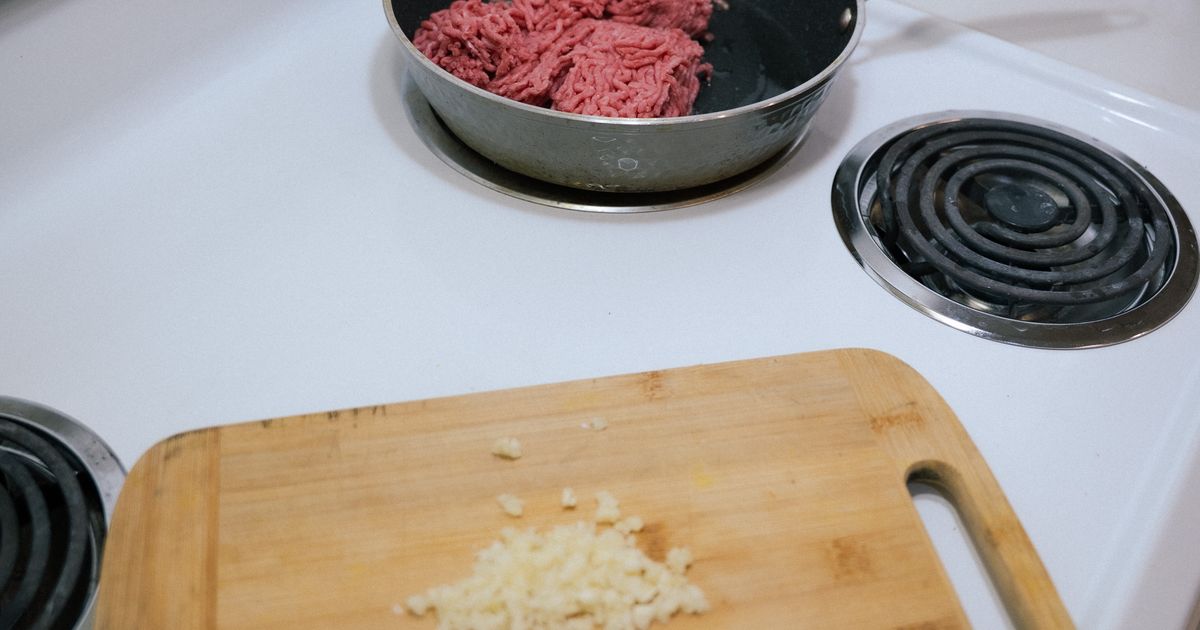
I’ve made this recipe hundreds of times, and a few hard-won lessons have elevated it from good to unforgettable. First, never skip the cornstarch coating on the beef. It’s not just a thickener—it also tenderizes by breaking down proteins slightly, ensuring each bite is melt-in-your-mouth tender. Second, resist the urge to add all the sauce at once. A little at a time gives you control over the glaze’s consistency.
- Temperature Control: Your skillet should be screaming hot before you add the beef. If it’s not, the meat will stew rather than sear, releasing juices that dilute the sauce’s flavor. Think of it like a tango—if you’re not moving fast enough, you’ll trip over your own feet.
- Ingredient Quality: Fresh ginger and garlic make a world of difference. Pre-minced jarred garlic loses its punch, and powdered ginger tastes flat compared to the real thing. For the beef, choose a cut with good marbling—fat equals flavor, and it keeps the meat juicy during high-heat cooking.
- Timing and Patience: Stir-frying is about rhythm. If you’re rushing, you’ll overcook the beef or under-crisp the vegetables. The entire process should take 12-15 minutes from start to finish. Any longer and the beef turns chewy, the peas turn mushy, and the sauce thickens into a gluey mess.
- Seasoning Balance: Taste the sauce before adding it to the skillet. If it’s too sweet, add a splash of rice vinegar. If it’s too salty, thin it with water. Remember, the beef and vegetables will absorb some of the sauce’s flavor, so aim for a slightly bold sauce to start.
—
Nutritional Benefits and Health Insights
This teriyaki beef stir-fry isn’t just a flavor bomb—it’s a nutritional powerhouse. A single serving (about 1 cup of beef and vegetables, plus ½ cup rice) clocks in at approximately 420 calories, with 32g of protein, 20g of carbohydrates, and 22g of fat (mostly healthy unsaturated fats from the sesame oil and beef). The snap peas alone contribute 60% of your daily vitamin C needs, while the beef provides heme iron—a form of iron that’s more easily absorbed by the body than plant-based iron.
Look closer, and you’ll find this dish is packed with antioxidants. Ginger contains gingerol, a compound with anti-inflammatory properties, while garlic’s allicin has been shown to support heart health. The soy sauce provides umami depth and a dose of B vitamins, though its sodium content is notable—about 800mg per serving. If you’re watching your salt intake, swap in coconut aminos or a low-sodium soy sauce blend. For a lower-calorie version, use cauliflower rice instead of white rice to cut carbs by half. And if you’re avoiding beef, chicken or tofu hold up beautifully in this recipe, though you’ll lose some iron content.
—
Creative Variations and Dietary Adaptations
This teriyaki stir-fry is endlessly adaptable. Here are five ways to make it your own:
- Spicy Kick: Add 1 tsp chili crisp or ½ tsp red pepper flakes to the sauce. For a deeper heat, stir in 1 tbsp gochujang (Korean fermented chili paste) with the soy sauce.
- Vegan Version: Swap the beef for 1 lb extra-firm tofu, pressed and cubed. Pressing removes excess water, allowing the tofu to crisp up beautifully. Use coconut aminos instead of soy sauce for a soy-free option, and add 1 tbsp tahini to the sauce for a creamy, umami-rich finish.
- Low-Carb: Skip the rice entirely and serve the stir-fry over roasted zucchini noodles or shredded cabbage. The sauce will cling beautifully, and the crunch of the cabbage adds a satisfying texture contrast.
- Umami Bomb: Stir 1 tbsp oyster sauce into the teriyaki sauce for a deeper, savory note. If you’re feeling indulgent, add a pat of butter at the end for a silky finish reminiscent of Japanese-style wagyu beef.
- Meal-Prep Friendly: Make a double batch and store components separately in the fridge for up to 3 days. Reheat the beef and sauce gently in a skillet, then toss with fresh snap peas and rice. The snap peas stay crisp when added fresh, so they don’t turn soggy.
—
Frequently Asked Questions
Why does my teriyaki sauce separate or turn clumpy when I add the cornstarch slurry?
This happens when the slurry isn’t whisked vigorously enough or when the sauce is too hot when you add it. The key is to temper the slurry by adding a spoonful of the hot sauce to the slurry first, whisking to create a smooth paste, then pouring the mixture back into the skillet. This prevents the starch from clumping. Also, remove the skillet from direct heat for 10 seconds after adding the slurry—this gives the starch time to hydrate without overheating.
Can I use pre-sliced beef for stir-fry, like the kind sold at the grocery store?
Pre-sliced beef is convenient, but it’s often cut with the grain, which makes it tough. For stir-fry, always slice against the grain to shorten the muscle fibers, resulting in tender bites. If you must use pre-sliced beef, marinate it in 1 tbsp soy sauce + 1 tsp cornstarch for 15 minutes before cooking to break down the fibers.
What’s the best substitute for mirin if I can’t find it?
Mirin’s unique sweetness and tang are hard to replicate, but a 1:1 substitute is 2 tsp sugar mixed with 1 tsp rice vinegar. For a fermented depth, add ½ tsp white miso paste. Avoid using dry sherry or white wine—they lack the sweetness necessary for balance.
My beef turned out chewy. What went wrong?
Overcooking is the most likely culprit. Beef cooked over high heat should take no more than 2-3 minutes total. Another possibility is cutting the beef too thickly—aim for ¼-inch slices for even cooking. Finally, not slicing against the grain can leave you with long muscle fibers that resist tenderizing.
Can I make this dish ahead of time and reheat it later?
Teriyaki stir-fry is best eaten fresh, as the vegetables lose their crispness and the sauce continues to thicken upon cooling. If you must meal prep, store the beef, sauce, and vegetables separately in airtight containers. Reheat the beef and sauce in a skillet over low heat for 2-3 minutes, then toss with fresh snap peas and rice just before serving.
—
Final Thoughts
There’s something magical about a dish that tastes like it came from a bustling city street food stall but takes less time to make than it does to order takeout. This teriyaki beef stir-fry is that dish—a symphony of textures and flavors that come together in the time it takes to boil water for rice. It’s proof that quick meals don’t have to be boring or rely on shortcuts. With a few smart techniques and top-quality ingredients, you can turn a weeknight into a mini culinary adventure.
I encourage you to play with this recipe. Swap in different proteins, add your favorite vegetables, or adjust the heat to your liking. Cooking is about joy, and joy is best found in the kitchen when you trust your instincts. So grab your skillet, fire up the stove, and let the sizzle of the beef and the aroma of ginger and garlic fill your home. This isn’t just dinner—it’s a love letter to the art of quick, easy cooking.