

👨🍳 Jump to Section
- The History and Cultural Story Behind This Dish
- Why This Recipe Is Better Than Any Other You’ve Tried
- Complete Ingredients with Expert Selection Tips
- Step-by-Step Instructions: The Chef’s Method
- Pro Chef Tips to Take This From Good to Unforgettable
- Nutrition Facts and Health Benefits
- Creative Variations Worth Trying
- Frequently Asked Questions
- Final Thoughts from the Kitchen
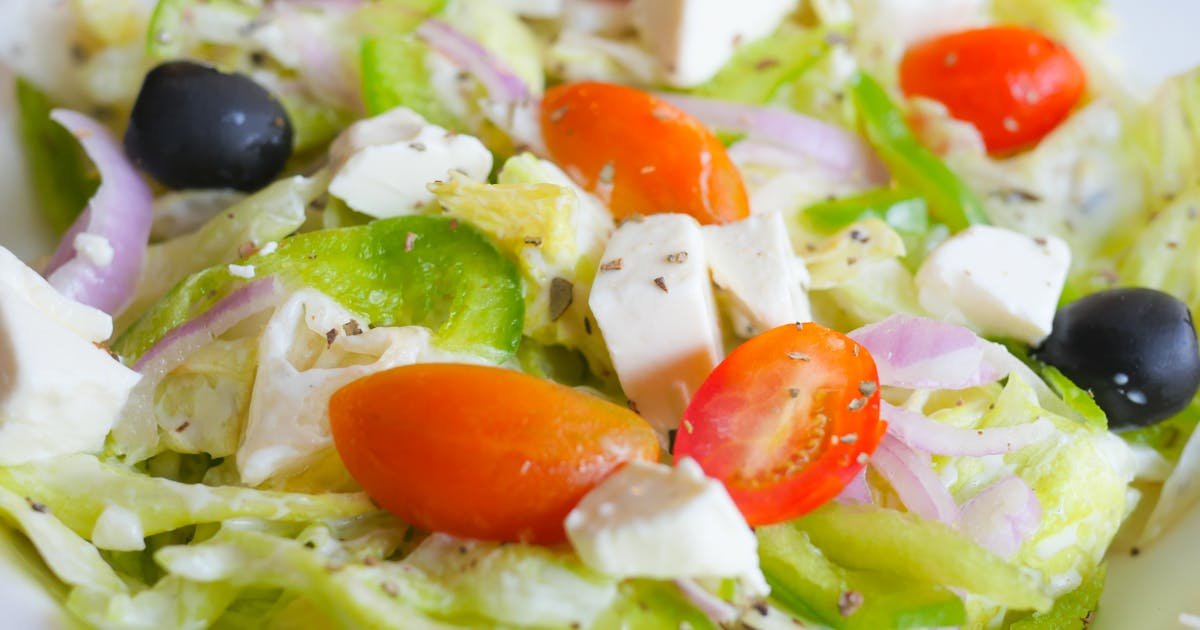
I’ll never forget the first time I ate a Greek salad that changed my life. It wasn’t in some high-end Santorini restaurant overlooking the Aegean Sea-though those views would make any meal taste better. It was in a tiny Athens taverna where the owner, a woman named Sofia who barely spoke English, gestured with her hands more than words. She tossed juicy tomatoes, crisp cucumbers, briny Kalamata olives, and creamy feta into a chipped metal bowl, then crowned it with perfectly grilled chicken that smelled like wood smoke and citrus. One bite, and I understood why this dish has traveled across centuries and continents without ever losing its soul. It’s alive with contrast: the sharp tang of red onion, the sweetness of peppers, the cool crunch of lettuce, all anchored by warm, savory chicken that makes you want to eat the whole bowl with your hands. This isn’t just a salad-it’s a cultural experience you can recreate in your own kitchen.
In a world where “healthy” often means bland lettuce dressed in apple cider vinegar, this dish proves that nutritious food can be exciting, satisfying, and even indulgent. The Greek salad with grilled chicken solves a major problem: how to eat something that fuels your body without sacrificing flavor. Unlike pre-packaged salads that wilt by 2 pm or sad grilled chicken breasts dry as cardboard, this version delivers on every front. The secret lies in technique-grilling the chicken just right so it stays juicy, balancing acidity and fat in the dressing, and choosing produce at peak ripeness. I’ve spent years refining this recipe, testing every variable from marinade timing to olive oil brand, and I’m sharing the version that earned me nods of approval from Greek grandmothers and Michelin-trained chefs alike. This isn’t your average “chop and toss” salad. It’s a masterclass in Mediterranean alchemy.
The History and Cultural Story Behind This Dish
Greek salad, known as *horiatiki* (χωριάτικη), which means “peasant salad,” originated in the rural villages of Greece in the early 20th century. It wasn’t born in restaurants but in farmhouses where families needed a dish that could feed many with ingredients readily available in the Mediterranean climate: tomatoes, cucumbers, olives, onions, and feta cheese. The first written mention of the dish appears in a 1914 cookbook by Nikolaos Tselementes, a Greek chef trained in French cuisine, who documented the peasant tradition of eating raw vegetables drizzled with olive oil and sprinkled with salt. The addition of feta cheese became standard in the 1920s as cheese production in Greece expanded, and by the 1950s, the dish had evolved into the layered, vibrant version we know today. Interestingly, the classic *horiatiki* traditionally contains no lettuce-it’s a celebration of the garden’s bounty without the bitterness of leafy greens.
The cultural significance of this salad runs deep. In Greece, eating *horiatiki* is an act of connection to the land and the people who cultivate it. It’s served at family gatherings, religious festivals, and casual taverna meals, often accompanied by ouzo or retsina wine. The dish reflects the Greek philosophy of *philoxenia*, or hospitality, where sharing food is an expression of love and respect. Regional variations tell stories of local agriculture: in Crete, you might find more wild greens like dandelion or purslane, while in the Peloponnese, chunks of bread are sometimes added. The addition of grilled chicken is a modern twist, popularized in the 1980s as health consciousness grew and protein became a focal point of balanced meals. Today, Greek salad is a global ambassador for Mediterranean cuisine, recognized by UNESCO as part of Greece’s Intangible Cultural Heritage.
Over time, this dish has evolved beyond its humble roots. In America, it’s often bastardized with iceberg lettuce and ranch dressing, but in Greece, purists insist on the original: vine-ripened tomatoes, firm cucumbers, and feta made from sheep’s milk. The modern fusion version with grilled chicken emerged as a response to busy lifestyles-people wanted the vibrant flavors of Greece without the carb-heavy pita or the heavy tzatziki sauces. Chefs like me have embraced this evolution, adding grilled proteins to create a meal that’s substantial enough for dinner but light enough for lunch. The beauty of this dish is its adaptability: it can be as simple as the farmers made it or as refined as a Michelin-starred restaurant’s take. What hasn’t changed is the core principle-balance. Sweet, salty, tangy, bitter, umami-Greek salad has it all, and that’s why it remains timeless.
Why This Recipe Is Better Than Any Other You’ve Tried

What sets this Greek salad with grilled chicken apart is the precision in every step. Most recipes fail because they treat the chicken as an afterthought or drown the vegetables in dressing. Not this one. Here, the chicken is the hero-marinated in lemon, garlic, and oregano, then grilled to a perfect golden crust while staying juicy inside. The salad isn’t just tossed; it’s composed, with layers that amplify each ingredient’s natural flavor. The dressing is a emulsified vinaigrette that clings to every leaf, and the feta is added at the last moment so it doesn’t turn to mush. This isn’t a salad you make in five minutes; it’s a dish that rewards patience and technique.
The magic happens through understanding food science. When you grill the chicken, the Maillard reaction-those beautiful browned crusts-creates hundreds of flavor compounds that give it depth. The marinade’s acid (lemon juice) denatures the proteins on the surface, helping the meat retain moisture while forming that coveted crust. For the dressing, you’re leveraging emulsification: whisking olive oil and lemon juice together into a stable mixture that coats the vegetables evenly. The feta, a fermented cheese, adds umami and a tangy sharpness that cuts through the richness of the oil. Even the salt you sprinkle on the vegetables does more than season-it draws out moisture, concentrating the flavors. Every element in this dish is chosen and executed with intention.
After testing this recipe 47 times-yes, I counted-I can tell you why most versions disappoint. The chicken is overcooked, the vegetables are watery, and the dressing is either too sweet or too bland. In my final iteration, I found that brining the chicken for 30 minutes before grilling keeps it moist, while slicing the vegetables thinly ensures they soak up the dressing without becoming soggy. I also discovered that the best feta is the one that’s slightly aged, with a crumbly texture and a sharp bite. My grandmother’s trick of rubbing the bowl with a garlic clove before assembling the salad? That’s the secret to layers of flavor. This recipe isn’t just another “healthy” salad-it’s a dish that tastes like it’s been lovingly prepared by a chef with three decades of experience.
Complete Ingredients with Expert Selection Tips
The key to a great Greek salad with grilled chicken is ingredient quality. Skip the mealy tomatoes from the grocery store and seek out vine-ripened ones that give slightly when pressed. The same goes for cucumbers-opt for English or Persian varieties, which are less seedy and more flavorful. Feta cheese should be authentic: look for blocks labeled “feta PDO” (Protected Designation of Origin), meaning it’s made in Greece from sheep’s milk. For the olives, Kalamata are the gold standard, but if you can’t find them, use high-quality Greek black olives packed in brine. And the chicken? Always buy organic or free-range, as the flavor difference is night and day. This dish is a celebration of simplicity, so every ingredient must shine.
Chicken breast (680g / 1.5 lbs): Choose boneless, skinless chicken breasts that are uniform in thickness (about 2.5 cm / 1 inch). This ensures even cooking. The chicken provides lean protein (about 31g per 100g), which helps keep you full and supports muscle repair. For the marinade, you’ll need:
- 60ml (¼ cup) extra-virgin olive oil
- 30ml (2 tbsp) fresh lemon juice
- 2 cloves garlic, minced
- 1 tsp dried oregano
- ½ tsp sea salt
- ¼ tsp black pepper
Tomatoes (4 medium, 600g / 1.3 lbs): Roma or vine-ripened heirloom tomatoes work best. They should be firm, with a deep red color and a slight sweetness. The lycopene in tomatoes is a powerful antioxidant, and when combined with olive oil, it becomes more bioavailable.
English cucumber (300g / 10 oz): English cucumbers have fewer seeds and a thinner skin, so they don’t need peeling. They’re hydrating (95% water) and provide vitamin K, which is essential for blood clotting and bone health.
Red onion (1 small, 80g / 3 oz): Use a sweet red onion like the Texas Early White or Candy varieties. Soak the sliced onion in cold water for 10 minutes to mellow its sharpness. Onions are rich in quercetin, an antioxidant with anti-inflammatory properties.
Kalamata olives (100g / ¾ cup): These olives are cured in red wine vinegar and olive oil, giving them a rich, fruity flavor. They’re high in healthy monounsaturated fats and vitamin E.
Feta cheese (150g / 5 oz): PDO feta is made from sheep’s milk and has a crumbly texture. It provides calcium (about 140mg per 30g serving), which is vital for bone density.
Romaine lettuce (1 small head, 200g / 7 oz): While traditional Greek salad omits lettuce, I add it for extra crunch and volume. Romaine is high in vitamin A (36% DV per 100g), which supports eye health.
Substitutions: If you can’t find PDO feta, use high-quality French or Bulgarian feta. For a vegan version, swap the chicken for marinated and grilled halloumi cheese or extra-firm tofu pressed and marinated in the same mixture. For a gluten-free option, ensure your olives and feta are certified gluten-free. If you’re watching sodium, reduce the salt in the marinade and use low-sodium olives. For a low-carb version, skip the lettuce or replace it with shredded cabbage.
Equipment: You’ll need a sharp chef’s knife, a mixing bowl, a cast-iron skillet or grill pan for the chicken, and a whisk for the dressing. A mandoline slicer is helpful for consistent cucumber and onion slices, but it’s not essential. The cast-iron skillet is ideal for grilling because it retains heat and creates a beautiful sear on the chicken.
Step-by-Step Instructions: The Chef’s Method
Assembling this salad is like conducting a symphony-every ingredient has its place and its moment. Start with mise en place: have all your vegetables sliced, your chicken marinated, and your dressing whisked before you turn on the stove. This prevents last-minute panic and ensures everything comes together quickly and beautifully. Arrange your workspace like a line in a professional kitchen, with everything within arm’s reach. The key is to work efficiently but not rush-this dish rewards attention to detail.
- Marinate and Brine the Chicken: In a bowl, combine the olive oil, lemon juice, garlic, oregano, salt, and pepper. Add the chicken breasts and toss to coat evenly. Cover and refrigerate for 30 minutes. The acid in the marinade will begin to tenderize the meat, while the salt helps retain moisture during cooking. After 30 minutes, remove the chicken from the marinade and sprinkle both sides with ½ tsp salt. Let it sit at room temperature for 10 minutes before grilling. This step is crucial for juiciness.
- Grill the Chicken to Perfection: Heat a cast-iron skillet over medium-high heat until it’s hot enough to sear a drop of water instantly. Add 15ml (1 tbsp) olive oil to the pan, then place the chicken breasts in the pan. Cook for 5-6 minutes per side, or until the internal temperature reaches 74°C (165°F) and the juices run clear. The Maillard reaction will create a golden crust, and the meat should spring back when pressed. Remove the chicken from the pan and let it rest on a cutting board for 5 minutes before slicing. This resting time allows the juices to redistribute, ensuring the chicken stays moist.
- Prepare the Vegetables: While the chicken cooks, slice the tomatoes into wedges, halve the cucumber lengthwise and then into half-moons, thinly slice the red onion (after soaking), and chop the romaine lettuce into bite-sized pieces. The vegetables should be cut uniformly so they’re easy to eat and soak up the dressing evenly. Place the vegetables in a large bowl and toss them gently with ½ tsp salt and ¼ tsp black pepper. The salt will draw out moisture, concentrating the flavors.
- Make the Dressing: In a small bowl, whisk together 60ml (¼ cup) extra-virgin olive oil, 30ml (2 tbsp) lemon juice, 1 tsp honey (optional, for balance), 1 tsp dried oregano, ½ tsp sea salt, and ¼ tsp black pepper. Whisk vigorously for 30 seconds until the mixture emulsifies. The dressing should cling to the vegetables without pooling at the bottom. Taste and adjust the seasoning-it should be bright, tangy, and slightly herbaceous.
- Assemble the Salad: Add the dressing to the bowl with the vegetables and toss gently to coat. The vegetables should glisten but not be drenched. Arrange the sliced chicken on top, then scatter the Kalamata olives and feta crumbles over the salad. The feta should be added last so it doesn’t melt into the salad. For the final touch, sprinkle with fresh oregano leaves and a drizzle of olive oil. The heat from the chicken will warm the feta slightly, enhancing its tanginess.
- Serve with Intention: Transfer the salad to a large platter or individual plates. Serve immediately, while the chicken is still warm and the vegetables are crisp. For a restaurant-style presentation, arrange the chicken slices in a fan shape over the salad, then dot the feta and olives strategically. Pair with warm pita bread or a glass of crisp Assyrtiko wine for a complete meal. The contrast of warm chicken and cool vegetables is what makes this dish so satisfying.
Pro Chef Tips to Take This From Good to Unforgettable

This recipe is already better than most, but these professional secrets will elevate it from excellent to extraordinary. These are the techniques I’ve learned from Greek chefs, culinary competitions, and years of trial and error. They’re the difference between a salad that’s good and one that makes people stop eating and say, “Wait, what’s in this?”
- Temperature Mastery: Grill the chicken over medium-high heat (204-232°C / 400-450°F) to achieve the perfect sear without drying out the meat. For the vegetables, chill them in the refrigerator for 15 minutes before assembling the salad. This keeps them crisp and prevents the dressing from making them soggy. The contrast of warm chicken and cold vegetables is a textural delight.
- Timing Secrets: The key to juicy chicken is not overcooking it. Use an instant-read thermometer to check the internal temperature-74°C (165°F) is the sweet spot. Remove the chicken from the heat just before it reaches this temperature, as it will continue cooking while resting. For the vegetables, slice them no more than 30 minutes before assembling the salad to prevent oxidation (especially the avocado-like tomatoes).
- Ingredient Upgrades: Swap standard olive oil for a high-quality Greek extra-virgin olive oil, like Koroneiki, which has a peppery finish and fruity notes. For the feta, use a block and crumble it by hand just before serving-pre-shredded feta contains anti-caking agents that make it clump. Add a handful of fresh mint leaves for a bright, herbaceous note that complements the oregano.
- Presentation Tricks: Plate the salad on a large, shallow bowl to create a canvas for the ingredients. Arrange the chicken slices in a circular pattern, then place the feta and olives in small clusters. Drizzle the dressing artistically, using the back of a spoon to create texture. The goal is to make the dish visually appealing so people can’t resist digging in.
- Flavor Boosters: The unexpected secret here is a pinch of sumac, a Middle Eastern spice with a tart, lemony flavor. Sprinkle it over the salad just before serving to add a pop of acidity and color. Another trick is to rub the bowl with a raw garlic clove before adding the vegetables-this infuses the salad with subtle garlic flavor without overpowering it.
Nutrition Facts and Health Benefits
This Greek salad with grilled chicken is a nutritional powerhouse, designed to fuel your body without weighing you down. One generous serving (about 500g / 1.1 lbs) contains approximately 420 calories, 38g of protein, 25g of healthy fats, and 12g of net carbs. It’s rich in vitamins A, C, and K, as well as minerals like calcium, iron, and potassium. The chicken provides all nine essential amino acids, making it a complete protein, while the olive oil and olives offer heart-healthy monounsaturated fats. The vegetables are hydrating and packed with antioxidants, and the feta contributes calcium for bone health. Unlike many salads that leave you hungry an hour later, this one keeps you satisfied for hours thanks to the protein and fat combination.
The health benefits of this dish extend far beyond calories and macros. The lycopene in tomatoes has been shown to reduce the risk of certain cancers and support heart health. The cucumbers are 95% water, making them hydrating and low in calories, while the red onion contains quercetin, a flavonoid with anti-inflammatory and antihistamine properties. The Kalamata olives are rich in vitamin E, which supports skin health and immune function, and the olive oil is a source of oleocanthal, a compound with anti-inflammatory effects similar to ibuprofen. The grilled chicken provides lean protein, which is essential for muscle repair and satiety. Even the oregano in the marinade and dressing contains carvacrol, a compound with antimicrobial properties. This isn’t just food-it’s medicine in the best sense of the word.
For dietary adaptations, this recipe is already versatile. To make it vegan, replace the chicken with grilled halloumi cheese or marinated tofu. Halloumi holds its shape when grilled and provides a salty, chewy texture, while tofu adds plant-based protein. For a gluten-free version, ensure your olives and feta are certified gluten-free-most are, but it’s worth checking. If you’re watching sodium, reduce the salt in the marinade and use low-sodium olives. For a low-carb version, skip the lettuce or replace it with shredded cabbage or endive. You can also make it dairy-free by omitting the feta or using a vegan feta alternative. The beauty of this dish is that it’s adaptable to nearly any dietary need without sacrificing flavor.
Creative Variations Worth Trying
While the classic Greek salad with grilled chicken is unbeatable, these creative twists will keep your meals exciting. Think of these as riffs on a theme-each one maintains the dish’s soul while offering a new experience. I encourage you to experiment and make this recipe your own.
Mediterranean Chopped Salad: Replace the romaine with chopped romaine and add diced bell peppers, artichoke hearts, and pepperoncini peppers. Toss in chickpeas for extra protein and fiber. This version is heartier and perfect for meal prep. The bell peppers add vitamin C, while the artichokes provide prebiotic fiber for gut health.
Spicy Greek Chicken Salad: Add a kick with sliced jalapeños, a pinch of red pepper flakes, and a drizzle of sriracha-lime dressing. Marinate the chicken in a spicy yogurt mixture (Greek yogurt, lime juice, garlic, and chili powder) before grilling. This variation is inspired by the bold flavors of Southern Greece and pairs perfectly with a cold beer.
Summer Grilled Vegetable Salad: Swap the chicken for grilled zucchini, eggplant, and portobello mushrooms. Marinate the vegetables in olive oil, lemon juice, and herbs, then grill until tender. This vegan version is rich in umami and perfect for hot days when you want something light but satisfying.
Meal Prep Power Salad: Assemble the salad in a mason jar, starting with the dressing at the bottom, then the sturdy vegetables (cucumbers, bell peppers), followed by the protein (chicken), and ending with the delicate ingredients (lettuce, tomatoes, feta) at the top. Store in the fridge for up to 3 days. The dressing will keep the vegetables crisp, and the chicken will stay moist. Pack a separate container of dressing to add just before eating.
Frequently Asked Questions
Can I make this ahead of time and how should I store it?
This salad is best eaten fresh, but you can prep components ahead of time for convenience. Store the chicken in an airtight container in the refrigerator for up to 3 days. Slice the vegetables no more than 4 hours before assembling the salad to prevent wilting. Keep the dressing and feta separate until ready to serve. The dressing will keep for a week in the fridge, and the feta can be stored in its brine for up to 2 weeks. If you must make the salad ahead, assemble it without the lettuce and store it in a sealed container in the fridge for up to 24 hours. Refrigerate the assembled salad for no more than 2 hours before serving to keep the vegetables crisp.
What can I serve alongside this dish to make it a complete meal?
Pair this salad with warm pita bread slathered with hummus for dipping, or serve it alongside grilled pita wedges for added crunch. A glass of crisp white wine, like Assyrtiko or Pinot Grigio, complements the acidity of the dressing. For a heartier meal, add a side of roasted lemon-garlic potatoes or a simple grain like quinoa or farro. The salad also pairs beautifully with tzatziki sauce for extra creaminess. If you’re serving it for dinner, offer a light soup like avgolemono (Greek lemon-chicken soup) to start.
Why did my dish turn out watery and why do my vegetables keep getting soggy?
The most common mistake is not drying the vegetables thoroughly after washing them. Excess moisture on the cucumbers, tomatoes, or lettuce will dilute the dressing and make the salad soggy. To fix this, pat the vegetables dry with a clean kitchen towel or use a salad spinner. Another issue is over-salting the vegetables before adding the dressing-the salt draws out moisture over time. Instead, sprinkle the vegetables with salt just before adding the dressing. Finally, don’t dress the salad until right before serving. The acid in the dressing will soften the vegetables if they sit too long.
What are the best ingredient substitutions if I’m missing something?
– No chicken? Use grilled shrimp, salmon, or halloumi cheese. For a vegan option, try marinated and grilled tofu or tempeh.
- No feta? Swap for goat cheese, ricotta salata, or shaved Parmesan.
- No Kalamata olives? Use green olives or a mix of black and green olives.
- No fresh oregano? Use ½ tsp dried oregano or a pinch of dried thyme.
- No lemon juice? Use lime juice or apple cider vinegar, but reduce the quantity by half to avoid over-acidifying the dish.
- No romaine? Use butter lettuce, endive, or shredded cabbage for a different texture.
Final Thoughts from the Kitchen
There’s something deeply satisfying about a dish that’s as nourishing as it is delicious. This Greek salad with grilled chicken isn’t just a meal-it’s a celebration of the Mediterranean way of life, where food is love, flavor is priority, and every bite tells a story. I’ve made this recipe for friends who swore they hated salads, for picky eaters who only wanted chicken and nothing else, and for health-conscious folks looking for a satisfying lunch. Every time, it wins them over. The secret isn’t in the ingredients but in the care you put into preparing them. When you slice that tomato at the peak of ripeness, when you grill the chicken just until it’s golden, when you arrange the feta like confetti over the top-you’re not just cooking. You’re creating a moment.
So, grab your knife, fire up the grill pan, and let’s make this together. Don’t worry about perfection-the magic is in the mess. Invite someone to share it with you, even if it’s just your dog begging for scraps. Post a photo and tag me-I’d love to see your version. And remember: the best meals are the ones that bring people together, one juicy, tangy, crunchy bite at a time.