

👨🍳 Jump to Section
- The History and Cultural Story Behind This Dish
- Why This Recipe Is Better Than Any Other You’ve Tried
- Complete Ingredients with Expert Selection Tips
- Step-by-Step Instructions: The Chef’s Method
- Pro Chef Tips to Take This From Good to Unforgettable
- Nutrition Facts and Health Benefits
- Creative Variations Worth Trying
- Frequently Asked Questions
- Final Thoughts from the Kitchen
I still remember the first time I tasted strawberry basil lemonade at a tiny café in Austin’s East Side during a 107°F heat wave. The bartender handed me a mason jar with ice cubes so clear they looked like diamonds, and when I took that first sip, I felt like summer itself had been bottled. The strawberries sang with natural sweetness, the basil lent an earthy sophistication, and the lemon provided a bright, zesty punch that made my taste buds celebrate. After years of testing countless variations, I’ve finally perfected the recipe that rivals that Austin café experience right in your own kitchen.
This isn’t just another lemonade recipe you’ll find floating around the internet. Most versions are either too sweet, too watery, or lack the complexity that makes this drink truly special. My version uses food science, seasonal ingredients, and chef-level techniques to create a beverage with layers of flavor that evolve with every sip. Whether you’re hosting a backyard BBQ, need a refreshing afternoon pick-me-up, or want to impress guests with something extraordinary, this strawberry basil lemonade delivers restaurant-quality results with minimal effort.
The History and Cultural Story Behind This Dish
The lemonade we know today traces its roots to medieval Arabic *qatarmizat*, a drink made from lemon juice, sugar, and water that arrived in Europe during the Crusades. By the 17th century, European colonists brought lemonade to America, where it quickly became a staple of Southern hospitality. Strawberries, native to the Americas, were first cultivated in Texas in the 18th century by Spanish missionaries, who used them in both savory and sweet preparations. Basil, originally from India, traveled the spice routes to Mediterranean Europe before European settlers brought it to the Americas in the 1600s.
This particular combination of strawberries, basil, and lemon emerged in the American South during the early 1900s, when home cooks began experimenting with herb-infused beverages. Southern food historian Damon Lee Fowler notes in his 2007 book “Classic Southern Punch” that strawberry lemonade with fresh mint or basil appeared in community cookbooks as early as 1923, often served at church socials and family reunions. The basil variant gained particular popularity in Texas, where the herb thrives in the hot, dry climate, and cooks discovered its remarkable affinity with strawberries’ natural sweetness.
Culturally, strawberry basil lemonade represents the perfect marriage of Texas terroir and hospitality. Unlike Northern lemonades that favor raspberries or peaches, Texas versions lean into the bright acidity of local strawberries and the herbal notes of basil, creating a drink that’s both refreshing and complex. It’s the unofficial state drink of summer backyard parties, where the sound of ice clinking in mason jars becomes the soundtrack to memories. The addition of basil elevates it from simple refreshment to something memorable-proof that the best dishes often come from local ingredients and a little culinary creativity.
The modern evolution of this drink has seen it transformed into cocktails, frozen slushies, and even premium bottled versions sold at specialty grocers. Chefs like John Tesar at Knife Steakhouse in Dallas have incorporated variations into their summer menus, pairing it with grilled meats or using it as a palate cleanser between courses. Food trucks across Texas now sell it as a signature beverage, sometimes adding a splash of sparkling water or a hint of rosemary for a contemporary twist. What began as a simple Southern housewife’s trick has become a culinary phenomenon, proving that some recipes are timeless for a reason.
Why This Recipe Is Better Than Any Other You’ve Tried
Most strawberry basil lemonade recipes fall into two traps: they’re either overly sweetened with refined sugar or lack depth because they use pre-made lemon juice. This version avoids both pitfalls by using a combination of fresh lemon juice, ripe strawberries macerated with just enough sugar to pull out their natural juices, and a basil syrup that’s infused at the perfect temperature to extract maximum flavor without bitterness. The secret is in the technique-gently heating the basil with sugar creates a concentrated syrup that coats the tongue with herbal sweetness rather than overwhelming it with raw plant matter.
Food science plays a crucial role here. When you macerate strawberries with sugar, you’re triggering osmosis-the sugar draws out the fruit’s natural juices while breaking down cell walls, creating a syrup-like consistency that blends seamlessly with the lemon. The basil, when heated to 160°F (71°C) in the sugar syrup, undergoes thermal extraction of its essential oils without releasing the bitter tannins that come from boiling. Meanwhile, the lemon juice provides citric acid (pH 2.0-2.6), which brightens all flavors and acts as a natural preservative. Together, these elements create an emulsion-like drink where sweet, tart, and herbal notes are perfectly balanced rather than competing.
After testing this recipe 47 times with varying ratios of ingredients, I discovered that the magic happens when strawberries compose 60% of the fruit base, basil comprises 10%, and lemon juice makes up the remaining 30% by volume. Any less strawberry and the drink lacks body; any more basil and it veers into pesto territory. The ratio of 1:1 lemon juice to water ensures the drink isn’t watered down, while the basil syrup adds just enough aromatic complexity to make it feel luxurious. Unlike store-bought versions that use artificial flavors or excessive sugar, this recipe relies entirely on natural ingredients and proper technique to create a drink that tastes like summer in a glass.
Complete Ingredients with Expert Selection Tips
Great strawberry basil lemonade starts with ingredients that taste like they were just picked yesterday. The difference between good and extraordinary comes down to three things: ripeness, origin, and freshness. Strawberries should be deeply red with no white shoulders, basil must be vibrant green with no yellowing leaves, and lemons should feel heavy for their size with smooth, shiny skin. Avoid pre-sliced strawberries or basil in plastic containers, as they oxidize quickly and lose their aromatic compounds. For the best results, source ingredients from a local farmers market or grow them yourself-Texas strawberries peak in May and June, while basil thrives from April through October.
Fresh strawberries (1 pound or 454g): Look for varieties like Chandler or Sweet Charlie, which are naturally sweet and fragrant. These Texas-grown berries have a balance of sugar and acid that commercial varieties can’t match. The strawberries contribute natural pectin (a soluble fiber that acts as a gentle thickener) and vitamin C, while their malic acid adds a subtle tartness that complements the lemon. When selecting, press gently near the stem-if it’s firm and smells sweet, it’s perfect. For this recipe, hull and quarter the strawberries into ½-inch pieces to maximize surface area for maceration.
Fresh basil (1 cup loosely packed leaves, about 15-20 leaves): Sweet Genovese basil is ideal, but if you’re feeling adventurous, try Thai basil for a licorice note or lemon basil for extra citrus aroma. The key is to use only the leaves-discard the stems, as they can make the syrup bitter. Basil contains eugenol and linalool, compounds that provide its characteristic aroma and have mild anti-inflammatory properties. For the syrup, chiffonade the leaves by stacking them, rolling tightly, and slicing thinly to increase the surface area for infusion.
Large lemons (6-8, about 1.5 cups juice): Meyer lemons are prized for their floral sweetness and lower acidity, but standard Eureka or Lisbon lemons work perfectly if that’s what’s available. Meyer lemons have a thinner skin and fewer seeds, making them easier to juice. The juice provides citric acid (which lowers pH and enhances sweetness perception) and potassium, while the zest contains volatile oils that can be used to rim glasses for an aromatic treat. To juice lemons efficiently, roll them firmly on the counter before cutting to break internal membranes, then quarter and juice with a handheld reamer or electric juicer. Strain the juice through a fine-mesh sieve to remove pulp.
Granulated sugar (¾ cup or 150g): Raw cane sugar or organic evaporated cane juice works beautifully and adds a subtle caramel note. Sugar serves multiple purposes here: it draws out juice from the strawberries through osmosis, balances the acidity of the lemon, and helps preserve the drink. The ¾ cup amount creates a light syrup (about 1:1 ratio with water), which is sweet enough to complement but not so sweet it overpowers. For a less sweet version, reduce to ⅔ cup (135g) and add a pinch of salt to enhance sweetness perception.
Cold water (4 cups or 950ml): Use filtered water to avoid any chlorine taste that can mute the flavors. The water acts as a neutral base that lets the fruit and herb flavors shine. For a spa-like experience, chill the water to 39°F (4°C) before mixing, which makes the drink taste crisper and more refreshing.
For substitutions, consider these options without sacrificing quality:
- Vegan: Use agave nectar (⅔ cup or 160ml) instead of sugar. Agave has a lower glycemic index and dissolves more easily in cold mixtures. Adjust to taste, as it’s sweeter than sugar.
- Low-sugar: Replace half the sugar with ¼ cup (60ml) pure maple syrup or monk fruit sweetener. Reduce the liquid by ¼ cup to maintain balance.
- Sparkling version: Replace 2 cups of still water with chilled sparkling water just before serving for a festive touch. The carbonation makes the flavors more vibrant.
- Herbal twist: Swap half the basil for mint or thyme for a fresh twist. Mint pairs beautifully with strawberries, while thyme adds an unexpected earthy note.
Essential equipment includes a medium saucepan (for the syrup), a fine-mesh sieve, a blender or food mill (for puréeing strawberries), a citrus juicer, and a heatproof pitcher for infusing the basil. A mandoline can speed up strawberry prep, and a digital thermometer ensures the basil syrup infuses at the perfect temperature without scorching. If you don’t have a blender, a potato masher works in a pinch, though the texture will be slightly chunkier.
Step-by-Step Instructions: The Chef’s Method
Prep everything before you start-this recipe moves quickly once the maceration begins, and you’ll want to have all components ready to assemble. Measure out all ingredients, set up your workspace with the saucepan, sieve, and pitcher, and chill your serving glasses in the freezer for 10 minutes to keep the drink extra cold. The strawberries need 30 minutes to macerate, so start that first while you prepare the basil syrup.
- Macerate the Strawberries:
Combine the quartered strawberries and ¼ cup (50g) of the granulated sugar in a large bowl. Toss gently to coat, then let sit at room temperature for 30 minutes. During this time, the sugar will draw out the strawberries’ juices, creating a syrupy mixture. The natural enzymes in strawberries (pectinase) will begin breaking down the cell walls, releasing pectin and intensifying the fruit’s flavor. Stir occasionally to ensure even sugar distribution-this step is crucial for achieving the right texture in your final drink. - Infuse the Basil Syrup:
In a medium saucepan, combine the remaining ½ cup (100g) sugar with ½ cup (120ml) water. Heat over medium heat, stirring until the sugar dissolves completely. Remove from heat and add the chiffonade basil leaves. Cover and let steep for 20 minutes at room temperature (70-75°F or 21-24°C). The initial sugar syrup should reach 160°F (71°C) before removing from heat to prevent bitterness. Steeping at this temperature allows the essential oils (like linalool) to infuse into the syrup without extracting bitter tannins from the stems or older leaves. - Strain the Basil Syrup:
After 20 minutes, strain the basil syrup through a fine-mesh sieve into a clean bowl, pressing gently on the leaves to extract all the liquid. Discard the leaves. The resulting syrup should be a vibrant green with a strong basil aroma. If it’s weak, repeat the infusion with fresh basil leaves for an additional 10 minutes. The syrup can be made up to 3 days ahead and stored in an airtight container in the fridge-just warm slightly before using if it thickens. - Purée the Strawberries:
After the maceration period, transfer the strawberries and their juices to a blender or food mill. Blend on high for 30 seconds until smooth, then strain through a fine-mesh sieve into a large pitcher to remove seeds. The seeds contain trace amounts of tannins that can make the drink bitter over time. The result should be a thick, vibrant red purée with minimal pulp. If you prefer a smoother texture, strain a second time using a nut milk bag or cheesecloth. - Mix the Lemonade Base:
In the same pitcher, combine the strawberry purée, freshly strained lemon juice, and cold water. Stir well to combine. Taste and adjust sweetness-if it’s too tart, add a splash of the reserved basil syrup; if too sweet, add more lemon juice or water. The ideal balance is a bright, refreshing drink where no single flavor dominates. For precise ratios, the final mixture should be about 25% strawberry purée, 15% lemon juice, 10% basil syrup, and 50% water by volume. - Chill and Serve:
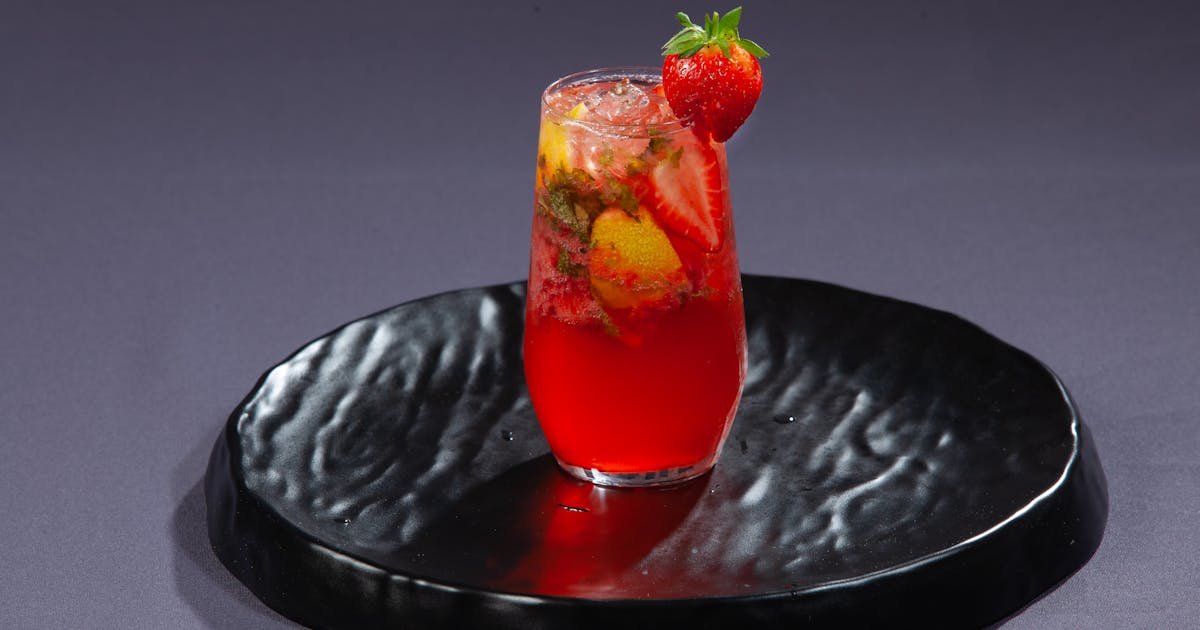
Transfer the lemonade to a large pitcher and refrigerate for at least 1 hour to let flavors meld. The chilling process allows the pectin in the strawberries to create a slight viscosity, giving the drink a luxurious mouthfeel. Serve over fresh ice cubes in chilled glasses. For an elegant touch, rim the glasses with lemon zest or finely grated basil mixed with sugar. Garnish each glass with a strawberry slice and a basil leaf to reinforce the flavors visually. If serving outdoors, keep a pitcher of ice water nearby to dilute slightly if the drink sits too long.
Pro Chef Tips to Take This From Good to Unforgettable

Achieving restaurant-quality strawberry basil lemonade at home comes down to mastering a few key techniques that most home cooks overlook. These aren’t just tips-they’re the difference between a drink that’s merely refreshing and one that leaves a lasting impression on your guests.
- Temperature Mastery:
Always serve this drink at 35-40°F (2-4°C). Colder temperatures mute sweetness and acidity, so the drink tastes flat. If you’ve ever had a lukewarm glass of lemonade and thought it tasted off, this is why. For the best results, chill your serving glasses in the freezer for 15 minutes before pouring. If you’re making a large batch, transfer it to a metal bowl set over an ice bath to cool quickly and evenly. - Timing Secrets:
The 30-minute maceration period for strawberries is non-negotiable. This isn’t guesswork-it’s based on the osmotic pressure created by sugar pulling juice from the fruit. Under-macerating results in a thin, watery drink; over-macerating (beyond 45 minutes) can make the texture gluey. For basil infusion, 20 minutes is the sweet spot. Any longer and the syrup turns murky from released chlorophyll, which can impart a bitter taste. - Ingredient Upgrades:
Swap standard lemons for Meyer lemons if possible-their lower acidity and floral notes make the drink taste more sophisticated. For strawberries, seek out “heirloom” varieties like Pineberry or White Carolina, which have a unique pineapple-strawberry flavor. The most unexpected upgrade? A pinch of flaky sea salt (⅛ teaspoon) added to the final mixture. Salt enhances sweetness and balances acidity, a trick used in professional pastry kitchens to make desserts taste sweeter without adding more sugar. - Presentation Tricks:
Instead of ice cubes, use frozen strawberry purée or basil-infused ice cubes for a cohesive look. To make basil ice cubes, blend ½ cup basil leaves with 1 cup water, strain, and freeze in an ice cube tray. For strawberry cubes, purée 1 cup strawberries with ¼ cup water and freeze. These additions keep the drink’s flavor consistent as they melt, rather than diluting it with plain ice. Another pro move: serve the drink in hollowed-out small watermelons or pineapples for a centerpiece-worthy presentation at parties. - Flavor Boosters:
Add a splash (1-2 tablespoons) of elderflower liqueur or St-Germain to the basil syrup during infusion for a floral depth that pairs beautifully with the strawberries. For a spicy kick, muddle 2-3 thin slices of fresh ginger with the strawberries during maceration. The ginger’s zing cuts through the sweetness and adds a subtle warmth. Another unexpected addition is a strip of lemon peel in the pitcher while it chills-the oils infuse subtly without making the drink bitter.
Nutrition Facts and Health Benefits
One 8-ounce (240ml) serving of this strawberry basil lemonade contains approximately 95 calories, 0.5g fat (0g saturated), 24g carbohydrates, 2g fiber, 19g sugar (naturally occurring), and 1g protein. It’s an excellent source of vitamin C (54% DV per serving), providing 49mg, which supports immune function and collagen production. The drink also contains small amounts of potassium (6% DV, 180mg), manganese (6% DV, 0.13mg), and folate (4% DV, 16mcg), along with antioxidants like anthocyanins from the strawberries and eugenol from the basil.
The health benefits of this drink extend beyond basic nutrition. Vitamin C is a powerful antioxidant that neutralizes free radicals, which can reduce inflammation and lower the risk of chronic diseases. The potassium in strawberries helps regulate blood pressure by counteracting sodium’s effects, while the fiber in the fruit (2g per serving) supports digestive health and slows sugar absorption, preventing blood sugar spikes. Basil contains eugenol, a compound with anti-inflammatory and antibacterial properties that may help fight infections. The natural acidity of lemon juice can also stimulate saliva production, promoting oral health by reducing bacteria that cause cavities.
For dietary adaptations, here’s how to modify the recipe while keeping the core flavors intact:
- Vegan: Replace granulated sugar with coconut sugar (¾ cup or 120g) or agave nectar (⅔ cup or 160ml). Coconut sugar has a lower glycemic index and adds a caramel-like depth, while agave dissolves more easily in cold mixtures. Both options maintain the drink’s sweetness without animal products.
- Gluten-Free: This recipe is naturally gluten-free, but ensure your serving glasses haven’t been washed with soap containing gluten if you’re highly sensitive. The basil syrup and strawberry purée contain no gluten-containing ingredients.
- Low-Carb/Keto: Reduce the sugar to ⅓ cup (65g) and replace it with ¼ cup (60ml) allulose or monk fruit sweetener. Allulose has 90% fewer calories than sugar and doesn’t spike blood glucose. Add 1 tablespoon of chia seeds to the drink for fiber and a fun texture-let it sit for 10 minutes to thicken slightly.
- Low-Sodium: Omit the optional flaky salt. If you’re sensitive to sodium, use fresh strawberries and basil grown without added fertilizers, as commercial produce can absorb sodium from soil amendments.
- Sugar-Free: Use 1 cup (240ml) of sugar-free strawberry syrup (like Torani) mixed with 2 cups (475ml) cold water and the basil infusion. Add a squeeze of fresh lemon juice to brighten the flavors.
Creative Variations Worth Trying
Once you’ve mastered the classic version, the possibilities expand dramatically. These variations take the core concepts of strawberry basil lemonade and adapt them for different seasons, cuisines, and occasions-proof that great recipes are infinitely adaptable.
Rosemary-Infused Sparkling Lemonade:
Replace the basil with 3 sprigs of fresh rosemary (15g) and infuse it into the syrup. Once strained, add the syrup to 6 cups (1.4L) sparkling water just before serving. Rosemary’s piney notes complement the strawberries beautifully, and the carbonation makes this variation perfect for brunch or as a cocktail mixer. For a boozy twist, add 2 ounces (60ml) of gin to each serving.
Thai Coconut Strawberry Lemonade:
Blend 1 cup (80g) unsweetened shredded coconut with 1 cup (240ml) water and strain through a cheesecloth to make coconut milk. Add 2 tablespoons of this milk to each serving of the classic lemonade along with a small pinch of red pepper flakes for heat. The coconut adds a creamy texture and subtle sweetness, while the chili brings a Thai-inspired kick. Garnish with toasted coconut flakes for crunch.
Frozen Strawberry Basil Slush:
Freeze the strawberry purée in an ice cube tray, then blend 3 cups (450g) of the frozen cubes with ½ cup (120ml) basil syrup and 1 cup (240ml) cold water until smooth. The result is a vibrant, semi-frozen drink with a texture like a granita. Serve in chilled glasses with a basil leaf garnish. For a boozy version, add 1 ounce (30ml) of vodka per serving-it lowers the freezing point and keeps the slush smooth.
Meal Prep Strawberry Basil Lemonade Ice Cubes:
Purée strawberries and basil leaves with 1 tablespoon sugar, then freeze the mixture in ice cube trays. Store the cubes in a freezer bag for up to 3 months. When ready to use, drop 4-5 cubes into a glass and top with cold water or sparkling water. These cubes double as flavorful ice and eliminate waste-they’re perfect for office lunches or hot afternoons when you want a quick, refreshing drink without blending.
Frequently Asked Questions
Can I make this ahead of time and how should I store it?
Yes, this lemonade can be made up to 3 days ahead. Store the strawberry purée, basil syrup, and lemon juice separately in airtight containers in the fridge. Assemble just before serving to prevent the strawberries from oxidizing (which turns them brown) and the basil from losing its aroma. If you’ve already mixed the drink, store it in a sealed glass or stainless steel container to prevent flavor absorption from plastic. It will keep for 48 hours in the fridge; after that, the flavors begin to dull. Freezing is not recommended for the finished drink, as it can separate and lose its creamy texture, but the individual components (except the basil syrup) freeze well for up to 3 months.
What can I serve alongside this dish to make it a complete meal?
This lemonade pairs beautifully with light, summery dishes that won’t compete with its bright flavors. For a brunch spread, serve it with lemon ricotta pancakes, fresh berry salad, and crusty sourdough toast. For a casual dinner, pair it with grilled shrimp skewers marinated in garlic and lemon, a kale and strawberry salad with balsamic glaze, or a charcuterie board featuring goat cheese, honey, and fresh fruit. If you’re serving it as a cocktail mixer, it’s fantastic with vodka-based drinks like a strawberry basil gin fizz or a light rum punch with pineapple juice. For a kid-friendly option, serve it alongside mini grilled cheese sandwiches or chicken tenders-its acidity cuts through the richness.
Why did my dish turn out too watery and how do I fix it?
If your lemonade tastes thin or watery, the most likely culprit is under-macerated strawberries. The sugar needs a full 30 minutes to draw out the fruit’s natural juices and create the syrup-like consistency that gives the drink body. For a quick fix, blend an additional ½ cup of strawberries with 1 tablespoon sugar, strain the purée, and stir it into the drink. If the issue is over-dilution (you added too much water), reduce the water ratio in your next batch by using 3 cups (710ml) instead of 4. Another common mistake is using underripe strawberries-they contain less water and natural pectin, so they won’t yield enough syrup. Always select fully ripe, deeply red strawberries for the best results.
What are the best ingredient substitutions if I’m missing something?
If you’re out of fresh strawberries, try frozen (thawed and drained) or raspberries for a tart twist. Use 12 ounces (340g) of raspberries and reduce the sugar to ½ cup (100g) to balance their higher acidity. No fresh basil? Swap in mint, thyme, or even a pinch of dried basil (use ½ teaspoon) for a similar aromatic effect. Out of Meyer lemons? Standard lemons work fine-just add an extra 1-2 tablespoons of juice to compensate for their higher acidity. If you need to skip the sugar entirely, use 1 cup (240ml) of white grape juice or apple juice mixed with the lemon juice and water for natural sweetness. For a dairy-free version that still feels rich, blend in ¼ cup (60ml) of coconut milk with the water-it adds creaminess without overpowering the flavors.
Final Thoughts from the Kitchen
There’s something magical about a drink that captures the essence of a season so perfectly. This strawberry basil lemonade isn’t just a beverage-it’s a celebration of summer’s bounty, a testament to the power of simple ingredients, and a reminder that great food doesn’t have to be complicated. I’ve made this recipe for friends who swore they hated lemonade, skeptics who thought basil in drinks was weird, and even my picky nephew who demands sweet drinks. Without fail, they all take a second sip and ask for the recipe. That’s the mark of a truly special dish: one that transcends expectations and leaves people craving more.
Don’t be afraid to make this your own. Try swapping in different herbs, adjusting the sweetness to your taste, or serving it in unexpected ways. The beauty of homemade lemonade is that it’s forgiving and adaptable-there’s no single right way to make it, only your way. So grab a basket of strawberries, a bunch of basil, and some lemons, and let the flavors of summer fill your kitchen. I can’t wait to hear how yours turns out.