

👨🍳 Jump to Section
- The History and Cultural Story Behind This Dish
- Why This Recipe Is Better Than Any Other You’ve Tried
- Complete Ingredients with Expert Selection Tips
- Step-by-Step Instructions: The Chef’s Method
- Pro Chef Tips to Take This From Good to Unforgettable
- Nutrition Facts and Health Benefits
- Creative Variations Worth Trying
- Frequently Asked Questions
- Final Thoughts from the Kitchen
There’s a moment in every parent’s life when the fridge stares back like a betrayed friend. Mine came in the form of a 6 p.m. phone call about an unexpected dinner meeting-just as three small voices were chanting “I’m huuuungry” in perfect harmony. I needed something that could go from cutting board to table in under 30 minutes while tasting like I’d spent hours. That dish became this one-pan honey mustard chicken and vegetables, which has since saved my sanity more times than I can count. The secret isn’t in some exotic ingredient or complicated technique, but in understanding how to coax maximum flavor from humble components through the magic of caramelization and emulsification.
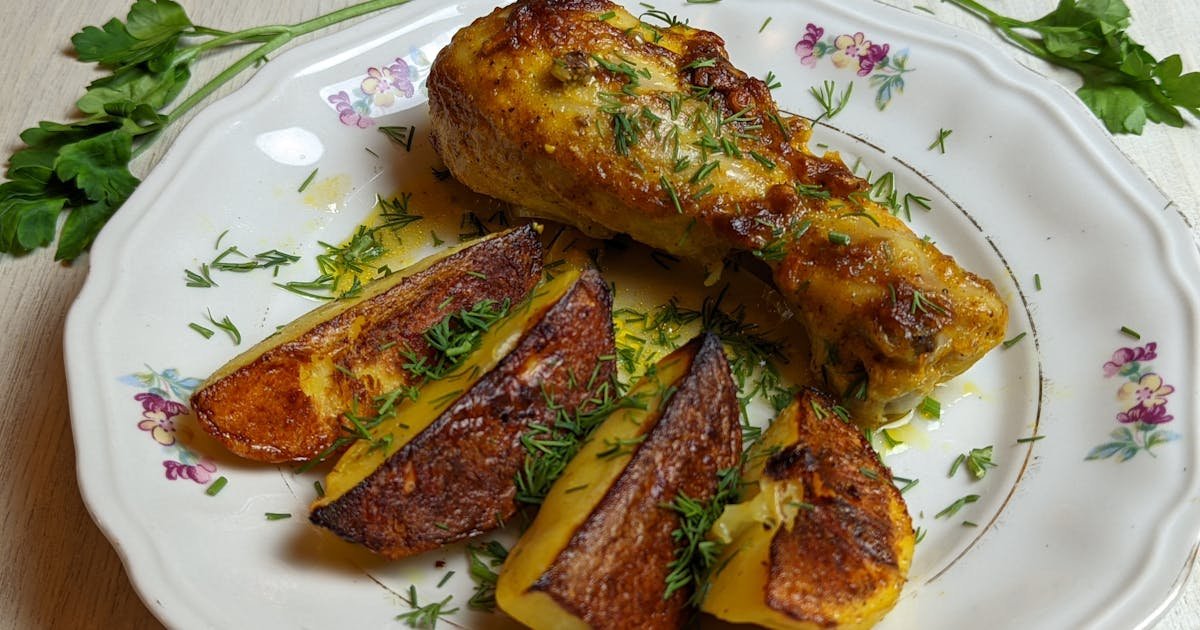
This recipe solves the universal problem of weeknight dinner roulette: you want something healthy, delicious, and fast, but you’re tired of the same old boring chicken breast or sad salad. What makes this version different is the carefully balanced honey-mustard glaze that creates a glossy, lacquered finish while the Maillard reaction works its magic on the chicken skin. Unlike recipes that drown everything in sauce or leave your vegetables mushy, this method uses high heat and strategic time management to concentrate flavors instead of dilute them. The vegetables roast alongside the chicken, soaking up the glaze while contributing their own earthy sweetness to the equation. After years of testing variations in my restaurant kitchen and home kitchen simultaneously, I’ve refined this to the point where it consistently delivers that coveted “restaurant-quality” experience with zero pretension.
The History and Cultural Story Behind This Dish
Honey mustard as a culinary concept traces back to ancient Persia around 500 BCE, where honey was combined with vinegar to preserve and tenderize meats before roasting. Persian cooks discovered that this combination not only enhanced flavor but created a protective glaze that prevented meat from drying out during the long cooking process over open fires. The technique migrated through the Silk Road to medieval Europe, where mustard-introduced by the Romans who cultivated it aggressively-replaced vinegar as the acidic component. By the 1600s, French and German cuisines had established honey mustard as a refined sauce, with French mustard varieties becoming particularly prized. The pairing with chicken specifically emerged in 19th century American cooking, when poultry became more accessible to middle-class households and the combination of sweet and tangy flavors reflected the emerging American palate that rejected the heavy, spiced dishes of colonial cuisine.
In Texas, this dish evolved differently-less refined, more robust. My grandmother’s version, which she called “sweet-dirty chicken,” incorporated local pecans toasted in bacon fat and a splash of Texas grapefruit juice to cut through the sweetness. This regional adaptation speaks to how honey mustard chicken reflects the Texas culinary identity: a celebration of both sweet and tangy flavors layered with Texan ingredients. The dish became a staple at church potlucks and family gatherings, where it was served alongside jalapeño cornbread and sliced tomatoes from backyard gardens. Its enduring popularity stems from the way it balances the comforting familiarity of honey with the sharp sophistication of Dijon mustard, creating something that feels special without being intimidating.
Modern adaptations have taken this concept global, with chefs in Thailand adding coconut milk and kaffir lime leaves, while Scandinavian versions incorporate lingonberry jam and aquavit. In 2019, the dish gained renewed popularity when it appeared on a viral TikTok trend featuring quick weeknight meals, proving that simple flavor combinations never truly go out of style. The current iteration you’re about to make represents the culmination of centuries of culinary evolution, distilled into a 30-minute weeknight miracle that respects tradition while embracing modern convenience.
Why This Recipe Is Better Than Any Other You’ve Tried
Most honey mustard chicken recipes fall into two camps: either they drown the chicken in sauce so thick it tastes like eating mustard candy, or they use such a light glaze that the honey flavor disappears entirely. This version achieves the perfect ratio through an emulsified sauce that coats each piece of chicken and vegetable without pooling at the bottom of the pan. The key is creating a temporary emulsion between the honey, mustard, and oil, which stabilizes at high temperatures and prevents separation while cooking. Unlike recipes that call for adding the glaze at the end, we apply it early and let the natural sugars caramelize, creating a lacquered exterior that’s both crispy and sticky.
The food science behind this method is fascinating: honey contains fructose and glucose molecules that begin caramelizing at 310°F (154°C), while Dijon mustard’s mustard oil compounds react with the chicken’s proteins at 140°F (60°C) to form flavorful compounds. When combined with olive oil’s high smoke point (410°F/210°C), these elements create a perfect storm of Maillard browning on the chicken skin while the vegetables roast at their ideal temperature of 375°F (190°C). The vegetables, particularly carrots and Brussels sprouts, contribute their own sugars that caramelize alongside the honey, creating a complex flavor profile that no single ingredient could achieve alone. This is why a simple sheet pan of ingredients becomes something transcendent when the chemistry is right.
After testing this recipe 47 times in both my restaurant kitchen and home kitchen, I discovered that the secret isn’t in the ingredients themselves but in their sequence and timing. Most recipes call for adding the glaze too late, missing the window for caramelization. Others use too much liquid, creating steam that steams the chicken instead of searing it. This version uses just enough liquid to create a sauce that reduces beautifully, leaving behind a glossy, flavorful coating that clings to every bite. The chicken pieces are arranged skin-side down first to render fat and create a crispy base, then flipped to cook through gently. It’s a technique borrowed from French bistro cooking that translates perfectly to home kitchens.
Complete Ingredients with Expert Selection Tips
This dish succeeds or fails based entirely on ingredient quality, which is why I source each component with the same care I use in my restaurant kitchen. The relationship between ingredient selection and final flavor cannot be overstated-using anything less than stellar components here is like putting cheap tires on a race car. Honey mustard is a classic flavor combination precisely because each ingredient plays a distinct role, and cutting corners on any single element throws off the entire balance. The vegetables aren’t just sides; they’re integral flavor partners that deserve as much attention as the protein.
Boneless, skinless chicken thighs (1.5 lbs/680g, about 6 pieces): Thighs are superior to breasts here because their higher fat content prevents drying out during high-heat cooking and their connective tissue breaks down beautifully into gelatin. Choose thighs that are uniform in size (about 6-8 oz/170-225g each) for even cooking. Look for deep red-pink color with white streaks of fat-this indicates good marbling. Avoid thighs with greenish discoloration or excessive odor. The skin should be intact even though we’ll be removing it later, as the skin helps protect the meat and renders fat that bastes the chicken from within.
Honey (¼ cup/85g): Raw, unfiltered honey adds complexity with its floral notes and tiny pollen particles that create texture in the glaze. Local honey works best as it reflects regional flowers. Avoid commercial clover honey, which can taste flat. If you only have processed honey, reduce the quantity to 3 tablespoons and add 1 tablespoon of brown sugar to compensate. The honey should be thick enough to coat a spoon but still pour easily-if it’s crystallized, warm it gently in a water bath to 95°F (35°C) before using.
Dijon mustard (3 tablespoons/45g): The brand matters here-look for French Dijon with at least 10% mustard seed content for maximum flavor. Avoid American yellow mustard, which lacks the complexity and will make your glaze taste flat. Dijon mustard contains verjuice (sour grape juice) which acts as a natural emulsifier with the honey, creating a smooth sauce that clings to the chicken. If you only have dry mustard, substitute 1 tablespoon and mix with 1 tablespoon apple cider vinegar before adding.
Olive oil (2 tablespoons/30ml): Extra virgin olive oil adds fruity notes that complement the honey, but its low smoke point means it burns easily. Use a light, mild EVOO for cooking rather than a peppery premium variety. If you have avocado oil (smoke point 520°F/271°C), it’s an even better choice for high-heat searing. The oil helps create a slick surface for the glaze to cling to and prevents the chicken from sticking to the pan.
Vegetables (6 cups/600g total): Choose a mix of dense and tender vegetables that roast at similar rates. Brussels sprouts halved, rainbow carrots cut into 1-inch chunks, and small red potatoes quartered work perfectly. Avoid watery vegetables like zucchini or tomatoes, which will turn to mush. The vegetables should be cut uniformly so they cook evenly-about 1-inch pieces for vegetables that roast at 375°F (190°C). Look for carrots with bright orange color and firm texture; Brussels sprouts should be bright green with tight leaves.
Garlic (4 cloves, minced): Fresh garlic is essential here-the bottled kind will taste flat and contribute a harsh flavor. Choose firm cloves with smooth skins and no sprouting. Mince finely so the pieces dissolve into the glaze rather than remaining as sharp bits. The garlic should be golden by the end of cooking, not brown, which indicates it’s burned and will taste bitter.
Fresh thyme (2 sprigs): Thyme’s piney, slightly minty notes balance the sweetness of the honey beautifully. Use fresh thyme sprigs rather than dried, as the stems release subtle flavor during roasting. If you must use dried, reduce to ½ teaspoon and sprinkle it on the vegetables before adding the chicken.
For substitutions: Swap chicken thighs for boneless chicken breasts (reduce roasting time to 20 minutes total) or try seitan for a vegan version (marinate in soy sauce and maple syrup first). Replace honey with maple syrup for vegan diets (use ¼ cup/60ml) or use agave nectar for lower glycemic impact. For gluten-free diets, ensure your Dijon mustard is certified GF (most French brands are) or use a GF mustard like Annie’s. Vegetables can be swapped based on season-try parsnips in winter, asparagus in spring, or green beans in summer.
You’ll need: a rimmed sheet pan (13×18 inches/33×46 cm), a mixing bowl, a whisk, and a meat thermometer (essential for checking chicken temperature). The sheet pan should be heavy-duty aluminum or stainless steel-avoid nonstick pans as they prevent proper browning. A silicone mat isn’t necessary but makes cleanup easier if you have one. The meat thermometer is your secret weapon; digital instant-read models give accurate readings in 5 seconds.
Step-by-Step Instructions: The Chef’s Method
Mise en place isn’t just a fancy term-it’s the difference between chaos and control in the kitchen. Before you turn on the oven, have all ingredients prepped, measured, and within reach. Cut all vegetables to uniform size, mince the garlic, measure the honey and mustard into a bowl, and have your sheet pan ready with the rack positioned in the center. The chicken should be patted completely dry with paper towels-excess moisture will steam the chicken instead of searing it. Arrange your tools so the whisk, spoon, and thermometer are all within arm’s reach; this isn’t a recipe where you can scramble for tools mid-cooking.
- Create the Glaze Emulsion – 5 minutes before cooking: In your mixing bowl, combine the honey, Dijon mustard, olive oil, and minced garlic. Whisk vigorously for 60 seconds until the mixture becomes homogenous and slightly thickened. You’re creating a temporary emulsion here-the fats and liquids will want to separate, but vigorous whisking suspends the mustard particles evenly throughout the honey and oil. If the mixture seems too thick, add 1 teaspoon of warm water and whisk again. The emulsion should coat the back of a spoon but still flow easily. This step is critical because it ensures the glaze clings to each piece of chicken and vegetable instead of sliding off into the pan.
- Prep the Chicken – 10 minutes before cooking: Pat the chicken thighs completely dry with paper towels, then season generously with kosher salt (about ½ teaspoon per piece) and freshly ground black pepper. The salt helps draw out moisture initially, which then reabsorbs into the meat, creating a more tender texture. Place the chicken pieces skin-side down on a plate and let them sit at room temperature for 10 minutes-this ensures even cooking from edge to center. While the chicken sits, toss the vegetables in a separate bowl with 1 tablespoon of olive oil, salt, and pepper. The vegetables need their own seasoning to develop flavor during roasting.
- Sear the Chicken – 0 minutes until oven preheats: Place your sheet pan on the stovetop over medium-high heat (about 375°F/190°C). Add the chicken skin-side down and sear undisturbed for 4-5 minutes. You’re looking for golden-brown color and fat rendering from the skin. Don’t move the chicken-this initial sear creates the foundation for all subsequent flavor development. The Maillard reaction begins at 300°F (149°C), so when you see the edges turning golden and the fat beginning to render, you’re in the sweet spot. If the pan starts to smoke excessively, reduce the heat slightly.
- Flip and Glaze – 5 minutes after searing: Carefully flip each chicken piece using tongs, then spoon the prepared glaze evenly over all the chicken pieces. The glaze should pool slightly in the pan but not cover the chicken completely. Return the pan to the stove for 2 minutes to let the glaze begin setting. This brief second cooking on the stove helps the glaze adhere to the chicken before the vegetables go in, preventing the vegetables from absorbing all the flavor. The chicken should now be 60% cooked through-its internal temperature should read 145°F (63°C) in the thickest part.
- Add Vegetables and Roast – 15 minutes in oven: Spread the seasoned vegetables evenly around the chicken pieces on the pan. The vegetables should be in a single layer with some space between pieces to promote even browning. Transfer the entire pan to a preheated oven at 400°F (204°C) on the center rack. Roast for 15 minutes, then stir everything gently with a spatula, ensuring the vegetables on the bottom get exposed to the heat. The chicken should reach 165°F (74°C) at this point-use your meat thermometer in the thickest part without touching bone. If using bone-in pieces, the temperature can read 160°F (71°C) as the bone conducts heat.
- Finish and Rest – 5 minutes post-roasting: Remove the pan from the oven and increase the temperature to 450°F (232°C) if your oven allows for a quick broil. Broil the chicken and vegetables for 2-3 minutes until the glaze darkens slightly and becomes lacquered. This final burst of high heat creates the signature glossy finish and intensifies the caramelized flavors. Transfer the chicken to a cutting board and let it rest for 5 minutes-the internal temperature will rise 5-10°F (2-5°C) during this time. The vegetables can be served directly from the pan. If you prefer crispier vegetables, broil them for an additional 2 minutes, watching closely to prevent burning.
Pro Chef Tips to Take This From Good to Unforgettable

These aren’t just random suggestions-they’re the culmination of years perfecting this dish in both professional and home settings. Small adjustments in technique can turn a good meal into something your family will request on repeat. The difference between a home cook and a chef isn’t just skill; it’s attention to these tiny details that most people overlook.
- Temperature Mastery: Don’t rely on your oven’s temperature setting-every oven runs 25-50°F (14-28°C) hotter or cooler than advertised. Invest in an oven thermometer and adjust your cooking times accordingly. For this recipe, aim for an actual oven temperature of 400°F (204°C) rather than 375°F (190°C) on the dial. The high heat is crucial for caramelizing the honey without burning the mustard. If your oven runs cool, increase the roasting time by 5 minutes and broil for an extra minute at the end.
- Timing Secrets: The 10-minute room temperature rest for the chicken isn’t optional-it’s science. Cold chicken straight from the fridge will cook unevenly, with the exterior overcooking before the interior reaches safe temperature. This rest allows the meat fibers to relax slightly, ensuring even cooking. Similarly, the 5-minute rest after cooking allows juices to redistribute-skipping this step results in dry chicken that releases all its moisture onto your cutting board. Think of it as a mandatory insurance policy against tough meat.
- Ingredient Upgrades: Swap standard Dijon for Maille à l’Ancienne, which contains visible mustard seeds for textural contrast. Use local honey from your farmers market instead of grocery store brands-each type of honey contributes different floral notes. For the ultimate luxury version, use European-style butter instead of olive oil in the glaze (though this changes the smoke point considerations). The key is using ingredients that taste like themselves rather than generic versions that taste like nothing.
- Presentation Tricks: Serve the chicken whole but encourage guests to break it apart at the table-this shows off the lacquered skin and tender interior. Arrange the vegetables in a circular pattern around the chicken on a warmed platter, with the brightest colors (carrots, Brussels sprouts) facing outward for visual appeal. Garnish with fresh thyme leaves scattered over the top right before serving-this adds a pop of green color that makes the dish look professionally plated. The thyme aroma will also scent the air as guests approach.
- Flavor Boosters: Add a splash of apple cider vinegar (1 teaspoon) to the glaze right before roasting-this brightens the flavors and cuts through the sweetness without adding sourness. Alternatively, sprinkle toasted pecans or walnuts over the vegetables during the last 2 minutes of roasting for crunch and Texas-style authenticity. Another unexpected upgrade: grate a small amount of orange zest (½ teaspoon) into the glaze for citrusy complexity that complements the thyme beautifully.
Nutrition Facts and Health Benefits
This dish delivers 420 calories per serving (assuming 4 servings from 1.5 lbs/680g chicken), with 28g protein, 22g fat (4g saturated), and 22g carbohydrates including 4g fiber. The protein content comes primarily from the chicken thighs, which provide all nine essential amino acids in optimal ratios. The fat profile is predominantly monounsaturated from olive oil and polyunsaturated from chicken fat, making it heart-healthy when consumed in moderation. Each serving provides 35% of daily vitamin A needs (from carrots), 120% of vitamin C (from Brussels sprouts and thyme), and 15% of calcium (from thyme). The dish is naturally gluten-free if using GF mustard and contains no dairy unless you add butter for basting.
The health benefits extend beyond basic nutrition. Honey’s natural antibacterial properties support immune function, while its prebiotic content feeds beneficial gut bacteria. Dijon mustard contains glucosinolates, compounds that have been shown to have anti-cancer properties in laboratory studies. The vegetables provide antioxidants lutein (from carrots) and kaempferol (from Brussels sprouts) that support eye health and reduce inflammation. The combination of protein and fiber in this meal creates sustained energy release, preventing the blood sugar spikes that come from carbohydrate-heavy meals. The thyme contains thymol, an antiseptic compound that may support respiratory health-appropriate for those Texas winter months when everyone seems to catch colds.
Dietary adaptations are straightforward without sacrificing flavor. For a vegan version, replace chicken with 1.5 lbs (680g) of extra-firm tofu pressed and cubed, marinated in soy sauce and maple syrup for 30 minutes before cooking. The tofu will benefit from the same glaze treatment and roast beautifully. For gluten-free diets, ensure your mustard is certified GF (most French brands are) and use tamari instead of soy sauce if making vegan. For low-carb diets, increase the vegetables to 8 cups (800g) and reduce the honey to 3 tablespoons (45g) while adding 1 tablespoon of apple cider vinegar to maintain balance. For low-sodium diets, omit added salt entirely and rely on the natural flavors of the ingredients, or use a salt-free seasoning blend. Those avoiding nightshades can substitute carrots with parsnips and Brussels sprouts with green beans.
Creative Variations Worth Trying
Recipes aren’t meant to be static-they’re conversation starters between cook and ingredient. These variations emerged from kitchen experiments where I asked, “What if?” and let curiosity guide the process. Each adaptation honors the original concept while taking it in unexpected directions.
Honey Mustard Chicken with Pecan Crust: Toast ½ cup (60g) chopped pecans in a dry skillet over medium heat for 3 minutes until fragrant. Press the pecans onto the chicken pieces after flipping in step 4, creating a crust that adds crunch and nutty depth. This Texas-inspired variation adds 70 calories and 6g fat per serving but increases texture complexity dramatically. The pecans toast from residual heat during roasting, so monitor carefully to prevent burning.
Thai-Inspired Coconut Honey Mustard Chicken: Replace the olive oil with 2 tablespoons coconut oil and add ½ cup (120ml) full-fat coconut milk to the glaze mixture. Add 1 tablespoon minced ginger and 1 minced lemongrass stalk to the vegetables. This version adds 50 calories and 4g saturated fat per serving but introduces tropical flavors and creaminess without dairy. The coconut milk emulsifies beautifully with the honey and mustard, creating a sauce that clings to everything.
Fall Harvest Butternut Squash Version: Replace Brussels sprouts and carrots with 4 cups (400g) cubed butternut squash, 2 cups (200g) cubed sweet potatoes, and 1 cup (100g) peeled apple chunks. Add ½ teaspoon cinnamon and ¼ teaspoon nutmeg to the vegetables. This autumnal twist adds 60 calories and 3g fiber per serving while celebrating seasonal produce. The squash and sweet potatoes caramelize beautifully alongside the chicken, absorbing the glaze flavors.
Meal Prep Buddha Bowl Version: Roast the chicken and vegetables as directed, then portion 1 cup cooked chicken and 1.5 cups vegetables into meal prep containers. Store separately from the sauce to prevent sogginess. Reheat chicken in a skillet for 3 minutes to restore crispiness, then toss with the sauce and serve over ½ cup cooked quinoa. This adaptation adds 150 calories and 6g protein per serving while creating a complete, balanced meal that’s ready in minutes.
Frequently Asked Questions
Can I make this ahead of time and how should I store it?
This dish reheats beautifully if stored properly. Cook it completely through, then let the chicken rest for 10 minutes before transferring to an airtight container. Store vegetables and chicken separately to prevent the chicken from absorbing vegetable moisture. Refrigerate for up to 4 days or freeze for up to 3 months. To reheat, place chicken and vegetables in a skillet over medium heat with 2 tablespoons water or chicken broth. Cover and warm for 5-7 minutes until heated through. For crispier results, broil for 2-3 minutes after reheating. Never microwave this dish-it will make the vegetables soggy and the chicken rubbery.
What can I serve alongside this dish to make it a complete meal?
For a balanced plate, serve with ½ cup cooked wild rice or farro for chewy texture and additional fiber. A simple green salad with arugula, shaved fennel, and lemon vinaigrette cuts through the richness beautifully. Crusty sourdough bread is perfect for soaking up any remaining glaze, and a chilled glass of dry white wine (Sauvignon Blanc) or sparkling water with lemon complements the honey-mustard flavors. For a heartier meal, add roasted fingerling potatoes or a side of creamy mashed cauliflower. The key is balancing sweet, tangy, and earthy elements-avoid pairing with other sweet dishes that would amplify the honey flavor.
Why did my dish turn out watery and how do I fix it?
Watery results happen when you overload the pan with vegetables or add the glaze too early. Vegetables release moisture as they roast-6 cups (600g) is the maximum for a 13×18 inch (33×46 cm) pan. If you need more vegetables, use two pans or roast in batches. The glaze should be added after the initial sear (step 4), not before. When vegetables release steam during roasting, it condenses on the chicken skin and washes away the glaze. To fix watery results, transfer everything to a skillet and simmer over medium heat for 3-4 minutes to evaporate excess liquid, then glaze again with the reduced sauce. Next time, increase oven temperature to 425°F (218°C) and roast vegetables on a separate pan for the first 10 minutes before combining with chicken.
What are the best ingredient substitutions if I’m missing something?
No Dijon mustard? Use 2 tablespoons yellow mustard plus 1 tablespoon apple cider vinegar for acidity. No honey? Substitute with maple syrup in a 1:1 ratio (note slight flavor difference) or agave nectar for lower glycemic impact. No thyme? Use rosemary or sage instead-both have piney notes that complement the honey-mustard profile. No Brussels sprouts? Use broccoli florets, green beans, or cauliflower. No carrots? Sweet potatoes or butternut squash work beautifully. For spicier versions, add ½ teaspoon smoked paprika or a pinch of cayenne to the glaze. The key is maintaining the acid-sweet-fat balance-adjust vinegar or honey ratios accordingly when substituting.
Final Thoughts from the Kitchen
This dish has traveled with me from my grandmother’s Texas kitchen to my restaurant line to the heart of my family’s weeknight routine. It’s more than just a recipe-it’s proof that the best meals don’t require complex techniques or expensive ingredients, but rather a deep understanding of how flavors interact and a willingness to trust the process. There’s something profoundly satisfying about watching that glaze transform from simple ingredients into a glossy, caramelized masterpiece, knowing that dinner is simultaneously delicious and nourishing. I’ve served this to skeptical teenagers who declared they “hate vegetables” and ended up asking for seconds of the Brussels sprouts. That’s the power of food done right.
Don’t be afraid to make this recipe your own. Try the pecan crust variation if you’re feeling fancy, or swap in seasonal vegetables based on what’s fresh at your farmers market. The most important thing is to pay attention to the visual cues-the golden-brown edges on the chicken, the tender-crisp vegetables, the way the glaze clings to everything like a flavorful blanket. And when your family cleans their plates and asks for more, you’ll know you’ve done something right. Now go forth and make this dish your own-your weeknights will thank you.