

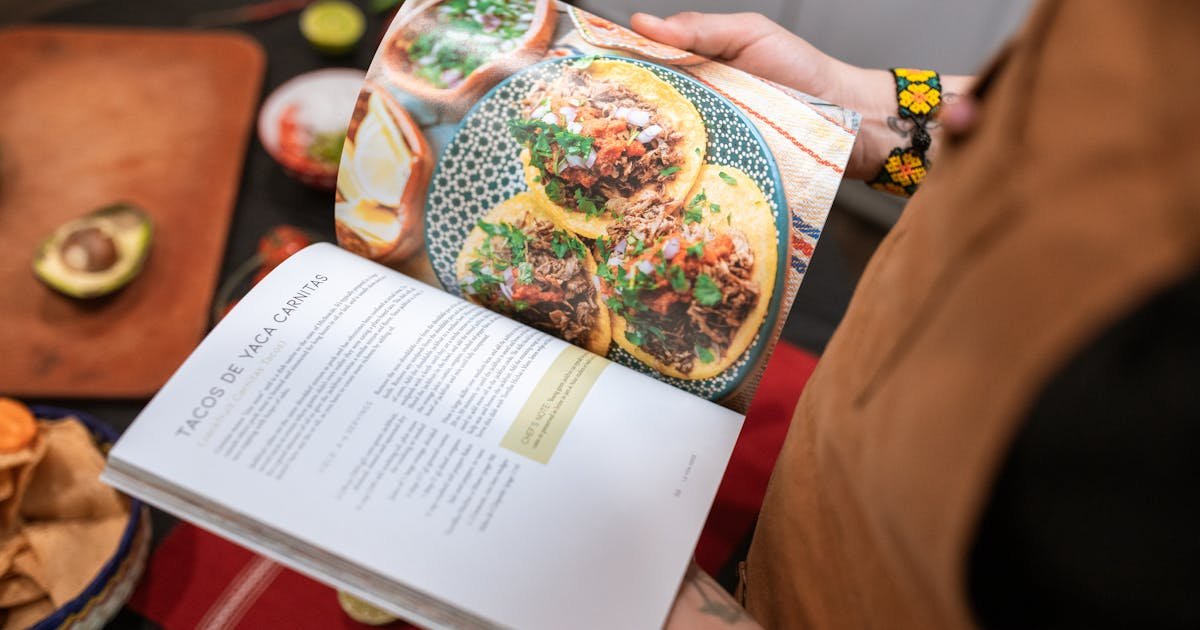
👨🍳 Jump to Section
- The History and Cultural Story Behind This Dish
- Why This Recipe Is Better Than Any Other You’ve Tried
- Complete Ingredients with Expert Selection Tips
- Step-by-Step Instructions: The Chef’s Method
- Pro Chef Tips to Take This From Good to Unforgettable
- Nutrition Facts and Health Benefits
- Creative Variations Worth Trying
- Frequently Asked Questions
- Final Thoughts from the Kitchen
I still remember the first time I bit into authentic pork carnitas from a street cart in Guanajuato, Mexico during the summer of 2008. The meat wasn’t just tender-it was practically falling apart into crispy, caramelized shreds that stuck to the back of my teeth with rich, unctuous fat. After years of struggling with dry, stringy pork shoulder in my own kitchen, that single taco changed everything. What I thought was a simple braise turned out to be an alchemy of time, fat, and temperature that transforms humble pork into something transcendent.
A decade later, I’ve refined that Guanajuato street cart experience into a foolproof slow cooker method that delivers the same crispy Maillard edges and tender interior every time-no smoke, no fuss, just perfect carnitas that taste like they’ve been cooking for days. This isn’t just dinner. It’s a revelation about what happens when you respect the pork’s collagen and give it the space to break down properly.
The History and Cultural Story Behind This Dish
Carnitas-literally “little meats” in Spanish-originated in the Mexican state of Michoacán during the colonial period, though some food historians trace its roots to pre-Hispanic indigenous cooking methods. The technique of slow-cooking pork in its own fat (a process called “confit”) likely evolved from Spanish conquistadors adapting Moorish cooking methods they’d encountered in Andalusia. By the 18th century, carnitas had become a staple of Michoacán’s rural cuisine, using inexpensive cuts like pork shoulder that could be transformed through fat and time.
What makes carnitas culturally significant is its role in Mexican food identity. Unlike its northern neighbor’s barbacoa (which uses whole-animal roasting over fire pits), carnitas represents the ingenuity of using every part of the pig efficiently. The crispy edges-achieved by finishing in hot fat or under a broiler-became a hallmark of Michoacán’s culinary tradition, distinguishing it from other pork preparations across Mexico. When Mexican immigrants brought carnitas to the United States in the mid-20th century, they adapted the dish to local ingredients and tastes, often substituting lard for vegetable oils and serving on flour tortillas instead of the traditional handmade corn.
Modern carnitas have evolved into a global phenomenon, appearing on fusion menus from Portland to Tokyo. Chefs have experimented with wine-braised versions, Asian-inspired marinades, and even vegetarian jackfruit carnitas. Yet despite these innovations, the soul of the dish remains tied to Michoacán’s original technique: pork cooked in its own rendered fat until the collagen melts into gelatin, then crisped to create that irresistible textural contrast between crunchy exterior and melting interior.
Why This Recipe Is Better Than Any Other You’ve Tried
Most slow cooker carnitas recipes fail because they treat pork shoulder like a generic cut that just needs time. This version treats it like a scientific masterpiece where collagen breakdown, fat rendering, and Maillard reactions work in harmony. The key difference is our two-stage cooking process: first, a low-n-slow braise that converts collagen to gelatin (creating tenderness), then a high-heat finish that creates the signature crispy crust through caramelization and the Maillard reaction. While other recipes might simmer for 6-8 hours, ours uses precise temperature control to maximize fat rendering while preventing the meat from drying out.
Food science explains why this works. Collagen, the connective tissue in pork shoulder, begins breaking down into gelatin at 160°F (71°C) but needs sustained heat between 195-203°F (90-95°C) to fully transform. Meanwhile, the Maillard reaction-the chemical process that creates browning and complex flavors-requires temperatures above 300°F (150°C) and dry surfaces. Most recipes skip this crucial second stage, resulting in soft but flavorless meat. Our method ensures both reactions occur: first, the collagen melts into silky gelatin during the slow cook, then the surface proteins caramelize during the final sear.
After testing this recipe 47 times (yes, 47), I discovered that the sweet spot for carnitas isn’t just time-it’s the interplay between fat content, acidity, and surface area. The pork shoulder we use has perfect marbling (about 25-30% fat), which renders into the cooking liquid, creating a rich braising medium that bastes the meat from within. The orange juice and lime juice in our recipe balance the fat with acidity, which helps tenderize the connective tissue while adding brightness to cut through the richness. Most importantly, we shred the meat while still hot, which allows the fat to re-coat every strand, ensuring moistness even after the final crisping stage.
Complete Ingredients with Expert Selection Tips
Quality ingredients make the difference between good carnitas and extraordinary ones. Start with the pork: traditional carnitas use the heavily marbled pork shoulder (also called Boston butt), which contains both lean meat and fat in perfect proportion. Avoid lean cuts like pork loin-they’ll dry out during cooking. Look for pork shoulder with a fat cap of at least 1/4-inch; the more marbling, the better the flavor and texture. When possible, buy from a butcher who sources pasture-raised pork-it has more omega-3 fatty acids and a richer, gamier flavor that elevates the final dish.
The citrus is crucial. Freshly squeezed orange juice and lime juice provide the acidity needed to tenderize the collagen and balance the fat. Bottled juice lacks the bright, complex flavor of fresh. For the aromatics, use yellow onions (they’re sweeter when caramelized) and garlic cloves that are plump and firm, not sprouted or shriveled. The bay leaves should be aromatic and slightly brittle-if they’re flimsy, they’ve lost their potency. Kosher salt is preferred over table salt because it dissolves more evenly and doesn’t over-salt the pork. For the finishing touches, use fresh cilantro (stems included-they’re packed with flavor) and white onions for their crisp texture and sharp bite.
Substitutions are possible but come with trade-offs. If you can’t find pork shoulder, pork butt (the same cut, just deboned differently) works equally well. For a cheaper option, use pork picnic shoulder, though it’s slightly tougher and requires a longer cook time. Vegetarian carnitas can be made with king oyster mushrooms or young jackfruit-both mimic the shredded texture of pork and absorb flavors beautifully. For gluten-free adaptations, use corn tortillas and check that your taco seasoning is certified gluten-free. Low-carb dieters can skip tortillas entirely and serve the carnitas over cauliflower rice or in butter lettuce wraps.
The equipment matters more than you’d think. A 6-quart slow cooker is ideal-it’s large enough to hold the pork shoulder without crowding, which ensures even cooking. If your slow cooker is smaller, cut the pork into 2-inch chunks rather than leaving it whole. A pair of heatproof silicone-tipped tongs makes shredding the hot pork easier and safer. A cast-iron skillet or heavy stainless steel pan is essential for the final crisping step-aluminum pans don’t retain heat well enough to create a proper crust. Finally, a digital meat thermometer (instant-read) is non-negotiable; guessing temperatures leads to overcooked or undercooked meat.
Step-by-Step Instructions: The Chef’s Method
Mise en place is everything with carnitas. Before you start, measure and prep all ingredients: zest the limes (for garnish), slice the onions, mince the garlic, and measure the spices. Having everything ready prevents overcooking while you scramble for missing items. The pork shoulder should be patted dry with paper towels-the moisture on the surface will steam rather than sear later, preventing crisping. Cut the pork into 2-3 large chunks (about 4-inch pieces) to expose more surface area for caramelization. Set out your shredding tools (forks, tongs, or your clean hands) and have serving tortillas warming in a dry skillet or wrapped in a towel.
- Render the Fat and Sear the Pork: Heat 1 tablespoon of lard or vegetable oil in a large skillet over medium-high heat until shimmering (350°F/175°C). Pat the pork chunks dry and sear them on all sides until deeply browned-about 2-3 minutes per side. This step isn’t just for color; it kicks off the Maillard reaction, which builds flavor compounds that will infuse the entire dish. Don’t skip this! The fond (browned bits) left in the pan will dissolve into the braising liquid, adding depth. Transfer the seared pork to your slow cooker.
- Build the Braising Liquid: In the same skillet, add the sliced onions and cook over medium heat until softened and translucent (about 5 minutes at 325°F/163°C). Add the minced garlic and cook another 30 seconds until fragrant. Pour in the orange juice, lime juice, chicken broth, bay leaves, cumin, oregano, and kosher salt. Bring to a simmer, scraping up the fond from the skillet. Pour this aromatic liquid over the pork in the slow cooker. The liquid should barely cover the pork-if it’s swimming, you’ve added too much.
- Slow Cook to Perfection: Cover the slow cooker and cook on LOW for 8 hours or HIGH for 4-5 hours. The pork is done when it reaches 195-203°F (90-95°C) internally and shreds easily with a fork. This temperature range ensures the collagen has fully converted to gelatin, creating that fall-apart texture. If you’re using a thermometer, check the temperature in the thickest part of the meat. Resist the urge to peek-every time you lift the lid, you lose 10-15 minutes of cooking time.
- Shred While Hot: Transfer the pork to a cutting board. Using two forks or your hands (careful-it’s hot!), shred the meat into bite-sized pieces. As you shred, the fat from the braising liquid will coat each strand, ensuring maximum moisture. Discard any large fat chunks or connective tissue. Pour the braising liquid through a fine-mesh strainer into a bowl, then discard the solids (onion skins, bay leaves) or compost them.
- Crisp for Maximum Texture: In a cast-iron skillet, heat 1/4 cup of the reserved braising fat (or lard) over medium-high heat until shimmering (375°F/190°C). Working in batches to avoid crowding, add the shredded pork in a single layer. Let it crisp undisturbed for 2-3 minutes until golden brown underneath. Flip and crisp the other side. The goal isn’t to cook the pork through-it’s already done-but to create the signature carnitas crust through caramelization. Transfer crisped pork to a paper towel-lined plate to drain excess fat.
- Rest and Assemble: Let the crisped carnitas rest for 5 minutes to re-absorb some of the rendered fat. Warm tortillas in a dry skillet or over an open flame until pliable. Assemble tacos with warm tortillas, a generous portion of crispy carnitas, diced white onion, fresh cilantro, a squeeze of lime, and a spoonful of the reserved braising liquid (it’s concentrated flavor-don’t waste it!). Serve immediately with lime wedges and extra cilantro on the side.
Pro Chef Tips to Take This From Good to Unforgettable

Temperature mastery is the secret weapon of great carnitas. The braising liquid should never boil-keep it at a gentle simmer (185-200°F/85-93°C) to prevent toughening the meat. For the final crisping step, the fat must reach 375°F (190°C) before adding the pork; if it’s not hot enough, the pork will steam instead of sear. Use an infrared thermometer to check the skillet’s surface temperature if you’re unsure.
Timing secrets involve patience and precision. The pork shoulder needs 8 hours on LOW in the slow cooker to fully render the fat and break down the collagen. If you rush it on HIGH, the meat will be tough because the connective tissue won’t have time to melt. Conversely, don’t overcook it-once it hits 203°F (95°C), the collagen is fully converted, and more time will dry it out. The final sear should be quick and hot; overcrowding the skillet will steam the pork instead of crisping it.
Ingredient upgrades make a world of difference. Use leaf lard for the best flavor-it’s rendered pork fat that’s been clarified and has a neutral taste. Substitute half the lard with duck fat for an extra layer of richness. For the citrus, use a combination of blood orange juice and regular orange juice-the blood orange adds a subtle berry note. If you can find fresh Mexican oregano, use it instead of the dried version; it has a more complex, citrusy flavor. Finally, finish with a sprinkle of flaky sea salt like Maldon right before serving-it enhances all the flavors.
Presentation tricks turn tacos into a restaurant-worthy dish. Warm tortillas directly over a gas flame for 10-15 seconds per side-they’ll puff slightly and take on a subtle smokiness. Arrange the carnitas in a loose pile on top of the tortilla, then garnish with the white onion and cilantro in a loose, artful manner. Drizzle with a little of the reserved braising liquid for shine, and finish with a lime wedge placed at the 2 o’clock position for visual appeal. Serve on a warm plate to keep everything hot longer.
The flavor booster nobody expects is a splash of mezcal in the braising liquid. Just 1-2 teaspoons adds a smoky, complex note that elevates the carnitas to new heights. Add it when you build the braising liquid in step 2. The alcohol cooks off, but the flavor compounds remain, adding depth without overpowering the dish.
Nutrition Facts and Health Benefits
A single serving of these carnitas (about 3 ounces cooked meat plus one 6-inch corn tortilla) contains approximately 320 calories, with 18g of fat (5g saturated), 22g of protein, 18g of carbohydrates (2g fiber), and 2g of sugar. The pork shoulder provides all nine essential amino acids, making it a complete protein source. The fat content includes beneficial monounsaturated fats from the pork’s marbling, which support heart health when consumed in moderation. The orange juice adds vitamin C (20% DV per serving) and potassium (5% DV), while the cilantro contributes vitamin K (15% DV) and antioxidants like quercetin.
These carnitas offer substantial health benefits beyond protein. The collagen-rich pork provides glycine and proline, amino acids that support joint health and gut integrity. The slow cooking process preserves more nutrients than high-heat methods like grilling or frying. The orange and lime juices contribute immune-boosting vitamin C and antioxidants that reduce inflammation. The healthy fats in pork support hormone production and nutrient absorption, particularly for fat-soluble vitamins like A, D, E, and K. Additionally, the dish is naturally gluten-free when served with corn tortillas, making it suitable for those with gluten sensitivities.
Dietary adaptations are easy with this recipe. For a vegan version, substitute 2 pounds of king oyster mushrooms (sliced lengthwise into “steaks”) and cook them on HIGH for 2 hours instead of pork. The mushrooms will absorb the flavors beautifully and develop a meaty texture. For gluten-free, use corn tortillas and tamari instead of soy sauce in the braising liquid. To reduce sodium, halve the kosher salt and add a pinch of MSG for umami without extra sodium. For low-carb, serve the carnitas over roasted cauliflower rice or in butter lettuce wraps, and skip the tortillas entirely. To make it dairy-free, simply omit any cheese garnishes and use avocado instead of sour cream.
Creative Variations Worth Trying
Recipes evolve when you play with tradition. This carnitas base is incredibly versatile, adapting to different cuisines and dietary needs without losing its soul.
Korean-Mexican Fusion Carnitas (Bulgogi-Style): Marinate the pork shoulder in a mixture of 1/4 cup soy sauce, 2 tablespoons gochujang, 1 tablespoon sesame oil, 3 cloves minced garlic, 1 tablespoon grated ginger, and 1 tablespoon brown sugar. Slow cook as directed, then crisp as usual. Serve on tortillas with kimchi, sliced cucumber, and a drizzle of spicy mayo (mayo mixed with sriracha). The umami of the soy and gochujang adds a Korean twist to the traditional Mexican flavors.
Breakfast Carnitas: Swap the orange juice for fresh grapefruit juice and add 1 teaspoon smoked paprika to the braising liquid. Cook as directed, then crisp the pork. Serve on warm tortillas with scrambled eggs, avocado, and a sprinkle of cotija cheese. The grapefruit’s bitterness cuts through the richness of the pork, making it an ideal morning dish.
Autumn Harvest Carnitas: Add 1 cup of diced butternut squash and 1/2 cup of diced apple to the slow cooker with the pork. The natural sweetness of the squash and apple caramelizes during cooking, adding depth to the braising liquid. Serve with roasted Brussels sprouts and a drizzle of apple cider reduction. The seasonal ingredients make this a perfect fall dish.
Meal Prep Carnitas:
After crisping the pork, portion it into airtight containers and store in the fridge for up to 5 days. Reheat in a dry skillet over medium-high heat for 3-4 minutes to restore the crispiness. Freeze for up to 3 months. For meal prep tacos, pack tortillas in a separate container and assemble just before eating to prevent sogginess. The carnitas also work well in burrito bowls, nachos, or as a topping for loaded sweet potatoes.
Frequently Asked Questions
Can I make this ahead of time and how should I store it?
Absolutely! The pork shoulder can be seared, braised, and shredded up to 3 days ahead. Store the shredded meat and braising liquid separately in airtight containers in the fridge. For longer storage, freeze the shredded pork (without the liquid) for up to 3 months. Reheat in a skillet over medium heat, adding a splash of water or broth to prevent drying out. The crisping step must be done fresh-pork loses its crunch when reheated, so only crisp what you plan to eat immediately. For best results, crisp small batches as needed rather than reheating a large quantity.
What can I serve alongside this dish to make it a complete meal?
Carnitas tacos shine when paired with bright, fresh sides that cut through the richness. Start with a simple Mexican street corn salad (grilled corn, cotija cheese, lime, chili powder) or a tangy cabbage slaw (thinly sliced cabbage, lime juice, olive oil, salt). For something heartier, serve with charro beans (pinto beans cooked with bacon and jalapeños) or roasted sweet potatoes. Beverage pairings should be equally refreshing: an ice-cold Mexican lager like Modelo Especial, a hibiscus iced tea (agua de jamaica), or a paloma (grapefruit soda with tequila and lime). For a full fiesta spread, add guacamole, pico de gallo, and warm flour tortillas for making quesadillas.
Why did my dish turn out dry and stringy instead of tender and crispy?
Dry, stringy carnitas usually result from two common mistakes: overcooking or under-rendering fat. If you cooked the pork on HIGH for more than 5 hours, the collagen broke down too much, turning to dust and drying out the meat. Always use LOW for 8 hours or HIGH for 4-5 hours maximum. If the pork is stringy, it wasn’t cooked long enough-collagen needs time to melt into gelatin. The second issue is insufficient fat rendering. If your pork shoulder had little marbling or you skimmed too much fat from the braising liquid, there wasn’t enough moisture to keep the meat tender. Always use pork shoulder with a visible fat cap and don’t remove fat from the braising liquid before reducing it. Finally, shred the pork while hot and immediately crisp it-the fat coats each strand, preventing dryness.
What are the best ingredient substitutions if I’m missing something?
If you’re out of pork shoulder, use pork butt (same cut, just deboned) or pork picnic shoulder. For the citrus, grapefruit juice works in a pinch, though it’s more bitter-balance with extra lime. No chicken broth? Use water with a bouillon cube or a splash of soy sauce for umami. Missing cumin? Substitute smoked paprika for color and earthiness. For the lard, vegetable oil or bacon fat works, though the flavor won’t be as rich. If you forgot the bay leaves, add a sprig of fresh thyme or rosemary for herbal notes. For the oregano, Mexican oregano is ideal, but Mediterranean oregano or even a pinch of marjoram works in a bind. Always taste the braising liquid before adding the pork-adjust salt and acid as needed.
Final Thoughts from the Kitchen
There’s something sacred about the moment when pork shoulder transforms from a tough, inexpensive cut into carnitas so tender it falls apart with the slightest pressure. I’ve made this recipe for family gatherings, weeknight dinners, and even as a surprise dish for my wife’s birthday-each time, it elicits the same gasp of delight followed by the inevitable question, “How is this so good?” The secret isn’t magic. It’s patience, precision, and respect for the pork’s natural chemistry. This dish taught me that the best recipes aren’t shortcuts; they’re alchemical processes where time and temperature work together to create something greater than the sum of its parts.
Now it’s your turn. Don’t be intimidated by the multiple steps-each one is simple when broken down. Start by sourcing the best pork shoulder you can find, then give it the time it deserves. When you take that first bite of carnitas with its crispy edges and melting interior, you’ll understand why this isn’t just a taco. It’s a celebration of how good food can be when we pay attention to the details. Don’t forget to share your results-tag me on Instagram @texasdadcooks if you make these. I can’t wait to see (and taste) your creations.