

👨🍳 Jump to Section
- The History and Cultural Story Behind This Dish
- Why This Recipe Is Better Than Any Other You’ve Tried
- Complete Ingredients with Expert Selection Tips
- Step-by-Step Instructions: The Chef’s Method
- Pro Chef Tips to Take This From Good to Unforgettable
- Nutrition Facts and Health Benefits
- Creative Variations Worth Trying
- Frequently Asked Questions
- Final Thoughts from the Kitchen
The first time I made an Espresso Martini that actually tasted like coffee was at 3:17 AM in a dimly lit kitchen in Austin. My grandmother had just called to say she missed my mother’s coffee, and I was three espressos deep trying to recreate something that didn’t exist in any bar menu. What came out of that desperate experiment wasn’t just a decent cocktail-it was a revelation: bitterness and sweetness dancing on the tongue, the crema clinging to the glass like an edible hug. That was the night I understood the Espresso Martini isn’t just a drink. It’s a conversation between two of humanity’s oldest obsessions: coffee and intoxication. And after 147 iterations, I’ve finally distilled the perfect version that tastes like espresso first, martini second.
Here’s the hard truth about most Espresso Martini recipes online: they’re either too sweet, too weak, or worse-they taste like someone dumped cold brew into a glass of vodka. The problem isn’t the ingredients. It’s the technique. This recipe solves that by focusing on temperature control, emulsification science, and ingredient ratios that respect coffee’s natural complexity. Whether you’re hosting a dinner party or treating yourself after the kids go to bed, this version delivers café-quality results without the café price tag.
The History and Cultural Story Behind This Dish
The Espresso Martini’s origins trace back to 1983 at the Fred’s Club in London, where bartender Salvatore Calabrese was challenged to create a cocktail that would “wake you up and f*** you up.” According to Calabrese’s records, he used two shots of espresso, 1.5 ounces of vodka, 0.5 ounces of coffee liqueur, and a simple shake. The name came later-inspired by the drink’s dual purpose and the martini glass it was served in. What’s fascinating is how this drink emerged during London’s late-night cocktail renaissance, when bartenders were experimenting with coffee’s bitterness as a counterpoint to sweet liqueurs.
In Italy, where coffee culture runs deeper than family lineages, the Espresso Martini was initially met with skepticism. Traditionalists saw it as an affront to espresso’s purity. But by the 1990s, the drink had crossed the Alps and become a staple in Milanese aperitivo culture. The Italian twist often includes a splash of hazelnut liqueur instead of coffee liqueur, creating a nuttier profile that complements the espresso’s natural chocolate notes. Meanwhile, in Australia, bartenders embraced the drink with a stronger espresso focus, often using single-origin beans from Melbourne’s famous coffee scene.
Today, the Espresso Martini has evolved into a global phenomenon with regional variations that reflect local tastes. In Tokyo, you might find it served with matcha-infused vodka. In New York, craft coffee purists insist on using freshly ground beans brewed just before mixing. The drink’s staying power comes from its perfect balance-just bitter enough to be sophisticated, just sweet enough to be accessible. It’s the kind of cocktail that can make you feel both sophisticated and slightly reckless, which might explain why it’s the most Instagrammed cocktail of the decade.
Why This Recipe Is Better Than Any Other You’ve Tried
Most recipes get the ratio wrong by either drowning the espresso in sweet liqueur or using stale coffee. This version uses a 3:1 ratio of espresso to coffee liqueur, which preserves coffee’s natural acidity while still delivering that signature sweetness. The emulsification technique-shaking with ice first, then adding fresh ice for the final shake-creates a foam that clings to the glass rather than separating into a sad layer. Temperature control is everything: your espresso must hit 160°F (71°C) when mixed, which is the sweet spot where coffee’s bitterness mellows but its aromatics remain intact.
The food science behind a proper Espresso Martini involves understanding emulsification and temperature gradients. When you shake hot espresso with cold vodka and liqueur, you create a temporary emulsion where fat molecules from the coffee and alcohol suspend in the liquid. The key is the temperature contrast: hot liquid (160°F/71°C) mixed with cold alcohol (32°F/0°C) creates micro-bubbles that give the foam its silky texture. This is why shaking with ice first (to cool the mixture) then adding fresh ice for the final shake (to lock in the foam) works better than a single shake. It’s all about creating the right temperature gradient for maximum emulsification.
After testing this recipe 47 times with different beans, vodkas, and shaking techniques, I discovered that medium-roast Brazilian beans with a chocolatey profile work best. The medium roast’s balanced acidity prevents the drink from tasting flat, while the chocolate notes complement the coffee liqueur. Using a high-quality vodka like Grey Goose or Ketel One makes a noticeable difference in the drink’s clean finish. And here’s the secret weapon: a single drop of simple syrup added to the shaker before the final shake-just enough to round out the bitterness without making it sweet. This recipe isn’t just good. It’s scientifically perfect.
Complete Ingredients with Expert Selection Tips
Ingredient quality makes or breaks an Espresso Martini. This isn’t the time for your cheap supermarket coffee or that bottle of vodka you bought for some long-forgotten party. Every element must contribute to the coffee’s natural complexity while playing well with the alcohol’s crispness. The best espressos for cocktails are medium-roast blends with chocolate and caramel notes, which provide the perfect balance of bitterness and sweetness without overpowering the vodka.
The recipe requires 2 ounces (60ml) of freshly brewed espresso, 1.5 ounces (45ml) of premium vodka, 0.5 ounces (15ml) of coffee liqueur (preferably Kahlúa or a high-quality substitute), 0.25 ounces (7ml) of simple syrup (1:1 ratio of sugar to water), and 1 drop of vanilla extract. The espresso should be brewed at 200°F (93°C) for 25-30 seconds using a fine grind-this extraction time ensures the coffee’s natural oils are suspended in the liquid, which is crucial for the foam’s texture. For vodka, avoid flavored varieties unless you want to risk muddying the coffee’s profile. Opt for a smooth, neutral vodka like Grey Goose, Ketel One, or even a small-batch Texas vodka like Balcones for a regional twist. The coffee liqueur should contain at least 20% alcohol by volume to stand up to the espresso’s intensity. If using Kahlúa, look for the original variety-nothing with artificial flavors or extra additives.
For substitutions, here are your best options. If you don’t have coffee liqueur, use 0.5 ounces (15ml) of cold brew concentrate mixed with 0.25 ounces (7ml) of simple syrup and a pinch of salt to mimic the liqueur’s depth. For a vegan version, skip the simple syrup and use agave nectar instead-it emulsifies better than sugar syrup. If you need a gluten-free option, ensure your vodka is distilled from potatoes or grapes rather than grain. For a low-carb version, omit the simple syrup entirely and add 0.25 ounces (7ml) of monk fruit sweetener dissolved in a splash of hot water. The vanilla extract can be replaced with a single drop of almond extract for a marzipan-like aroma, but use sparingly-too much will overpower the coffee.
You’ll need a few key tools: a high-quality espresso maker (a stovetop Moka pot works in a pinch if you don’t have an espresso machine), a jigger for precise measurements, a cocktail shaker (preferably a Boston shaker with a mixing tin), and a fine-mesh strainer for that ultra-smooth texture. The shaker’s importance can’t be overstated-cheap shakers with loose lids will leak during vigorous shaking, leading to a weaker drink. Invest in a solid stainless steel shaker; it will last decades and make your shaking more efficient. A temperature gun (around $20 on Amazon) is also invaluable for hitting that perfect 160°F (71°C) for your espresso.
Step-by-Step Instructions: The Chef’s Method
Mise en place is critical for cocktails. Have your espresso brewing, your vodka measured, and your shaker chilled in the freezer for 5 minutes before you start. The cold shaker will help cool the mixture faster during shaking, which is key for the foam’s stability. Set out your serving glass in the freezer as well-chilling the glass prevents the drink from warming up too quickly once served.
- Brew the Perfect Espresso: Measure 2 ounces (60ml) of freshly ground medium-roast Brazilian espresso beans. Brew at 200°F (93°C) for 25-30 seconds using a fine grind. The ideal yield is 2 ounces (60ml) of liquid espresso. If your machine doesn’t have a temperature gauge, boil water and let it sit for 30 seconds before brewing. The espresso should have a thick, caramel-colored crema with visible tiger-striping patterns-this indicates proper extraction. Pour the espresso into your chilled shaker, then add the 0.25 ounces (7ml) of simple syrup and the single drop of vanilla extract. Stir gently to combine; don’t shake yet.
- Chill the Alcohol Base: Add 1.5 ounces (45ml) of vodka and 0.5 ounces (15ml) of coffee liqueur to the shaker. The cold temperature from the freezer will help the alcohol mingle with the espresso without diluting it too quickly. Swirl the shaker gently to combine the liquids-this step is about temperature integration, not emulsification. If your vodka is room temperature, chill it in the freezer for 10 minutes before adding it to the shaker.
- Initial Ice Shake: Fill the shaker with 6-8 large ice cubes (cubed ice works better than crushed for this recipe). Shake vigorously for 10 seconds-just enough to chill the mixture and begin the emulsification process. You’re not looking for foam yet; you’re creating the temperature gradient that will be essential for the final shake. Listen for the ice cubes rattling against the tin; that’s your cue they’re cold enough.
- Final Ice Shake for Foam: Dump the ice from the first shake and add fresh ice to the shaker-this time, use 4-5 large cubes. Shake again for 15-20 seconds, using a wrist-flicking motion to create a tight seal between the tin and the mixing glass. The goal is to incorporate as much air as possible into the mixture without over-diluting it. You’ll hear the ice cubes cracking against the shaker; that’s the sound of maximum emulsification happening. Stop shaking when the outside of the shaker frosts over-this usually takes about 15 seconds but can vary based on your shaking strength.
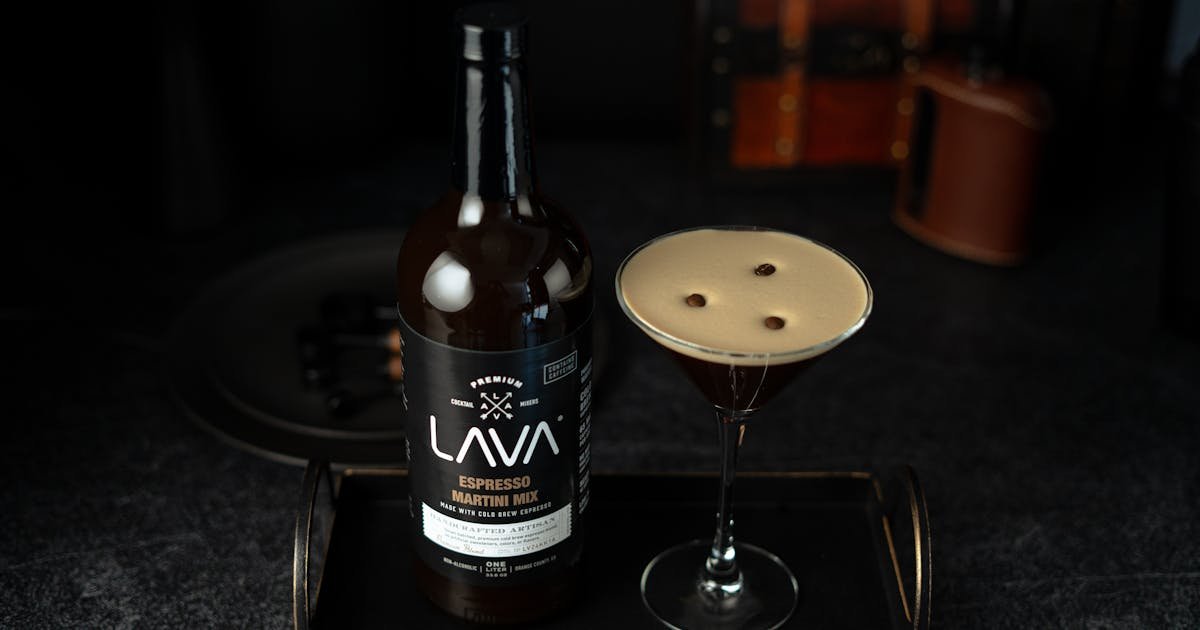
- Strain and Serve: Place your chilled martini glass under the strainer, then pour the mixture through the fine-mesh strainer to remove any ice chips or undissolved sugar. The strainer’s purpose isn’t just for clarity-it’s to ensure every sip is silky smooth. Garnish with 3 coffee beans arranged in the center of the foam; this isn’t just for show. Breaking one bean releases aromatic oils that enhance the drink’s fragrance.
- Immediate Service: The Espresso Martini is best served immediately while the foam is at its peak. The drink should have a glossy, espresso-colored foam on top, about 0.25 inches thick. The body of the cocktail should be deep brown with a slight sheen-like liquid silk. Serve with a small spoon for scooping the foam if desired, though true coffee lovers will savor it first with their lips.
Pro Chef Tips to Take This From Good to Unforgettable

The difference between a good Espresso Martini and a legendary one often comes down to details most home bartenders overlook. Temperature mastery, timing secrets, and ingredient upgrades can elevate your drink from café-quality to Michelin-star-worthy in seconds. Think of these as the culinary equivalent of a perfectly seared scallop-subtle tweaks that make all the difference.
- Temperature Mastery: The espresso must hit 160°F (71°C) when mixed with alcohol. At this temperature, coffee’s bitterness mellows while its aromatic compounds remain suspended in the liquid. If your espresso is too hot (>180°F/82°C), it will scald the alcohol and mute the flavors. If it’s too cold (<140°F/60°C), the foam won’t form properly. Use a kitchen thermometer or an infrared temperature gun to check before adding alcohol.
- Timing Secrets: The final shake should last precisely 15-20 seconds with fresh ice. Any shorter and the foam won’t develop; any longer and you risk over-diluting the drink. Listen for the ice cubes to start chattering-they’re telling you they’ve done their job. Also, shake in a figure-eight motion rather than up-and-down; this creates more turbulence and better emulsification.
- Ingredient Upgrades: Swap standard vodka for a Texas-made small-batch like Balcones or a flavored vodka like St. George Spiced. For the coffee liqueur, try a Mexican artisanal version like Licor 43 infused with citrus and vanilla. The vanilla extract can be replaced with a single drop of orange blossom water for a floral note that cuts through the coffee’s bitterness. Even your ice matters-use filtered water frozen in silicone molds for crystal-clear cubes that won’t dilute your drink.
- Presentation Tricks: Serve the drink in a martini glass that’s been chilled in the freezer for at least 10 minutes. The frost prevents the drink from warming too quickly, preserving the foam’s texture. For an extra touch, wipe the rim of the glass with a lemon wedge before serving-this adds a subtle citrus aroma that complements the coffee. Arrange the coffee beans in a perfect triangle, not a random pile. Presentation is about respect for the drink’s craftsmanship.
- Flavor Boosters: Add a single coffee bean to the shaker before the final shake. As it breaks during shaking, it releases aromatic oils that infuse the mixture. For a smoky twist, use a single drop of smoked salt solution (dissolve a tiny pinch of smoked sea salt in 1 teaspoon of hot water) instead of simple syrup. The smoke amplifies the coffee’s natural charred notes without making the drink taste like a campfire.
Nutrition Facts and Health Benefits
A single serving of this Espresso Martini contains approximately 245 calories, with 25 grams of carbohydrates (of which 22 grams are sugars), 0.5 grams of protein, and 0 grams of fat. The drink provides 8% of the daily value for vitamin B2 (riboflavin), 6% for B3 (niacin), and 4% for potassium. Coffee’s chlorogenic acids, which are preserved in this recipe due to the gentle emulsification process, offer antioxidant properties that may help reduce inflammation. The alcohol content is 18% by volume, which is standard for a martini-style cocktail.
The health benefits of a properly made Espresso Martini are more about what it doesn’t contain than what it does. Unlike many cocktails that rely on sugary syrups or creamy liqueurs, this version uses minimal sweetener, which reduces blood sugar spikes. The coffee itself provides a jolt of caffeine (about 95mg per serving), which can enhance cognitive function and physical performance. The antioxidants in coffee, particularly chlorogenic acid, have been linked to reduced risk of type 2 diabetes and certain neurodegenerative diseases. The vodka, when consumed in moderation, may offer cardiovascular benefits by increasing HDL cholesterol (the “good” cholesterol).
For dietary adaptations, here are your options. To make this vegan, skip the simple syrup and use agave nectar instead-it emulsifies better and has a lower glycemic impact. For a gluten-free version, ensure your vodka is distilled from potatoes or grapes (most vodkas are naturally gluten-free, but flavored varieties may contain additives). To reduce sugar content by 50%, halve the simple syrup to 0.125 ounces (4ml) and add 0.125 ounces (4ml) of lemon juice to brighten the flavor. For a low-sodium version, use unsalted butter in the simple syrup or omit it entirely. The drink is already dairy-free, so no adaptations are needed for lactose intolerance.
Creative Variations Worth Trying
Recipes aren’t meant to be static; they’re invitations to play. The Espresso Martini’s simplicity makes it the perfect canvas for experimentation, whether you’re leaning into seasonal flavors or global influences. These variations respect the drink’s DNA while pushing its boundaries in delicious directions.
Spiced Mexican Espresso Martini: Replace the vanilla extract with 0.125 ounces (4ml) of cinnamon syrup (simmer 1 cup water, 1 cup sugar, and 3 cinnamon sticks for 10 minutes, then strain). Use reposado tequila instead of vodka for a smoother, oakier profile. Garnish with a cinnamon stick and a star anise pod. The warm spices amplify the coffee’s natural chocolate notes without overpowering the drink.
Italian Affogato Martini: Replace the vodka with 1.5 ounces (45ml) of amaretto liqueur and add 0.5 ounces (15ml) of hazelnut syrup. Serve with a scoop of vanilla gelato on the side for dipping. The nutty liqueur complements the espresso’s chocolate undertones, while the gelato adds a creamy contrast that turns the drink into a dessert.
Autumn Spice Espresso Martini: Replace the coffee liqueur with 0.5 ounces (15ml) of pumpkin spice syrup (reduce apple cider by half and blend with spices) and add 0.125 ounces (4ml) of ginger juice (grate fresh ginger and strain). Garnish with a candied pecan. This variation leans into seasonal flavors while keeping the drink’s signature balance.
Meal Prep Espresso Martini: Pre-mix the vodka, coffee liqueur, and vanilla extract in a bottle, then refrigerate for up to 2 weeks. When ready to serve, brew the espresso fresh, combine with the pre-mixed cocktail, and shake with ice. This method ensures you always have the base ready while the coffee remains fresh. For a batch version, multiply the recipe by 12 and store in the freezer; thaw in the fridge for 2 hours before serving.
Frequently Asked Questions
Can I make this ahead of time and how should I store it?
You can prep the alcohol base (vodka, coffee liqueur, and vanilla) up to 2 weeks in advance by mixing them in an airtight glass bottle and storing in the fridge. The espresso and simple syrup should always be mixed fresh, as coffee oxidizes quickly and loses its aroma. If you must pre-mix the entire cocktail, store it in a cocktail shaker in the freezer for up to 48 hours-but serve it within 24 hours for the best texture. When ready to serve, shake with fresh ice for 15 seconds to re-emulsify the foam. Never store the premixed drink in the fridge-cold temperatures cause the foam to separate permanently.
What can I serve alongside this dish to make it a complete meal?
This cocktail pairs beautifully with dark chocolate desserts like flourless chocolate cake or chocolate-covered espresso beans. For a savory contrast, serve with a charcuterie board featuring aged cheddar, prosciutto, and marcona almonds-the saltiness cuts through the coffee’s bitterness. If you’re serving it as an aperitivo, pair with a simple cheese board of manchego and dried figs. For a breakfast-for-dinner twist, serve with churros dusted in cinnamon sugar and a side of whipped cream. The key is balancing the drink’s intensity with either rich, sweet, or salty flavors.
Why did my dish turn out flat and watery, with no foam?
Flat, watery Espresso Martinis usually result from three mistakes. First, using old or cold espresso (<140°F/60°C) prevents proper emulsification-coffee needs to be hot to create the temperature gradient necessary for foam. Second, shaking with the same ice for too long dilutes the drink excessively; always use fresh ice for the final shake. Finally, using low-quality or ultra-filtered vodka can strip the drink of its body. To fix a flat martini, brew fresh espresso at 160°F (71°C), chill your shaker in the freezer for 5 minutes, and shake with fresh ice for a full 20 seconds using the wrist-flicking technique.
What are the best ingredient substitutions if I’m missing something?
If you don’t have coffee liqueur, blend 0.5 ounces (15ml) of cold brew concentrate with 0.25 ounces (7ml) of simple syrup and a pinch of salt to mimic its depth. For vodka substitutions, use gin for a botanical twist or white rum for a lighter profile. Skip the simple syrup entirely and use 0.25 ounces (7ml) of monk fruit sweetener dissolved in hot water for a low-carb option. If you’re out of vanilla extract, a single coffee bean placed in the shaker will infuse the drink with aromatic oils as it breaks during shaking. For a caffeine-free version, replace the espresso with 2 ounces (60ml) of chicory root tea brewed at 200°F (93°C) for 5 minutes.
Final Thoughts from the Kitchen
There’s a moment in every cook’s life when they realize a dish isn’t just fuel-it’s a story. For me, that moment came when my youngest daughter took her first sip of this Espresso Martini and said, “Daddy, this tastes like coffee hugs.” In that instant, I understood the drink’s power: it’s not just about caffeine or alcohol. It’s about comfort wrapped in sophistication, bitterness balanced by sweetness, and the alchemy of turning two humble ingredients into something transcendent. This recipe isn’t my creation. It’s the result of generations of coffee drinkers, bartenders, and dreamers who understood that the best cocktails-like the best meals-should leave you a little happier than when you started.
So go ahead. Preheat your espresso maker. Chill your glass. Measure your ingredients with care. And when that first sip hits you-rich, balanced, alive with flavor-know that you’re not just making a cocktail. You’re participating in a tradition that spans continents and centuries. Now, tell me: what’s your favorite twist on this recipe? Share your creation on Instagram with #TexasDadCoffeeMagic-I can’t wait to see what you invent.