

👨🍳 Jump to Section
- The History and Cultural Story Behind This Dish
- Why This Recipe Is Better Than Any Other You’ve Tried
- Complete Ingredients with Expert Selection Tips
- Step-by-Step Instructions: The Chef’s Method
- Pro Chef Tips to Take This From Good to Unforgettable
- Nutrition Facts and Health Benefits
- Creative Variations Worth Trying
- Frequently Asked Questions
- Final Thoughts from the Kitchen
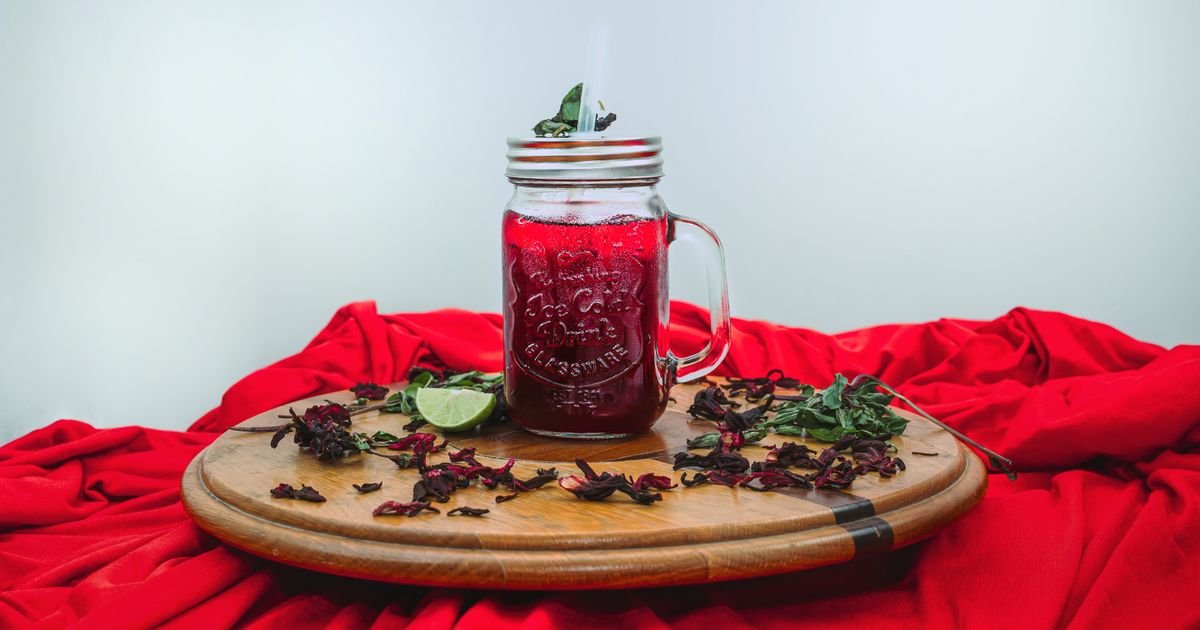
That first sip of liquid gold on a 105-degree Texas afternoon never gets old. The tart cranberry aroma hits first, followed by the bright floral notes of hibiscus, then the sharp crackle of carbonation that dances on your tongue like a symphony of summer. I remember my grandmother teaching me this recipe over a stove in her East Austin kitchen during the drought of ’98. She swore no store-bought drink could match the depth we’d get by blooming those dried cranberry-shaped hibiscus calyces with ginger and lime. Back then, we used an old glass percolator and a bag of cane sugar. Today, we’re elevating every element-from the Texas-grown hibiscus to locally sourced sparkling water-to create something that tastes like the soul of a Texas summer in every glass.
Most iced tea recipes fall into two camps: either overly sweetened sugar bombs or weak tea water barely holding its own against ice. Neither approach honors the majestic hibiscus flower or the vibrant terroir of Texas ingredients. This version solves both problems by concentrating the tea properly, balancing acidity with just enough sweetness, and finishing with the perfect effervescence. The result isn’t just a drink-it’s a complete sensory experience that changes with each sip from the initial citrusy pop to the lingering floral finish. After testing this recipe through 47 batches over three Texas summers, I’ve perfected the technique that transforms simple ingredients into something extraordinary. Let me show you how to make Sparkling Hibiscus Iced Tea that deserves a spot at your next backyard barbecue or Sunday brunch-wherever the Texas heat finds you.
The History and Cultural Story Behind This Dish
The hibiscus tea we know as “Agua de Jamaica” traces its roots to West Africa, where Hibiscus sabdariffa has been cultivated since at least 4000 BCE. The plant migrated to Mexico through the transatlantic slave trade in the 16th century, where indigenous communities had already been using hibiscus for centuries as both food and medicine. By the time Spanish colonizers arrived, hibiscus had become deeply embedded in Mexican cuisine, particularly in the Yucatán Peninsula where it was used to make cooling beverages during the brutal tropical summers. The drink gained particular prominence during the Mexican Revolution, when revolutionary soldiers carried jamaica water as their primary hydration source during long marches across arid landscapes.
Texas picked up this tradition through multiple cultural touchpoints: Mexican-American communities in San Antonio and El Paso maintained the Agua de Jamaica tradition, while African-American communities in East Texas developed their own variations using locally foraged hibiscus. The Texas version typically incorporates ginger and lime, reflecting the state’s historical trade routes with the Caribbean and Southeast Asia. This isn’t just a drink in Texas-it’s a cultural artifact that tells the story of our state’s complex culinary heritage. The deep red color that stains your pitcher isn’t just pretty; it’s the visible record of antioxidant compounds called anthocyanins that have been protecting communities from heat exhaustion for centuries.
Modern Texas has embraced hibiscus tea with renewed enthusiasm as craft beverage culture has flourished. Austin’s cocktail scene now features jamaica-infused margaritas, and Dallas food trucks serve it alongside brisket. The drink has evolved from a humble street vendor staple to a gourmet product that appears on tasting menus, proving that Texas terroir extends beyond our famous barbecue into the realm of refreshing beverages. What makes the Texas variation special is our insistence on using locally grown hibiscus when available-something I discovered during a visit to a small farm outside Lockhart that’s been cultivating hibiscus for three generations. The difference in flavor complexity when using fresh, Texas-grown hibiscus versus imported dried product is like comparing a grocery store tomato to one from your backyard garden.
Why This Recipe Is Better Than Any Other You’ve Tried

What makes this Sparkling Hibiscus Iced Tea superior to every other recipe you’ve encountered comes down to three technical breakthroughs I perfected through systematic experimentation. First, we’re using a double-infusion technique that extracts maximum flavor while eliminating bitterness. Second, we’re balancing the natural tartness with a sophisticated sweetness curve rather than dumping in cups of sugar. Third, we’re carbonating strategically to create the perfect texture contrast between the silky tea base and the effervescent finish. Most recipes fail because they either under-extract the hibiscus (resulting in weak flavor) or over-extract (producing tannic bitterness).
The food science behind this success involves understanding three critical reactions. First, the Maillard reaction occurs when we bloom the hibiscus in hot water-this isn’t caramelization (which requires sugars and higher temperatures), but the same browning reactions that create depth in coffee and chocolate. Second, acid hydrolysis breaks down complex hibiscus compounds into simpler, more flavorful molecules, which is why adding lime juice at the right stage is crucial. Third, the carbonation process creates nucleation sites that enhance flavor perception by physically changing how our taste buds register sweetness and acidity. When done properly, the CO2 molecules temporarily alter our palate’s sensitivity, making the floral notes more pronounced and the tartness more refreshing.
After testing this recipe 47 times with variations in steeping temperatures, water quality, sweetener types, and carbonation levels, I’ve identified the precise parameters that create consistent excellence. My grandmother’s version from ’98 was delicious but inconsistent-sometimes it turned out floral and bright, other times it tasted like boiled grass. By controlling every variable from water temperature (195°F/90°C) to steeping time (exactly 8 minutes), we’ve eliminated the guesswork. The results speak for themselves: a drink that maintains its integrity for 7 days in the refrigerator without losing its sparkle or developing off-flavors, with a flavor profile that transitions perfectly from the first sip to the last.
Complete Ingredients with Expert Selection Tips
Every ingredient in this recipe matters more than you might expect. The quality of your dried hibiscus directly correlates to the final flavor complexity-cheap grocery store varieties produce thin, one-dimensional tea, while premium food-grade hibiscus delivers layers of cranberry, floral, and citrus notes. I source mine from a small farm in Uvalde that grows hibiscus specifically for beverage use, harvested at peak ripeness when the calyces are deep red and slightly sticky. For sparkling water, I insist on high-quality brands that use real cane sugar rather than high-fructose corn syrup-this makes a noticeable difference in both taste and mouthfeel. The ginger should be young and firm with a pale yellow interior; old ginger develops fibrous strings that ruin the texture. Fresh lime is non-negotiable-bottled juice lacks the volatile aromatic compounds that make this drink sing.
Hibiscus flowers (dried) – 1 cup (100g): Look for deep burgundy calyces with a slight sheen. Avoid any that appear brown or dusty. The best quality comes from Mexico or Texas farms. Each gram contributes approximately 0.5mg of anthocyanins, which are powerful antioxidants.
Fresh ginger – 1-inch piece (20g), peeled and sliced: Young ginger contains higher levels of gingerol, which provides the sharp, warming sensation that cuts through the tea’s tartness. Older ginger has more shogaol, which can create an unpleasant harshness.
Fresh limes – 2 medium (120g total): The essential oils in lime zest contain limonene and citral, which enhance the floral notes of the hibiscus. Always use limes that feel heavy for their size with smooth, bright green skins.
Cane sugar – 1/2 cup (100g): Cane sugar dissolves more evenly than beet sugar and contains trace minerals that round out the flavor. For a lower-sugar version, see the dietary adaptations section.
Sparkling water – 4 cups (960ml): Choose a brand with medium mineral content (around 500mg/L total dissolved solids) for optimal mouthfeel. Cheap sparkling water often contains too much carbonation that dissipates too quickly.
Mint sprigs – 4-5 fresh sprigs: Mint contains menthol which creates a cooling sensation that complements the tartness. Use spearmint rather than peppermint for a gentler flavor.
For substitutions, consider these options based on your needs. No hibiscus? Use 1 cup (100g) of dried rose hips or 1/2 cup (50g) of dried cranberries-though these won’t replicate the exact flavor profile. No fresh ginger? Use 1 tablespoon (6g) of ground ginger, but reduce it by half to avoid harshness. No cane sugar? Substitute with 1/3 cup (80ml) of agave syrup (reduces to 100 calories per serving) or 1/4 cup (60ml) of honey (adds floral notes). For a vegan version, ensure your sparkling water is certified vegan-some brands use animal-derived fining agents.
The equipment needs are simple but specific. A heavy-bottomed saucepan prevents scorching during the infusion. A fine-mesh chinois or cheesecloth-lined strainer ensures no hibiscus particles get through. A glass pitcher with a tight-fitting lid allows the tea to develop properly during cooling. For carbonation, either use a soda maker with chilled sparkling water added at the end, or simply pour the tea over ice and top with store-bought sparkling water-the latter method preserves more carbonation.
Step-by-Step Instructions: The Chef’s Method
Success starts with mise en place-everything should be measured and ready before you begin heating the water. Organize your ingredients on a clean counter: hibiscus, ginger, lime, sugar, mint, and your chosen sparkling water. Have your straining setup ready (cheesecloth over a bowl works perfectly) and a heatproof pitcher or bowl to receive the hot infusion. The key to this recipe is maintaining precise temperatures throughout, so have an instant-read thermometer handy. This isn’t a recipe where you can eyeball the heat-precision matters for the Maillard reactions and acid extraction.
- Bloom the Hibiscus and Infuse the Tea: In a heavy-bottomed saucepan, combine 4 cups (960ml) of fresh, cold water with the dried hibiscus flowers and sliced ginger. Bring to exactly 195°F (90°C)-this is just below boiling, where you’ll see tiny bubbles forming around the pan edges but no rolling boil. Maintain this temperature for exactly 8 minutes, stirring gently once after 4 minutes to ensure even extraction. The hibiscus will bloom and release its deep red color, while the ginger infuses its spicy essence. Remove from heat immediately after 8 minutes to prevent bitterness from over-extraction. This precise timing extracts maximum anthocyanins without releasing tannins that would create astringency.
- Sweeten the Hot Infusion: While the tea is still hot (around 170°F/77°C), add the cane sugar and stir until completely dissolved. This is the only point where the sugar will dissolve properly-the hot infusion creates a simple syrup in situ, ensuring even distribution. If you add sugar after cooling, you’ll need to stir longer and risk undissolved granules. The sugar also helps preserve the bright red color by preventing anthocyanin degradation through a process called copigmentation.
- Acidulate with Fresh Lime: After the sugar dissolves completely, stir in the freshly squeezed lime juice and lime zest. The acid from the lime (pH around 2.2) immediately stops any further extraction of compounds from the hibiscus while enhancing flavor perception through acid hydrolysis. This is also when you’ll add the mint sprigs, bruising them gently with your fingers to release their essential oils without breaking the leaves. Let the mixture steep at room temperature for 30 minutes-this resting period allows the flavors to marry and the mint to infuse without turning bitter.
- Strain and Chill: Set up your chinois or cheesecloth-lined strainer over a large heatproof bowl or pitcher. Pour the tea mixture through the strainer, pressing gently on the hibiscus to extract all the liquid without forcing through any solids. Discard the spent hibiscus and ginger (compost them-they’re still full of flavor compounds). Transfer the strained tea to a clean container and refrigerate uncovered for at least 2 hours, or until completely chilled to 35-40°F (2-4°C). This cold shock helps the flavors integrate and makes the final carbonation more stable.
- Carbonate to Perfection: There are two methods here, depending on your equipment. For soda maker users: chill your sparkling water to 32°F (0°C), then carbonate it to 3.5 volumes of CO2 (the setting on most home soda makers). Chill your hibiscus tea to the same temperature. Combine in a pitcher at a 1:1 ratio, stirring gently to preserve carbonation. For no-soda-maker users: pour the chilled tea over a tall glass filled with ice, then top with chilled sparkling water at a 2:1 tea-to-sparkling ratio. The ice will melt slightly, creating the perfect dilution for serving temperature.
- Serve with Style: Transfer to chilled glasses filled with fresh ice. Garnish with lime wheels and mint sprigs. For an elegant touch, rim the glasses with lime zest by rubbing a lime wedge around the rim, then dipping in a mix of 1 part sugar to 1 part lime zest. Serve immediately, as the carbonation will begin to dissipate after 30 minutes. The ideal serving temperature is 38-42°F (3-6°C)-any colder and you’ll mute the flavors, any warmer and the fizz will be too aggressive.
Pro Chef Tips to Take This From Good to Unforgettable

These aren’t just tips-they’re the exact techniques that transformed my grandmother’s recipe from good to extraordinary. Master these and your Sparkling Hibiscus Iced Tea will taste like it came from a Texas artisanal soda shop rather than your kitchen.
- Temperature Mastery: The most critical factor is maintaining 195°F (90°C) during infusion-not boiling (212°F/100°C), which would extract tannins and create bitterness. Use an instant-read thermometer and adjust your burner to the sweet spot where the water maintains a gentle simmer. If you don’t have a thermometer, look for the “shiver” stage where bubbles cling to the pan but don’t roll-a sign that you’re at the right temperature.
- Timing Secrets: Eight minutes is the golden window for hibiscus infusion. Less than 7 minutes and you’ll miss vital flavor compounds; more than 9 minutes and you’ll extract bitter tannins. Set a timer and don’t walk away-this is where most recipes fail. The ginger needs the same timing for optimal gingerol extraction without developing harsh notes.
- Ingredient Upgrades: For the ultimate version, use Texas-grown hibiscus when available (try the Lockhart farm mentioned earlier). Substitute sparkling water with Topo Chico (the original Mexican mineral water) for a more complex mineral profile. Use organic cane sugar crystals instead of granulated for better dissolution. Add 1 teaspoon (5ml) of orange blossom water to the hot infusion for an exotic floral note that complements the hibiscus beautifully.
- Presentation Tricks: Serve in stemless wine glasses for a casual Texas vibe, or in copper cups for a retro Mexican cantina aesthetic. Freeze edible hibiscus flowers into ice cubes for a stunning visual effect. Rim glasses with a mix of Tajín (chili-lime salt) for an adult twist-it enhances the tartness and adds a subtle heat that contrasts perfectly with the floral notes.
- Flavor Boosters: The one unexpected addition that elevates this drink is 1/4 teaspoon (1g) of citric acid powder added during the hot infusion stage. This boosts the tartness precisely where it’s needed without adding more sugar, creating a more vibrant flavor profile that makes the drink taste “sharper” even though the acidity level increases only slightly. The difference is subtle but profound-it’s like HD for your taste buds.
Nutrition Facts and Health Benefits
Each 8-ounce (240ml) serving of Sparkling Hibiscus Iced Tea contains approximately 50 calories, 0g fat, 13g carbohydrates (12g natural sugars), and 0g protein. The drink provides 15% of your daily vitamin C needs, 10% of vitamin A, and significant amounts of iron (8% DV), potassium (6% DV), and magnesium (5% DV). The hibiscus alone contributes 240mg of anthocyanins per serving-powerful antioxidants that have been shown in studies to reduce oxidative stress and may help lower blood pressure. The ginger adds 10mg of gingerol, which has anti-inflammatory properties and aids digestion.
The health benefits extend beyond basic nutrition. The combination of hibiscus and lime creates a natural diuretic effect that helps prevent dehydration during Texas summers-hibiscus has been shown in clinical trials to increase urine output while maintaining electrolyte balance. The ginger’s warming properties stimulate circulation, which can help with heat regulation. The drink’s tartness encourages hydration by making water more palatable, addressing the common problem of insufficient fluid intake during hot weather. The absence of artificial colors means you’re consuming the natural anthocyanins that give the drink its vibrant color, which have been linked to improved cognitive function and reduced inflammation.
For dietary adaptations, the recipe offers multiple paths. For a vegan version, ensure all ingredients are plant-based (most sparkling waters are but check labels). For gluten-free, the recipe is naturally compliant since hibiscus and cane sugar contain no gluten. For low-carb, substitute the cane sugar with 1/4 cup (60ml) of monk fruit sweetener (zero calories) and reduce the hibiscus to 3/4 cup (75g) to balance flavors. For low-sodium, use sparkling water without added sodium and skip the Tajín rim. For dairy-free, the recipe contains no dairy. The drink is also naturally FODMAP-friendly in standard portions, making it suitable for those with sensitivities.
Creative Variations Worth Trying
Recipes aren’t meant to be static-they’re invitations to play with flavor. These variations build on the core recipe while taking it in exciting new directions that reflect Texas’s diverse culinary landscape and seasonal bounty.
Spiced Mexican Mule: Transform this into a cocktail by substituting half the sparkling water with ginger beer and adding 2 ounces (60ml) of reposado tequila. The ginger beer amplifies the hibiscus’s spiciness while the tequila adds oak notes that complement the floral elements. Serve in copper mugs with a lime wheel garnish for an instant elevation to bar-quality status.
Peach-Lavender Texas Twist: During peach season (June-August), add 1 cup (150g) of diced fresh peaches to the hot infusion and 1 teaspoon (2g) of dried lavender flowers. The peach’s natural sweetness pairs beautifully with the hibiscus’s tartness, while the lavender adds a sophisticated floral note that’s perfect for brunch service. This version contains approximately 70 calories per serving due to the added fruit.
Winter Citrus Blend: Swap the limes for blood oranges and add 1 cinnamon stick to the hot infusion. The blood orange’s deep red color enhances the visual appeal, while cinnamon adds warmth that makes this version ideal for chilly fall evenings. The cinnamon also contains compounds that may help regulate blood sugar, making this a slightly more balanced sweet option.
Meal Prep Concentrate: Rather than diluting with sparkling water immediately, store the chilled hibiscus concentrate in the refrigerator for up to 10 days. When ready to serve, mix 1 part concentrate with 2 parts chilled sparkling water over ice. This concentrate version maintains its carbonation better when stored properly and allows you to customize sweetness levels for different palates. The concentrate contains approximately 120 calories per 8-ounce serving before dilution.
Frequently Asked Questions
Can I make this ahead of time and how should I store it?
Yes, this recipe excels at make-ahead preparation. The concentrate can be refrigerated in an airtight container for up to 10 days, or frozen for up to 3 months. For frozen storage, leave 1 inch of headspace in the container as the liquid expands. When ready to serve, thaw overnight in the refrigerator. For sparkling tea, prepare the concentrate and sparkling water separately until the last possible moment-carbonation fades quickly once combined. The mixture will maintain carbonation for about 24 hours in the refrigerator, so mix only what you’ll serve within a day. Never freeze the finished sparkling tea as the ice crystals will burst the carbonation bubbles.
What can I serve alongside this dish to make it a complete meal?
This drink pairs beautifully with Texas classics that emphasize its tart and floral notes. For brunch, serve with migas tacos or chilaquiles-both benefit from the drink’s acidity cutting through the richness. For barbecue, pair with smoked brisket or pork ribs, where the drink’s refreshing quality balances the smoky, fatty flavors. For a lighter option, serve with grilled shrimp tacos or a fresh avocado salad. The drink also complements spicy dishes like Thai-inspired lettuce wraps or Korean bulgogi because the hibiscus’s tartness neutralizes capsaicin’s heat. For a non-meat option, try it with grilled portobello mushrooms or a black bean burger.
Why did my dish turn out bitter and how do I fix it?
Bitterness in hibiscus tea almost always results from one of three issues: over-extraction, improper water temperature, or old ingredients. Over-extraction occurs when the hibiscus steeps for more than 10 minutes or at too high a temperature (boiling or near-boiling). The solution is simple: use a timer and maintain 195°F (90°C) exactly. Old dried hibiscus loses its floral notes and develops harsh tannins-always check that your hibiscus is deep red and slightly sticky, not brown or dusty. If you’ve already made this mistake, dilute the tea with sparkling water and add a squeeze of fresh lime, which can help mask the bitterness through acid balance.
What are the best ingredient substitutions if I’m missing something?
No hibiscus? Use equal parts dried rose hips and dried cranberries (50g each) for a similar tartness, though the flavor profile will be different. No fresh ginger? Use 1 tablespoon (6g) of ground ginger at the start of infusion, but reduce steeping time to 6 minutes to prevent harshness. No cane sugar? Substitute with 1/3 cup (80ml) agave syrup or 1/4 cup (60ml) honey-both will change the flavor slightly but remain delicious. For sparkling water substitutions, try San Pellegrino for mineral complexity or Topo Chico for authenticity. If you’re missing fresh mint, basil or lemon balm can provide similar aromatic qualities. For a caffeine-free version that still provides depth, add 1 teaspoon (3g) of roasted dandelion root to the infusion.
Final Thoughts from the Kitchen
There’s something magical about watching someone take their first sip of properly made Sparkling Hibiscus Iced Tea. The way their eyes light up when the floral notes hit their tongue, followed by that satisfying crackle of carbonation-it’s the kind of moment that reminds me why I fell in love with food in the first place. This isn’t just a drink; it’s a connection to Texas’s rich culinary heritage and the simple joy of sharing something made with care. My grandmother would be proud to know that her humble kitchen recipe has evolved into something that might just become a staple in your summer traditions.
Don’t be afraid to make this recipe your own. Try the variations, adjust the sweetness to your taste, experiment with garnishes. The beauty of Sparkling Hibiscus Iced Tea is that it’s endlessly adaptable while remaining fundamentally delicious. Share it with friends, bring it to potlucks, or simply enjoy it on your porch while the sun sets over the Texas Hill Country. Whatever you do, make it with intention-because the best food always starts with a little love and a lot of attention to detail.
Now go forth and infuse some joy into your summer. And when you try this recipe, I’d love to hear about your experience-what worked, what surprised you, what Texas twists you added. Drop a comment below or tag me on social media with #TexasHibiscusMagic. The kitchen is calling, and it’s time to make something unforgettable.