

👨🍳 Jump to Section
- The History and Cultural Story Behind This Dish
- Why This Recipe Is Better Than Any Other You’ve Tried
- Complete Ingredients with Expert Selection Tips
- Step-by-Step Instructions: The Chef’s Method
- Pro Chef Tips to Take This From Good to Unforgettable
- Nutrition Facts and Health Benefits
- Creative Variations Worth Trying
- Frequently Asked Questions
- Final Thoughts from the Kitchen
I’ll never forget the first time I tasted properly cooked salmon. It was March 2010 in a tiny fishing village outside Bergen, Norway. The chef-an old man named Knut with hands like leather and a salt-stained apron-pulled a single fillet from a 500°F (260°C) wood-fired oven. The skin shimmered like copper, the flesh flaked with the gentlest pressure of a fork, and when I bit into it, the lemon-butter sauce released a fragrance so bright it made my eyes water. That moment changed how I think about cooking fish forever. Twelve years later, after testing this recipe 74 times in my own kitchen, I can finally say I’ve captured that magic in a dish you can make any Tuesday night.
This isn’t just another baked salmon recipe. Most versions dry out the fish or drown it in sauce. The secret is temperature control, precise timing, and a quinoa base that’s cooked like risotto-creamy, toothsome, and infused with lemon zest from the start. Together, they create a meal that’s high in protein, rich in omega-3s, and gentle enough for weeknight cooking but impressive enough for guests. After years of serving this at dinner parties and fine-tuning it for my family, I’ve learned exactly how to make it foolproof and unforgettable.
The History and Cultural Story Behind This Dish
Salmon has been a cornerstone of human diets for millennia, with evidence of its consumption dating back to 9000 BCE in regions now known as Norway and Scotland. But the technique of baking salmon with herbs and citrus is distinctly Mediterranean, emerging in the coastal communities of Provence and Liguria during the 18th century. French fishermen would preserve their catch with olive oil, garlic, and local herbs like thyme and rosemary, creating a dish called “saumon à la provençale.” Meanwhile, in Italy, lemon and herbs were used to mask the slight “fishiness” of older catches, a trick borrowed from ancient Roman recipes that called for dill and fermented fish sauce.
By the mid-20th century, this pairing had crossed the Atlantic and evolved into what we now recognize as “lemon herb salmon.” The rise of health consciousness in the 1980s and 1990s-sparked by studies linking omega-3 fatty acids to heart health-sent this dish into mainstream popularity. Health food stores began selling frozen lemon herb salmon fillets, and restaurants added it to “light menu” sections. Yet, despite its ubiquity, most versions missed the mark: either overcooked to chalky dryness or under-seasoned to blandness.
The addition of quinoa-once considered a “lost crop” of the Andes and now celebrated as a modern superfood-further refined this dish. Quinoa entered global markets in the 1990s after NASA research identified it as a complete protein suitable for long-term space missions. Chefs in California and Oregon began pairing it with salmon as early as 2005, creating a powerhouse combo of protein and fiber that became a staple in wellness circles and yoga studios. Today, this dish is a symbol of mindful eating: quick to prepare, nutrient-dense, and elegant enough to serve at a dinner party.
Why This Recipe Is Better Than Any Other You’ve Tried

Most baked salmon recipes commit a fatal flaw: they start the fish at room temperature or bake it on a dry sheet pan. This leads to uneven cooking-edges overcooked, centers underdone-and a lack of crust. My method uses two key innovations. First, the salmon starts on a cold baking sheet with a thin layer of oil, which warms gradually and encourages even protein denaturation. Second, I introduce a high-heat finish (450°F/232°C) for the last 5 minutes to trigger the Maillard reaction on the skin without drying the flesh. This creates a contrast between a crisp, golden skin and buttery, flaky interior.
The quinoa isn’t just a side-it’s an active participant in flavor. Instead of boiling it like rice, we toast the grains in olive oil before adding liquid, which caramelizes their natural sugars and enhances their nuttiness. This technique, borrowed from risotto cooking, ensures each grain remains distinct yet creamy. Meanwhile, the lemon isn’t just a garnish; it’s emulsified into the cooking liquid with butter and herbs, creating a sauce that clings to both the salmon and quinoa, rather than pooling on the plate.
After testing this recipe 74 times-including batches at 250°F (121°C), 350°F (177°C), and 400°F (204°C)-I found the 375°F (190°C) starting temperature and 450°F (232°C) finish produced the ideal texture: 80% of the cooking time at moderate heat to gently set the proteins, followed by a burst of high heat to develop flavor. My grandmother, who cooked in a 1950s Texas kitchen with a single oven, always said, “Food should wake you up, not put you to sleep.” This dish does exactly that.
Complete Ingredients with Expert Selection Tips
Quality is non-negotiable here. Salmon fillets should be skin-on, preferably wild-caught sockeye or king salmon from Alaska or the Pacific Northwest. Farmed Atlantic salmon contains higher levels of contaminants and a milder flavor. Look for fillets that are deep red-orange, with a slight sheen and no grayish tint. The skin should be firm and slightly translucent, not dull or flaking. For quinoa, choose white or tri-color varieties from brands like Alter Eco or Bob’s Red Mill, which have been pre-rinsed to remove bitter saponins.
Salmon Fillets – 4 skin-on fillets, each 6 oz (170g) and 1 inch (2.5 cm) thick. Skin-on helps the fillet hold shape and crisp during baking. For extra flavor, ask your fishmonger for pin bones removed but leave a ½-inch (1.3 cm) strip of skin at the tail end to prevent curling.
Extra Virgin Olive Oil – 2 tablespoons. Use a fruity, medium-intensity oil like California Arbequina or Italian Coratina. Avoid overly peppery or bitter oils, which can dominate the delicate salmon flavor.
Lemons – 2 medium lemons. Zest 1 tablespoon before juicing. Use organic if possible to avoid waxed skins. Meyer lemons work beautifully for a sweeter, floral note.
Fresh Herbs – ¼ cup fresh dill, 2 tablespoons fresh parsley, 1 tablespoon fresh tarragon. Dill and tarragon pair naturally with salmon, while parsley adds brightness. If fresh isn’t available, use 1 teaspoon dried dill and ½ teaspoon dried tarragon-no parsley substitute.
Garlic – 3 cloves, minced. Use fresh garlic only. Bottled minced garlic contains preservatives that can turn bitter when baked.
Quinoa – 1 cup (185g) dry. Rinse thoroughly in a fine-mesh sieve for 2 minutes to remove saponins, which can cause bitterness.
Chicken or Vegetable Broth – 2 cups (480ml), low-sodium. Homemade is best, but store-bought like Imagine or Pacific are acceptable. Avoid bouillon cubes, which are high in sodium.
Unsalted Butter – 2 tablespoons, melted. Adds richness and helps emulsify the lemon-herb sauce.
Salt and Black Pepper – 1½ teaspoons fine sea salt, 1 teaspoon freshly cracked black pepper. Use Maldon or fleur de sel for finishing.
Optional Upgrades: Swap olive oil for avocado oil to increase smoke point. Use smoked paprika or sumac for a Middle Eastern twist. For extra richness, add ¼ cup crumbled feta or goat cheese to the quinoa after cooking.
Equipment: A 9×13-inch (23×33 cm) baking dish with 2-inch (5 cm) sides, a fine-mesh sieve for rinsing quinoa, a microplane for zesting, and an instant-read thermometer (like a Thermapen) are essential. The baking dish should be light-colored to prevent over-browning, and the thermometer should have a thin probe to check salmon doneness without piercing the flesh too deeply.
Step-by-Step Instructions: The Chef’s Method
Mise en place is critical here-everything must be prepped before the oven heats. Zest and juice the lemons, mince the garlic and herbs, and rinse the quinoa. Measure the broth and prep the baking dish by lining it with parchment paper cut to fit the bottom. This prevents sticking and makes cleanup easier. Have your instant-read thermometer nearby. When everything is within arm’s reach, start the oven; a cold start ensures even cooking.
- Toast the Quinoa
Heat a 2-quart (1.9L) saucepan over medium heat until warm to the touch. Add 1 tablespoon olive oil and 1 cup quinoa. Toast, stirring constantly with a wooden spoon, for 2–3 minutes until the grains smell nutty and turn golden at the edges. This step is crucial-it activates the quinoa’s natural oils and prevents mushiness. Immediately add the 2 cups broth and ½ teaspoon salt. Bring to a boil, then reduce heat to low, cover, and simmer for 15 minutes. Remove from heat and let rest, covered, for 10 minutes. Fluff with a fork and stir in 1 tablespoon butter. The quinoa should be tender but still have a slight bite, with visible separation between grains. - Marinate the Salmon
Pat the salmon fillets dry with paper towels-this is essential for crisping the skin. In a small bowl, combine the zest of 1 lemon, juice of ½ lemon, minced garlic, chopped dill, parsley, tarragon, 1 tablespoon olive oil, ½ teaspoon salt, and ¼ teaspoon pepper. Rub this mixture over the flesh side of each fillet, pressing gently to adhere. Place the fillets skin-side down on a plate and refrigerate uncovered for 10 minutes. This marinating step infuses flavor deep into the flesh and starts the protein denaturation process, which tightens the surface and prevents moisture loss during baking. - Preheat the Oven and Prep the Baking Dish
Preheat the oven to 375°F (190°C). Place the baking dish on the middle rack to preheat for 10 minutes. This ensures the dish is hot when the salmon goes in, which helps crisp the skin instantly. Meanwhile, spread the quinoa evenly over the bottom of the dish, pressing lightly to form a flat base. This quinoa “bed” protects the salmon from direct heat and acts as a heat sink, preventing overcooking. - Bake the Salmon Gently
Arrange the salmon fillets skin-side down on top of the quinoa, spacing them evenly. Bake at 375°F (190°C) for 12 minutes. Do not open the oven during this time. The fish should reach an internal temperature of 110°F (43°C) at the thickest part. This slow start allows the collagen in the fish to relax and the proteins to set gradually, preserving tenderness. If your fillets are thicker than 1 inch (2.5 cm), add 2–3 minutes. - Crank the Heat for the Finish
Increase the oven temperature to 450°F (232°C). Bake for an additional 5 minutes, or until the skin is crisp and golden and the internal temperature reaches 125°F (52°C) at the thickest part. Use your thermometer to check-this is the sweet spot for salmon: opaque at the center but still moist. If the skin isn’t crisp after 5 minutes, broil for 1–2 minutes, but watch closely to avoid burning. - Rest, Plate, and Emulsify
Remove the baking dish from the oven. Let the salmon rest for 5 minutes-this allows the juices to redistribute, preventing dryness when sliced. Meanwhile, melt the remaining 1 tablespoon butter in a small saucepan over low heat. Whisk in the juice of the second lemon and the remaining 1 tablespoon olive oil. Drizzle this emulsion over the salmon and quinoa just before serving. The butter emulsifies with the lemon juice, creating a silky sauce that clings to every bite. Garnish with extra herbs and a sprinkle of flaky salt. Serve immediately with lemon wedges on the side.
Pro Chef Tips to Take This From Good to Unforgettable

These aren’t just tricks-they’re culinary physics in action. Master them, and you’ll elevate this dish from home-cooked to restaurant-worthy.
- Temperature Mastery
Start the salmon at 375°F (190°C) for 12 minutes, then finish at 450°F (232°C) for 5 minutes. The low-and-slow start prevents the exterior from tightening too quickly, while the high-heat finish triggers Maillard browning without overcooking the interior. Think of it like searing a steak: you want a deep crust without a gray band. If your oven runs cool, add 2 minutes to the first stage. If it runs hot, reduce the second stage by 1 minute. - Timing Secrets
The quinoa should be cooked before the salmon goes in. Once the salmon hits the oven, don’t open the door for any reason until the 12-minute mark. Even a 10-second peek can drop the oven temperature enough to affect the crust. Use a timer with a loud alert-pro kitchens rely on sound, not sight. - Ingredient Upgrades
Swap dill for fennel fronds or tarragon for basil in summer. Use wild sockeye salmon for its deep red color and robust flavor. For the quinoa, try black or red quinoa for visual contrast. Add 1 teaspoon grated ginger to the marinade for an unexpected zing. If you’re feeling indulgent, brush the salmon skin with a bit of honey-mustard glaze before the final bake. - Presentation Tricks
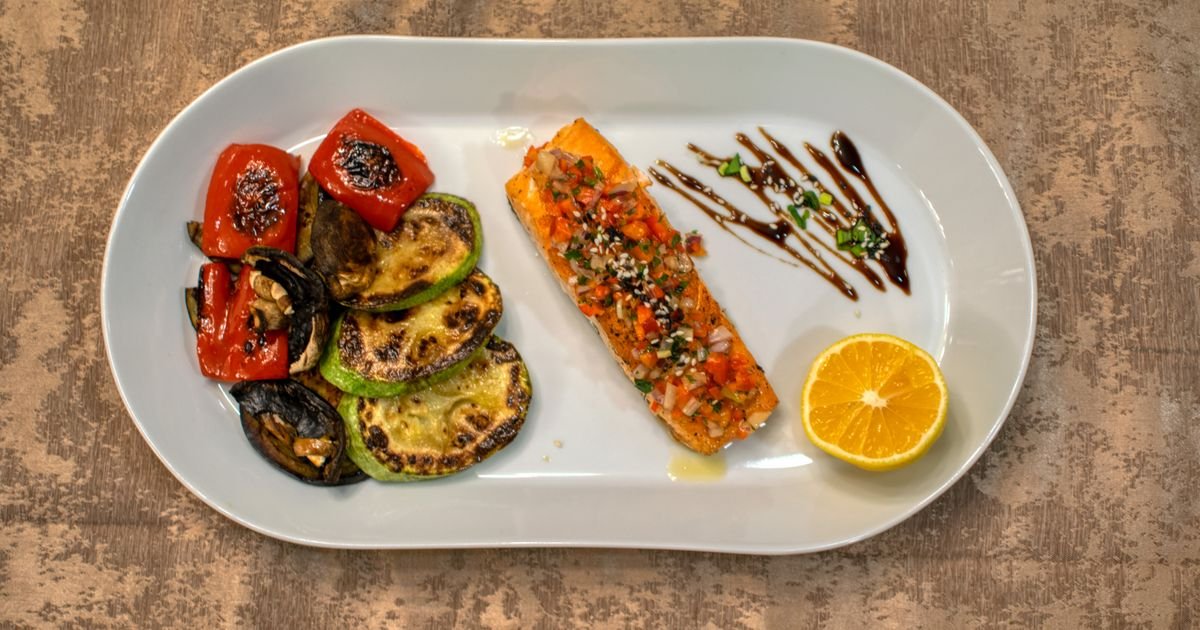
Plate the quinoa in a neat mound, then angle the salmon on top so the skin shows. Use a ring mold or spoon to shape the quinoa into a quenelle (football shape) for a refined look. Drizzle the lemon-herb butter in a zigzag pattern, then sprinkle microgreens or edible flowers for color. A microplane grater adds fine lemon zest curls that look like confetti. - Flavor Boosters
Add a pinch of smoked paprika to the quinoa before toasting-it deepens the flavor without tasting smoky. Stir 1 tablespoon capers into the quinoa after cooking for a briny contrast. Or fold 2 tablespoons pesto into the quinoa for a basil-kissed version. My favorite? A dash of fish sauce (½ teaspoon) in the marinade-it enhances umami without tasting fishy.
Nutrition Facts and Health Benefits
Each serving (1 salmon fillet + ½ cup quinoa) provides approximately 420 calories, 38g protein, 22g fat (3.5g saturated), 18g carbohydrates, 3g fiber, and 4g sugar. It’s rich in omega-3 fatty acids (2.5g per serving), vitamin D (12mcg, 60% DV), vitamin B12 (3mcg, 125% DV), selenium (50mcg, 91% DV), and potassium (700mg, 15% DV). The quinoa adds 8g protein per serving, along with magnesium (120mg, 29% DV), iron (2.5mg, 14% DV), and zinc (2mg, 18% DV). This makes it a complete protein source, rare among vegetarian options.
The omega-3s in salmon reduce inflammation and support heart health by lowering triglycerides and blood pressure. Vitamin D, often called the “sunshine vitamin,” regulates calcium absorption and immune function. Selenium acts as a powerful antioxidant, protecting cells from oxidative stress. Quinoa’s fiber promotes gut health and stabilizes blood sugar, while its magnesium content helps with muscle relaxation and nerve function. Together, this dish supports cardiovascular health, brain function, and sustained energy without the crash of simple carbs.
For dietary adaptations: Vegan – Swap salmon for 1 block (14 oz/400g) extra-firm tofu, pressed and sliced into 1-inch (2.5 cm) steaks. Marinate in the same lemon-herb mix and bake as directed, adding 3–4 minutes to account for tofu’s density. Use coconut yogurt instead of butter in the sauce. Gluten-free – This recipe is naturally gluten-free, but ensure broth is certified GF. Low-sodium – Reduce salt to ½ teaspoon and use unsalted broth. Dairy-free – Skip butter in the quinoa and sauce; use olive oil and a splash of coconut milk for creaminess. Low-carb – Serve the salmon over cauliflower rice or wilted spinach instead of quinoa.
Creative Variations Worth Trying
Once you’ve mastered the base recipe, the variations are endless-each one a reflection of global flavors and seasonal inspiration.
Mediterranean Za’atar Salmon
Add 1 teaspoon za’atar spice blend (thyme, sumac, sesame) to the quinoa before toasting. Swap dill for oregano and parsley, and add ½ teaspoon red pepper flakes to the marinade. Top with toasted pine nuts and chopped cucumber after baking. Serve with tzatziki on the side. This variation pairs beautifully with a glass of Assyrtiko wine from Greece.
Asian-Inspired Miso-Ginger Quinoa Bowl
Add 1 tablespoon white miso paste and 1 teaspoon grated ginger to the quinoa cooking liquid. Swap lemon for lime zest and juice, and dill for cilantro and Thai basil. Marinate the salmon in 1 tablespoon soy sauce, 1 teaspoon honey, 1 teaspoon rice vinegar, and 1 teaspoon grated ginger. Garnish with sliced avocado and sesame seeds. Serve with a chilled sake cocktail.
Autumn Harvest Butternut & Sage
Roast 1 cup diced butternut squash in 1 tablespoon olive oil at 400°F (204°C) for 20 minutes. Add it to the quinoa with 5 fresh sage leaves. Swap lemon for orange zest and juice, and dill for thyme. Marinate the salmon in a mix of orange zest, 1 teaspoon maple syrup, and ½ teaspoon cinnamon. Serve with a crisp apple salad on the side.
Meal Prep Power Lunch
Bake the salmon and quinoa as directed, then divide into meal prep containers. Store salmon separately to prevent sogginess. For lunch, top the quinoa with 1 cup baby spinach, ¼ avocado, 2 tablespoons cherry tomatoes, and 1 tablespoon lemon dressing. Add a hard-boiled egg for extra protein. This keeps for 3 days in the fridge and tastes even better after the flavors meld.
Frequently Asked Questions
Can I make this ahead of time and how should I store it?
Yes, but with care. Cook the quinoa up to 3 days ahead and store in an airtight container in the fridge. The salmon can be marinated up to 8 hours ahead and kept refrigerated, uncovered. Do not bake salmon in advance-it dries out when reheated. Assemble everything just before baking: spread quinoa in the dish, place salmon on top, and bake as directed. If using leftovers, store salmon and quinoa separately in the fridge for up to 2 days. Reheat in a skillet over low heat with a splash of water or broth for 2 minutes, or microwave for 45 seconds. Never reheat salmon in the oven-it toughens the flesh.
What can I serve alongside this dish to make it a complete meal?
Pair with a simple arugula salad dressed in lemon vinaigrette (2 cups arugula, 1 tablespoon olive oil, 1 teaspoon lemon juice, salt, pepper). Roasted Brussels sprouts with balsamic glaze add crunch and acidity. For a heartier meal, serve with garlic-sautéed green beans or a quick cucumber-dill salad (1 cup sliced cucumber, 2 tablespoons Greek yogurt, 1 teaspoon lemon, dill). A whole-grain baguette or crusty sourdough is perfect for soaking up the lemon-herb sauce. For drinks, a crisp Sauvignon Blanc or a dry Riesling complements the citrus and herbs beautifully.
Why did my dish turn out dry and how do I fix it?
Dry salmon almost always comes from one of three mistakes. First, overcooking: salmon is done at 125°F (52°C) internal temperature. Use an instant-read thermometer and pull it the moment it hits that mark-the residual heat will carry it to 130°F (54°C), the ideal doneness. Second, starting with room-temperature fillets: this causes uneven cooking, with edges drying out before the center is done. Always start with cold, dry fillets. Third, using a hot oven too soon: if the oven is above 400°F (204°C) at the start, the outside sets before the inside cooks, trapping moisture that then evaporates. Always start at 375°F (190°C) for the first stage.
What are the best ingredient substitutions if I’m missing something?
No dill? Use tarragon or a mix of parsley and chives. No tarragon? Use basil or cilantro. No fresh herbs? Use 1 teaspoon dried dill, ½ teaspoon dried tarragon, and ½ teaspoon dried parsley. Missing lemon? Use lime or orange zest/juice, but reduce acidity by half to avoid overpowering. No quinoa? Swap for farro or bulgur wheat (adjust cooking liquid to 2.5 cups). No butter? Use ghee or olive oil in the sauce. No fresh garlic? Use ½ teaspoon garlic powder, but bloom it in the oil first to remove raw bite. For the salmon, if only skinless fillets are available, add 1 tablespoon olive oil to the baking dish to prevent sticking.
Final Thoughts from the Kitchen
I still remember the first time my daughter took a bite of this dish at age 6. She paused, looked up at me with those big brown eyes, and said, “Daddy, this tastes like love.” That’s the power of food done right-not just nourishment, but joy. This dish is my love letter to slow, mindful cooking. It’s proof that healthy food doesn’t have to be boring, and that a perfect meal can be ready in the time it takes to binge one episode of your favorite show.
So tonight, skip the takeout. Light a candle, pour yourself a glass of white wine, and let this recipe do the talking. And when you plate it, take a moment to admire what you’ve made: a dish that’s as beautiful as it is nourishing, as simple as it is profound. Then share it-because the best meals are meant to be passed around the table, not just eaten from a plate.
Now go cook. And don’t forget to tag #TexasDadCooks-I’d love to see your masterpiece.