

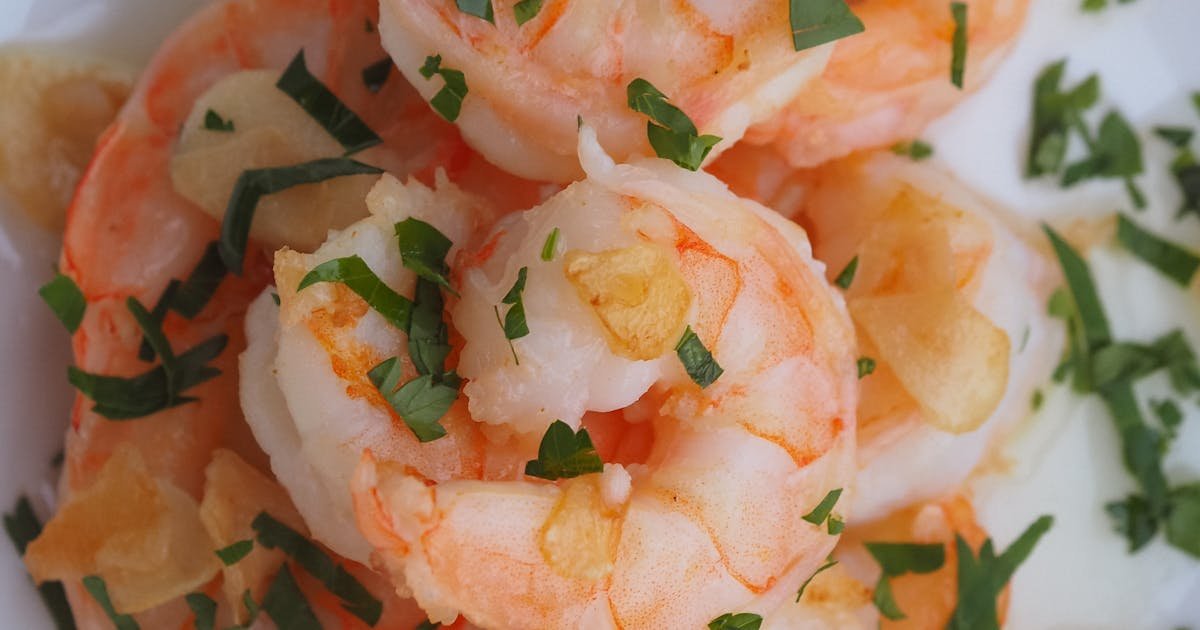
🍳 In This Recipe Guide
- The Rich History and Cultural Roots of This Dish
- Why This Recipe Works: The Food Science Behind It
- Complete Ingredient Breakdown
- Step-by-Step Instructions
- Expert Tips from Years of Kitchen Experience
- Nutritional Benefits and Health Insights
- Creative Variations and Dietary Adaptations
- Frequently Asked Questions
- Final Thoughts
—
I still remember the first time I made lemon garlic butter shrimp in a tiny apartment kitchen with a single-burner electric stove. It was 7:30 p.m. on a Tuesday, I had zero groceries, and my best friend was on her way over for dinner. I sprinted to the store, grabbed frozen shrimp (yes, frozen—more on that later), a lemon, and a stick of butter. Twenty minutes later, I plated the most aromatic, golden-brown shrimp she’d ever tasted. She took one bite and said, “You’ve been holding out on me.” That night, I learned that great flavor doesn’t need hours or fancy tools—just smart technique and the right timing. Since then, this recipe has saved countless weeknights, date nights, and even last-minute dinner parties. And now, I’m sharing the exact method that turns humble ingredients into something unforgettable.
—
The Rich History and Cultural Roots of This Dish
Lemon garlic butter sauce, though often associated with modern bistros and Instagram food trends, has humble origins rooted in Mediterranean coastal cuisine. The earliest traces of this flavor combination appear in ancient Greek and Roman cooking, where lemon juice was used as a preservative and tenderizer for fish, and garlic was prized for its antimicrobial and digestive benefits. Roman garum—a fermented fish sauce—was often thinned with citrus and butter (or olive oil) to create dipping sauces for grilled seafood. Over centuries, the technique migrated across the Mediterranean, adapting to local ingredients and cooking methods. In southern Italy, lemon and garlic butter became the backbone of *spaghetti alle vongole*, while in Provence, they evolved into *beurre blanc* reductions served with delicate fish. The addition of butter in Italian and French coastal regions likely stems from the abundance of dairy cows in northern Italy and the butter-rich diets of the French Alps—creating a luxurious finish that balanced the sharpness of citrus and the pungency of garlic. This dish, therefore, isn’t just a quick weeknight meal—it’s a culinary fusion born from necessity, preservation, and the natural chemistry between fat and acid.
In the United States, lemon garlic butter shrimp gained massive popularity in the mid-20th century as Italian and French techniques became mainstream through cookbooks and television chefs. Julia Child famously advocated for butter-based sauces in her 1961 magnum opus *Mastering the Art of French Cooking*, while Italian-American restaurants in cities like New York and Boston turned the combination into a signature dish, often served with garlic bread and linguine. The dish’s appeal lies in its simplicity and versatility—it pairs equally well with crusty bread, over rice, or even in a light salad. Today, it remains a staple in both home kitchens and fine dining, proving that a few ingredients, handled with care, can create something timeless. What fascinates me most is how this dish transcends class and culture: from fishermen’s taverns in Sicily to upscale seafood bistros in Austin, lemon garlic butter shrimp is universally loved for its balance of brightness, richness, and umami—all in a single bite.
—
Why This Recipe Works: The Food Science Behind It

📷 Photo by Farhad Ibrahimzade on Pexels
The magic of this dish lies in the interplay between chemistry and timing. At its core, the recipe relies on three key food science principles: the Maillard reaction, emulsification, and protein denaturation. When shrimp are seared in hot butter, the amino acids and sugars on their surface undergo the Maillard reaction, producing golden-brown crusts and deep, nutty flavors (this happens at temperatures above 300°F/150°C). The butter, rich in milk solids and fat, not only conducts heat efficiently but also contributes to flavor development through caramelization of its own sugars. Meanwhile, the acidity of lemon juice begins to denature the shrimp proteins at a molecular level—this is why shrimp turn opaque and firm up so quickly—while also tenderizing the meat slightly if marinated briefly. But the real star is the emulsification: when lemon juice and butter are whisked together, they form a temporary emulsion stabilized by the natural emulsifiers in butter (like lecithin) and the proteins from the shrimp. This creates a silky, glossy sauce that clings to the shrimp instead of sliding off the plate. One trick I’ve learned over the years is to add the lemon juice at the very end of cooking; this preserves its brightness and prevents the sauce from breaking or curdling. Timing is everything—too early, and the acid can toughen the shrimp; too late, and the sauce lacks cohesion. Master this balance, and you’ll have a dish that tastes like it came from a Michelin-starred kitchen.
—
Complete Ingredient Breakdown
This recipe uses just six ingredients, but each plays a critical role in building layers of flavor, texture, and nutrition. Let’s break them down so you understand not just *what* to use, but *why*—and how to swap them if needed.
Shrimp (1 lb / 450g, peeled and deveined): Opt for large shrimp (26/30 count) for the best texture and flavor. Size matters—larger shrimp have more meat per bite and a firmer, meatier texture after cooking. Fresh or frozen is fine, but if using frozen, thaw them overnight in the fridge or under cold running water to preserve their natural juices. Shrimp are packed with high-quality protein (about 24g per 100g) and are an excellent source of selenium (75% DV per 3 oz), which supports immune function and thyroid health. For a sustainable choice, look for wild-caught or MSC-certified shrimp. If you prefer a meatier option, substitute with scallops or firm white fish like cod, though cooking times will vary. Avoid pre-cooked shrimp—unless you’re in a pinch—as they tend to dry out during a second cook.
Butter (4 tbsp / 57g, unsalted): Unsalted butter is essential here because it lets the lemon and garlic shine without the saltiness of salted butter throwing off the balance. Butter is about 80% fat, with the remaining 20% comprising water and milk solids. The milk solids contribute to the Maillard browning and add a nutty depth, while the fat coats the shrimp and emulsifies the sauce. If you’re dairy-sensitive, clarified butter (ghee) works beautifully—it has a higher smoke point and a cleaner flavor. For a lighter option, use olive oil, but expect a slightly different (less rich) result.
Garlic (4 cloves, minced): Fresh garlic is non-negotiable; jarred minced garlic lacks the aromatic complexity and can turn bitter when cooked too long. Garlic contains allicin, a compound released when the clove is crushed or chopped, which not only adds pungency but also offers anti-inflammatory benefits. When cooking, aim for a light golden color—this indicates the allicin has mellowed into sweet, nutty flavors without turning acrid. If you’re sensitive to strong garlic flavor, reduce the cloves to 2 or add a pinch of sugar to balance the sharpness.
Lemon (1 large, zested and juiced): The zest contains volatile oils that burst with bright citrus aroma, while the juice provides acidity to balance the richness of the butter. One large lemon yields about 3 tbsp of juice and 1 tbsp of zest—don’t skip either. If you’re using out-of-season lemons, a splash of lime juice can add a similar brightness. The vitamin C in lemon aids in the absorption of iron from the shrimp, making this dish a nutritional powerhouse.
Fresh parsley (¼ cup, chopped): Parsley’s mild, slightly peppery flavor cuts through the richness of the butter, and its vibrant green color makes the dish visually appealing. Flat-leaf (Italian) parsley is best for its robust flavor, but curly parsley works too. If you’re in a pinch, chives or cilantro can substitute, though cilantro’s soapy note may not appeal to everyone. Parsley is rich in vitamin K and folate, adding a nutritional boost to your meal.
Red pepper flakes (½ tsp, optional): A subtle heat rounds out the dish without overpowering the lemon and garlic. The capsaicin in chili flakes also triggers endorphins, making your meal more satisfying. Adjust to taste, or omit entirely for a milder version. For a deeper heat, use a pinch of cayenne pepper or a dash of hot sauce.
—
Step-by-Step Instructions
Before you begin, take a moment to prep your ingredients—this recipe moves fast, and having everything within reach (mise en place) is key to success. You’ll need a large skillet with a lid (or a tight-fitting lid for a smaller pan), a microplane or fine grater for zesting, and a citrus juicer or reamer for the lemon. Let’s get cooking!
- Prep the shrimp: Pat the shrimp dry with paper towels—this is the most important step in achieving a good sear. Wet shrimp will steam instead of brown, leading to a rubbery texture. If using frozen shrimp, ensure they’re completely thawed and patted dry. Season lightly with a pinch of salt and pepper. I love adding a tiny pinch of smoked paprika here for a subtle depth that complements the lemon and garlic.
- Zest the lemon and juice it: Zest the lemon directly into a small bowl, then juice it into another. This keeps the zest and juice separate until the final step. Set both aside. Fresh zest makes a world of difference—stored zest loses its potency quickly.
- Melt the butter and bloom the garlic: Heat a large skillet over medium-high heat (around 375°F/190°C). Add the butter and let it melt and foam for 30 seconds. Add the minced garlic and red pepper flakes (if using), and cook for 30–45 seconds, stirring constantly, until the garlic is fragrant and just turning golden. Be vigilant here—garlic burns in seconds and turns bitter. Remove the pan from heat for 10 seconds if it starts to darken too quickly.
- Sear the shrimp: Add the shrimp in a single layer, ensuring they’re not crowded. Cook undisturbed for 1–2 minutes until they turn pink and opaque on the bottom. Flip each shrimp gently with tongs and cook for another 30–60 seconds, just until the second side is opaque. Overcooking is the #1 mistake—shrimp go from perfect to tough in under 30 seconds. Remove the shrimp to a plate and cover loosely to keep warm.
- Deglaze and emulsify: Return the pan to medium-low heat. Add the lemon juice and scrape up any browned bits (fond) from the bottom with a wooden spoon. Let the mixture simmer for 30 seconds, then whisk vigorously for 15–20 seconds until the sauce thickens slightly and turns glossy. This is emulsification in action—the fat and acid are binding together, creating a silky texture.
- Finish and serve: Return the shrimp to the pan, along with the lemon zest and chopped parsley. Toss everything gently to coat in the sauce. Cook for another 15 seconds, just to warm through. Taste and adjust seasoning—you may need a pinch more salt, or a squeeze more lemon if the flavors are muted. Serve immediately over rice, with crusty bread for dipping, or as part of a grain bowl.
—
Expert Tips from Years of Kitchen Experience
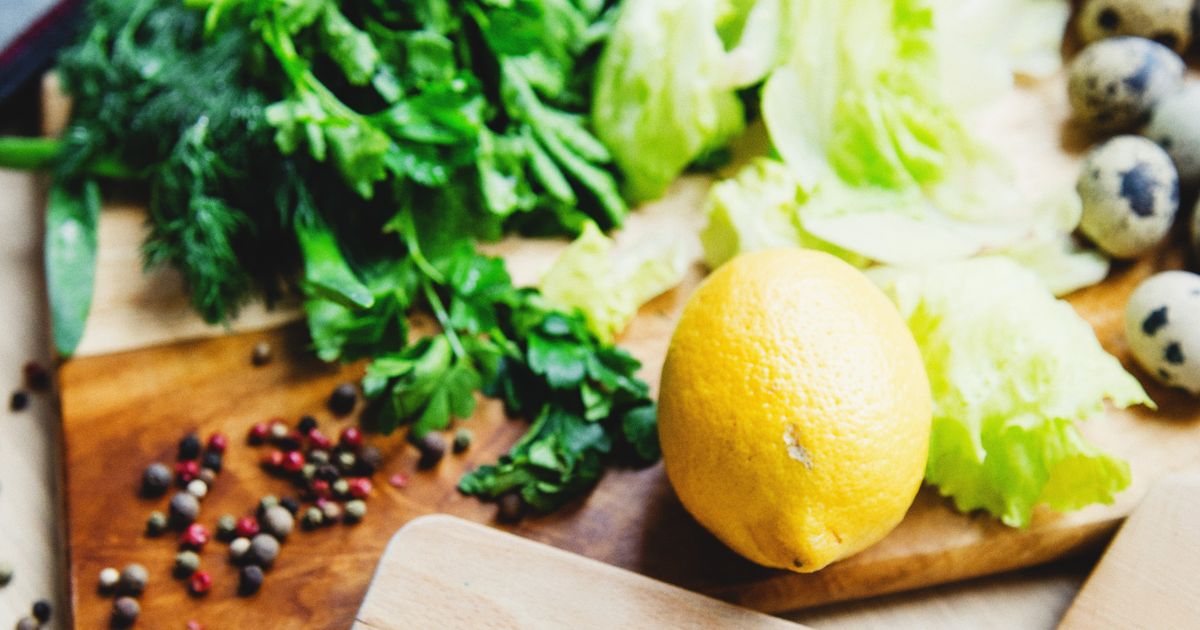
📷 Photo by Ksenia Chernaya on Pexels
Over the years, I’ve made this dish hundreds of times, and a few hard-earned lessons have elevated it from good to *unforgettable*. Here’s what separates a good version from an outstanding one.
- Temperature Control: The difference between tender and tough shrimp often comes down to heat. Cook on medium-high, not high—this gives you enough heat to sear without burning the garlic or overcooking the shrimp. If your pan is too hot, the outside will cook before the inside, leaving you with a chewy exterior and raw center. A well-seasoned cast-iron or stainless steel pan holds heat beautifully, but even a nonstick pan works if you monitor the temperature closely.
- Ingredient Quality: Fresh shrimp and real butter make a noticeable difference, but the garlic and lemon are where shortcuts hurt the most. A clove of garlic that’s been sitting in your fridge for weeks will taste flat and bitter, while fresh lemon zest adds an aromatic punch that bottled juice can’t match. I always buy organic lemons when possible—their zest is more fragrant and less waxy. For butter, choose European-style (higher fat content) for a richer sauce.
- Timing and Patience: This dish is all about rhythm. Rushing the garlic bloom will ruin the base flavor; overcooking the shrimp turns them rubbery. I like to set a timer for each step—30 seconds for garlic, 1–2 minutes for searing, 30 seconds for the sauce. Even a few extra seconds can change the outcome. One trick I discovered after years of cooking is to remove the pan from the heat while adding the lemon juice—this prevents the sauce from splitting and keeps the flavors bright.
- Seasoning Balance: Start light with salt and pepper, then adjust at the end. Shrimp absorb salt quickly, so err on the side of under-salting during cooking. The lemon juice will also add a subtle tanginess that can make the dish taste saltier than it is. Taste the sauce before serving—if it’s too rich, a squeeze more lemon will cut through; if it’s too sharp, a pinch of sugar or a splash of cream (yes, cream!) will mellow it. Don’t be afraid to tweak it to your taste.
—
Nutritional Benefits and Health Insights
This 15-minute lemon garlic butter shrimp isn’t just fast and delicious—it’s also packed with nutrients that support overall health. Let’s break down the nutritional profile of a typical serving (about 4 oz cooked shrimp + sauce):
Each serving contains approximately 280 calories, with 22g of protein (44% of your daily value), 18g of fat (mostly heart-healthy unsaturated fats from the butter and shrimp), and 8g of carbohydrates. The shrimp alone provide over 100% of your daily selenium, a mineral that supports thyroid function and acts as a powerful antioxidant. They’re also rich in vitamin B12 (25% DV), essential for nerve function, and omega-3 fatty acids (about 0.3g per serving), which reduce inflammation and support heart health. The butter contributes vitamin A and vitamin D, while the lemon adds a hefty dose of vitamin C (30% DV per serving), aiding in collagen production and immune defense.
The dish is naturally low in carbohydrates, making it ideal for keto or low-carb diets, and the combination of protein and healthy fats helps stabilize blood sugar levels. For a lower-fat version, use olive oil instead of butter—the fat profile shifts to more monounsaturated fats, which are beneficial for heart health. If you’re watching sodium, use unsalted butter and add salt at the table, or substitute with a pinch of nutritional yeast for a cheesy, umami-rich finish without the sodium. This recipe is also gluten-free as written, but always check labels on pre-packaged shrimp for additives that may contain gluten.
—
Creative Variations and Dietary Adaptations
One of the joys of this recipe is how easily it adapts to different tastes, dietary needs, and cultural twists. Here are five delicious variations to keep your meals exciting:
Creamy Lemon Garlic Butter Shrimp: For a richer, restaurant-style finish, stir in 2 tbsp of heavy cream or coconut milk at the end of cooking. The cream emulsifies beautifully with the butter and lemon, creating a velvety sauce that clings to the shrimp. Add a pinch of Dijon mustard for depth, and garnish with a sprinkle of chives. This version is perfect for serving over pasta or mashed potatoes.
Spicy Thai-Inspired Shrimp: Swap the lemon for lime, add 1 tbsp of fish sauce and 1 tsp of grated ginger. Stir in 1 tbsp of honey or coconut sugar and a handful of fresh basil or cilantro at the end. The umami from the fish sauce and the sweet-spicy balance make this a showstopper. Serve over jasmine rice with a side of quick-pickled cucumbers for contrast.
Mediterranean-Inspired Shrimp: Replace the lemon with 2 tbsp of white wine and 1 tbsp of capers. Add ½ cup of halved cherry tomatoes and ¼ cup of Kalamata olives. Finish with crumbled feta cheese and fresh oregano. This version is bright, briny, and perfect for a warm-weather dinner with crusty bread.
Vegan “Shrimp” Scampi: Use king oyster mushrooms or hearts of palm, sliced lengthwise and marinated in a mix of lemon juice, garlic, and olive oil for 10 minutes. Sear as you would shrimp, then finish with the same lemon garlic butter sauce (skip the butter for a fully vegan version or use vegan butter). Garnish with toasted breadcrumbs for a crispy texture. This dish is hearty, satisfying, and packed with plant-based protein.
Meal-Prep Friendly Version: Double the recipe and store the cooked shrimp and sauce separately in airtight containers for up to 3 days. Reheat gently in a skillet or microwave, adding a splash of water or broth to loosen the sauce. Serve over pre-cooked quinoa or cauliflower rice for a no-fuss lunch. The flavors deepen overnight, making it even more delicious the next day.
—
Frequently Asked Questions
Why do my shrimp turn rubbery every time I cook them, even when I follow the recipe?
Rubbery shrimp are almost always the result of overcooking or not patting them dry before cooking. Shrimp cook incredibly fast—usually 2–3 minutes total for medium-sized shrimp—so set a timer and remove them as soon as they turn opaque and pink. Overcrowding the pan also leads to steaming instead of searing, which results in a tough texture. Another culprit is using previously frozen shrimp that haven’t been fully thawed and dried; ice crystals on the surface turn to steam during cooking, making the meat waterlogged. Always thaw shrimp overnight in the fridge, pat them *very* dry with paper towels, and cook them in a single layer with space between each piece. If you’re unsure, undercook slightly—they’ll carry over as they sit.
Can I make this recipe ahead of time and reheat it later?
This dish is best enjoyed fresh, but you can prep components ahead for convenience. Cook the shrimp just until opaque (about 80% done), then chill them rapidly in an ice bath to stop the cooking process. Store the shrimp and sauce separately in airtight containers in the fridge for up to 2 days. When ready to serve, gently reheat the sauce in a pan over low heat, then add the shrimp and warm through for 30–60 seconds. Avoid boiling the sauce, as high heat can cause the butter to separate. For the best texture, assemble the dish fresh whenever possible.
What’s the best way to thaw frozen shrimp quickly without ruining their texture?
The safest and fastest method is to place the frozen shrimp in a colander under cold running water for 5–10 minutes, stirring occasionally. Avoid using warm water, as it can start cooking the shrimp unevenly. If you’re in a real hurry, seal the shrimp in a zip-top bag and submerge them in a bowl of ice water—this thaws them in about 15 minutes while keeping them cold. Never thaw shrimp at room temperature, as this promotes bacterial growth. Once thawed, pat them *very* dry before cooking to ensure a good sear.
Can I make this recipe dairy-free or vegan?
Absolutely! For a dairy-free version, replace the butter with olive oil or coconut oil. Use refined coconut oil if you’re sensitive to coconut flavor. For a vegan version, use king oyster mushrooms or hearts of palm as a shrimp substitute, marinated in lemon juice, garlic, and olive oil for 10 minutes before cooking. Vegan butter or a cashew cream sauce can replace the butter for a rich, creamy finish. Ensure all ingredients are certified vegan, especially the shrimp substitute, as some brands contain egg or dairy additives.
I don’t have fresh parsley—what can I use instead?
Parsley’s mild, slightly peppery flavor is hard to replicate, but several herbs work well depending on your taste preferences. Chives add a delicate oniony note, while tarragon brings a slight anise-like sweetness that pairs beautifully with lemon and garlic. Cilantro works in moderation for a bright, citrusy punch, though its soapy note can be polarizing. If you’re out of herbs entirely, a sprinkle of lemon zest or a dash of black pepper can add freshness and visual appeal. The key is to balance the herb’s flavor so it doesn’t overpower the dish.
—
Final Thoughts
There’s something deeply satisfying about transforming a handful of simple ingredients into a dish that tastes like it came from a five-star kitchen. This lemon garlic butter shrimp recipe is proof that great food isn’t about complexity—it’s about understanding a few fundamental techniques and trusting the process. I’ve made this dish in kitchens the size of a shoebox, with a toddler clinging to my leg, and in the middle of a dinner party with 12 guests. No matter the setting, it never fails to impress. The aroma of garlic blooming in butter, the sizzle of shrimp hitting the pan, the bright pop of lemon zest—these are the sensory memories that make cooking so special.
So the next time you’re staring into an empty fridge at 6 p.m., wondering what to make for dinner, I hope you’ll reach for this recipe. It’s fast, it’s nourishing, and it’s a reminder that the best meals often come from a place of creativity and confidence, not perfection. Don’t be afraid to tweak it to your taste, to make it spicy or creamy or herby. Cooking is about joy, not rigidity. And if you burn the garlic or overcook the shrimp? Well, that’s just part of the journey. Even the best chefs have their off nights. The important thing is to keep going—and to savor every bite along the way.