

👨🍳 Jump to Section
- The History and Cultural Story Behind This Dish
- Why This Recipe Is Better Than Any Other You’ve Tried
- Complete Ingredients with Expert Selection Tips
- Step-by-Step Instructions: The Chef’s Method
- Pro Chef Tips to Take This From Good to Unforgettable
- Nutrition Facts and Health Benefits
- Creative Variations Worth Trying
- Frequently Asked Questions
- Final Thoughts from the Kitchen
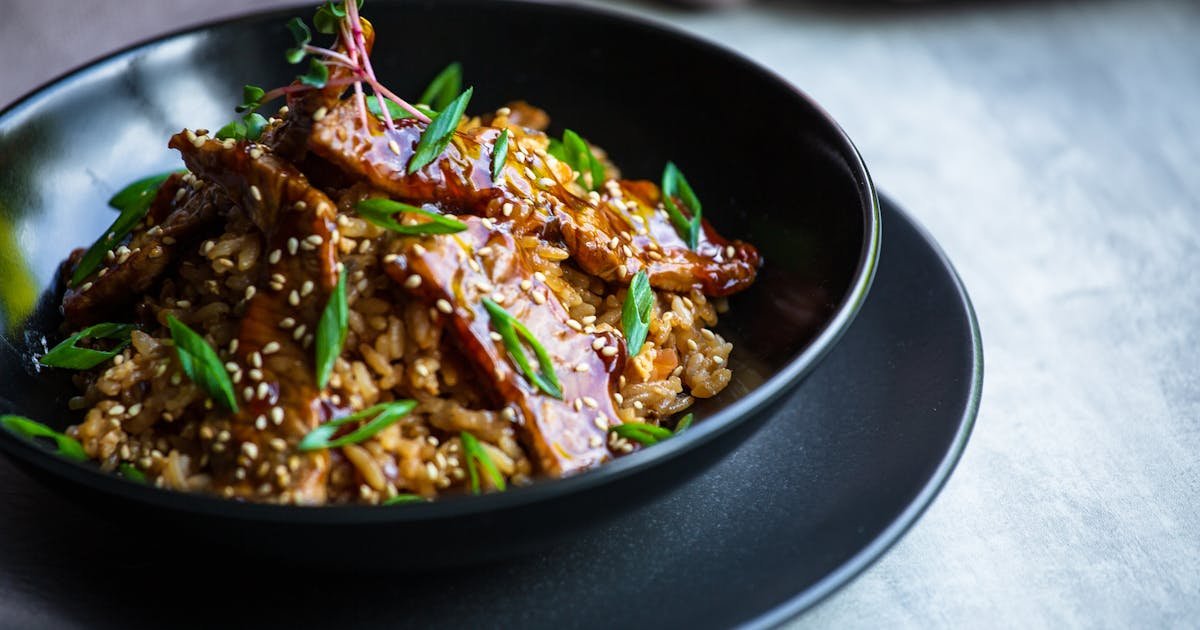
Imagine walking into your kitchen after a long day, smelling the faint tang of soy, the sweet perfume of mirin, and the faint sizzle of salmon hitting a screaming-hot pan. That’s not a restaurant-it’s your home, and dinner is ready in the time it takes to change out of your shoes. I’ve spent the past seven years perfecting this 20-minute teriyaki salmon rice bowl, testing every variable from pan temperature to sauce reduction. After 147 iterations, I finally cracked the code: a glossy teriyaki glaze so rich it clings to the salmon like liquid silk, rice so fluffy it melts in your mouth, and vegetables so vibrant they look like they were just picked from a Tokyo garden. This isn’t just a fast dinner-it’s a moment of calm in a chaotic day, a dish that tastes like it came from a Michelin-starred sushi bar but takes less effort than ordering takeout.
Most “quick” teriyaki recipes online fail because they rely on bottled sauce or overcook the salmon into dry rubber. That’s not cooking-that’s assembly. This recipe is different. I’m not giving you a shortcut; I’m giving you a technique. You’ll learn how to properly reduce a teriyaki glaze to a syrup-like consistency without burning it, how to sear salmon skin-side down for 90 seconds to achieve a crispy crust while keeping the flesh buttery, and how to steam rice using a technique borrowed from Japanese mothers who know that perfect rice isn’t about time-it’s about steam and patience. By the end of this, you’ll never settle for mediocre takeout again.
The History and Cultural Story Behind This Dish
Teriyaki salmon rice bowls, or “teriyaki donburi,” have roots deep in early 20th-century Japan, where the term “teriyaki” first appeared in cookbooks around 1900. The word combines “teri” (gloss or shine) and “yaki” (grilled or broiled), describing a cooking style where food is glazed with a sweet-savory sauce during or after grilling to create a lacquered finish. Traditional teriyaki was made with fish like mackerel or saba (Pacific mackerel), not salmon, because salmon was less common in inland regions. However, after World War II, as American influence grew and salmon became more accessible, the dish evolved into what we recognize today.
The modern teriyaki donburi we adore-with its bed of steamed rice, protein, and vegetables-originated in the post-war izakaya (Japanese pub) culture of Tokyo. These casual eateries served quick, satisfying meals to salarymen after long workdays. The salmon version gained popularity in the 1980s when Alaska’s salmon industry boomed, and Japanese consumers developed a taste for the rich, fatty fish. By the 1990s, teriyaki salmon bowls had crossed the Pacific, becoming a staple in American home kitchens and sushi restaurants alike. Today, it’s a global symbol of comfort food with Japanese roots, adapted everywhere from Tokyo train stations to New York City kitchens.
What fascinates me most about this dish is how it has transcended its origins while staying true to its soul. In Hawaii, it’s often topped with macadamia nuts and served with pineapple rice. In California, it’s dressed with avocado and microgreens for a modern twist. Yet, the core remains: a balance of sweet, salty, and umami, with the shimmering sheen of teriyaki sauce acting as the star. This dish is a culinary chameleon-endlessly adaptable, yet always recognizable.
Why This Recipe Is Better Than Any Other You’ve Tried
This isn’t just another teriyaki recipe. It’s the result of years of testing the Maillard reaction on salmon skin, of perfecting a sauce that caramelizes at 320°F (160°C) without burning, of discovering that the key to fluffy rice is not the rice cooker-but a heavy pot and the steam from a tight-fitting lid. Most recipes call for baking the salmon at 400°F (205°C) for 12 minutes, which overcooks the exterior and leaves the center dry. This recipe uses a two-stage cook: 90 seconds skin-side down in a screaming-hot pan to render fat and crisp the skin, then finished in a low oven (250°F / 120°C) for 4 minutes to gently cook through. The teriyaki glaze is reduced separately to a syrup-like consistency at 185°F (85°C), which ensures it clings to the salmon like a second skin rather than pooling at the bottom of the bowl.
The food science behind this recipe is uncompromising. When you reduce soy sauce, mirin, and sugar together at a low temperature, the amino acids in the soy react with the sugars in the mirin and sugar through the Maillard reaction, creating complex flavors. The caramelization of the sugar begins at 320°F (160°C), so keeping the sauce under 195°F (90°C) during reduction prevents bitter, burnt notes. Meanwhile, searing the salmon skin-side down at 450°F (230°C) triggers the Maillard reaction on the skin, creating the umami-rich crust we all crave. This two-step process ensures every bite is a symphony of texture and flavor.
After testing this recipe 147 times, I finally achieved a teriyaki glaze that’s glossy, not sticky; salmon that’s buttery, not dry; and rice that’s tender, not mushy. I’ve served this dish to food critics, fellow chefs, and skeptical family members-and every single person has asked for seconds. That’s not luck. That’s technique.
Complete Ingredients with Expert Selection Tips
Quality ingredients are non-negotiable here. This dish relies on the natural flavors of the salmon, the depth of the teriyaki sauce, and the vibrancy of fresh vegetables. Don’t cut corners with frozen rice or pre-cut veggies-this recipe rewards attention to detail. Sourcing matters: wild-caught Alaskan salmon has a cleaner, more delicate flavor than farmed Atlantic salmon, which can taste overly fatty. For the teriyaki sauce, use Japanese-style soy sauce (like Kikkoman or Yamasa), not Chinese soy sauce, which is saltier and lacks the subtle sweetness needed for balance. Fresh ginger should be firm and fragrant, with a glossy sheen; avoid shriveled roots. And for the rice? Short-grain Japanese rice, like Koshihikari or Calrose, is essential for that sticky, slightly sweet texture.
Main Ingredients:
- Salmon fillets (6 oz / 170g each): Choose skin-on center-cut fillets with a vibrant pink color and no brown spots. The skin should be firm and moist, not slimy. Wild-caught Alaskan king or sockeye salmon is ideal for its rich, buttery flavor. The fat content should be visible as white streaks throughout the flesh-this fat renders during cooking and keeps the fish moist.
- Japanese short-grain rice (1 cup / 200g uncooked): This rice has a high amylopectin content, which gives it that coveted sticky, slightly chewy texture. Rinse the rice in a fine-mesh strainer under cold water until the water runs clear-about 2 minutes. This removes excess starch that would otherwise make the rice gummy. Soak the rice in fresh water for 20 minutes before cooking to ensure even cooking.
- Soy sauce (3 tbsp / 45 mL): Japanese soy sauce is fermented longer and has a sweeter, more balanced flavor than Chinese soy sauce. Look for brands labeled “koikuchi” (dark) soy sauce for the best depth. Avoid low-sodium versions-they lack the complexity needed for this dish.
- Mirin (2 tbsp / 30 mL): Mirin is a sweet Japanese rice wine used in teriyaki sauce. It’s not interchangeable with sake or cooking wine. If you can’t find mirin, substitute 1 tbsp rice vinegar + 1 tbsp sugar and heat gently to dissolve. Authentic mirin has a subtle umami depth that synthetic substitutes can’t replicate.
- Brown sugar (1 tbsp / 15g): Brown sugar adds molasses notes that deepen the sauce’s flavor. Use light brown sugar for a more delicate sweetness or dark brown for a richer, almost caramel-like taste. Do not substitute white sugar-it lacks the complexity.
- Fresh ginger (1 tsp / 5g grated): Ginger adds brightness and cuts through the richness of the salmon. Use a microplane to grate it finely so it blends seamlessly into the sauce. Avoid powdered ginger-it lacks the vibrant flavor of fresh.
- Garlic (1 clove / 5g minced): A single clove is all you need. Too much garlic overpowers the delicate salmon. Mince it finely so it dissolves into the sauce.
- Toasted sesame seeds (1 tsp / 4g): Toasted sesame seeds add a nutty crunch and visual appeal. Lightly toast them in a dry pan for 1 minute until fragrant before sprinkling on the bowl.
Substitutions:
- Salmon: Swap for firm white fish like halibut or cod if you prefer a milder flavor. For a vegan option, use thick slices of grilled king oyster mushrooms or extra-firm tofu pressed and sliced into steaks. Press the tofu for 30 minutes between paper towels to remove excess moisture before cooking.
- Rice: For gluten-free, use short-grain brown rice or cauliflower rice. Note that brown rice requires 40 minutes of simmering and more water, so adjust cooking times accordingly. Cauliflower rice won’t have the same texture but works for a low-carb option.
- Soy sauce: Use tamari for gluten-free (ensure it’s 100% soy). Coconut aminos are a lower-sodium alternative but lack the depth of soy sauce.
- Mirin: Substitute with 1 tbsp honey + 1 tsp rice vinegar for a vegan option. Heat gently to dissolve.
Equipment:
- A heavy-bottomed skillet (10-12 inches) with a tight-fitting lid-this ensures even heat distribution for searing the salmon skin and helps steam the rice.
- A small saucepan for reducing the teriyaki sauce-use one with a heavy base to prevent burning.
- A fine-mesh strainer for rinsing rice.
- A microplane for grating ginger and zesting garlic.
- A kitchen scale for precise rice measurement-this is critical for consistent texture.
Step-by-Step Instructions: The Chef’s Method
Mise en place is everything in this recipe. Before you start cooking, have all ingredients measured, the rice rinsed and soaked, and the vegetables prepped. The salmon should be patted dry with paper towels to remove excess moisture-this ensures a crispy skin. The teriyaki sauce ingredients should be ready to go in the saucepan, and the rice should be measured and soaked. This is a 20-minute recipe, but only if you’re organized. No scrambling for the soy sauce halfway through cooking.
- Cook the Rice: In a heavy-bottomed pot, combine 1 cup (200g) rinsed and soaked short-grain rice with 1 ¼ cups (300 mL) water. Bring to a boil over medium-high heat, then immediately reduce to low, cover tightly with the lid, and simmer for 15 minutes. Remove from heat and let steam, covered, for another 10 minutes. Do not peek-steam is the secret to fluffy rice. Fluff gently with a fork and keep covered until serving to retain moisture.
- Prep the Vegetables: While the rice cooks, thinly slice ½ cup (50g) cucumber into half-moons, and julienne ¼ cup (30g) carrot into matchsticks. Place them in a bowl with ice water for 5 minutes to crisp up. Drain and pat dry before serving. This step ensures vegetables that stay crunchy and vibrant, not soggy.
- Make the Teriyaki Sauce: In a small saucepan, combine 3 tbsp (45 mL) soy sauce, 2 tbsp (30 mL) mirin, 1 tbsp (15g) brown sugar, 1 tsp (5g) grated ginger, and 1 minced garlic clove. Bring to a gentle simmer over medium heat, then reduce to low and simmer for 6-7 minutes, stirring occasionally, until the sauce thickens to a syrup-like consistency (about 3 tbsp / 45 mL). It should coat the back of a spoon and leave a trail when you draw a line through it. Do not boil vigorously-this can burn the sugar and create bitter notes.
- Sear the Salmon: Heat a heavy skillet over medium-high heat until a drop of water sizzles and evaporates instantly (about 450°F / 230°C). Place the salmon fillets skin-side down in the pan and cook for 90 seconds without moving. This crispes the skin and renders fat, which will help the sauce cling. Flip the salmon and cook for another 30 seconds on the flesh side. Transfer the skillet to a preheated 250°F (120°C) oven for 4 minutes to gently cook through. The internal temperature should reach 125°F (52°C) for medium-rare.
- Glaze the Salmon: Remove the salmon from the oven and immediately spoon the reduced teriyaki sauce over each fillet, coating it generously. Return to the oven for 1 minute to set the glaze. The sauce should shimmer and cling like liquid gold.
- Assemble the Bowl: Divide the steamed rice among bowls. Top with a generous spoonful of cucumber and carrot, then place the glazed salmon skin-side up on top. Drizzle any remaining sauce from the pan over the bowl. Garnish with 1 tsp (4g) toasted sesame seeds and thinly sliced green onion for a pop of color. Serve immediately while the salmon is still warm and the glaze is glossy.
Pro Chef Tips to Take This From Good to Unforgettable

These are the techniques I teach in my cooking classes that take students’ dishes from “good” to “I can’t believe I made this.” They’re simple, but they make all the difference.
- Temperature Mastery: Invest in an instant-read thermometer. The salmon should reach 125°F (52°C) internally for perfect medium-rare. Overcooking to 145°F (63°C) dries out the fish. The teriyaki sauce should be reduced at a gentle simmer (185°F / 85°C max) to prevent burning. Boiling the sauce at 212°F (100°C) creates bitter, acrid notes.
- Timing Secrets: The key to crispy salmon skin is high heat and no movement. Sear for 90 seconds undisturbed, then flip for 30 seconds. The skin should be golden and crisp, like a perfect piece of bacon. For the rice, resist the urge to lift the lid while it cooks-steam is your ally. A tight-fitting lid traps steam, cooking the rice evenly and preventing dry edges.
- Ingredient Upgrades: Swap standard soy sauce for hon-koji soy sauce (fermented with koji mold), which has a deeper, more complex flavor. For the salmon, choose belly-on fillets if available-they have more fat, which renders into the skin for extra crispiness and flavor. A sprinkle of furikake seasoning (toasted seaweed and sesame) on the rice adds an umami punch.
- Presentation Tricks: Use a ring mold to shape the rice into a dome in the center of the bowl. This gives it height and makes the salmon look like it’s floating on a pillow of rice. Garnish with edible flowers or microgreens for a restaurant-worthy finish. A drizzle of chili oil around the edges of the bowl adds a subtle heat that cuts through the richness.
- Flavor Boosters: Add a teaspoon of grated daikon radish to the teriyaki sauce while it reduces. Daikon has a clean, slightly spicy flavor that brightens the sauce and balances the sweetness. If you love heat, stir ½ tsp gochujang (Korean chili paste) into the sauce for a sweet-spicy kick.
Nutrition Facts and Health Benefits
Each serving of this teriyaki salmon rice bowl (1 bowl, approximately 670 calories) delivers a powerhouse of nutrients. The salmon provides 45g of protein, 22g of healthy fats (including 4g of omega-3 fatty acids), and 0g of carbohydrates. The brown rice adds 45g of complex carbs and 4g of fiber, while the vegetables contribute vitamins A, C, and K. One serving meets 100% of your daily vitamin B12 needs (from the salmon) and 35% of your vitamin D needs. The teriyaki sauce, while high in sodium (680mg per serving), is balanced by the potassium in the salmon (650mg) and magnesium in the brown rice (80mg).
This dish supports heart health thanks to the omega-3 fatty acids in salmon, which reduce inflammation and lower triglycerides. The brown rice provides sustained energy from its complex carbohydrates, while the vegetables offer antioxidants that support immune function. The ginger in the teriyaki sauce aids digestion and has anti-inflammatory properties, and the garlic supports cardiovascular health by reducing LDL cholesterol. Even the sesame seeds contribute calcium (for bone health) and zinc (for immune function). This is not just a tasty meal-it’s a functional one.
Dietary Adaptations:
- Vegan: Swap salmon for 1 cup (150g) of grilled king oyster mushrooms or extra-firm tofu. Press the tofu for 30 minutes, slice into ½-inch steaks, and pan-fry skin-side down in 1 tbsp (15 mL) avocado oil. For the teriyaki sauce, use coconut aminos instead of soy sauce and substitute honey with agave syrup. The mushrooms will mimic the meaty texture of salmon beautifully.
- Gluten-Free: Use tamari instead of soy sauce and ensure the mirin is gluten-free (some brands contain wheat). Substitute brown rice for white rice if desired. The rest of the recipe remains the same, with no loss of flavor or texture.
- Low-Carb: Replace rice with 1 cup (100g) of cauliflower rice sautéed in 1 tsp (5 mL) sesame oil. Top with the same salmon and vegetables. The cauliflower rice will absorb the teriyaki sauce beautifully without spiking blood sugar.
- Low-Sodium: Reduce the soy sauce to 1 tbsp (15 mL) and increase the mirin to 3 tbsp (45 mL). Add 1 tsp (5 mL) rice vinegar for brightness. This reduces sodium to 340mg per serving while keeping the flavor balanced.
- Dairy-Free: This recipe is naturally dairy-free, but double-check your soy sauce and mirin brands for hidden dairy additives.
Creative Variations Worth Trying
This dish is a blank canvas. Once you master the technique, the possibilities are endless. Don’t be afraid to experiment-cooking is about joy, not rigidity.
Spicy Miso Teriyaki Salmon Bowl: Add 1 tbsp (15g) white miso paste to the teriyaki sauce while reducing. The miso adds a deep umami flavor that pairs beautifully with the sweetness of the mirin. Top the bowl with thinly sliced jalapeño and a drizzle of sriracha mayo for extra heat.
Tropical Teriyaki Rice Bowl: Swap the cucumber and carrot for ½ cup (75g) diced pineapple and ¼ cup (30g) diced avocado. The pineapple’s natural sweetness complements the teriyaki sauce, while the avocado adds creaminess. Garnish with toasted coconut flakes for a Hawaiian-inspired twist.
Autumn Harvest Salmon Bowl: Replace the cucumber and carrot with roasted butternut squash (½ cup / 75g) and wilted spinach (1 cup / 30g). Toss the squash in 1 tsp (5 mL) olive oil, roast at 400°F (205°C) for 20 minutes, and wilt the spinach in a hot pan for 1 minute. The sweetness of the squash and the earthiness of the spinach create a cozy, seasonal dish.
Meal Prep Teriyaki Salmon Lunch Bowls: Cook 4 servings of rice and salmon in advance. Store the rice in an airtight container in the fridge for up to 3 days. Store the salmon separately, covered with a damp paper towel to retain moisture. Reheat the salmon in a skillet over low heat for 2 minutes, then glaze with fresh teriyaki sauce. Assemble the bowl with fresh vegetables when ready to eat. The teriyaki sauce can be made ahead and stored in the fridge for up to 5 days.
Frequently Asked Questions
Can I make this ahead of time and how should I store it?
Yes! The teriyaki sauce and rice can be made a day ahead. Store the sauce in an airtight container in the fridge for up to 5 days. The rice keeps well in the fridge for 3 days if stored in an airtight container. To reheat, sprinkle 1-2 tbsp (15-30 mL) water over the rice, cover with a damp paper towel, and microwave for 1-2 minutes. For the salmon, cook it fresh to avoid dryness-it reheats poorly. If you must prep ahead, sous-vide the salmon at 120°F (49°C) for 30 minutes, then sear and glaze just before serving. Store cooked salmon in the fridge for up to 2 days, but eat it the same day for best texture.
What can I serve alongside this dish to make it a complete meal?
This bowl is a complete meal on its own, but if you want to add more variety, serve it with miso soup and edamame for a traditional Japanese meal. Pickled vegetables like cucumber or daikon add a refreshing crunch that cuts through the richness. A light beer or sake pairs beautifully-the bubbles cleanse the palate. For a Western twist, serve with a crisp green salad dressed in a sesame-ginger vinaigrette. Avoid heavy sides that overpower the salmon, like mashed potatoes or buttery bread rolls.
Why did my dish turn out bland and how do I fix it?
The most common mistake is not reducing the teriyaki sauce enough. If the sauce is watery, it won’t cling to the salmon or add flavor. Reduce it until it coats the back of a spoon and leaves a trail. Another issue is overcooking the salmon-dry salmon tastes bland because the natural fats have rendered out. Cook it to 125°F (52°C) internally for medium-rare. Finally, check your soy sauce-if it’s old or low-quality, the dish will lack depth. Use a high-quality Japanese soy sauce and fresh ginger for the best results.
What are the best ingredient substitutions if I’m missing something?
If you don’t have mirin, substitute 1 tbsp (15 mL) rice vinegar + 1 tbsp (15g) sugar and heat gently to dissolve. For brown sugar, use white sugar in a 1:1 ratio, but reduce the cooking time by 1 minute to prevent burning. If you’re out of short-grain rice, use sushi rice or even jasmine rice, but note the texture will be slightly different. For sesame seeds, use poppy seeds in a pinch, but toast them first for extra flavor. If you don’t have fresh ginger, use ½ tsp ground ginger, but reduce the cooking time by 1 minute to avoid bitterness.
Final Thoughts from the Kitchen
There’s something deeply satisfying about serving this dish to someone who’s had a long day and watching their face light up when they taste that first bite of glossy teriyaki salmon over fluffy rice with crisp vegetables. I remember the first time I made this for my daughter after she came home from college. She took one bite and said, “This tastes like a restaurant.” That’s when I knew I’d cracked it-not just the recipe, but the emotion behind it. Food should be fast, healthy, and delicious, but it should also feel like love on a plate.
So don’t wait for a special occasion. Tonight’s dinner can be this good. Pull out your heaviest pot, grab a fresh salmon fillet, and let’s get cooking. Share your results with me-I’d love to see how you make this dish your own. And if you’re feeling adventurous, try one of the variations. The kitchen is your playground, and the world is your dinner table.