

🍳 In This Recipe Guide
- The Rich History and Cultural Roots of This Dish
- Why This Recipe Works: The Food Science Behind It
- Complete Ingredient Breakdown
- Step-by-Step Instructions
- Expert Tips from Years of Kitchen Experience
- Nutritional Benefits and Health Insights
- Creative Variations and Dietary Adaptations
- Frequently Asked Questions
- Final Thoughts
One evening after a long shift at the grill, I found myself staring into the abyss of a cluttered kitchen with a mountain of dishes already stacked like the Leaning Tower of Pisa. My kids were hungry, the sitter was waiting for her ride, and I had zero desire to babysit a cast-iron skillet for 30 minutes. Then it hit me: why not use the oven’s radiant heat to do the heavy lifting? That night, the first sheet pan fajitas were born—chicken that cooks evenly in its own juices, peppers and onions that caramelize without stirring, and a cleanup so effortless I could high-five the sink afterward. Fast forward a decade, and this method is still my secret weapon for weeknights when time is currency and flavor is non-negotiable.
The Rich History and Cultural Roots of This Dish
The fajita traces its name to the Mexican state of Jalisco, where cattle ranchers in the 1930s coined “fajita” (little belt) to describe the tough skirt steak from the diaphragm. These off-cuts were grilled over open flames and served to cowboys with sautéed onions and peppers—an edible badge of their labor. As refrigerated trucks expanded Tex-Mex reach in the 1960s, fajitas migrated north; by the 1980s, they had seduced American palates and were reimagined with chicken and flour tortillas in restaurants across Texas. Sheet pan fajitas are simply the latest evolution: a 21st-century nod to ranchero ingenuity, now harnessing the Maillard reaction inside your home oven for speed and convenience without sacrificing authenticity.
Regional variations tell a flavor story: in central Mexico, fajitas stay true to skirt steak and charro beans; in South Texas, sizzling platters arrive at the table with guacamole and pico de gallo; while in California, avocado crema often replaces sour cream. Our sheet pan version borrows the best of each—tender chicken instead of skirt steak, blistered peppers for sweetness, and a seasoning blend that balances cumin’s earthiness with lime’s brightness. The result is a cultural fusion on a single pan: rustic ranchero soul meets modern efficiency.
Why This Recipe Works: The Food Science Behind It
📷 Photo by Ahmad No More on Pexels
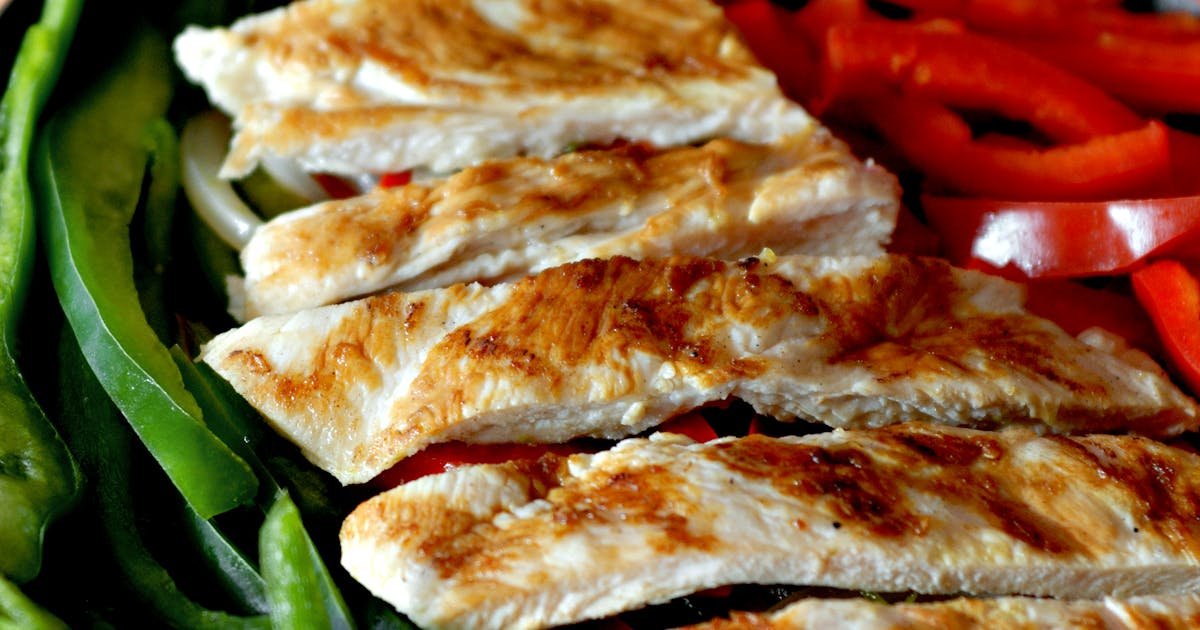
The magic happens at 425°F (220°C) on a heavy sheet pan. This temperature triggers the Maillard reaction on the chicken’s surface within the first 10 minutes, creating hundreds of new flavor compounds that give the meat its golden crust and irresistible aroma. Meanwhile, the peppers and onions undergo caramelization: their natural sugars melt at around 330°F (165°C), turning the vegetables into jammy, sweet bites that cling to the protein. The sheet pan’s low walls trap steam, creating a gentle braise that keeps the chicken juicy even as the edges blister.
Convection currents in the oven ensure even browning without the need to flip or stir—unlike a skillet, where constant attention risks overcooking the edges. The citric acid in lime juice not only brightens flavor but also partially denatures the chicken proteins on the surface, further tenderizing the meat during the 16–18 minute roast. One trick I discovered after years of cooking: preheating the pan for 5 minutes before adding the chicken jump-starts the Maillard reaction faster, locking in moisture and flavor before the steam can escape.
Complete Ingredient Breakdown
Protein Base: 1.5 lbs (680g) boneless, skinless chicken thighs cut into ¾-inch strips. Thighs stay juicier than breasts at high heat due to their higher fat content (about 10g fat per 100g versus 3.6g in breasts), and their connective tissue breaks down into gelatin during the roast, enhancing mouthfeel.
Blistered Vegetables: 2 large bell peppers (any color) sliced into ½-inch strips and 1 large onion sliced into ¼-inch rings. Bell peppers contain capsaicinoids that intensify in heat and sweetness under caramelization. Onions provide fructans that break down into simple sugars and fructooligosaccharides, prebiotic fibers that feed gut bacteria.
Seasoning Blend: 1 tbsp (15g) ground cumin, 1 tsp (5g) smoked paprika, 1 tsp (5g) garlic powder, ½ tsp (3g) dried oregano, 1 tsp (6g) kosher salt, ½ tsp (1g) black pepper. Cumin’s aldehydes bind to olfactory receptors creating earthy depth; smoked paprika adds pyrazines for aromatic complexity; garlic powder’s alliin compounds convert to allicin when heated, boosting anti-inflammatory benefits.
Acid & Fat: 2 tbsp (30ml) olive oil and juice of 1 lime (about 2 tbsp). Olive oil’s high smoke point (375–410°F/190–210°C) prevents off-flavors; lime’s citric acid catalyzes protein denaturation and brightens the dish’s pH, enhancing flavor perception.
Garnish & Texture: Fresh cilantro leaves, crumbled queso fresco (or cotija), warm flour or corn tortillas, lime wedges, and sliced avocado. Cilantro contains linalool and geraniol that add floral top notes; queso fresco’s calcium phosphate crystals provide a mild salty crunch without the gooeyness of melting cheese.
Step-by-Step Instructions
Before you preheat, set out your mise en place like a conductor tuning an orchestra: everything within arm’s reach. Line your rimmed sheet pan with parchment paper for effortless release and toss your cutting board into the dishwasher early; you’ll thank me later.
- Preheat & Prep: Position an oven rack in the center and preheat to 425°F (220°C). Place the empty sheet pan on the rack and let it heat for 5 minutes. Meanwhile, slice chicken thighs into ¾-inch strips, halve and seed peppers, slice onion into ¼-inch rings, and zest and juice the lime. The hot pan jump-starts the Maillard reaction the moment the chicken touches the metal, giving you a deeper crust in less time.
- Season & Toss: In a large bowl, combine chicken strips with olive oil, lime juice, cumin, smoked paprika, garlic powder, oregano, salt, and black pepper. Use your hands to massage the seasoning into every crevice—this isn’t just flavor; it’s physical emulsification, ensuring spices adhere and penetrate the meat’s surface proteins.
- Layer the Pan: Spread the seasoned chicken evenly across the preheated sheet pan in a single layer, leaving a ½-inch gap between pieces to encourage browning. Scatter sliced peppers and onions around and on top of the chicken; the vegetables will wilt slightly from residual heat but gain sweetness instead of mush.
- Roast to Perfection: Slide the pan onto the center rack and roast for 16–18 minutes. After 10 minutes, rotate the pan 180 degrees for even heat distribution. You’re looking for chicken to reach 165°F (74°C) in the thickest piece and peppers to show deep caramelization with blackened edges—this is where sugar molecules break down into aromatic compounds that scream “sizzle.”
- Rest & Finish: Remove the pan from the oven and let it rest for 3 minutes. The residual heat continues cooking the chicken slightly (carryover cooking) and allows juices to redistribute, preventing dryness. Sprinkle with chopped cilantro and crumbled queso fresco while the chicken is still sizzling; the cheese will soften just enough to melt into the crevices.
- Serve & Sizzle: Warm tortillas for 20 seconds per side in a dry skillet or directly over a gas flame. Spoon the chicken and vegetables into warm tortillas, top with sliced avocado, lime wedges, and a sprinkle of queso fresco. The tortillas act as edible vessels, while the avocado adds creaminess and monounsaturated fats that enhance nutrient absorption.
Expert Tips from Years of Kitchen Experience

📷 Photo by Mateusz Feliksik on Pexels
What separates a good sheet pan fajita from an outstanding one isn’t just technique—it’s temperature control, ingredient quality, and timing. Here’s what I’ve learned the hard way so you don’t have to.
- Temperature Control: Invest in an instant-read thermometer ($15 on Amazon) and target 165°F (74°C) for chicken thighs. Once they hit that mark, they’re done; overcooking to 180°F (82°C) squeezes moisture out like a sponge. The pan’s radiant heat can overshoot if you leave it too long, so set a timer and stick to it.
- Ingredient Quality: Choose chicken thighs with a deep red hue—this indicates myoglobin, a protein that improves flavor and moisture retention during high-heat cooking. For peppers, select glossy skins with no wrinkles; they’ll blister better and taste sweeter because their cell walls haven’t started to degrade. Skip pre-sliced onions from the grocery store bag—they’ve already begun to oxidize and lose pungency.
- Timing and Patience: Rushing the rest period is a cardinal sin. Those 3 minutes allow collagen in the connective tissue to relax and reabsorb juices. Skipping this step yields dry chicken that fights back when you bite down. Similarly, don’t rush the preheat; a cold pan means a cold start, and cold starts equal steamed meat instead of seared.
- Seasoning Balance: Taste the marinade before adding the chicken. If it tastes flat, boost with a pinch more salt or a splash more lime. Remember: salt is the only mineral that enhances every flavor molecule on your tongue. Adjust to your preference, but err on the side of under-seasoning; the cheese and tortillas will add saltiness later.
Nutritional Benefits and Health Insights
A single serving of these sheet pan fajitas (about ⅙ of the recipe) delivers 380 calories, 32g protein, 18g fat (4g saturated), 22g carbohydrates, and 5g fiber. The protein load supports muscle repair and satiety, while the fiber from peppers and onions feeds a healthy gut microbiome. Bell peppers are rich in vitamin C (128% DV per cup) and vitamin A (93% DV), antioxidants that combat oxidative stress and support immune function. Chicken thighs provide B vitamins (B6, niacin, riboflavin) essential for energy metabolism and red blood cell production.
The dish is naturally gluten-free if you use corn tortillas, and you can reduce sodium by using low-sodium queso fresco or omitting added salt—just taste after roasting and adjust. For a dairy-free adaptation, swap queso fresco for dairy-free cotija or omit cheese entirely; the lime and avocado will still deliver creamy texture and healthy fats. The avocado adds 15g of monounsaturated fat per serving, which improves absorption of fat-soluble vitamins A, D, E, and K from the peppers and chicken.
If you’re meal-prepping for lunches, divide the cooked chicken and vegetables into meal prep containers and store in the fridge for up to 4 days. Reheat in the microwave for 2 minutes or in a skillet with a splash of water to restore moisture; the collagen from the chicken will reabsorb some of the lost juices, keeping the meat tender.
Creative Variations and Dietary Adaptations
This sheet pan method is a blank canvas—swap ingredients to match your cravings, dietary needs, or pantry reality. Here are five tested variations that keep the core technique intact while delivering new flavor profiles.
- Spicy Chipotle Lime Chicken Fajitas: Add 1 tbsp (15g) chipotle powder or 1 minced chipotle in adobo to the seasoning blend and swap lime juice for 2 tbsp (30ml) lime juice plus 1 tsp (5ml) adobo sauce. Chipotle’s capsaicin raises metabolism and endorphins while adding smoky depth. Serve with pickled red onions for brightness and a cooling cucumber-lime crema made with Greek yogurt and cucumber.
- Vegan Cauliflower & Tempeh Fajitas: Replace chicken with 1 lb (450g) cauliflower florets and 12 oz (340g) sliced tempeh. Marinate tempeh in the same seasoning blend for 15 minutes before roasting. Tempeh’s fermented soybean texture mimics chicken’s chew, and cauliflower’s high fiber and vitamin K support bone health. Top with cashew sour cream and pickled jalapeños for tang.
- Breakfast Fajita Hash: Skip the tortillas and serve the chicken and vegetables over 2 cups (160g) of crispy roasted diced potatoes and 2 fried eggs. Potatoes provide 161 calories and 4g fiber per cup, while eggs add 6g protein and choline for brain function. The combination delivers a balanced breakfast with 30g protein and 10g fiber per serving.
- Low-Carb Portobello & Shrimp Fajitas: Swap chicken for 1 lb (450g) shrimp (peeled and deveined) and slice 4 large portobello caps into ½-inch strips. Shrimp cooks in 8–10 minutes, so start checking at 8 minutes. Portobello mushrooms contain ergothioneine, a potent antioxidant that protects cells from oxidative stress, and their meaty texture stands in beautifully for meat. Serve in lettuce wraps for zero carbs.
- Meal-Prep Friendly Freezer Packs: Double the recipe and portion into freezer bags with cooked rice or quinoa. Freeze for up to 3 months. Thaw overnight in the fridge and reheat in a skillet or microwave. The chicken remains tender due to collagen breakdown, and the peppers retain texture because they were blistered quickly at high heat.
Frequently Asked Questions
Can I use chicken breast instead of thighs in this recipe?
Absolutely, but with caution. Chicken breast’s lower fat content (3.6g per 100g versus 10g in thighs) means it dries out faster at 425°F (220°C). To compensate, brine the breast in ¼ cup (60ml) cold water plus 1 tsp (5g) salt for 15 minutes, then pat dry before seasoning. Roast for only 12–14 minutes and check the internal temperature at 160°F (71°C) because carryover cooking will finish it to 165°F (74°C). The breast will be leaner (165 calories, 31g protein per 100g) but less forgiving than thigh.
How do I reheat leftovers without drying them out?
Reheat in a skillet over medium-low heat with a splash of water, chicken broth, or lime juice—just enough to create steam. Cover the skillet for 2–3 minutes to trap moisture, then uncover and stir. The moisture rehydrates the proteins and re-awakens flavor. Microwaving is faster but zaps texture; if you must use a microwave, add a damp paper towel over the container and heat in 30-second bursts, stirring between each.
Can I make this dish allergy-friendly for gluten or dairy?
Yes. For gluten-free, use corn tortillas or butter lettuce wraps. For dairy-free, skip the queso fresco and top with dairy-free cotija or a sprinkle of nutritional yeast for umami. Check spice blends for hidden gluten (some cumin blends contain anticaking agents with wheat starch) and seasoning salts for dairy derivatives. Always read labels if you have celiac disease or lactose intolerance.
Why do my peppers turn out mushy instead of blistered?
Mushy peppers signal overcrowding or low oven temperature. Spread peppers and onions in a single layer with space between pieces so steam can escape. A 425°F (220°C) oven is non-negotiable; lower temps steam instead of blister. If your oven runs cool, add an extra 2 minutes and rotate the pan. One trick: broil for the last 2 minutes for extra caramelization, but watch closely to prevent burning.
What’s the best way to warm tortillas without a gas flame?
Wrap tortillas in a damp kitchen towel and microwave for 20–30 seconds. The steam softens the tortillas without making them gummy. For extra flavor, heat a dry skillet over medium-high and warm each tortilla for 20 seconds per side; this restores slight char and aroma. Store tortillas in the fridge to prevent staling, and always bring to room temperature before warming for best texture.
Final Thoughts
This sheet pan chicken fajita recipe is more than a dinner hack—it’s a philosophy. It’s the belief that weeknights deserve flavor, cleanup should be effortless, and every ingredient should earn its place on the plate. Whether you’re feeding a family of five after soccer practice or just treating yourself to a moment of culinary calm, this dish delivers. I love adding a dash of cinnamon to the seasoning blend for warmth or swapping cilantro for Thai basil when I crave an unexpected twist. Make it your own, listen to the sizzle, and let the oven do the work. After all, the best meals aren’t the ones that take forever—they’re the ones that make you feel like you’ve mastered the art of delicious without the drama.