

🍳 In This Recipe Guide
- The Rich History and Cultural Roots of This Dish
- Why This Recipe Works: The Food Science Behind It
- Complete Ingredient Breakdown
- Step-by-Step Instructions
- Expert Tips from Years of Kitchen Experience
- Nutritional Benefits and Health Insights
- Creative Variations and Dietary Adaptations
- Frequently Asked Questions
- Final Thoughts
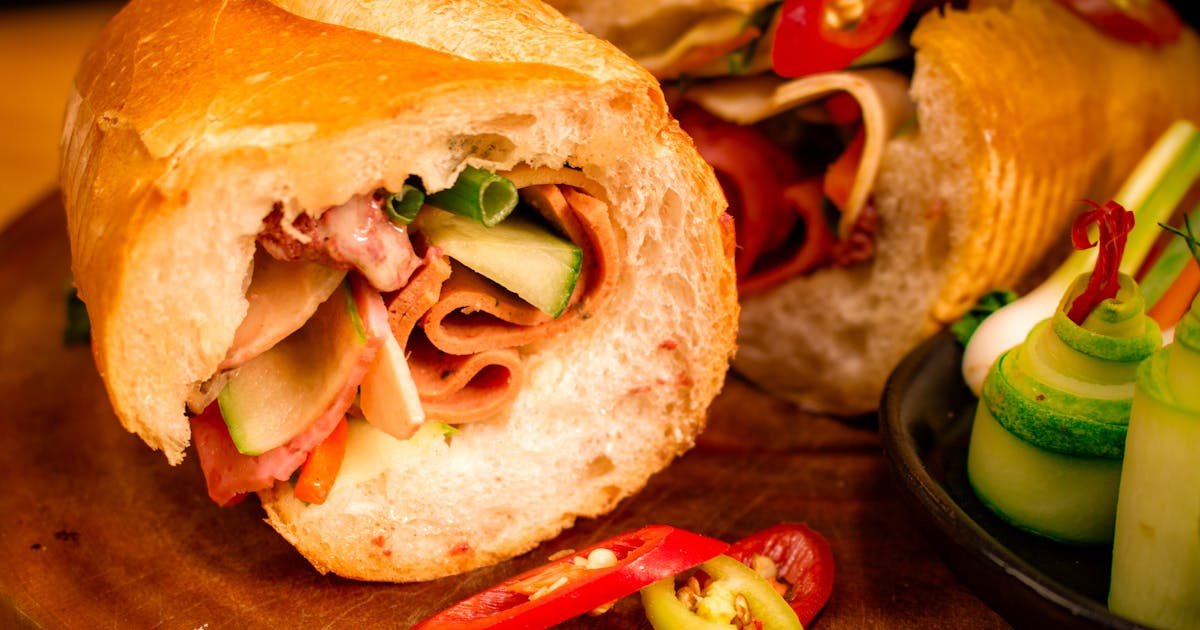
I still remember the first time I bit into a real Vietnamese banh mi—not the sad, soggy deli sandwich I’d tried years earlier, but a crisp-crackling baguette that resisted with a satisfying crunch before giving way to a burst of bright, tangy pickles, rich herbed meat, and a slow-building heat from the spicy mayo. It was in a tiny alley shop in Houston’s Chinatown, and the spicy mayo was so good I nearly licked the paper wrapper. Years of professional kitchens taught me that this magic isn’t luck; it’s a perfect storm of food science, timing, and a few well-chosen ingredients. Today, I’m sharing the exact method that delivers that same magic in under 15 minutes—no fermentation, no fancy equipment, just a hot oven and a little know-how.
The Rich History and Cultural Roots of This Dish
The banh mi, pronounced “bun mee,” is a living testament to Vietnam’s layered culinary history. Born during French colonial rule in the late 19th and early 20th centuries, it’s the delicious love child of French baguettes and Vietnamese fillings. The French introduced wheat flour and baking techniques, but Vietnamese cooks didn’t just copy—they transformed. Instead of dense, doughy bread, they developed a lighter, airier version that could stand up to tropical humidity. The fillings? A reflection of local ingredients and flavors: lemongrass-infused meats, pickled vegetables, fresh herbs, and fiery chili. Unlike French sandwiches meant for slow enjoyment, the banh mi was designed to be eaten quickly—perfect for busy market-goers. Over time, regional variations emerged: northern versions lean savory and light, while southern versions embrace richer meats and sweeter pickles. This dish’s genius lies in its balance—crunch against softness, heat against coolness, sour against umami—all in one handheld bite.
What’s fascinating is how the banh mi traveled far beyond Vietnam’s borders. Post-Vietnam War migration brought the sandwich to American cities, where it evolved again. In Houston, it’s common to find banh mi with grilled pork, lemongrass tofu, or even slow-cooked beef brisket. The core identity remains, but the expressions are endless. And now, thanks to modern kitchens and accessible ingredients, you don’t need a specialty bakery to make one at home.
Why This Recipe Works: The Food Science Behind It

The magic of the banh mi isn’t just in the ingredients—it’s in the food science that makes each component work. Start with the baguette: a traditional French loaf leavened with yeast, baked at high heat (around 450°F/230°C) to create a thin, crackly crust via the Maillard reaction. That golden crust isn’t just color; it’s flavor. Maillard reactions occur between amino acids and reducing sugars at high heat, creating hundreds of new aroma compounds that define the bread’s depth. The interior should be soft and airy, with an open crumb—achieved by a brief, hot bake that sets the crust before steam fully develops. Over-baking dries it out; under-baking makes it gummy.
Next, the pickled vegetables: a quick-pickle brine of rice vinegar, sugar, and salt relies on osmosis. The salt and sugar draw water out of the daikon and carrots, softening them slightly while infusing flavor. The vinegar lowers the pH, preserving crispness and adding tang. For true crunch, slice the vegetables thinly and soak for at least 20 minutes—but no more than 4 hours, or they’ll turn mushy. The spicy mayo is an emulsion: the fat from the mayo coats the spicy chili paste (like gochujang or sriracha), creating a smooth, glossy sauce that clings to every bite. Emulsification happens because fat and water-based ingredients are forced together through whisking or blending, creating a stable mixture that won’t separate. And the chicken? A quick marinade with fish sauce (which tenderizes through enzymatic action) and garlic adds savory depth, while a light sear develops a caramelized crust via the Maillard reaction—just like the bread.
Complete Ingredient Breakdown
Building a great banh mi is about layering textures and flavors, so let’s break down each component and why it matters.
Baguette: Use a high-quality, crusty baguette with a thin, shatteringly crisp crust and a soft, airy interior. Avoid supermarket “French bread” that’s dense or gummy. The right baguette should feel light for its size and have a crackling sound when tapped. If you can’t find a good one, make your own: mix 500g bread flour, 10g salt, 10g instant yeast, 350g water, and 5g sugar. Knead for 10 minutes, shape into baguettes, let rise 1 hour, then bake at 450°F/230°C for 20-25 minutes with steam.
Pickled Vegetables: Daikon radish and carrots bring crunch and sweetness, balanced by tangy vinegar. Use 1 cup rice vinegar, ½ cup water, ⅓ cup sugar, and 1 tbsp salt. Thinly slice 2 cups daikon and 1 cup carrots (use a mandoline for even slices). Substitute with jicama for extra crunch or shredded cabbage for a milder taste. Avoid pre-shredded bagged carrots—they’re often treated to prevent browning and lack texture.
Protein: Chicken breast works best—lean, quick-cooking, and absorbs marinade well. Use 2 boneless, skinless breasts, sliced into ¼-inch strips. Marinate with 1 tbsp fish sauce, 1 tbsp minced garlic, 1 tbsp minced lemongrass (or ½ tsp lemongrass paste), 1 tsp sugar, and 1 tsp oil. For vegetarian versions, swap for pressed and marinated tofu (extra-firm, sliced ½-inch thick).
Spicy Mayo: The star of the sandwich. Mix ½ cup mayonnaise with 1 tbsp gochujang (Korean chili paste) or 1 tbsp sriracha, 1 tsp lime juice, and ½ tsp sugar. For extra depth, add ½ tsp toasted sesame oil. If you love heat, increase gochujang to 2 tbsp—but taste as you go; it’s easy to overdo. Mayo acts as an emulsifier, binding fat and spice into a creamy, spreadable sauce.
Fresh Toppings: Cilantro adds freshness, sliced cucumber cools the heat, jalapeño slices bring extra spice (remove seeds for milder heat), and sliced red onion adds sharpness. For authenticity, use Thai basil instead of cilantro if you’re sensitive to its soapy taste. Store-bought is fine, but fresh is always better—especially the cilantro, which wilts quickly.
Condiments: A squeeze of lime brightens everything, and a dash of Maggi seasoning (or soy sauce) adds umami depth. Skip ketchup unless you’re going for a fusion twist—this sandwich doesn’t need sweetness from tomato.
Step-by-Step Instructions
Mise en place is everything here. Before you begin, gather all ingredients and tools: a sharp knife, cutting board, small bowl for pickles, large bowl for chicken, skillet or grill pan, and a pastry brush. Have everything within arm’s reach—this recipe moves fast.
- Pickle the Vegetables: In a small bowl, combine rice vinegar, water, sugar, and salt. Stir until sugar and salt dissolve. Add daikon and carrots, pressing down to submerge. Let sit at room temperature for 20-30 minutes. Drain before assembling, but save the brine to drizzle on top if desired.
- Marinate and Cook the Chicken: In a bowl, mix chicken strips with fish sauce, garlic, lemongrass, sugar, and oil. Let sit for 5 minutes while you preheat a skillet or grill pan over medium-high heat. Add a drizzle of oil to the pan and cook chicken for 3-4 minutes per side, until golden and cooked through (165°F/74°C internal temp). Remove and let rest 2 minutes before slicing.
- Toast the Baguette: Preheat oven to 400°F/200°C. Slice baguette in half lengthwise, then cut each half into 2-3 shorter pieces for easy handling. Brush cut sides with oil and toast for 5-7 minutes, until edges are golden and crisp. Alternatively, use a toaster oven or pan-toast for 2-3 minutes per side. The goal is a crunchy shell and soft interior.
- Assemble the Spicy Mayo: In a small bowl, whisk mayo, gochujang (or sriracha), lime juice, sugar, and sesame oil until smooth and vibrant red. Taste and adjust—more lime for brightness, more gochujang for heat. Set aside.
- Layer the Sandwich: On the bottom half of each baguette piece, spread a generous layer of spicy mayo. Add sliced chicken, then top with drained pickled vegetables. Sprinkle with cilantro, cucumber slices, jalapeño, and red onion. Drizzle with lime juice and a pinch of salt. Press the top half gently to close.
- Serve and Enjoy: Let sit for 1-2 minutes to let flavors meld, then slice diagonally and serve immediately. The warmth of the chicken will slightly soften the bread, but the crust should still hold. Eat within 10 minutes for maximum crunch.
Expert Tips from Years of Kitchen Experience
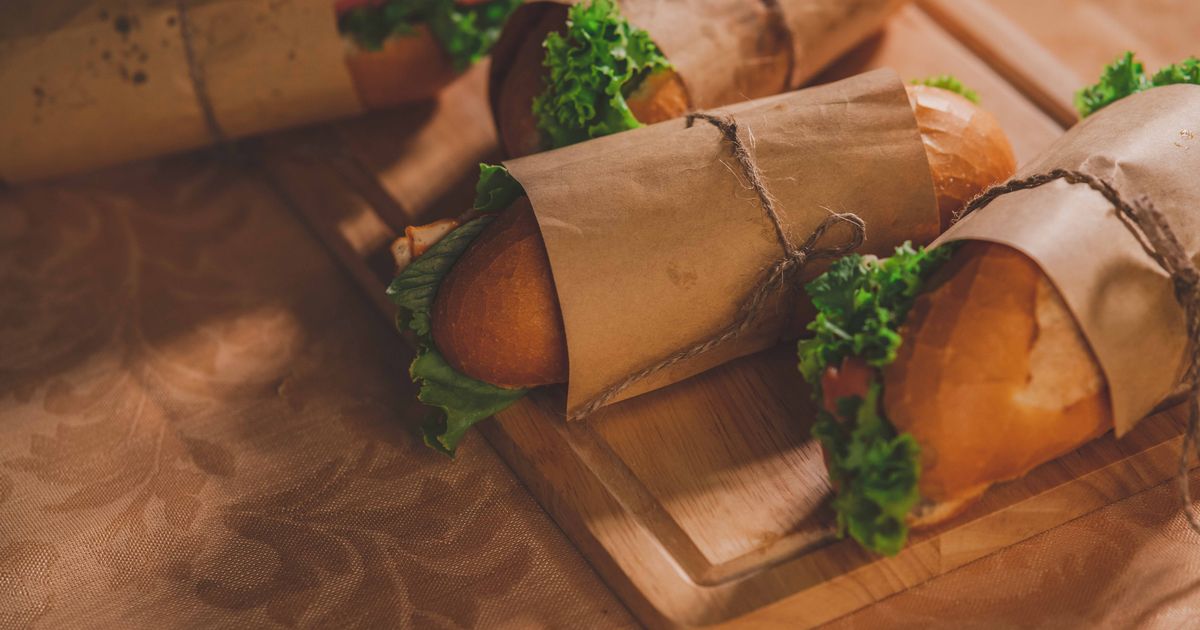
📷 Photo by Phương Khánh on Pexels
I’ve made this sandwich hundreds of times—some versions were perfect, others were disasters. Here’s what separates the good from the outstanding.
- Temperature Control: Don’t skip the marinade rest for the chicken—even 5 minutes lets the fish sauce and garlic penetrate. And when cooking, don’t overcrowd the pan; give the chicken space so it sears instead of steams. A screaming-hot pan is your friend here—it creates the Maillard crust that makes the difference between bland and bold.
- Ingredient Quality: The baguette is non-negotiable. A soft, gummy loaf will ruin the experience. If you’re unsure, bake your own with high-protein flour (12-13% protein). For the protein, freshness matters most—slightly frozen chicken slices more evenly and cooks faster. And for the spicy mayo, gochujang is the secret weapon; it’s fermented, so it adds umami depth, not just heat.
- Timing and Patience: Rushing the pickles is a common mistake. Thin slices should sit 20-30 minutes—no more. Over-soft pickles turn mushy and dilute flavor. And don’t skip the rest period after cooking the chicken; those 2 minutes let juices redistribute, so every bite is moist, not dry.
- Seasoning Balance: Taste everything before assembling. The pickles should be tangy but not sour, the chicken should be savory with a hint of garlic, and the spicy mayo should be creamy with a slow burn. If it tastes flat, adjust with a pinch of salt or a squeeze of lime. Salt is flavor; don’t be shy.
- Assembly Order: Spread the spicy mayo on the bottom half first—it acts as glue, keeping the sandwich together. Then add the protein, followed by the pickles (they add moisture), and finish with fresh herbs and veggies. This order prevents sogginess and ensures every bite has a little bit of everything.
Nutritional Benefits and Health Insights
This isn’t just a delicious sandwich—it’s a nutrient-dense meal packed with protein, fiber, vitamins, and healthy fats. Let’s break down the nutrition per serving (one sandwich, assuming one baguette half, 3 oz chicken, ¼ cup pickles, and 1 tbsp spicy mayo).
The chicken breast delivers 26g of lean protein per 3 oz serving, essential for muscle repair and satiety. It’s also rich in B vitamins (especially B6 and niacin), which support energy metabolism and brain function. The pickled daikon and carrots add fiber (about 2g per ¼ cup) and a hefty dose of vitamin C—daikon alone provides 30% of the daily value, thanks to its high ascorbic acid content. The spicy mayo contributes healthy fats from the mayo (4g per tbsp) and capsaicin from the chili, which may boost metabolism and reduce inflammation. The baguette, though simple, offers complex carbs for energy—just be mindful of portion size if you’re watching calories.
Health-wise, this sandwich is a powerhouse: low in saturated fat (if using light mayo), high in fiber, and rich in antioxidants from the herbs and chili. The lemongrass in the marinade is also a natural digestive aid. For a lower-sodium version, reduce the fish sauce to ½ tbsp and add a pinch of MSG for umami without salt. To cut calories, use Greek yogurt mayo (50% fewer calories) and skip the oil on the bread. The pickles are naturally low-calorie (about 10 calories per ¼ cup) and high in probiotics, thanks to the fermentation process during pickling.
Creative Variations and Dietary Adaptations
The beauty of the banh mi is its versatility. Here are five ways to customize it for different diets, tastes, and cravings—all while keeping the core identity intact.
- Lemongrass Tofu Banh Mi (Vegan): Swap chicken for 6 oz extra-firm tofu, pressed for 30 minutes and sliced into ½-inch strips. Marinate with the same ingredients (skip fish sauce—use 1 tbsp soy sauce and 1 tsp nutritional yeast for umami). Pan-sear in oil until golden. For extra flavor, brush with a glaze of 1 tbsp maple syrup and 1 tsp soy sauce before cooking. Serve with vegan mayo and skip the lime drizzle if you prefer neutral tang.
- Spicy Lemongrass Pork Banh Mi: Use 4 oz ground pork seasoned with 1 tbsp minced lemongrass, 1 tsp fish sauce, ½ tsp sugar, and 1 minced garlic clove. Cook in a dry skillet over medium-high heat, breaking it into crumbles, until browned and crispy. Top with pickled vegetables and cilantro, then drizzle with extra spicy mayo mixed with 1 tsp hoisin sauce for sweetness.
- Turkey and Avocado Banh Mi: For a lighter protein, use 3 oz sliced deli turkey. Marinate with ½ tsp fish sauce and ½ tsp lime juice for 5 minutes. Add ¼ avocado, sliced thin, for creaminess. Skip the jalapeño for a milder sandwich, and add a sprinkle of furikake for a Japanese twist.
- Meal-Prep Friendly Version: Prep components ahead: pickle vegetables (store in fridge for up to 3 days), marinate protein, and make spicy mayo. Store each separately in airtight containers. When ready to eat, toast the bread, assemble, and enjoy. The pickles will soften slightly, but they’ll still taste great. For extra crunch, pack the cucumber and herbs separately and add them fresh.
- Gluten-Free Adaptation: Use a gluten-free baguette made with rice flour and tapioca starch. Check labels for xanthan gum to mimic gluten’s elasticity. For the protein, ensure fish sauce is gluten-free (some brands contain wheat). Swap Maggi seasoning for coconut aminos. The spicy mayo remains the same. The texture won’t be identical, but the flavor will shine.
Frequently Asked Questions
Can I use store-bought pickled vegetables instead of making them fresh?
You can, but it’s not ideal. Store-bought pickled veggies are often packed in vinegar with added preservatives and sweeteners, which can make them too sour or overly sweet. Fresh pickles have a clean, bright tang that cuts through the richness of the mayo and meat. If you must use store-bought, drain them well and rinse briefly to remove excess brine. You can also add a pinch of sugar to balance the acidity.
How long does this sandwich keep, and how do I reheat it?
Best eaten fresh, but if you must save leftovers, store components separately in the fridge for up to 2 days. Reheat the chicken in a skillet over medium heat for 2-3 minutes or microwave for 30 seconds. Toast the bread again for 3 minutes to restore crunch. Avoid soggy bread—assemble just before eating. The spicy mayo and pickles are best made fresh, so store them separately if possible.
Is the fish sauce in the marinade necessary, or can I substitute it?
Fish sauce is the soul of the marinade—it adds umami depth that’s hard to replicate. If you must avoid it, use 1 tbsp soy sauce or coconut aminos for saltiness, but add ½ tsp MSG for umami kick. Alternatively, use 1 tsp oyster sauce (if not vegetarian) or a pinch of mushroom powder. The flavor won’t be identical, but it’ll still be delicious.
Why does my baguette go soggy when I assemble the sandwich?
Sogginess is usually caused by excess moisture from the pickles, chicken, or fresh veggies. To prevent it, toast the bread until it’s very crisp (5-7 minutes at 400°F/200°C), then let it cool slightly before assembling. Pat the chicken dry after cooking and drain the pickles well. If you’re prepping ahead, assemble the sandwich just before eating and wrap it tightly in parchment paper to keep it together.
Can I freeze the spicy mayo for later use?
Yes, but texture may change. Mayo separates when frozen and thawed, so it’s best to freeze the base ingredients separately: gochujang, lime juice, and sugar. When ready to use, whisk ½ cup mayo with the thawed gochujang mixture and lime juice. The flavor will be intact, but the texture might be slightly grainy. For best results, make small batches and use within a week.
Final Thoughts
This Vietnamese banh mi with spicy mayo isn’t just a sandwich—it’s a celebration of texture, flavor, and culture, all in one handheld package. I love making it on Sunday afternoons when I need a quick, satisfying lunch that feels indulgent but isn’t heavy. The first bite—crunchy bread giving way to juicy chicken, tangy pickles, and that slow-building spicy mayo—is always worth the 15 minutes of prep. Don’t be afraid to tweak it: add more heat, swap proteins, or go vegetarian. The banh mi is forgiving, adaptable, and endlessly delicious.
Now, grab a baguette, fire up the stove, and let the magic happen. This is the kind of recipe that turns an ordinary day into something special—one glorious, crunchy bite at a time.