

🍳 In This Recipe Guide
- The Rich History and Cultural Roots of This Dish
- Why This Recipe Works: The Food Science Behind It
- Complete Ingredient Breakdown
- Step-by-Step Instructions
- Expert Tips from Years of Kitchen Experience
- Nutritional Benefits and Health Insights
- Creative Variations and Dietary Adaptations
- Frequently Asked Questions
- Final Thoughts
I still remember the first time I walked into a tiny taqueria in San Antonio, the scent of lime and charred tortillas wrapping around me like a hug. It wasn’t the first time I’d had tacos, but it was the first time I understood their magic: simple ingredients, transformed by heat and time into something vibrant and alive. Years later, I’ve recreated that moment in my own kitchen—fast, fresh, and full of flavor—with these cilantro lime chicken tacos. They’re the kind of dish that turns a Tuesday into a fiesta without demanding a single extra minute of your evening.
The Rich History and Cultural Roots of This Dish
Tacos are more than a meal; they’re a living culinary tradition that stretches back to 18th-century silver mines in Mexico, where indigenous workers wrapped meat in tortillas for portability and sustenance. The word “taco” itself has roots in the Nahuatl language, where it originally referred to a plug or wad used to secure mine shafts—hence the nickname “miners’ food.” This humble dish evolved over centuries, absorbing influences from Spanish colonizers and regional Mexican cuisines. The cilantro lime combination we know today is a modern twist, rooted in the coastal flavors of states like Veracruz and Jalisco, where citrus and herbs are celebrated for their bright, cleansing qualities.
The fusion of cilantro and lime in Mexican cuisine isn’t accidental—it’s a deliberate pairing designed to balance richness and cut through fat. Cilantro, known as *cilantro* in Spanish and *coriander* in its seed form, has been used medicinally for over 3,000 years, valued for its ability to aid digestion and reduce inflammation. Lime, introduced to the Americas by Spanish conquistadors, brought a burst of acidity that elevated simple proteins like chicken to new heights. Together, they create a flavor profile that’s both refreshing and deeply satisfying, a testament to the power of indigenous and colonial ingredients working in harmony.
Why This Recipe Works: The Food Science Behind It
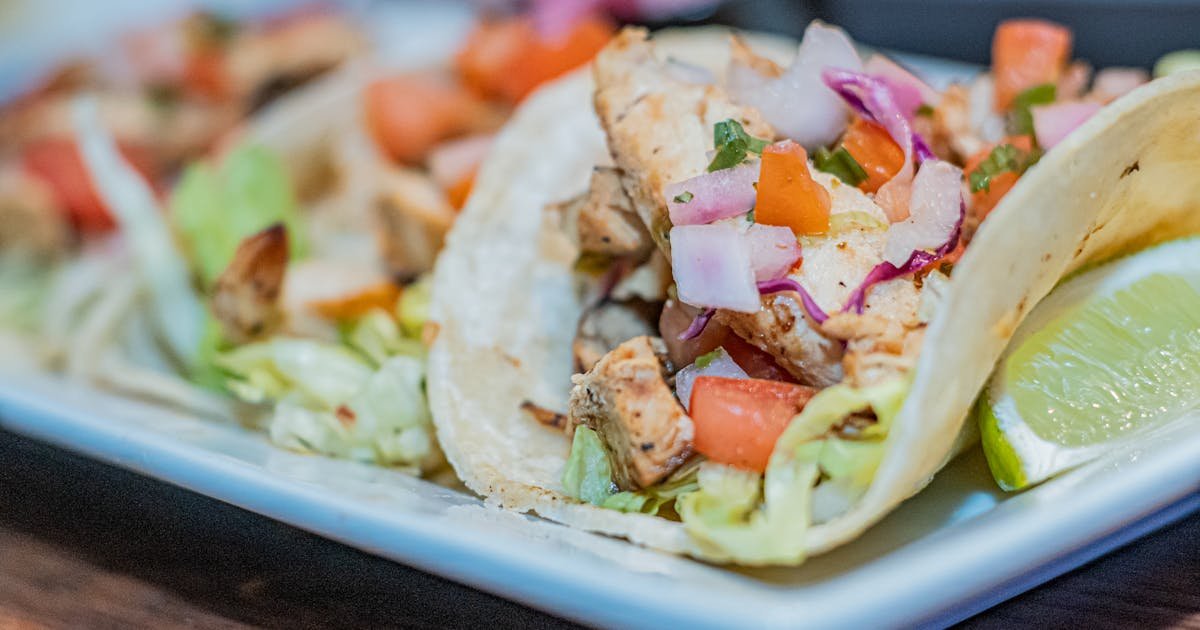
📷 Photo by Los Muertos Crew on Pexels
This recipe is a masterclass in balancing Maillard reaction and acidity. When chicken breast cooks over high heat, the amino acids and reducing sugars on its surface undergo the Maillard reaction—the same chemical process that gives seared steak its crust or toasted bread its golden hue. The key here is high heat (around 400°F/204°C) and a short cook time (just 5–6 minutes per side) to develop flavor without drying out the meat. Meanwhile, lime juice—with its pH of around 2.0—denatures the proteins on the chicken’s surface, tenderizing it slightly while adding a tangy punch that cuts through the fat.
The cilantro adds another layer of complexity. Its essential oils, particularly linalool and geranial, are volatile compounds that evaporate when heated, releasing aromatic compounds that bind to fat molecules in the chicken. This is why a sprinkle of fresh cilantro right at the end is so crucial—it releases a burst of aroma that would otherwise be lost if cooked too early. The combination of acid (lime) and fat (chicken) also creates an emulsion in the marinade, ensuring that every bite is evenly seasoned rather than tasting like a salt bomb.
Complete Ingredient Breakdown
For the Chicken:
- Boneless, skinless chicken breasts (600g or about 1.3 lbs): Lean and quick-cooking, chicken breast is ideal for this recipe. I prefer organic or pasture-raised for superior texture and flavor. A 6-ounce (170g) serving provides 31g of protein and only 3g of fat, along with 27% of your daily vitamin B6 needs—essential for energy metabolism.
- Medium limes (2–3, about 150g juice): Fresh lime juice is non-negotiable—it contains citric acid, which not only tenderizes the chicken but also enhances the absorption of iron from the meat. Bottled lime juice lacks the aromatic oils found in fresh lime zest, which contribute to the dish’s complexity.
- Fresh cilantro (1 large bunch, about 20g chopped): Cilantro’s bright, citrusy notes come from aldehydes, which are highly sensitive to heat. Adding it at the end preserves its flavor, while cooking it too early turns it bitter. If you’re among the 4–14% of people who detect a soapy taste in cilantro (linked to a genetic variation), use flat-leaf parsley as a substitute—it has a similar texture and milder flavor.
- Garlic (3 cloves, minced): Garlic contains allicin, a compound that releases when crushed or chopped and has antimicrobial properties. Cooking it quickly over high heat mellows its sharpness while deepening its sweetness through the Maillard reaction.
- Ground cumin (1 tsp): Cumin’s earthy warmth comes from cuminaldehyde, a compound that binds to fat molecules, enhancing their perception in your mouth. It’s a staple in Mexican cuisine for good reason—it balances acidity and adds depth.
- Smoked paprika (½ tsp): This adds a subtle smokiness without overpowering the dish. It contains capsaicin, which can subtly boost metabolism and has anti-inflammatory properties.
- Kosher salt (1½ tsp, divided): Salt does more than season—it helps break down muscle fibers in the chicken, allowing the marinade to penetrate deeper. I use kosher salt for its clean flavor and because it’s easier to control the amount.
For the Tacos:
- Small corn tortillas (6–8, about 4–5 inches): Corn tortillas are traditionally used in Mexican tacos because they’re made from nixtamalized corn, which increases the availability of niacin (vitamin B3) and makes the tortillas more digestible. A single 3-inch corn tortilla contains 50 calories and 2g of fiber.
- Red onion (½ small, thinly sliced): Red onion contains quercetin, a flavonoid with antioxidant properties that may help reduce inflammation. Soaking it in cold water for 10 minutes before serving mellows its sharpness and keeps it crisp.
- Radishes (4–5, thinly sliced): Radishes add a peppery crunch and a dose of vitamin C. Their high water content also provides a refreshing contrast to the rich chicken.
- Crumbled queso fresco (¼ cup): This mild, crumbly cheese is a staple in Mexican cuisine for its high moisture content and subtle tang. It’s lower in sodium than feta and provides 3g of protein per ¼ cup serving.
For Serving (Optional but Recommended):
- Avocado slices (½ avocado): Avocados are rich in monounsaturated fats, which support heart health, and contain 20% of your daily fiber needs in just half a fruit.
- Hot sauce (e.g., Valentina or Cholula): Capsaicin in chili peppers boosts metabolism and has been shown to reduce appetite.
Step-by-Step Instructions
Before you begin, take a moment to prep your ingredients—this is called *mise en place*, a French term meaning “everything in its place.” For this recipe, finely mince the garlic, chop the cilantro, juice the limes, and slice the onion and radishes. Have the tortillas warming in a dry skillet or wrapped in a clean towel to steam. This 10 minutes of prep will turn your 15-minute cook time into a seamless, stress-free experience.
- Marinate the Chicken: In a bowl, combine the chicken breasts, lime juice (about ¼ cup), minced garlic, chopped cilantro stems (save the leaves for garnish), cumin, smoked paprika, and 1 teaspoon of kosher salt. Massage the marinade into the chicken, ensuring every surface is coated. Let it sit for 5 minutes—this is enough time for the acid to begin tenderizing the meat without breaking it down too much. If you’re short on time, skip the marinade entirely and pat the chicken dry with a paper towel before seasoning. A dry surface ensures a better sear.
- Sear the Chicken: Heat a large cast-iron skillet or heavy-bottomed pan over medium-high heat until it’s shimmering hot—test it by flicking a drop of water onto the surface; if it sizzles and evaporates immediately, it’s ready. Add 1 tablespoon of neutral oil (like avocado or vegetable oil) and swirl to coat. Place the chicken in the pan and cook for 5–6 minutes per side, until the internal temperature reaches 165°F (74°C) and the edges are golden brown with a slight char. The Maillard reaction will create deep, caramelized flavors. Don’t move the chicken around—let it develop a crust for maximum flavor.
- Rest the Chicken: Transfer the chicken to a cutting board and let it rest for 3–4 minutes. This allows the juices to redistribute, ensuring the meat stays moist when sliced. While it rests, add the remaining ½ teaspoon of salt and the reserved cilantro leaves to the pan. Let them sizzle for 10–15 seconds just to release their aroma—this is the final flavor boost.
- Warm the Tortillas: Heat a dry skillet over medium heat and warm the tortillas for 30 seconds per side. Keep them wrapped in a clean towel to steam slightly, which makes them pliable and prevents cracking. If you’re serving a crowd, wrap stacks of tortillas in foil and warm them in a 250°F (121°C) oven for 10 minutes.
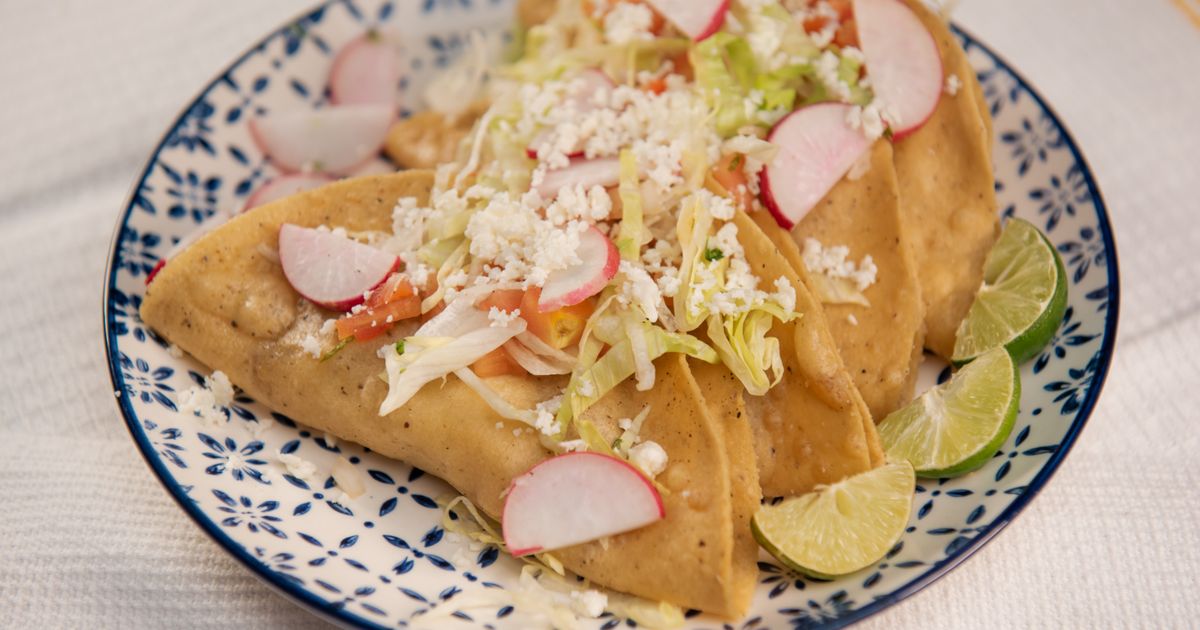
- Assemble the Tacos: Slice the chicken against the grain into thin strips. For each taco, place 2–3 slices of chicken on a warm tortilla, then top with red onion, radishes, queso fresco, and avocado. Drizzle with the reserved lime marinade from the chicken bowl and sprinkle with extra cilantro. The acidity in the lime will brighten every bite, while the textures—crunchy radishes, creamy avocado, tender chicken—create a symphony of contrast.
- Serve Immediately: Tacos are best eaten fresh, when the tortillas are still warm and the chicken is at its peak tenderness. If you’re prepping ahead, store the chicken and toppings separately in the fridge for up to 2 days, but assemble just before serving to avoid soggy tortillas.
Expert Tips from Years of Kitchen Experience

📷 Photo by ab_h_i s_h_ek_09 on Pexels
What separates a good taco from an unforgettable one isn’t just the ingredients—it’s the technique. Here’s what I’ve learned over years of cooking this dish for friends, family, and even skeptical dinner guests.
- Temperature Control: The key to juicy chicken is a screaming-hot pan. If your skillet isn’t hot enough, the chicken will stew in its own juices instead of searing, leading to a rubbery texture. Invest in a good thermometer to check your pan’s temperature—ideal for searing is around 400–450°F (204–232°C). A drop of water should dance and evaporate instantly when flicked onto the surface.
- Ingredient Quality: Fresh cilantro and lime are non-negotiable. The essential oils in cilantro dissipate within hours of harvesting, so buy it the same day you plan to cook. For lime juice, roll the fruit firmly on the counter before cutting to release more juice. Organic chicken often has a cleaner flavor, as it’s less likely to carry the metallic taste of conventional meat.
- Timing and Patience: Rushing the sear or skipping the rest time will leave you with dry chicken. The Maillard reaction takes time—let the chicken develop a deep golden crust before flipping. Similarly, resting the chicken after cooking ensures it stays moist. Think of it like this: if you cut into the chicken immediately, all those delicious juices will spill onto your cutting board, leaving the meat dry.
- Seasoning Balance: Taste as you go. If the marinade tastes flat, add a pinch more salt or a squeeze of lime. If it’s too acidic, balance it with a sprinkle of honey or a pinch of sugar. The cilantro and lime should sing, not compete—each ingredient should enhance the others without overpowering.
Nutritional Benefits and Health Insights
This cilantro lime chicken taco isn’t just fast and delicious—it’s also packed with nutrients that support overall health. A single serving (2 tacos) provides approximately 350 calories, 30g of protein, 6g of healthy fats, and 4g of fiber. Chicken breast is an excellent source of lean protein, essential for muscle repair and immune function, while lime juice adds vitamin C (20% of your daily needs per lime), which supports collagen production and iron absorption.
The cilantro and lime combination is a powerhouse of antioxidants. Cilantro contains quercetin, a flavonoid that may help reduce inflammation, while lime juice is rich in limonene, a compound shown to have antimicrobial properties. The red onion and radishes add a dose of prebiotic fiber, which feeds the beneficial bacteria in your gut, while queso fresco provides calcium for bone health. Even the tortillas contribute—corn tortillas are naturally gluten-free and contain resistant starch, a type of fiber that feeds gut bacteria and may improve blood sugar control.
For a lower-sodium version, reduce the salt in the marinade to ½ teaspoon and use low-sodium queso fresco or skip the cheese entirely. To make this dish dairy-free, replace the queso fresco with crumbled cotija or a sprinkle of nutritional yeast for a cheesy flavor without the dairy. If you’re watching your fat intake, use half the amount of avocado or skip it altogether—the lime and cilantro provide plenty of bright flavor.
Creative Variations and Dietary Adaptations
This recipe is a blank canvas—don’t be afraid to get creative. Here are five delicious ways to adapt it to your tastes or dietary needs.
- Spicy Chipotle Chicken Tacos: Add 1–2 teaspoons of chipotle powder or adobo sauce to the marinade for a smoky, fiery kick. Chipotle peppers contain capsaicin, which has been shown to boost metabolism and reduce inflammation. Serve with pickled red onions for extra tang.
- Vegan Cauliflower Tacos: Swap the chicken for 4 cups of roasted cauliflower florets. Toss the cauliflower with 1 tablespoon of olive oil, 1 teaspoon of smoked paprika, and ½ teaspoon of salt, then roast at 425°F (220°C) for 20 minutes until golden. Finish with the cilantro lime marinade (skip the garlic if you prefer). Cauliflower is rich in vitamin C and folate, making this a nutrient-dense alternative.
- Crispy Fish Tacos: Use 1 lb (450g) of firm white fish like cod or tilapia. Pat the fish dry, season with salt and lime juice, then coat in ½ cup of cornstarch mixed with 1 teaspoon of cumin. Pan-fry in ½ inch of oil for 2–3 minutes per side until crispy. The cornstarch creates a light, crunchy crust that pairs perfectly with the cilantro lime slaw.
- Meal-Prep Friendly Chicken Fajita Bowls: Instead of tacos, slice the chicken and serve it over a bed of cilantro lime rice (cook 1 cup of rice in 2 cups of water with the zest of 1 lime and ¼ cup of chopped cilantro). Top with black beans, avocado, and a drizzle of Greek yogurt mixed with lime juice. This version is high in fiber and protein, making it a balanced lunch option.
- Breakfast Tacos: Serve the chicken in warm corn tortillas with scrambled eggs, crumbled chorizo, and a sprinkle of cotija cheese. Add salsa verde for extra tang. Eggs provide choline, a nutrient essential for brain health, while chorizo adds a rich, savory depth.
Frequently Asked Questions
Can I use chicken thighs instead of breasts for extra flavor?
Absolutely! Chicken thighs are forgiving and packed with flavor. Use boneless, skinless thighs and cook them for 6–7 minutes per side. They’ll stay juicier than breast meat and have a higher fat content, which makes them more resistant to drying out. A 6-ounce (170g) serving of thigh meat provides 25g of protein and 10g of fat—more than breast meat, but with a richer taste. Just be sure to adjust your cooking time; thighs need a few extra minutes to reach 165°F (74°C).
How do I store leftovers and reheat them without drying out the chicken?
Store cooked chicken and toppings separately in airtight containers in the fridge for up to 2 days. To reheat the chicken, place it in a skillet over medium heat with a splash of water or lime juice, cover, and warm for 2–3 minutes until heated through. Avoid the microwave—it turns chicken rubbery by unevenly heating the proteins. For the tortillas, warm them directly over a gas flame or in a dry skillet for 10 seconds per side. Reassemble the tacos just before eating to keep the tortillas crisp.
Is there a way to make this dish gluten-free without sacrificing flavor?
This recipe is already gluten-free if you use corn tortillas—just ensure they’re certified gluten-free, as cross-contamination can occur in processing. For extra flavor, try using blue corn tortillas, which have a nuttier taste and are naturally gluten-free. If you prefer flour tortillas, use certified gluten-free ones made from a blend of rice and tapioca flour. The marinade is naturally gluten-free, but always double-check your spices for additives.
What’s the best way to avoid soggy tortillas?
Sogginess is the enemy of great tacos. The key is to keep the tortillas warm and dry. Warm them in a dry skillet for 30 seconds per side just before serving, then stack them in a clean towel to steam slightly. Avoid piling toppings too high—this traps moisture against the tortilla. If you’re assembling ahead, place a paper towel under the tortilla to absorb excess moisture. For outdoor taco nights, serve the tortillas and toppings separately and let everyone build their own—this ensures nothing goes soggy before it’s eaten.
Why does my cilantro taste soapy, and what can I do about it?
If cilantro tastes soapy to you, it’s likely due to a genetic variation that makes you sensitive to aldehydes, the aromatic compounds in cilantro. About 4–14% of people experience this, often linked to ancestry—it’s more common in people of European or East Asian descent. If cilantro is a dealbreaker, swap it for flat-leaf parsley or culantro (a related herb with a stronger, less soapy flavor). You can also reduce the soapy taste by blanching the cilantro in boiling water for 10 seconds before chopping, which deactivates some of the aldehydes.
Final Thoughts
There’s something magical about a dish that’s both effortless and extraordinary—a meal that tastes like it came from a bustling taqueria but takes less time than it does to find your keys on a Monday morning. These cilantro lime chicken tacos are that dish. They’re a reminder that great food doesn’t have to be complicated; it just has to be intentional. The next time you’re staring into the fridge at 6 p.m., wondering what to make for dinner, remember this recipe. It’s fast, it’s flavorful, and it’s a celebration on a plate.
So go ahead—fire up that skillet, juice those limes, and chop that cilantro. Let the sizzle and the scent fill your kitchen with the promise of a good meal. And when you take that first bite—crisp tortilla, tender chicken, bright lime, and fresh cilantro—you’ll understand why this dish has been loved for centuries. It’s not just dinner. It’s a moment.