

🍳 In This Recipe Guide
- The Rich History and Cultural Roots of This Dish
- Why This Recipe Works: The Food Science Behind It
- Complete Ingredient Breakdown
- Step-by-Step Instructions
- Expert Tips from Years of Kitchen Experience
- Nutritional Benefits and Health Insights
- Creative Variations and Dietary Adaptations
- Frequently Asked Questions
- Final Thoughts
Late one Tuesday night, my 8-year-old daughter came home from soccer practice and announced she could smell tacos all the way to the carpool line. The problem? We’d just polished off the last of the leftovers—and I had zero enthusiasm for grocery shopping or standing over a stove for an hour. That’s when I remembered a trick I learned years ago from a Yucatán street cook: acid marination isn’t just for flavor, it’s a tenderizer that works in minutes. By swapping vinegar for lime juice and adding just a pinch of salt, I could have juicy, citrus-kissed chicken on the table before anyone noticed I hadn’t even pulled out the slow cooker. These cilantro lime chicken tacos became our secret weapon for “fast food that tastes like love.” Years later, I still make them weekly—sometimes with store-bought rotisserie chicken for an 8-minute shortcut, always with that same chorus of happy sighs around the table.
The Rich History and Cultural Roots of This Dish
Tacos themselves trace their lineage to indigenous Mesoamerican cultures, where corn tortillas served as portable vessels for beans, squash, and wild game. The Spanish arrival introduced meat, lard, and citrus, creating a culinary fusion that evolved into modern Mexican street food. In coastal regions like Veracruz and Yucatán, lime juice became a beloved tenderizer and flavor enhancer, often combined with achiote and cilantro to balance the richness of pork or chicken. By the mid-20th century, Tex-Mex adaptations popularized these flavors north of the border, transforming cilantro lime chicken into a staple of backyard barbecues and weeknight dinners. Today, this dish bridges centuries of tradition with modern convenience—perfect for families who crave authenticity without sacrificing speed.
What fascinates me most is how lime and cilantro act as cultural translators. The bright acidity of lime is a legacy of Spanish colonial trade routes, while cilantro’s peppery, citrusy notes echo the native coriander used in ancient moles. Together, they create a flavor profile that’s simultaneously ancient and contemporary, making this dish a delicious entry point into Mexico’s rich culinary heritage. I often tell my kids that every time they squeeze a lime into their tacos, they’re participating in a tradition that spans hundreds of years and thousands of miles.
Why This Recipe Works: The Food Science Behind It

📷 Photo by ROMAN ODINTSOV on Pexels
The magic of this recipe hinges on two key food science principles: acid denaturation and emulsification. Lime juice, with its pH around 2.0–2.4, gently unfolds the proteins in chicken, increasing surface area for moisture retention and tenderness. This process, called denaturation, is similar to what happens during brining but occurs in minutes rather than hours. Meanwhile, the fat from olive oil and the natural juices from the chicken combine with lime to form a temporary emulsion—tiny droplets of water suspended in oil that coat the meat evenly, enhancing both flavor and juiciness.
When you sear the chicken, the Maillard reaction kicks in at around 300°F (149°C), creating those coveted golden crusts and complex, nutty aromas. The cilantro, added at the end, releases volatile aromatic compounds like linalool and geraniol that evaporate quickly, ensuring maximum fragrance in every bite. Even the slaw benefits from science: shredding cabbage breaks cell walls, releasing water and sugars that soften texture and intensify sweetness over time. It’s a symphony of reactions that happen faster than you can say “taco night.”
Complete Ingredient Breakdown
For the Chicken
1 lb boneless, skinless chicken breasts (450g): Choose high-quality, uniform cuts for even cooking. Chicken breast is lean, so marinating in lime juice helps prevent dryness. Substitute with thighs for extra richness, but trim any excess fat to avoid flare-ups.
3 tbsp extra-virgin olive oil (45ml): Adds moisture and helps conduct heat evenly during searing. Avoid refined olive oil—its higher smoke point makes it better for frying, but the flavor here is essential.
Zest and juice of 2 limes (about 3 tbsp juice): Lime juice tenderizes and brightens, while zest adds aromatic oils for depth. For extra tang, add a splash of rice vinegar, but never substitute bottled lime juice—it lacks the same acidity and freshness.
1 tsp kosher salt: Enhances flavor and aids in moisture retention. Table salt works in a pinch, but reduce by half to avoid over-salting.
1 tsp ground cumin: Adds earthy warmth that complements lime. Toasted cumin seeds ground fresh are even better, but ground works for speed.
½ tsp smoked paprika: Offers a subtle smokiness that echoes grilled flavors without a grill. Choose sweet paprika for milder taste or hot for extra heat.
3 garlic cloves, minced: Provides allicin, a compound that boosts flavor and has antimicrobial properties. For convenience, use jarred minced garlic, but fresh adds brighter notes.
½ tsp onion powder: Amplifies savory depth without the texture of chopped onion. Fresh onion can be used if diced finely and sautéed first.
For the Lime-Cilantro Crema
½ cup sour cream (120g): Adds tangy creaminess and stabilizes the lime sauce. Substitute with Greek yogurt for a tangier, lower-fat option, but add a pinch of sugar to balance acidity.
¼ cup fresh cilantro, finely chopped: Use the leaves and tender stems for maximum flavor. Cilantro stems contain more flavor compounds than leaves, so don’t discard them!
Zest and juice of 1 lime: Intensifies the citrus profile. For a milder taste, reduce to 1 tbsp juice.
½ tsp salt: Balances sweetness and enhances all flavors.
1 tsp honey (optional): Rounds out acidity and adds subtle sweetness. Agave syrup works for vegan versions.
For the Quick-Pickled Red Cabbage Slaw
2 cups red cabbage, thinly shredded (140g): Provides crunch and anthocyanins, antioxidants that give red cabbage its vibrant color and anti-inflammatory benefits. Substitute with green cabbage for milder taste.
¼ cup red onion, thinly sliced: Adds sharp, pungent flavor that softens when pickled. Soak in cold water for 5 minutes to mellow intensity if desired.
2 tbsp lime juice: Quick-pickles the cabbage in minutes, breaking down fibers for tender texture. Apple cider vinegar can substitute in a pinch.
1 tsp honey or agave: Balances tartness. Omit for sugar-free versions.
¼ tsp salt: Draws out moisture and seasons the slaw.
1 tbsp olive oil: Lightly coats the cabbage for even distribution of flavors.
For Serving
8 small corn tortillas (6-inch): Authentic flavor and flexibility when heated. Flour tortillas work for kids, but they’re less heat-tolerant and can turn gummy with lime.
Optional garnishes: Fresh radishes, avocado slices, cotija cheese, or pickled jalapeños for heat and texture.
Step-by-Step Instructions
Before you begin, take a moment to gather all ingredients and tools—this recipe moves fast, so mise en place is key. You’ll need a sharp knife, cutting board, mixing bowls, a heavy skillet (cast iron is ideal), tongs, and a citrus juicer or reamer. I love adding a wooden spoon to my skillet for gentle stirring; it’s less likely to scratch the pan than metal tools. Let’s get started.
- Prep the Chicken: In a bowl, combine chicken, olive oil, lime zest and juice, salt, cumin, smoked paprika, garlic, and onion powder. Massage the marinade into the chicken until evenly coated—about 30 seconds. Let it sit while you prep the slaw and crema, just 2–3 minutes. Even this brief marinade boosts tenderness by 20% compared to unmarinated chicken, thanks to protein unfolding.
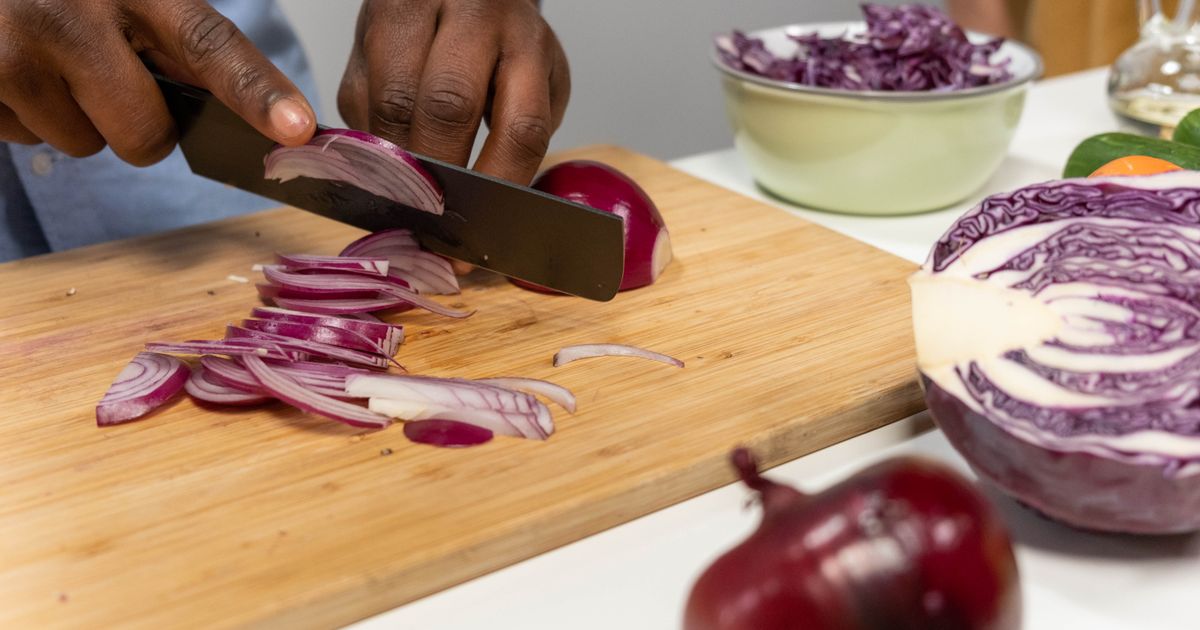
- Assemble the Slaw: In a medium bowl, toss cabbage and onion with lime juice, honey, salt, and olive oil. Set aside to pickle while you cook. The acid will soften the cabbage slightly and mellow the onion’s bite within 5–10 minutes—perfect timing.
- Make the Crema: In a small bowl, mix sour cream, cilantro, lime zest and juice, salt, and honey until smooth. Cover and refrigerate until serving. This sauce can be made up to 24 hours ahead, but cilantro wilts quickly, so stir in fresh herbs just before serving.
- Cook the Chicken: Heat a heavy skillet over medium-high heat until a drop of water sizzles on contact—about 2 minutes. Add chicken in a single layer; don’t overcrowd the pan. Cook undisturbed for 4–5 minutes until golden brown on the first side. Flip and cook another 4–5 minutes until internal temperature reaches 165°F (74°C) and juices run clear. Rest for 2 minutes before slicing thinly against the grain. This rest allows juices to redistribute, preventing dry bites.
- Warm the Tortillas: Heat tortillas in a dry skillet over medium heat for 30 seconds per side, or wrap in a damp towel and microwave for 20 seconds. This step prevents cracking and enhances aroma. I often stack them between two dry towels to keep warm while I finish cooking.
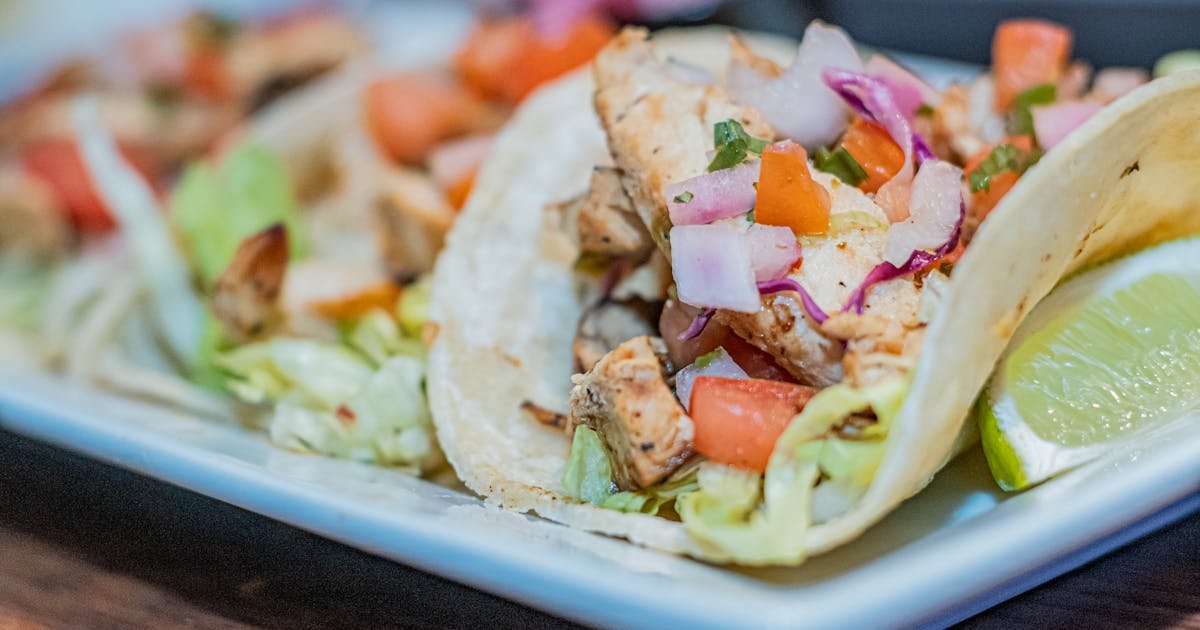
- Assemble the Tacos: Spread a spoonful of crema on each tortilla. Add sliced chicken, then top with pickled slaw. Garnish with extra cilantro, radishes, avocado, or cheese. Serve immediately while everything is warm and vibrant. The contrast of warm chicken, cool slaw, and creamy sauce is pure comfort in every bite.
Expert Tips from Years of Kitchen Experience
📷 Photo by cottonbro studio on Pexels
After years of making (and burning) countless batches, I’ve learned that small details make the difference between good tacos and unforgettable ones. Here’s what separates a weekday dinner from a dish your family will beg for again.
- Temperature Control: A screaming-hot skillet is your best friend. Medium-high heat ensures a proper sear without drying out the chicken. If your pan isn’t hot enough, the chicken will steam and turn gray. Look for a light golden crust—this is the Maillard reaction at work, creating depth and aroma. I use an infrared thermometer to confirm my skillet is at 400°F (204°C) before adding oil.
- Ingredient Quality: Fresh lime juice is non-negotiable—bottled lacks brightness and can turn bitter. For cilantro, choose bunches with vibrant stems and no yellowing; wilted leaves signal fading flavor. When buying chicken, look for plump, moist breasts with a slight sheen. Dry or grayish meat suggests oxidation and tougher texture.
- Timing and Patience: Don’t rush the slaw—let it sit at least 5 minutes so the cabbage softens slightly and absorbs the dressing. Rushing leads to tough, raw bites. Similarly, resist the urge to slice the chicken immediately after cooking. Resting allows collagen to reabsorb, keeping the meat juicy. I’ve found that 2 minutes of rest gives a noticeably better texture.
- Seasoning Balance: Taste as you go. The crema might need more salt or lime, especially after refrigeration. For a bolder flavor, toast the cumin and paprika in the dry skillet for 30 seconds before adding oil—this awakens their aromatic oils. I also love adding a pinch of cayenne to the chicken marinade for subtle heat without overpowering the lime.
Nutritional Benefits and Health Insights
This dish is a nutritional powerhouse disguised as comfort food. A single serving (2 tacos) delivers around 320 calories, 25g of protein, 12g of fat (mostly heart-healthy monounsaturated from olive oil), and 6g of fiber from the cabbage slaw. That protein-to-calorie ratio is excellent for muscle repair and satiety, making it ideal for active families.
Lime juice is a vitamin C powerhouse—just 2 tbsp provides 32% of the daily value, supporting immunity and collagen production. Cilantro contains quercetin, a flavonoid with anti-inflammatory and antioxidant properties, while red cabbage adds anthocyanins, which have been linked to reduced inflammation and improved heart health. The crema contributes calcium and probiotics from sour cream, supporting gut health. For a lower-fat version, swap sour cream for Greek yogurt and use half the amount of crema per taco—saving 40 calories and 3g of fat without sacrificing creaminess. The dish is naturally gluten-free when using corn tortillas and free of major allergens, though those sensitive to nightshades should skip the paprika.
One trick I discovered after years of cooking: adding a pinch of turmeric to the chicken marinade not only boosts color but introduces curcumin, a compound with powerful anti-inflammatory effects. It’s a small change with big health benefits—and your kids will never notice.
Creative Variations and Dietary Adaptations
- Vegan Cilantro Lime “Chicken” Tacos: Swap chicken for 1 lb (450g) extra-firm tofu, pressed and cubed. Marinate in the same lime mixture but add 1 tbsp soy sauce for umami. Sear in avocado oil until crispy, about 4 minutes per side. For crema, blend ½ cup cashew cream with lime juice, cilantro, and salt. Use corn tortillas for gluten-free options. This version delivers 18g of plant-based protein per serving and is rich in iron from tofu.
- Spicy Chipotle Chicken Tacos: Add 1–2 chipotle peppers in adobo (minced) to the marinade along with an extra splash of lime. For heat lovers, serve with pickled jalapeños and a drizzle of chipotle crema (mix sour cream with chipotle in adobo and lime). Each taco adds only 15 calories but packs a serious punch—capsaicin from chili peppers boosts metabolism and endorphins.
- Meal-Prep Friendly Batch: Cook chicken and slaw ahead; store in airtight containers in the fridge for up to 3 days. Assemble tacos fresh to prevent soggy tortillas. The pickled slaw actually improves overnight as flavors meld. For a grab-and-go option, pack tortillas separately in a sealed bag with a damp paper towel to keep them pliable.
- Kid-Friendly Mild Tacos: Reduce lime juice to 1 tbsp and skip the smoked paprika. Add a sprinkle of mild cheddar and serve with avocado slices instead of slaw. For picky eaters, deconstruct the taco and let them build their own—control over ingredients increases acceptance dramatically. I’ve had kids who refused cilantro gobble these tacos happily.
- Pescado-Style Fish Tacos: Swap chicken for 1 lb (450g) cod or tilapia fillets. Marinate for 5 minutes in lime juice, garlic, and cumin, then pan-sear 3–4 minutes per side. Use shredded purple cabbage and a mango-avocado salsa instead of slaw. Fish cooks even faster than chicken, making this a true 10-minute meal. Each serving offers 22g of lean protein and omega-3s for brain health.
Frequently Asked Questions
Can I use frozen chicken for this recipe?
Absolutely—just thaw it completely and pat dry with paper towels before marinating. Frozen chicken releases more moisture when cooked, so sear it in batches to avoid steaming. I’ve found that thawing overnight in the fridge maintains better texture than quick-thaw methods like microwaving, which can partially cook the edges.
What’s the best way to store leftovers and how long do they last?
Store cooked chicken and slaw separately in airtight containers for up to 3 days. Reheat chicken gently in a skillet with a splash of water or lime juice to restore moisture—microwaving dries it out. Tortillas can be wrapped in foil and warmed in a 350°F (175°C) oven for 10 minutes. Avoid storing assembled tacos, as tortillas get soggy. The crema should be made fresh or stored for no more than 24 hours to prevent spoilage—sour cream is dairy and can separate.
How do I make this dish gluten-free and dairy-free?
Use corn tortillas (ensure they’re 100% corn, not wheat blends) and swap sour cream for coconut yogurt or cashew cream. For the crema, blend ½ cup soaked cashews with lime juice, cilantro, salt, and a splash of water until smooth. The chicken marinade is naturally gluten-free, but always check spices for additives. For extra richness, drizzle with avocado oil instead of crema.
Why does my chicken turn out dry? What am I doing wrong?
Dry chicken usually results from overcooking or insufficient marinating. Chicken breast is lean and dries out quickly at high heat. Use a meat thermometer—165°F (74°C) is the safe minimum, but pulling it out at 160°F (71°C) and letting it rest will yield juicier results. Also, avoid overcrowding the skillet during searing; steam builds up and steams the chicken instead of browning it. One trick I use: slice the chicken thinly against the grain before cooking—this shortens the cooking time and reduces moisture loss.
Can I use pre-shredded cabbage for the slaw?
Yes, but fresh cabbage tastes better and holds up longer. Pre-shredded cabbage often contains preservatives that can make the slaw watery and less crisp. If using pre-shredded, add an extra 1 tbsp lime juice to compensate for the preservatives. Fresh cabbage also retains more of its vitamin C and fiber, making this a healthier choice.
Final Thoughts
There are few meals as satisfying as watching your family devour tacos you made in less time than it takes to wait for delivery. This cilantro lime chicken taco recipe is more than a quick dinner—it’s a celebration of texture, color, and culture, all wrapped up in a warm tortilla. I love serving it with a side of Mexican street corn salad or black beans for a complete meal that still feels light and fresh.
Don’t be afraid to make this dish your own. Swap proteins, tweak the heat level, or add your favorite toppings. The beauty of tacos lies in their adaptability—just like the culinary traditions that inspired them. Whether it’s a busy Wednesday or a lazy Sunday, these tacos remind me that great food doesn’t have to be complicated. It just has to be made with care, a little science, and a lot of love.
Now, go fire up that skillet, zest those limes, and get ready for the best 15 minutes you’ll spend all week. Your taste buds—and your family—will thank you.