

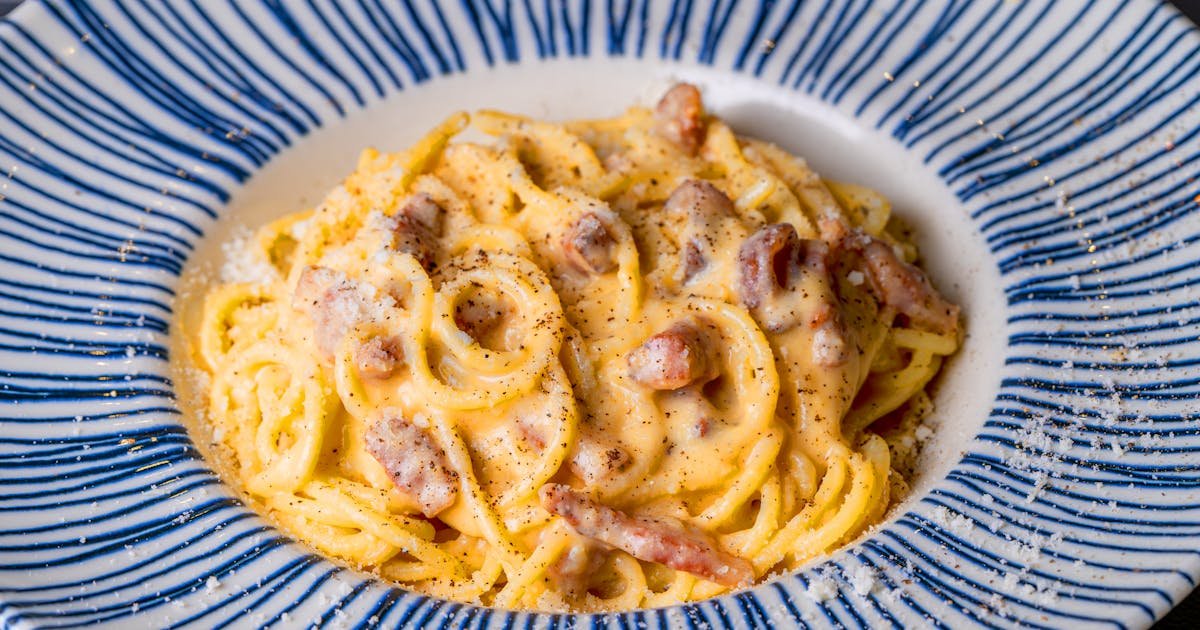
🍳 In This Recipe Guide
- The Rich History and Cultural Roots of This Dish
- Why This Recipe Works: The Food Science Behind It
- Complete Ingredient Breakdown
- Step-by-Step Instructions
- Expert Tips from Years of Kitchen Experience
- Nutritional Benefits and Health Insights
- Creative Variations and Dietary Adaptations
- Frequently Asked Questions
- Final Thoughts
I still remember the first time I made carbonara in Rome—sweat beading on my forehead, the aroma of crispy guanciale filling the air, and the absolute terror I felt when the chef looked over my shoulder and said, “No cream.” No cream? In America, we drown pasta in heavy cream, but in Rome, they rely on eggs, cheese, and rendered pork fat to create something far more elegant. That night changed how I cook forever, and now I’m sharing my fastest, foolproof method so you can recreate that Roman magic in your own kitchen without the stress.
The Rich History and Cultural Roots of This Dish
Carbonara is one of those dishes that sounds simple but carries layers of history. Its exact origins are debated, but most food historians agree it emerged in Rome sometime after World War II when American soldiers stationed there introduced bacon and eggs. The locals, however, didn’t have bacon—they had guanciale, a cured pork cheek that’s salted, spiced, and aged for months. Over time, the combination of eggs, cheese, pepper, and guanciale became the standard, transforming what could have been a wartime experiment into one of Italy’s most beloved pasta dishes.
Interestingly, carbonara’s name likely comes from “carbonai,” charcoal workers who supposedly ate this hearty dish after a long day of labor. The original version probably included pasta dried over charcoal fires, but today’s version is all about the silky sauce created by the magic of egg yolks and cheese. Regional variations exist—some use pancetta instead of guanciale, others add a splash of pasta water—but the Roman version remains the gold standard: no cream, no garlic, just pure, unadulterated flavor.
Why This Recipe Works: The Food Science Behind It
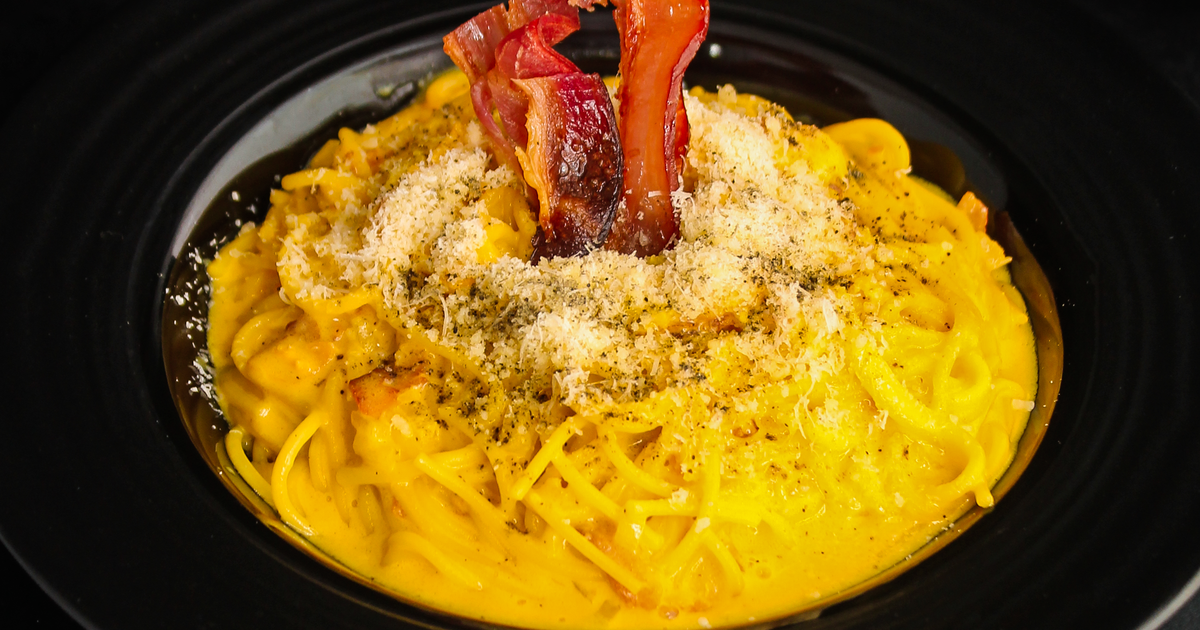
📷 Photo by Froimar Andrea Rodriguez on Pexels
The magic of carbonara lies in an emulsion—fat and water combining into a creamy sauce without separating. When you toss hot pasta with egg yolks and cheese, the heat gently cooks the eggs just enough to thicken them into a silky coating, while the cheese melts into the fat from the guanciale, creating a stable sauce. This isn’t just cooking; it’s a lesson in protein denaturation and emulsification in action.
The Maillard reaction plays a role too. When guanciale crisps in the pan, its proteins and sugars break down, creating those deep, nutty flavors that define the dish. The black pepper isn’t just for heat—it’s a traditional seasoning that also enhances the overall flavor profile by bringing out the umami in the cheese. And don’t forget the pasta water: its starches act as a natural emulsifier, helping the sauce cling to every strand of spaghetti.
Complete Ingredient Breakdown
Base Ingredients:
- Spaghetti (400g / 14 oz): Traditional long pasta with high gluten content, which helps the sauce cling. Use bronze-die extruded pasta for extra texture. Cook al dente—1 minute less than package instructions—to prevent mushiness.
- Guanciale (150g / 5 oz): The star of authentic carbonara. If unavailable, pancetta (unsmoked Italian bacon) works, but guanciale’s unique fat and flavor can’t be fully replicated. Avoid regular bacon—it’s too smoky and lean.
Sauce Components:
- Egg yolks (4 large, room temperature): The emulsifier that thickens the sauce. Room temperature eggs blend more smoothly. Save the whites for an omelet or meringue later.
- Pecorino Romano (100g / 3.5 oz, freshly grated): A sharp, salty sheep’s milk cheese that’s aged at least 8 months. Parmigiano-Reggiano can substitute, but it lacks the boldness of pecorino. Avoid pre-grated cheese—it contains anti-caking agents that prevent proper melting.
- Freshly cracked black pepper (1 tsp, plus extra for garnish): Freshly ground pepper adds brightness and depth. The pepper’s piperine compound also helps cut through the richness, making the dish more digestible.
Optional but Recommended:
- A splash of pasta water (¼ cup): Starches in the water act as a natural thickener and emulsifier, ensuring the sauce stays silky, not greasy.
Step-by-Step Instructions
Before you start, set out all ingredients at room temperature and have your serving bowls preheated. Carbonara waits for no one, so mise en place is non-negotiable. Here’s how to nail it every time:
- Cook the Pasta: Bring a large pot of well-salted water to a rolling boil (it should taste like the sea). Add 400g spaghetti and cook for 1 minute less than package instructions. Reserve 1 cup of pasta water before draining. The starch in the water is your secret weapon for silkiness.
- Render the Guanciale: While the pasta cooks, heat a large skillet over medium-low. Add 150g diced guanciale and cook slowly, stirring occasionally, until crispy and golden—about 8-10 minutes. The fat should render gently; don’t rush it or you’ll burn the meat. Remove from heat and transfer guanciale to a paper towel-lined plate, leaving the rendered fat in the pan.
- Prepare the Egg and Cheese Mixture: In a bowl, whisk 4 egg yolks, 100g grated pecorino, and 1 tsp freshly cracked black pepper until smooth. The texture should be like thick cream. If it’s too thick, add a splash of pasta water to loosen it.
- Combine Pasta and Guanciale Fat: Add the drained pasta to the skillet with the guanciale fat. Toss well to coat every strand in the rendered pork goodness. Cook for 1 minute over low heat to let the pasta absorb the flavors.
- Off-the-Heat Emulsion: Remove the skillet from heat. Let it cool for 30 seconds—this is crucial to avoid scrambling the eggs. Then, pour the egg-cheese mixture over the pasta and toss vigorously with tongs. The residual heat will gently cook the eggs into a creamy sauce. If needed, add reserved pasta water 1 tbsp at a time until the sauce is glossy and coats the pasta evenly.
- Finish and Serve: Fold in the crispy guanciale, reserving a small amount for garnish. Taste and adjust seasoning—add more pecorino for saltiness or black pepper for heat. Serve immediately with a sprinkle of extra pecorino and black pepper on top.
Expert Tips from Years of Kitchen Experience

📷 Photo by www.kaboompics.com on Pexels
Over the years, I’ve learned a few tricks that separate good carbonara from great carbonara. Here’s what I wish I knew when I first started:
- Temperature Control: The key to perfect carbonara is managing heat. Cook the guanciale on medium-low to render fat slowly—high heat will burn the meat before the fat releases. When combining the eggs and cheese, the skillet should be just warm enough to gently cook the eggs without scrambling them. Think of it like making custard: patience is everything.
- Ingredient Quality: Don’t skimp on the guanciale or pecorino. These are the soul of the dish. Freshly grated cheese makes a noticeable difference in texture and flavor. And always use whole peppercorns—pre-ground pepper loses its aroma and can taste bitter.
- Timing and Patience: Rushing carbonara is a recipe for disaster. If the eggs scramble, it’s because the pan was too hot. If the sauce is greasy, it’s because the guanciale wasn’t rendered enough or the pasta wasn’t hot when combined with the eggs. Take your time, and the payoff will be worth it.
- Seasoning Balance: Taste as you go. Pecorino is salty, so you may not need additional salt. If the dish tastes flat, a pinch of salt can help, but start with pepper—it’s the traditional seasoning. One trick I discovered after years of cooking is to add a tiny pinch of sugar to the egg-cheese mixture. It balances the saltiness and enhances the overall flavor.
Nutritional Benefits and Health Insights
At first glance, carbonara seems indulgent—and it is—but it’s also packed with nutrients that make it more than just a comforting meal. A single serving (about 1/4 of this recipe) contains approximately 550 calories, 25g protein, 30g fat (mostly healthy fats from the guanciale), and 8g carbohydrates. The dish is also rich in calcium from the pecorino, providing about 30% of the daily value per serving, which supports bone health.
Guanciale is a great source of B vitamins, particularly B12, which is essential for energy metabolism and red blood cell production. The black pepper in carbonara contains piperine, a compound that enhances nutrient absorption and has antioxidant properties. Additionally, the slow-rendered fat from guanciale is easier to digest than quick-cooked fats, making carbonara gentler on the stomach than you might expect.
For a lighter version, you can reduce the guanciale to 100g and add a handful of spinach or arugula at the end for extra fiber and vitamins A and K. If you’re watching sodium, opt for low-sodium guanciale and reduce the pecorino by half. And for those avoiding gluten, gluten-free spaghetti works beautifully—just ensure it’s cooked al dente to maintain texture.
Creative Variations and Dietary Adaptations
Vegan Carbonara: Swap the eggs and cheese for a creamy cashew sauce: blend 1 cup soaked cashews, ½ cup nutritional yeast, 1 tbsp lemon juice, ½ tsp salt, and ¼ cup pasta water until smooth. Cook the guanciale substitute (try tempeh bacon or smoked tofu) and toss with the pasta and sauce. The result is surprisingly rich and satisfying.
Spicy Carbonara: Add ½ tsp red pepper flakes with the black pepper for a subtle kick. For extra heat, stir in a finely chopped fresh chili at the end. Guanciale pairs beautifully with spice, balancing the richness.
Vegetarian Twist: Skip the guanciale and use mushrooms for umami depth. Sauté 200g sliced cremini mushrooms with 1 tbsp olive oil until golden, then proceed with the recipe. Add a splash of soy sauce or miso paste to mimic the savory depth of cured pork.
Meal-Prep Friendly: Carbonara is best fresh, but you can prep components ahead. Cook the guanciale and store it in the fridge for up to 3 days. Grate the cheese and store it in an airtight container. When ready to eat, simply combine everything as directed—the residual heat will still create a silky sauce.
Kid-Friendly Version: For picky eaters, reduce the black pepper and add a handful of grated Parmesan for a milder flavor. You can also stir in a bit of butter at the end for extra creaminess if they’re not keen on the texture.
Frequently Asked Questions
Can I use bacon instead of guanciale?
Yes, but it won’t taste the same. Bacon is smoked and leaner, so it lacks the rich, fatty depth of guanciale. If you must use it, choose thick-cut, low-smoke varieties like applewood-smoked bacon. Render it slowly to render as much fat as possible, and consider adding a pinch of smoked paprika to mimic the subtle smokiness of traditional guanciale.
How do I store and reheat leftovers?
Carbonara is best eaten fresh, but leftovers can be stored in the fridge for up to 2 days. Reheat gently in a skillet over low heat, adding a splash of pasta water to loosen the sauce. Avoid microwaving—it will scramble the eggs and make the sauce grainy. If reheating from cold, toss the pasta into the skillet before adding the water to prevent sticking.
Is carbonara gluten-free?
Traditional carbonara is gluten-free, as long as you use gluten-free pasta. Check that your guanciale or pancetta isn’t processed with additives containing gluten. For a fully gluten-free meal, serve with a side salad dressed in lemon and olive oil to balance the richness.
Why does my carbonara sometimes taste greasy?
Greasy carbonara usually means the guanciale wasn’t rendered enough or the pasta wasn’t hot when combined with the eggs. Render the guanciale until it’s crispy and most of the fat has melted. When combining the eggs and cheese, the pasta should be steaming hot—this helps the eggs cook gently instead of turning into scrambled eggs. A splash of pasta water at the end also helps emulsify the fat and prevent greasiness.
Can I make carbonara ahead of time?
Carbonara is a dish that’s best made fresh, but you can prep components ahead. Cook the guanciale and store it in the fridge. Grate the cheese and store it in an airtight container. When ready to eat, simply combine everything as directed—the residual heat will still create a silky sauce. Avoid pre-mixing the egg and cheese, as they can dry out or separate if stored for too long.
Final Thoughts
There’s something magical about carbonara—it’s a dish that teaches you that less can be more. No heavy cream, no garlic, no shortcuts—just eggs, cheese, pork, and pasta working in harmony to create a meal that’s humble yet extraordinary. I’ve made this recipe for friends who’ve flown in from across the country, for my kids on busy weeknights, and even for myself when I need a reminder that great food doesn’t require complexity. The first time you taste that creamy, peppery, umami-rich sauce clinging to your fork, you’ll understand why this dish has stood the test of time in Rome and beyond.
Don’t be afraid to experiment. Swap in pecorino for Parmigiano, add a pinch of sugar, or toss in some herbs. Make it your own. And most importantly—savor every bite. This isn’t just pasta; it’s a connection to history, tradition, and the simple joy of a well-cooked meal.