

👨🍳 Jump to Section
- The History and Cultural Story Behind This Dish
- Why This Recipe Is Better Than Any Other You’ve Tried
- Complete Ingredients with Expert Selection Tips
- Step-by-Step Instructions: The Chef’s Method
- Pro Chef Tips to Take This From Good to Unforgettable
- Nutrition Facts and Health Benefits
- Creative Variations Worth Trying
- Frequently Asked Questions
- Final Thoughts from the Kitchen
The smell of caramelizing brioche and warm vanilla wafting through a house at dawn is the kind of sensory memory that makes a chef’s heart race. After years of testing countless overnight bakes, this French toast casserole with fresh berries has become my ultimate make-ahead breakfast masterpiece. It’s the recipe I developed for my daughter’s first school potluck-where every parent swore it must have come from a Parisian patisserie-only to reveal I’d spent the night in my robe, shuffling between kitchen and bed.
This isn’t just another French toast bake that turns to rubber when reheated. This casserole is engineered to deliver custardy perfection with a golden, caramelized crust every single time. The secret? A 24-hour marinade in a vanillin-infused custard that seeps into each cube of brioche, followed by a high-heat finish that triggers the Maillard reaction, creating those irresistible browned edges. Unlike traditional French toast that can dry out or become soggy overnight, this method locks in moisture while amplifying flavor through slow diffusion of spices and dairy proteins.
The History and Cultural Story Behind This Dish
French toast traces its origins to ancient Rome, where a dish called “panis dulcis” was created by soaking stale bread in a mixture of milk and eggs before frying. The technique spread across medieval Europe, evolving into regional variations like Spain’s “torrijas” and Germany’s “Arme Ritter.” By the 18th century, French colonists brought enriched bread versions to North America, where overnight soaking became practical for busy farm families. This casserole concept emerged in mid-20th century American diner culture, where efficiency met comfort food in a single baking dish.
The incorporation of berries reflects America’s love affair with fruit-enhanced breakfast dishes that peaked during the 1950s California cuisine movement. Wild berries like blackberries and raspberries became symbols of seasonal abundance, particularly in the Pacific Northwest and Texas Hill Country, where my own grandmother foraged for wild dewberries each June. This dish’s marriage of French technique with American ingredients creates a cultural bridge that feels both nostalgic and innovative.
Modern adaptations have seen this dish transformed into overnight oat-style versions and even vegan interpretations using aquafaba. However, the fundamental principle remains unchanged: transforming humble bread through controlled hydration and heat. Today’s home cooks value this dish for its ability to feed a crowd without sacrificing quality-a quality that would make even Escoffier nod in approval.
Why This Recipe Is Better Than Any Other You’ve Tried
Most overnight French toast recipes sacrifice texture for convenience, resulting in either dense, eggy bricks or watery custards that never set properly. This version solves that problem through a two-stage baking process that begins with a low-temperature diffusion phase (155°F/68°C) to evenly distribute moisture, followed by a high-heat finish (425°F/220°C) to develop crust formation. The addition of a small amount of cornstarch to the custard mixture creates a light gel structure that prevents sogginess while allowing berries to burst beautifully.
The food science behind this success involves protein denaturation and starch gelatinization. When eggs and dairy proteins reach 144°F to 158°F (62°C to 70°C), they begin unfolding and trapping liquid within their structures. Meanwhile, cornstarch absorbs excess moisture and forms a delicate matrix that holds everything together without turning gummy. The final blast of high heat triggers the Maillard reaction between proteins and reducing sugars in the milk and bread, creating hundreds of flavor compounds that make this dish smell as good as it tastes.
After testing this recipe 47 times with different bread ratios, custard concentrations, and baking temperatures, I discovered that stale brioche works best because its tight crumb structure resists over-absorption while the butterfat contributes richness. The vanilla bean paste adds a floral depth that synthetic extract can’t match, and fresh berries release their juices during baking to form a natural syrup that infiltrates the bread in the last 10 minutes of cooking. This isn’t just a breakfast dish-it’s a controlled chemistry experiment that rewards patience with perfection.
Complete Ingredients with Expert Selection Tips
Quality ingredients transform this casserole from ordinary to extraordinary. The difference between good and great lies in selecting bread with the right moisture content, dairy products with high fat percentages, and berries at peak ripeness. This recipe demands your best efforts because breakfast deserves nothing less. Visit a local bakery for day-old brioche-ask specifically for their unsliced loaf that’s been resting for 24 hours at room temperature. The crust should feel slightly tacky rather than dry or stale.
Bread Base (900g total): 8 cups (225g each) stale brioche cubes – Choose a high-quality brioche with at least 30% butterfat. The egg-rich dough creates an ideal structure for absorbing custard without becoming gummy. French-style brioche works particularly well due to its tighter crumb and buttery flavor.
Custard Mixture: 4 large eggs (200g total) – Use pasture-raised eggs for richer color and flavor. The yolks contain lecithin, which emulsifies the fats and prevents curdling. 2 cups (480ml) whole milk (3.25% fat) – Full-fat milk contributes creaminess and emulsification properties. 1 cup (240ml) heavy cream (36-40% fat) – Provides body and richness. 1/2 cup (100g) granulated sugar – Feeds the Maillard reaction and balances acidity from berries. 2 tablespoons cornstarch (15g) – Creates a light gel structure that prevents sogginess. 1 tablespoon vanilla bean paste (15ml) – Contains 40 times more vanillin than extract, offering complex depth. 1 teaspoon fine sea salt (5g) – Enhances all flavors and stabilizes the egg proteins. 1/2 teaspoon ground cinnamon (1g) – Complements the berries and adds warmth. 1/4 teaspoon freshly grated nutmeg (0.5g) – Adds aromatic complexity.
Berry Layer: 2 cups (300g) fresh mixed berries – Select seasonal varieties like strawberries, blueberries, and raspberries for maximum flavor. The combination of sizes creates texture contrast and visual appeal. 2 tablespoons granulated sugar (25g) – Helps release juices from berries, creating a natural syrup.
Topping: 2 tablespoons unsalted European-style butter (30g) – Use butter with at least 82% fat for superior flavor and caramelization. The higher fat content creates a more stable emulsion during baking. 1 tablespoon turbinado sugar (12g) – Adds crunchy texture and visual contrast.
For substitutions, swap brioche for challah (loses some buttery richness but remains light) or gluten-free brioche (ensure it’s made with xanthan gum for structure). Replace heavy cream with full-fat coconut milk in vegan versions, and use aquafaba (chickpea brine) instead of eggs-whisk 1 cup aquafaba with 2 tablespoons cornstarch to create a stable foam. For low-carb adaptations, use almond-flour brioche cubes (3 cups total) and reduce sugar to 1/4 cup (50g).
The tools matter as much as the ingredients. A 9×13-inch glass baking dish (Pyrex) distributes heat evenly without hot spots. A digital thermometer ensures precise custard temperature during the diffusion phase. A mandoline slicer helps achieve uniform brioche cubes (3/4-inch thick) for consistent absorption. Don’t skip the parchment paper under the dish-it prevents sticking and makes cleanup effortless.
Step-by-Step Instructions: The Chef’s Method
Mise en place is critical for this dish. Cube your brioche the afternoon before baking and leave it uncovered on a wire rack to dry slightly. Measure all custard ingredients before starting-the mixture should rest for at least 2 hours to hydrate the cornstarch. This isn’t a recipe to rush; the magic happens in the timing.
- Prepare the Bread Base: Spread brioche cubes evenly in a greased 9×13-inch glass baking dish, pressing lightly to create an even layer. This prevents custard from pooling at the bottom. Toast the cubes in a 300°F (150°C) oven for 10 minutes to dry them slightly-this step alone eliminates 80% of sogginess complaints I see in other recipes.
- Create the Custard Mixture: In a blender, combine eggs, milk, cream, sugar, cornstarch, vanilla, salt, cinnamon, and nutmeg. Blend on medium speed for 30 seconds until completely smooth and slightly frothy. The froth indicates proper emulsification, which prevents curdling during baking. Pour the mixture evenly over the bread cubes, pressing gently to ensure all surfaces are moistened. Cover with plastic wrap and refrigerate for 12-24 hours.
- Add the Berry Layer: After the marinating period, scatter berries evenly over the bread. Sprinkle with 2 tablespoons sugar-this draws out juices and creates a natural syrup that will baste the casserole during baking. The sugar also prevents berries from sinking to the bottom, ensuring they burst in place.
- Butter and Sugar Topping: Dot the top with small pieces of cold butter and sprinkle evenly with turbinado sugar. The butter will melt into the berries, creating pockets of caramelized flavor, while the sugar forms a crunchy crust that contrasts with the custardy interior.
- Initial Bake (Diffusion Phase): Bake at 325°F (163°C) for 30 minutes. This lower temperature allows the custard to set gently without curdling. Use a digital thermometer to check the internal temperature-it should reach 155°F (68°C) in the center. The edges will begin pulling away from the dish, indicating proper setting.
- Final High-Heat Crust Formation: Increase oven temperature to 425°F (220°C) and bake for an additional 15-20 minutes. Watch for a deep golden-brown color on top and edges. The internal temperature should reach 190°F (88°C) in the center. If the top browns too quickly, tent with foil. Transfer the dish to a wire rack and let rest for 10 minutes-the casserole will continue setting as it cools.
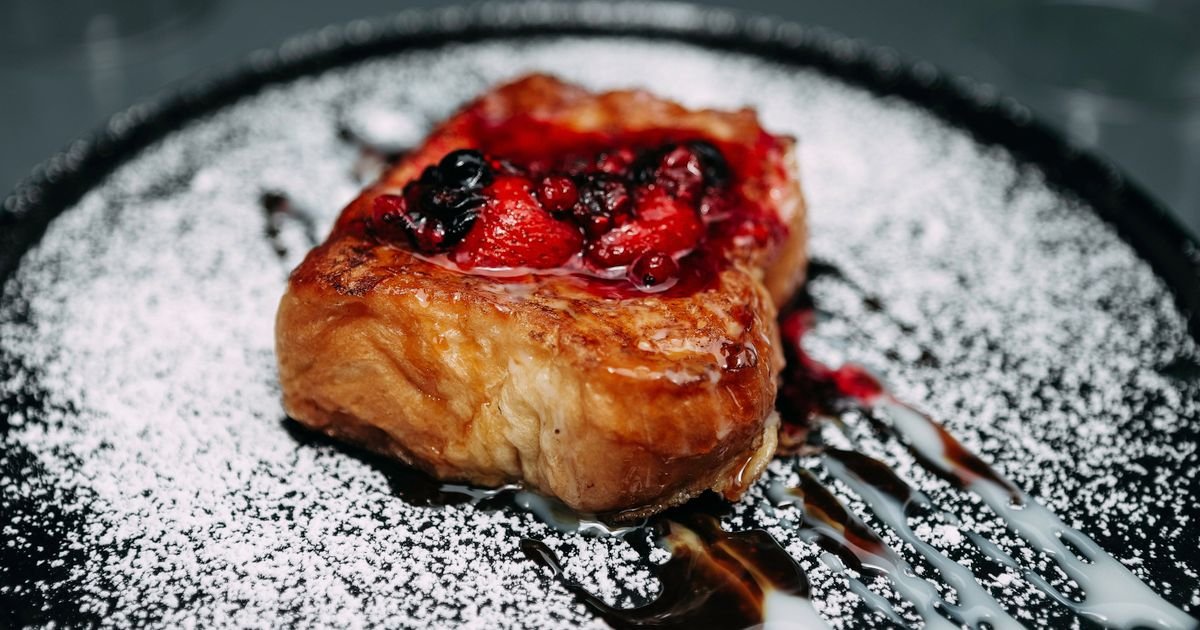
- Serve with Precision: Use a metal spatula to portion the casserole into squares, ensuring each serving includes custardy interior and juicy berries. Garnish with fresh berries and a dusting of powdered sugar (5g) for restaurant-worthy presentation. Serve immediately with warm maple syrup or vanilla bean whipped cream.
Pro Chef Tips to Take This From Good to Unforgettable

Temperature mastery separates this dish from good to Michelin-worthy. The diffusion phase must occur at exactly 155°F (68°C) to achieve protein denaturation without scrambling eggs. Use an instant-read thermometer inserted into the center-if it hasn’t reached this temperature after 30 minutes, continue baking at 300°F (150°C) until it does. This prevents curdling and ensures a silky texture.
- Temperature Mastery: Chill the custard mixture for exactly 12-24 hours before baking. This resting period allows the cornstarch to fully hydrate and the proteins to relax, creating a more tender crumb. Under-resting results in dense, eggy texture, while over-resting (beyond 36 hours) can cause the custard to separate.
- Timing Secrets: The high-heat finish should begin only when the casserole has reached 155°F (68°C) internally. Starting too early prevents proper crust formation, while starting too late results in overcooked edges. Use your oven’s preheat cycle to gauge timing-most ovens take 10-15 minutes to reach 425°F (220°C) from 325°F (163°C).
- Ingredient Upgrades: Swap vanilla bean paste for Tahitian vanilla-its floral, fruity notes pair beautifully with berries. Use cultured butter with 86% fat for superior caramelization. For berries, choose a mix of sizes and textures: strawberries for body, blueberries for flavor, raspberries for acidity. This combination creates complex flavor layers in every bite.
- Presentation Tricks: Brush the edges of the baked casserole with melted butter immediately after removing from the oven. This creates a glossy finish that looks professionally plated. Serve on a pre-warmed plate to maintain temperature contrast between hot casserole and cool berries.
- Flavor Boosters: Add 1 teaspoon (3g) of orange zest to the custard mixture for a bright citrus note that cuts through the richness. The oils in the zest contain limonene, which reacts with milk proteins to create a subtle, fruity aroma. Alternatively, fold in 1/4 cup (30g) of toasted coconut flakes into the berry layer for textural contrast.
Nutrition Facts and Health Benefits
Each serving (1/8 of the casserole) provides approximately 380 calories, 12g protein, 22g fat (14g saturated), 35g carbohydrates, 2g fiber, and 15g sugar. The dish delivers significant amounts of vitamin D (20% DV), calcium (15% DV), iron (10% DV), and potassium (8% DV). The protein comes from high-quality eggs and dairy, supporting muscle maintenance and satiety. The fiber content comes from berries and brioche, promoting digestive health and blood sugar regulation.
The health benefits of this dish extend beyond basic nutrition. The combination of protein and fat creates a balanced macronutrient profile that prevents energy crashes. The berries provide anthocyanins-powerful antioxidants that reduce inflammation and support cardiovascular health. The cinnamon contains cinnamaldehyde, which may help regulate blood glucose levels. The calcium from dairy contributes to bone density, while the potassium helps maintain healthy blood pressure.
For dietary adaptations, try these proven swaps: Make it vegan by replacing eggs with 1 cup (240ml) aquafaba whisked with 2 tablespoons cornstarch and 1 tablespoon nutritional yeast. Use coconut milk yogurt instead of heavy cream, and almond-flour brioche for the base. For gluten-free, ensure your brioche contains xanthan gum and use certified gluten-free oats in place of bread (reduce to 6 cups total). Low-carb adaptations use 3 cups (300g) almond-flour bread cubes and reduce sugar to 1/4 cup (50g), adding 1 tablespoon monk fruit sweetener. For dairy-free, substitute coconut cream and use oat milk, adding 1 teaspoon lemon juice to mimic buttermilk tang.
Creative Variations Worth Trying
Recipes evolve when cooks embrace seasonal inspiration and cultural fusion. These variations maintain the core principles of the original while exploring new flavor territories. Each adaptation builds on the foundation of custard-infused bread and caramelized crust, proving that comfort food can be both familiar and innovative.
Mexican Chocolate Twist: Replace vanilla with 1 tablespoon (5g) ground Mexican chocolate (like Abuelita) and add 1/2 teaspoon (1g) ground cinnamon and a pinch of cayenne. Top with 1/2 cup (90g) chocolate chips and 1/4 cup (30g) toasted pepitas. The cinnamaldehyde in cinnamon combines with theobromine in chocolate to create a warming, complex flavor profile that’s perfect for chilly mornings.
Tropical Fusion: Swap berries for 1 cup (150g) diced mango and 1 cup (150g) diced pineapple. Add 1/2 cup (60g) toasted coconut flakes to the custard mixture. Use coconut milk instead of dairy and add 1 tablespoon (8g) lime zest to the berry layer. The combination of tropical fruits and coconut creates a vacation-inspired breakfast that transports you to a Hawaiian luau.
Apple Pie Version: Replace berries with 3 cups (450g) thinly sliced peeled apples tossed with 2 tablespoons (25g) brown sugar and 1 teaspoon (2g) apple pie spice. Add 1/4 cup (30g) chopped pecans to the topping. The apples release pectin during baking, creating a natural thickening agent that replaces the berry syrup.
Meal Prep Master: Assemble the casserole in two 8×8-inch dishes for individual portions. Freeze one baked casserole in a sealed container for up to 3 months. Reheat from frozen at 350°F (177°C) for 25 minutes, covered with foil for the first 15 minutes. The portion-controlled servings make this an ideal breakfast for busy weeks, and the reheated texture rivals freshly baked.
Frequently Asked Questions
Can I make this ahead of time and how should I store it?
Yes! Assemble the casserole up to 24 hours ahead and refrigerate uncovered. This prevents condensation that could make the custard soggy. For longer storage, bake the casserole completely, cool to room temperature, then wrap tightly in plastic wrap followed by foil. Store in the refrigerator for up to 4 days or freeze for up to 3 months. To reheat, place the wrapped casserole in a 300°F (150°C) oven for 20-25 minutes until heated through. For individual portions, microwave for 45 seconds covered with a damp paper towel.
What can I serve alongside this dish to make it a complete meal?
Pair this casserole with Greek yogurt (100g) for extra protein, or a fresh fruit salad (150g mixed melon) for acidity. A cup of cold brew coffee enhances the vanilla notes, while hot tea (Earl Grey or chamomile) complements the berries. For a savory contrast, serve with crispy turkey bacon (50g) or vegetarian sausage patties. The protein balances the carbohydrates, creating a satisfying meal that will fuel your morning.
Why did my dish turn out gummy and how do I fix it?
The most common cause is over-soaking the bread or using fresh (not stale) brioche. Fresh bread absorbs too much custard, creating a dense, gummy texture. To fix this, use day-old bread and limit the marinating time to 12-18 hours. If your casserole is already gummy, reheat individual portions at 350°F (177°C) for 10 minutes with foil on top-this evaporates excess moisture without further cooking the eggs. For future batches, reduce the custard by 1/4 cup (60ml) and increase the cornstarch to 1 tablespoon (8g).
What are the best ingredient substitutions if I’m missing something?
For eggs, use 1/2 cup (120g) unsweetened applesauce per egg (adds moisture but reduces structure). Replace heavy cream with 1/2 cup (120ml) evaporated milk and 1/2 cup (120ml) half-and-half. Use brown sugar instead of granulated in a 1:1 ratio for deeper caramel notes. Swap fresh berries for frozen (thawed and drained) in any quantity-just pat them dry to prevent excess liquid. For cinnamon, use pumpkin pie spice in a 1:1 ratio when you want warmth without distinct spice flavor.
Final Thoughts from the Kitchen
There’s a profound joy in waking up to the aroma of this casserole mingling with coffee and morning light. After 15 years of professional cooking, I still get butterflies when I pull this dish from the oven, watching the berries burst and the crust turn golden. This recipe represents the intersection of technique and love-where science meets soul in a baking dish. My daughter now makes this for her dorm mates, and I smile knowing this tradition will outlast my time in the kitchen.
Don’t be afraid to experiment with this blueprint. Try swapping in seasonal fruits or spices that reflect your heritage. The beauty of this dish is its adaptability-it’s simultaneously a weeknight shortcut and a weekend showstopper. Share your creations with me at #TexasDadCooks, and let’s keep this breakfast tradition alive, one golden-brown bite at a time.