

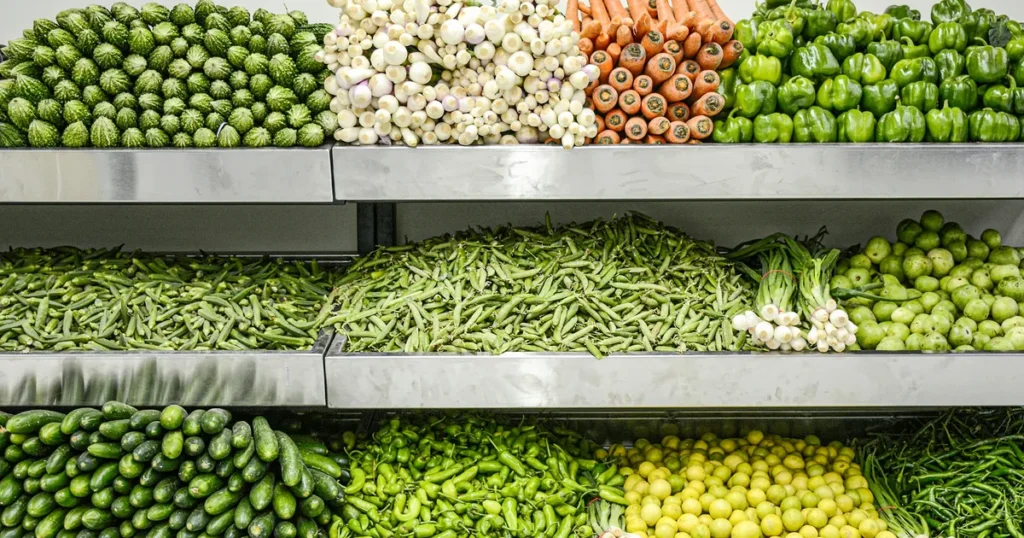
It used to break my heart to toss wilted spinach or sprouting potatoes, produce I’d lovingly brought home from the market just days before. The sheer waste, both of food and money, was a constant frustration. Over a decade of culinary exploration and obsessive home gardening has taught me that keeping vegetables fresh for a long time at home isn’t just about throwing them in the fridge; it’s a nuanced art, a silent conversation with your produce about its ideal conditions. Mastering this skill transforms your kitchen, reduces food waste dramatically, and ensures you always have vibrant, nutrient-rich ingredients ready for your next meal. Let’s dive deep into the secrets that will keep your produce pristine well into 2026 and beyond.
Understanding Your Vegetables’ Unique Needs
Every vegetable, much like every person, has its own personality and preferences when it comes to storage. Ignoring these individual needs is the quickest way to end up with limp greens or moldy roots. Consider the fundamental biological processes at play: respiration continues even after harvest, and some vegetables release ethylene gas, a natural ripening agent, which can prematurely spoil sensitive neighbors. It’s a delicate ecosystem within your pantry and refrigerator, and understanding these dynamics is the first step towards successful long-term storage.
For instance, items like broccoli, asparagus, and leafy greens are highly perishable because they have a high respiration rate and tend to lose moisture quickly. Root vegetables such as carrots and beets, on the other hand, are designed by nature to store energy and moisture effectively underground, making them inherently better candidates for longer storage if kept in the right conditions. Recognizing these inherent characteristics will guide your storage decisions, moving beyond a one-size-fits-all approach to a truly tailored preservation strategy for each type of produce.
Mastering Your Refrigerator’s Potential
Your refrigerator isn’t just a cold box; it’s a sophisticated tool with specific zones designed for different types of produce. The crisper drawers, for example, are often overlooked but are incredibly powerful. They offer adjustable humidity settings: high humidity for leafy greens and low humidity for fruits and vegetables that emit ethylene gas. Using these drawers correctly can extend the life of your produce by days, even weeks, by controlling moisture loss and exposure to ripening agents.
Beyond the crisper, the general temperature throughout your fridge isn’t uniform. The coldest spots are typically at the back and bottom, while the door is the warmest due to frequent opening. Placing delicate items like herbs or berries in areas with consistent, moderate cold is crucial. Understanding these microclimates within your appliance is key to how to store vegetables fresh for long time at home, preventing freezer burn from too much cold or spoilage from not enough. A properly organized fridge is a happy fridge, and more importantly, a fridge full of fresh food.
The Ethylene Divide: Keep Them Apart!
This is perhaps one of the most critical, yet often ignored, storage rules. Ethylene gas, produced by certain fruits and vegetables like apples, bananas, and tomatoes, acts as a ripening hormone. While beneficial for ripening, it can accelerate spoilage in ethylene-sensitive produce. Think of it as a silent, invisible gas that tells other produce to “hurry up and ripen!” Storing ethylene producers separately from sensitive items is non-negotiable for extending shelf life. You can find a comprehensive list of ethylene producers and sensitive produce on resources like Wikipedia’s page on ethylene production.
Beyond the Fridge: Cool, Dark, and Dry
Not everything belongs in the cold embrace of your refrigerator. Many vegetables thrive in cooler, darker, and drier environments, mimicking the conditions of a traditional root cellar. Potatoes, onions, garlic, and winter squash are prime examples. Storing these items in the fridge can actually accelerate their spoilage, turn starches into sugars (making potatoes sweet and gritty), or cause them to sprout prematurely due to humidity. A cool pantry, a cupboard away from heat-generating appliances, or even a breathable basket in a dark corner works wonders.
The key here is air circulation and protection from light. Potatoes, for instance, will turn green and develop solanine (a mild toxin) if exposed to light, and humidity will encourage sprouting and mold. Onions and garlic need to breathe to prevent rot; mesh bags or open baskets are ideal. Always store potatoes and onions separately, as onions release gases that can cause potatoes to sprout faster. By respecting their natural preference for a dry, temperate climate, you’ll find these staples lasting for months, not just weeks, making them readily available for your culinary adventures in 2026.
Leafy Greens and Herbs: A Delicate Balance
Leafy greens and fresh herbs are notoriously finicky, often wilting or turning slimy within days. The secret to their longevity lies in managing moisture. Too much moisture encourages rot, but too little causes them to dry out and wilt. The optimal approach involves a delicate balance: wash them thoroughly, then dry them meticulously. A salad spinner is an invaluable tool for this step. Once dry, wrap them in a slightly damp paper towel, then place them in an airtight container or a Ziploc bag with most of the air squeezed out, before placing them in the high-humidity crisper drawer.
For herbs like parsley, cilantro, or basil, treat them like a bouquet of flowers. Trim the stems, place them upright in a glass with an inch or two of water, and cover them loosely with a plastic bag. Change the water every couple of days. Basil, in particular, dislikes cold and should ideally be kept on the counter this way, away from direct sunlight. This method can keep your herbs vibrant for up to two weeks, ensuring your dishes are always infused with fresh flavor and aroma. For more detailed guidance, consider resources like the USDA’s food storage tips.
Blanching and Freezing for Extended Life
Sometimes, simply storing fresh isn’t enough, especially when you’ve harvested a bounty or found a great deal at the market. Freezing is an excellent long-term preservation method, but most vegetables benefit greatly from blanching first. Blanching involves briefly immersing vegetables in boiling water, then immediately plunging them into ice water to stop the cooking process. This step inactivates enzymes that cause spoilage, preserves color, texture, and nutrients, and cleanses the surface of dirt and microorganisms.
After blanching and thoroughly drying, spread the vegetables in a single layer on a baking sheet and freeze until solid. This “flash freezing” prevents them from clumping together, allowing you to easily take out just what you need. Once solid, transfer them to airtight freezer bags or containers, squeezing out as much air as possible to prevent freezer burn. This method works wonderfully for broccoli, green beans, peas, and corn, ensuring you have garden-fresh produce available for months, even extending their usability well into late 2026.
Key Takeaways
- Know Your Produce: Understand each vegetable’s specific needs regarding temperature, humidity, and ethylene sensitivity to avoid premature spoilage.
- Utilize Fridge Zones: Master your refrigerator’s crisper drawers and temperature variations; high humidity for leafy greens, low for ethylene-producing fruits/veg.
- Separate Ethylene Producers: Always store ethylene-emitting produce (e.g., apples, bananas, tomatoes) away from ethylene-sensitive items (e.g., broccoli, lettuce, carrots) to prevent accelerated ripening and decay.
- Consider Alternative Storage: Many vegetables, like potatoes, onions, and squash, thrive in cool, dark, and dry conditions outside the refrigerator, requiring good air circulation to prevent sprouting and mold.
Frequently Asked Questions
Can I wash vegetables before storing them?
Generally, it’s best to wash most vegetables right before you intend to use them, not before storing. Excess moisture can accelerate spoilage, mold growth, and bacterial development. The exception would be leafy greens and herbs, which benefit from being washed and then thoroughly dried before storage, often wrapped in a damp paper towel.
What’s the best way to store fresh herbs?
For most herbs like parsley and cilantro, trim the stems and place them upright in a glass of water, covering them loosely with a plastic bag, then refrigerate. Basil, however, prefers room temperature; store it on the counter in water, away from direct sunlight. Change the water every couple of days for optimal freshness.
Should I store potatoes and onions together?
No, it’s highly recommended to store potatoes and onions separately. Onions release ethylene gas, which can cause potatoes to sprout much faster. Both thrive in cool, dark, and dry conditions with good air circulation, but they should be kept in different locations within your pantry or storage area.
How can I make my berries last longer?
To extend the life of berries, give them a quick vinegar bath (a 1:3 ratio of white vinegar to water) right after purchasing. Swish them gently, then rinse thoroughly under cold water. Pat them completely dry with paper towels before storing them in a single layer in an airtight container lined with a fresh paper towel in the refrigerator. The vinegar helps kill mold spores without affecting flavor.
Conclusion
Learning how to store vegetables fresh for long time at home is a journey of understanding, observation, and a little bit of experimentation. By respecting the unique needs of each vegetable, utilizing your storage spaces wisely, and employing smart preservation techniques like blanching, you’ll drastically reduce food waste and always have fresh, delicious ingredients at your fingertips. Embrace these strategies, and you’ll find your kitchen running more efficiently, your meals tasting better, and your wallet thanking you for years to come. Here’s to a future of vibrant, long-lasting produce!