

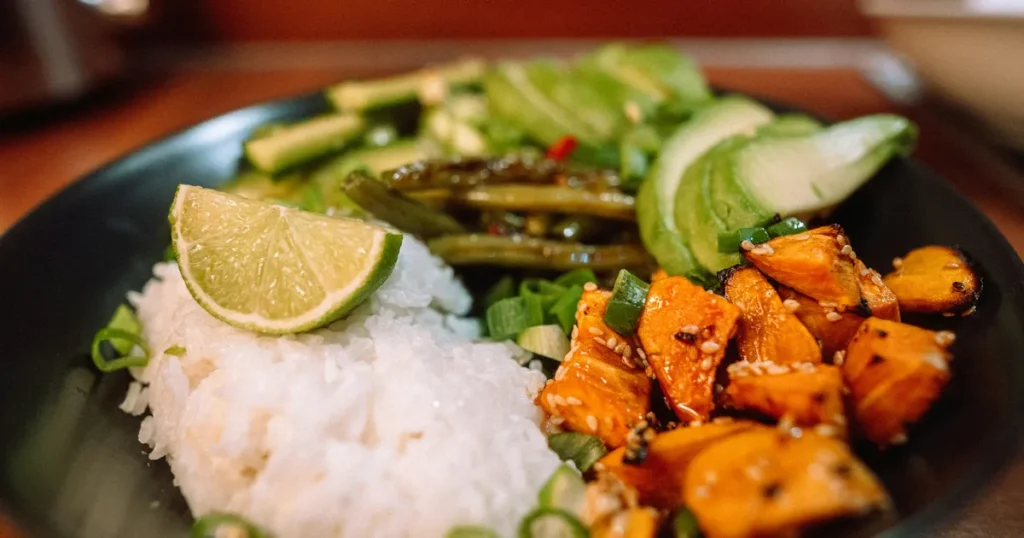
For years, the idea of building significant muscle mass was almost exclusively tied to animal protein. I remember countless conversations where well-meaning gym-goers would scoff at the thought of a plant-based athlete making serious gains. Yet, here we are in 2026, with a wealth of science and real-world examples proving that high protein vegetarian meals for muscle gain at home are not just possible, but incredibly effective. It’s about understanding the synergy of plant foods, smart planning, and a genuine passion for nutrition. Forget the myths; let’s dive into how you can sculpt your physique and fuel your strength entirely from your kitchen, no animal products required.
Understanding Plant-Based Protein for Muscle
The foundation of any muscle-building diet, vegetarian or otherwise, hinges on adequate protein intake. For plant-based athletes, this means focusing on a diverse array of sources to ensure a complete amino acid profile. Think beyond just beans; lentils, chickpeas, tofu, tempeh, edamame, quinoa, nuts, seeds, and even certain vegetables like spinach and broccoli contribute significantly. It’s not about finding one magical plant food, but rather combining different sources throughout the day to ensure you’re getting all nine essential amino acids necessary for muscle protein synthesis. This strategic approach is key to optimizing your gains.
Many worry about the “bioavailability” of plant proteins, but this concern is often overstated. While some plant proteins might be less efficiently absorbed than animal proteins, simply consuming a slightly higher overall quantity and varying your sources easily overcomes this. Furthermore, plant-based diets are rich in fiber, vitamins, and minerals, which support overall health, recovery, and energy levels – all critical components of muscle growth. The vibrant nutrients in these foods also help reduce inflammation, setting the stage for more effective training and quicker recovery, allowing you to hit the gym harder, sooner.
Strategic Meal Planning for Growth
Building muscle at home on a vegetarian diet requires intentional meal planning, not just throwing ingredients together. Your body needs a consistent supply of protein throughout the day, ideally every 3-4 hours, to maintain a positive nitrogen balance and support muscle repair and growth. This means thinking about protein in every meal, and even in snacks. Don’t shy away from healthy fats and complex carbohydrates either; they provide the energy needed for intense workouts and replenish glycogen stores, which are crucial for performance and recovery. A slight calorie surplus is also non-negotiable for muscle gain.
Consider timing your protein intake around your workouts. A protein-rich meal or snack 1-2 hours before training can prime your muscles for action, while a post-workout meal within an hour helps kickstart the recovery and rebuilding process. This doesn’t require expensive supplements; a simple lentil soup, a tofu scramble, or a quinoa salad can be just as effective. Consistency is paramount; sporadic high-protein days won’t yield the same results as a disciplined, daily approach. Remember, muscle growth is a marathon, not a sprint, and your nutrition needs to reflect that steady effort.
Essential Ingredients for Your Vegetarian Pantry
Transforming your kitchen into a muscle-building powerhouse starts with stocking the right staples. Dried lentils, chickpeas, and black beans are incredibly versatile and economical protein sources. Tofu and tempeh offer different textures and are fantastic for absorbing flavors, making them adaptable to countless recipes. Nutritional yeast provides a cheesy flavor and a boost of B vitamins. Keep a variety of nuts and seeds on hand – almonds, walnuts, chia seeds, hemp seeds – for healthy fats, protein, and fiber. And don’t forget whole grains like quinoa, oats, and brown rice, which are excellent complex carbohydrate bases for your meals.
Beyond the core protein sources, focus on fresh, colorful produce. Spinach, kale, broccoli, and other cruciferous vegetables are packed with micronutrients that support overall health and recovery. Sweet potatoes are a phenomenal source of complex carbs. Having a well-stocked pantry allows for spontaneous meal creation and ensures you’re never far from a nutrient-dense option. Building muscle isn’t just about protein; it’s about a holistic intake of everything your body needs to thrive and grow. For more detailed nutritional breakdowns of these foods, the USDA MyPlate guidelines offer excellent resources.
Unlocking the Power of Legumes
Legumes are truly the unsung heroes of high-protein vegetarian meals for muscle gain at home. They are not only packed with protein and fiber but also offer a complex carbohydrate profile that provides sustained energy. From black beans in a spicy chili to chickpeas roasted for a crunchy snack, or lentils simmered into a hearty dahl, their versatility is unmatched. They are incredibly affordable, making them accessible to everyone, and their long shelf life means you can always have a protein source on hand. Don’t underestimate the humble bean; it’s a cornerstone of plant-based muscle. The Harvard Health Publishing often highlights the benefits of incorporating more legumes into your diet for overall health and muscle support.
Crafting Delicious High-Protein Recipes
The beauty of vegetarian muscle gain at home is the sheer culinary creativity it allows. You don’t have to eat bland, repetitive meals. Imagine a hearty lentil and vegetable shepherd’s pie topped with a creamy sweet potato mash, or a vibrant Buddha bowl featuring quinoa, roasted chickpeas, steamed edamame, and a tahini dressing. Tofu scrambles with spinach and nutritional yeast make for a protein-packed breakfast, while tempeh “bacon” can elevate a plant-based burger. Experiment with different spices and cooking methods to keep things exciting and ensure you look forward to every meal, fueling your body with joy.
Don’t be afraid to get creative and combine different protein sources in one meal. A chili with kidney beans, black beans, and lentils, served with a side of quinoa, is a protein powerhouse. A smoothie made with soy milk, protein powder (if you choose to supplement), spinach, and chia seeds is a quick and effective way to boost your intake. The goal is to make your high-protein vegetarian meals for muscle gain at home both nutritionally robust and incredibly enjoyable, ensuring long-term adherence to your dietary goals. Culinary exploration is a fantastic part of this journey, especially as we head into 2026 with new ingredient innovations.
Beyond the Plate: Lifestyle Factors
While nutrition is paramount, muscle gain isn’t solely about what you eat. Your overall lifestyle plays an equally critical role. Adequate sleep, for instance, is non-negotiable. During deep sleep, your body releases growth hormone, essential for muscle repair and synthesis. Aim for 7-9 hours of quality sleep each night to optimize your recovery and ensure you’re ready for your next workout. Stress management is another often-overlooked factor; chronic stress can elevate cortisol levels, which can hinder muscle growth and fat loss. Incorporate mindfulness, meditation, or hobbies that help you unwind.
Finally, consistency in your strength training program is just as important as consistency in your diet. Progressive overload – gradually increasing the weight, reps, or sets over time – signals to your muscles that they need to adapt and grow stronger. You can achieve this effectively at home with resistance bands, dumbbells, or even just your body weight. Remember, your body builds muscle in response to challenge, and then it needs the right fuel and rest to complete the process. Think of your diet, training, and rest as three pillars supporting your muscle-building journey in 2026 and beyond.
Key Takeaways
- Embrace Diverse Plant Proteins: Combine legumes, grains, nuts, and seeds across your meals to ensure a complete amino acid profile for optimal muscle protein synthesis.
- Strategic Meal Timing is Crucial: Distribute protein intake evenly throughout the day, aiming for a protein-rich meal or snack every 3-4 hours, especially around your home workouts.
- Stock Your Pantry Wisely: Prioritize affordable staples like lentils, chickpeas, tofu, tempeh, quinoa, and a variety of fresh vegetables to make consistent high-protein cooking accessible.
- Prioritize Rest and Recovery: Adequate sleep (7-9 hours) and effective stress management are just as vital as nutrition and training for muscle repair, hormonal balance, and overall strength gains.
Frequently Asked Questions
Is it really possible to build significant muscle without meat?
Absolutely! The notion that meat is essential for muscle gain is outdated. With careful planning, diverse plant protein sources, and consistent training, you can build impressive muscle mass. Many elite athletes globally thrive on plant-based diets, demonstrating its efficacy.
Do I need to take protein supplements as a vegetarian to gain muscle?
While not strictly necessary, protein supplements can be a convenient way to boost your daily protein intake, especially if you struggle to meet your goals through whole foods alone. Plant-based protein powders (soy, pea, rice, hemp) are excellent options, but prioritize whole foods first.
How much protein do I actually need each day for muscle growth?
For muscle gain, a general guideline for vegetarians is to aim for 1.6-2.2 grams of protein per kilogram of body weight. This range ensures you have enough amino acids to support muscle repair and growth, especially when training intensely.
What are some quick, high-protein vegetarian snack ideas for home?
Great options include a handful of almonds or walnuts, edamame pods, a small bowl of hummus with vegetable sticks, a protein shake made with plant milk, or a serving of Greek yogurt (if lacto-vegetarian) or a high-protein plant-based yogurt alternative.
Conclusion
Building muscle at home on a vegetarian diet is not just a trend for 2026; it’s a sustainable, powerful path to strength and health. By embracing the diversity of plant proteins, planning your meals strategically, and paying attention to crucial lifestyle factors like sleep and recovery, you can absolutely achieve your physique goals. It requires dedication and an open mind, but the rewards—a strong, healthy body fueled by vibrant plant foods—are well worth the effort. Dive in, experiment, and enjoy the journey of discovering what your body can achieve.