

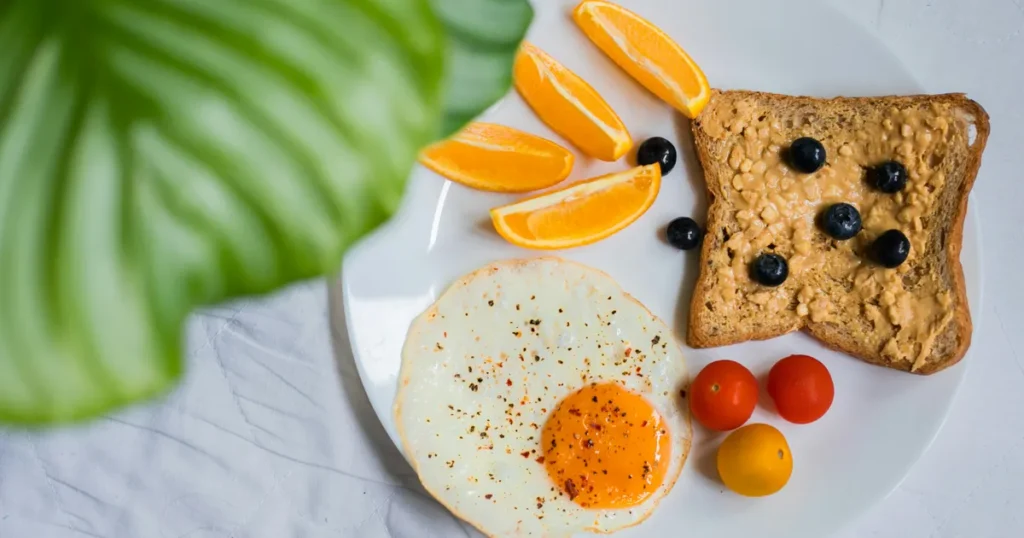
For years, I believed the myth that skipping breakfast was a shortcut to weight loss. I’d grab a coffee and power through, only to find myself ravenous by midday, making poor food choices that derailed my efforts entirely. It was a frustrating cycle until I truly understood the profound impact of starting the day with healthy breakfast recipes for weight loss. This isn’t just about fuel; it’s about setting a metabolic tone, stabilizing blood sugar, and ensuring sustained energy that prevents those dreaded mid-morning energy crashes. A well-constructed breakfast can be your most powerful ally in achieving and maintaining a healthy weight, transforming your entire day and approach to eating.
The Power of Protein and Fiber
When it comes to kickstarting your metabolism and feeling full, protein and fiber are an unbeatable duo. Protein requires more energy to digest, leading to a higher thermic effect of food and helping to preserve muscle mass, which is crucial for a healthy metabolism. Fiber, on the other hand, adds bulk to your meals without adding many calories, promoting satiety and aiding digestion. Think about a Greek yogurt bowl with berries and chia seeds; the yogurt delivers a substantial protein punch, while the berries and chia seeds flood your system with gut-friendly fiber, keeping you satisfied for hours.
Incorporating these macronutrients into your morning routine isn’t just about immediate satiety; it’s about long-term success. Studies consistently show that individuals who consume a protein-rich breakfast tend to eat less throughout the day. For instance, a hearty serving of scrambled eggs with spinach and whole-grain toast provides an excellent balance. The eggs are a complete protein source, and the spinach adds essential vitamins and fiber, ensuring you feel energized and focused, ready to tackle whatever 2026 throws your way without succumbing to unhealthy snack cravings.
Smart Carbohydrates for Sustained Energy
Carbohydrates often get a bad rap in weight loss circles, but the key is choosing the right kind. Opt for complex carbohydrates that are rich in fiber, providing a slow and steady release of glucose into your bloodstream. This prevents sharp blood sugar spikes and subsequent crashes that leave you feeling drained and craving sugary fixes. Think steel-cut oats, quinoa, or sprouted whole-grain bread instead of sugary cereals or white toast. These smart carbs provide the necessary fuel for your brain and body without sabotaging your weight loss goals, keeping you productive and focused.
A bowl of oatmeal, for example, is far more than just comfort food; it’s a powerhouse of soluble fiber that helps lower cholesterol and promotes stable blood sugar. Pair it with a handful of nuts or a scoop of protein powder to further enhance its satiety factor and nutritional profile. This strategic combination ensures you’re not just full, but truly nourished, setting the stage for smart eating decisions throughout the day. Prioritizing complex carbohydrates is a foundational element in crafting truly effective healthy breakfast recipes for weight loss.
Beyond the Bowl: Savory Breakfast Options
While sweet breakfasts like oatmeal and smoothies are popular, don’t underestimate the power of savory options to keep things interesting and satisfying. Many find savory breakfasts more filling and less likely to trigger sugar cravings later. Consider dishes like a breakfast burrito made with whole-wheat tortillas, black beans, eggs, and salsa, or a vibrant avocado toast topped with a poached egg and a sprinkle of chili flakes. These meals offer a fantastic blend of protein, healthy fats, and fiber, ensuring a balanced start to your day.
Another excellent savory choice involves incorporating vegetables. A frittata or an egg muffin packed with bell peppers, onions, mushrooms, and lean turkey sausage can be a game-changer. These options are not only delicious but also incredibly versatile and nutrient-dense. They provide a satisfying alternative to the typical sweet fare, helping to diversify your palate and prevent breakfast boredom. Plus, they often lend themselves well to meal prepping, making healthy eating effortless even on the busiest mornings in 2026.
Meal Prep for Morning Success
One of the biggest hurdles to consistently eating a healthy breakfast is time, especially on hectic weekdays. This is where meal prepping becomes your secret weapon. Dedicating a short amount of time on a Sunday afternoon to prepare breakfasts for the week can drastically improve your adherence to a healthy eating plan. Imagine waking up knowing a nutritious, delicious meal is just minutes away – no thinking, no fuss, just pure convenience. This proactive approach eliminates decision fatigue and the temptation to grab something unhealthy.
Meal prepping could involve pre-chopping vegetables for omelets, portioning out ingredients for smoothies, or baking a batch of egg muffins. Having these components ready to go ensures that even on the most chaotic mornings, you have no excuse not to fuel your body properly. It transforms the often-stressful morning rush into a smooth, healthy start, making your weight loss journey feel less like a chore and more like a sustainable lifestyle change. Consistency is key, and meal prep delivers consistency effortlessly. For more insights on efficient meal prepping, you might find resources from the USDA’s MyPlate initiative incredibly helpful.
Overnight Oats: Your Morning MVP
Among the pantheon of meal-preppable breakfasts, overnight oats stand out as a true MVP for weight loss. They require virtually no morning effort, are endlessly customizable, and pack a powerful nutritional punch. Simply combine rolled oats, milk (dairy or non-dairy), chia seeds, and your choice of flavorings like cinnamon or vanilla extract in a jar the night before. By morning, the oats will have softened, absorbing the liquid to create a creamy, satisfying meal. This simple preparation saves precious minutes and ensures a wholesome start.
The beauty of overnight oats lies in their versatility and nutritional benefits. The oats provide complex carbohydrates and soluble fiber, while chia seeds add omega-3 fatty acids and additional fiber, promoting satiety and gut health. You can boost protein by adding Greek yogurt or a scoop of protein powder. Top with fresh fruit or a sprinkle of nuts for healthy fats and extra texture. This effortless breakfast ensures you’re nourished and full, making it easier to stick to your weight loss goals without feeling deprived.
Mindful Eating: The Missing Ingredient
Beyond the specific recipes, cultivating a practice of mindful eating is perhaps the most overlooked, yet critical, component of successful weight loss. It’s not just about what you eat, but how you eat it. Taking the time to savor your breakfast, paying attention to the textures, flavors, and smells, helps you register fullness signals more effectively. Eating mindfully prevents overeating and fosters a healthier relationship with food, moving away from rushed, distracted consumption that often leads to mindless snacking later.
Sit down, put away distractions like your phone or computer, and truly focus on your meal. Chew slowly, notice how your body feels, and stop when you feel satisfied, not stuffed. This practice extends beyond breakfast, influencing all your eating habits throughout the day. By bringing awareness to your morning meal, you lay a foundation for more intentional food choices and a greater appreciation for nourishment, making your weight loss journey more sustainable and enjoyable. The Mayo Clinic offers excellent guidance on mindful eating that can transform your approach.
Key Takeaways
- Prioritize Protein and Fiber: Start your day with a substantial serving of protein (e.g., eggs, Greek yogurt) and fiber-rich foods (e.g., berries, whole grains). This combination significantly boosts satiety, stabilizes blood sugar, and supports muscle maintenance, which is vital for a healthy metabolism.
- Choose Smart Complex Carbs: Ditch refined sugars and opt for complex carbohydrates like oats, quinoa, or whole-grain bread. These provide sustained energy without the blood sugar spikes and crashes, keeping you energized and preventing cravings for unhealthy snacks later in the day.
- Embrace Savory Options and Variety: Don’t limit yourself to sweet breakfasts. Savory choices like egg muffins, breakfast burritos, or avocado toast can be incredibly satisfying and help prevent flavor fatigue. Regularly rotating your breakfast choices keeps things interesting and ensures a broader spectrum of nutrients.
- Leverage Meal Prep and Mindful Eating: Preparing breakfasts in advance (e.g., overnight oats, pre-chopped veggies) eliminates morning stress and ensures consistent healthy choices. Complement this with mindful eating – savoring your food, paying attention to hunger cues, and eating without distractions – to enhance satisfaction and prevent overeating.
Frequently Asked Questions
Is skipping breakfast a good strategy for weight loss?
No, skipping breakfast is generally not recommended for sustainable weight loss. While it might seem like an easy way to cut calories, it often leads to increased hunger later in the day, potentially resulting in overeating or making less healthy food choices at subsequent meals. A balanced breakfast helps kickstart your metabolism, stabilize blood sugar, and provides sustained energy, making it easier to manage your appetite throughout the day.
What are some quick, healthy breakfast options for busy mornings?
For busy mornings, excellent quick options include overnight oats (prepped the night before), Greek yogurt with berries and a sprinkle of nuts, a hard-boiled egg with a piece of fruit, or a smoothie made with protein powder, spinach, and fruit. These options are nutrient-dense, require minimal preparation time, and can be easily taken on the go, ensuring you still get a healthy start.
How much protein should I aim for in my breakfast for weight loss?
For weight loss, aiming for 20-30 grams of protein in your breakfast is a great target. This amount has been shown to maximize satiety, reduce cravings, and support muscle preservation. Examples include 3-4 eggs, a cup of Greek yogurt, a scoop of protein powder in a smoothie, or a combination of protein sources like cottage cheese with whole-grain toast.
Can fruit be part of a healthy breakfast for weight loss?
Absolutely! Fruit is a fantastic source of vitamins, minerals, antioxidants, and fiber. While it contains natural sugars, the fiber in whole fruit helps to slow down sugar absorption, preventing rapid spikes. Pair fruit with a protein source (like yogurt or nuts) and a healthy fat to create a balanced meal that keeps you full and energized. Berries, apples, and bananas are particularly good choices.
Conclusion
Embracing healthy breakfast recipes for weight loss is far more than just a diet strategy; it’s a foundational pillar for a healthier lifestyle. By prioritizing protein, fiber, and smart carbohydrates, and by adopting mindful eating practices, you can transform your mornings and set a positive tone for your entire day. Remember, consistency and thoughtful choices are your most powerful tools. Make 2026 the year you truly invest in your morning meal, unlocking sustained energy, better mood, and tangible progress towards your weight management goals. Your body will thank you for it.