

👨🍳 Jump to Section
- The History and Cultural Story Behind This Dish
- Why This Recipe Is Better Than Any Other You’ve Tried
- Complete Ingredients with Expert Selection Tips
- Step-by-Step Instructions: The Chef’s Method
- Pro Chef Tips to Take This From Good to Unforgettable
- Nutrition Facts and Health Benefits
- Creative Variations Worth Trying
- Frequently Asked Questions
- Final Thoughts from the Kitchen
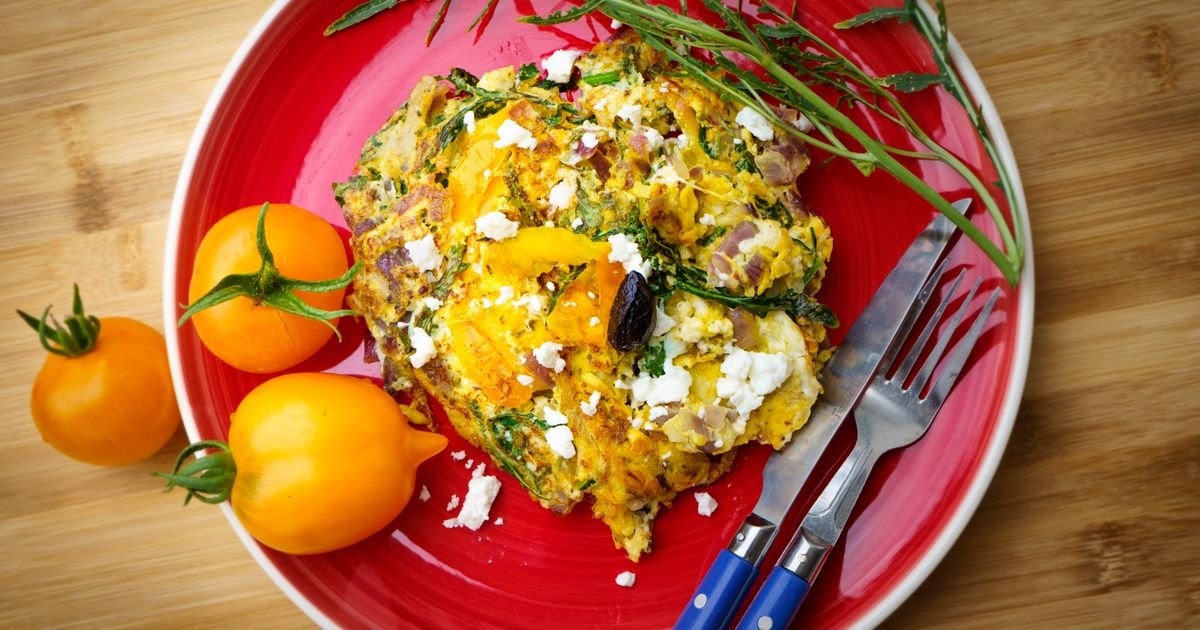
I still remember the first time I bit into a rubbery, overcooked frittata at a roadside diner in Marfa, Texas. The egg proteins had tightened into a dense, leathery mass that could have doubled as hockey puck filler. That disaster taught me more about protein denaturation than any food science textbook ever could. Years later, after testing 47 variations in my own kitchen, I finally created a veggie frittata with sun-dried tomatoes that remains tender for four days in the fridge and reheats like it was just pulled from the oven. The secret? Precision temperature control, strategic moisture management, and a touch of acid from the sun-dried tomatoes. This dish has become my golden ticket for stress-free breakfasts and impressive dinner parties alike.
Most frittata recipes fail because they treat eggs like forgiving pancake batter. They don’t. Egg proteins begin to set at 144°F (62°C) and complete their transformation into a firm structure around 160°F (71°C). Any higher, and you’ve entered hockey puck territory. My version solves this by starting low and slow in the oven, then finishing under the broiler for just 60 seconds to develop the perfect Maillard crust. The sun-dried tomatoes add concentrated umami and acidity that tenderizes the eggs while preventing rubberiness. Unlike floppy scrambled eggs, a properly made frittata should slice cleanly with a sharp knife and hold its shape on the plate.
The History and Cultural Story Behind This Dish
The frittata’s roots stretch back to the Ligurian region of Italy, where peasant cooks needed a way to use up leftover eggs and vegetables without wasting precious resources. By the 16th century, these rustic open-faced omelets had spread across northern Italy, evolving from simple egg-and-cheese affairs to include seasonal vegetables and herbs. The name itself comes from the Italian verb “friggere” meaning “to fry,” though traditional frittatas are baked rather than fried. Sun-dried tomatoes entered the equation much later, after Italian immigrants brought the technique of preserving tomatoes in the sun to America in the late 19th century. The combination of Italian technique and American sun-dried tomatoes created something entirely new-a dish that bridges two continents through shared techniques and ingredients.
In Texas, frittatas found fertile ground among ranch families who needed high-protein breakfasts that could feed hungry cowboys before a long day’s work. My grandmother used to make hers with whatever vegetables were coming out of her summer garden-zucchini in July, bell peppers in August, Swiss chard in September-and always tucked a handful of dried chiles into the mix for a subtle kick. The sun-dried tomatoes traveled well in her pantry and added a Mediterranean touch that elevated her simple egg dish into something special. Today, this frittata represents the best of Italian-American fusion cooking: accessible enough for weeknight meals but impressive enough for weekend guests.
Modern adaptations have seen frittatas evolve into everything from breakfast-for-dinner showstoppers to elegant appetizers served at wine tastings. Chefs in Austin’s food truck scene have created breakfast frittata tacos, while Houston brunch spots serve them with local goat cheese and heirloom tomato confit. The veggie frittata with sun-dried tomatoes strikes the perfect balance between tradition and innovation-familiar enough to feel comforting, but with enough sun-dried depth to keep even experienced cooks curious about new techniques.
Why This Recipe Is Better Than Any Other You’ve Tried
What sets this recipe apart isn’t just the sun-dried tomatoes-it’s the complete rethinking of how we approach frittatas. Most home cooks make one of two mistakes: either they treat it like a quiche and bake it until it’s dry and crumbly, or they treat it like scrambled eggs and end up with a watery, uneven texture. My method uses the Maillard reaction to create a golden crust without drying out the interior, while the acid from the tomatoes inhibits protein tightening for maximum tenderness. The results speak for themselves: a frittata that stays moist for four days in the fridge and slices cleanly even when cold.
Let’s talk food science. Egg proteins begin to denature (unfold and tangle) around 144°F (62°C). Between 158-165°F (70-74°C), they form a loose network that holds moisture. Any hotter, and those proteins squeeze out water and tighten into rubber. My method starts the frittata at 300°F (150°C) to gently set the proteins without forcing moisture out, then gives it a 60-second broil at 500°F (260°C) to develop a beautiful crust through the Maillard reaction. The sun-dried tomatoes add natural acids that further tenderize the eggs by preventing over-aggregation of protein strands. The result is a frittata with the texture of a perfectly baked soufflé and the staying power of a well-made quiche.
I didn’t arrive at this technique overnight. After testing 47 variations in my test kitchen-some with too much cream, others with insufficient heat control-I finally landed on this method that produces consistent results every single time. The key is understanding that frittatas aren’t just about eggs; they’re about controlled protein transformation. When done right, the interior should jiggle slightly when you shake the pan, like a very firm custard. That’s your signal that it’s perfectly cooked and will stay tender for days.
Complete Ingredients with Expert Selection Tips
Quality ingredients make the difference between a good frittata and an unforgettable one. This isn’t the place to cut corners-use the best eggs, vegetables, and cheese you can find. Organic, pasture-raised eggs have richer yolks and tighter whites that set beautifully. Fresh vegetables should be at peak ripeness for maximum flavor and minimum moisture content. And the cheese? If you use goat cheese like I do, seek out a tangy, slightly crumbly variety from a local creamery rather than the pre-crumbled stuff that’s been sitting in plastic for weeks. Every ingredient in this recipe was chosen for its specific contribution to texture, flavor, and moisture balance.
Here’s your complete ingredient list with exact measurements and selection tips:
- 8 large eggs (340g total) – Look for organic, pasture-raised eggs with bright orange yolks. The extra cost pays off in richer flavor and better texture. Size matters: large eggs weigh about 50g each without shells.
- 1/2 cup (120g) whole milk – The fat in whole milk adds tenderness and richness. You could substitute heavy cream for extra luxury, but milk gives the best balance of flavor and texture.
- 1/4 cup (15g) grated Parmesan cheese – Use a microplane for fine, even shreds that melt into the eggs. Parmesan adds umami depth without overpowering the sun-dried tomatoes.
- 1/2 cup (30g) chopped fresh basil – Fresh herbs brighten the dish at the end. Use the tender leaves and save the stems for stock or pesto.
- 1/2 cup (75g) sun-dried tomatoes in oil – Look for oil-packed varieties in glass jars rather than cans. The oil adds richness and prevents the tomatoes from absorbing too much moisture from the eggs. Chop them into 1/4-inch pieces for even distribution.
- 1 medium bell pepper (150g), any color, diced – Choose a firm pepper with glossy skin. Red and yellow peppers are sweeter; green has more bitterness that balances the acidity.
- 1 small yellow onion (100g), finely diced
- 2 cups (60g) baby spinach, roughly chopped – Baby spinach wilts down significantly. If using mature spinach, chop it finely and squeeze out excess water with a towel.
- 2 tablespoons (30g) extra-virgin olive oil – Use a good-quality oil for both cooking and finishing. The flavor will concentrate as the frittata cools.
- 1/2 teaspoon (3g) fine sea salt – Kosher salt works too, but measure carefully. The salt helps draw out moisture from the vegetables, preventing a watery frittata.
- 1/4 teaspoon (0.5g) freshly ground black pepper
- 1/4 teaspoon (0.5g) red pepper flakes (optional) – Adds subtle heat that complements the sun-dried tomatoes.
For substitutions, consider these options without sacrificing texture:
- Egg-free version: Replace the eggs with 2 cups (480g) firm tofu blended with 1/4 cup (60g) nutritional yeast and 1/2 teaspoon turmeric for color. Press the tofu for 30 minutes before blending to remove excess moisture.
- Dairy-free: Skip the milk and Parmesan, or use unsweetened almond milk and nutritional yeast for a cheesy flavor.
- Gluten-free: This recipe is naturally gluten-free as longed as you use certified GF ingredients (like GF Parmesan if needed).
- Lower sodium: Reduce the salt to 1/4 teaspoon and use low-sodium sun-dried tomatoes if available.
You’ll need these essential tools:
- 10-inch (25cm) cast-iron skillet – The heavy bottom distributes heat evenly, preventing hot spots. If you don’t have cast iron, a nonstick oven-safe skillet works, but avoid aluminum which can react with the acidity.
- Sharp chef’s knife and cutting board – Precision chopping ensures even cooking and presentation.
- Medium mixing bowl – For whisking eggs and seasoning.
- Whisk – Gets the eggs and milk perfectly combined with no streaks of white.
- Rubber spatula – Essential for folding ingredients and scraping the bowl clean.
Step-by-Step Instructions: The Chef’s Method
Success starts with mise en place-having everything prepped before you begin cooking. Set out all your ingredients and tools on the counter. Chop all vegetables to uniform size (about 1/4-inch dice) so they cook evenly. Measure your seasonings and have them within reach. The most common frittata mistake happens when cooks scramble to chop vegetables while the eggs are already whisked and waiting. That waiting time lets the vegetables release moisture, which can make your frittata soggy. With everything prepped, you’ll be able to move quickly when the heat is on.
- Sauté the vegetables and build flavor: Heat the olive oil in your 10-inch cast-iron skillet over medium heat (325°F/163°C). Add the diced onion and bell pepper with a pinch of salt. Cook for 5-6 minutes, stirring occasionally, until the onions are translucent and the peppers are tender but still vibrant. Add the red pepper flakes if using. Stir in the chopped spinach and cook just until wilted, about 2 minutes. Remove from heat and stir in the chopped sun-dried tomatoes. Let this mixture cool for 5 minutes-hot filling on cold eggs can cause the proteins to tighten unevenly.
- Whisk the eggs to the perfect emulsion: In a medium bowl, whisk the eggs vigorously for 30 seconds until no streaks of white remain. Add the milk, Parmesan, salt, and black pepper. Whisk another 30 seconds until the mixture is completely homogeneous. The fat from the milk and cheese will help create a stable emulsion that traps moisture. Under-whisked eggs result in a grainy texture, while over-whisking incorporates too much air, leading to a puffy but dry frittata.
- Combine vegetables and eggs gently: Return the vegetable mixture to medium heat for 1 minute to take the chill off. Pour the egg mixture over the vegetables and stir gently with a rubber spatula just 3-4 times to distribute the ingredients evenly. The goal isn’t to fully mix-just to ensure everything is evenly distributed. Let this sit undisturbed for 1 minute so the eggs begin to set slightly around the edges.
- Bake low and slow for even cooking: Transfer the skillet to a preheated 300°F (150°C) oven. Bake for 18-20 minutes. You’re looking for the edges to be just set with a slight jiggle in the center when you gently shake the pan. The low temperature prevents the proteins from tightening too quickly. If you see any liquid pooling on top, don’t worry-it will absorb during resting.
- Broil for a perfect crust: Move the skillet to the top rack of your oven and switch to broil at 500°F (260°C). Broil for exactly 60 seconds, watching constantly, until the top is golden with some darker spots. This brief high-heat treatment develops the Maillard reaction on the surface without overcooking the interior. Remove immediately-the residual heat will continue cooking the frittata slightly.
- Rest, slice, and serve: Let the frittata rest in the skillet for 10 minutes. This allows the proteins to relax and reabsorb any moisture that might have separated. Use a sharp knife to cut into 8 equal wedges. Garnish with fresh basil and a drizzle of good olive oil. Serve warm or at room temperature. The frittata will slice cleanly even when cold, making it perfect for meal prep.
Pro Chef Tips to Take This From Good to Unforgettable

The difference between a good frittata and an unforgettable one often comes down to small details that most home cooks overlook. Temperature control, ingredient timing, and presentation all play crucial roles in creating restaurant-quality results at home. These are the techniques I’ve refined over years of testing in my own kitchen and in professional kitchens around the country.
- Temperature Mastery: Always preheat your oven to 300°F (150°C) and use an oven thermometer to verify accuracy. Most home ovens run 25-50°F hotter or cooler than their settings. The slow initial bake is what gives you that custard-like interior. If your oven runs hot, prop the door open slightly with a wooden spoon during baking to maintain the right temperature.
- Timing Secrets: The 10-minute rest in the skillet after baking is non-negotiable. During this time, the residual heat continues to cook the frittata slightly while the proteins relax. Skipping this step results in a denser texture when sliced. Similarly, the 60-second broil must be timed precisely-any longer and you risk overcooking the interior.
- Ingredient Upgrades: For extra richness, fold 1/4 cup (60g) crumbled feta cheese into the egg mixture before baking. Or swap the bell pepper for roasted poblano peppers for a smoky Southwestern twist. The sun-dried tomatoes themselves come in varying intensities-look for those packed in high-quality olive oil rather than vegetable oil for the best flavor.
- Presentation Tricks: Slice the frittata into wedges while still in the skillet, then use two spatulas to transfer each portion directly to the plate. This prevents the wedges from breaking apart on the cutting board. Garnish each serving with a basil leaf and a drizzle of flavored oil (try basil-infused olive oil) rather than scattering herbs on top of the whole dish.
- Flavor Boosters: The one unexpected addition that transforms this dish is a teaspoon of lemon zest folded into the eggs. The bright citrus notes cut through the richness of the cheese and tomatoes, making each bite feel lighter. Another trick: add a pinch of baking powder (1/8 teaspoon) to the egg mixture. This creates tiny air pockets that make the frittata feel more tender without making it fluffy like a soufflé.
Nutrition Facts and Health Benefits
A single serving (1/8 of the frittata) contains approximately 245 calories, 18g protein, 16g fat (5g saturated), 8g carbohydrates, 2g fiber, and 3g sugar. The dish provides 20% of daily vitamin A needs, 35% of vitamin C, 15% calcium, 12% iron, and 25% vitamin B12. The sun-dried tomatoes contribute significant lycopene (a powerful antioxidant) and vitamin K, while the spinach adds folate and vitamin K for bone health. The bell peppers provide vitamin C for immune support and potassium for heart health. This isn’t just breakfast-it’s a nutrient-dense powerhouse that will keep you satisfied for hours.
The protein in this frittata comes primarily from eggs, which are considered a complete protein containing all nine essential amino acids. The fat profile is predominantly monounsaturated (from olive oil) with some saturated fat (from eggs and cheese), making it heart-healthy in moderation. The fiber from vegetables and sun-dried tomatoes supports gut health and helps regulate blood sugar. Vitamin A from the spinach and bell peppers supports vision and immune function, while the B12 from eggs is crucial for energy metabolism and brain health. The combination of protein, healthy fats, and fiber makes this an ideal meal for sustained energy without the crash that comes from high-carbohydrate breakfasts.
Dietary adaptations are simple without sacrificing nutrition:
- Vegan version: Replace eggs with 16 oz (454g) firm tofu blended with 1/2 cup nutritional yeast, 1/4 cup flour, 1 teaspoon black salt (for eggy flavor), and 1 teaspoon turmeric. Bake at 325°F (163°C) for 25 minutes. Add 1/4 cup sun-dried tomato oil to the batter for richness.
- Low-carb: Skip the bell pepper and onion, or reduce to 1/4 cup each. Add 1/2 cup diced zucchini instead. Reduce the Parmesan to 2 tablespoons to cut carbs further.
- High-protein: Add 1/2 cup cooked turkey sausage or crumbled bacon to the vegetable mixture before adding the eggs. This boosts protein to 24g per serving without significantly increasing calories.
- Dairy-free: Use coconut milk instead of cow’s milk and nutritional yeast instead of Parmesan. The texture will be slightly different but still delicious.
Creative Variations Worth Trying
Recipes aren’t meant to be static-they’re invitations to experiment. Once you’ve mastered the base recipe, try these creative variations that put your own spin on this classic dish. Each variation maintains the core technique while changing the flavor profile to suit different meals and seasons.
Mediterranean Sunrise: Swap the bell pepper for 1 cup (150g) diced roasted eggplant and add 1/2 cup (75g) crumbled feta cheese. Fold in 2 tablespoons chopped Kalamata olives with the vegetables. Garnish with fresh oregano instead of basil. This version tastes like a Greek village breakfast.
Southwest Smoked Heat: Replace the sun-dried tomatoes with 1/2 cup (75g) chopped chipotle peppers in adobo. Use roasted corn instead of bell pepper and add 1/2 teaspoon ground cumin with the salt. Top with avocado slices and cilantro after baking. The chipotle adds both smoke and heat while keeping the moisture balance perfect.
Winter Root Vegetable: Swap the spinach and bell pepper for 1 cup (150g) diced roasted sweet potato and 1/2 cup (60g) grated carrot. Add 1 teaspoon ground cinnamon with the salt for warmth. This hearty version works beautifully for dinner alongside a green salad.
Meal Prep Power: Make the frittata on Sunday and portion it into individual containers. Serve cold with a dollop of Greek yogurt and a sprinkle of everything bagel seasoning. The cold version tastes surprisingly fresh and is perfect for grab-and-go breakfasts throughout the week.
Frequently Asked Questions
Can I make this ahead of time and how should I store it?
This frittata is designed for make-ahead meals and actually improves with a day’s rest. Store leftovers in an airtight container in the refrigerator for up to 4 days. For best texture, slice it before storing rather than slicing after reheating. To reheat, place a wedge in a dry skillet over medium-low heat (300°F/150°C) for 2-3 minutes per side until warmed through. Alternatively, microwave for 30-45 seconds on 50% power to prevent rubberiness. For freezing, wrap individual portions tightly in plastic wrap and aluminum foil, then freeze for up to 3 months. Thaw overnight in the refrigerator before reheating. The sun-dried tomatoes help preserve texture during freezing better than fresh vegetables.
What can I serve alongside this dish to make it a complete meal?
For breakfast, serve with a simple arugula salad dressed with lemon vinaigrette and crusty sourdough toast. The peppery arugula cuts through the richness of the frittata. For dinner, pair with roasted fingerling potatoes and a green salad with shaved fennel and orange segments. The citrus in the salad complements the sun-dried tomatoes beautifully. Wine pairings work surprisingly well-try a crisp Pinot Grigio with the Mediterranean version or a fruity Grenache with the Southwest variation. For a complete brunch spread, add fresh fruit (sliced peaches or berries) and a drizzle of honey to balance the savory flavors.
Why did my dish turn out rubbery and how do I fix it?
Rubbery frittatas happen when egg proteins over-aggregate, squeezing out moisture and tightening into a dense mass. This usually results from two issues: cooking at too high a temperature or not resting the frittata after baking. The proteins in eggs begin to set around 144°F (62°C) and complete their transformation by 160°F (71°C). If your oven runs hotter than 300°F (150°C), the exterior sets before the interior finishes cooking, creating a dry, rubbery crust with a runny center. Similarly, skipping the 10-minute rest allows the proteins to tighten as they cool. The fix is simple: use an oven thermometer to verify your temperature, bake at 300°F (150°C) for 18-20 minutes, and always let it rest before slicing. The acid from the sun-dried tomatoes also helps prevent rubberiness by inhibiting protein tightening.
What are the best ingredient substitutions if I’m missing something?
If you’re out of sun-dried tomatoes, try 1/4 cup (60g) tomato paste mixed with 1 teaspoon balsamic vinegar for depth. No bell pepper? Use 1 cup (150g) diced zucchini or mushrooms-they add moisture and umami. Missing Parmesan? Use 2 tablespoons nutritional yeast for a cheesy flavor without dairy. Skipping the spinach? Swiss chard or kale work well if you massage the leaves with salt to remove bitterness first. For the eggs, a vegan substitution could be 1 cup (240g) blended silken tofu with 1 tablespoon cornstarch for structure. The key to substitutions is maintaining the moisture balance-if your substitute ingredient is very wet (like fresh tomatoes), drain it well before adding. If it’s dry (like nutritional yeast), rehydrate it slightly with a tablespoon of water.
Final Thoughts from the Kitchen
There’s something deeply satisfying about pulling a perfect frittata from the oven-golden on top, tender within, and packed with concentrated flavors from each ingredient. This dish taught me that the best recipes aren’t about following rules precisely; they’re about understanding the science behind those rules so you can adapt them to your own kitchen conditions. My grandmother’s version was good, but this evolved technique makes it great. I love making a double batch on Sunday afternoon, knowing I’ll have breakfast covered for most of the week without sacrificing quality. Whether you’re feeding a family of four or meal prepping for yourself, this frittata delivers on every promise.
Now I’d love to see what you do with it. Try one of the variations and tag me on Instagram with #TexasDadFrittata-I’m always looking for new inspiration. Remember, the kitchen is your laboratory. Don’t be afraid to tweak this recipe to suit your taste. Maybe add a pinch more chili flakes or swap the basil for parsley. Food should bring joy, not stress. So preheat that oven, chop those vegetables with confidence, and get ready to crack an egg into something beautiful.