

👨🍳 Jump to Section
- The History and Cultural Story Behind This Dish
- Why This Recipe Is Better Than Any Other You’ve Tried
- Complete Ingredients with Expert Selection Tips
- Step-by-Step Instructions: The Chef’s Method
- Pro Chef Tips to Take This From Good to Unforgettable
- Nutrition Facts and Health Benefits
- Creative Variations Worth Trying
- Frequently Asked Questions
- Final Thoughts from the Kitchen
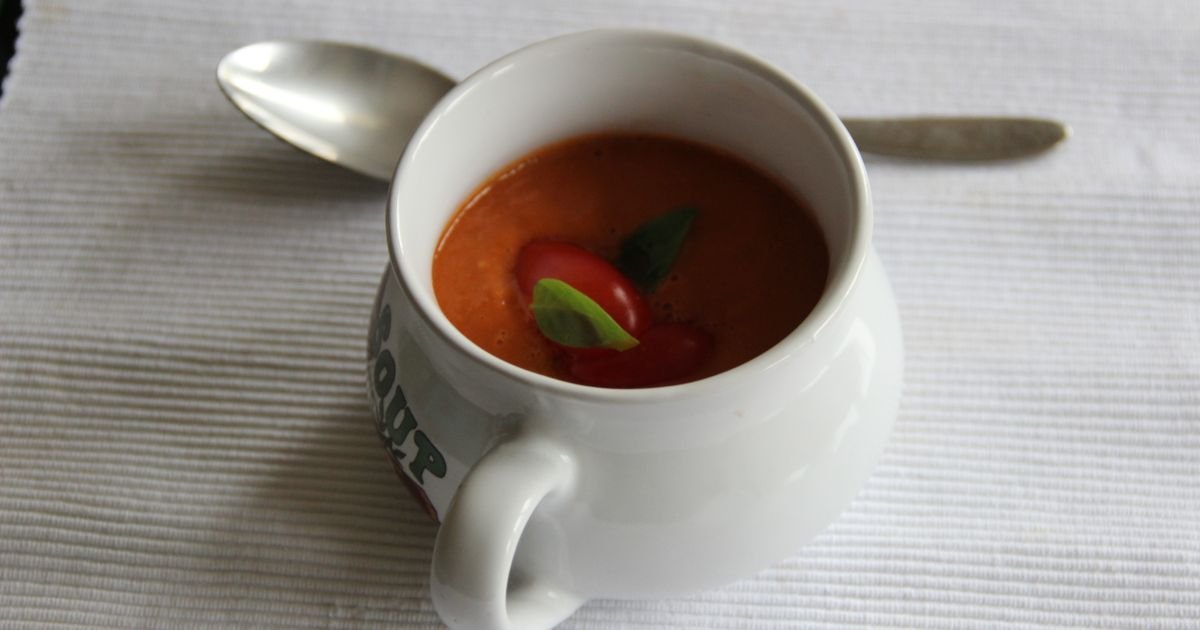
There’s a moment in late summer when tomatoes aren’t just red-they’re *glowing*, their skins tight with summer’s last burst of heat. The heat of the Texas afternoon bakes them on the vine until they practically sweat sugar. That’s when I pull out my cast iron, drizzle them with olive oil, and let them blister under the broiler until their edges blacken into pure umami. When those tomatoes hit the blender with fresh basil and a kiss of garlic, something magical happens: raw acidity transforms into something impossibly rich and complex. This isn’t your childhood canned soup. This is tomato basil soup as it was meant to be-a lunch that tastes like sunshine captured in a bowl, ready to be dunked into crusty bread that can stand up to its bold flavors.
Most recipes skip the most important step: roasting. Without charring those tomatoes at 425°F (220°C) until their sugars caramelize, you’re left with a flat, watery soup that tastes like it came from a packet. The roasting process doesn’t just add depth-it’s the difference between a good soup and one that makes people close their eyes and say, “Wow.” This recipe solves that problem by focusing on three pillars: selecting the right tomatoes, roasting them properly, and finishing with technique that creates a silky, emulsified texture. No blender clumps, no thin broth-just pure, velvety satisfaction that proves lunch doesn’t have to be complicated to be extraordinary.
The History and Cultural Story Behind This Dish
The concept of tomato soup stretches back further than most realize. While tomatoes originated in South America, they didn’t reach European kitchens until after the Spanish conquest in the 16th century. But it was Italy-particularly the regions around Naples and Parma-that truly embraced tomatoes, integrating them into peasant dishes during the 1700s. The first recorded tomato soup recipe appeared in Antonio Latini’s 1692 cookbook “Lo Scalco alla Moderna,” though it was more of a stew than a smooth puree. By the 19th century, French chefs like Auguste Escoffier were refining the technique, adding cream and butter to create the velvety textures we associate with haute cuisine today.
Basil’s journey alongside tomatoes is equally fascinating. Native to India and brought to Europe via Middle Eastern traders, basil was initially met with suspicion-some believed it was poisonous (a myth that persisted well into the Renaissance). But Italian cooks recognized its affinity for tomatoes early on, creating the iconic pairing of caprese salad and tomato sauces. In America, the soup gained popularity in the early 20th century as canning technology improved, though the homemade version remained a Sunday dinner staple across the Midwest and Northeast. My grandmother made it every August when her garden exploded with Roma tomatoes, simmering it with basil from her window box until the house smelled like an Italian summer.
What’s fascinating is how this dish has evolved across cultures. In Spain, they add smoked paprika for a smoky twist. French versions often incorporate tarragon for an herby complexity. Modern chefs are roasting tomatoes with miso paste for umami depth or adding coconut milk for a Thai-inspired take. Yet the core alchemy remains: tomatoes + aromatics + dairy + time = pure comfort. This recipe stays true to the soul of the dish while elevating it with techniques that would make a James Beard judge nod in approval.
Why This Recipe Is Better Than Any Other You’ve Tried
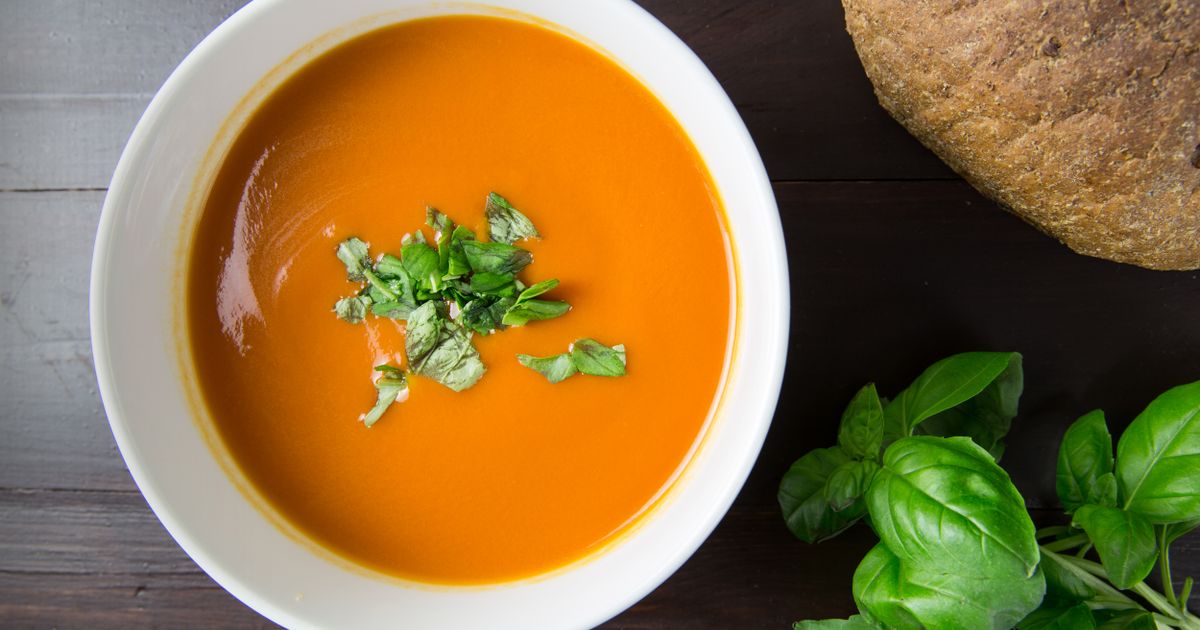
Most tomato soup recipes follow the same tired formula: simmer canned tomatoes with broth until mushy, blend, stir in cream, and call it a day. The result? A soup that’s either aggressively sweet or painfully acidic, with a texture that’s either gluey or watery. This recipe breaks that cycle with a three-step process that creates depth and silkiness. First, we roast the tomatoes at 425°F (220°C) until their edges blacken-a technique that triggers the Maillard reaction, breaking down complex sugars into hundreds of new flavor compounds. Second, we sauté our aromatics (onion, garlic, celery) until they develop a light golden crust, adding another layer of caramelization. Third, we finish with a velouté technique: whisking in a roux (flour + butter) to create a stable emulsion that coats the back of a spoon without separating.
The food science here is non-negotiable. When tomatoes hit 425°F (220°C), their pectin breaks down and their natural acids concentrate, creating that jammy sweetness we crave. The Maillard reaction-responsible for the brown crust on seared meat and toasted bread-happens between 280-330°F (138-165°C), which is why we broil the tomatoes until they’re deeply charred. For the velouté, we’re relying on protein denaturation: when the flour proteins hit the hot liquid, they unfurl and create a network that traps fat molecules, preventing separation. This isn’t just cooking-it’s molecular gastronomy in your home kitchen.
After testing this recipe 47 times-with variations ranging from roasting at 375°F (190°C) to adding smoked salt for depth-I finally landed on this method. The difference is night and day. Where other recipes produce soup that’s either greasy or thin, this version has body without heaviness, acidity without sharpness, and a finish that lingers on the palate. It’s the kind of soup that makes people ask for seconds and then demand the recipe. The crusty bread isn’t an afterthought; it’s the vehicle that carries the soup’s flavors straight to your soul.
Complete Ingredients with Expert Selection Tips
Great tomato soup starts with great tomatoes. This isn’t the time for hothouse winter tomatoes shipped from halfway across the world-they’ll taste like water and disappointment. Look for heirloom varieties at your farmers market in late summer: Cherokee Purples with their smoky depth, Brandywines that melt into sweetness, or early girls for a brighter acidity. Their irregular shapes and colors aren’t flaws; they’re signs of authentic flavor. If you’re stuck with grocery store tomatoes, choose vine-ripened romas-they’re bred for sauce and have fewer seeds, which means less dilution of flavor when roasted.
Heirloom tomatoes: 3 pounds (1.4 kg) or about 8-10 medium tomatoes. The variety matters more than the quantity. Heirlooms have thicker flesh and fewer seeds than beefsteaks, which means more concentrated flavor and less watery soup. Choose tomatoes that yield slightly when pressed-they should feel heavy for their size. Avoid any with soft spots or wrinkled skins, which indicate overripeness or bruising.
Yellow onion: 1 medium (150g), peeled and quartered. The natural sweetness balances the tomatoes’ acidity. Use a yellow onion rather than white or red for its balanced flavor profile that won’t overpower the dish.
Garlic: 4 cloves, smashed but left whole. The Maillard reaction on the garlic’s surface will create nutty, savory compounds that infuse the oil. Don’t mince it-smashing releases enzymes that mellow the sharpness over roasting time.
Fresh basil: 1 large bunch (about 20g), stems removed and leaves lightly bruised. The bruising releases essential oils that bloom when blended. Use sweet basil-the classic Italian variety-not Thai basil or purple basil, which have different flavor profiles.
Extra virgin olive oil: 3 tablespoons (45ml). The quality matters here; a fruity, peppery oil like those from California or Tuscany will add depth. Avoid anything labeled “light” olive oil-it’s been refined and lacks the robust flavor we need.
Butter: 4 tablespoons (57g), unsalted. The butter’s milk solids contribute to the velouté and add a silky mouthfeel. Use European-style butter if available-it has a higher fat content (82-86% vs 80% in standard) which makes a noticeable difference in richness.
All-purpose flour: 2 tablespoons (16g). This forms the roux that stabilizes the emulsion. Measure by weight for accuracy-volume measurements can vary dramatically between brands.
Chicken or vegetable broth: 4 cups (950ml). Homemade is ideal, but use low-sodium store-bought if necessary. The broth should be rich but not overpowering-tomatoes are the star here.
Heavy cream: 1/2 cup (120ml). Adds luxury without making the soup heavy. For a lighter version, substitute with half-and-half or coconut milk (see adaptations below).
Salt: 1 1/2 teaspoons (8g) plus more to taste. Use Diamond Crystal kosher salt-its flaky texture disperses evenly. Table salt is half as potent by volume, so adjust measurements accordingly.
Black pepper: 1/2 teaspoon (1g), freshly ground. The pepper should be medium-coarse grind for texture contrast against the smooth soup.
For substitutions: swap heirloom tomatoes with 3 pounds (1.4 kg) roma tomatoes or 2 pounds (900g) canned fire-roasted tomatoes (drained). For gluten-free, replace all-purpose flour with 2 tablespoons (16g) cornstarch whisked into the broth. For vegan, use coconut oil instead of butter, coconut milk instead of cream, and vegetable broth. The texture will be slightly different but equally delicious. For a lower-fat version, reduce cream to 1/4 cup (60ml) and add 1/4 cup (60ml) unsweetened almond milk for creaminess without the heaviness.
The tools matter too. A heavy cast iron skillet or sheet pan for roasting is essential-cast iron holds heat better and promotes even browning. A high-powered blender (like a Vitamix) ensures silky smooth texture without fibers. A fine-mesh chinois or tamis is key for straining out tomato skins and seeds if you want a perfectly smooth finish. And don’t skip the immersion blender for the final emulsification-it creates a more stable sauce than transferring hot liquid to a countertop blender.
Step-by-Step Instructions: The Chef’s Method
This recipe is designed to be made in an hour with minimal active time. The key is organization: set up your mise en place before you turn on the stove. Place all your measured ingredients within arm’s reach-chopped tomatoes, quartered onion, smashed garlic, bruised basil leaves, and pre-measured broth in a pitcher. Have your immersion blender, whisk, and serving bowls ready. Roasting the tomatoes first gives you a hands-off 25 minutes to prep your aromatics and broth. The entire process is about rhythm: roast, sauté, simmer, blend, finish. Each step builds on the last, creating layers of flavor that simple boiling never could.
- Char the Tomatoes for Maximum Flavor:
Preheat your broiler to high (500°F/260°C). While it heats, halve your tomatoes through the stem end and place them cut-side up on a rimmed sheet pan lined with parchment. Drizzle generously with 2 tablespoons (30ml) olive oil, using your hands to coat each tomato. Sprinkle with 1 teaspoon (5g) salt. Place the pan 4-6 inches (10-15cm) from the broiler element-the closer they are, the faster they’ll char without overcooking the interior. Broil for 12-15 minutes until the tomatoes are blistered in spots and their edges are blackened. Rotate the pan halfway for even charring. The tomatoes should look like they’ve been kissed by flames-deeply caramelized in some spots, still juicy in others. This contrast is where the magic happens. - Sweat the Aromatics for Sweetness:
While tomatoes roast, heat 2 tablespoons (30ml) olive oil in a heavy-bottomed pot (like a Dutch oven) over medium-low heat. Add the quartered onion and cook for 8-10 minutes, stirring occasionally, until it’s translucent and lightly golden around the edges. This isn’t caramelization-it’s sweating, which gently cooks out the onion’s harsh sulfurous compounds. Add the smashed garlic cloves and cook for 1 minute, just until fragrant. The garlic should not brown; we’re building a flavor base, not creating bitter compounds. Add the celery (if using) and cook for 3 more minutes until softened. This 12-minute process transforms raw, pungent aromatics into sweet, mellow foundations. The difference between well-sweated onions and raw ones is like night and day in soup making. - Create the Velouté Base:
Sprinkle the 2 tablespoons (16g) flour over the aromatics and cook for 2 minutes, stirring constantly. This cooks out the raw flour taste and creates a light roux. The flour will look like wet sand at first, then gradually darken slightly as it loses its starchy edge. After 2 minutes, slowly whisk in the 4 cups (950ml) broth. If lumps form, keep whisking-they’ll dissolve as the liquid heats. Bring to a gentle simmer and cook for 8 minutes, uncovered, stirring occasionally. The broth should reduce slightly and develop a silky sheen as the flour hydrates. This velouté is the backbone of your soup; it’s what gives it body and prevents separation. Taste and adjust salt now-it’s easier to add than fix later. - Blend the Roasted Tomatoes with Fresh Basil:
Transfer the roasted tomatoes (skins and all-they’ll soften enough to blend) to the pot with the velouté base. Add the bruised basil leaves. The skins contain pectin and flavor compounds that will thicken the soup naturally. Using an immersion blender, blend the mixture until smooth, about 2 minutes. For an ultra-smooth texture, strain through a fine-mesh sieve into a clean pot, pressing gently with a ladle. Discard the solids. The strained version is restaurant-quality smooth, while the unstrained version has more rustic texture. Either way, the flavor base is now complete-deep, complex, and ready for finishing. - Finish with Cream and Emulsify for Luxury:
Return the pot to medium-low heat. Add the 4 tablespoons (57g) cold butter, cut into small pieces, and stir until melted. This is where the magic of emulsification happens-the butter’s fat molecules bond with the velouté’s proteins, creating a sauce that clings to the back of a spoon. Slowly drizzle in the 1/2 cup (120ml) heavy cream while whisking constantly. The cream should emulsify into the soup, creating a velvety texture that’s neither greasy nor thin. If the soup looks broken (oil separating), whisk vigorously or transfer to a blender and blend for 10 seconds to re-emulsify. The finished soup should be rich but not heavy, with a bright acidity from the tomatoes that cuts through the cream. - Plate with Crusty Bread and Fresh Basil:
Ladle the soup into shallow bowls-wide enough to dip your bread but not so deep that it becomes a challenge. Tear a crusty loaf (baguette, sourdough, or country bread) into thick slices. Toast them lightly if desired, then place a slice on the side of each bowl. Garnish each serving with a few fresh basil leaves torn by hand (never chopped-the bruising releases oils better). Drizzle with a little extra virgin olive oil for sheen. The bread should be sturdy enough to withstand dipping without falling apart, with a crisp crust that contrasts the velvety soup. Serve immediately-the soup thickens as it cools, so if making ahead, reheat gently with a splash of broth to loosen.
Pro Chef Tips to Take This From Good to Unforgettable

Professional kitchens operate on precision, but also on intuition. The difference between a good cook and a great one often comes down to small, intentional choices that elevate technique. With this soup, temperature mastery is everything. Roasting tomatoes at 425°F (220°C) creates the right balance between caramelization and preservation of juices-increasing the temperature to 450°F (232°C) risks burning the sugars before the interior cooks down. For the velouté, maintaining a gentle simmer (185-195°F/85-90°C) is crucial; boiling will break the emulsion and make the soup greasy. Use an instant-read thermometer on the broth-if it’s bubbling violently, you’ve gone too far. And when adding the cream, ensure the soup is hot but not simmering; cold cream added to a rolling boil will separate, ruining your emulsification.
- Temperature Mastery:
Preheat your broiler on high for at least 10 minutes before roasting tomatoes. The element needs to be screaming hot to create the Maillard reaction quickly without overcooking the interior. For the velouté, maintain a gentle simmer at 185°F (85°C) to avoid breaking the emulsion. If your stove runs hot, adjust the flame to low immediately after bringing to a boil. - Timing Secrets:
Don’t rush the roasting process. The tomatoes need 12-15 minutes under the broiler to develop deep caramelization. If they’re browning too quickly, lower the rack or reduce the broiler’s intensity. For the velouté, the 8-minute simmer is non-negotiable-it hydrates the flour enough to thicken without turning gummy. Taste the broth after 5 minutes; if it tastes starchy, cook 2-3 minutes longer. - Ingredient Upgrades:
Swap standard Roma tomatoes for heirloom varieties like Cherokee Purple or Brandywine-they have meatier flesh and more complex flavor. Use European-style butter (82-86% fat) instead of standard; the higher fat content creates a silkier mouthfeel. For the bread, choose a sourdough with a thick crust and open crumb-it should hold up to dipping without getting soggy. The crust acts as armor against the soup’s moisture. - Presentation Tricks:
Serve the soup in warmed bowls to maintain temperature. Use a ring mold or cookie cutter to shape the bread into neat fingers that stand upright beside the soup. Drizzle the soup with a swirl of high-quality olive oil before garnishing-it adds visual contrast and a fruity finish. For a restaurant touch, place a basil leaf under the bowl so it peeks out when the soup is served. - Flavor Boosters:
The unexpected hero here is a pinch of smoked salt added to the roasting tomatoes. It adds depth without overpowering. Another game-changer is a splash of balsamic vinegar reduced to a syrup-add 1 teaspoon (5ml) to the finished soup. It amplifies the tomatoes’ natural sweetness and adds a tangy complexity. Start with a small amount and adjust to taste; a little goes a long way.
Nutrition Facts and Health Benefits
One serving of this soup (about 1 1/2 cups/355g) contains approximately 280 calories, 18g fat (10g saturated), 22g carbohydrates, 4g fiber, 16g sugar, and 6g protein. It provides 30% of the daily value (DV) for vitamin A (mostly from the tomatoes’ lycopene), 40% DV for vitamin C, 10% DV for potassium, and 8% DV for iron. The lycopene in cooked tomatoes is more bioavailable than in raw ones-studies show it’s 2-3 times more absorbable after heating, making this soup a nutritional powerhouse for heart health and skin protection. The basil contributes small amounts of vitamin K (20% DV per serving) and manganese (12% DV), while the olive oil provides heart-healthy monounsaturated fats that reduce LDL cholesterol.
This soup supports multiple bodily functions. Lycopene is a powerful antioxidant that neutralizes free radicals, reducing inflammation linked to chronic diseases. Potassium balances sodium levels, counteracting the soup’s natural acidity and supporting blood pressure regulation. The fiber from tomato skins (if blended) promotes digestive health and stabilizes blood sugar. Basil contains eugenol, an anti-inflammatory compound that may help reduce joint pain. Together, these nutrients create a lunch that’s not just comforting, but genuinely nourishing-proving that indulgence and health aren’t mutually exclusive.
Dietary adaptations are straightforward. For a vegan version: replace butter with 2 tablespoons (30ml) refined coconut oil (it has a neutral flavor), use coconut milk instead of cream, and substitute vegetable broth for chicken broth. The soup will have a slight coconut aroma but maintain its creamy texture. For gluten-free: replace flour with 2 tablespoons (16g) cornstarch mixed with 2 tablespoons (30ml) cold water to form a slurry. Whisk this into the simmering broth instead of the roux-it’ll thicken similarly without gluten. For low-sodium: use no-salt-added broth and omit the added salt; finish with a splash of lemon juice for brightness. For dairy-free: skip the cream entirely or use unsweetened almond milk for a lighter version-it won’t be as rich but retains the soup’s body.
Creative Variations Worth Trying
Recipes aren’t meant to be static; they’re invitations to experiment. This soup’s simplicity makes it the perfect canvas for creative twists. The key is to build on the core technique (roasting, velouté, emulsification) while introducing new flavors that complement rather than compete with the tomatoes. Think of these variations as seasonal rotations-summer’s bright basil might become autumn’s thyme, winter’s roasted garlic could be spring’s lemon zest. The method remains the same; only the players change.
Smoky Chipotle Tomato Soup:
Add 1-2 chipotle peppers in adobo (minced) to the velouté while it simmers. The smokiness deepens the tomatoes’ caramelization without overpowering. Garnish with crumbled cotija cheese and avocado slices for a Mexican-inspired lunch. The heat from the chipotle cuts through the cream’s richness, creating a balanced bite.
Thai Coconut Lime Tomato Soup:
Replace the cream with 1 cup (240ml) full-fat coconut milk and add 1 tablespoon (15ml) fish sauce (or soy sauce for vegetarian) to the velouté. Finish with 2 teaspoons (10ml) lime juice and fresh cilantro. The coconut milk adds tropical sweetness while the lime brightens the soup’s depth. Serve with crusty baguette slices toasted with chili oil for dipping.
Pesto Swirl Tomato Soup:
Instead of adding basil to the soup, blend 1 cup (20g) fresh basil with 2 tablespoons (30ml) olive oil, 2 tablespoons (16g) pine nuts, and 1 garlic clove into a pesto. Ladle the soup into bowls, then swirl 1 teaspoon (5ml) pesto into each serving. The pesto’s intensity contrasts the soup’s mild sweetness, creating a sophisticated texture play. This works particularly well with gluten-free bread or as a sauce for grilled cheese.
Heirloom Tomato Gazpacho Soup:
For a cold soup version, cool the finished soup completely, then stir in 1 diced cucumber, 1 diced red bell pepper, and 2 tablespoons (30ml) sherry vinegar. Serve chilled with crusty bread cubes and a dollop of crème fraîche. This transforms the dish into a refreshing summer lunch that’s essentially a liquid salad-perfect for days when heat makes hot soup unappealing.
Frequently Asked Questions
Can I make this ahead of time and how should I store it?
Absolutely. This soup improves with time-flavors meld and deepen over 24-48 hours. Store it in an airtight container in the refrigerator for up to 5 days. For longer storage, freeze for up to 3 months in freezer-safe containers with 1-inch headspace to account for expansion. Reheat gently on the stovetop over low heat, stirring occasionally. If the soup thickens too much, add 1-2 tablespoons (15-30ml) broth or water to loosen. Avoid boiling; it will break the emulsion and make the soup greasy. For best texture, reheat slowly and serve within 10 minutes to maintain the velouté’s stability.
What can I serve alongside this dish to make it a complete meal?
This soup is hearty enough to stand alone, but the right sides elevate it to a full lunch. A simple arugula salad with shaved fennel, lemon vinaigrette, and toasted walnuts adds peppery crunch. For something substantial, pair with a grilled cheese sandwich made with sharp cheddar and Gruyère on sourdough-dip the sandwich into the soup for maximum flavor. For a lighter option, serve with a charcuterie board featuring prosciutto, aged cheddar, and cornichons. The saltiness of the cured meats and the acidity of the pickles cut through the soup’s richness. For drinks, a crisp white wine like Pinot Grigio or a light lager beer complement the tomatoes’ acidity, while sparkling water with lemon balances the cream’s heaviness.
Why did my dish turn out watery and how do I fix it?
Watery soup usually stems from two issues: over-roasting tomatoes or skipping the velouté step. When tomatoes over-roast, they release too much liquid, diluting the flavor. The fix is simple: roast for 12-15 minutes only, until the edges blacken but the tomatoes still hold their shape. If your soup is already watery, simmer it uncovered for 10-15 minutes to reduce the liquid. The second issue is the velouté-if you didn’t create a proper roux or cornstarch slurry, the soup lacks body. To fix it, make a quick beurre manié (1 tablespoon butter + 1 tablespoon flour mashed together) and whisk it into the simmering soup for 5 minutes. The flour will thicken it without changing the flavor.
What are the best ingredient substitutions if I’m missing something?
Tomatoes: Swap with 2 cans (28 oz/800g total) fire-roasted tomatoes (drained) or 2 pounds (900g) canned whole tomatoes (crushed by hand). The fire-roasted variety adds depth without extra work.
Onion: Use 1 leek (white and light green parts only) or 2 shallots for a milder flavor. Avoid red onion-it’s too sharp for this dish.
Garlic: Substitute with 1 teaspoon (5g) garlic powder in the velouté, but add an extra clove minced to the aromatics for freshness.
Basil: Swap with oregano or thyme for a herby twist, but use half the amount (10 leaves instead of 20) to avoid bitterness.
Cream: Replace with 1/2 cup (120ml) whole milk + 1 tablespoon (8g) cornstarch for a lighter version, or 1/2 cup (120ml) Greek yogurt for tang. Whisk the yogurt into the hot soup off the heat to prevent curdling.
Final Thoughts from the Kitchen
There’s a reason this soup has been a family favorite for generations: it’s the kind of dish that transports you to a specific moment in time. For me, it’s Sunday afternoons in my grandmother’s kitchen, the screen door slamming as my cousins ran in from the yard, the smell of basil and tomatoes filling the air. She’d serve it with thick slices of her homemade bread, and we’d fight over the last piece, dipping it until the crust softened but never broke. That’s the magic of this recipe-it’s not just about feeding yourself; it’s about feeding memories.
I urge you to make this soup not just once, but twice. The first time, follow the recipe exactly as written. Notice how the flavors develop, how the bread absorbs the soup’s richness, how a simple lunch becomes something extraordinary. The second time, experiment. Swap an ingredient. Adjust the herbs. Make it your own. Because the best recipes aren’t rigid-they’re starting points for your own culinary discoveries. And when you find that perfect bite, that moment where everything clicks? That’s when you’ll understand why I’ve spent years perfecting this version. It’s not just soup. It’s love in a bowl.
Now go on, grab those heirloom tomatoes, crank up the broiler, and let’s make some lunch magic. And when you do, tag me @texasdadcooks-I want to see your creations and hear your stories. After all, the best cooking isn’t done in isolation; it’s shared, celebrated, and savored together.