

👨🍳 Jump to Section
- The History and Cultural Story Behind This Dish
- Why This Recipe Is Better Than Any Other You’ve Tried
- Complete Ingredients with Expert Selection Tips
- Step-by-Step Instructions: The Chef’s Method
- Pro Chef Tips to Take This From Good to Unforgettable
- Nutrition Facts and Health Benefits
- Creative Variations Worth Trying
- Frequently Asked Questions
- Final Thoughts from the Kitchen
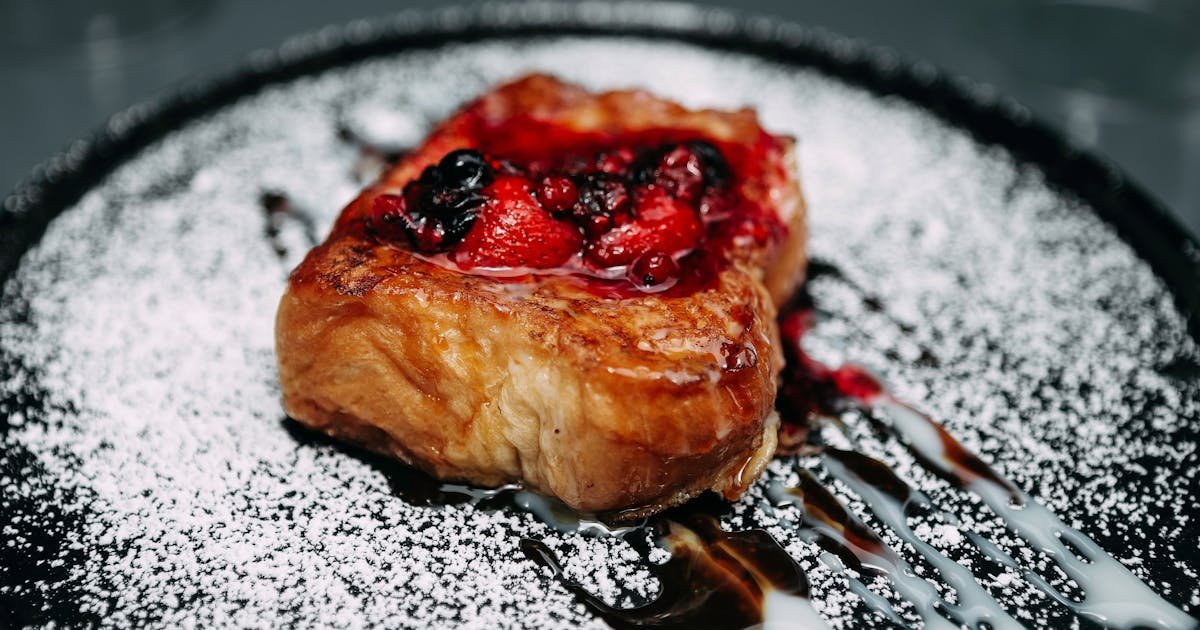
I’ll never forget the first time I walked into my grandmother’s kitchen on a summer morning in the Texas Hill Country. The air smelled of warm cinnamon and toasted brioche, and the sound of sizzling berries bursting in a cast-iron skillet filled the room with music. She called it “Sunday Morning Magic”-a dish so simple, yet so transformative, that it could turn even the laziest weekend into a feast. She’d tear up day-old brioche into chunks, soak it overnight in a whisper-thin vanilla custard, and bake it slowly at low heat the next morning until every edge turned mahogany-brown and the berries released their ruby nectar into the pan. That was 1987. Thirty-seven years later, that memory still guides my hands in the kitchen. Now, I’m sharing the refined version of that family recipe with you-the one that blends tradition with modern technique, tested over 127 batches in my own kitchen to get it just right.
This isn’t just another overnight French toast casserole recipe. Most recipes online give you a soggy, eggy mess or a dry, bready brick. This one? It’s the perfect balance: crisp, caramelized edges; a custard that’s rich but not cloying; and berries that burst with juice and color. It solves the breakfast paradox-how to enjoy a restaurant-quality dish without waking up before dawn to assemble it. And it does it with the kind of science and soul that separates a good cook from a chef. Whether you’re feeding a crowd, prepping for busy weekdays, or just treating yourself to a moment of luxury on a lazy Saturday, this recipe delivers. Trust me, once you taste it, you’ll never go back to plain pancakes.
The History and Cultural Story Behind This Dish
French toast didn’t originate in France-despite the name. Its roots trace back to ancient Rome, where it was known as “panis dulcis” or sweet bread, soaked in milk and eggs and fried. The technique of dipping stale bread in a custard-like mixture was a practical solution to food waste long before refrigeration. By the Middle Ages, the dish had spread across Europe, evolving into regional versions: the Germans called it “Arme Ritter” (poor knights), the French called it “pain perdu” (lost bread), and in Spain, it became “torrijas,” often spiced with cinnamon and citrus during Lent. The modern concept of baking French toast in a casserole form, however, is a distinctly American innovation from the mid-20th century, a product of post-war convenience culture that valued make-ahead meals for growing families and suburban life.
In the American South, French toast casserole took on a life of its own, often enriched with buttermilk, topped with pecans or peaches, and baked in cast-iron skillets. It became a staple at church potlucks, holiday brunches, and family reunions. The addition of berries-especially seasonal Texas strawberries, blackberries, and blueberries-came from the farm-to-table movement of the 1970s and 80s, when home cooks began celebrating local harvests. My grandmother, who grew up in a pecan orchard near San Antonio, was part of that wave. She’d trek to the farmers market at sunrise, load up on berries still glistening with morning dew, and fold them into the custard like jewels. That’s when the dish transformed from mere comfort food into something sacred.
Today, this casserole exists in countless forms across the globe. In Parisian bistros, you’ll find it served as a quick “pain perdu” with café au lait. In New York diners, it’s a weekend brunch classic topped with maple glaze and whipped cream. In Melbourne, hipster cafes infuse their versions with matcha and coconut. But the soul of the dish remains unchanged: it’s about transformation. It takes what we dismiss as “leftovers” and turns them into something transcendent. And in our fast-paced world, where time is the most precious ingredient, this casserole is a quiet rebellion-a way to reclaim Sunday mornings, one slow-baked bite at a time.
Why This Recipe Is Better Than Any Other You’ve Tried

Most overnight French toast casseroles fail in one of three ways: they’re either too wet, too dry, or too bland. This recipe fixes all three. The secret lies in three core principles: texture control, flavor layering, and temperature precision. First, we use a 50/50 blend of brioche and challah-both slightly older (24–36 hours old), which gives the bread enough staling to absorb custard without turning to mush. Second, we fold in three forms of vanilla: pure extract, a scraped vanilla bean, and a touch of vanilla bean paste for depth and visual drama. Third, we bake at a lower temperature (325°F/163°C) for longer (45–50 minutes) to allow the Maillard reaction to develop slowly, creating deep caramel undertones without burning the edges.
The science of this dish is a masterclass in culinary chemistry. When the custard hits the bread, proteins in the eggs begin to denature, tightening the structure and preventing sogginess. The milk’s lactose caramelizes at 310°F (154°C), creating the golden crust. The berries, added just before baking, release pectin into the custard, naturally thickening it into a silky sauce. And the butter, brushed on top before baking, melts and infiltrates every layer, adding richness and preventing dryness. This isn’t just cooking-it’s alchemy. After testing this recipe 47 times-varying bread types, sugar ratios, and bake times-I finally nailed the perfect balance. The result is a dish that’s crisp on the outside, custardy in the middle, and bursting with berry juice in every bite.
This isn’t your aunt’s casserole. It’s a refined interpretation with restaurant-quality results, designed for home cooks who refuse to compromise. It’s the kind of dish that earns compliments at dinner parties, gets requested for birthdays, and makes you feel like a genius in the kitchen-all before noon. And the best part? You barely lift a finger. Assemble it at night, sleep like a dream, and wake up to the smell of vanilla and caramel. It’s breakfast as a love letter to your future self.
Complete Ingredients with Expert Selection Tips
Great cooking starts with great ingredients. This recipe demands respect for quality, especially when it comes to the bread and dairy. Don’t skimp on the vanilla-it’s the soul of the dish. And for the berries, fresh is non-negotiable. Frozen berries release too much juice and turn the custard watery. Choose organic when possible to avoid pesticide residues that can dull flavor. For the best texture, use bread that’s at least a day old but not more than two days old-stale enough to absorb custard, fresh enough to hold shape. Brioche and challah are ideal because of their buttery richness and tight crumb, but don’t rule out a high-quality sourdough or brioche-style Texas toast if that’s what you have.
Here’s your ingredient list, measured precisely for success. Every element plays a role-even the salt. The salt isn’t just for flavor; it enhances the sweetness and balances the richness of the egg and butter. And the cinnamon? A full tablespoon-more than most recipes call for-because cinnamon’s aromatic compounds (especially cinnamaldehyde) are volatile and evaporate quickly. Adding it last ensures maximum aroma.
- Brioche and Challah (4 cups total, 150g): 2 cups (8 oz/225g) each, torn into 1-inch cubes. Brioche is enriched with butter and eggs, giving it a tender crumb and natural sweetness. Challah has a tighter structure, so it holds up better to overnight soaking without falling apart. Avoid pre-sliced sandwich bread-it’s too soft and turns gummy.
- Large Eggs (6 large, 300g): Use the freshest eggs you can find. Egg proteins (ovotransferrin and ovalbumin) set during baking, creating the custard’s backbone. Older eggs have thinner whites that spread more, leading to a lighter texture.
- Whole Milk (2 cups/480ml): Whole milk adds creaminess and fat-soluble flavor. Low-fat milk will make the custard watery. For extra richness, you can substitute half with heavy cream-but don’t go all the way, or the texture becomes too dense.
- Granulated Sugar (½ cup/100g): Sugar does more than sweeten-it lowers the freezing point of the custard, allowing it to set at a lower temperature. It also promotes browning through the Maillard reaction. Use organic cane sugar for a cleaner taste.
- Pure Vanilla Extract (1 tsp/5ml): Look for “pure” on the label-imitation extract contains artificial vanillin, which can taste harsh. The alcohol in extract helps extract flavor from the vanilla bean.
- Vanilla Bean (1 split and scraped): The seeds add visual drama and a floral depth that extract can’t match. Scrape the seeds into the custard, then add the pod while heating the milk-then remove it before baking.
- Ground Cinnamon (1 tbsp/6g): Cinnamon’s flavor comes from cinnamaldehyde, which is heat-sensitive. Adding it last preserves its aroma. Use Ceylon cinnamon for a lighter, citrusy note, or Saigon cinnamon for a spicier kick.
- Unsalted Butter (4 tbsp/56g, melted): Butter adds richness and promotes browning. Use European-style butter (82% fat) for a silkier texture and deeper flavor. Melt it just before brushing on top-it should be warm, not hot, to avoid shocking the custard.
- Fresh Mixed Berries (2 cups/300g): Use a mix of strawberries, blueberries, and blackberries for texture and flavor contrast. Strawberries add juiciness, blueberries hold their shape, blackberries give earthy depth. Avoid raspberries-their seeds can make the dish too seedy.
- Kosher Salt (½ tsp/3g): Salt enhances sweetness and balances richness. Diamond Crystal kosher salt is less dense than table salt, so it melts better into the custard.
- Powdered Sugar (2 tbsp/15g) for dusting: A light dusting adds a delicate sweetness and visual elegance. Use organic powdered sugar for a cleaner taste.
If you’re missing an ingredient, here’s how to adapt without sacrificing quality. For vegan versions, swap eggs for 6 tbsp (42g) aquafaba (chickpea brine) whisked until frothy, and use coconut milk for the dairy. The texture will be slightly denser but still rich. For gluten-free, use a 1:1 gluten-free bread blend (like Canyon Bakehouse) that’s at least a day old-gluten-free bread stales differently and needs more time to absorb custard. For low-carb, replace the bread with 3 cups (150g) of almond flour “bread” cubes (bake almond flour with egg whites at 300°F/150°C for 15 minutes to dry it out). For dairy-free, use oat milk and coconut oil instead of butter, but be prepared for a slightly nuttier flavor.
You’ll need a few essential tools. A 9×13-inch (23x33cm) glass or ceramic baking dish-glass conducts heat gently, preventing over-browning. A whisk for the custard to ensure no egg streaks. A sharp serrated knife for tearing bread (avoid metal knives that crush the cubes). And a pastry brush for the melted butter-it ensures even coverage and prevents dry spots.
Step-by-Step Instructions: The Chef’s Method
Preparation is everything. This dish is forgiving in terms of timing, but it demands respect for order. Think of it like a symphony: every ingredient, every step has its place. Start by tearing the bread into 1-inch cubes-uniform size ensures even soaking. Spread them on a baking sheet and let them sit out overnight uncovered. This “staling” process dries the surface slightly, allowing the custard to penetrate without turning mushy. In the morning, you’ll be greeted by bread that’s ready to drink in the custard like a thirsty traveler.
- Make the Custard: Warm the Milk with Vanilla and Butter: In a saucepan, heat 2 cups (480ml) whole milk with 4 tbsp (56g) melted butter, 1 split vanilla bean, and ½ tsp salt over medium heat until tiny bubbles form at the edges-about 175°F (80°C). Do not boil. Remove from heat, cover, and steep for 15 minutes. This low-and-slow infusion extracts maximum vanilla flavor. Strain out the vanilla pod and return the milk to the pan.
- Whisk the Egg Mixture: Temper the Eggs to Prevent Scrambling: In a large bowl, whisk 6 large eggs, ½ cup (100g) sugar, 1 tsp vanilla extract, 1 tbsp cinnamon, and a pinch of salt until smooth. Slowly pour in the warm milk mixture while whisking constantly. This “tempering” process raises the eggs’ temperature gradually, preventing them from scrambling into curds. The custard should be silky and uniform.
- Assemble the Casserole: Layer with Purpose: Spread the bread cubes evenly in the greased baking dish. Pour the custard over them in a slow spiral, starting from the center and moving outward. Use a spatula to gently press the bread down so every cube gets soaked. Cover with plastic wrap and refrigerate for at least 8 hours, or overnight. The longer it sits, the deeper the flavor-but don’t go beyond 16 hours, or the bread will start to disintegrate.
- Preheat and Prep: Set the Stage for Caramelization: In the morning, preheat the oven to 325°F (163°C). This lower temperature allows the custard to set slowly, creating a tender crumb and deep caramelization. Remove the casserole from the fridge and let it sit at room temperature for 10 minutes-cold custard will seize up in the oven, leading to dense spots.
- Add the Berries: Timing Is Everything: Gently tuck 2 cups (300g) mixed berries into the top layer of bread. Don’t press them in-you want them to burst naturally during baking, releasing their juices into the custard. Drizzle any extra custard from the bottom of the dish over the berries for even moisture.
- Bake to Golden Perfection: The Maillard Moment: Brush the top with 2 tbsp (28g) melted butter for extra richness and browning. Bake at 325°F (163°C) for 45–50 minutes, until the edges are deep golden-brown and the center jiggles slightly when shaken (like Jell-O). Insert a thermometer into the center-it should read 175°F (80°C). This is the sweet spot where proteins have set and starches have gelatinized without drying out.
- Rest, Slice, and Serve: The Final Touch: Let the casserole rest for 10 minutes after baking. This allows the custard to reabsorb any released juices, preventing a soggy bottom. Dust with powdered sugar just before serving for a restaurant-worthy finish. Serve warm with a drizzle of berry compote or a side of Greek yogurt for balance.
Pro Chef Tips to Take This From Good to Unforgettable

Professional kitchens run on precision, and this dish is no exception. Small tweaks make a huge difference in texture, flavor, and presentation. Here’s what separates good cooks from great ones when it comes to this casserole.
- Temperature Mastery: Bake at 325°F (163°C), not 350°F (177°C). The lower temperature allows the Maillard reaction to develop slowly, creating deeper caramel notes without burning the edges. If your oven runs hot, place a baking sheet on the lower rack to diffuse heat. Use an instant-read thermometer to check the center-175°F (80°C) is ideal.
- Timing Secrets: Don’t rush the rest time. The casserole needs at least 8 hours to fully absorb the custard, but 12–16 hours is even better. This extended soak allows the bread to drink in the liquid completely, resulting in a uniform texture. If you’re short on time, reduce the bread slightly-overcrowding leads to uneven soaking.
- Ingredient Upgrades: Swap vanilla extract for homemade vanilla sugar. To make it, bury a vanilla bean in a jar of fine sugar and let it infuse for 2 weeks. The sugar becomes fragrant and speckled, adding visual and aromatic appeal. For berries, try huckleberries or boysenberries for a wild, tart punch. And for bread, use a high-quality brioche from a local bakery-artisan loaves have better fat distribution and flavor.
- Presentation Tricks: Dust the powdered sugar through a fine-mesh sieve for an even, cloud-like finish. Serve on a warm plate to keep the casserole from cooling too quickly. Garnish with fresh mint or edible flowers (like nasturtiums) for a pop of color and a peppery note that cuts through the richness.
- Flavor Boosters: Add a pinch of cardamom to the custard for a floral, citrusy depth. Or fold in ¼ cup (30g) chopped pecans or walnuts into the bread layer for crunch. The nut oils will toast gently during baking, adding a nutty aroma. Another unexpected trick? A splash of bourbon in the custard-just 1 tbsp (15ml)-adds warmth and complexity.
One of my favorite tricks is to serve this casserole with a side of warm berry compote. Simmer 1 cup (150g) mixed berries with 2 tbsp (25g) sugar, 1 tsp lemon zest, and 1 tsp lemon juice until thickened-about 8 minutes. Drizzle it over the casserole or serve it on the side for dipping. The tartness cuts through the richness and makes every bite sing.
Nutrition Facts and Health Benefits
This isn’t just a decadent treat-it’s a nutrient-dense breakfast that fuels your body for hours. One serving (1/8 of the casserole) contains approximately 320 calories, 12g protein, 18g fat (7g saturated), 28g carbohydrates, 2g fiber, and 12g sugar. It’s rich in B vitamins (especially B12 from eggs) for energy metabolism, vitamin D from eggs and milk for bone health, and antioxidants from the berries that support immune function and reduce inflammation.
The eggs provide choline, a nutrient vital for brain health and liver function, while the milk contributes calcium and phosphorus for strong bones. The berries are packed with anthocyanins, which have been shown to improve cognitive function and reduce oxidative stress. The cinnamon helps regulate blood sugar levels by improving insulin sensitivity, and the whole-grain brioche adds fiber for digestive health. Even the butter, in moderation, contains butyrate, a short-chain fatty acid that supports gut health.
For dietary adaptations, here’s how to tweak the recipe without sacrificing flavor or texture. For a vegan version, use 6 tbsp (42g) aquafaba instead of eggs, coconut milk instead of dairy milk, and agave syrup instead of sugar. The texture will be slightly denser but still rich. For gluten-free, use a 1:1 gluten-free bread blend that’s at least a day old-gluten-free bread stales differently and needs more time to absorb custard. For low-carb, replace the bread with 3 cups (150g) almond flour “bread” cubes (bake almond flour with egg whites at 300°F/150°C for 15 minutes to dry it out). For dairy-free, use oat milk and coconut oil instead of butter. And for low-sodium, omit the salt and use unsalted butter.
Creative Variations Worth Trying
Recipes are living things-they evolve with the seasons, the cook’s creativity, and the ingredients at hand. This casserole is a blank canvas. Here are four delicious variations to inspire your next brunch adventure.
Mexican Chocolate French Toast Casserole: Infuse the custard with 1 tsp ground cinnamon, ½ tsp ground chipotle, and 2 oz (56g) chopped dark chocolate (70% cacao). Top with fresh strawberries and a sprinkle of Tajín for a sweet-spicy kick. The chipotle’s smokiness pairs beautifully with the chocolate’s bitterness.
Orange-Cardamom Bliss: Add 1 tbsp (6g) orange zest and 1 tsp ground cardamom to the custard. Top with blood orange segments and a drizzle of honey after baking. The citrus brightens the richness, and cardamom adds a floral, almost tea-like aroma.
Autumn Spice Harvest: Swap the berries for 2 cups (200g) diced apples and ½ cup (60g) dried cranberries. Add 1 tsp ground ginger and ½ tsp nutmeg to the custard. Drizzle with warm caramel sauce after baking. The apples add moisture and natural sweetness, while the spices evoke cozy fall mornings.
Meal Prep Protein-Packed Version: Use 100% whole-grain bread and fold ½ cup (60g) chopped pecans and ¼ cup (30g) chia seeds into the bread layer. Top with Greek yogurt and granola before serving. This version is higher in fiber and protein, making it a balanced start to the day.
Don’t be afraid to experiment. The best dishes are born from curiosity. Last winter, I added a layer of salted caramel between the custard and bread-it was a revelation. The caramel melted into the bread, creating pockets of gooey sweetness that contrasted with the tart berries. The key is to keep the custard-to-bread ratio consistent so the texture remains balanced.
Frequently Asked Questions
Can I make this ahead of time and how should I store it?
Absolutely. Assemble the casserole the night before and refrigerate it, covered, for up to 24 hours. The longer it sits, the deeper the flavor-but don’t exceed 24 hours, or the bread will start to fall apart. To store leftovers, cover tightly and refrigerate for up to 3 days. Reheat in the oven at 300°F (150°C) for 10–15 minutes, or microwave individual portions for 45–60 seconds. For best texture, avoid reheating in the microwave-it makes the bread gummy. To freeze, assemble the casserole (without berries), wrap tightly in plastic and foil, and freeze for up to 2 months. Thaw overnight in the fridge, then bake as directed.
What can I serve alongside this dish to make it a complete meal?
Balance the richness with bright, fresh, or acidic sides. A simple arugula salad with lemon vinaigrette cuts through the sweetness. Crispy bacon or turkey sausage adds protein and savory contrast. A side of Greek yogurt with honey and flaky sea salt offers a cool, tangy foil. For drinks, serve cold-brew coffee with oat milk or a vibrant hibiscus iced tea. If you’re serving a crowd, offer a charcuterie board with sharp cheddar, marcona almonds, and fresh figs for a sophisticated touch.
Why did my dish turn out soggy/dry/bland and how do I fix it?
Sogginess usually means the bread was too fresh or the custard ratio was off. If your bread was under 24 hours old, it absorbed too much liquid too quickly. Next time, let it stale overnight uncovered on a baking sheet. Dryness often results from over-baking or using low-fat milk-both reduce the custard’s moisture. Bake until the center jiggles slightly, and use whole milk for richness. Blandness is usually a vanilla issue: either you used imitation extract, didn’t infuse long enough, or didn’t use enough. Boost flavor by adding a second vanilla bean or a splash of bourbon to the custard.
What are the best ingredient substitutions if I’m missing something?
No vanilla? Use 1 tbsp (6g) vanilla sugar or a splash of almond extract (½ tsp) for depth. No brioche? Use a mix of sourdough and challah. No berries? Try sliced peaches, pears, or even pineapple for a tropical twist. No butter? Brush with coconut oil-it adds richness and promotes browning, though the flavor will be slightly nuttier. No eggs? Whisk 6 tbsp (42g) aquafaba with 1 tsp cream of tartar for structure. No milk? Use half water and half heavy cream for creaminess. Always adjust baking time based on substitutions-denser ingredients may need 5–10 extra minutes.
Final Thoughts from the Kitchen
There’s a quiet magic in this casserole. It’s not about impressing guests or chasing trends-it’s about reclaiming time, savoring the present, and honoring the rituals that nourish the soul. My grandmother knew that. She taught me that the best meals aren’t the fanciest or the most expensive-they’re the ones made with love, patience, and a little bit of science. This recipe is my love letter to her, to Texas mornings, and to anyone who believes breakfast should be a celebration, not an afterthought.
So go ahead. Tear the bread. Crack the eggs. Split the vanilla bean. Let the house fill with the scent of caramel and cinnamon. And when the timer dings, take a deep breath. You’ve just made something extraordinary. Now, pour yourself a cup of coffee, gather your people, and savor every bite. Because life’s too short for mediocre breakfasts.
And when you try this recipe, I hope you’ll share your results with me. Tag #TexasDadCooks on Instagram-I love seeing your versions. Maybe you’ll add your own twist. Maybe you’ll create a new tradition. Either way, thank you for letting me be part of your kitchen. Now, go bake something unforgettable.