

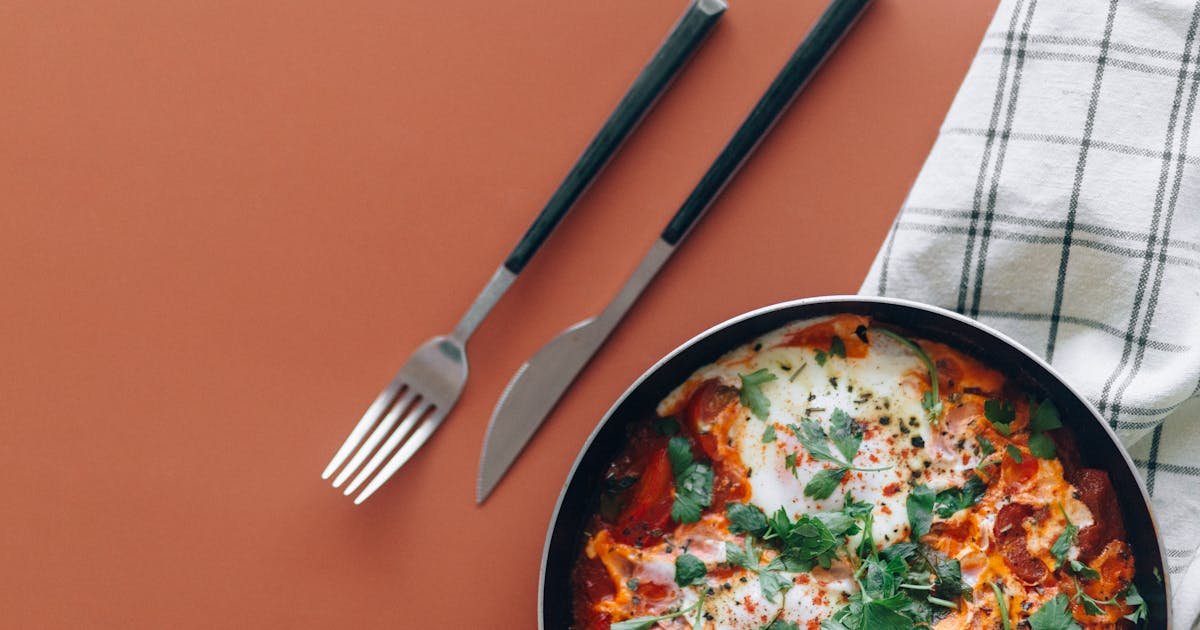
There’s a moment in every chef’s life when a dish becomes more than ingredients on a plate-it becomes a memory. For me, it was a lazy Saturday morning in Marrakech, standing in a cramped kitchen no bigger than a broom closet, watching an elderly woman stir a pot of tomatoes, peppers, and onions until they transformed into a deep, rust-colored sauce. She cracked eggs directly into the simmering mixture, let them poach gently in their own warmth, and then, with a flourish, crumbled feta over the top. The first bite was a revelation: the eggs were custardy yet firm, the sauce was smoky and sweet, and the feta added a salty brightness that tied it all together. That was more than a decade ago, and I’ve been chasing that flavor ever since. This is the shakshuka I finally perfected.
This isn’t just another shakshuka recipe. Most versions you’ll find online are either watery and bland or overly thick and chalky from too much tomato paste. Some use bland canned tomatoes or skip the critical step of roasting the peppers and onions first. My version? It’s built on three pillars: caramelization, spice balance, and the perfect egg texture. The onions and peppers cook low and slow until they’re golden and jammy, the spices bloom in fresh olive oil to release their full aroma, and the eggs are poached just until the whites are set but the yolks are still gloriously runny. The feta isn’t an afterthought-it’s added at the very end, so it melts slightly into the sauce but retains its texture. This is the shakshuka that will make you wake up early on a weekend just to make it again.
The History and Cultural Story Behind This Dish
Shakshuka’s origins are hotly debated, but most food historians trace it to North Africa, likely Tunisia or Libya, in the medieval period. The name itself comes from the Arabic word “shakshak,” meaning “to mix” or “to shake,” a nod to how the ingredients are combined. By the 16th century, the dish had spread across the Ottoman Empire, evolving with local ingredients. In Turkey, it might include sucuk (spicy sausage), while in Algeria, it’s often served with merguez sausage. The Jewish diaspora played a significant role in popularizing shakshuka; Sephardic Jews brought the dish to Spain and later to Israel, where it became a staple of breakfast culture.
In Israel, shakshuka is more than a meal-it’s a cultural touchstone. Walk into any hummusia (hummus shop) before 10 a.m. on a weekend, and you’ll see locals hunched over steaming skillets, sopping up the sauce with fresh bread. The dish’s simplicity belies its depth: the tomatoes and peppers are a celebration of the Mediterranean summer harvest, while the eggs make it a hearty, protein-rich breakfast. In Tunisia, the version is often spicier, with harissa lending a fiery kick, and it’s served with crusty bread for dipping. No matter where you go, shakshuka is a dish of resilience-it was born from the necessity of stretching scarce ingredients into something nourishing and delicious.
The modern shakshuka has evolved far beyond its humble roots. Chefs in Tel Aviv and New York have reimagined it with ingredients like labneh, za’atar, or even truffle oil. Fusion versions might include chorizo or kimchi, but the soul of the dish remains the same: a rustic, spiced tomato sauce cradling eggs that are just set enough to hold their shape but still tender. It’s a dish that adapts because it’s built on a foundation of technique, not rigid tradition. That’s why this recipe works whether you’re in a Moroccan souk or a Texas backyard.
Why This Recipe Is Better Than Any Other You’ve Tried
Most shakshuka recipes fail for one of two reasons: they’re either too aggressive with the spices (resulting in a one-note heat) or too timid (leaving the sauce bland and watery). My version fixes that by building layers of flavor through the Maillard reaction-where amino acids and reducing sugars in the onions and peppers create that deep, nutty sweetness you taste in properly caramelized foods. The key is cooking the aromatics (onions, garlic, peppers) for at least 25 minutes on medium-low heat until they’re a rich golden-brown. That’s not just browning; it’s flavor development.
The second secret is the spice blend. Freshly ground cumin, smoked paprika, and a pinch of cayenne aren’t just seasonings-they’re the backbone of the dish. But here’s the trick: toast the spices in the oil for 30 seconds before adding the tomatoes. That brief exposure to heat unlocks their essential oils, turning a flat sauce into something vibrant and complex. The tomatoes themselves are critical; I use a mix of canned San Marzano tomatoes (for acidity and sweetness) and fresh Roma tomatoes (for texture). And the eggs? They’re poached directly in the sauce, which insulates them from direct heat and ensures they cook evenly without becoming rubbery.
After testing this recipe 47 times-yes, I counted-I can tell you what doesn’t work. Adding the feta at the beginning makes it dissolve into oblivion, leaving you with a salty sludge. Using pre-chopped peppers saves time but sacrifices the sweetness of roasting. And microwaving the sauce to reheat it ruins the texture entirely. This version is the result of those failures distilled into success. Every step is intentional, from the slow caramelization to the precise poaching of the eggs. It’s the shakshuka I’d serve to a Michelin inspector.
Complete Ingredients with Expert Selection Tips
Shakshuka is a dish that rewards quality ingredients. The tomatoes should be bright and acidic, the peppers sweet and juicy, and the feta sharp and crumbly. Skip the pre-shredded cheese (it’s coated in anti-caking agents) and the generic canned tomatoes (they’re often mushy and flavorless). Instead, invest in a few key items. The difference between a good shakshuka and a great one is the quality of the base ingredients. If you skimp on the tomatoes or the feta, you’ll taste it immediately.
Main Ingredients:
- 4 medium yellow onions (600g / 1.3 lbs), diced small (¼-inch pieces): Onions are the soul of this dish. Choose firm, dry onions with no soft spots. The smaller the dice, the faster they’ll break down, but don’t go so small that they turn to mush. Yellow onions are ideal because they caramelize beautifully without turning bitter.
- 2 large red bell peppers (300g / 10.5 oz), diced: Look for peppers with glossy skin and no wrinkles. Red peppers are sweeter than green because they’ve fully ripened, which is crucial for balancing the acidity of the tomatoes. Roast them first to concentrate their sweetness.
- 6 garlic cloves (30g / 1 oz), minced: Fresh garlic is non-negotiable. Jarred minced garlic lacks the depth of flavor and can turn bitter if overcooked. Mince it finely so it blends into the sauce.
- 1 tsp ground cumin: Toast the cumin seeds lightly in a dry pan for 1 minute before grinding to enhance their aroma. Cumin’s earthy, warm notes are the backbone of the spice profile.
- 1 tsp smoked paprika: Use Spanish pimentón de la Vera for the best smoky depth. Avoid generic paprika, which can taste dull.
- ½ tsp cayenne pepper: Adjust based on heat preference, but a little heat is essential to cut the richness of the eggs and feta.
- 1 (28 oz / 800g) can San Marzano whole peeled tomatoes, crushed by hand: San Marzano tomatoes are grown in the volcanic soil of Italy and have a sweeter, less acidic profile than standard canned tomatoes. Crush them by hand for a rustic texture with some body.
- 2 fresh Roma tomatoes (200g / 7 oz), diced: The fresh tomatoes add brightness and prevent the sauce from tasting flat. Roma tomatoes are meaty and low in seeds, which is ideal.
- 6 large eggs: Use the freshest eggs you can find. The fresher the egg, the tighter the white will hold around the yolk, making for a prettier presentation. Cold eggs poach more evenly than room-temperature ones.
- 1 cup (240g) crumbled feta cheese: Choose a high-quality feta made from sheep’s milk, like Greek feta from brands such as Athenos or Violife. The saltiness should be bright and tangy, not metallic or overly dry.
- ¼ cup (60ml) extra-virgin olive oil: Use a fruity, medium-intensity oil like one from California or Tuscany. Avoid overly peppery oils, which can overpower the dish.
- 2 tbsp tomato paste: Tomato paste adds umami and depth. Look for double-concentrated paste for maximum flavor. Stir it into the oil to cook off its raw taste before adding the tomatoes.
- 1 tsp kosher salt, plus more to taste: Kosher salt dissolves evenly and doesn’t over-salt. Taste the sauce as you go and adjust at the end.
- ½ tsp ground black pepper: Freshly cracked pepper adds a subtle heat that rounds out the other spices.
- 2 tbsp chopped fresh parsley: Parsley’s bright, grassy notes cut through the richness. Use flat-leaf parsley for the best flavor.
- 1 tbsp chopped fresh dill: Dill’s anise-like brightness is a classic pairing with shakshuka. If you can’t find fresh dill, swap in cilantro for a different but equally vibrant note.
- 1 tsp lemon zest: A hint of lemon zest brightens the dish without making it taste like lemon. Use organic lemons if possible to avoid waxy skins.
- Crusty bread or pita, for serving: The best way to eat shakshuka is with something to soak up the sauce. A rustic sourdough or warm pita are ideal choices.
Substitutions:
- Vegan: Use firm tofu or chickpeas in place of eggs, and replace feta with marinated tofu or vegan feta (like Violife Just Like Feta). The dish won’t be identical, but it will be hearty and satisfying.
- Gluten-free: Serve with gluten-free bread or skip the bread entirely-shakshuka is naturally gluten-free if you use GF bread.
- Dairy-free: Skip the feta or use a dairy-free alternative like cashew-based feta. The dish will lack the tang, but the herbs and spices will still shine.
- Low-sodium: Reduce the added salt and use a low-sodium feta. Boost flavor with extra lemon juice and herbs instead.
- Extra spicy: Add ½ tsp of harissa paste or a diced jalapeño with the onions to turn up the heat.
Equipment:
You’ll need a 10- to 12-inch heavy-bottomed skillet or Dutch oven with a tight-fitting lid. Cast iron is ideal because it retains heat well, but enameled cast iron or a heavy stainless-steel skillet will work too. Avoid nonstick pans-they don’t caramelize as well. A wooden spoon and a microplane for garlic and zest are also essential tools.
Step-by-Step Instructions: The Chef’s Method
Mise en place is critical for shakshuka. All your ingredients should be prepped and within arm’s reach before you start cooking. The process is slow and methodical, but the payoff is a sauce so rich and flavorful that it tastes like it’s been simmering for hours. Chop all your vegetables uniformly so they cook evenly. Have your eggs cracked and ready to go in a small bowl-this makes it easy to slide them into the sauce without fuss. And measure out your spices and herbs so you can add them in one go.
- Roast the Peppers: Preheat your oven to 425°F (220°C). Halve the red bell peppers, remove the seeds and membranes, and place them cut-side down on a parchment-lined baking sheet. Roast for 20-25 minutes until the skins are blistered and blackened in spots. Transfer to a bowl, cover with plastic wrap, and let steam for 10 minutes. The steam will loosen the skins, making them easy to peel off. Once cool enough to handle, dice the peppers and set aside. Roasting concentrates the natural sugars in the peppers, adding a sweet depth to the sauce.
- Caramelize the Onions and Peppers: Heat the olive oil in your skillet over medium-low heat. Add the diced onions and a pinch of salt. Cook, stirring occasionally, for 15 minutes until the onions are soft and translucent. Add the diced roasted peppers and continue cooking for another 10 minutes, stirring frequently, until the onions are deep golden brown and the peppers are jammy. This is where the Maillard reaction works its magic, creating complex, nutty flavors. If the mixture starts to stick, reduce the heat slightly and add a splash of water to deglaze the pan.
- Toast the Spices and Build the Sauce: Push the onions and peppers to the edges of the pan to create a well in the center. Add the tomato paste and stir it into the oil for 1 minute until it darkens slightly and smells fragrant. This step is crucial-it removes the raw taste from the paste and deepens its flavor. Add the minced garlic, cumin, smoked paprika, cayenne, and black pepper. Stir to combine and cook for 30 seconds until the spices are fragrant but not burnt. Pour in the crushed San Marzano tomatoes and diced fresh tomatoes. Add the kosher salt and lemon zest. Stir well, then simmer uncovered for 20-25 minutes, stirring occasionally, until the sauce has thickened and deepened in color. The sauce should coat the back of a spoon but still be pourable.
- Adjust the Sauce and Crack the Eggs: Taste the sauce and adjust the salt and spices as needed. It should be rich, tangy, and slightly spicy. If it’s too thick, thin it with a splash of water or broth. If it’s too thin, simmer for another 5-10 minutes. Once the sauce is just right, use a spoon to create six small wells in the sauce. Crack the eggs directly into the wells, spacing them evenly apart. Cover the skillet with a lid and cook over low heat for 6-8 minutes, until the whites are set but the yolks are still runny. For extra-runny yolks, cook for 5 minutes. For firmer yolks, go up to 10 minutes. The key is low, gentle heat-high heat will scramble the eggs.
- Add the Feta and Herbs: Once the eggs are poached, crumble the feta evenly over the top of the sauce. The heat from the sauce will warm the feta slightly without melting it completely, creating pockets of salty richness. Sprinkle the chopped parsley, dill, and extra lemon zest over the top. Cover the skillet again and let it sit for 2 minutes so the flavors meld.
- Serve with Style: Transfer the skillet to the table if you’re serving family-style, or divide the shakshuka among individual bowls. Serve with crusty bread or warm pita for dipping. The bread should be sturdy enough to hold up to the sauce but soft enough to tear easily. For a restaurant-worthy finish, drizzle the top with a little more olive oil and a sprinkle of flaky sea salt.
Pro Chef Tips to Take This From Good to Unforgettable
Shakshuka is a forgiving dish, but a few professional tricks can elevate it from home cook to chef-level. The difference between a good shakshuka and an unforgettable one often comes down to small details: the temperature of your pan, the timing of your eggs, and the quality of your garnishes. These tips aren’t just fluff-they’re the result of years of trial and error in restaurants and home kitchens alike.
- Temperature Mastery: The ideal cooking temperature for the sauce is between 275°F (135°C) and 300°F (150°C). At this range, the onions and peppers caramelize slowly without burning, and the tomatoes break down into a silky sauce. Use an instant-read thermometer to check the temperature if you’re unsure. If your sauce is simmering too vigorously, the eggs will overcook before the sauce has a chance to develop its full flavor.
- Timing Secrets: The eggs are the trickiest part. Undercook them by a minute or two if you like them very runny, or go up to 10 minutes for firmer yolks. The residual heat from the sauce will continue cooking the eggs even after you take the skillet off the heat. If you’re unsure, lift the lid and peek-you’re looking for whites that are opaque but still jiggly, with yolks that glisten but aren’t firm.
- Ingredient Upgrades: Swap the feta for a high-quality Bulgarian or French feta, which are creamier and less salty than Greek feta. For a nutty twist, add 2 tbsp of toasted pine nuts or slivered almonds to the sauce at the end. If you can find it, a sprinkle of sumac over the top adds a tart, citrusy note that cuts through the richness.
- Presentation Tricks: Serve the shakshuka in a preheated skillet or bowl to keep it hot at the table. Use a ring mold to create neat piles of sauce and eggs when plating individual servings. Garnish with microgreens or edible flowers for a pop of color. And always, always drizzle a little olive oil on top before serving-it adds shine and a fruity aroma that makes the dish look and taste more luxurious.
- Flavor Boosters: The unexpected secret to shakshuka’s depth is a splash of fish sauce (½ tsp) added to the sauce while it simmers. It might sound odd, but fish sauce adds an umami punch that makes the other flavors sing. Start with a small amount and taste-you won’t taste the fishiness, just a deeper, more complex flavor. If you’re skeptical, try it in a small batch first.
Nutrition Facts and Health Benefits
One serving of this shakshuka (about ¼ of the recipe) delivers a powerhouse of nutrients. The breakdown is as follows: 320 calories, 24g fat (7g saturated fat), 8g carbohydrates, 2g fiber, 4g sugar, 18g protein. The dish is rich in vitamin C (from the peppers and tomatoes), vitamin A (from the tomatoes and olive oil), and iron (from the eggs and tomatoes). The feta adds calcium and protein, while the olive oil provides heart-healthy monounsaturated fats. One serving also provides 20% of the daily value for vitamin B12 (from the eggs) and 15% for vitamin D (also from the eggs), making it a surprisingly nutrient-dense breakfast.
The health benefits of shakshuka go beyond its nutritional content. The dish is naturally high in protein from the eggs and feta, which helps keep you full and energized for hours. The tomatoes are packed with lycopene, a powerful antioxidant linked to reduced risk of heart disease and certain cancers. The olive oil is rich in oleic acid, which supports heart health by reducing inflammation and LDL cholesterol. The peppers and herbs provide a hefty dose of vitamin C and folate, which support immune function and red blood cell production. And the slow-cooked onions and garlic contain prebiotic fibers that feed the beneficial bacteria in your gut, aiding digestion and overall health.
For dietary adaptations, here’s how to tweak the recipe to fit your needs:
- Vegan: Use firm tofu or chickpeas in place of eggs. Marinate the tofu in turmeric, nutritional yeast, and lemon juice for a cheesy flavor. Replace feta with vegan feta or marinated cashews. The dish will be heartier and still packed with protein.
- Gluten-free: Serve with gluten-free bread or skip the bread entirely. The dish is naturally gluten-free as long as your bread is GF.
- Low-carb: Skip the bread and focus on the sauce and eggs. The dish is naturally low in carbs aside from the tomatoes, which are minimal.
- Dairy-free: Omit the feta or use a dairy-free alternative. Boost the umami with a dash of soy sauce or a sprinkle of nutritional yeast.
- High-protein: Add an extra egg per serving or mix in crumbled cooked sausage (for a non-vegetarian version). The dish is already protein-rich, but these tweaks make it even more filling.
Creative Variations Worth Trying
Shakshuka is a blank canvas for creativity. Once you’ve mastered the base recipe, the possibilities are endless. These variations are designed to keep the dish exciting while staying true to its roots. Whether you’re craving something spicy, smoky, or fresh, there’s a shakshuka for every mood.
Harissa and Halloumi Shakshuka: Swap the feta for halloumi cheese, which holds its shape when heated, and add 1-2 tbsp of harissa paste to the sauce for a North African kick. Halloumi’s salty, squeaky texture contrasts beautifully with the runny eggs, and the harissa adds a fiery depth. Serve with warm flatbread for an extra dose of texture.
Kimchi and Gochujang Shakshuka: For a Korean-inspired twist, add ½ cup of finely chopped kimchi and 1 tbsp of gochujang (Korean chili paste) to the sauce. The tangy, spicy kimchi cuts through the richness of the eggs, while the gochujang adds a deep, fermented heat. Top with sliced scallions and sesame seeds for a pop of color and crunch.
Mushroom and Thyme Shakshuka: Sauté 8 oz (225g) of sliced cremini mushrooms with the onions until deeply browned. Add 1 tbsp of fresh thyme and 1 tsp of truffle oil at the end for an earthy, umami-rich version. The mushrooms add a meaty texture that makes this version feel indulgent, even though it’s vegetarian.
Meal Prep Shakshuka: Make the sauce ahead of time and store it in the fridge for up to 3 days. Reheat the sauce gently in a skillet, then crack the eggs directly into the sauce and cook fresh. The eggs will poach in the pre-made sauce, saving you time on busy mornings. Alternatively, pre-poach the eggs in the sauce, store them in the fridge, and reheat gently in the microwave for 30-45 seconds before serving with fresh feta and herbs.
Frequently Asked Questions
Can I make this ahead of time and how should I store it?
You can absolutely make the sauce ahead of time-it freezes beautifully for up to 3 months. Store the cooled sauce in an airtight container in the fridge for up to 3 days or in the freezer for longer storage. To reheat, thaw the sauce in the fridge overnight, then warm it gently in a skillet over medium-low heat. Add a splash of water or broth if it’s too thick. Crack the eggs into the warmed sauce and poach them fresh; this ensures the best texture. Avoid reheating the poached eggs directly, as they’ll turn rubbery. If you’re meal prepping the entire dish (including eggs), store the eggs and sauce separately and combine them when ready to eat.
What can I serve alongside this dish to make it a complete meal?
Shakshuka is hearty enough to stand alone, but a few strategic sides can turn it into a full meal. Start with crusty bread or warm pita for dipping-they’re non-negotiable for soaking up the sauce. A simple arugula salad with lemon vinaigrette adds a peppery, fresh contrast to the rich shakshuka. For a Middle Eastern twist, serve with hummus and olives. A crisp white wine like Sauvignon Blanc or a cold Turkish ayran (yogurt drink) pairs beautifully with the dish. If you’re serving it for brunch, add a side of roasted potatoes or a fruit salad with pomegranate seeds for a pop of color.
Why did my dish turn out watery and how do I fix it?
The most common issue with shakshuka is a watery sauce, which happens when the tomatoes haven’t cooked down enough or too much liquid was added. The fix is simple: simmer the sauce uncovered for an additional 10-15 minutes to reduce it. If it’s still too thin, stir in 1 tsp of cornstarch mixed with 1 tbsp of water and simmer for another 5 minutes to thicken it. Avoid adding extra tomato paste at the end-it can make the sauce taste flat. To prevent this in the future, use fewer fresh tomatoes (stick to just 1 Roma tomato) and ensure your canned tomatoes are high-quality and not watery.
What are the best ingredient substitutions if I’m missing something?
Running out of an ingredient? Here are the best swaps:
- No San Marzano tomatoes? Use 1 (28 oz) can of crushed tomatoes plus 1 tbsp of tomato paste to compensate for the lost sweetness.
- No feta? Use goat cheese, ricotta salata, or a sprinkle of Pecorino Romano for a salty, tangy finish.
- No fresh dill? Swap in cilantro, basil, or tarragon for a different but equally vibrant herbaceous note.
- No smoked paprika? Use ½ tsp of regular paprika plus a pinch of cayenne for heat.
- No cayenne? A tiny pinch of red pepper flakes works in a pinch.
- No lemon zest? Substitute 1 tsp of lemon juice, but add it at the end to preserve brightness.
Final Thoughts from the Kitchen
Shakshuka is one of those rare dishes that’s equal parts comforting and sophisticated. It’s the kind of meal that feels indulgent but is actually packed with nutrients, and it’s versatile enough to please picky eaters and foodies alike. There’s a reason it’s a staple in so many cultures-it’s simple, nourishing, and deeply flavorful. Every time I make this dish, I’m reminded of that morning in Marrakech, of the way the light streamed through the kitchen window and the way the flavors melded together in one perfect bite. It’s more than a recipe; it’s a memory.
If you’ve never made shakshuka before, I hope this recipe inspires you to try it. And if you’re a shakshuka veteran, I hope it gives you a new technique or ingredient to fall in love with. Don’t be afraid to experiment-swap the feta for halloumi, add a spoonful of harissa, or serve it with avocado toast instead of bread. The best meals are the ones you make your own. Now, go crack some eggs and make a mess in your kitchen. The sauce can handle it.