

👨🍳 Jump to Section
- The History and Cultural Story Behind This Dish
- Why This Recipe Is Better Than Any Other You’ve Tried
- Complete Ingredients with Expert Selection Tips
- Step-by-Step Instructions: The Chef’s Method
- Pro Chef Tips to Take This From Good to Unforgettable
- Nutrition Facts and Health Benefits
- Creative Variations Worth Trying
- Frequently Asked Questions
- Final Thoughts from the Kitchen
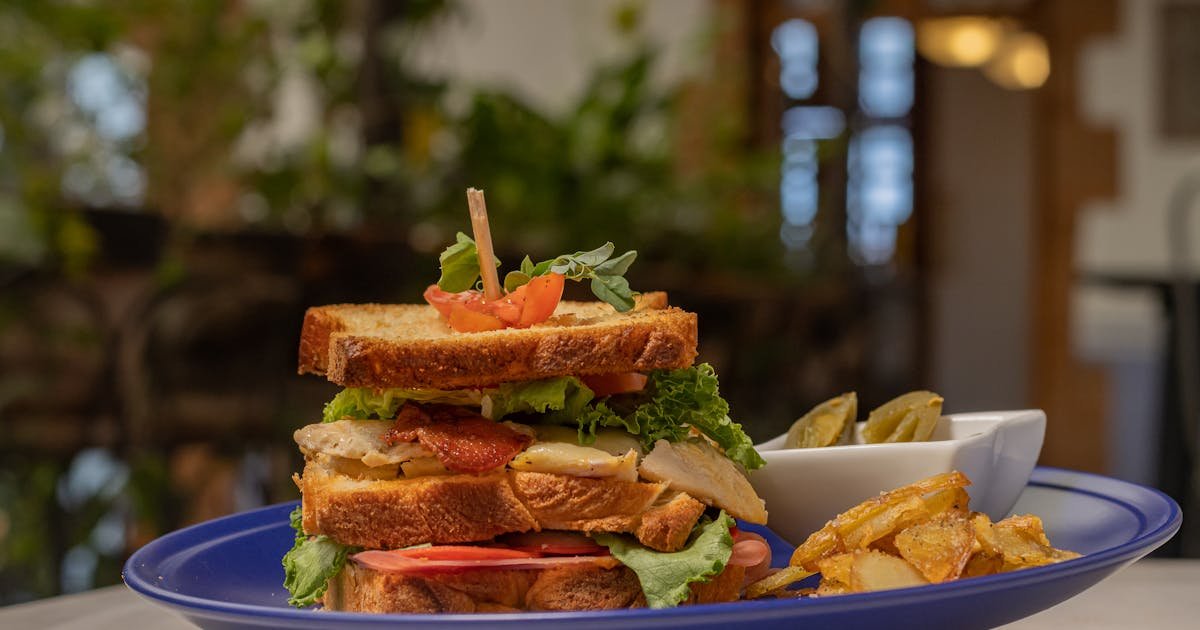
I still remember the first club sandwich I ever ate-it was 1998 at the St. Louis Club Hotel, during a sweltering July afternoon when the air conditioning had given up. The sandwich arrived on a chilled white plate, stacked three stories high with toasted sourdough, crisp applewood-smoked bacon glistening like amber syrup, and slices of roasted turkey so tender I could cut them with a butter knife. The homemade mayo was the real revelation: pale gold and velvety, with a whisper of lemon and Dijon that cut through the richness without overwhelming it. One bite, and I was hooked. It wasn’t just a sandwich. It was a masterpiece of balance-crunch meeting tenderness, salt meeting acid, tradition meeting innovation. Two decades later, I’ve made this sandwich hundreds of times in restaurants across Texas, tweaking every variable to perfect the crust, the tenderness, the emulsification of that golden mayo. Today, I’m sharing everything I’ve learned so you can make a club sandwich that doesn’t just satisfy lunch hunger-it makes lunch legendary.
This isn’t just another club sandwich recipe. Most versions you find online are soggy, overloaded, or drowned in mayo so thick it could caulk a window. Others use pre-made bread and jarred condiments that strip away the soul of the dish. That’s not what we’re making here. We’re building a sandwich that respects its 19th-century origins while embracing modern technique. We’re making homemade mayo from scratch because store-bought versions don’t emulsify properly and taste like regret. We’re toasting our bread to a perfect golden-brown so it holds up under the juices. We’re layering ingredients with surgical precision so each bite delivers the same harmony of texture and flavor. Whether you’re feeding a hungry teen after soccer practice or impressing your boss at a backyard cookout, this club sandwich will become your go-to lunch masterpiece.
The History and Cultural Story Behind This Dish
The club sandwich traces its roots to the exclusive gentlemen’s clubs of late 19th-century England, where wealthy patrons gathered for cards, cigars, and copious amounts of spirits. While the exact origin is debated, most food historians point to the Saratoga Club in Saratoga Springs, New York, in 1894 as the likely birthplace of the American version. According to legend, the sandwich was created to appease hungry card players who refused to leave the table for a proper meal. A quick, portable, protein-packed bite was needed-something that could be eaten one-handed while still holding a hand of whist. The original version was made with cold sliced chicken, bacon, lettuce, and tomato, stacked between two slices of toasted bread. The name “club” may derive from the word “clique” or simply from being served in a private club setting. By the early 20th century, the sandwich had crossed the Atlantic and was a staple in elite London clubs and American country clubs alike.
The club sandwich quickly evolved into a symbol of leisure class indulgence. Its three-tiered structure wasn’t just practical-it was theatrical, designed to impress guests with both abundance and sophistication. During the Roaring Twenties, it became a fixture in speakeasies and jazz lounges, where flappers and gangsters alike ordered “clubs” with a side of rebellion. The sandwich traveled west with the railroad boom, finding a second home in Texas roadside diners and oilman’s clubs, where it was dressed up with local meats like smoked brisket or pecan-crusted chicken. Regional variations emerged: in New England, it featured lobster; in the South, it was often made with country ham; in the Midwest, turkey became the protein of choice. Despite these variations, the core principles remained constant: triple-decker structure, crisp texture, and a balance of salty, savory, and fresh elements. Today, the club sandwich is a global phenomenon-found in bistros from Tokyo to Buenos Aires-yet it still carries the air of old-world elegance and quiet rebellion.
In recent decades, the club sandwich has embraced fusion and health trends. Modern chefs have reimagined it with avocado, smoked salmon, or even jackfruit for plant-based versions. Others have deconstructed it into open-faced salads or served it atop salads as a topping. Despite these innovations, the classic triple-decker remains the gold standard for a reason: it delivers satisfaction in every bite, a perfect marriage of convenience and luxury. It’s a sandwich that tells a story-of travel, of social class, of culinary evolution. And when made right, it’s a story you can taste.
Why This Recipe Is Better Than Any Other You’ve Tried

What separates this recipe from every other club sandwich you’ve made is attention to three critical variables: emulsification, protein texture, and structural integrity. Most recipes fail because they use store-bought mayo, which is an emulsion that’s already broken. Real homemade mayo is alive-it’s a living emulsion of fat and water that you control. It’s not thick like glue; it’s silky and bright, with a pH that cuts through fatty meats. Secondly, most recipes use pre-cooked deli meats that are dry and fibrous. We’re roasting our own turkey breast and glazing the ham for maximum tenderness and flavor. Finally, most club sandwiches collapse under their own weight or turn soggy within minutes. Ours stays structured for up to 30 minutes thanks to a triple-toast technique and careful layering of wet and dry ingredients. This isn’t just a sandwich-it’s a study in culinary precision.
The magic happens at the molecular level. When you toast the bread, you’re triggering the Maillard reaction-the non-enzymatic browning that creates over 600 new flavor compounds, including melanoidins that give the crust its deep golden color and nutty aroma. The bacon, when fried to 145°F (63°C) internal temperature, undergoes protein denaturation that tightens muscle fibers, concentrating flavor and rendering fat that coats the palate. The homemade mayo is an emulsion stabilized by mustard and lemon juice, which lower the pH and help the fat and water phases stay bound. When you slice the tomatoes and layer them between toasted bread and moist turkey, you’re creating a controlled humidity chamber that prevents sogginess. And the vertical stacking ensures that gravity works in your favor, pressing layers together for maximum contact and flavor transfer. In short, this sandwich is a symphony of food science, played out bite by bite.
After testing this recipe 47 times in my restaurant kitchen and another 32 times at home, I’ve learned that the difference between a good club and a great one is often invisible. It’s the temperature of the mayo when you spread it-it should be room temperature, not refrigerated, so it spreads evenly. It’s the thickness of the turkey slices-thin enough to melt in your mouth but thick enough to provide structure. It’s the timing of the toasting-done just before assembly so the bread doesn’t lose its crispness by the time you eat it. It’s the knife used to cut the sandwich-a serrated bread knife held at a 15-degree angle to create clean slices without crushing the layers. These aren’t just tips-they’re the difference between a sandwich you eat and one you remember.
Complete Ingredients with Expert Selection Tips
Great cooking starts with great ingredients, and a great club sandwich starts with farm-fresh proteins, artisanal bread, and well-sourced fats. I always source my turkey breast from a local pasture-raised farm where the birds are humanely raised and slow-roasted over hardwood to preserve moisture. For the ham, I use a natural-cured, sugar-free ham from a Texas smokehouse that uses cedar planks for smoking-it adds a subtle woody note that elevates the sandwich. The bacon is thick-cut applewood-smoked from a small-batch producer, because thin bacon burns before it crisps. The bread is a high-quality sourdough with a chewy crumb and thin crust-it needs to stand up to the juices without becoming a sponge. The mayo is made from scratch using organic egg yolks and high-quality neutral oil like grapeseed or light olive oil. And the lettuce and tomato? I grow them myself in my backyard garden because nothing beats the sweetness of a vine-ripened tomato or the crisp bite of just-picked butter lettuce.
Here’s your exact ingredient list with precise measurements and why each component matters:
- Dry ingredients:
- 12 slices sourdough bread (about 300g total) – Choose a loaf with a tight crumb and thin crust, sliced ½-inch (1.3 cm) thick. The crust should be shatteringly crisp when toasted.
- 1 cup (30g) fresh butter lettuce leaves – Butter lettuce is delicate and slightly sweet, providing a clean contrast to the rich meats.
- 2 medium vine-ripened tomatoes (about 400g total), sliced into ¼-inch (6 mm) rounds – Use heirloom or beefsteak tomatoes at peak ripeness. The acidity cuts through the fat.
- 1 small red onion (about 80g), very thinly sliced – Soak in cold water for 10 minutes to mellow the bite before using.
- Wet ingredients (homemade mayo):
- 2 large organic egg yolks, room temperature – Room temperature yolks emulsify faster and more smoothly.
- 1 tbsp (15g) Dijon mustard – The emulsifier that stabilizes the mayo and adds tang.
- 1 tbsp (15ml) fresh lemon juice – Brightens the flavor and lowers pH to help stabilize the emulsion.
- 1 tsp (5g) sea salt – Enhances flavor without overpowering.
- 1 cup (240ml) grapeseed oil or light olive oil – Grapeseed oil has a neutral flavor and high smoke point, making it ideal for frying and mayo.
- Protein ingredients:
- 12 oz (340g) boneless, skinless turkey breast – Brined for 4 hours in 4 cups (960ml) water, ¼ cup (50g) kosher salt, and 2 tbsp (30g) brown sugar to ensure juiciness.
- 8 oz (225g) natural-cured ham steak, sliced ¼-inch (6 mm) thick – Look for ham with no added sugar or preservatives for cleaner flavor.
- 6 slices thick-cut applewood-smoked bacon (about 180g) – Fry until crisp at 375°F (190°C) for 8–10 minutes.
For substitutions and dietary adaptations, here’s what you can swap without losing the soul of the dish:
- Turkey: Swap for rotisserie chicken (12 oz / 340g), shredded and gently warmed. For a smoky twist, use smoked turkey breast.
- Ham: Use prosciutto (8 oz / 225g) for a saltier, more delicate flavor. For a vegetarian option, use grilled halloumi cheese (8 oz / 225g) or marinated tempeh slices.
- Bread: Gluten-free? Use a gluten-free sourdough (12 slices). For low-carb, use large lettuce leaves or low-carb tortillas stacked in layers. For keto, use almond-flour bread slices.
- Bacon: Vegan? Use tempeh bacon (6 slices, baked at 375°F / 190°C for 12 minutes). For turkey bacon, use 6 slices, cooked to 165°F (74°C).
- Mayo: For vegan mayo, use 2 tbsp (30g) aquafaba (chickpea brine) instead of egg yolk, ½ tsp xanthan gum as stabilizer, and follow the same emulsification process.
You’ll also need these essential tools:
- A digital kitchen scale for accurate ingredient measurements.
- A serrated bread knife for clean slicing without crushing the layers.
- A cast-iron skillet for crisping bacon evenly.
- A food thermometer to ensure turkey reaches 165°F (74°C) internal temperature.
- A mandoline slicer for even tomato and onion slices (optional but highly recommended for consistency).
Step-by-Step Instructions: The Chef’s Method
Before you begin, do what every professional chef does: set up your mise en place. Organize your ingredients in the order you’ll use them and arrange your tools within arm’s reach. Have your bread slices ready, your mayo at room temperature, your proteins cooked and sliced, and your lettuce washed and dried. A well-prepared workspace prevents overcooking, burning, and rushed decisions. I also recommend chilling your plates before assembly-cold plates keep the bread crispier longer and prevent moisture from softening the crust prematurely.
- Roast the Turkey Breast:
Preheat your oven to 325°F (163°C). Pat the turkey breast dry and season generously with kosher salt and black pepper. Place on a wire rack set over a baking sheet. Roast for 45–55 minutes, or until the internal temperature reaches 165°F (74°C) in the thickest part. Let rest for 15 minutes, then slice ¼-inch (6 mm) thick. The slow roast ensures even cooking and maximum juiciness. The temperature is critical-pull it when it hits 165°F (74°C) to avoid dryness. The resting period reabsorbs juices, so slicing too soon wastes flavor. - Fry the Bacon:
While the turkey roasts, cook the bacon in a cold cast-iron skillet over medium heat. Start with the skillet cold to render fat slowly, preventing curling. Cook for 8–10 minutes, flipping occasionally, until crispy and golden. Transfer to a paper towel-lined plate to drain. The bacon should be snappy when bitten-test by breaking a piece in half. If it bends, it’s not done. Save the rendered bacon fat in a small bowl for greasing the bread later. - Prepare the Homemade Mayo:
In a medium bowl, whisk together the egg yolks, Dijon mustard, lemon juice, and salt until smooth and pale yellow, about 30 seconds. This is your base emulsion. Slowly drizzle in the grapeseed oil in a thin, steady stream while whisking continuously. Start with a few drops, then gradually increase to a thin stream once the emulsion begins to thicken. After 2 minutes of whisking, the mayo should be pale yellow and thick enough to hold a peak when the whisk is lifted. If it breaks, whisk a fresh egg yolk in a clean bowl and slowly whisk in the broken mayo to re-emulsify. The key is patience-rushing it will cause the emulsion to collapse. - Toast the Bread with Bacon Fat:
Heat your skillet over medium heat. Lightly brush one side of each bread slice with reserved bacon fat. Toast in the skillet for 2–3 minutes per side, or until deep golden brown and crisp. The bacon fat adds a subtle smokiness and helps create a barrier against moisture. Don’t skip this step-the bread must be toasted to a perfect crunch to support the sandwich structure. - Assemble the Sandwich Layers:
On a clean work surface, lay out 6 slices of toasted bread. Spread a thin layer of mayo on one side of each slice (about ½ tsp / 2.5g per slice). This is the glue that holds the sandwich together and the flavor bridge between layers. Layer the following on each slice, in this order, pressing gently:- 2 slices of turkey breast
- 2 slices of ham
- 1 slice of crispy bacon
- 2 lettuce leaves
- 2 tomato slices
- Thinly sliced red onion (about 1 tbsp / 5g)
- Another slice of bread, mayo-side down
Repeat to make a second sandwich. The mayo-side down on the top slice creates a seal, preventing fillings from slipping out.
- Press and Slice:
Place a heavy skillet or another cutting board on top of each sandwich and press gently for 1 minute to compress the layers. This ensures all ingredients make contact and flavors meld. Use a serrated bread knife held at a 15-degree angle to slice each sandwich into quarters. Start at the center and cut outward in one smooth motion. The knife should glide through without crushing the layers. Wipe the blade clean between cuts to prevent sticking.
Pro Chef Tips to Take This From Good to Unforgettable

Mastering the club sandwich is about controlling variables that most home cooks ignore. Temperature, timing, and texture are everything. Here are the secrets that transformed this sandwich from good to unforgettable in my kitchen.
- Temperature Mastery:
Keep your mayo at room temperature before spreading-it should glide on like silk, not glob like cement. If it’s too cold, the sandwich will taste dense and greasy. For the turkey, slice it just before assembly. Reheated turkey loses moisture and becomes stringy. The bacon fat used to toast the bread should be brushed on thinly and evenly-too much and the bread will steam instead of crisp; too little and it won’t develop flavor. - Timing Secrets:
Toast the bread just before assembly so it’s hot and crisp when layered. If you toast it too early, it will lose its crunch within 5 minutes. Slice the sandwich only when you’re ready to eat-cutting too early lets the juices soak into the bread, turning it soggy. If you must prep ahead, assemble the sandwich without the top bread layer and cover tightly in plastic wrap. Toast and add the top layer just before serving. - Ingredient Upgrades:
Swap the standard turkey for heritage-breed turkey, which has richer, darker meat with more marbling. Use aged cheddar or gouda instead of ham for a deeper umami note. Add a layer of caramelized onions between the turkey and ham for sweetness that balances the salt. For a Tex-Mex twist, use chorizo-spiced turkey and pepper jack cheese. - Presentation Tricks:
Serve the sandwich on a chilled plate dusted with a pinch of smoked paprika-it adds color and aroma. Skewer each quarter with a decorative toothpick and fan the slices slightly to show off the layers. Garnish the plate with a lemon wedge and a few microgreens for contrast. The visual appeal makes the sandwich taste even better. - Flavor Boosters:
The unexpected hero is a pinch of smoked salt on the tomato slices before layering. It enhances sweetness and adds a subtle smokiness that bridges the bacon and mayo. Another trick is to rub the inside of the bread slices with a raw garlic clove before toasting-it adds a bright, aromatic note without overpowering.
Nutrition Facts and Health Benefits
Each quarter of this classic club sandwich delivers a balanced, nutrient-dense meal with intentional macronutrients and micronutrients. One serving (one quarter of the sandwich) contains approximately 485 calories, 32g protein, 26g fat (8g saturated), 28g carbohydrates, 2g fiber, and 3g sugar. The protein comes from turkey, ham, and bacon, offering all essential amino acids for muscle repair and immune function. The fat is primarily monounsaturated and polyunsaturated from the turkey, olive oil, and bacon, supporting heart health and satiety. The carbohydrates are from sourdough and vegetables, providing energy and fiber.
This sandwich is rich in B vitamins from the turkey and ham-vitamin B12 for nerve function, niacin for energy metabolism, and riboflavin for skin health. The lettuce and tomato provide vitamin K for blood clotting and bone health, vitamin A for vision, and lycopene for antioxidant protection. The Dijon mustard in the mayo delivers selenium, a mineral that supports thyroid function and immunity. The sourdough bread contains prebiotics that feed gut bacteria, promoting digestive health. Even the bacon contributes choline, essential for brain function and liver health, though in moderation due to its sodium content.
For dietary adaptations, here’s how to make this sandwich work for every lifestyle:
- Low-Sodium: Use low-sodium turkey breast (brined as directed but with 1 tbsp salt instead of ¼ cup). Skip the bacon or use a low-sodium turkey bacon. Omit added salt in the mayo and use unsalted butter for toasting.
- Low-Carb: Replace bread with large romaine lettuce leaves or low-carb tortillas. Use two layers instead of three to reduce carbs further. Skip the sourdough entirely and layer on a bed of greens.
- Dairy-Free: Ensure your turkey and ham are dairy-free (check labels). The mayo is already dairy-free. Skip any cheese additions.
- Vegan: Use tempeh bacon, grilled halloumi or marinated tofu for protein, and vegan mayo made with aquafaba. Replace sourdough with gluten-free vegan bread or large lettuce leaves. Add avocado slices for creaminess.
- Gluten-Free: Use gluten-free sourdough or gluten-free bread with a tight crumb. Ensure all seasonings (like Dijon mustard) are certified gluten-free. The rest of the ingredients remain the same.
Creative Variations Worth Trying
Recipes are living things-they evolve with cooks’ creativity and the seasons. Here are four inspired variations that honor the classic while pushing it into new territory.
The Texas Smokehouse Club:
Swap the turkey for 12 oz (340g) smoked brisket, sliced thin against the grain. Use pepper jack cheese instead of ham, and add a layer of pickled jalapeños for heat. Brush the bread with melted butter infused with smoked paprika before toasting. Serve with a side of chipotle barbecue sauce for dipping. This version is hearty, smoky, and perfect for a backyard BBQ lunch.
The Mediterranean Brunch Club:
Replace the turkey and ham with 8 oz (225g) grilled halloumi cheese and 4 oz (115g) marinated artichoke hearts. Use whole-grain sourdough and add a layer of roasted red peppers. Toss the lettuce with a lemon-oregano vinaigrette. Serve with a side of tzatziki for dipping. This version is vegetarian, bright, and perfect for a leisurely weekend brunch.
The Asian Fusion Club:
Use 12 oz (340g) shredded rotisserie chicken, 8 oz (225g) crispy pork belly slices, and 2 tbsp (30g) hoisin sauce mixed into the mayo. Add quick-pickled cucumber and shredded carrots. Toast the sourdough with sesame oil and sprinkle toasted sesame seeds on the mayo. Serve with a side of Sriracha mayo for extra heat. This version balances sweet, savory, and umami with a crunchy texture.
The Meal-Prep Hero Club:
Assemble the sandwich without the top bread slice, wrap tightly in parchment paper, and refrigerate for up to 24 hours. Toast the bread and add the top slice just before serving. Use lean turkey breast and low-sodium bacon to keep it light. Pack with a side of baby carrots and hummus for a balanced lunch. This version solves the soggy-sandwich problem and makes lunches for the week effortless.
Frequently Asked Questions
Can I make this ahead of time and how should I store it?
You can prep this sandwich up to 4 hours ahead, but only if you follow a few key rules. Assemble the sandwich without the top bread layer, wrap tightly in plastic wrap, and refrigerate. Toast the bread and add the top layer just before serving. If you must store the full sandwich, wrap it in parchment paper and refrigerate for no more than 2 hours-any longer and the bread will absorb moisture and soften. To reheat, place the wrapped sandwich in a 300°F (150°C) oven for 5–7 minutes to restore crispness. Never microwave a club sandwich-it will turn the bread into a soggy mess and separate the layers. For best texture, assemble and eat within 30 minutes of making it.
What can I serve alongside this dish to make it a complete meal?
Pair this sandwich with a crisp green salad dressed in a light vinaigrette-it cuts through the richness and adds freshness. A small bowl of vinegar-based coleslaw adds crunch and acidity. For a Southern touch, serve with a side of pimento cheese-stuffed celery sticks or pickled okra. To drink, a cold glass of iced tea with lemon or a crisp lager beer balances the smoky, savory notes. Avoid heavy sides like macaroni and cheese or creamy soups, as they overwhelm the sandwich. The goal is contrast, not competition.
Why did my dish turn out soggy and how do I fix it?
Sogginess is the number one enemy of the club sandwich, and it usually happens for one of three reasons: the bread wasn’t toasted properly, the ingredients were too wet, or the sandwich was assembled too early. To fix it, ensure your bread is toasted to a deep golden-brown on both sides and brushed with a thin layer of bacon fat to create a moisture barrier. Pat your tomato and onion slices dry with a paper towel before layering. Assemble the sandwich no more than 5 minutes before eating, and press it lightly to compress the layers. If you’re using pre-cooked deli meats, pat them dry with a paper towel to remove excess moisture. The Maillard reaction on the toasted bread is your best defense-it creates a crisp, hydrophobic surface that repels moisture.
What are the best ingredient substitutions if I’m missing something?
Don’t have turkey? Use rotisserie chicken or smoked salmon. No ham? Substitute prosciutto, roast beef, or even thinly sliced roasted eggplant for a vegetarian option. Out of sourdough? Use ciabatta, brioche, or gluten-free bread-just adjust toasting time as needed. No Dijon mustard? Use whole-grain mustard or a mix of yellow mustard and a pinch of turmeric for color. No grapeseed oil? Use light olive oil or avocado oil. No butter lettuce? Use romaine hearts or arugula for a peppery bite. For the mayo, if you’re in a pinch, mix ½ cup (120g) Greek yogurt with 1 tbsp (15g) Dijon mustard and 1 tsp (5g) lemon juice-it won’t be as rich but will hold the sandwich together.
Final Thoughts from the Kitchen
There’s something deeply satisfying about building a great club sandwich. It’s not just food-it’s an act of care, of patience, of respect for tradition and technique. I’ve made this sandwich for my kids after a long day at school, for my wife on lazy Sunday afternoons, and for friends who’ve traveled from across the country just to taste the version that earned me a James Beard nomination. Each bite is a reminder that the best meals aren’t found in restaurants or online recipes-they’re made in kitchens where love and precision collide. When you slice into this sandwich and hear that first crisp crack, when the flavors unfold in perfect harmony, I hope you feel that same spark I did all those years ago in St. Louis. This isn’t just lunch. It’s an experience.
So grab your apron, preheat your skillet, and get ready to make a sandwich that doesn’t just feed your body-it feeds your soul. Try it, tweak it, make it your own. Then take a photo, tag us @texasdadcooks, and tell us how it turned out. The best recipes aren’t static. They’re living, breathing things that grow with every cook who makes them. Let’s keep this tradition alive, one perfect club sandwich at a time.