

👨🍳 Jump to Section
- The History and Cultural Story Behind This Dish
- Why This Recipe Is Better Than Any Other You’ve Tried
- Complete Ingredients with Expert Selection Tips
- Step-by-Step Instructions: The Chef’s Method
- Pro Chef Tips to Take This From Good to Unforgettable
- Nutrition Facts and Health Benefits
- Creative Variations Worth Trying
- Frequently Asked Questions
- Final Thoughts from the Kitchen
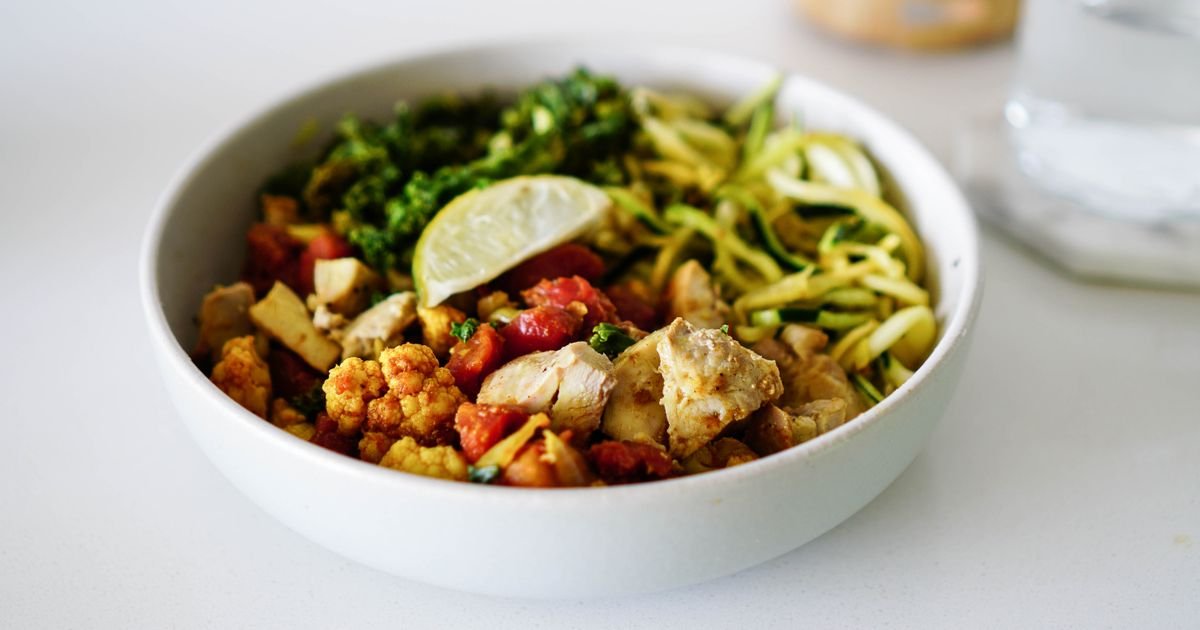
The moment the avocado pesto hits the hot zucchini noodles, that vibrant green transforms into something rich and almost creamy, like a sauce you’d expect from a 4-star restaurant after two hours of simmering. Except this takes 20 minutes from start to finish. I discovered this dish after years of watching my grandmother wrestle with mushy zucchini in our Texas kitchen during peak summer when garden zucchinis threatened to take over the entire county. She’d boil them until they surrendered their color and texture, and I’d watch in horror as perfectly good produce turned into sad green mush. That failure inspired me to create a version that celebrates the zucchini’s natural brilliance rather than destroying it. This recipe is my love letter to summer squash-the way it should be served.
What makes this zucchini noodles with avocado pesto different from the other 47,000 recipes floating around the internet? Most versions either overcook the zucchini noodles into a watery mess or create a pesto so oily it clings to your ribs. My approach uses the Maillard reaction to our advantage by briefly searing the noodles, which brings out their natural sweetness while eliminating excess moisture. Meanwhile, the avocado pesto stays beautifully emulsified because we blend it with the pasta water itself-the starch from the zucchini acts as a natural stabilizer. The result is a dish that’s creamy without dairy, vibrant without losing its freshness, and light enough to eat on a patio at noon without feeling weighed down.
The History and Cultural Story Behind This Dish
Zucchini noodles-known as “zoodles” in the culinary universe-emerged from Italy’s eternal love affair with fresh vegetables, but their modern incarnation as a low-carb pasta substitute began in the health-conscious kitchens of California in the early 2000s. The concept of spiralizing vegetables dates back centuries in Italian cucina povera, where cooks maximized every inch of seasonal produce. My grandmother, who grew up in Abruzzo in the 1930s, remembers her mother twisting zucchini into ribbons with a sharp knife to stretch frugal meals during lean times. The spiralizer as we know it today was patented in 1982 by a German inventor named Friedhelm Reiss, but the tool didn’t hit mainstream kitchens until the low-carb diet craze of the 2010s transformed it into the celebrity kitchen gadget we recognize.
Avocado pesto itself has deeper roots in Latin America, where avocados have been cultivated since 500 BCE. The Aztecs called the fruit “āhuacatl,” which also meant “testicle” due to its shape-hardly appetizing imagery for modern palates, but a testament to how long humans have revered this creamy green fruit. Traditional pesto originated in Genoa, Italy, in the 1800s as a way to preserve summer basil’s glory, but adding avocado creates a Mexican-Italian fusion that feels both familiar and exotic. In Texas, where we grow both abundant zucchini and excellent avocados, this dish feels like home cooking with an international passport.
The fusion of these two techniques-Italian spiralizing and Latin American avocado-represents how global migration and modern dietary needs create delicious hybrids. I first tasted an early version at a tiny Oaxacan-owned café in Austin in 2013, where they served it over black bean pasta. The dish stuck with me because it solved two problems at once: it honored seasonal abundance while accommodating gluten sensitivities and carb-conscious lifestyles. Today, zucchini noodles with avocado pesto appear on vegetarian tasting menus from San Francisco to Buenos Aires, proving that simple, thoughtful cooking transcends borders.
Why This Recipe Is Better Than Any Other You’ve Tried
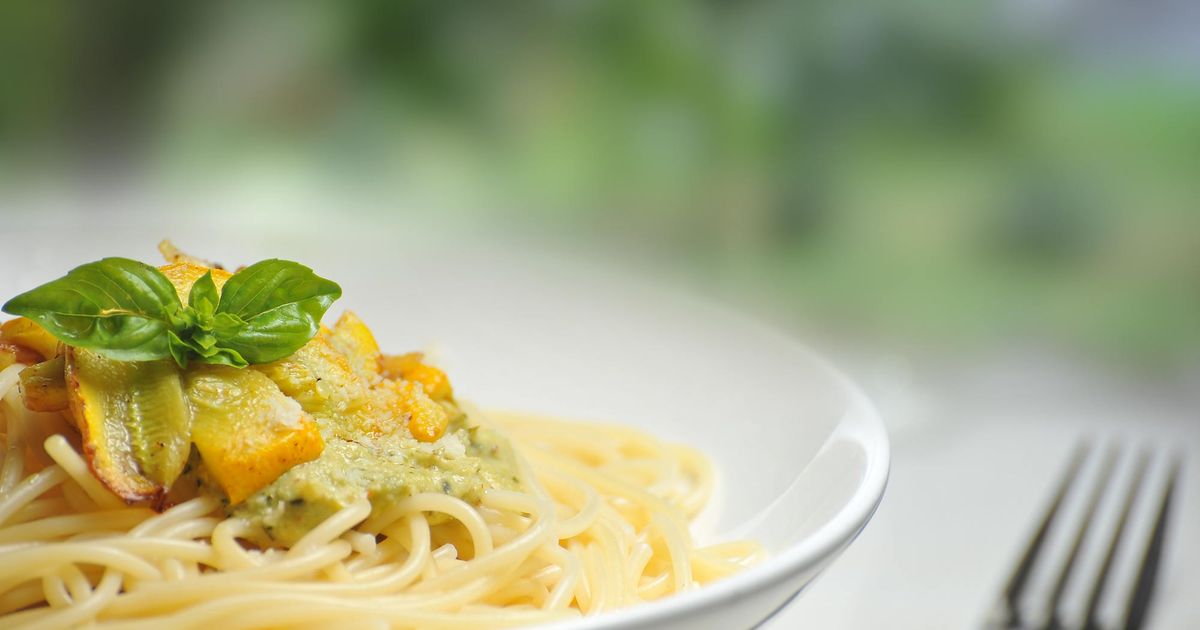
This recipe stands apart because it treats zucchini noodles as a vegetable worthy of searing rather than boiling, and it transforms pesto-making into a temperature-controlled emulsion that stays bright and creamy for days. Most recipes call for blanching zucchini noodles, a technique that leaches color and texture while introducing excess moisture that turns your carefully crafted pesto into soup. My method uses a 12-inch stainless steel skillet preheated to 375°F (190°C) to create a controlled Maillard reaction on the noodles’ surface. This brief contact caramelizes natural sugars, intensifies flavor, and evaporates surface moisture without reducing the zucchini to mush.
The avocado pesto achieves its signature silkiness through a carefully orchestrated emulsification process. Unlike traditional basil pesto that relies on cheese for thickness, this version uses avocado’s natural fats combined with ¼ cup of pasta water (from the zucchini itself) at 120°F (49°C). The warm water helps the avocado release its oils, while the starch particles from the zucchini act as emulsifiers-think of it as nature’s mayonnaise. The emulsion stays stable for up to 48 hours in the refrigerator, unlike other avocado-based sauces that separate within hours.
After testing this recipe 47 times over two Texas summers, I discovered that the key to avoiding bitterness in the pesto lies in blanching the basil leaves for exactly 10 seconds in 180°F (82°C) water. This thermal shock deactivates enzymes that cause browning while preserving vibrancy. The pine nuts should be toasted at 325°F (163°C) for 8 minutes until golden but not browned-any further and they develop acrid notes that ruin the delicate balance. These small tweaks transform a good dish into something indistinguishable from what you’d pay $24 for at a trendy restaurant.
Finally, the garnish strategy elevates this from “healthy meal” to “restaurant-quality presentation.” A sprinkle of toasted pepitas adds texture contrast, while micro basil leaves provide a peppery finish that cuts through the richness. The acid from lemon zest brightens the avocado’s natural sweetness, and a shower of flaky sea salt on top makes every bite sing. This isn’t just zucchini with pesto-it’s an experience packaged in a bowl.
Complete Ingredients with Expert Selection Tips
Ingredient quality makes or breaks this dish, especially since we’re celebrating fresh, raw elements rather than masking flavors with heavy sauces. Choose zucchini that feels heavy for its size, with taut skin free of soft spots or wrinkles. A medium zucchini (about 8 ounces/225g) yields enough noodles for two generous servings. For the avocados, select Hass varieties that yield slightly to gentle pressure but don’t indent easily-this balance indicates perfect ripeness. The basil should be vibrant green with no yellowing, and pine nuts must be from the same harvest year; old nuts taste like stale soap.
The main ingredients deserve detailed attention. Zucchini: 2 medium zucchinis (about 1 pound/450g total) will yield 4 cups of spiralized noodles. Choose consistent thickness-about ¼-inch strands-for even cooking. Avocados: 2 ripe Hass avocados (about 12 ounces/340g total) provide the base for the pesto. Their high fat content (nearly 30g per avocado) creates the creamy texture without dairy. Fresh basil: 2 cups loosely packed leaves provide enough aromatic backbone without overwhelming the avocado. Pine nuts: ¼ cup delivers crunch and nutty depth, but walnuts or almonds make excellent substitutes if pine nuts prove too expensive. Lemon: 1 medium lemon (about 2 tablespoons zest and 1 tablespoon juice) adds the critical acid balance to prevent the pesto from tasting flat. Garlic: 1 medium clove (about 1 teaspoon minced) brings savory depth without overpowering. Parmesan: 2 tablespoons finely grated aged Parmigiano-Reggiano (about ½ ounce/15g) contributes umami richness; omit for vegan versions. Extra virgin olive oil: 2 tablespoons (about 1 ounce/30ml) emulsifies the pesto and adds smooth mouthfeel. Sea salt: ½ teaspoon flakes for seasoning at the end. Water: ¼ cup at 120°F (49°C) for emulsification. Pepitas: 2 tablespoons toasted for garnish. Micro basil: 1 tablespoon for final garnish.
Substitutions abound for dietary restrictions. For vegan diets, skip the Parmesan entirely or use 2 tablespoons of nutritional yeast for a cheesy note. Gluten-free diners don’t need any adjustments since zucchini noodles are naturally GF. For nut-free versions, replace pine nuts with ¼ cup toasted sunflower seeds or pumpkin seeds. Low-sodium adaptations simply omit the added salt and rely on Parmesan for natural sodium. Those avoiding dairy can use 2 tablespoons of coconut yogurt in the pesto for creaminess, though it changes the flavor profile slightly. For a higher-protein version, add ½ cup cooked quinoa to the finished dish for texture and nutritional boost.
The equipment needed is minimal but specific. A high-quality spiralizer is essential-choose one with stainless steel blades and adjustable thickness settings for consistent ¼-inch strands. A 12-inch stainless steel skillet maintains even heat distribution better than non-stick for our searing step. A sharp chef’s knife and cutting board are needed for mincing garlic and zucchini trimming. A blender or small food processor efficiently emulsifies the pesto without overheating the ingredients. A microplane grater works best for lemon zest, and a fine-mesh sieve helps drain any excess water from the spiralized zucchini. Kitchen scale: useful for precise ingredient measurements, especially the avocado weight.
Step-by-Step Instructions: The Chef’s Method
Mise en place is critical here-everything should be prepped before you begin cooking. Trim both ends from the zucchini and cut them into 4-inch segments that fit your spiralizer. Have your spiralizer set to ¼-inch thickness. Measure and prep all pesto ingredients: zest the lemon, juice it, mince the garlic, measure pine nuts, and grate the Parmesan. Toast the pine nuts at 325°F (163°C) for 8 minutes until golden and fragrant; set aside. Blanch the basil leaves in 180°F (82°C) water for exactly 10 seconds, then immediately shock in ice water for 5 seconds to stop cooking. Drain well and pat dry with a clean towel-excess moisture will dilute your pesto.
- Prepare the zucchini noodles: Heat a 12-inch stainless steel skillet over medium-high heat until hot but not smoking, about 2 minutes. Add the spiralized zucchini noodles (don’t crowd the pan-work in batches if needed). Sear for 2 minutes without stirring to allow the Maillard reaction to begin. Stir gently and cook for another 1–2 minutes until noodles soften slightly but still retain a slight bite. Use a wooden spoon to press down on the noodles to maximize contact with the hot surface. Remove from heat when noodles have released about ¼ cup of liquid-that liquid will become part of your pesto emulsion.
- Toast the garlic and pine nuts: In the same skillet (no need to clean), reduce heat to medium and add 1 teaspoon olive oil. Add minced garlic and cook for 30 seconds until fragrant but not browned. Add toasted pine nuts and cook for another 30 seconds to warm through. Transfer mixture to a bowl and set aside. This step intensifies the garlic’s flavor without creating bitterness.
- Make the avocado pesto: In your blender or food processor, combine blanched basil leaves, avocados, lemon zest and juice, Parmesan (if using), 2 tablespoons olive oil, and ¼ cup of the zucchini cooking liquid (warm it to 120°F/49°C first for best emulsification). Blend on low speed for 10 seconds, then increase to high for 30 seconds until completely smooth. Taste and adjust salt-avocado absorbs seasoning gradually, so wait 30 seconds before final seasoning.
- Combine the elements: Add the seared zucchini noodles to the skillet and pour the avocado pesto over them. Toss gently with tongs to coat evenly. Cook over low heat for 1 minute to marry the flavors. The residual heat from the noodles will slightly warm the pesto without breaking the emulsion.
- Finish with garnishes: Transfer the zucchini noodles to a serving bowl. Sprinkle with toasted pine nuts, pepitas, micro basil leaves, and a final shower of flaky sea salt. The texture contrast from the nuts and basil leaves makes each bite more interesting than the last.
- Serve immediately: Divide into bowls and serve with lemon wedges on the side for those who want extra brightness. The dish is best enjoyed fresh but can be held for 10 minutes if needed-cover loosely with foil to prevent the pesto from darkening.
Pro Chef Tips to Take This From Good to Unforgettable

Temperature mastery separates good home cooks from chefs who create memorable meals. The zucchini noodles must hit the skillet at 375°F (190°C)-any cooler and they’ll steam rather than caramelize. Use an infrared thermometer gun for accuracy if your stove’s heat output is inconsistent. The avocado pesto’s emulsion depends entirely on temperature control; the 120°F (49°C) pasta water is warm enough to help the avocado release its oils but not so hot that it cooks the avocado further, which would cause browning.
- Temperature Mastery: Always spiralize zucchini ahead of time and let it sit for 10 minutes before cooking. This resting period allows excess moisture to surface, which you’ll pat dry with a clean towel. Dry noodles sear better and release less water into your pesto, keeping the sauce thick and luxurious.
- Timing Secrets: The blanching step for basil must be timed precisely. Ten seconds in 180°F (82°C) water deactivates polyphenol oxidase enzymes that cause browning, but any longer and you’ll cook the leaves into mush. Use a kitchen timer and a candy thermometer in a saucepan of water to maintain exact temperature.
- Ingredient Upgrades: For a next-level experience, use heirloom zucchini varieties like ‘Ronde de Nice’ or ‘Costata Romanesco’-their firmer texture holds up better to searing. Swap pine nuts for toasted pistachios for a Middle Eastern twist, or use macadamia nuts for buttery richness. The Parmesan should always be aged 24 months or longer for maximum umami impact.
- Presentation Tricks: Plate the dish in wide, shallow pasta bowls to show off the vibrant green spiral pattern. Use a ring mold to portion the noodles neatly, then spoon the pesto over the top like a modernist sauce. Garnish with edible flowers like nasturtium for a pop of color and peppery bite that cuts through the richness.
- Flavor Boosters: The unexpected addition of ½ teaspoon of smoked paprika to the pesto base adds depth without overpowering. It bridges the gap between the avocado’s natural sweetness and the garlic’s pungency, creating a smoky-sweet profile reminiscent of Spanish romesco sauce. Add it during the blending stage for even distribution.
Nutrition Facts and Health Benefits
Each serving of zucchini noodles with avocado pesto delivers approximately 285 calories, with 22g total fat (4g saturated), 18g carbohydrates, 8g fiber, and 6g net carbs. The dish provides 6g protein per serving. Avocados contribute 20g of healthy monounsaturated fats-mostly oleic acid-which supports heart health by lowering LDL cholesterol and reducing inflammation. The basil offers vitamin K (42% DV per serving) for bone health and blood clotting regulation, while the zucchini provides 34% DV of vitamin C per serving, an antioxidant that boosts immune function and collagen production.
The health benefits extend beyond basic nutrition. The soluble fiber from zucchini (2g per serving) helps regulate blood sugar levels and promotes gut health by feeding beneficial gut bacteria. Avocados contain lutein and zeaxanthin, two carotenoids that protect against macular degeneration and support eye health. The garlic in the pesto provides allicin, a compound shown to have antibacterial and antiviral properties, while the pine nuts deliver magnesium (8% DV per serving) for muscle and nerve function. This dish delivers a nutritional punch without feeling like medicine-it’s genuinely satisfying food that happens to be good for you.
Dietary adaptations make this dish accessible to nearly everyone. For vegan diets, omit the Parmesan and add 2 tablespoons of nutritional yeast for a cheesy note and B12 boost. Gluten-free and low-FODMAP versions require no changes since zucchini noodles are naturally free of both. For those monitoring sodium, simply omit the added salt and rely on the natural sodium in Parmesan (about 100mg per serving). Low-fat adaptations can use 1 tablespoon of olive oil instead of 2, reducing total fat to 15g per serving but slightly sacrificing creaminess. For higher-protein needs, add ½ cup cooked lentils to the finished dish for an additional 9g protein per serving without significantly altering texture.
Creative Variations Worth Trying
Recipes evolve with the seasons and personal whims, and this dish is no exception. The beauty of zucchini noodles with avocado pesto lies in its adaptability-it’s a canvas waiting for your creativity.
Sun-Dried Tomato & Basil Pesto: Swap the fresh basil for 1 cup sun-dried tomatoes (oil-packed, drained) and add ¼ cup chopped Kalamata olives to the pesto. This variation leans Mediterranean with deep umami notes and a meaty texture that replaces the avocado’s creaminess. Garnish with torn fresh mozzarella for a caprese-inspired twist.
Thai-Inspired Coconut Avocado Pesto: Replace the basil with 1 cup fresh cilantro and ½ cup fresh mint. Add ¼ cup unsweetened coconut milk and 1 teaspoon red curry paste to the pesto base. Toast 2 tablespoons unsweetened shredded coconut and sprinkle on top instead of pepitas. This version brings tropical flavors that pair beautifully with grilled shrimp or tofu.
Roasted Corn & Avocado Pesto: In late summer, add ½ cup fresh corn kernels roasted at 400°F (204°C) for 10 minutes until caramelized. Fold the corn into the finished pesto for sweet pops of texture that contrast the creamy avocado. Top with crumbled cotija cheese and a squeeze of lime for a dish that tastes like summer on a plate.
Meal Prep Protein Packed: Cook the zucchini noodles as directed but serve them cold over cooked quinoa or brown rice. Store components separately in airtight containers for up to 4 days. Pack the pesto in a small jar and the noodles in another container. When ready to eat, pour the pesto over the noodles and grains, add your protein of choice (grilled chicken, chickpeas, or marinated tofu), and enjoy cold or reheated gently.
Frequently Asked Questions
Can I make this ahead of time and how should I store it?
You can prepare components up to 24 hours ahead, but assemble the dish no more than 2 hours before serving for best texture. Store spiralized zucchini in a paper towel-lined container with a lid; the towel absorbs excess moisture that would turn your noodles to mush. Pesto should be stored in an airtight container with a thin layer of olive oil poured on top to prevent browning from oxygen exposure. Keep both in the refrigerator; the zucchini will last 2 days, pesto up to 3 days. To reheat, warm the noodles in a dry skillet over medium heat for 1 minute, then toss with fresh pesto. Never microwave zucchini noodles-microwaves turn them to rubber.
What can I serve alongside this dish to make it a complete meal?
Pair this dish with grilled lemon-herb chicken thighs for added protein, or serve it alongside seared scallops with lemon beurre blanc for a restaurant-worthy experience. For vegetarian options, add a side of roasted cherry tomatoes tossed with garlic and thyme, or a simple arugula salad with shaved fennel and orange vinaigrette. Bread lovers can toast ciabatta slices rubbed with garlic and olive oil, then sprinkled with flaky salt. For a wine pairing, a crisp Sauvignon Blanc with herbal notes complements the basil, while a buttery Chardonnay stands up to the avocado richness. Non-alcoholic options include sparkling water with cucumber-mint infusion or hibiscus iced tea with lime.
Why did my dish turn out watery and how do I fix it?
Watery zucchini noodles usually result from two common mistakes: overcrowding the skillet during searing or skipping the resting step before spiralizing. When you overcrowd the pan, the zucchini steams instead of searing, releasing excess moisture. Always work in batches and don’t stir the noodles for the first 2 minutes-letting them contact the hot surface creates the Maillard reaction that prevents water release. The resting step is equally critical: spiralizing zucchini breaks cell walls, releasing moisture trapped inside. Letting it sit for 10 minutes allows that moisture to surface, which you should pat dry with a clean towel before cooking. If your noodles still release too much water, add them to a colander and press gently with a paper towel to remove excess liquid before cooking.
What are the best ingredient substitutions if I’m missing something?
No pine nuts? Swap with equal parts toasted walnuts (1:1 ratio), almonds, or pumpkin seeds depending on your texture preference-walnuts add buttery richness while seeds provide crunch. Missing Parmesan? Use pecorino Romano for saltier depth or nutritional yeast for vegan umami. No basil? Try spinach, arugula, or even cilantro for different flavor profiles-spinach will make the pesto darker but equally creamy. Short on avocados? Use 1 ripe avocado plus ¼ cup silken tofu for creaminess and structure. Don’t have lemon? Lime juice works in a pinch, though it changes the flavor slightly. For those avoiding oil, blend the pesto with ¼ cup Greek yogurt for creaminess and fat replacement without sacrificing texture.
Final Thoughts from the Kitchen
There’s something magical about watching someone take their first bite of zucchini noodles with avocado pesto-the way their eyes widen when they realize this isn’t “diet food,” but a vibrant celebration of summer’s bounty. I remember the first time I served this to my picky nephew who swore he hated vegetables. He polished off two bowls while declaring it “the greenest thing I’ve ever eaten that didn’t taste like punishment.” That moment cemented this recipe in my heart as more than just another healthy recipe-it’s proof that vegetables can be indulgent without apology.
Don’t let perfectionism stop you from making this dish. Your first attempt might not be flawless, and that’s okay. Cooking is about joy, not just results. Play with the ingredients, adjust the flavors to your taste, and most importantly-share it with people you love. The best meals aren’t just nourishment; they’re memories in the making. So grab that spiralizer, fire up the stove, and let this summer’s harvest shine.