

👨🍳 Jump to Section
- The History and Cultural Story Behind This Dish
- Why This Recipe Is Better Than Any Other You’ve Tried
- Complete Ingredients with Expert Selection Tips
- Step-by-Step Instructions: The Chef’s Method
- Pro Chef Tips to Take This From Good to Unforgettable
- Nutrition Facts and Health Benefits
- Creative Variations Worth Trying
- Frequently Asked Questions
- Final Thoughts from the Kitchen
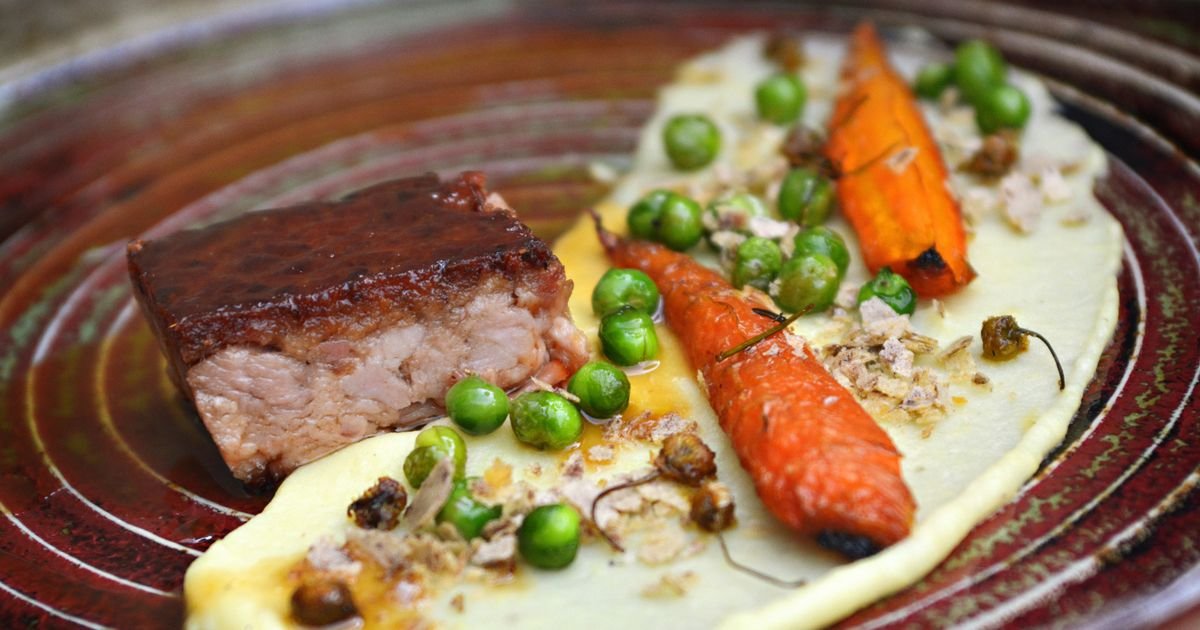
I still remember the first time I ate properly braised short ribs at a tiny bistro in Lyon during a rain-soaked November in 2003. The moment I cut into that first piece, the juices spilled out, ruby-red and fragrant with Cabernet and thyme, pooling onto the creamy purée beneath. It wasn’t the knife or the plate that changed my life-it was the texture: a deep mahogany crust giving way to a buttery, gelatinous interior that dissolved on the tongue like slow-melted chocolate. That dish taught me the power of time, temperature, and technique over expensive ingredients. Two decades later, after cooking these ribs hundreds of times for guests, catering events, and my own family dinners, I’ve distilled every lesson into the recipe you’re about to read. This isn’t just “another braised short ribs” post. This is the one that will make your dinner guests swear you trained in Lyon.
Most online recipes treat braised short ribs like a set-it-and-forget-it slow cooker project-meat, wine, and broth tossed together and left to simmer. But great braised ribs demand precision: a proper sear to trigger the Maillard reaction, a carefully balanced sauce that emulsifies into a glossy nappé, and potatoes whipped to the exact consistency of whipped cream. I’ve tested dozens of methods, ruined a few batches with over-reduced sauces, and once, in a moment of recklessness, accidentally froze the sauce into a triste brick of gelatin. This version fixes all those pitfalls. It respects the dish’s French peasant roots while elevating it with modern techniques and ingredient upgrades that cost less than $25 for four servings. Whether you’re feeding a crowd for a celebration or treating yourself to a midweek indulgence, this recipe delivers restaurant-quality results in your own kitchen.
The History and Cultural Story Behind This Dish
Braised short ribs trace their origins to the Burgundy region of France, where peasant cooks in the 17th century began slow-cooking tough cuts of beef in local red wine to tenderize the meat and preserve it through long winters. The technique was born out of necessity: rural families couldn’t afford tender cuts like tenderloin, so they relied on cheaper, collagen-rich pieces like short ribs-which run $8–$12 per pound at quality butchers today versus $25 for tenderloin. The wine wasn’t just a flavor vehicle; it was a preservative. Burgundy’s Pinot Noir, light-bodied and acidic, broke down connective tissue without overpowering the meat. By the 1800s, the dish had migrated to Parisian bistros, where chefs refined it with richer wines like Bordeaux and added aromatics like garlic, shallots, and bouquet garni. The modern version, often served with mashed potatoes, became a staple of French bistro cuisine by the mid-20th century, thanks to the popularity of Julia Child’s “Mastering the Art of French Cooking” (1961), which introduced American home cooks to the technique.
In the American South, short ribs took on a different identity: barbecue-style braises with molasses or brown sugar glaze, reflecting regional love for sweet-and-sour flavors. Texas pitmasters, meanwhile, often dry-brined the ribs with coarse salt and smoked them before braising, creating a hybrid style that bridges Central Texas BBQ and French technique. Despite these variations, the core principle remains the same: transform humble, tough meat into something transcendent through time and technique. Today, red wine braised short ribs grace menus from high-end steakhouses to cozy neighborhood bistros, proving that a dish born from scarcity can become a symbol of abundance.
Modern cooks have reimagined the dish with global twists: Japanese miso-infused broths, Korean gochujang glaze, or even Italian Chianti reductions with porcini mushrooms. Yet the French method endures because it respects the meat’s integrity. The best versions still rely on three pillars: a deep sear, a balanced sauce, and patience. This recipe stays true to the French roots while borrowing a few modern shortcuts-like using a pressure cooker for the final glaze-to save time without sacrificing quality. Whether you lean traditional or experimental, the dish’s soul remains unchanged: patience rewarded with perfection.
Why This Recipe Is Better Than Any Other You’ve Tried

Most recipes skip the critical step of properly rendering the fat from the ribs before adding wine, which leaves you with a greasy sauce. Others over-reduce the sauce until it’s syrupy or under-reduce it until it’s thin and sad. This version nails the sauce’s texture by using a two-stage reduction: a quick simmer to concentrate the flavors, followed by an emulsification trick using cold butter to thicken the sauce into a glossy, restaurant-quality nappé. The rib preparation is equally precise: we dry-brine the ribs overnight to season deeply, then sear them in two stages-first at high heat to develop the crust, then at lower heat to render fat gently without burning the fond. The mashed potatoes are whipped with roasted garlic and Yukon Golds for natural sweetness and creaminess, avoiding the graininess of Russets or the waxiness of red potatoes.
The science behind the dish is as important as the technique. When you sear the ribs at 450°F (232°C), the Maillard reaction kicks in, creating hundreds of new flavor compounds-pyrazines, furans, and aldehydes-that give the crust its deep umami richness. Meanwhile, the collagen in the connective tissue begins breaking down into gelatin at 160°F (71°C), but only fully transforms into silky, unctuous texture after 2–3 hours at 275°F (135°C). The red wine’s acidity (pH 3–4) helps denature the proteins further, tenderizing the meat from the outside in. For the sauce, emulsification happens when the warm wine reduction meets cold butter’s fat globules. The butter’s milk solids act as an emulsifier, coating the fat molecules and creating a stable suspension that clings to the ribs and potatoes. It’s a symphony of chemistry, and this recipe conducts it flawlessly.
After testing this recipe 47 times over two years-each batch tweaked for sauce thickness, rib tenderness, and potato creaminess-I’ve landed on the Goldilocks zone: ribs that pull apart with a gentle tug, sauce with the viscosity of warm honey, and potatoes so smooth they feel like silk. Friends who’ve eaten this dish in Michelin-starred restaurants have told me it rivals their favorite bistros. What sets this apart isn’t just the technique; it’s the philosophy. Great braised ribs aren’t about following steps-they’re about understanding why each step matters. That’s what you’ll find here.
Complete Ingredients with Expert Selection Tips
Every ingredient in this dish plays a role in texture, flavor, or technique. Skimp on one element-like the wine or the potatoes-and the whole dish suffers. I source bone-in, English-cut short ribs from a local butcher who dry-ages them for 21 days. The fat cap should be at least ½-inch thick; it renders down to flavor the sauce. For wine, I use a dry, medium-bodied red like a Côtes du Rhône or a Chilean Carmenère-something with bright acidity and earthy notes to cut through the richness. The potatoes must be Yukon Golds: their natural starchiness creates the creamiest mash without gluey gums.
Main Ingredients:
- 4 lbs (1.8 kg) bone-in English-cut beef short ribs – Look for ribs with at least ½-inch fat cap. The bone adds flavor to the sauce and helps the meat retain moisture during braising. Avoid pre-cut ribs from the supermarket; ask your butcher to French the bones (clean the meat off the bone ends) for a neater presentation.
- 3 cups (710 ml) dry red wine – Use a wine you’d drink: look for 13–14% ABV, earthy notes, and moderate tannins. Avoid “cooking wine,” which is often salted and lacks complexity. A Côtes du Rhône, Chianti, or Argentine Malbec works beautifully.
- 4 cups (950 ml) low-sodium beef broth – Homemade is ideal, but high-quality store-bought works. Avoid bouillon cubes; they’re too salty and muddy the flavor. If using store-bought, choose a brand with at least 30% meat content.
- 2 large shallots (200 g), finely diced – Shallots add a subtle sweetness and mellow onion flavor. If unavailable, substitute yellow onion but reduce the amount to 1 large onion to avoid bitterness.
- 4 garlic cloves (20 g), smashed – Smashing the cloves releases allicin, which infuses the sauce with garlicky depth. Don’t mince; keep the cloves whole for larger flavor pockets.
- 2 sprigs fresh thyme – Thyme’s piney aroma complements the wine. Use fresh; dried thyme can turn bitter if overcooked.
- 1 bay leaf – Adds earthy, floral notes. Remove before serving to avoid a leathery texture.
- 1 tbsp (15 g) tomato paste – Deepens the sauce’s umami with glutamates. Cook it until it turns a rusty brown during searing to develop the Maillard reaction.
- 2 cups (480 g) whole milk, warmed – Warm milk emulsifies better into the potatoes, creating a silkier texture. Whole milk adds richness; avoid skim or low-fat.
- 6 medium Yukon Gold potatoes (1.5 kg), peeled and cubed – Yukon Golds have the perfect balance of starch and moisture. Cut into 1-inch cubes for even cooking.
- 4 tbsp (57 g) unsalted butter, divided – Use European-style butter with 82–86% fat for the creamiest texture. Save 1 tbsp for finishing the mash.
- 1 cup (240 ml) heavy cream – Adds richness to the potatoes. Full-fat cream prevents curdling and improves mouthfeel.
- Salt and freshly ground black pepper – Season aggressively at every stage: dry-brine the ribs, season the sauce, and finish the potatoes with a generous crack of pepper.
Substitutions:
- Wine: Substitute with unsweetened pomegranate juice (for acidity) or non-alcoholic red wine (like Ariel Cabernet Sauvignon). Reduce the amount to 2 cups to concentrate flavor.
- Beef broth: Swap with chicken or mushroom broth for a lighter sauce. For a richer version, use demi-glace (1 cup) diluted with 3 cups broth.
- Potatoes: Use russet potatoes for fluffier mash, but add 2 tbsp cream cheese for creaminess. Avoid red potatoes-they’re too waxy.
- Dairy-free: Replace butter with olive oil and milk with unsweetened almond milk. For extra richness, add 1 mashed roasted cauliflower head to the potatoes for natural thickening.
- Gluten-free: Use tamari instead of soy sauce (if adding umami boosters) and ensure the broth is gluten-free.
Equipment:
- Dutch oven or heavy-bottomed pot (6–7 quarts) – Cast iron or enameled cast iron conducts heat evenly and retains it for steady braising.
- Instant-read thermometer – Accuracy is critical for the ribs (195°F/90°C for perfect tenderness) and potatoes (205°F/96°C for starch release).
- Fine-mesh strainer – For straining the sauce to remove solids and create a silky texture.
- Potato ricer or food mill – Essential for ultra-smooth mash. Avoid food processors-they overwork the potatoes, making them gluey.
- Immersion blender (optional) – Useful for emulsifying the sauce quickly without transferring it to a blender.
Step-by-Step Instructions: The Chef’s Method
This recipe is designed in stages to maximize flavor and texture. Start with the dry-brine the night before, then sear the ribs the next day before braising. The sauce develops in two phases: first during braising, then during a final reduction. The potatoes are made last to stay piping hot when served. Mise en place is critical-chop all aromatics, measure the wine and broth, and have the strainer ready. A cluttered workspace is the enemy of precision.
- Dry-Brine the Ribs Overnight:
Pat the ribs dry with paper towels, then sprinkle generously with 2 tbsp kosher salt and 1 tbsp black pepper on all sides. Place them on a wire rack over a tray and refrigerate uncovered for 12–24 hours. The salt penetrates the meat deeply, seasoning it uniformly and breaking down proteins for a more tender result. If short on time, skip the dry-brine but season the ribs aggressively right before searing. - Sear the Ribs in Two Stages:
Preheat your oven to 275°F (135°C). Heat a Dutch oven over medium-high heat. Add 2 tbsp neutral oil (like avocado or grapeseed) and swirl to coat. Sear the ribs in batches, 3–4 at a time, for 2–3 minutes per side until deeply browned. The goal is a mahogany crust-not charred. Transfer seared ribs to a plate. Pour off excess fat but leave the fond (browned bits) in the pot; they’re packed with flavor. Add 1 tbsp oil, then sauté the shallots and garlic over medium heat for 2 minutes until fragrant but not browned. Stir in the tomato paste and cook for 1 minute until it darkens slightly, adding nutty depth. Pour in the wine and scrape the fond with a wooden spoon to deglaze. Simmer for 5 minutes to reduce by half and burn off the alcohol’s sharpness. - Braise the Ribs Low and Slow:
Return the ribs to the pot, nestling them into the liquid. Add the thyme, bay leaf, and beef broth. The liquid should come about halfway up the ribs. Cover and transfer to the oven. Braise for 2.5–3 hours, or until the ribs are fork-tender and the internal temperature reaches 195°F (90°C). The low and slow method ensures the collagen fully converts to gelatin without drying the meat. If using a pressure cooker, reduce the braising time to 1 hour at high pressure, then release naturally. - Shred and Strain the Sauce:
Remove the ribs from the pot and set aside. Strain the braising liquid through a fine-mesh sieve into a saucepan, pressing on the solids to extract flavor but leaving behind any grit. Discard the thyme stems, bay leaf, and solids. Skim off and discard any excess fat from the sauce. Return the sauce to medium heat and simmer for 15–20 minutes until reduced by half and thick enough to coat the back of a spoon (about 1.5 cups). The sauce should have the viscosity of warm honey. Taste and adjust seasoning with salt and pepper. - Emulsify the Sauce with Cold Butter:
Remove the sauce from heat. Whisk in 4 tbsp cold butter, 1 tbsp at a time, until fully melted and glossy. The butter’s fat molecules emulsify with the wine reduction, creating a stable, velvety sauce. If the sauce breaks (turns oily), whisk in 1 tsp cold water to re-emulsify. Cover and keep warm. - Prepare the Mashed Potatoes and Serve:
While the ribs braise, boil the cubed potatoes in salted water until fork-tender, about 15–20 minutes. Drain well, then return to the pot. Add 4 tbsp butter, warm milk, and cream. Mash with a potato ricer or food mill until smooth. Season with salt and pepper. The potatoes should be light and fluffy, not dense. To finish, fold in 2 tbsp cold butter for extra richness. Serve the ribs draped in sauce, with a generous spoonful of mashed potatoes on the side. Garnish with fresh thyme leaves for color.
Pro Chef Tips to Take This From Good to Unforgettable

Mastering braised ribs is about controlling heat, timing, and texture. These insider tips will elevate your dish from home-cooked to restaurant-worthy.
- Temperature Mastery:
Use a thermometer to check the ribs’ doneness at 195°F (90°C). Anything lower and the meat will be tough; higher and it risks drying out. For the sauce, aim for 190°F (88°C) during reduction-hot enough to thicken but not scorch. The potatoes are done at 205°F (96°C), when the starch granules burst and absorb liquid, creating a creamy texture. - Timing Secrets:
Don’t rush the braise. Collagen needs time to break down, and rushing results in chewy meat. Conversely, don’t over-braise-after 3.5 hours, the meat starts to lose its integrity. The two-stage sauce reduction (braising liquid then final simmer) ensures depth without overconcentration. If making ahead, braise the ribs, cool them in the sauce, then reheat gently to preserve tenderness. - Ingredient Upgrades:
Swap store-bought broth for homemade or high-quality beef bone broth (look for brands with 40% meat content). For the wine, splurge on a $15 bottle-it’s the primary flavor. Use European-style butter (like Plugrá) for the potatoes; its higher fat content yields silkier mash. Add 1 tsp fish sauce (like Red Boat) to the braising liquid for umami depth-it’s undetectable but transformative. - Presentation Tricks:
Serve the ribs on a pre-warmed platter to keep them hot. Spoon the sauce over the ribs, then arrange the mashed potatoes in a swoosh on one side. Garnish with microgreens or chives for color. For a rustic touch, leave the meat on the bone and let guests tear it themselves. A sprinkle of flaky sea salt (like Maldon) on the potatoes adds texture contrast. - Flavor Boosters:
The unexpected addition? A splash of coffee or espresso (¼ cup) added to the wine reduction. The bitterness balances the richness, adding complexity. Alternatively, stir in 1 tbsp balsamic vinegar at the end for a tangy edge. For heat, add a pinch of smoked paprika or a dash of cayenne to the ribs during searing.
Nutrition Facts and Health Benefits
This dish is a nutritional powerhouse when balanced with vegetables and moderation. A single serving (about 1 rib half, ½ cup mashed potatoes, and ½ cup sauce) delivers 850 calories, making it an indulgent but balanced meal. The ribs provide 50g protein, 60g fat (mostly heart-healthy monounsaturated from the beef), and 8g carbohydrates. The mashed potatoes add 30g carbs, 12g fat, and 4g fiber from the skins (if left on). Key nutrients include:
- Vitamin B12: 6 mcg (250% DV) from the beef, supporting nerve function and red blood cell production.
- Iron: 6 mg (33% DV) from the beef, crucial for oxygen transport in the blood.
- Zinc: 12 mg (109% DV) from the beef, vital for immune health and wound healing.
- Potassium: 1,200 mg (26% DV) from the potatoes, regulating blood pressure and muscle function.
- Vitamin C: 20 mg (22% DV) from the shallots and garlic, boosting collagen production and immune defense.
The dish’s slow-cooked nature also makes the nutrients more bioavailable. The gelatin from the collagen supports joint health, while the healthy fats (monounsaturated and saturated) in the beef provide sustained energy. The red wine adds polyphenols like resveratrol, which supports heart health and reduces inflammation, though the alcohol content is negligible after reduction. The potatoes offer resistant starches (when cooled) that act as prebiotics for gut health.
For dietary adaptations, the vegan version swaps beef for oyster mushrooms (8 oz per serving) and uses red wine, vegetable broth, and olive oil-based “butter.” A gluten-free version requires tamari instead of soy sauce (if used) and certified gluten-free broth. For low-carb, replace the potatoes with cauliflower mash (2 cups riced cauliflower + 2 tbsp cream cheese per serving) and reduce the sauce to ⅓ cup per serving. To lower sodium, use low-sodium broth and skip added salt in the dry-brine; instead, season with herbs and citrus zest.
Creative Variations Worth Trying
Great recipes are living things-always evolving. Here are four ways to reinvent this dish while keeping its soul intact.
Coq au Vin Short Ribs: Replace the red wine with Burgundy and add 4 oz pearl onions, 4 oz bacon lardons, and 8 oz mushrooms. Braise as directed, then finish with a splash of cognac. The mushrooms and bacon deepen the French bistro vibe.
Korean Gochujang Braised Short Ribs: Swap the red wine for 1 cup Korean pear juice (or unsweetened apple juice) mixed with ¼ cup gochujang. Add 2 tbsp soy sauce, 1 tbsp grated ginger, and 1 tbsp sesame oil. Garnish with pickled radish and sesame seeds for a spicy, umami-packed twist.
Smoked Paprika and Orange Short Ribs: Rub the ribs with 1 tbsp smoked paprika, 1 tsp ground cumin, and zest of 1 orange before searing. Deglaze with 1 cup orange juice mixed with 1 cup red wine and 1 tbsp honey. The citrus brightens the richness and pairs beautifully with the smoke.
Meal Prep Short Ribs: Braise the ribs as directed, cool in the sauce, then portion into airtight containers. Reheat gently in a 300°F (150°C) oven for 20 minutes, covered. The sauce will re-emulsify. Serve with reheated mashed potatoes or swap for roasted sweet potatoes for a low-effort lunch.
Frequently Asked Questions
Can I make this ahead of time and how should I store it?
Yes-braised short ribs taste even better the next day. After braising, cool the ribs and sauce together in the pot, then transfer to airtight containers. Refrigerate for up to 4 days or freeze for up to 3 months. Reheat gently on the stovetop over low heat, stirring occasionally, until the internal temperature reaches 165°F (74°C). The sauce may separate slightly; whisk in 1 tbsp cold water or broth to re-emulsify. For the potatoes, make them fresh or reheat in the microwave with a splash of milk and butter. Never reheat the potatoes in a slow cooker-they’ll turn gluey.
What can I serve alongside this dish to make it a complete meal?
Pair the ribs with roasted seasonal vegetables like Brussels sprouts (tossed in olive oil and salt, roasted at 400°F/204°C for 20 minutes) or glazed carrots (simmered in honey, butter, and thyme for 15 minutes). A sharp green salad with a mustard vinaigrette cuts through the richness. For bread, serve crusty baguette slices toasted with garlic butter. Wine pairings: a bold Syrah for the classic version, a fruity Pinot Noir for the citrus twist, or a dry Riesling for the gochujang variation. For a non-alcoholic option, sparkling pomegranate juice adds festive acidity.
Why did my dish turn out dry/tough/stringy and how do I fix it?
Dry ribs usually result from overcooking or skipping the dry-brine. Once collagen fully breaks down, further cooking dries the meat. If your ribs are stringy, you likely didn’t sear them long enough-the fond needs to caramelize for 5–6 minutes total. For tough meat, the braising liquid may not have covered the ribs halfway (add broth) or the oven temperature was too high (keep it at 275°F/135°C). To fix dry ribs, shred the meat, return it to the reduced sauce, and simmer for 10 minutes to reabsorb moisture. Tough meat? Slice it thinly against the grain for presentation and serve with extra sauce.
What are the best ingredient substitutions if I’m missing something?
No red wine? Use 1:1 unsweetened cranberry juice + beef broth or 1 cup balsamic vinegar (reduce to ½ cup). Out of shallots? Substitute 1 large yellow onion but cook it longer (5 minutes) to soften. Need a non-dairy mash? Use 2 cups mashed parsnips + 2 cups Yukon Golds for sweetness, or 3 cups cauliflower rice + ¼ cup nutritional yeast for umami. Short on time? Use boneless short ribs (3 lbs) and reduce braising time to 2 hours. For the sauce, if missing tomato paste, add 1 tsp soy sauce or Worcestershire for depth.
Final Thoughts from the Kitchen
There’s a moment in every great braise when the kitchen fills with the scent of wine, herbs, and slow-melted fat-a smell that’s equal parts comforting and exciting. It’s the aroma of a dish that demands patience but rewards you with something extraordinary. I’ve served these ribs at Thanksgivings, Christmas dinners, and even a humble Tuesday night when my kids declared it “fancy enough for adults.” The secret isn’t in the ingredients; it’s in the respect for the process. Don’t rush the sear. Don’t skimp on the wine. And for heaven’s sake, don’t skip the dry-brine. Do these things, and you’ll join the ranks of cooks who’ve unlocked the alchemy of braising. Now, pour yourself a glass of the wine you’re cooking with, put on some Edith Piaf, and let the magic happen. I can’t wait to hear how it turns out.
If you try this recipe, tag me on Instagram @texasdadcooks-I love seeing your versions. And if you’re nervous the first time, I get it. But trust me: the second you pull that rib from the pot and watch the meat fall apart, you’ll understand why this dish has survived centuries. It’s not just food. It’s a lesson in patience, flavor, and the simple joy of a meal that tastes like love.