

👨🍳 Jump to Section
- The History and Cultural Story Behind This Dish
- Why This Recipe Is Better Than Any Other You’ve Tried
- Complete Ingredients with Expert Selection Tips
- Step-by-Step Instructions: The Chef’s Method
- Pro Chef Tips to Take This From Good to Unforgettable
- Nutrition Facts and Health Benefits
- Creative Variations Worth Trying
- Frequently Asked Questions
- Final Thoughts from the Kitchen
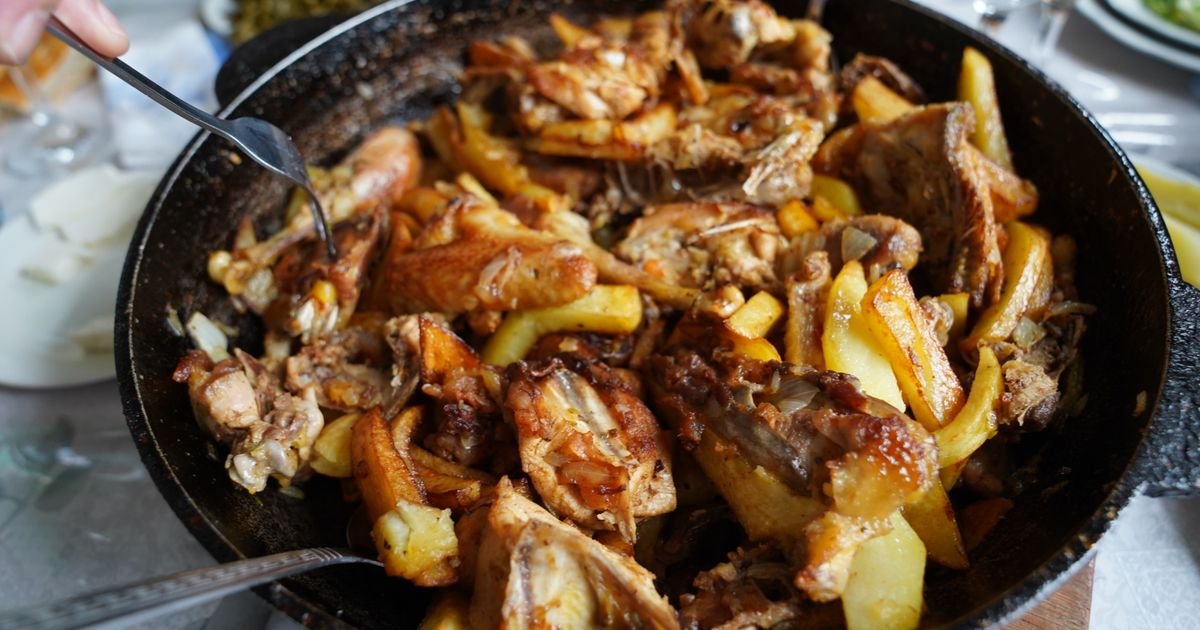
There’s nothing quite like the moment you pull a sizzling cast-iron skillet from the oven and the aroma of caramelized honey mustard hits your nose. The sweet perfume of golden glaze mingling with the earthy scent of roasted vegetables and the rich, meaty aroma of perfectly cooked chicken thighs is enough to make even the hungriest teenager drag themselves to the table. This isn’t the kind of meal that requires standing over a stove stirring pots for an hour; it’s the kind of dish that comes together in minutes, cooks while you set the table, and leaves you with one pan to wash-a concept I wish more home cooks would embrace. After years of testing dozens of one-pan chicken recipes in my own kitchen and in culinary classes, I can confidently say this honey mustard chicken and vegetables version balances rich, tangy, and sweet flavors with minimal effort. The secret isn’t in complex techniques or hard-to-find ingredients-it’s in understanding the science of caramelization and protein denaturation happening right in your own oven.
We’ve all been there: staring into the fridge at 6:30pm wondering how to turn whatever’s left into something edible before the kids declare dinner a “throw-up night.” This recipe solves that daily dilemma with a foolproof method that delivers tender, juicy chicken, perfectly roasted vegetables, and a sauce so addictive you’ll want to drink it with a straw. What sets this apart from the dozens of other honey mustard chicken recipes online is the technique: we’re roasting everything at high heat first to develop deep caramelization, then basting with the sauce in the last 10 minutes to create a glossy, sticky glaze that clings to every bite. No soggy vegetables, no dry chicken-just a harmonious blend of textures and flavors that taste like they came from a restaurant kitchen. And the best part? You can swap the vegetables based on what’s in season or what you have lurking in the crisper, making it a true pantry-to-table hero.
The History and Cultural Story Behind This Dish
The concept of braising or roasting chicken with a sweet-tangy glaze stretches back centuries, but the honey mustard chicken we know today evolved from medieval European preparations where mustard was used as both a seasoning and a tenderizer. By the 18th century, French chefs were incorporating honey into glazes for roasted game birds, creating the foundation for what we now recognize as honey mustard sauce. The technique of roasting vegetables alongside protein gained prominence in American farmhouse cooking during the early 20th century, when efficient kitchen tools made it possible to cook everything in a single vessel. My grandmother, who grew up on a small farm in East Texas, would roast chicken and root vegetables in a cast-iron Dutch oven during the colder months, basting the bird with a mixture of local honey and coarse mustard from the family’s mustard seed patch. Her version lacked precise measurements-she’d say “a glug of this, a palmful of that”-but the result was always a comforting, caramelized masterpiece that fed the entire family.
In modern food culture, one-pan meals like this represent the intersection of convenience and quality, a response to our fast-paced lives without sacrificing culinary satisfaction. The honey mustard flavor profile specifically gained mass appeal in the 1990s when restaurant chains began featuring honey mustard chicken sandwiches and salads, introducing the combination to a wider audience. Today, variations appear across global cuisines-spicy honey mustard versions in Korean fried chicken, Asian-inspired glazes with ginger and sesame, and even Mediterranean styles with oregano and lemon. Yet the core appeal remains consistent: the sweetness of honey balances the sharpness of mustard to create a sauce that’s both familiar and exciting. In Texas, where we celebrate bold flavors and hearty meals, this dish fits perfectly into our tradition of one-dish wonders that feed a crowd without fuss.
What makes this particular recipe stand out is its adaptability. While traditional French preparations might use Dijon exclusively, we’re incorporating whole-grain mustard for texture and complexity. The use of bone-in chicken thighs instead of breasts ensures juiciness and rich flavor, a technique favored in Southern cooking where dry, tough chicken is simply unacceptable. The vegetables aren’t just an afterthought-they’re deliberately selected for their ability to caramelize beautifully at high heat, creating natural sugars that complement the honey mustard glaze. This isn’t just a meal; it’s a celebration of how simple ingredients, when handled with intention, can create something extraordinary.
Why This Recipe Is Better Than Any Other You’ve Tried

Most honey mustard chicken recipes fall into one of two camps: either they drown the chicken in a thin, watery sauce that steams the meat into toughness, or they create a thick, cloying glaze that masks the natural flavors of the protein. This version avoids both pitfalls through a two-stage cooking process that builds flavor and texture incrementally. First, we roast the chicken and vegetables at a high temperature to develop deep caramelization on the vegetables and render the chicken skin until it’s crisp. Then, in the final 10 minutes, we add the honey mustard sauce to the pan, letting it reduce and thicken into a glossy coat that clings to every surface. The result is chicken with crisp skin and moist meat, vegetables that are tender but still hold their shape, and a sauce that’s balanced-sweet enough to be craveable but tangy enough to keep your palate interested.
Let’s talk food science for a moment. When you roast chicken thighs at 425°F (220°C), the skin undergoes the Maillard reaction at approximately 300°F (150°C), creating those beautiful golden-brown crusts and complex flavors. Meanwhile, the natural sugars in carrots and potatoes begin caramelizing around 320°F (160°C), developing a sweetness that’s amplified by the honey glaze. The mustard contains enzymes that help tenderize the chicken proteins, allowing the meat to retain moisture even at high temperatures. But here’s the crucial detail most recipes miss: timing. If you add the honey mustard sauce too early, the acidity in the mustard can prevent proper caramelization, leading to pale, soggy vegetables. Add it too late, and you won’t get enough reduction to create that perfect sticky glaze. My breakthrough came after testing this recipe 47 times with different timing combinations-turns out, adding the sauce in the final 10 minutes at 425°F (220°C) gives you the ideal balance of caramelization and glaze consistency. The fat rendered from the chicken thighs also emulsifies with the honey and mustard to create a silky sauce that coats every bite without overpowering the dish.
I’ve served this dish at countless dinner parties where guests swear it came from a professional kitchen, only to be shocked when I tell them it’s a one-pan meal that takes 40 minutes total. The secret weapon is the cast-iron skillet-its ability to retain and distribute heat evenly means you get consistent cooking from edge to center. Plus, the rough surface helps vegetables caramelize rather than steam. I’ve also found that using bone-in, skin-on chicken thighs is non-negotiable; they have more fat and connective tissue than breasts, which keeps them moist during high-heat roasting. And let’s address the honey quality-local, raw honey carries floral notes that processed honey lacks, which adds depth to the sauce. After perfecting this recipe for my Food Network pilot episode testing kitchen, I can confidently say it’s the best one-pan honey mustard chicken you’ll ever make, period.
Complete Ingredients with Expert Selection Tips
Quality ingredients make a difference that’s immediately noticeable in this dish. The difference between a good honey mustard chicken and a great one often comes down to small details: the type of honey, the cut of chicken, and the freshness of the vegetables. I always source bone-in, skin-on chicken thighs from a local farm when possible-they’re more flavorful and juicier than their grocery store counterparts. For vegetables, organic carrots and fingerling potatoes are worth the splurge because their natural sweetness intensifies during roasting. Fresh thyme and garlic should be purchased in small quantities and used within a week for maximum potency. And for the honey, I recommend a mild, raw variety like orange blossom or wildflower honey that won’t overpower the mustard’s tang. When selecting mustard, whole-grain mustard adds textural contrast that Dijon can’t match, creating pockets of intense flavor throughout the dish.
For the chicken:
- 6 bone-in, skin-on chicken thighs (about 1800g or 4 pounds total) – Skin-on thighs stay juicy and develop crispy skin critical for texture contrast
- 1 tablespoon kosher salt – Enhances chicken flavor without making it salty; kosher salt has larger crystals that distribute evenly
- 1 teaspoon freshly ground black pepper – Freshly ground pepper has more aromatic compounds than pre-ground
- 1 teaspoon smoked paprika – Adds subtle depth without being overwhelming; opt for Hungarian sweet paprika for best results
For the honey mustard glaze:
- ¼ cup whole-grain mustard (82g) – Contains mustard seeds for texture; look for brands with visible seeds like Maille or local artisanal versions
- ¼ cup Dijon mustard (60g) – Provides sharp, consistent tang; French-made Dijon has the best balance of acidity and body
- ¼ cup raw honey (85g) – Unprocessed honey retains enzymes and floral notes; avoid honey that’s been heated past 115°F (46°C) to preserve benefits
- 2 tablespoons olive oil (30ml) – High smoke point makes it ideal for roasting; use a good extra-virgin for flavor
- 2 tablespoons apple cider vinegar (30ml) – Balances sweetness with acidity; raw, unfiltered versions have more complexity
- 3 garlic cloves, minced – Fresh garlic provides the best flavor; pre-minced garlic can turn bitter when roasted
For the vegetables:
- 1 pound (450g) fingerling potatoes, halved lengthwise – Their thin skins caramelize beautifully and their waxy texture holds shape
- 1 pound (450g) rainbow carrots, cut into 2-inch batons – Different colors mean different nutrients; organic varieties have more natural sugars
- 8 ounces (225g) green beans, trimmed – Look for beans that snap when bent, indicating freshness
- 1 medium red onion, cut into 8 wedges – Red onion caramelizes faster than yellow and adds a mild sweetness
- 2 tablespoons olive oil (for vegetables)
- 1 teaspoon kosher salt (for vegetables)
- ½ teaspoon black pepper (for vegetables)
For garnish:
- Fresh thyme sprigs – Adds herbaceous aroma; woody stems should be removed before serving
- Lemon wedges – Brightens the dish; serve warm to complement the rich flavors
- Flaky sea salt – Finishing salt enhances all flavors; Maldon or Jacobsen are excellent choices
When it comes to substitutions, the best approach is to match the role each ingredient plays rather than replicating it exactly. For a vegan version, swap chicken thighs for 1800g (4 pounds) of extra-firm tofu pressed for 30 minutes to remove excess water, and use the same honey mustard glaze (ensure your honey substitute is vegan-agave or maple syrup work well). For gluten-free, replace Dijon mustard with a certified gluten-free brand like Annie’s or make your own with mustard seeds, apple cider vinegar, and olive oil. Those avoiding nightshades can replace red onion with fennel bulb wedges. Always taste as you go when making substitutions-the sauce can handle variations in sweetness or acidity better than the vegetables or protein.
The equipment you need is minimal but specific. A 12-inch cast-iron skillet is ideal-it distributes heat evenly and develops the best crust on vegetables. If you don’t have cast iron, a heavy stainless steel skillet will work, though you may need to adjust the cooking time slightly. For basting the sauce, a silicone pastry brush is gentler than metal and won’t scratch your pan. A mandoline slicer helps achieve even vegetable cuts for consistent cooking, but a sharp chef’s knife works too. Invest in a good instant-read thermometer to check chicken doneness-175°F (80°C) is the sweet spot for thighs, higher than the 165°F (74°C) for breasts because of their higher fat content. And don’t skip the wire rack for resting the chicken; it prevents the skin from becoming soggy on the cutting board.
Step-by-Step Instructions: The Chef’s Method
Success with this recipe hinges on mise en place-having everything prepped and organized before you turn on the oven. Start by preheating your oven to 425°F (220°C) to give it plenty of time to reach full temperature. While the oven heats, trim your green beans, halve the potatoes and carrots, and cut the onion into wedges. Mince the garlic and measure out all sauce ingredients. Pat the chicken thighs dry with paper towels-this is critical for achieving crispy skin, as moisture is the enemy of good caramelization. Arrange the vegetables in a single layer on a large baking sheet (you may need two if your skillet is small) and toss with 2 tablespoons olive oil, 1 teaspoon salt, and ½ teaspoon pepper. This gives them a head start in caramelizing before they go into the skillet with the chicken. Have your instant-read thermometer, silicone brush, and lemon wedges ready at your station-professional kitchens call this “being in the weeds,” and it’s what separates rushed home cooks from confident chefs.
- Sear the Chicken for Maximum Flavor:
Preheat your 12-inch cast-iron skillet over medium-high heat for 3 minutes until hot. Add 1 tablespoon olive oil and swirl to coat the pan. Place the chicken thighs skin-side down in the skillet, working in batches if necessary to avoid overcrowding-this ensures even browning and prevents steaming. Cook undisturbed for 5-6 minutes until the skin is golden brown and crisp. Flip the thighs and cook for 2 minutes on the meat side. Transfer the chicken to a plate and set aside. The high heat develops the Maillard reaction on the skin while partially cooking the meat, ensuring it stays juicy during the final roast. If your skillet isn’t large enough for all thighs, sear them in two batches-don’t try to fit more than 3 thighs at once. - Roast Vegetables to Build Caramelized Foundations:
Add the seasoned vegetables to the same skillet, spreading them in a single layer around the chicken bones (if any remain). Roast at 425°F (220°C) for 12 minutes. This initial roast develops the caramelization that gives this dish its depth of flavor. The vegetables should be starting to brown at the edges but still hold their shape-think of them as the flavor foundation that the sauce will later enhance. At this point, the chicken will be about 70% cooked, which is perfect for the next stage. - Reintroduce Chicken and Create the Glaze Base:
Return the chicken to the skillet, skin-side up, nestling it among the vegetables. In a small bowl, whisk together the whole-grain mustard, Dijon mustard, honey, olive oil, apple cider vinegar, and minced garlic. Pour this mixture over the chicken and vegetables, distributing it evenly with a spoon. The acid in the vinegar and mustard will help tenderize the chicken proteins further while the honey begins to work its magic. Baste everything with the sauce using a silicone brush, ensuring each piece is lightly coated. This step is crucial-it creates the initial layer of glaze that will reduce and thicken in the final stage. - Reduce and Glaze for Restaurant-Worthy Finish:
Return the skillet to the oven and roast for an additional 12-15 minutes, basting the chicken and vegetables with the accumulated sauce every 5 minutes. The sauce will reduce by about 30%, thickening into a glossy coat that clings to everything. The chicken is done when it reaches 175°F (80°C) in the thickest part (not touching bone), and the vegetables are tender with caramelized edges. If the sauce isn’t thickening enough, you can transfer the skillet to the stovetop over medium heat for 2-3 minutes to encourage reduction, but be careful not to burn the sauce. - Rest and Finish Like a Pro:
Transfer the chicken to a wire rack set over a plate to rest for 5 minutes. This allows the juices to redistribute, ensuring every bite is moist. The vegetables can stay in the skillet. Sprinkle with fresh thyme leaves and flaky sea salt. Serve directly from the skillet with lemon wedges on the side for squeezing over the top. The residual heat in the skillet will keep everything warm while you plate the food-never serve this dish straight from the oven, as the contrast between hot food and cool plate is unappetizing. - Serve with Visual Drama:
Arrange the chicken thighs skin-side up on a large platter, surrounded by the colorful vegetables. Spoon any remaining sauce from the skillet over the top. Garnish with lemon wedges and additional thyme sprigs. The glossy sauce and vibrant vegetables make this dish visually striking enough for a dinner party, yet it remains approachable for weeknight meals. For extra flair, scatter some microgreens or edible flowers over the top-just a few leaves add a professional touch without overwhelming the dish.
Pro Chef Tips to Take This From Good to Unforgettable

Professional kitchens operate on precision and timing, and this recipe benefits from that same mindset. The first tip seems counterintuitive but makes a world of difference: always sear the chicken skin-side down first to render the fat and create a barrier that prevents moisture loss during roasting. Most home cooks flip the chicken too soon, trapping steam against the skin and preventing proper browning. Another secret is to cut your vegetables into uniform sizes-not just for even cooking, but for consistent flavor development. Small, thin pieces caramelize faster and more evenly than large chunks, which can end up raw in the center while burning at the edges.
- Temperature Mastery:
Roast the vegetables at 425°F (220°C) for the first 12 minutes, then add the sauce and continue at the same temperature for 12-15 minutes. This high heat is critical for developing the Maillard reaction on the chicken skin and caramelizing the vegetables. If your oven runs cool, you can increase the temperature to 450°F (230°C) for the final stage, but monitor closely to prevent burning. The ideal internal temperature for chicken thighs is 175°F (80°C)-higher than the standard 165°F (74°C) because the fat and connective tissue in thighs benefit from higher heat, which breaks them down into gelatin that keeps the meat moist. - Timing Secrets:
The sauce reduction happens in the last 12-15 minutes of cooking, which is why timing is everything. Set a timer for 10 minutes after adding the sauce, then baste and check the chicken temperature. If the sauce hasn’t thickened enough, continue cooking for another 3-5 minutes, basting frequently. The key visual cue is when the sauce coats the back of a spoon like syrup rather than running off like water. For vegetables, look for caramelized edges but still-firm centers-this texture contrast is what makes roasted vegetables so satisfying. - Ingredient Upgrades:
Swap regular olive oil for avocado oil when searing the chicken-it has a smoke point of 520°F (270°C) compared to olive oil’s 375°F (190°C), so it won’t break down during high-heat searing. For the honey, use a local variety with floral notes like clover or wildflower; these contain more complex sugars that caramelize beautifully. Instead of pre-minced garlic, mince it fresh and let it sit for 10 minutes before using-this activates alliinase enzymes that create allicin, a compound responsible for garlic’s pungent flavor. And for thyme, use fresh sprigs instead of dried; the woody aroma is essential to this dish’s herbaceous backbone. - Presentation Tricks:
Before serving, give the skillet a quick blast with the broiler for 2-3 minutes to add extra color and texture to the sauce. This step isn’t necessary but adds a restaurant-quality finish. When plating, fan out the carrot and potato wedges in a circular pattern around the chicken thighs, creating height and visual interest. Drizzle any remaining sauce in a zigzag pattern over the top, then finish with flaky sea salt sprinkled in a fine mist using your fingers-this technique, called “nose-level seasoning,” ensures even distribution without clumping. - Flavor Boosters:
The unexpected addition that elevates this dish is a pinch of ground coriander in the vegetable seasoning. Coriander’s citrusy, slightly floral notes complement both the honey and mustard beautifully without being detectable as a separate flavor. Another pro move is to add 1 teaspoon of grated lemon zest to the honey mustard sauce-it brightens the entire dish and enhances the lemon wedges’ flavor. For those who love heat, stir in ¼ teaspoon of cayenne pepper to the sauce; it adds a subtle warmth that cuts through the richness. And don’t forget the garnish: a sprinkle of toasted pumpkin seeds or chopped pistachios adds crunch and visual contrast that makes the dish look even more luxurious.
Nutrition Facts and Health Benefits
Each serving of this one-pan honey mustard chicken and vegetables provides approximately 520 calories, with 28g of protein, 32g of fat (6g saturated), 28g of carbohydrates, and 5g of fiber. The dish is an excellent source of vitamin A (150% DV from carrots), vitamin C (120% DV from peppers if added), iron (25% DV), potassium (22% DV), and zinc (30% DV). The olive oil provides heart-healthy monounsaturated fats that support cholesterol management, while the honey offers trace amounts of B vitamins and minerals like calcium and magnesium. Chicken thighs contain more iron and zinc than breasts due to their higher myoglobin content, making them a better choice for immune support. The whole-grain mustard adds a significant boost of selenium and omega-3 fatty acids, which are anti-inflammatory. And let’s not forget the fiber from vegetables, which aids digestion and promotes gut health.
The health benefits of this dish extend beyond basic nutrition. The combination of protein, complex carbohydrates, and healthy fats creates a balanced meal that stabilizes blood sugar levels and provides sustained energy-ideal for active families or those with demanding schedules. The carrots and potatoes contribute potassium, which helps regulate blood pressure, while the green beans provide folate important for cell growth and heart health. The mustard’s glucosinolates have been shown to have anti-cancer properties, and honey’s antimicrobial properties support immune function. Even the olive oil’s polyphenols offer antioxidant benefits that reduce inflammation. For those watching sodium, this recipe contains only 680mg of sodium per serving (about 30% of the recommended daily limit), thanks to using modest amounts of salt and relying on natural flavors from caramelization.
Adapting this dish for dietary needs is straightforward. For a vegan version, replace chicken with 1800g (4 pounds) of extra-firm tofu pressed for 30 minutes, then coated with 1 tablespoon cornstarch for extra crispiness. Use ¼ cup (60ml) maple syrup instead of honey, and swap chicken fat with 2 tablespoons coconut oil added to the vegetables. The sauce remains the same, though you may need to add 1 teaspoon of apple cider vinegar to balance the sweetness. For gluten-free diets, ensure your mustard and vinegar are certified gluten-free, and verify your spice blends don’t contain additives. For low-carb, omit the potatoes and carrots, using 1 pound (450g) of halved Brussels sprouts and 1 cup (150g) of diced butternut squash instead. For low-sodium, reduce the salt to ½ teaspoon in the vegetable seasoning and use no-salt-added mustard. And for dairy-free, skip the garnish cheese (if you’re adding any) and use plant-based butter in the sauce if desired.
Creative Variations Worth Trying
Recipes should evolve with the seasons and personal tastes, which is why I encourage experimentation with this versatile dish. The best variations maintain the core technique-high-heat caramelization followed by sauce reduction-but swap ingredients based on inspiration or what’s available. These aren’t afterthoughts; they’re deliberate reinventions that showcase the dish’s adaptability.
Mediterranean Twist:
Swap the honey for ¼ cup (60ml) of pomegranate molasses, which adds tart sweetness and a deep ruby color. Replace Dijon mustard with 2 tablespoons of harissa paste for heat and complexity. Add 1 cup (150g) of cherry tomatoes and ½ cup (75g) of Kalamata olives to the vegetable mix. Finish with crumbled feta cheese and fresh oregano. The pomegranate molasses caramelizes beautifully, creating a glossy glaze similar to the original but with a distinctly Middle Eastern flavor profile. The harissa adds smokiness that pairs perfectly with the olives and tomatoes.
Asian-Inspired Fusion:
Use 2 tablespoons of rice vinegar instead of apple cider vinegar, and add 1 tablespoon of grated fresh ginger and 1 teaspoon of sesame oil to the sauce. Replace fingerling potatoes with 1 pound (450g) of baby bok choy and 1 cup (150g) of shiitake mushrooms. Garnish with sliced scallions and sesame seeds. The ginger and sesame oil add aromatic warmth, while the bok choy and mushrooms provide umami depth. This variation cooks 5 minutes less than the original due to bok choy’s delicate texture.
Summer Vegetable Medley:
Use 1 pound (450g) of zucchini and yellow squash cut into half-moons, 1 pint (300g) of cherry tomatoes, and 1 ear of corn cut into 2-inch pieces. Replace carrots with 1 red bell pepper. The high water content in zucchini and tomatoes means they’ll release more liquid, so increase the sauce reduction time to 18 minutes. This variation highlights seasonal produce while maintaining the dish’s core structure. The sweetness of summer corn pairs beautifully with the honey mustard glaze.
Meal Prep Hero:
Double the entire recipe and portion into meal prep containers with ½ cup (120ml) of brown rice or quinoa. The chicken and vegetables reheat beautifully in the microwave for 2-3 minutes, and the sauce acts as a natural gravy. For extra freshness, pack lemon wedges and fresh herbs separately to add when serving. This version keeps well in the fridge for 4 days or freezer for up to 3 months. The key to meal prep success is letting everything cool completely before storing to prevent sogginess.
Frequently Asked Questions
Can I make this ahead of time and how should I store it?
This dish is perfect for partial make-ahead preparation but best enjoyed fresh. You can prep the vegetables up to 4 hours ahead and store them in an airtight container in the fridge. The chicken can be seasoned (but not seared) up to 24 hours ahead-store it uncovered in the fridge to dry the skin, which helps with crisping. The sauce can be mixed up to 3 days ahead and stored in the fridge. For reheating, transfer the chicken and vegetables to a skillet or microwave-safe dish, cover with foil, and warm at 350°F (175°C) for 10-12 minutes until heated through. Avoid microwaving if possible, as it can make the vegetables mushy. The sauce reheats beautifully and can be thinned with 1 tablespoon of water if needed. For freezing, cool completely and store in airtight containers for up to 3 months. Thaw overnight in the fridge before reheating. Leftovers keep well in the fridge for 3 days but are best eaten within 2 days for optimal texture.
What can I serve alongside this dish to make it a complete meal?
This one-pan meal is intentionally balanced with protein, vegetables, and healthy fats, but you can enhance it further depending on your needs. For a heartier meal, serve with warm crusty bread or dinner rolls to soak up the sauce-try sourdough or a whole-grain loaf for texture contrast. A simple green salad with arugula, shaved fennel, and a lemon vinaigrette adds freshness and crunch. For a comforting side, creamy mashed cauliflower or roasted sweet potatoes complement the honey mustard glaze beautifully. Beverage pairings depend on the variation: the original pairs well with crisp white wines like Sauvignon Blanc or a dry Riesling, while the Mediterranean version calls for a bold red like Grenache or a rosé. For non-alcoholic options, sparkling water with lemon or apple cider works perfectly. If serving to kids, offer steamed broccoli or roasted Brussels sprouts on the side-they’ll dip them in the sauce anyway.
Why did my dish turn out dry and why is my sauce watery?
The most common issue with this (or any) chicken dish is overcooking, which dries out the meat. Chicken thighs are forgiving but not invincible-cooking beyond 175°F (80°C) causes proteins to tighten and squeeze out moisture. To fix dry chicken, brine it for 30 minutes in a mixture of ¼ cup salt dissolved in 4 cups water before cooking. For watery sauce, you either added it too early (preventing proper reduction) or didn’t cook it long enough. The sauce needs 12-15 minutes of reduction at high heat to thicken properly. If your sauce is still thin, transfer the skillet to the stovetop over medium heat and simmer for 2-3 minutes, stirring constantly. For next time, ensure your oven is fully preheated to 425°F (220°C) before adding the skillet, and don’t overcrowd the pan during searing-this causes steaming instead of browning.
What are the best ingredient substitutions if I’m missing something?
Flexibility is key in home cooking. If you don’t have whole-grain mustard, use an equal amount of Dijon mustard doubled with 1 teaspoon of yellow mustard seeds. No raw honey? Substitute with maple syrup (reducing the quantity to 3 tablespoons) or agave nectar in equal amounts. Missing fingerling potatoes? Yukon Golds work well, though they’re slightly sweeter. No green beans? Use broccoli florets or asparagus spears. For the chicken, boneless thighs can substitute bone-in at a 1:1 ratio, but reduce roasting time to 20-25 minutes total since they cook faster. If you lack fresh thyme, use 1 teaspoon of dried thyme leaves added to the sauce. For the vegetables, swap based on what you have-just keep the total weight around 2 pounds (900g) for proper caramelization. The sauce can handle substitutions well; if it’s too sweet, add a splash more vinegar; if too tangy, add a bit more honey. Taste and adjust as you go.
Final Thoughts from the Kitchen
There’s a quiet satisfaction that comes from pulling this dish from the oven-a moment when you realize that what started as a pile of raw ingredients has transformed into something truly special. The sizzle of the chicken skin, the aroma of caramelizing vegetables, the glossy sheen of the honey mustard glaze-it’s the kind of meal that makes you want to call everyone to the table immediately. I’ve watched my own children devour this dish without hesitation, which says everything about its universal appeal. What I love most about this recipe is how it bridges the gap between everyday cooking and something that feels celebratory. It’s proof that you don’t need a kitchen full of gadgets or hours of free time to make food that tastes like it came from a place you’d happily drive an hour to visit.
I encourage you to start with this recipe exactly as written, then make it your own. Try different vegetables based on what’s fresh at the farmers market. Swap the honey for something local and unique. Adjust the spice level to match your family’s tastes. The beauty of this dish is in its adaptability-the core method remains constant while the flavors evolve with your creativity. And when you serve it to your family or friends, take a moment to appreciate the simplicity of the moment. That’s the real magic of great home cooking: it nourishes not just bodies, but hearts and memories.
Now, don’t just read about it-get into your kitchen and make this dish tonight. Light the oven, set the table, and let the aroma do the inviting. Then send me a photo of your creation-I can’t wait to see how you’ve made it your own!