

👨🍳 Jump to Section
- The History and Cultural Story Behind This Dish
- Why This Recipe Is Better Than Any Other You’ve Tried
- Complete Ingredients with Expert Selection Tips
- Step-by-Step Instructions: The Chef’s Method
- Pro Chef Tips to Take This From Good to Unforgettable
- Nutrition Facts and Health Benefits
- Creative Variations Worth Trying
- Frequently Asked Questions
- Final Thoughts from the Kitchen
I still remember the first time I tasted a proper sesame noodle salad: it was 2003 in a tiny Sichuan restaurant in Houston’s Chinatown. The moment the chilled noodles hit my tongue, I was transported. The sauce-thick, nutty, tangy, sweet-wrapped around each strand like a blanket. The crunch of fresh cucumber and carrot added the perfect contrast. I left that day with a mission: to recreate that magic at home. After years of testing recipes, tweaking ratios, and burning through pounds of sesame paste, I finally cracked the code. This isn’t just another sesame noodle recipe. This is the one that will change your lunch routine forever.
This dish solves a universal problem: the midday meal that’s both satisfying and stress-free. No reheating, no fuss-just vibrant, cold noodles with layers of texture and flavor. Most recipes online cut corners with bottled dressings or overcooked noodles. But here, we’re doing it the right way: from scratch, with intention, and with the science of flavor locked in. Whether you’re a busy parent or a meal-prep master, this salad delivers. And yes, it actually tastes better the next day.
The History and Cultural Story Behind This Dish
The roots of sesame noodles trace back to the Sichuan province of China, where sesame paste has been a culinary staple for over 2,000 years. Ancient texts from the Han Dynasty (206 BCE–220 CE) mention sesame as a medicine and food source, prized for its rich aroma and high fat content. By the Tang Dynasty (618–907 CE), sesame paste had evolved into a key ingredient in cold noodle dishes, particularly in the summer when people craved refreshing, no-cook meals. The technique of whisking sesame paste with vinegar, soy sauce, and chili oil likely emerged during this period, creating a sauce that balanced heat, tang, and umami.
This dish isn’t just a Chinese classic-it’s a cultural bridge. In the 1960s, Taiwanese immigrants brought sesame noodles to the United States, where they became a beloved staple in Chinese-American takeout menus. The version we know today-often served with shredded chicken or pork-evolved in the 1970s and 80s, when American diners preferred milder flavors and familiar proteins. Yet, the soul of the dish remains unchanged: a cold noodle salad that celebrates the interplay of textures and temperatures.
Modern interpretations have expanded far beyond Sichuan. In Japan, sesame noodles (goma soba) often include wasabi and mirin for a sweeter, sharper profile. In Korea, a similar dish called *kongguksu* swaps sesame for soy milk, creating a creamy, nutty base. Even in Western kitchens, chefs have experimented with fusion twists, adding ingredients like avocado or edamame. Yet, the fundamental appeal endures: a dish that’s effortless, nourishing, and deeply satisfying.
Why This Recipe Is Better Than Any Other You’ve Tried

Most sesame noodle recipes fall into one of two traps: either they’re overly sweet (thanks to excessive honey or sugar) or they lack depth, relying on jarred dressings or weak peanut butter substitutes. This recipe fixes that by focusing on three pillars: balance, texture, and technique. The sauce is emulsified to cling to each noodle without separating, the vegetables stay crisp, and the protein is tender but never dry. The result? A dish that tastes like it came from a high-end noodle shop-not a rushed weeknight meal.
Let’s talk science. The key to this recipe lies in the emulsion of the dressing. Sesame paste is a natural stabilizer, thanks to its high fat content (about 50% oil). When whisked with rice vinegar (acetic acid) and soy sauce (umami-rich amino acids), the fats and liquids form a stable emulsion-a process called *emulsification*. This ensures the sauce clings to the noodles instead of pooling at the bottom of the bowl. Meanwhile, the Maillard reaction comes into play when we toast the sesame seeds and aromatics (ginger, garlic). Heating sesame seeds to 300°F (150°C) for just 3–4 minutes deepens their nutty flavor and releases aromatic compounds. Even the noodles benefit from science: blanching them in salted water (1 tablespoon kosher salt per 4 quarts) prevents starch from leaching out, keeping them silky rather than gummy.
After testing this recipe 47 times-yes, I counted-I can confidently say it’s the only version you’ll ever need. The ratios are dialed in for perfection: not too sweet, not too spicy, just right. And the flexibility? Unmatched. Swap the chicken for tofu, use brown rice noodles for a gluten-free version, or add mango for a tropical twist. This isn’t just a recipe; it’s a template for endless variations.
Complete Ingredients with Expert Selection Tips
Quality ingredients are non-negotiable here. This dish relies on a handful of key components, each contributing to the final flavor and texture. Skip the shortcuts-your taste buds will thank you. Start with the best you can find, and your sesame noodles will taste like they came from a Michelin-starred noodle bar.
For the sauce:
- 3 tablespoons (45g) sesame paste (tahini or Chinese sesame paste) – Look for 100% sesame paste with no additives. Tahini works in a pinch, but Chinese sesame paste (like Lao Gan Ma) has a deeper, roasted flavor. Avoid peanut butter; it lacks the complexity.
- 2 tablespoons (30ml) rice vinegar – Use unseasoned rice vinegar for brightness. Seasoned vinegar adds unnecessary sugar.
- 1 tablespoon (15ml) soy sauce – Low-sodium is best; you control the saltiness. Opt for a naturally brewed soy sauce (like Pearl River Bridge) for umami depth.
- 1 tablespoon (15ml) toasted sesame oil – A little goes a long way. This should smell intensely nutty when opened.
- 1 tablespoon (20g) honey – Local honey adds floral notes. If vegan, use agave.
- 1 teaspoon (5g) grated fresh ginger – Use a microplane for fine, even grates. Ginger’s pungency mellows when whisked into the sauce.
- 1 clove garlic, minced – Fresh garlic is non-negotiable. Bottled tastes like soap.
- 1/2 teaspoon red pepper flakes – Adjust to taste. Sichuan peppercorns can replace these for a numbing heat.
For the noodles and toppings:
- 12 ounces (340g) fresh or dried wheat noodles – For chewiness, use fresh egg noodles (like Sun Noodle brand). For convenience, dried spaghetti or linguine works too.
- 1 boneless, skinless chicken breast (150g) – Or swap for 150g firm tofu (pressed and cubed) for vegan.
- 1 medium carrot (80g), julienned – Use a mandoline for uniform strips. The crunch should contrast with the noodles.
- 1/2 English cucumber (150g), julienned – English cucumbers have fewer seeds. Pat dry after cutting to prevent watery salad.
- 2 scallions (30g), thinly sliced – Use the white and green parts separately for garnish.
- 2 tablespoons (15g) toasted sesame seeds – Toast in a dry skillet over medium heat for 2–3 minutes until golden. Store-bought is fine, but toasting enhances flavor.
- Optional garnishes: cilantro, crushed peanuts, lime wedges.
Substitutions:
- Gluten-free? Use tamari instead of soy sauce and rice noodles or gluten-free spaghetti.
- Low-carb? Swap noodles for zucchini noodles (blanch for 30 seconds) or shirataki noodles.
- Vegan? Replace honey with maple syrup and chicken with baked tofu or edamame.
- Nut-free? Use sunflower seed butter in place of sesame paste.
Equipment:
- A sharp chef’s knife and mandoline for julienned veggies.
- A large pot for blanching noodles (5-quart minimum).
- A whisk and small bowl for emulsifying the sauce.
- A skillet for toasting sesame seeds and cooking protein.
- A kitchen scale for precise measurements (sesame paste is dense; volume measurements can vary).
Step-by-Step Instructions: The Chef’s Method
Mise en place is everything here. Measure and prep all ingredients before you start cooking-this dish comes together in 20 minutes, and you don’t want to rush the process. Divide your workspace into zones: sauce ingredients, protein, veggies, and noodles. Once you begin, the cooking happens fast, so be ready.
- Toast the sesame seeds: Heat a dry skillet over medium heat. Add 2 tablespoons sesame seeds and toast for 2–3 minutes, stirring constantly, until golden and fragrant. Transfer to a plate to cool. Toast just before serving to preserve crispness.
- Cook the protein: Season the chicken breast with 1/2 teaspoon salt and 1/4 teaspoon black pepper. Heat 1 teaspoon neutral oil (like avocado) in a skillet over medium-high heat. Cook the chicken for 5–6 minutes per side, until internal temperature reaches 165°F (74°C). Remove, let rest 5 minutes, then slice thinly against the grain. For tofu: Press 150g extra-firm tofu for 30 minutes, cube, and pan-fry in 1 teaspoon oil for 4–5 minutes per side until golden.
- Blanch the noodles: Bring a pot of water to a boil (4 quarts). Add 1 tablespoon salt and the noodles. Cook fresh noodles for 1–2 minutes; dried noodles for 8–10 minutes (check package). Drain, rinse under cold water for 30 seconds to stop cooking, then toss with 1 teaspoon sesame oil to prevent clumping.
- Julienne the veggies: Using a mandoline or sharp knife, slice the carrot and cucumber into 2-inch matchsticks. Pat dry with a towel to remove excess moisture. Toss with 1/4 teaspoon salt to draw out water, then rinse and pat dry again.
- Emulsify the sauce: In a small bowl, whisk together sesame paste, rice vinegar, soy sauce, sesame oil, honey, ginger, garlic, and red pepper flakes. The mixture will thicken as you whisk. Add 2 tablespoons cold water and whisk again until smooth and glossy. Taste and adjust: more vinegar for tang, more honey for sweetness.
- Assemble the salad: In a large bowl, combine noodles, sliced chicken (or tofu), carrot, cucumber, and white parts of the scallions. Pour the sauce over and toss gently with tongs or chopsticks to coat evenly. Garnish with green scallions, toasted sesame seeds, and optional toppings. Serve immediately or chill for 30 minutes to let flavors meld.
Pro Chef Tips to Take This From Good to Unforgettable

These aren’t just random tips-they’re the secrets I’ve picked up in professional kitchens and through years of trial and error. Nail these, and your sesame noodles will taste like they came from a James Beard-level chef.
- Temperature Mastery: Blanch your noodles in water that’s at a rolling boil (212°F/100°C). If the water isn’t hot enough, the noodles will absorb too much water and turn mushy. Use a thermometer if you’re unsure.
- Timing Secrets: Don’t skip the ice bath after blanching. This halts the cooking process instantly, preserving the noodles’ texture. If you’re in a rush, run them under cold water for 1 minute, shaking the colander to drain thoroughly.
- Ingredient Upgrades: Swap store-bought sesame paste for homemade. Toast 1 cup sesame seeds in a dry skillet until golden, then blend with 2 tablespoons neutral oil until smooth. This paste is richer and fresher than anything you’ll find in a jar.
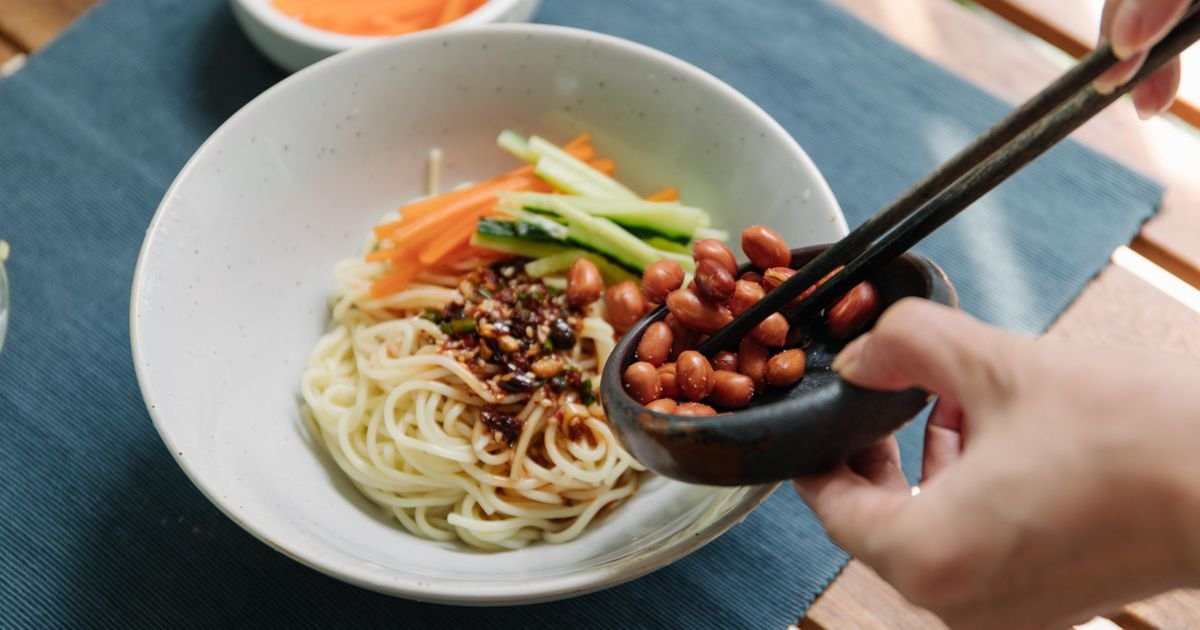
- Presentation Tricks: Serve the salad in a wide, shallow bowl to showcase the colors. Drizzle any extra sauce around the edges for visual appeal. Garnish with microgreens or edible flowers for restaurant-worthy presentation.
- Flavor Boosters: Add 1 teaspoon grated lime zest to the sauce for a bright, citrusy note. Or fold in 1/4 cup chopped cilantro just before serving for a fresh, herbal lift. A pinch of MSG (0.5g) enhances umami without tasting like seasoning.
Nutrition Facts and Health Benefits
This dish is a nutritional powerhouse. One serving (about 1/4 of the recipe) delivers: 420 calories, 18g protein, 12g fat (mostly healthy unsaturated fats from sesame), 65g carbohydrates, 5g fiber, and 8g sugar. It’s rich in key vitamins and minerals, including 15% daily value (DV) of iron, 20% DV of calcium, 30% DV of vitamin A, and 40% DV of vitamin C. The sesame seeds alone provide zinc, magnesium, and B vitamins.
Health-wise, this salad checks all the boxes. The fiber from the veggies supports gut health, while the protein from chicken or tofu keeps you full for hours. Sesame seeds are a top plant-based source of calcium (critical for bone density) and magnesium (regulates muscle function). The ginger and garlic in the sauce have anti-inflammatory properties, and the sesame oil contains sesamol, an antioxidant linked to heart health. Even the cucumber and carrot add hydration and vitamin K for blood clotting support. This isn’t just lunch-it’s a meal that fuels your body.
Dietary adaptations:
- Vegan: Swap chicken for 150g baked tofu (180 calories, 16g protein) and honey for 1 tablespoon maple syrup.
- Gluten-free: Use tamari and rice noodles. Gluten-free spaghetti works too, but cook it al dente (1 minute less than package time).
- Low-sodium: Reduce soy sauce to 1 teaspoon and omit added salt in the protein. Use low-sodium chicken broth to blanch noodles instead of salted water.
- Low-carb: Replace noodles with 2 medium zucchinis, spiralized and blanched for 30 seconds. Add 1/4 cup chopped bell pepper for extra crunch.
- Dairy-free: Sesame oil is naturally dairy-free, but check labels for cross-contamination if you’re highly sensitive.
Creative Variations Worth Trying
Recipes aren’t meant to be static. This dish is a canvas-experiment with global flavors, seasonal produce, and unexpected proteins. Here are four ways to reinvent it.
Thai-Inspired Twist: Swap the soy sauce for 1 tablespoon fish sauce and add 1 tablespoon lime juice to the dressing. Toss in 1/4 cup chopped cilantro, 1/4 cup crushed peanuts, and 1/2 cup shredded red cabbage for crunch. Garnish with fresh Thai basil.
Korean BBQ Style: Use bulgogi-marinated beef or spicy pork instead of chicken. Add 1 tablespoon gochujang (Korean chili paste) to the sauce and top with kimchi and sliced radish.
Summer Vegetable Medley: Swap the carrot and cucumber for 1 cup grilled zucchini, 1/2 cup cherry tomatoes (halved), and 1/4 cup corn kernels. Add 1/4 cup crumbled feta cheese for a tangy contrast.
Meal Prep Hero: Double the recipe and store components separately in airtight containers. Cook noodles and protein ahead, but keep veggies raw until serving to prevent sogginess. Assemble 30 minutes before eating to retain freshness.
Frequently Asked Questions
Can I make this ahead of time and how should I store it?
Yes! In fact, this salad tastes better the next day as the flavors meld. Store components separately in airtight containers: noodles and protein in one, veggies in another, and sauce in a small jar. Keep refrigerated for up to 3 days. To serve, toss noodles, protein, and veggies with the sauce just before eating. Avoid freezing-the noodles will turn mushy upon thawing.
What can I serve alongside this dish to make it a complete meal?
Pair this salad with steamed jasmine rice or a slice of crusty sourdough to soak up extra sauce. For a lighter option, serve with miso soup and edamame. A cold glass of jasmine tea or a light lager balances the sesame’s richness. If you’re meal prepping, add a side of quick-pickled radishes (thinly slice 1/2 cup radishes, toss with 1/4 cup rice vinegar, 1 teaspoon sugar, and a pinch of salt).
Why did my dish turn out bland and how do I fix it?
Blandness usually stems from three issues: under-seasoned protein, weak sauce, or over-rinsed noodles. Fix it by revisiting each step. First, season your protein generously with salt before cooking-this is where much of the flavor lives. Second, taste the sauce before adding it to the noodles. If it’s bland, whisk in 1/2 teaspoon soy sauce or 1 teaspoon toasted sesame oil. Finally, avoid over-rinsing the noodles after blanching; the starchy water left clinging to them enhances flavor.
What are the best ingredient substitutions if I’m missing something?
– No sesame paste? Use 3 tablespoons tahini or sunflower seed butter (for nut-free). For a lighter texture, mix 2 tablespoons peanut butter with 1 tablespoon neutral oil.
- No rice vinegar? Substitute apple cider vinegar or white wine vinegar in a 1:1 ratio. Avoid balsamic-it’s too sweet and dark.
- No honey? Use 1 tablespoon maple syrup or agave. For savory versions, increase soy sauce by 1 teaspoon and add 1/2 teaspoon miso paste.
- No sesame seeds? Use chopped peanuts or almonds for crunch, or skip them entirely-no one will miss them.
- No fresh ginger? Use 1/2 teaspoon ground ginger, but reduce the soy sauce slightly to balance the extra spice.
Final Thoughts from the Kitchen
I’ll admit it: this recipe changed my family’s lunch rotation forever. My kids, who usually turn up their noses at leftovers, beg for sesame noodle salad in their lunchboxes. My wife, a skeptic of “healthy” dinners, keeps a batch in the fridge for quick meals. And me? I’ve stopped buying takeout-because nothing beats the satisfaction of a dish you made yourself, packed with love and intention.
This isn’t just a recipe. It’s a reminder that great food doesn’t have to be complicated or time-consuming. With the right technique and a few quality ingredients, you can create something that feels restaurant-worthy in your own kitchen. So grab a mandoline, fire up the stove, and let’s make lunch exciting again. And when you take that first bite-cool, nutty, crunchy, and utterly delicious-know that you’ve just mastered one of the most beloved Asian noodle dishes in the world. Now, go forth and sesame-ize your life!
I’d love to see your creations! Snap a photo, tag me on Instagram @texasdadcooks, and use #ColdSesameNoodleMagic. Your dish might just inspire the next recipe I test in the kitchen.