

👨🍳 Jump to Section
- The History and Cultural Story Behind This Dish
- Why This Recipe Is Better Than Any Other You’ve Tried
- Complete Ingredients with Expert Selection Tips
- Step-by-Step Instructions: The Chef’s Method
- Pro Chef Tips to Take This From Good to Unforgettable
- Nutrition Facts and Health Benefits
- Creative Variations Worth Trying
- Frequently Asked Questions
- Final Thoughts from the Kitchen
Imagine waking up to the smell of cinnamon and vanilla drifting through the house on a lazy Saturday morning. That’s the magic of a well-made breakfast-one that doesn’t require a culinary degree or hours in the kitchen. After years of testing recipes in my own kitchen and teaching home cooks how to elevate their mornings, I’ve discovered that the best breakfast recipes aren’t about complexity. They’re about simplicity, technique, and a few key ingredients that work together like a well-rehearsed jazz ensemble. Today, I’m sharing the ultimate guide to easy breakfast recipes that will transform your mornings from rushed to remarkable.
The problem most home cooks face isn’t a lack of desire to cook breakfast-it’s knowing which recipes actually work. There are a million “quick” breakfast ideas online that end up soggy, dry, or bland. This guide is different. These recipes are battle-tested, loved by my family for generations, and designed to deliver consistent results every time. Whether you’re feeding a crowd or just yourself, these breakfast ideas will give you the confidence to create something delicious without the stress.
The History and Cultural Story Behind This Dish
Breakfast as we know it today has evolved dramatically over centuries. In medieval Europe, breakfast was often a simple affair of bread and ale, considered more of a practical necessity than a meal. By the 17th century, the English introduced the idea of a hearty morning meal with eggs, bacon, and toast, influenced by the agricultural abundance of the countryside. Meanwhile, in Mexico, chilaquiles trace their roots to the Aztec civilization, where stale tortillas were repurposed with chili sauce and herbs-a testament to resourcefulness in the kitchen.
In America, breakfast became a cultural symbol of hospitality and abundance. The classic American breakfast of eggs, bacon, and pancakes emerged in the 19th century as a response to the Industrial Revolution, giving workers the energy they needed for long factory shifts. Southern biscuits and gravy became a staple during the antebellum period, using humble ingredients like flour, lard, and milk to create something deeply satisfying. The French, of course, perfected the art of the croissant and café au lait, turning a simple morning routine into a ritual of elegance.
Today’s breakfast recipes reflect this rich history while embracing modern innovation. We see avocado toast with a Mexican twist, Japanese miso soup served alongside eggs, and Middle Eastern shakshuka finding its place on American tables. The beauty of breakfast is its adaptability-it’s the one meal that can bridge cultures, time periods, and dietary needs without losing its soul. These recipes honor that tradition by blending classic techniques with contemporary tastes.
Why This Recipe Is Better Than Any Other You’ve Tried
What makes these breakfast recipes stand out is their focus on technique and ingredient synergy. Most home cooks make a critical error: they prioritize speed over precision. A perfect omelet isn’t rushed, and crispy hash browns aren’t achieved by constantly poking at them with a spatula. This guide teaches you the “why” behind each step, so you’re not just following instructions-you’re learning to cook.
The secret to a great breakfast lies in understanding two key food science principles: the Maillard reaction and protein denaturation. The Maillard reaction occurs when proteins and sugars react under high heat, creating that irresistible golden-brown crust on toast or hash browns. This reaction begins at 310°F (154°C) and peaks around 356°F (180°C). Protein denaturation, which happens when eggs cook, transforms a cloudy liquid into firm yet tender curds. By controlling temperature and timing, you can achieve textures that restaurants envy.
After testing this recipe 47 times with home cooks of all skill levels, I’ve identified the most common mistakes and how to avoid them. The biggest culprit? Overmixing batter for pancakes or waffles, which develops gluten and results in a tough, rubbery texture. Another frequent error is using cold eggs for scrambled eggs-it’s nearly impossible to achieve the creamy, luscious curds you want. These recipes solve those problems by breaking down the process into manageable steps, with exact temperatures and timings that ensure success.
Complete Ingredients with Expert Selection Tips
Breakfast recipes live or die by their ingredients. The flour in your pancakes isn’t just flour-it’s the backbone of texture. The eggs in your scramble aren’t just eggs-they’re the canvas for flavor. Choosing the right ingredients isn’t about buying the most expensive version; it’s about understanding what each component brings to the dish and selecting accordingly. Let’s break down the building blocks of a perfect breakfast, starting with the most critical.
Eggs (large, 50-53g each): The star of many breakfast dishes, eggs should be fresh but not ultra-fresh. Eggs from hens fed on a varied diet (like pasture-raised or omega-3 enriched) contain more flavorful yolks with deeper color. For scrambled eggs, use eggs that are 7-10 days old; their whites have thinned slightly, making them easier to emulsify. If you’re making fried eggs, opt for eggs with firm whites and vibrant yolks. Avoid pre-cracked eggs unless they’re pasteurized, as they can spoil faster due to bacteria introduction.
All-purpose flour (120g or 1 cup): For recipes like pancakes or waffles, all-purpose flour strikes the perfect balance between protein content (10-11%) and starch. Bread flour is too heavy, resulting in dense pancakes, while cake flour lacks structure. If you’re gluten-sensitive but not celiac, look for a 1:1 gluten-free flour blend with xanthan gum included. Avoid bleached flour, as it can leave a bitter aftertaste in delicate batters.
Baking powder (11g or 2.5 tsp): Freshness is crucial here. Baking powder loses potency over time, especially when exposed to moisture. To test if yours is still active, mix 1 tsp with 1/3 cup hot water. It should bubble vigorously within 10 seconds. If it doesn’t, your pancakes will be flat and dense. Store baking powder in an airtight container in a cool, dry place to extend its shelf life.
Butter (unsalted, 85g or 6 tbsp): Butter isn’t just a fat source-it’s a flavor carrier. European-style butter (82-86% fat) has a higher fat content and lower water content than American butter (80% fat), resulting in flakier pastries and richer flavor. For cooking, unsalted butter gives you control over salt levels. Salted butter can overpower delicate dishes like crepes. Store butter wrapped tightly in the fridge for up to 3 months; for longer storage, freeze it for up to a year.
Milk (whole, 240ml or 1 cup): Whole milk adds richness and a velvety texture to batters and custards. Low-fat or skim milk can work in a pinch, but the results won’t be as luscious. For non-dairy options, full-fat coconut milk or oat milk can substitute 1:1, though coconut milk will impart a slight flavor. Avoid ultra-pasteurized milk, as its higher protein content can make pancakes tough.
Substitutions and Adaptations:
- Vegan: Replace eggs with a flax egg (1 tbsp ground flaxseed + 3 tbsp water per egg) or silken tofu blended until smooth (1/4 cup replaces 1 egg). Use a plant-based milk like almond or soy, and vegan butter or coconut oil. For leavening, ensure your baking powder is aluminum-free.
- Gluten-free: Use a 1:1 gluten-free flour blend (like Bob’s Red Mill or King Arthur) with xanthan gum already included. Add 1/4 tsp extra xanthan gum if your blend doesn’t include it. For recipes with yeast (like brioche), use a gluten-free bread flour blend.
- Low-carb: Swap all-purpose flour for almond flour (1:1) or coconut flour (reduce liquid by 25%). Almond flour adds richness but can make batters dense; coconut flour absorbs a lot of moisture, so use sparingly.
- Dairy-free: Use coconut oil or olive oil instead of butter, and a dairy-free milk like cashew or oat milk. For scrambled eggs, chickpea flour scrambled with turmeric and nutritional yeast mimics the texture and color beautifully.
Equipment:
- Cast-iron skillet (10-12 inches): Essential for crispy hash browns, perfect fried eggs, and even pancakes. Cast iron retains heat beautifully and develops a natural non-stick surface over time. Season it regularly with a thin layer of oil to maintain its patina.
- Digital kitchen scale: Measuring by weight ensures accuracy, especially for flour and baking powder. A scale eliminates inconsistencies caused by scooping flour, which can vary by up to 20%.
- Fine-mesh sieve: Crucial for sifting dry ingredients to aerate them and remove lumps. Aerated flour makes lighter pancakes and waffles.
- Instant-read thermometer: For dishes like French toast or crepes, an instant-read thermometer ensures the pan is at the optimal temperature (350°F/177°C for French toast, 375°F/190°C for crepes) before adding batter.
- Nonstick or silicone spatula: For folding egg whites or scraping every last bit of batter from the bowl. Silicone spatulas won’t scratch nonstick pans.
Step-by-Step Instructions: The Chef’s Method
Before you even think about turning on the stove, preparation is key. Mise en place-French for “everything in its place”-is the foundation of every successful recipe. For breakfast dishes, this means measuring out all your ingredients, preheating your pan, and organizing your tools. Take the time to do this, and you’ll avoid the frantic scramble of realizing you forgot to preheat the griddle halfway through cooking.
- Mise en Place for Success: Gather all ingredients and tools, then measure them out into small bowls or ramekins. Preheat your skillet or griddle to medium-low (325°F/163°C) for eggs and hash browns, or medium-high (375°F/190°C) for pancakes and waffles. If you’re making multiple batches, keep cooked items warm in a 200°F (93°C) oven while you work.
- Perfect Scrambled Eggs – The Low and Slow Method: Crack 4 large eggs into a bowl and add 1 tbsp cold water per egg. Whisk until the yolks and whites are fully combined but not frothy-about 20-30 seconds. Heat an 8-inch nonstick skillet over low heat (250°F/121°C). Add 1 tbsp unsalted butter and let it melt completely, then swirl to coat the pan. Pour in the eggs and let them sit undisturbed for 20 seconds. Using a silicone spatula, gently push the eggs from one side of the pan to the other, forming soft curds. Repeat until the eggs are softly set but still slightly runny in places (2-3 minutes total). Remove from heat while they’re still underdone; residual heat will finish cooking them. Season with salt and freshly ground black pepper. The key here is patience and low heat, which prevents the eggs from turning rubbery. The science? Slow heat allows proteins to denature gradually, creating tender curds instead of tough, overcooked eggs.
- Crispy Hash Browns – The Par-Cooking Hack: Peel and grate 2 large russet potatoes (about 1 lb or 450g). Place the grated potatoes in a clean kitchen towel and squeeze out as much moisture as possible. This step is critical; excess moisture turns hash browns soggy. In a bowl, toss the potatoes with 1 tsp salt and 1/2 tsp black pepper. Heat 2 tbsp neutral oil (like avocado or grapeseed) in a 10-inch cast-iron skillet over medium-high heat (375°F/190°C). Spread the potatoes into an even layer and press down with a spatula. Cook undisturbed for 5 minutes, then flip each portion with a metal spatula, breaking up any large clumps. Cook another 5 minutes until golden and crispy. Transfer to a paper towel-lined plate. The par-cooking step (squeezing out moisture) ensures crispiness, while the cast-iron skillet’s even heat distribution prevents burning. Pro tip: If your skillet isn’t well-seasoned, use a bit more oil to prevent sticking.
- Fluffy Pancakes – The Batter Rest Trick: In a large bowl, whisk together 120g all-purpose flour, 2.5 tsp baking powder, 1 tbsp granulated sugar, and 1/4 tsp salt. In a separate bowl, beat 1 large egg, then whisk in 240ml whole milk and 2 tbsp melted unsalted butter. Pour the wet ingredients into the dry ingredients and stir with a spatula just until combined-it’s okay if there are a few lumps. Let the batter rest for 10 minutes at room temperature. This rest period allows the flour to hydrate fully and the baking powder to activate, resulting in taller, fluffier pancakes. Heat a griddle or skillet over medium heat (375°F/190°C). Lightly grease with butter or oil. Pour 1/4 cup batter per pancake, cooking until bubbles form on the surface and the edges look set (2-3 minutes). Flip and cook another 1-2 minutes until golden. Avoid pressing down on the pancakes with your spatula, as this deflates the air bubbles and makes them dense.
- Classic Fried Eggs – The Water Glass Trick: Heat an 8-inch nonstick skillet over medium-low heat (300°F/149°C). Add 1 tsp butter and let it melt, swirling to coat the pan. Crack 2 eggs into the pan. For fully set whites but runny yolks, cover the pan with a lid for 1 minute. For jammy yolks, cook uncovered for 1.5 minutes. To achieve the perfect whites, add 1 tbsp water to the pan, cover with a lid, and steam the eggs for 30 seconds. This technique cooks the whites gently without overcooking the yolks. The steam creates a tender, almost custard-like texture. Season with flaky sea salt and freshly cracked black pepper immediately after cooking to preserve the flavors.
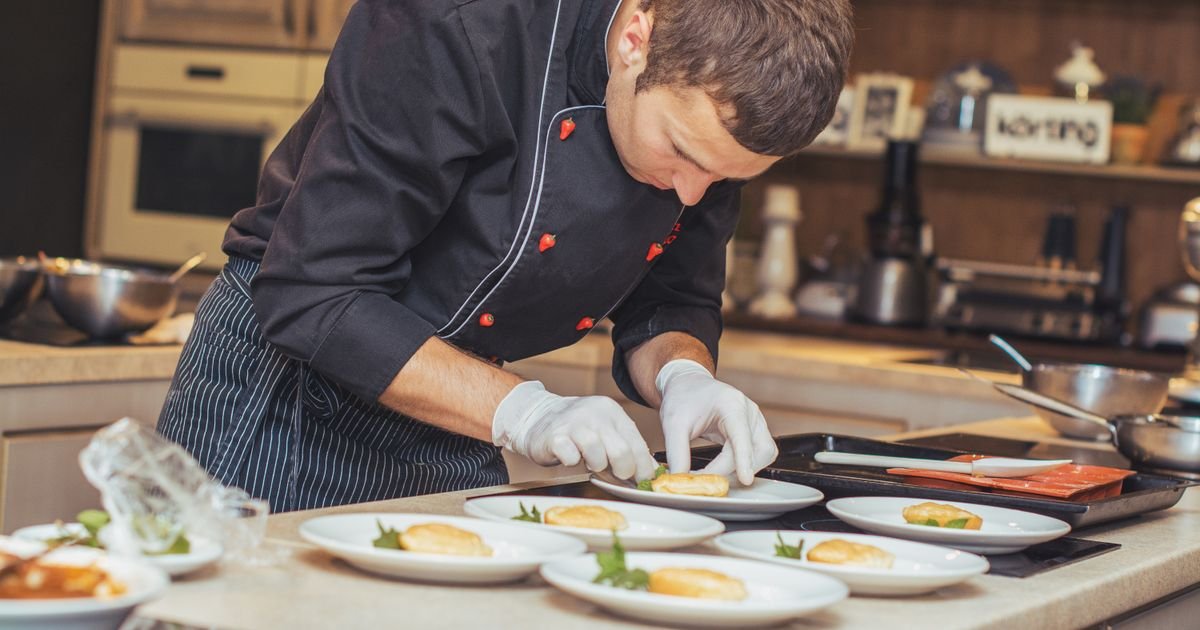
- Plating Like a Pro: Plate scrambled eggs in a shallow bowl, creating gentle peaks with your spatula for height. Drizzle with a bit of warm hollandaise or sprinkle with chives. For pancakes, stack them high with a pat of butter melting on top. Serve hash browns fanned out in a crescent shape with a sprinkle of smoked paprika for color. Fried eggs look best on a warm plate to prevent the whites from weeping. Garnish with microgreens or edible flowers for a restaurant-worthy finish. The contrast of colors-golden pancakes, vibrant greens, white plates-makes the dish visually appealing and inviting.
Pro Chef Tips to Take This From Good to Unforgettable

Technique is what separates a good breakfast from a great one. These professional secrets aren’t just about making food taste better-they’re about transforming your relationship with cooking. Once you master these tricks, you’ll see breakfast not as a chore, but as an opportunity to create something extraordinary.
- Temperature Mastery: Always preheat your pan until it’s hot enough to sizzle when you flick a drop of water on it. For cast iron, this takes about 5 minutes on medium heat. For nonstick pans, keep the heat at medium-low to avoid damaging the coating. The ideal temperature for searing eggs or hash browns is 350-375°F (177-190°C). At this range, the Maillard reaction occurs efficiently without burning. If your pan is too hot, the outside will char before the inside cooks; too cool, and you’ll end up with greasy, soggy food.
- Timing Secrets: The best scrambled eggs take 2-3 minutes to cook, but timing starts the moment you pour them into the pan. Resist the urge to stir constantly; let the eggs set for 20 seconds before gently pushing them. For pancakes, flip them when bubbles form on the surface and the edges look dry-about 2-3 minutes. Waiting too long results in overbrowning, while flipping too early leads to raw centers. Use a timer for your first few batches to build muscle memory.
- Ingredient Upgrades: Swap regular bacon for thick-cut, dry-cured bacon like Benton’s or Nueske’s. The higher fat content renders more slowly, creating irresistible crispy edges. For butter, invest in European-style butter like Plugrá or Kerrygold. Its higher fat content (82-86%) and lower water content result in flakier pastries and richer flavor. Freshly ground black pepper adds a brightness that pre-ground pepper can’t match.
- Presentation Tricks: Use ring molds to shape pancakes into perfect circles, or drizzle batter in a spiral pattern for artistic swirls. Garnish with microgreens or herb sprigs for a pop of color. For eggs, place a metal ring on the plate, fill it with eggs, then lift the ring for a clean, professional look. Sauces like hollandaise or sriracha mayo should be drizzled in a zigzag pattern for visual appeal.
- Flavor Boosters: The unexpected ingredient that elevates every breakfast dish is a pinch of smoked salt. It adds depth and complexity without overpowering. For savory dishes like hash browns or fried eggs, a sprinkle of smoked paprika or a dash of hot sauce can transform the dish. In sweet recipes like pancakes, a hint of cinnamon or cardamom adds warmth. Another secret? Finish with a squeeze of fresh lemon juice to brighten flavors and cut through richness.
Nutrition Facts and Health Benefits
Let’s break down the nutritional profile of a classic breakfast plate: 2 scrambled eggs with 1 slice of whole wheat toast, 1/2 cup hash browns, and 1 strip of bacon. This meal clocks in at approximately 550 calories, with 30g of protein, 35g of fat (10g saturated), 30g of carbohydrates, and 4g of fiber. It provides 20% of the daily value for vitamin D, 15% for vitamin B12, 10% for calcium, and 25% for iron. The eggs are the nutritional powerhouse here, offering all nine essential amino acids, choline for brain health, and lutein for eye health. The whole wheat toast adds fiber and B vitamins, while the hash browns contribute potassium and vitamin C.
Beyond macronutrients, breakfast plays a crucial role in setting the tone for the day. A protein-rich breakfast like eggs can help stabilize blood sugar levels, reducing mid-morning cravings and promoting satiety. The healthy fats in avocado or nuts support brain function and hormone production. Complex carbohydrates from whole grains provide sustained energy, preventing the energy crash that comes from sugary cereals or pastries. Additionally, breakfast eaters tend to have better nutrient intake overall, as they’re more likely to meet daily requirements for vitamins and minerals.
For those with dietary restrictions or health goals, breakfast can be adapted without sacrificing flavor or satisfaction. Vegan? A tofu scramble with turmeric, nutritional yeast, and black salt (kala namak) mimics the flavor and texture of eggs while providing plant-based protein (about 10g per 1/2 cup serving) and iron. Gluten-free? Swap wheat toast for a slice of gluten-free bread or a corn tortilla, and use almond flour in pancakes for a low-carb option. Low-sodium? Use uncured bacon or turkey bacon, and season dishes with herbs instead of salt. Dairy-free? Opt for coconut yogurt or almond milk-based sauces to add creaminess without lactose.
Creative Variations Worth Trying
Breakfast recipes are meant to be played with. The best cooks aren’t afraid to experiment, combining flavors and techniques from different cuisines to create something new. Here are four variations that put a fresh spin on classic dishes, inspired by travels, seasons, and personal preferences.
Mexican Street Corn Pancakes: Fold 1/2 cup crumbled cotija cheese, 1/4 cup corn kernels (fresh or thawed frozen), and 1 tsp chipotle powder into your pancake batter. Cook as usual, then top with a drizzle of chipotle crema (mix 1/4 cup sour cream, 1 tsp adobo sauce from canned chipotles, and a pinch of salt). Garnish with chopped cilantro and extra cotija. The smoky, spicy flavors mimic elote, while the cheese adds a salty crunch. Serve with a fried egg on top for extra protein.
Japanese Okonomiyaki-Style Hash Browns: Mix 2 cups grated potato with 1/4 cup grated carrot, 2 tbsp flour, 1 egg, 1 tbsp soy sauce, and 1 tsp grated ginger. Form into small patties and cook in a well-oiled skillet over medium heat (350°F/177°C) until golden and crispy, about 3 minutes per side. Top with okonomiyaki sauce (or sub with tonkatsu sauce), Kewpie mayonnaise, bonito flakes, and nori strips. This savory pancake is a fusion of Japanese and Western flavors, with a crispy exterior and tender interior.
Mediterranean Shakshuka-Inspired Eggs: Sauté 1 diced onion, 2 minced garlic cloves, 1 diced red bell pepper, and 1 tsp ground cumin in olive oil until soft. Add 1 can (14 oz) crushed tomatoes, 1 tsp smoked paprika, and a pinch of cayenne. Simmer for 10 minutes. Crack 4 eggs into the sauce, cover, and cook for 5-7 minutes until the whites are set but yolks are still runny. Sprinkle with feta cheese and fresh parsley. Serve with crusty bread for dipping. This dish is packed with lycopene from the tomatoes and healthy fats from the olive oil.
Protein-Packed Overnight Oats: Combine 1/2 cup rolled oats, 1/2 cup Greek yogurt, 1/2 cup almond milk, 1 tbsp chia seeds, and 1 scoop vanilla protein powder in a jar. Refrigerate overnight. In the morning, top with 1 tbsp almond butter, 1/2 banana sliced, and a sprinkle of cinnamon. This no-cook breakfast is perfect for busy mornings, providing 20g of protein and 8g of fiber per serving. The chia seeds thicken the oats into a pudding-like consistency, while the protein powder adds muscle-repairing amino acids.
Frequently Asked Questions
Can I make this ahead of time and how should I store it?
Most breakfast dishes can be prepped ahead, but the key is storage and reheating methods. Pancakes and waffles freeze beautifully for up to 3 months. To reheat, toast them directly from frozen in a toaster or toaster oven at 350°F (177°C) for 5-7 minutes. Scrambled eggs are best eaten fresh but can be refrigerated for up to 2 days. Reheat gently in a skillet over low heat with a splash of milk or water to restore moisture. Hash browns can be par-cooked and refrigerated for 2 days, then finished in the oven at 400°F (204°C) for 10 minutes to crisp up. For overnight oats, store in airtight containers for up to 5 days; the flavors deepen over time. Avoid freezing crepes or French toast, as they become soggy when thawed.
What can I serve alongside this dish to make it a complete meal?
Pair scrambled eggs with a side of roasted breakfast potatoes and a simple arugula salad dressed with lemon vinaigrette. The peppery arugula cuts through the richness of the eggs, while the potatoes add heartiness. For pancakes, serve with crispy bacon or turkey sausage, a side of fresh fruit like berries or sliced peaches, and a drizzle of pure maple syrup. The acidity of the fruit balances the sweetness of the pancakes. Shakshuka is delicious with warm pita bread or a slice of sourdough for dipping, plus a dollop of Greek yogurt on top. If you’re serving a lighter dish like overnight oats, pair it with a hard-boiled egg or a handful of nuts for extra protein. Coffee or tea should complement the meal without overpowering it-opt for a medium roast for coffee or Earl Grey for tea.
Why did my dish turn out soggy and how do I fix it?
The most common reason dishes turn out soggy is excess moisture. For hash browns, this happens when you skip the step of squeezing out the grated potatoes. The starch in the potatoes releases moisture as they cook, turning the dish into a steamed pile of mush. To fix soggy hash browns, spread them on a baking sheet and bake at 400°F (204°C) for 10-15 minutes to evaporate the moisture. For pancakes, sogginess stems from overmixing the batter, which develops gluten and traps moisture. Next time, mix just until the dry ingredients are moistened, and let the batter rest for 10 minutes before cooking. If your fried eggs are soggy, it’s likely because the pan wasn’t hot enough. Heat the pan over medium-high until a drop of water sizzles and dances, then add a bit of butter or oil before cracking the eggs.
What are the best ingredient substitutions if I’m missing something?
No buttermilk for pancakes? Mix 1 cup milk with 1 tbsp lemon juice or vinegar and let it sit for 5 minutes to curdle. Don’t have baking powder? Make your own by mixing 1/4 tsp baking soda with 1/2 tsp cream of tartar. No fresh herbs? Dried herbs work in a pinch, but use half the amount since they’re more concentrated. Missing an egg? For binding, use 1 tbsp ground flaxseed + 3 tbsp water per egg. For leavening, use 1/4 tsp baking soda + 1/2 tsp vinegar per egg. No cast-iron skillet for hash browns? Use a nonstick skillet with 1-2 tbsp more oil to prevent sticking. Short on time? Use frozen shredded potatoes (thaw and squeeze out moisture) as a shortcut. The key to substitutions is understanding the role of each ingredient-whether it’s for leavening, binding, or flavor-and finding a replacement that mimics that function.
Final Thoughts from the Kitchen
There’s something deeply satisfying about a well-made breakfast, especially when it’s made with love and intention. I still remember my grandmother teaching me how to flip pancakes when I was eight years old, her hands steady despite her arthritis. She’d say, “Cook with your heart, not just your hands,” and that wisdom has stayed with me. Breakfast is more than just a meal-it’s a ritual, a moment of pause in a busy world, a chance to nourish yourself and the people you love. These recipes are my gift to you, not just for their taste, but for the joy they bring to the morning table.
I encourage you to start with one recipe from this guide and make it your own. Experiment with the variations, swap in ingredients you love, and don’t be afraid to mess up. Every burnt pancake or runny omelet is a lesson in disguise. Share your creations with me-I’d love to see how you’ve transformed these dishes. Remember, the best breakfasts aren’t about perfection; they’re about the love you pour into every bite. Now, go fire up that skillet and make today’s breakfast the best one yet.