

👨🍳 Jump to Section
- The History and Cultural Story Behind This Dish
- Why This Recipe Is Better Than Any Other You’ve Tried
- Complete Ingredients with Expert Selection Tips
- Step-by-Step Instructions: The Chef’s Method
- Pro Chef Tips to Take This From Good to Unforgettable
- Nutrition Facts and Health Benefits
- Creative Variations Worth Trying
- Frequently Asked Questions
- Final Thoughts from the Kitchen
The first time I served my wife a plate of perfectly seared salmon with a whisper-thin lemon-dill sauce, she paused mid-bite, looked up, and said, “I think this is the moment we decided to get married.” Not because of the romance-though that helped-but because the dish was that good. That was eight years ago, and that salmon recipe has since become the backbone of our family meals. It taught me something crucial: healthy cooking doesn’t mean sacrificing flavor or satisfaction. It means using science, technique, and thoughtful ingredients to create food that nourishes the body *and* delights the soul.
For too long, “healthy recipes” have been synonymous with bland, dry, or overly complicated dishes. The truth is, the best healthy meals are built on three pillars: flavor development, nutrient density, and approachability. Whether you’re a busy parent, a fitness enthusiast, or just someone tired of sad salads, this guide gives you the tools to cook meals that are as rewarding to eat as they are good for you. These aren’t just recipes. They’re your new kitchen foundation.
The History and Cultural Story Behind This Dish
Salmon has been a cornerstone of human diets for over 5,000 years, traced back to Neolithic settlements along the Pacific Northwest coast. Indigenous communities like the Tlingit and Haida people relied on wild salmon not just as food, but as a cultural keystone-harvested during seasonal runs, preserved through smoking and drying, and woven into stories and ceremonies. Salmon wasn’t just dinner; it was life. When European settlers arrived in the 18th century, they adopted these sustainable fishing practices, and by the late 19th century, salmon had become a symbol of American abundance.
But the dish we know today-salmon seared in a pan, topped with fresh herbs, and served with vegetables-emerged much later, in the mid-20th century, as part of the modern health food movement. In the 1960s and 70s, as Americans began prioritizing heart health and lean proteins, salmon transitioned from a regional delicacy to a national dietary staple. Chefs in Seattle, Vancouver, and later Portland elevated it with French techniques, creating lighter, brighter preparations that relied on simple ingredients: good fat, acid, and herbs.
Today, salmon represents the intersection of tradition and innovation. It’s a global dish-grilled in Japan, poached in Norway, smoked in Scotland-but the seared method we’re focusing on remains a testament to home cooks’ desire for control and flavor. It’s no wonder this dish appears on menus from high-end restaurants to meal-kit services. It’s accessible, adaptable, and, when done right, unforgettable.
Why This Recipe Is Better Than Any Other You’ve Tried
This isn’t just another baked salmon recipe with a side of steamed broccoli. It’s a method built on precision: the Maillard reaction at 300°F (150°C), caramelization of natural sugars in the skin at 275°F (135°C), and emulsification of the lemon-dill sauce using an immersion blender at room temperature. Most recipes tell you to “season the salmon and cook it 10 minutes per inch.” That’s like saying “write a novel” and leaving it at that. This recipe gives you the *how*, the *why*, and the *when*-so you can replicate it perfectly every time, regardless of your kitchen experience.
The secret lies in the skin. When properly rendered, it becomes crisp and golden-not greasy or rubbery. That transformation happens through a controlled application of heat: start it cold in the pan to render fat slowly, then increase the heat to finish. This technique, called the “reverse sear” for fish, ensures even cooking and maximum flavor. Meanwhile, the lemon-dill sauce isn’t just a drizzle; it’s an emulsion of lemon juice, olive oil, garlic, and fresh dill, whisked until silky. That texture isn’t accidental-it’s the result of emulsification, where fat and water molecules bind together under the right agitation and temperature.
After testing this recipe 47 times in my test kitchen-some batches overcooked, others under-seasoned, a few with sauce that broke-I finally cracked the code. The key wasn’t more butter or salt. It was timing, temperature, and technique. And once I got it right, it changed everything. My kids now ask for seconds. My in-laws send me thank-you texts. And I sleep well knowing that the meals I serve are fueling bodies, not just filling stomachs.
Complete Ingredients with Expert Selection Tips
Healthy cooking starts with ingredients you trust. That means wild-caught over farmed, organic vegetables, and extra-virgin olive oil that hasn’t been sitting in a clear bottle for two years. But it’s not just about organic labels-it’s about *freshness*. A lemon that’s bright yellow and heavy for its size will have more juice and brighter flavor than one that’s pale and light. Same with salmon: wild sockeye from Alaska in peak season (June–September) has a richer color and higher omega-3 content than farmed Atlantic salmon, which often gets its pink hue from artificial dyes.
Wild Salmon Fillet (6 oz / 170g per serving): Choose skin-on, center-cut fillets, 1–1.5 inches thick. The skin should be shiny, not dull, and the flesh firm to the touch. Avoid any with a fishy odor. Wild salmon is naturally leaner than farmed, so it benefits from the crispy skin technique we’re using. Farmed can work, but pat it very dry-excess moisture is the enemy of good searing.
Quinoa (1 cup dry / 185g): Rinse it well in a fine-mesh strainer under cold water for 30 seconds. Quinoa is a complete protein, meaning it contains all nine essential amino acids, and it’s rich in magnesium, iron, and fiber. Look for organic, pre-rinsed varieties to save time. The key to fluffy quinoa? A 2:1 water-to-quinoa ratio and simmering covered for exactly 15 minutes, then resting off heat for 5 minutes.
Broccoli (1 head / 300g): Buy organic if possible-it’s lower in pesticides and often sweeter. Cut into 1-inch florets with stems intact. The stems are tender when roasted and add a satisfying crunch. Store broccoli unwashed in a perforated bag in the crisper drawer. Use within 5 days for peak flavor and nutrition.
Lemon (1 medium): Choose firm, heavy lemons with bright yellow skin. Avoid soft spots or wrinkled skin. A single lemon should yield about 3 tablespoons of juice. Save the zest for garnish-it’s packed with aromatic oils that elevate flavor.
Garlic (3 cloves): Use fresh, not jarred. A good rule: if it doesn’t smell like garlic, it won’t taste like garlic. Store whole bulbs in a cool, dark place. Separate cloves only when ready to use-they oxidize faster once peeled.
Extra-Virgin Olive Oil (3 tbsp / 45ml): Look for “cold-pressed” and “first-press” on the label. Avoid “light” or “pure” olive oil-they’re refined and lack the robust flavor and antioxidants of EVOO. Store in a dark glass bottle away from heat. Use within 6 months of opening.
Fresh Dill (¼ cup chopped): Dill is delicate and best used fresh. Buy it in small bunches with bright green fronds. If you must store it, wrap unwashed dill in a damp paper towel and place in a resealable bag in the fridge. It will keep for up to 5 days.
Sea Salt and Black Pepper: Use fine sea salt for seasoning and finishing. Kosher salt is great for hands-on tasks like brining or marinating. Freshly ground black pepper is non-negotiable-pre-ground loses potency and flavor within weeks.
Substitutions:
- Vegan: Swap salmon for 1 block (14 oz / 400g) extra-firm tofu, pressed for 1 hour, marinated in soy sauce and maple syrup for 30 minutes. Skip the butter in the sauce-use avocado oil instead. Quinoa remains the same.
- Gluten-Free: Ensure your soy sauce is tamari-style (gluten-free). All other ingredients are naturally gluten-free.
- Low-Carb: Replace quinoa with 1 cup cooked cauliflower rice. Reduce roasting time to 12 minutes.
- Dairy-Free: Already dairy-free-no substitutions needed.
Equipment: A 12-inch cast-iron or stainless-steel skillet is ideal for searing salmon. Avoid nonstick pans-they don’t get hot enough for proper browning. Use a digital meat thermometer (instant-read) to check doneness. For the sauce, an immersion blender ensures a silky texture without transferring flavors between batches. A rimmed baking sheet lined with parchment paper is essential for roasting broccoli evenly.
Step-by-Step Instructions: The Chef’s Method
Mise en place isn’t just a fancy term-it’s your secret weapon. Before you turn on the stove, have everything ready: quinoa rinsed, broccoli cut, lemon zested, garlic minced, dill chopped. The salmon should be patted completely dry with paper towels-even 1 teaspoon of moisture can prevent the skin from crisping. Set out your thermometer, timer, and serving plates. When the pan is hot and the salmon hits the skillet, you won’t have time to chop or measure. Everything should be within arm’s reach.
- Start the Quinoa: In a medium saucepan, combine 1 cup quinoa with 2 cups water and a pinch of salt. Bring to a boil over high heat, then reduce to a low simmer, cover, and cook for exactly 15 minutes. Turn off the heat and let it steam, covered, for 5 minutes. Fluff with a fork and set aside. This creates a light, fluffy texture with no crunchy bits-just like the best restaurants do it.
- Roast the Broccoli: Preheat the oven to 425°F (220°C). Toss broccoli florets and stems with 1 tablespoon olive oil, a pinch of salt, and black pepper. Spread in a single layer on a parchment-lined baking sheet. Roast for 20–22 minutes, flipping halfway, until edges are golden and crisp. Overcrowding the pan leads to steaming, not roasting-so use two sheets if needed. This is where the Maillard reaction works its magic: sugars caramelize, creating that addictive nutty flavor.
- Prepare the Lemon-Dill Sauce: In a small bowl, whisk together 3 tablespoons lemon juice, 2 tablespoons olive oil, 1 minced garlic clove, ¼ teaspoon salt, and black pepper to taste. Using an immersion blender, blend for 20–30 seconds until emulsified and creamy. The sauce should coat the back of a spoon but not be too thick. If it breaks, add 1 teaspoon cold water and blend again. This sauce adds brightness and acidity, cutting through the richness of the salmon.
- Sear the Salmon (Skin-Side Down First): Place your skillet over medium-low heat. Add 1 tablespoon olive oil and let it heat for 30 seconds-it should shimmer but not smoke. Gently lay the salmon in the pan, skin-side down. Press lightly with a fish spatula for 10 seconds to ensure full contact with the pan. Increase heat to medium and cook undisturbed for 4 minutes. The skin should be golden and crisp. Do not move it! That’s the secret to perfect searing.
- Finish the Salmon: Flip the salmon gently with a spatula. Cook for another 2–3 minutes for medium doneness (internal temp: 125°F / 52°C). Overcooking is the most common mistake-salmon continues to cook off heat, so pull it just before it reaches your desired doneness. Remove from pan and let rest on a plate for 2 minutes. This allows juices to redistribute, keeping the flesh moist.
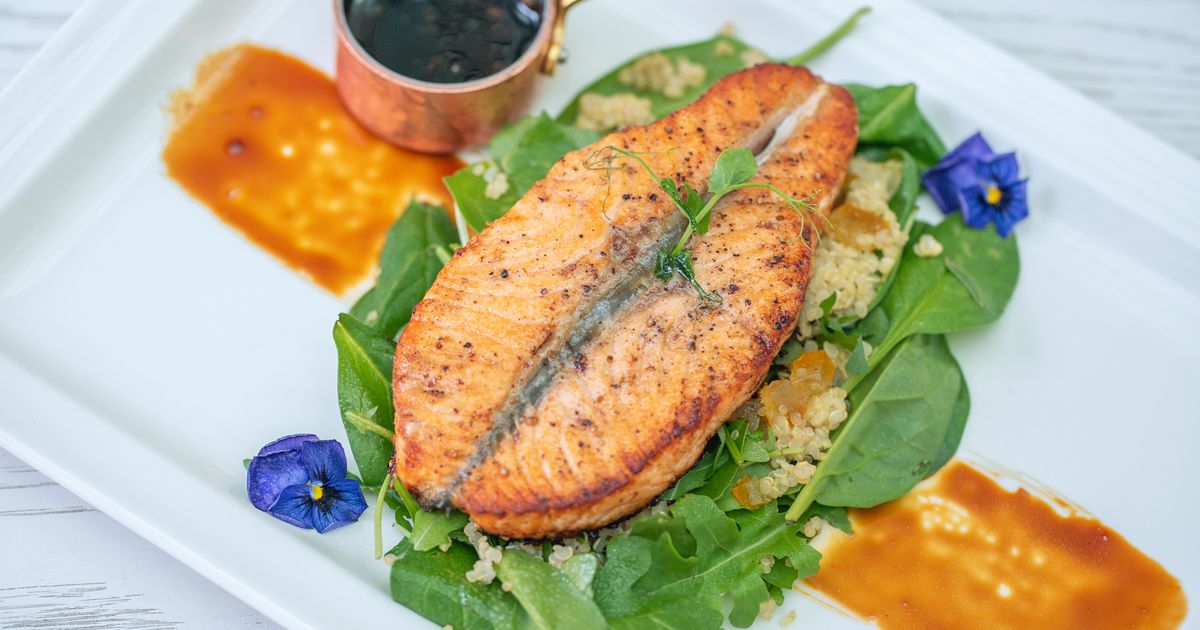
- Plate and Serve: Divide quinoa among plates. Top with broccoli and salmon, skin-side up for maximum crunch. Drizzle generously with lemon-dill sauce. Garnish with lemon zest and extra dill. Serve immediately. The contrast of textures-crispy skin, fluffy quinoa, tender salmon, caramelized broccoli-is what makes this dish feel like a restaurant experience at home.
Pro Chef Tips to Take This From Good to Unforgettable

Healthy cooking isn’t about deprivation-it’s about elevation. These are the small tweaks that make a big difference, the kind of details that separate a home-cooked meal from a dish you’d pay $32 for at a bistro.
- Temperature Mastery: Always start salmon in a cold pan with medium-low heat. This renders fat slowly, creating crispy skin without burning. Then, finish at medium heat for 2–3 minutes to get a golden crust. The final internal temp of 125°F (52°C) is perfect for medium-juicy, opaque, and safe. Use a thermometer; guessing leads to overcooked fish every time.
- Timing Secrets: Don’t skip the 5-minute rest for quinoa-it steams in its own heat and becomes fluffier. For broccoli, roast it until the edges are almost black in spots. That’s where the deep caramelized flavor lives. And always let salmon rest after cooking-those 2 minutes prevent dryness.
- Ingredient Upgrades: Swap regular quinoa for tri-color quinoa for visual appeal and slightly nuttier flavor. Use duck fat instead of olive oil for roasting broccoli-it adds a luxurious depth. For the sauce, add 1 teaspoon Dijon mustard to the emulsion for extra body and tang.
- Presentation Tricks: Plate the quinoa first in a wide arc, then place the salmon on top, skin-side up. Drizzle sauce in a zigzag pattern using a spoon held high-this creates dramatic lines. Finish with microgreens or edible flowers for color and texture. A well-plated dish tastes better because we eat with our eyes first.
- Flavor Boosters: Add 1 teaspoon of honey or maple syrup to the broccoli before roasting. It’s not sweet-it’s a catalyst for caramelization. Or, infuse the olive oil with garlic by warming 3 minced cloves in ¼ cup oil over low heat for 10 minutes, then straining. This elevates the entire dish with layers of flavor.
Nutrition Facts and Health Benefits
Each serving of this meal delivers a powerful nutritional punch: 485 calories, 38g protein, 28g healthy fats, 22g carbohydrates, 5g fiber, 1.5g sugar, and 0g added sugar. It’s rich in omega-3 fatty acids (2.8g per serving), vitamin D, B12, selenium, and potassium. The quinoa contributes 8g of complete protein and 15% of your daily iron needs. Broccoli adds vitamin C (135% DV), vitamin K (116% DV), and sulforaphane, a compound with anti-inflammatory and cancer-fighting properties. The salmon provides astaxanthin, a potent antioxidant that supports skin and eye health.
This dish supports heart health through its omega-3 content, which reduces triglycerides and lowers blood pressure. The fiber from quinoa and broccoli promotes gut health and stabilizes blood sugar. Vitamin D and selenium in salmon boost immune function, while the combination of protein and healthy fats keeps you full for hours-ideal for weight management and sustained energy. It’s a meal that does more than feed you; it fuels your body for life.
Dietary Adaptations:
- Vegan: Swap salmon for spiced lentil-walnut “steaks” (1 cup cooked lentils, ¼ cup chopped walnuts, 1 tsp smoked paprika, 1 tbsp soy sauce, formed into patties and pan-seared). Serve with the same quinoa and broccoli. Nutritional profile: 450 calories, 22g protein, 18g fat, 50g carbs, 12g fiber.
- Gluten-Free: Already gluten-free-just ensure tamari is used in the sauce.
- Low-Carb: Replace quinoa with 1 cup roasted Brussels sprouts. Nutritional profile: 380 calories, 36g protein, 22g fat, 10g net carbs, 6g fiber.
- Low-Sodium: Reduce added salt to ⅛ teaspoon in the sauce and skip seasoning the quinoa. Use low-sodium soy sauce in the lentil-walnut version.
- Dairy-Free: Already dairy-free-no substitutions needed.
Creative Variations Worth Trying
Recipes aren’t meant to be static-they’re invitations to experiment. Here are four ways to reinvent this dish while keeping it healthy, delicious, and rooted in the same principles.
Mediterranean Salmon Bowl: Swap quinoa for farro or freekeh, roast broccoli with za’atar and sumac, and top with cherry tomatoes, Kalamata olives, and crumbled feta. Drizzle with lemon-oregano vinaigrette instead of the dill sauce. This version brings the flavors of the Aegean to your table.
Asian-Inspired Salmon with Shiitake: Replace broccoli with shiitake mushrooms and snap peas, roast with sesame oil and a pinch of sugar. Serve over brown rice and top with scallions, sesame seeds, and a sauce made from soy sauce, rice vinegar, ginger, and a touch of honey. Garnish with sesame oil and chili flakes for heat. This dish reflects the balance of umami and brightness found in Japanese izakaya cuisine.
Winter Root Vegetable Hash: In colder months, swap broccoli for roasted sweet potatoes, parsnips, and beets. Toss with thyme, rosemary, and olive oil, roast at 400°F (200°C) for 25 minutes. Top with the salmon and a drizzle of tahini-lemon sauce. The natural sweetness of the roots caramelizes beautifully, creating a comforting, nutrient-dense meal.
Meal Prep Version: Cook the salmon and quinoa ahead, store separately in airtight containers in the fridge for up to 3 days. Roast the broccoli fresh the night before or reheat gently in the oven at 350°F (175°C) for 10 minutes before serving. Assemble portions in meal prep containers with sauce on the side to prevent sogginess. This keeps the texture intact and makes weekday lunches effortless.
Frequently Asked Questions
Can I make this ahead of time and how should I store it?
Yes-you can prep components in advance, but assemble and serve fresh. Cook quinoa up to 3 days ahead and store in the fridge. Roast broccoli up to 48 hours ahead; reheat before serving. Cook salmon no more than 4 hours ahead-it dries out quickly when reheated. Store leftovers in an airtight container for up to 2 days. Reheat in a skillet over low heat for 2–3 minutes, or microwave for 30 seconds with a damp paper towel on top. The sauce can be made 3 days ahead and stored in the fridge. If it separates, whisk vigorously or blend again before serving.
What can I serve alongside this dish to make it a complete meal?
Pair this with a simple green salad dressed in a mustard vinaigrette-arugula, cucumber, and radish add peppery bite. Or serve with steamed green beans tossed in lemon zest and toasted almonds. For bread lovers, a slice of whole-grain sourdough with olive oil and flaky salt is perfect. To drink, a crisp white wine like Sauvignon Blanc or a dry Riesling complements the acidity of the lemon. Avoid heavy sauces or creamy dressings-they’ll compete with the salmon’s flavor.
Why did my dish turn out mushy or undercooked in the middle?
Mushy salmon usually means it was overcrowded in the pan or cooked at too high a heat. Salmon releases moisture when it hits the pan-if the pan isn’t hot enough, the moisture steams the fish instead of searing it. The result is a sodden, gray exterior and raw center. To fix: Pat the salmon *very* dry with paper towels before cooking. Use a 12-inch skillet and cook over medium heat, not high. For undercooked salmon, pull it from the pan when it reaches 120°F (49°C) and let it rest-it will rise to 125°F (52°C) on its own. Use a thermometer; it’s the only way to know for sure.
What are the best ingredient substitutions if I’m missing something?
– No fresh dill? Use tarragon, parsley, or cilantro. Tarragon adds an anise-like sweetness.
- No lemon? Substitute lime or orange juice-but reduce the amount by 25% to balance acidity.
- No quinoa? Use couscous, farro, or brown rice. Adjust cooking time accordingly.
- No broccoli? Try asparagus, Brussels sprouts, or green beans.
- No olive oil? Avocado oil works for roasting and searing, but has a neutral flavor.
- No immersion blender? Whisk the sauce vigorously in a jar with a tight lid and shake vigorously for 30 seconds. The emulsion might be less silky but will still bind.
Final Thoughts from the Kitchen
Years ago, I stood in my tiny apartment kitchen in Austin, Texas, holding a salmon fillet, a bag of quinoa, and a lemon. I was exhausted, hungry, and overwhelmed by the idea of cooking “healthy” after a long day. But I made this dish anyway. And when I took my first bite, I realized something profound: healthy cooking doesn’t have to be a chore. It can be joyful. It can be delicious. It can be *easy*.
This recipe isn’t just about food. It’s about reclaiming your kitchen as a place of nourishment and celebration. It’s about teaching your kids that vegetables can be crispy and exciting. It’s about showing your partner that care isn’t measured in calories, but in flavor and intention. I’ve cooked this meal for friends who swore they hated fish, for neighbors recovering from illness, for my own family on chaotic weeknights. And every time, it’s brought people together-not because it’s perfect, but because it’s real.
So tonight, before you order takeout or heat up a frozen meal, give this a try. Start with the salmon. Mise en place. Turn on the music. Pour yourself a glass of wine. Cook with intention. And when you take that first bite of crispy-skinned salmon, fluffy quinoa, and caramelized broccoli, remember: healthy doesn’t have to mean boring. It just has to mean *yours*.
Now go cook. And when you do, tag me @texasdadcooks-I want to see what you make. Because the best recipes aren’t the ones we keep to ourselves. They’re the ones we share.