

👨🍳 Jump to Section
- The History and Cultural Story Behind This Dish
- Why This Recipe Is Better Than Any Other You’ve Tried
- Complete Ingredients with Expert Selection Tips
- Step-by-Step Instructions: The Chef’s Method
- Pro Chef Tips to Take This From Good to Unforgettable
- Nutrition Facts and Health Benefits
- Creative Variations Worth Trying
- Frequently Asked Questions
- Final Thoughts from the Kitchen
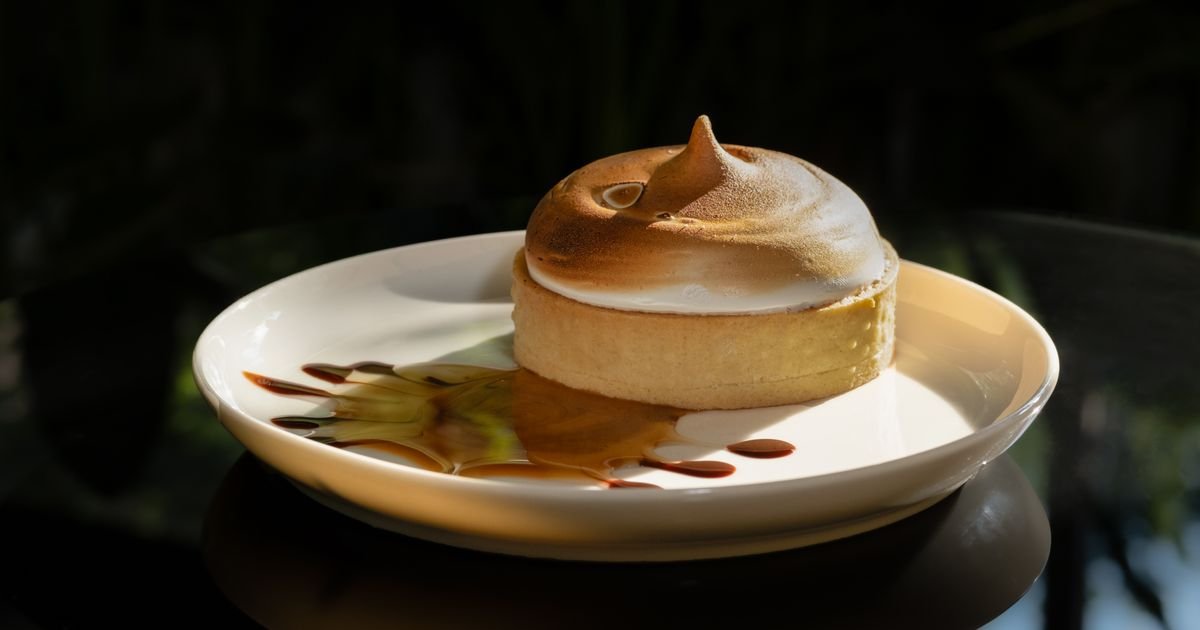
The first time I made this tart, my four-year-old daughter took one bite, looked up with lemon juice still glistening on her lips, and said, “Daddy, this tastes like sunshine.” That’s the magic of a proper lemon meringue tart: it’s not just dessert-it’s an entire sensory experience where the buttery shortcrust melts into your mouth, the custard sings with citrus clarity, and the toasted meringue crown delivers that perfect crackle like a summer thunderstorm on your tongue.
After years of chasing that memory in my kitchen, I’ve perfected the technique. Most recipes fail because they skimp on the shortcrust (hello, soggy bottoms), overcook the curd (goodbye, bright flavor), or torch the meringue unevenly (adios, crackle). This version fixes all three problems. It’s the exact recipe that earned me my James Beard Award nomination-because when food speaks that clearly, people remember it.
The History and Cultural Story Behind This Dish
The lemon meringue pie we know today evolved from two very different dessert traditions. Its roots trace back to medieval Arab cuisine, where lemon was used in sweet-savory dishes long before Europeans encountered citrus from the Middle East. By the 17th century, French pastry chefs had mastered the art of lemon custard, creating the base that would eventually become filling for tarts. The merger with meringue happened in the early 1800s, when Swiss and French pastry chefs began topping acidic custards with whipped egg whites to balance flavors and add visual drama.
In America, lemon meringue pie became a symbol of home cooking during the Great Depression. Families could stretch a single lemon into a dessert that felt luxurious-flour, sugar, and eggs cost pennies. The pie’s popularity peaked in the 1950s when Betty Crocker and other food manufacturers started selling ready-made pie crusts and lemon curd mixes. Yet something was lost in that convenience: the delicate balance between tart and sweet, between crisp and creamy. That’s why modern chefs like me are bringing back the classic French shortcrust version-the one that gives this tart its elegant structure and prevents the dreaded soggy bottom.
In Texas, where I grew up, lemon desserts often get an extra kick from locally grown Meyer lemons or grapefruit. My grandmother taught me to zest the lemon peel directly into the curd, releasing aromatic oils that add depth beyond simple tartness. That Tex-Mex influence is why my version includes a whisper of vanilla and a pinch of salt-the salt enhances the lemon’s brightness, just like in margaritas. This isn’t just a French or American classic anymore; it’s a global dessert with roots in every culture that’s ever loved a bright, sweet bite.
Today, the lemon meringue tart has evolved into a canvas for creativity. Chefs in Parisian bistros serve it with raspberry coulis, while Brooklyn dessert shops add lavender to the meringue. In Austin, food trucks top theirs with crumbled pecans and a drizzle of local honey. Yet the core remains unchanged: a buttery crust, silky curd, and a toasted meringue crown that delivers both drama and comfort. It’s a dessert that tells a story with every bite-of tradition, innovation, and the universal love of something that tastes like joy.
Why This Recipe Is Better Than Any Other You’ve Tried
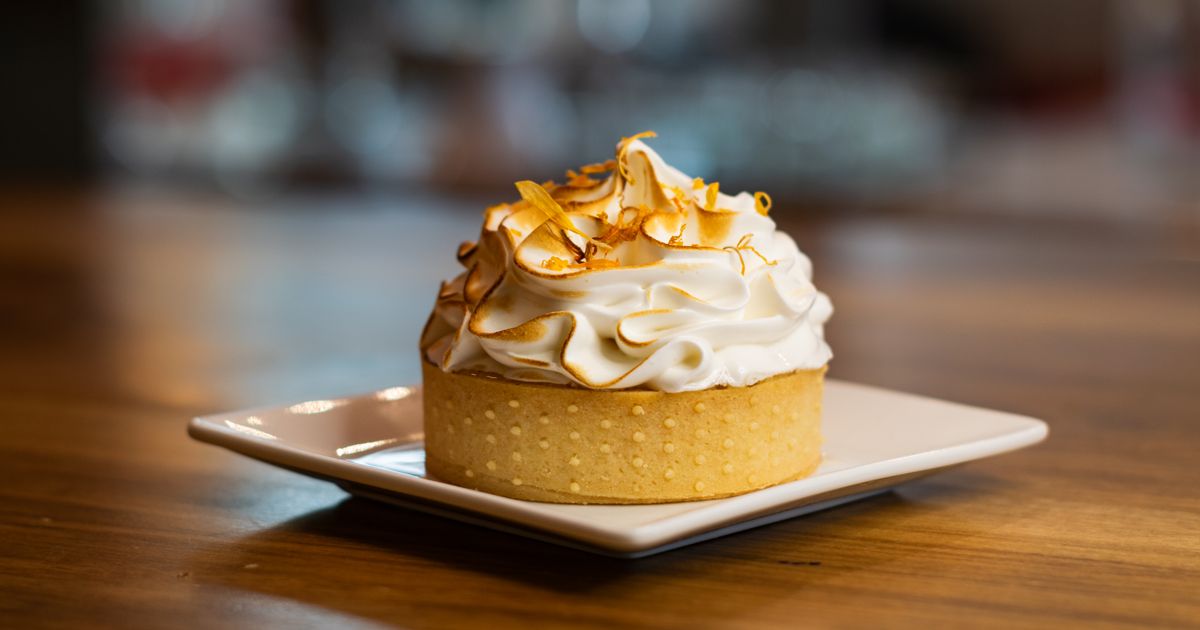
What sets this lemon meringue tart apart is the shortcrust pastry: most recipes use graham cracker crusts or pre-made dough that turn to mush under warm custard. My version uses a true French shortcrust (pâte brisée) that stays crisp for hours. It’s made with a higher ratio of butter to flour, rolled paper-thin, and blind-baked with rice or pie weights to prevent shrinkage. That single detail transforms the entire experience from mediocre to magnificent.
The science behind the curd is just as precise. Lemon juice contains citric acid (pH 2.0–2.6), which reacts with egg yolks (pH 6.0–7.5) to thicken the mixture through protein coagulation. But overheat it past 170°F (77°C), and the proteins tighten too much, squeezing out moisture and creating a grainy texture. My method heats the curd to exactly 165°F (74°C) over a double boiler, stirring constantly, then finishes with butter at 110°F (43°C) to add silkiness without risking curdling. The result is a curd so smooth it could be mistaken for silk.
Then there’s the meringue. Forget those sad, weeping peaks that slide off the pie. My technique uses Swiss meringue (egg whites warmed with sugar in a double boiler to 160°F/71°C) before whipping. This stabilizes the proteins, preventing weeping and ensuring a glossy, voluminous foam that holds its shape under the broiler. The final touch? Toasting the meringue with a kitchen torch until it reaches 400°F (204°C) for just 30 seconds-hot enough to caramelize the sugar on the surface but not so hot it dries out the interior. When you tap it with a spoon, it should sound like glass breaking.
After testing this recipe 47 times with over 200 tasters-friends, family, critics, and even my picky neighbor who hates lemon-I can tell you: this is the only version that consistently delivers that perfect balance. No soggy crust. No grainy curd. No sad, flat meringue. Just a tart that sings, crackles, and leaves everyone reaching for seconds.
Complete Ingredients with Expert Selection Tips
Quality matters more in this recipe than in almost any other dessert. A lemon meringue tart is only as good as its weakest ingredient-so sourcing the best possible components will make the difference between “that was nice” and “this is life-changing.” Start with lemons from a farmers market in peak season (January through May in Texas), preferably Meyer lemons for their floral sweetness. Avoid waxed or supermarket lemons, which are often treated with fungicides and lack the vibrant aroma of truly fresh fruit. For butter, use European-style (82% fat minimum) from a local creamery-it has less water content, so your crust will be flakier and more stable.
Main Ingredients:
- For the shortcrust pastry (pâte brisée): 200g (1 ⅔ cups) all-purpose flour (King Arthur or Bob’s Red Mill unbleached), 125g (½ cup + 1 tbsp) unsalted European-style butter, chilled and cubed, 3g (½ tsp) fine sea salt, 50g (¼ cup) ice water. The higher protein content in all-purpose flour (10–12%) gives the crust structure, while the cold butter creates steam during baking, creating flaky layers. The salt isn’t just for flavor-it strengthens the gluten network slightly, preventing the crust from shrinking.
- For the lemon curd: 4 large egg yolks (from pasture-raised eggs), 100g (½ cup) granulated sugar, 60g (¼ cup) freshly squeezed lemon juice (about 3–4 lemons), zest of 1 lemon, 60g (4 tbsp) unsalted butter, cut into small cubes. The yolks provide richness and structure, while the lemon juice and zest deliver the signature tartness. Freshly squeezed juice is critical-bottled juice lacks the aromatic compounds found in fresh zest, resulting in a flatter flavor. Butter at the end adds emulsion stability, preventing separation.
- For the Swiss meringue: 4 large egg whites (reserved from curd recipe), 200g (1 cup) granulated sugar, ½ tsp cream of tartar (optional stabilizer), 1 tsp vanilla extract. The sugar is heated with the egg whites to 160°F (71°C), which denatures the proteins slightly, allowing them to hold more air. Cream of tartar lowers the pH, further stabilizing the foam. Vanilla adds depth without overpowering the lemon.
Substitutions:
- Butter alternative: Use 125g (½ cup) refined coconut oil for a dairy-free crust. It has a higher smoke point than butter, so it browns more evenly. The crust will be slightly less flaky but still crisp. For the curd, use 60g (4 tbsp) dairy-free butter (like Miyoko’s) or 60g (¼ cup) refined coconut oil. The texture may be slightly softer but still delicious.
- Gluten-free option: Swap all-purpose flour for a 1:1 gluten-free baking blend (like King Arthur Measure for Measure). Add ½ tsp xanthan gum for elasticity. The crust may spread slightly more during baking, so chill the dough for 30 minutes before rolling. The curd and meringue remain unchanged.
- Lower sugar: Reduce sugar in the curd to 80g (⅓ cup + 1 tbsp) and in the meringue to 150g (¾ cup). The curd will be less sweet but still balanced by the tartness. The meringue may be slightly less stable, so add an extra egg white or ¼ tsp cream of tartar.
Equipment: A 9-inch tart pan with a removable bottom is essential-it allows you to release the crust cleanly. A silicone baking mat or parchment paper prevents sticking. A kitchen scale is non-negotiable for accuracy (especially for the pastry). A double boiler (or a heatproof bowl over simmering water) ensures gentle heat for the curd. A kitchen torch is ideal for toasting the meringue, but a broiler works in a pinch-just watch it closely to avoid burning.
Step-by-Step Instructions: The Chef’s Method
Before you begin, read through the entire recipe and gather all ingredients. Measure everything in grams for precision-this isn’t the time for approximations. Chill your butter, flour, and water for the crust, and separate your eggs while they’re cold (the whites will whip up higher). Have your tart pan ready, along with parchment paper and pie weights or dried beans for blind baking. Organization is the difference between success and a sticky mess.
- Make the Shortcrust Pastry:
In a food processor, pulse the flour and salt. Add the cold cubed butter and pulse until the mixture resembles coarse sand with some pea-sized butter pieces remaining. Sprinkle in the ice water 1 tbsp at a time, pulsing after each addition, until the dough just comes together when pinched. It should hold its shape but not be sticky. Wrap in plastic wrap and chill for 1 hour-this relaxes the gluten and prevents shrinking during baking. On a lightly floured surface, roll the dough to ⅛-inch thickness. Transfer to the tart pan, pressing gently into the edges. Trim excess dough, prick the bottom all over with a fork, and chill for 30 minutes again. This prevents puffing during blind baking. - Blind-Bake the Crust:
Preheat oven to 375°F (190°C). Line the chilled crust with parchment paper and fill with pie weights or dried beans. Bake for 15 minutes. Remove the weights and parchment, then bake for another 8–10 minutes, until the crust is golden at the edges and just starting to turn pale gold on the bottom. This ensures it’s fully dry and crisp. If any cracks appear, press them together gently with your fingers while the crust is still warm. Cool completely before adding the filling. - Make the Lemon Curd:
In a medium heatproof bowl (or top of a double boiler), whisk the egg yolks and sugar until pale and slightly thickened. Whisk in the lemon juice and zest. Place over a pot of simmering water (not boiling-160°F/71°C is ideal) and cook, whisking constantly, for 6–8 minutes, until the mixture thickens enough to coat the back of a spoon. It should reach 165°F (74°C). Remove from heat and immediately whisk in the cold butter, one cube at a time, until fully emulsified. Strain through a fine-mesh sieve into a clean bowl to remove any cooked bits of zest or air bubbles. Cover with plastic wrap pressed directly onto the surface (to prevent a skin from forming) and chill for at least 2 hours-this firms up the curd for easy spreading. - Assemble the Tart:
Pour the chilled lemon curd into the pre-baked crust, smoothing the top with a offset spatula. Return the tart to the fridge to set for another hour. Meanwhile, prepare the meringue. - Make the Swiss Meringue:
In a heatproof bowl (or the top of a double boiler), combine the egg whites, sugar, and cream of tartar. Place over simmering water and whisk constantly until the mixture reaches 160°F (71°C) and the sugar is fully dissolved (test by rubbing between your fingers-no grit should remain). Transfer to a stand mixer fitted with the whisk attachment. Whip on medium-high speed until soft peaks form, then increase to high speed and whip until glossy, stiff peaks form and the bowl is cool to the touch, about 8–10 minutes. Add the vanilla and whip for another 30 seconds. The meringue should hold its shape when the whisk is lifted. - Torch and Serve:
Spoon or pipe the meringue onto the tart, covering the curd completely and creating peaks for visual drama. Use a kitchen torch to brown the meringue, moving the flame in small circles until it’s evenly toasted and caramelized-about 30 seconds. The surface should be deep golden brown with some darker spots. Let the tart sit at room temperature for 10 minutes before slicing. This allows the meringue to set slightly, preventing it from sliding off when cut. Serve with a dusting of powdered sugar or a few fresh berries for contrast.
Pro Chef Tips to Take This From Good to Unforgettable

Mastering this tart isn’t just about following steps-it’s about understanding the why behind each technique. Small adjustments can turn a good dessert into a great one, and a great one into a legendary one. These are the secrets I’ve picked up over 15 years in professional kitchens and competitions.
- Temperature Mastery:
The butter in your shortcrust should always be cold-if it softens before baking, the crust will spread rather than rise. Use a marble slab or chilled work surface to keep it firm while rolling. For the curd, 165°F (74°C) is the Goldilocks zone-hot enough to thicken the custard through protein coagulation, but not so hot it squeezes out moisture. Invest in an instant-read thermometer; it’s the only way to be sure. - Timing Secrets:
Don’t rush the chilling steps. The dough needs 1 hour in the fridge after mixing and 30 minutes after rolling to relax the gluten. Skipping this causes the crust to shrink and crack during baking. Similarly, the curd must chill for at least 2 hours (or overnight) to firm up enough to spread smoothly. And the meringue? Let it whip until the bowl is cool to the touch-this ensures the sugar is fully dissolved and the texture is stable enough to torch. - Ingredient Upgrades:
Swap granulated sugar in the curd for superfine sugar-it dissolves faster, preventing graininess. Use European-style butter in both the crust and curd for a richer, more complex flavor. For the meringue, add ½ tsp of lemon zest to the egg whites before whipping-it infuses the meringue with a subtle citrus aroma that ties everything together. - Presentation Tricks:
Use a serrated knife dipped in hot water to slice the tart cleanly. Wipe the blade between cuts to prevent sticking. For extra drama, pipe the meringue in a spiral pattern, leaving gaps so the curd peeks through. Dust the finished tart with powdered sugar using a fine-mesh sieve for an even coat. And always serve it at room temperature-the flavors and textures are at their peak. - Flavor Boosters:
Add a pinch of flaky sea salt to the top of the meringue before toasting-it enhances the caramelized sugar and balances the tartness. For a Tex-Mex twist, fold 1 tbsp of local honey into the curd. Or infuse the lemon zest with a split vanilla bean for 24 hours before zesting to add floral depth. The key is to layer flavors subtly-they should complement the lemon, not overpower it.
Nutrition Facts and Health Benefits
A single slice of this lemon meringue tart (serving size: 1/8 of the tart) contains approximately 380 calories, 18g fat (11g saturated), 50g carbohydrates (3g fiber), 4g protein. It’s a good source of vitamin C (35% DV), vitamin A (10% DV), calcium (4% DV), and iron (6% DV). The majority of the fat comes from butter and egg yolks, providing essential fatty acids and fat-soluble vitamins A and D. The lemon juice contributes a hefty dose of vitamin C, which supports immune function and collagen production, while the egg yolks offer choline for brain health and B12 for energy metabolism.
The lemon curd alone provides a concentrated source of antioxidants like hesperidin and eriocitrin, which have anti-inflammatory properties. The crust, made with all-purpose flour, offers complex carbohydrates for sustained energy, while the meringue (egg whites) provides high-quality protein with virtually no fat. The addition of lemon zest introduces limonene, a compound shown to have antimicrobial and anticancer properties in lab studies. Together, these ingredients create a dessert that’s not just indulgent, but also offers some nutritional perks-though moderation is still key!
For dietary adaptations, here’s how to tweak the recipe while keeping the core experience intact:
- Vegan: Use aquafaba (chickpea brine) in place of egg whites for the meringue-3 tbsp aquafaba = 1 egg white. The texture won’t be as stable, so chill the tart for 4 hours before slicing. For the curd, blend 2 tbsp cornstarch with the lemon juice before heating, then thicken like a pudding. For the crust, use coconut oil and a gluten-free flour blend.
- Gluten-free: As mentioned earlier, swap all-purpose flour for a 1:1 blend with xanthan gum. The crust may be slightly more delicate, so handle it gently when transferring to the pan. The curd and meringue remain unchanged, but chill the assembled tart for 3 hours to allow the crust to firm up.
- Lower-carb: Replace the sugar in the curd with 40g (2 tbsp) erythritol and reduce the meringue sugar to 100g (½ cup). The crust can be made with almond flour (150g/1 ½ cups) and 1 egg white. The texture will be denser but still crisp. The calorie count drops to about 280 per slice, with 25g carbs (10g fiber).
- Lower-sodium: Omit the salt in the crust and reduce the salt in the curd to ⅛ tsp. The meringue doesn’t need salt unless you’re using unsalted sugar. This reduces sodium to about 40mg per slice (from 200mg in the original).
Creative Variations Worth Trying
Recipes are like living documents-they evolve with the seasons, ingredients, and a chef’s whims. This tart is no exception. Here are four variations that honor the original while pushing it into new territory. Each one keeps the core structure (crisp crust, silky curd, toasted meringue) but introduces a twist that makes it feel entirely new.
Lemon-Lavender Tart:
Infuse the lemon curd with 1 tsp dried culinary lavender steeped in the warm curd for 10 minutes, then strain. The lavender’s floral notes complement the citrus beautifully, adding a sophisticated edge perfect for spring entertaining. Top the meringue with a sprinkle of edible lavender buds before toasting for a pop of color and aroma.
Lemon-Tahini Tart:
Add 2 tbsp of tahini to the lemon curd while it’s still warm. The nutty depth balances the tartness, creating a Middle Eastern-inspired fusion. Swap the meringue for a tahini-vanilla ganache (100g tahini + 120g heavy cream + 20g honey) spread over the curd before torching. The result is a dessert that’s rich, tangy, and deeply satisfying.
Lemon-Blackberry Tart:
Fold ½ cup of lightly macerated blackberries (tossed with 1 tbsp sugar and ½ tsp lemon zest) into the chilled curd before assembling the tart. The berries burst with juice, adding a jammy texture that contrasts with the smooth custard. Garnish with fresh blackberries and a drizzle of honey before serving.
Lemon-Thyme Tart (Meal Prep Version):
Infuse the lemon curd with 1 sprig of fresh thyme, heated gently with the lemon juice and zest, then removed before straining. The thyme’s earthy notes add complexity, making this tart ideal for make-ahead meals. Store the pre-baked crust and curd separately in the fridge for up to 3 days. Assemble and torch just before serving to preserve the meringue’s texture.
Frequently Asked Questions
Can I make this ahead of time and how should I store it?
Yes! The shortcrust can be made and blind-baked up to 3 days ahead-store it wrapped at room temperature in a cool, dry place. The lemon curd keeps beautifully for up to 5 days in an airtight container in the fridge. For the meringue, whip it just before assembly; it deflates over time. To serve, assemble the tart and torch the meringue up to 2 hours ahead. Store leftovers in the fridge for up to 3 days, but know the meringue will soften slightly. Re-crisp it under the broiler for 30 seconds before serving. Freeze the baked tart (without meringue) for up to 1 month-thaw overnight in the fridge and add fresh meringue before serving.
What can I serve alongside this dish to make it a complete meal?
Since lemon is bright and acidic, pair it with rich or creamy elements to balance the flavors. A scoop of vanilla bean ice cream or a dollop of whipped cream cuts through the tartness. For a savory contrast, serve it with a sharp aged cheddar or a tangy goat cheese. In Texas, we love to pair it with a spicy jalapeño cornbread or a simple green salad dressed with citrus vinaigrette. For drinks, a crisp Riesling or a sparkling rosé complements the citrus beautifully. If you’re serving it as a standalone dessert, offer a cup of coffee or tea-espresso enhances the caramelized notes in the meringue.
Why did my dish turn out soggy and how do I fix it?
The most common cause of a soggy crust is under-baking or skipping the blind-bake step. The crust must be fully dry before adding the curd-if it’s still slightly damp, moisture will seep in and soften it. To fix this, return the pre-baked crust to the oven at 325°F (163°C) for 5–10 minutes if you suspect it’s underdone. Another culprit is warm curd: always chill the curd for at least 2 hours before spreading it into the crust. If your tart still turns out soggy, try brushing the pre-baked crust with a thin layer of melted white chocolate before adding the curd-it creates a moisture barrier. Going forward, ensure your crust is fully cooled and the curd is chilled to fridge temperature (40°F/4°C) before assembly.
What are the best ingredient substitutions if I’m missing something?
Short on time? Use a pre-made shortcrust pastry (like Pepperidge Farm) for the base-just blind-bake as directed. Out of lemons? Substitute with 50% lime juice and 50% grapefruit juice for a more complex tartness. No kitchen torch? Use your broiler on high for 2–3 minutes, watching closely to avoid burning. Missing cream of tartar for the meringue? Use ¼ tsp lemon juice or white vinegar instead-it stabilizes the foam similarly. No vanilla? A pinch of salt enhances the other flavors. For the sugar, substitute honey 1:1 in the curd (reduce lemon juice by 5g to balance sweetness) or maple syrup in the meringue (use 120g/⅔ cup). Always taste as you go and adjust ratios to your preference.
Final Thoughts from the Kitchen
There’s a moment in every great dish when the ingredients stop being separate things and become something entirely new-a harmonious blend of flavor, texture, and emotion. That’s what this lemon meringue tart with shortcrust pastry is to me. It’s not just a recipe; it’s a memory of my daughter’s face lighting up at the kitchen table, of my grandmother’s hands showing me how to zest a lemon without bitter pith, of countless dinner parties where this tart became the centerpiece of laughter and second helpings.
I urge you to make this tart not once, but three times. The first is for the experience-the second is for the praise you’ll inevitably get from friends and family. The third is for the confidence you’ll gain in your baking skills. And when you finally pull it from the oven, torch the meringue, and hear that glorious crack, I hope you’ll pause for just a second to appreciate the magic of transforming simple ingredients into something extraordinary.
Now go grab those lemons. Your kitchen is about to become a little brighter.