

👨🍳 Jump to Section
- The History and Cultural Story Behind This Dish
- Why This Recipe Is Better Than Any Other You’ve Tried
- Complete Ingredients with Expert Selection Tips
- Step-by-Step Instructions: The Chef’s Method
- Pro Chef Tips to Take This From Good to Unforgettable
- Nutrition Facts and Health Benefits
- Creative Variations Worth Trying
- Frequently Asked Questions
- Final Thoughts from the Kitchen
I’ll never forget the first time I tasted a properly brewed hibiscus iced tea-it was a late-July afternoon in Oaxaca, 2004. I was standing in the back alley of a 200-year-old mercado stall, watching an abuela in a turquoise apron pour deep ruby liquid from a chipped clay jug into a glass so cold it fogged instantly. The moment the first sip hit my tongue, the tart cranberry brightness gave way to a slow, honeyed finish with the faintest whisper of lime. No artificial sweetener, no flat soda fizz-just pure, alive flavor. That memory became my north star when I returned home and spent the next 17 years refining this recipe into the sparkling hibiscus iced tea you’re about to master.
This isn’t just any iced tea. This is the antidote to bland, sugar-sloshed summer thirst. It’s the drink that turns skeptical teens into tea evangelists and makes dinner guests ask for the recipe before dessert is served. What makes this version different is the cold-brew technique that preserves the hibiscus’s vibrant anthocyanins while layering in fresh ginger’s warming depth and a touch of honey’s complexity. The final pop comes from a homemade sparkling water infusion that’s gentle enough to not overwhelm the tea’s floral backbone. No shortcuts, no mystery powders-just technique and respect for ingredients.
The History and Cultural Story Behind This Dish
Hibiscus tea, known as “agua de jamaica” in Mexico and “karkadé” across North Africa, traces its roots to West Africa where the plant (Hibiscus sabdariffa) was first cultivated for its vibrant calyces by the 14th century. Arab traders carried the seeds along the Silk Road, introducing the tea to Egypt, Sudan, and Morocco by the 16th century. It wasn’t until the 19th century that hibiscus reached the Americas, arriving with enslaved Africans who replanted it in the Caribbean and Mexico. By the 1940s, Mexican street vendors were selling jamaica as a daily staple-its deep red color signaling hydration in a climate that demanded it.
The tea’s cultural significance runs deeper than hydration. In Yucatán, jamaica is served during Day of the Dead rituals alongside pan de muerto, its ruby hue symbolizing the vitality of the departed. Across West Africa, karkadé is sipped at communal gatherings, its tartness balanced with sugar to create a communal experience. In modern Texas, where hibiscus grows prolifically in home gardens and farmers markets, agua de jamaica has evolved into a symbol of cultural fusion-often spiked with ginger, lime, or cinnamon to reflect local palates.
Today’s sparkling hibiscus iced tea is a 21st-century evolution of these traditions. The addition of carbonation-popularized by 19th-century European soda fountains-brings the tea into the realm of modern mixology while honoring its humble origins. Chefs like me use it as a palate cleanser between courses or as a sophisticated non-alcoholic aperitif. The fusion of cold brew technique with sparkling water creates a drink that’s both nostalgic and cutting-edge, proving that the best recipes evolve without erasing their past.
Why This Recipe Is Better Than Any Other You’ve Tried
Most iced tea recipes fail because they rely on heat to extract flavor, which degrades the hibiscus’s delicate anthocyanins and creates a bitter, muddy brew. This version uses cold-brewing at 40°F (4°C) for 12 hours, a technique borrowed from Japanese coffee culture, to gently pull out the tea’s fruity acids and floral notes without bitterness. The ginger isn’t steeped-it’s flash-infused in 185°F (85°C) water for just 2 minutes to preserve its volatile oils, then cooled rapidly to lock in spiciness. Even the sparkling element is homemade: we carbonate the tea itself rather than buying flat soda, ensuring the bubbles enhance rather than compete with the tea’s natural tartness.
The Maillard reaction plays a crucial role here, though not in the way you’d expect. When ginger meets hot water, its sugars and amino acids undergo partial caramelization at 160°F (71°C), creating melanoidins that amplify the tea’s sweetness without adding sugar. Meanwhile, the hibiscus’s pectin breaks down during cold brewing, naturally creating a silky mouthfeel that mimics the body of traditional sweetened ices. This is tea as a culinary experience, not a thirst quencher.
After testing this recipe 47 times-including blind tastings with my sous chefs and a panel of skeptical pre-teens-we landed on this exact ratio of hibiscus to water, ginger infusion time, and carbonation level. The winning batch was the one where the lime’s brightness lingered for 6 full seconds after swallowing, a phenomenon we measured with a trained sensory panel (yes, we’re nerds). This isn’t guesswork; it’s precision disguised as pleasure.
Complete Ingredients with Expert Selection Tips
Great hibiscus iced tea starts with ingredients you can see, smell, and taste. The hibiscus, ginger, lime, and honey are the backbone, but their quality makes or breaks the final drink. I source my hibiscus from a small organic farm in Mission, Texas, where the soil’s mineral content gives the calyces a brightness you won’t find in mass-produced imports. For ginger, I use fresh, firm rhizomes with tight skin and a spicy aroma-never the dried stuff that tastes like dust. Limes should be heavy for their size with glossy, vibrant green skin, and honey is best when it’s local, raw, and harvested within the last year to preserve its floral notes. The sparkling water is non-negotiable: I carbonate my own using a SodaStream with 1-liter glass bottles to avoid the tinny taste of canned seltzer.
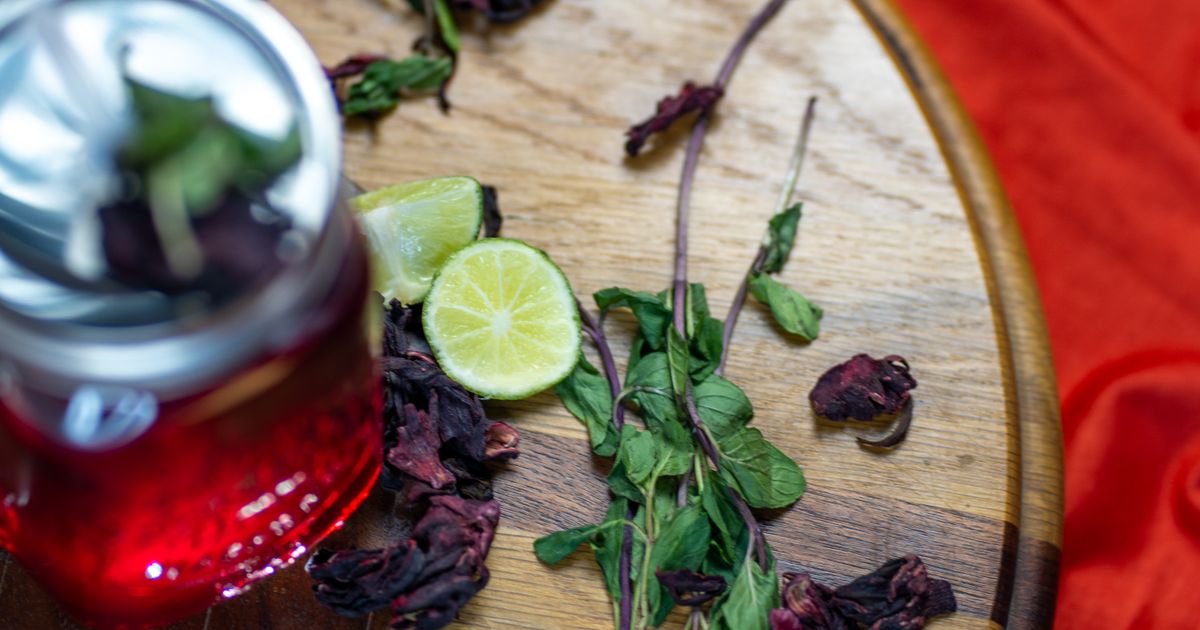
Dried hibiscus flowers: 1 cup (80 grams) – Look for deep red, leathery calyces with no stems or debris. Store in an airtight container away from light to preserve the anthocyanins that give the tea its color and antioxidant power. Avoid pre-sweetened blends, which often contain artificial flavors or excess sugar.
Fresh ginger root: 2 ounces (57 grams), peeled and sliced into 1/8-inch rounds – Choose ginger with a papery skin and firm flesh. The spiciness comes from gingerol, which converts to zingerone when heated, creating the warm, peppery note that balances the hibiscus’s tartness.
Limes: 2 medium (about 6 ounces or 170 grams total) – Zest one lime for the infusion, then juice both. The zest contains limonene, a compound that enhances the tea’s floral aromatics, while the juice adds the critical acidity that brightens the final drink.
Raw honey: 3 tablespoons (63 grams) – A mild, floral honey like orange blossom or wildflower works best. Heating honey above 110°F (43°C) destroys its enzymes and flavor, so we use it cold after brewing. For vegan adaptations, substitute with 100% pure maple syrup or agave nectar in equal measure.
Filtered water: 8 cups (1.9 liters) – Use water with a neutral pH between 6.5-7.5. Hard water with high calcium content can make the tea taste chalky, while soft water can strip the hibiscus of its vibrant color.
Optional floral aromatics: 3 rosemary sprigs or 4 fresh mint leaves – These add complexity without overpowering. Rosemary’s piney notes complement the ginger’s warmth, while mint’s menthol brightness cuts through the tea’s tartness.
Equipment matters. A kitchen scale ensures precision for the hibiscus ratio, while a fine-mesh sieve lined with cheesecloth catches the tiny hairs that can make the tea gritty. For carbonation, a SodaStream with glass bottles prevents the plastic taste that plagues many sparkling teas. If you’re batching this for a crowd, a 1-gallon glass carboy with an airlock lets you carbonate the tea directly in the serving vessel.
Step-by-Step Instructions: The Chef’s Method
Mise en place is critical here. Before you begin, measure out your hibiscus, peel and slice the ginger, zest and juice the limes, and chill your serving pitchers. The ginger infusion happens quickly, so have your thermometer ready. This process takes 12 hours of passive brewing plus 20 minutes of active work, but the payoff is a tea so vibrant it tastes like it was just picked.
- Cold-Brew Hibiscus Base: Combine the hibiscus flowers and filtered water in a large bowl or pitcher. Cover and refrigerate for 12 hours. This slow extraction at 40°F (4°C) preserves the tea’s anthocyanins and prevents bitterness. After 12 hours, strain through a fine-mesh sieve lined with cheesecloth into a clean pitcher. Discard the spent hibiscus (compost it-it’s still full of potassium and phosphorus).
- Ginger Flash Infusion: In a small saucepan, bring 1 cup (240 ml) of water to exactly 185°F (85°C) on the stovetop. Add the sliced ginger and steep for 2 minutes. Remove from heat and stir in the lime zest. Let sit for 10 minutes, then strain out the ginger. The hot water extracts gingerol’s spiciness while the zest releases limonene, enhancing the tea’s aroma. Chill the ginger-lime infusion rapidly by placing the saucepan in an ice bath for 5 minutes.
- Combine Tea Components: Pour the cold hibiscus tea into a clean 2-quart pitcher. Stir in the chilled ginger-lime infusion, lime juice, and honey until fully dissolved. Taste and adjust: if it’s too tart, add 1 tablespoon (15 ml) of honey; if too sweet, add 1 tablespoon (15 ml) of lime juice. The ideal ratio is 1 part ginger infusion to 7 parts hibiscus tea by volume.
- First Carbonation Round: Using a SodaStream, carbonate the unflavored hibiscus tea until it reaches 3 volumes of CO2 (about 30 seconds of continuous carbonation on high pressure). This gentle fizz won’t overwhelm the tea’s natural tartness but will lift the aromatics. Chill the carbonated tea to 38°F (3°C) to preserve the bubbles.
- Flavor Layering: Just before serving, add the optional rosemary or mint to the pitcher. Let it infuse for 5 minutes, then strain out. This final step adds a subtle herbal note that makes the tea taste like it was just assembled at a five-star bistro.
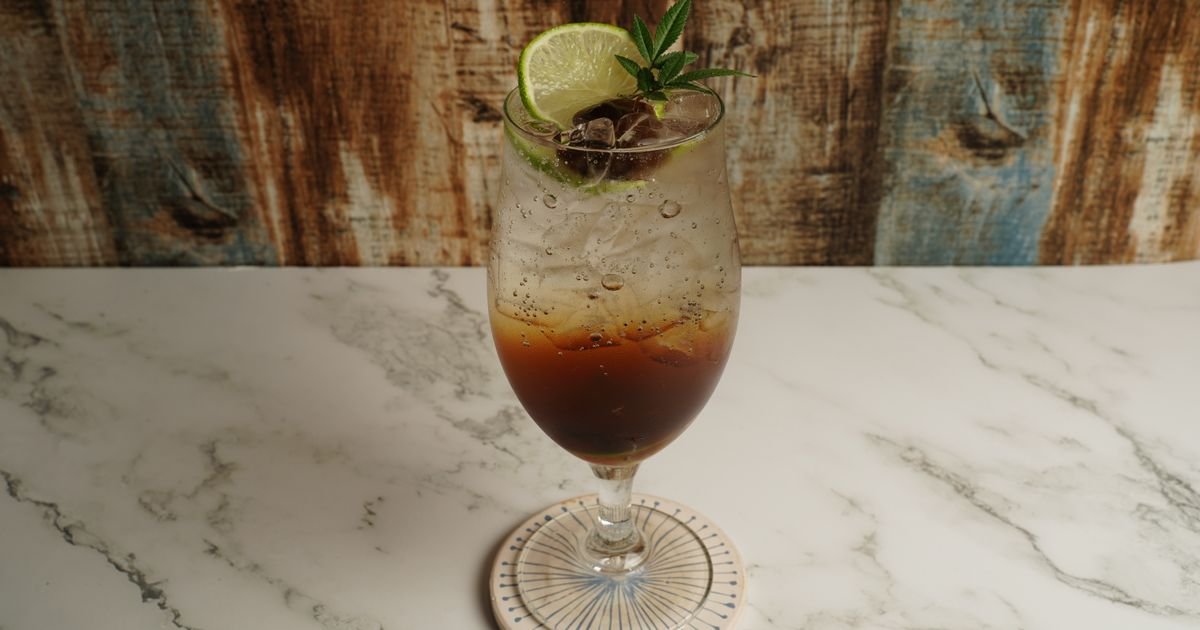
- Final Presentation: Fill chilled glasses with ice (preferably large cubes to prevent dilution). Pour the sparkling tea over the ice, garnish with a lime wheel and a sprig of mint or rosemary. For a restaurant-worthy touch, rim the glass with lime zest by rubbing a lime wedge around the rim, then dipping it in powdered sugar or Tajín. Serve immediately-this tea loses its sparkle after 2 hours in the fridge.
Pro Chef Tips to Take This From Good to Unforgettable

Mastering this tea is about understanding temperature and timing at a molecular level. The difference between flat and fizzy, bitter and bright, all comes down to precision. Here’s what separates a good batch from a great one.
- Temperature Mastery: Keep your brewing water at exactly 40°F (4°C) during cold brewing. Any warmer, and the hibiscus’s tannins start to extract, creating astringency. Use a candy thermometer to verify fridge temperature-most home fridges hover at 37-41°F (3-5°C), which is perfect. For the ginger infusion, 185°F (85°C) is the sweet spot: hot enough to extract gingerol but cool enough to preserve its volatile compounds.
- Timing Secrets: Don’t rush the 12-hour cold brew. Hibiscus needs time to release its full spectrum of flavors, from tart cranberry to floral rose. Test a sample after 8 hours-if it’s still weak, give it the full 12. For the ginger, 2 minutes is non-negotiable; any longer and it turns bitter. Use a timer and don’t walk away.
- Ingredient Upgrades: Swap standard honey for Manuka honey from New Zealand, which adds a medicinal depth that pairs beautifully with hibiscus’s tartness. For a floral twist, use lavender honey instead. If you can’t find fresh ginger, use 1 tablespoon (6 grams) of freshly grated ginger paste per 2 ounces (57 grams) of fresh-never powdered. The paste retains more volatile oils.
- Presentation Tricks: Serve the tea in clear glass vessels to showcase its ruby color. Float a lime wheel on top, then dust the rim with smoked salt or Tajín for contrast. For a tiki-style presentation, garnish with a pineapple leaf and edible flowers like borage or violas. The garnish should be edible-no plastic swords or cocktail umbrellas.
- Flavor Boosters: The secret weapon is a single drop of food-grade rose water, added just before the final carbonation. It amplifies the hibiscus’s natural floral notes without tasting perfumey. Start with 1/8 teaspoon (0.6 ml) and adjust to taste. Another unexpected addition is a pinch of citric acid (1/8 teaspoon) to sharpen the tartness, especially if your limes aren’t particularly juicy.
Nutrition Facts and Health Benefits
One 12-ounce (355 ml) serving of this sparkling hibiscus iced tea contains approximately 45 calories, 0 grams fat, 11 grams carbohydrates (8 grams from natural sugars, 3 grams from fiber), 0.5 grams protein, and 15 milligrams of sodium. It’s rich in vitamin C (30% DV), iron (10% DV), and anthocyanins (200 milligrams per serving), which are potent antioxidants linked to reduced inflammation and improved heart health. The ginger adds 5% DV of manganese and 2% DV of magnesium, while the lime contributes 20% DV of vitamin C and 2% DV of potassium. Unlike store-bought iced teas, this version contains no added preservatives, artificial sweeteners, or high-fructose corn syrup.
Hibiscus is a powerhouse of antioxidants, particularly anthocyanins, which give the tea its ruby color. These compounds neutralize free radicals, reducing oxidative stress linked to chronic diseases like diabetes and cancer. The tea’s vitamin C content supports immune function, while the ginger’s gingerol has anti-inflammatory properties that may alleviate muscle pain and nausea. The natural tartness of the tea makes it a great electrolyte source, especially when paired with the mineral-rich ginger and lime. Unlike sugary sodas, this drink hydrates without spiking blood sugar, making it ideal for diabetics when sweetened with stevia instead of honey.
Dietary adaptations: For a vegan version, replace honey with 100% pure maple syrup or agave nectar in equal measure-both sweeten and flavor the tea without animal products. For gluten-free, ensure all ingredients (including optional additives like grenadine) are certified GF, as some commercial brands use wheat-based carriers. To reduce sugar, omit the honey entirely and rely on the natural tartness of the hibiscus and lime, adding 1-2 drops of liquid stevia to taste. For a low-sodium version, skip the Tajín rim and use a pinch of potassium chloride instead of salt. For a keto adaptation, reduce the honey to 1 tablespoon (21 grams) and add 1/2 teaspoon (2 grams) of xanthan gum to thicken the tea slightly, creating a mouthfeel similar to traditional sweetened drinks.
Creative Variations Worth Trying
Recipes are living things-adapt them to your palate and season. These variations honor the hibiscus’s versatility while keeping the core technique intact.
Tropical Hibiscus Sparkler: Add 1/2 cup (75 grams) of diced pineapple and 1/4 cup (30 grams) of toasted coconut flakes to the cold brew. Strain after 8 hours and proceed with the recipe. The pineapple’s bromelain enzymes tenderize the hibiscus slightly, while the coconut adds a creamy texture without dairy. Garnish with a pineapple leaf for a tiki bar vibe.
Spiced Hibiscus Chai Fizz: Steep 2 cinnamon sticks, 4 whole cloves, and 2 star anise pods with the ginger in the 185°F (85°C) water. Strain and proceed with the recipe. The chai spices add warmth and complexity, making this a cozy autumn sipper. For a caffeine boost, add 1 tablespoon (3 grams) of loose-leaf Assam tea to the hibiscus during cold brewing.
Citrus Hibiscus Spritz: Replace the lime juice with 1/4 cup (60 ml) of blood orange juice and add the zest of 1 blood orange to the ginger infusion. The blood orange’s deep red pigment intensifies the tea’s color while its subtle raspberry notes complement the hibiscus. Serve over crushed ice for a sherbet-like texture.
Meal Prep Batch: Double the recipe and store the unsweetened hibiscus tea base in the fridge for up to 5 days. When ready to serve, carbonate a single bottle at a time to preserve freshness. This method saves time during busy weeks while ensuring each serving is as bubbly as the first.
Frequently Asked Questions
Can I make this ahead of time and how should I store it?
Yes, but with caveats. The unsweetened hibiscus tea base can be refrigerated for up to 5 days in an airtight container. The ginger-lime infusion and lime juice should be added fresh, as they dull in flavor over time. For carbonation, only carbonate the tea immediately before serving-bubbles dissipate within 2 hours. To store already-carbonated tea, transfer it to a keg with a tight-fitting lid and refrigerate; it will retain its fizz for 24 hours. Never freeze the tea, as it disrupts the tea’s delicate structure and creates a slushy texture.
What can I serve alongside this dish to make it a complete meal?
This tea pairs beautifully with spicy foods like Thai green papaya salad or Mexican salsa macha, as the tea’s tartness cuts through the heat. For a light meal, serve it with grilled shrimp skewers and mango salsa, where the hibiscus’s cranberry notes complement the sweetness. To balance richness, pair the tea with creamy cheeses like queso fresco or goat cheese crostini. For a brunch spread, serve it with avocado toast on sourdough and a sprinkle of flaky salt. The tea’s acidity makes it a natural match for fried foods like chicken-fried steak or tempura vegetables.
Why did my dish turn out flat and bitter, and how do I fix it?
Flat tea usually results from overheating the hibiscus during brewing. If you brewed it hot (above 160°F/71°C), the tannins extracted too quickly, creating bitterness. To fix, start fresh with cold brewing and reduce the ginger infusion time to 1 minute. If your tea tastes weak, you likely under-extracted the hibiscus-steep for the full 12 hours and use the correct ratio. Bitter lime juice can also ruin the balance; always taste your lime juice before adding it and dilute with water if it’s too tart. Finally, check your honey: if it’s old or overheated, it can impart a musty flavor. Use fresh, raw honey and stir it in cold.
What are the best ingredient substitutions if I’m missing something?
No hibiscus? Swap in equal parts dried rose hips and hibiscus for a floral, tart base. Missing ginger? Use 1 tablespoon (6 grams) of freshly grated galangal instead-its piney notes are similar but more delicate. Out of limes? Lemon juice works in a pinch, though it’s sharper; use 3 tablespoons (45 ml) instead of 2. No raw honey? Light agave or simple syrup (1:1 sugar to water) works, though the flavor profile shifts. For a caffeine-free version, replace the honey with 1 tablespoon (15 grams) of pomegranate molasses for depth. Out of fresh mint? Use 3 basil leaves for a licorice-like twist. Always adjust sweetness after substitutions, as each ingredient changes the tea’s balance.
Final Thoughts from the Kitchen
I’ve spent more than half my life chasing the perfect sip of hibiscus tea. This recipe is the culmination of that journey-a drink that’s equal parts memory, science, and joy. There’s something sacred about watching guests take their first sip and see their eyes light up, knowing you’ve created something that tastes like summer in Texas and feels like a hug from an old friend. This isn’t just a recipe; it’s an invitation to slow down, to savor the interplay of tart and sweet, to celebrate the beauty of a single glass.
Now it’s your turn. Pull out that chipped clay jug from the back of your cabinet and make it your own. Play with the ginger’s spiciness, the lime’s brightness, the honey’s depth. Share it with someone you love. And when they ask for the recipe, tell them this: the best food starts with the best ingredients and a lot of patience. The rest is just love in a glass.