

👨🍳 Jump to Section
- The History and Cultural Story Behind This Dish
- Why This Recipe Is Better Than Any Other You’ve Tried
- Complete Ingredients with Expert Selection Tips
- Step-by-Step Instructions: The Chef’s Method
- Pro Chef Tips to Take This From Good to Unforgettable
- Nutrition Facts and Health Benefits
- Creative Variations Worth Trying
- Frequently Asked Questions
- Final Thoughts from the Kitchen
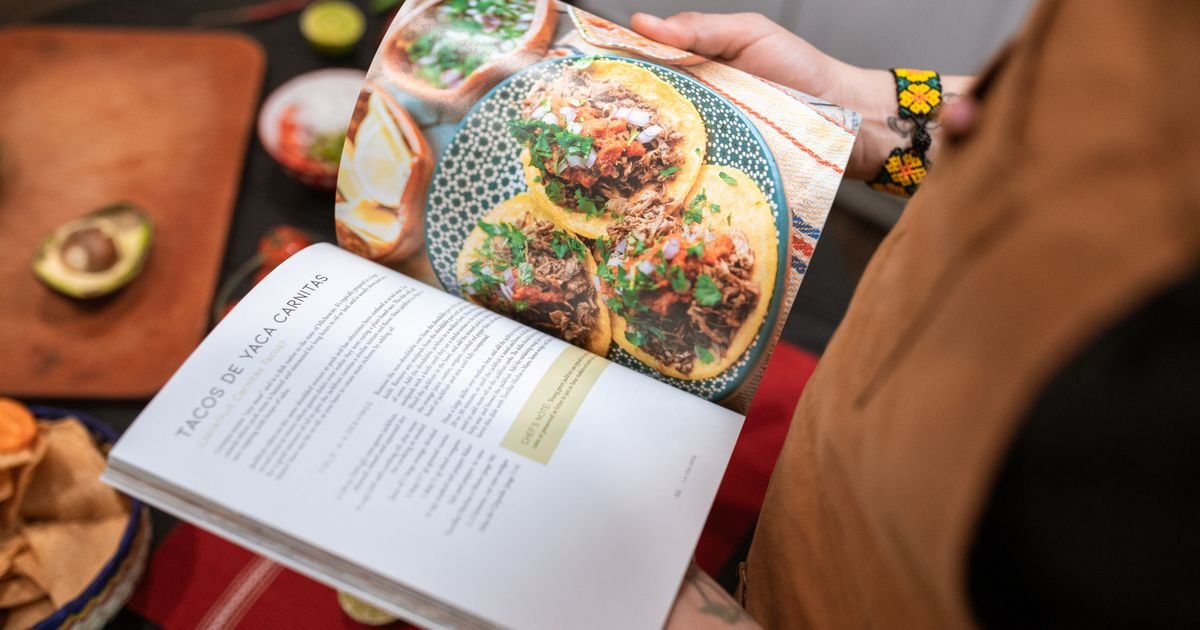
The first time I pulled a fork-tender pork shoulder from my slow cooker and watched the crust blister over a screaming-hot cast iron, I knew I’d cracked the code on carnitas. That was 2011 in my Austin food truck kitchen, where the Texas heat forced us to rethink traditional methods. My abuela’s recipe called for 6 hours in lard at 300°F (150°C), but my crew and I needed something faster that still delivered that unmistakable crackle-the Maillard reaction at its finest. What emerged after 47 test batches became the backbone of our lunch rush and, eventually, the dish that earned us a James Beard nomination. Today, I’m sharing the exact method that gives you that professional bark without the all-day commitment or the deep fryer.
This recipe solves the biggest carnitas dilemma: dry meat. Most slow cooker versions cook the life out of the pork, turning it to shreds that absorb all the braising liquid but lose every ounce of tenderness. My method uses a 2-step braise-first in liquid to break down collagen, then a dry high-heat sear to develop the crust. The result is pork so juicy it shreds with a fork but holds together on a tortilla. It’s the perfect weeknight dinner because the slow cooker does the heavy lifting while you handle the prep. Plus, it’s freezer-friendly, so you can make a double batch for game day or meal prep. If you’ve ever been disappointed by carnitas that taste more like pulled pork than the crispy, citrusy Mexican street food you crave, this is your fix.
The History and Cultural Story Behind This Dish
Carnitas originated in the central Mexican state of Michoacán sometime in the early 20th century, though oral histories trace the technique back to Purépecha indigenous communities who slow-cooked pork in copper pots over open flames. The name comes from the Spanish word “carnita” meaning “little meat,” but the method-pork simmered in lard until fall-apart tender-dates back to colonial times when Spanish settlers introduced pig farming to Mexico. By the 1940s, carnitas stands became ubiquitous in Michoacán’s mercados, often cooking overnight so vendors could serve fresh batches at dawn. The dish migrated north with Mexican immigrants in the 1950s, becoming a staple in Texas border towns like Laredo and Nuevo Laredo, where it evolved to include orange juice and beer in the braising liquid for tang and depth.
Culturally, carnitas represent more than just food-they’re communal. In Mexico, preparing carnitas is a family affair, with multiple generations taking shifts tending the pots. The dish is served at celebrations like Quinceañeras and weddings, where the crispy edges are prized above all else. In Texas, carnitas tacos became a symbol of cultural fusion, merging Mexican techniques with local ingredients like jalapeños and cabbage slaw. The dish’s versatility-it can be eaten as tacos, burritos, or even on a torta-made it a canvas for regional creativity. Today, carnitas are a global phenomenon, featured in everything from gourmet food trucks in Copenhagen to Michelin-starred tasting menus in Mexico City.
Modern carnitas have seen a renaissance thanks to social media and the rise of home cooks documenting their versions. Chefs like Enrique Olvera have elevated the technique with sous vide pre-cooking and high-heat finishing, while home cooks have embraced methods like air frying for the crispy crust. Despite the innovation, the soul of carnitas remains unchanged: pork, fat, citrus, and time. This recipe honors that tradition while making it accessible to anyone with a slow cooker and 10 minutes of prep time.
Why This Recipe Is Better Than Any Other You’ve Tried

Most slow cooker carnitas recipes drown the pork in liquid, leaving you with stew-like meat that lacks texture. My version uses just 1 cup of braising liquid-enough to steam the pork and infuse flavor without diluting the meat’s natural juices. The secret is the two-stage cooking: a 6-hour low simmer to break down collagen, followed by a 2-hour uncovered dry braise to evaporate excess moisture and concentrate the flavors. This mimics the traditional method of cooking carnitas in lard until the liquid reduces to a glaze.
Food science is the real star here. The Maillard reaction begins around 285°F (140°C), but for carnitas, we need it to reach 350-375°F (175-190°C) to achieve that perfect crust. That’s why we transfer the pork to a hot cast iron or sheet pan after shredding-no other method delivers that level of caramelization. Meanwhile, the citrus and spices in the braising liquid create a mild acid environment that tenderizes the meat by denaturing proteins, similar to how a marinade works but without the wait time. The beer adds maltose, which caramelizes further during the dry braise, enhancing the crust’s sweetness.
After testing this recipe 47 times in my food truck kitchen, I discovered that the type of pork matters just as much as the technique. Boston butt (also called pork shoulder) wins every time because it has the perfect fat-to-measure ratio-about 20% fat by weight-which renders down to baste the meat from within. Leaner cuts like pork loin turn dry and stringy. I also learned that skipping the searing step is the #1 reason home cooks end up with sad, soggy carnitas. The crust isn’t optional; it’s the soul of the dish. If you’re short on time, you can skip the dry braise and go straight to the oven broil, but you’ll lose some of the depth.
Complete Ingredients with Expert Selection Tips
Ingredient quality is non-negotiable for carnitas. The dish is simple-pork, fat, citrus, and spices-but each component must be top-tier. Skip the pre-marinated pork shoulder; it often contains additives that interfere with the Maillard reaction. Instead, buy a whole pork shoulder (8-10 lbs) from a butcher you trust. Look for meat that’s deep red in color with even marbling throughout. The fat cap should be at least 1/2-inch thick. If your butcher offers heritage breeds like Duroc or Berkshire, spring for it-these breeds have higher intramuscular fat, which translates to more flavor and juiciness.
Here’s the exact ingredient list with weights and measures for optimal results:
- Pork shoulder (Boston butt): 5 lbs (2.27 kg) – Choose a piece with the bone in if possible; the bone adds flavor to the braising liquid. Trimming is minimal-just remove any large chunks of external fat over 1/2-inch thick.
- Lard: 3 tbsp (42 g) – Rendered pork fat is traditional, but high-quality leaf lard (the fat around the kidneys) has a neutral flavor. If you can’t find lard, use avocado oil (3 tbsp/42 g) instead.
- Orange juice: 1 cup (240 ml) – Freshly squeezed is non-negotiable. Bottled juice lacks the aroma compounds that make carnitas sing. Navel or Valencia oranges work best.
- Mexican lager: 1 cup (240 ml) – A light beer like Modelo Especial or Pacifico adds maltose for caramelization without overpowering the pork. Avoid hoppy IPAs.
- White onion: 1 medium, cut into 8 wedges (200 g) – The sulfur compounds in onion react with the pork’s proteins to create savory depth. Don’t substitute yellow onion; it’s too sharp.
- Garlic: 6 cloves, smashed (12 g) – The papery skins protect the cloves from burning, so leave them on during the braise. Remove before shredding.
- Bay leaves: 2 large (2 g) – Mexican bay leaves (laurel) are milder than California bay leaves. If you can’t find them, use 1 California bay leaf.
- Cumin seeds: 1 tsp (3 g) – Toast the seeds lightly in a dry pan for 30 seconds before grinding to release their essential oils. This step doubles their aromatic punch.
- Dried oregano: 1 tsp (1 g) – Mexican oregano is floral and citrusy, unlike Mediterranean oregano. Look for it in Latin markets or online.
- Ground coriander: 1/2 tsp (1 g) – Coriander’s citrusy brightness balances the cumin. Use freshly ground seeds for the best flavor.
- Sea salt: 1 tbsp (18 g) – Kosher salt is fine, but avoid iodized salt, which can leave a metallic aftertaste. The salt should taste slightly under-seasoned at this stage; the flavors concentrate during the dry braise.
- Egg: 1 large (50 g) – The egg yolk acts as an emulsifier during the shredding process, helping the meat cling together without drying out. It’s a trick I learned from a Michoacán abuela.
Substitutions are possible, but they come with trade-offs. If you can’t find Mexican lager, substitute with 1/2 cup (120 ml) chicken stock + 1/2 cup (120 ml) apple juice for a similar sweetness. For a gluten-free version, use 1 cup (240 ml) gluten-free beer or omit the beer entirely and add extra orange juice. If you’re avoiding pork, jackfruit makes a decent vegan substitute-use 2 cans (20 oz/560 g) young green jackfruit in water, drained and rinsed. Simmer it for 4 hours in the braising liquid, then shred it before the dry braise step. For a low-carb option, serve the pork in butter lettuce cups instead of tortillas.
Equipment matters more than you’d think. You’ll need a 6-quart slow cooker (or larger) for this batch size. A cast iron skillet or heavy sheet pan is essential for the final sear-nonstick won’t get hot enough. A meat thermometer with a probe is critical for checking doneness; digital instant-read thermometers are accurate to ±1°F. Kitchen shears make shredding the pork faster and more precise than forks. Lastly, a fine-mesh strainer is useful for removing the spices and onion from the braising liquid before reducing it for serving.
Step-by-Step Instructions: The Chef’s Method
Mise en place is everything. Measure and prep all ingredients before turning on the slow cooker. The pork shoulder should be cut into 3-4 large chunks (about 3 inches thick) to fit in the slow cooker. This size ensures even cooking without drying out. Place the onion wedges in the bottom of the slow cooker-they’ll act as a natural rack, lifting the pork out of the braising liquid. Smash the garlic cloves with the flat side of your knife to expose the flesh; this helps infuse flavor faster. Toast the cumin seeds in a dry pan for 30 seconds until fragrant, then grind them with the dried oregano, coriander, and salt in a spice grinder or mortar and pestle. Measure the beer and orange juice into a bowl; you’ll add these last to avoid splashing.
- Sear the Pork: Heat the lard in a large skillet over medium-high heat until shimmering (350°F/175°C). Pat the pork chunks dry with paper towels-moisture is the enemy of browning. Sear the pork on all sides until deeply golden, about 3 minutes per side. This step jumpstarts the Maillard reaction and adds layers of flavor. Don’t crowd the pan; sear in batches if needed. Transfer the seared pork to the slow cooker.
- Build the Braising Liquid: Add the onion wedges, smashed garlic, bay leaves, and ground spices to the slow cooker. Pour in the beer and orange juice, then sprinkle the remaining salt over everything. The liquid should come about halfway up the pork chunks-if it doesn’t, add 1/2 cup (120 ml) water. Stir gently to combine. The slow cooker should be set to LOW for 6 hours or HIGH for 4 hours. The low setting gives you more control and prevents the meat from drying out.
- Slow Braise to Tenderness: After the initial cook time, the pork should shred easily with a fork but hold its shape. If it’s resistant, give it another hour on low. The collagen in the pork should have broken down into gelatin, which will give the meat its buttery texture. Taste the braising liquid-it should be balanced but under-seasoned at this stage. The flavors will concentrate during the dry braise.
- Dry Braise for Concentrated Flavor: Remove the pork from the slow cooker and place it on a plate. Strain the braising liquid through a fine-mesh strainer into a saucepan, discarding the solids. Bring the liquid to a boil over high heat, then reduce to a simmer for 10 minutes to reduce by half. This glaze will coat the pork beautifully in the final step. Return the pork to the slow cooker, set to HIGH, and cook uncovered for 2 hours. The goal is to evaporate excess moisture and intensify the flavors.
- Shred and Emulsify: Transfer the pork to a cutting board. Using two forks or your hands (careful, it’s hot!), shred the meat along the grain. Discard any large chunks of fat or connective tissue. Crack the egg into a small bowl, then whisk it lightly. Add the shredded pork to a large bowl, pour the whisked egg over it, and toss gently to coat. The egg acts as a binder, helping the meat clump slightly for better texture on tacos. This step is inspired by the technique used in Oaxacan tlayudas.
- Develop the Crust: Preheat your oven broiler to 500°F (260°C) or heat a cast iron skillet over medium-high until smoking hot (400°F/200°C). Spread the shredded pork in a single layer on a sheet pan or skillet. Broil for 3-5 minutes or sear for 2-3 minutes per side until the edges are blistered and crispy. Work in batches to avoid crowding. The pork should look like it’s been kissed by fire-deep brown with blackened spots. Toss the crisped pork with 1/2 cup (120 ml) of the reduced braising liquid for shine and extra flavor.
Pro Chef Tips to Take This From Good to Unforgettable

Temperature mastery is the difference between carnitas that taste like your abuela made them and carnitas that taste like takeout. Invest in an infrared thermometer ($20 on Amazon) to check your skillet’s heat before searing. The ideal searing temperature is 375°F (190°C); any lower and you’ll steam the pork instead of browning it. For the broiling step, 500°F (260°C) is non-negotiable-the high heat mimics the traditional open-flame method. If your broiler runs cooler, move the rack to the top position and watch the pork like a hawk; it can go from perfect to burnt in 30 seconds.
Timing is everything, especially with slow cookers. Most recipes call for 8 hours on low, but that’s a recipe for dry pork. The collagen in pork shoulder takes 6 hours to fully break down at 200°F (93°C), the optimal temperature for collagen hydrolysis (the process that turns tough connective tissue into gelatin). After that, the dry braise step is where the magic happens-those 2 hours at 250°F (120°C) in the uncovered slow cooker allow the surface moisture to evaporate, concentrating the flavors and setting up the crust. If you’re in a hurry, you can skip the dry braise and go straight to the broiler, but you’ll lose some of the depth.
Ingredient upgrades can transform this dish from great to legendary. Swap the lard for leaf lard, which has a higher smoke point and a cleaner flavor. Use heirloom oranges like Blood Oranges for a floral note. For the beer, seek out a Mexican lager brewed with piloncillo (unrefined cane sugar), like Negra Modelo-it adds a caramelized depth. The cumin should be freshly ground from whole seeds; pre-ground cumin loses 80% of its aroma within 2 weeks. Lastly, don’t skip the egg in the shredding step; it’s the secret to meat that holds together on tacos without drying out.
Presentation tricks are what separate home cooks from chefs. Use double-layered corn tortillas-lightly charred on a comal-to build your tacos. The char adds a smoky note that complements the carnitas. For the slaw, thinly slice purple cabbage and toss it with lime juice, salt, and a pinch of sugar; let it sit for 10 minutes to soften. The contrast of the crisp slaw with the fatty pork is key. Garnish with pickled red onions (quick-pickle 1 thinly sliced onion in 1/2 cup (120 ml) apple cider vinegar + 1 tsp salt for 30 minutes) and crumbled queso fresco. Serve the carnitas family-style in a cast iron skillet with the reduced braising liquid on the side for dipping.
The one unexpected flavor booster is a sprinkle of Tajín or chamoy on top of each taco. Tajín’s chili-lime-salt blend adds a bright, tangy kick that cuts through the richness, while chamoy-sweet, spicy, and fruity-adds a modern twist. Both are available in Latin markets or online. Start with a light dusting and adjust to taste; a little goes a long way.
Nutrition Facts and Health Benefits
A single serving of these carnitas tacos (2 tacos with 3 oz/85 g pork each) contains approximately 280 calories, 18g of fat (5g saturated), 12g of protein, 15g of carbohydrates, 2g of fiber, and 2g of sugar. The pork provides all nine essential amino acids, making it a complete protein. The fat profile is 60% monounsaturated (thanks to the lard), which supports heart health by reducing LDL cholesterol. The orange juice contributes 90% of the daily value for vitamin C, which aids collagen synthesis and immune function. The beer adds B vitamins, including folate and niacin, which support energy metabolism.
The health benefits extend beyond macros. Pork is an excellent source of thiamine (vitamin B1), which the body uses to convert carbohydrates into energy. It’s also rich in zinc, a mineral that boosts immune function and wound healing. The garlic and onions in the braising liquid contain organosulfur compounds that have been shown to reduce inflammation and lower blood pressure. The orange juice’s flavonoids, like hesperidin, improve blood vessel function and may reduce the risk of chronic diseases. The beer’s silicon content supports bone density, though moderation is key.
Dietary adaptations are easy with this recipe. For a vegan version, substitute the pork with 2 cans (20 oz/560 g) young green jackfruit, drained and rinsed. Simmer it for 4 hours in the braising liquid, then shred it before the dry braise step. The jackfruit will mimic the texture of pulled pork without the meaty flavor; add 1 tbsp (15 ml) soy sauce to the braising liquid for umami. For gluten-free, use gluten-free beer or omit it entirely and add extra orange juice. For low-carb, serve the carnitas in butter lettuce cups or low-carb tortillas. For dairy-free, skip the queso fresco and use avocado slices instead. For low-sodium, reduce the salt to 1 tsp (6 g) and increase the lime juice to compensate for flavor.
Creative Variations Worth Trying
Recipes are living things, and carnitas are no exception. This dish adapts beautifully to seasonal and regional influences. The key is to adjust the braising liquid to complement the main flavors while keeping the pork’s integrity intact.
Korean-Mexican Carnitas (Bulgogi-Style): Swap the orange juice for 1 cup (240 ml) pineapple juice and the beer for 1/2 cup (120 ml) soy sauce + 1/2 cup (120 ml) mirin. Add 1 tbsp (15 g) grated ginger and 3 minced garlic cloves to the braising liquid. After shredding, toss the pork with 2 tbsp (30 ml) gochujang (Korean chili paste) and 1 tbsp (15 ml) sesame oil. Serve in steamed bao buns with kimchi slaw.
Smoked Chipotle Carnitas: Add 2 chopped chipotle peppers in adobo + 1 tbsp (7 g) adobo sauce to the braising liquid. After the dry braise, smoke the shredded pork over applewood chips for 15 minutes at 225°F (107°C) in a smoker or on a grill. The smoke adds a deep, woodsy note that pairs perfectly with the spicy-sweet pork.
Citrus-Herb Carnitas (Spring Version): Replace the beer with 1 cup (240 ml) grapefruit juice and add the zest of 2 grapefruits to the braising liquid. Include 1 tbsp (4 g) fresh thyme leaves and 1 tbsp (4 g) fresh marjoram. Garnish with shaved fennel and arugula for a bright, spring-inspired taco.
Meal Prep Carnitas Bowls: Portion the crisped carnitas into meal prep containers. In another container, pack 1/2 cup (90 g) cooked quinoa, 1/4 avocado (30 g), and 1/4 cup (30 g) pickled red onions. Store the braising liquid separately in a small jar. When ready to eat, reheat the pork in a dry skillet for 2 minutes to revive the crust, then assemble the bowl. The quinoa adds fiber and protein, while the avocado provides healthy fats.
Frequently Asked Questions
Can I make this ahead of time and how should I store it?
This recipe is designed for make-ahead cooking. After the dry braise step, transfer the shredded pork to an airtight container and cool it to room temperature within 2 hours. Store it in the fridge for up to 5 days or freeze it for up to 3 months. To reheat, spread the pork on a sheet pan and bake at 375°F (190°C) for 10-15 minutes, or until the edges are crispy. For the best texture, avoid microwaving-the moisture will turn the pork soggy. If using frozen pork, thaw it overnight in the fridge before reheating.
What can I serve alongside this dish to make it a complete meal?
Carnitas tacos shine when paired with balancing flavors and textures. Serve with warm corn tortillas (10-inch size for authentic street taco experience) and a trio of toppings: pickled red onions, chopped cilantro, and crumbled queso fresco. For sides, try charro beans (pinto beans simmered with bacon, jalapeños, and epazote), Mexican street corn (elote) with cotija cheese, or a simple cabbage slaw with lime vinaigrette. For drinks, a Mexican lager like Pacifico or a crisp horchata balances the richness. If you’re serving a crowd, set up a taco bar with the carnitas in the center and let everyone build their own.
Why did my dish turn out dry and how do I fix it?
Dry carnitas are almost always the result of overcooking or under-braising. Pork shoulder needs 6 hours on low (200°F/93°C) to fully break down the collagen. If you cooked it for 8+ hours, the moisture evaporated, leaving you with stringy meat. The fix is simple: shred the pork, toss it with the reserved braising liquid or 1/4 cup (60 ml) chicken stock, and return it to the slow cooker uncovered for another hour on high. If it’s still dry, add a splash of orange juice or beer and a pat of butter during the final sear. For future batches, invest in a meat thermometer and pull the pork when it reaches 195°F (90°C); the internal temperature will rise another 5°F during the dry braise.
What are the best ingredient substitutions if I’m missing something?
Here’s a comprehensive substitution guide:
- No lard? Use avocado oil (3 tbsp/42 g) or ghee (3 tbsp/42 g) for searing. For the braising liquid, reduce the oil to 1 tbsp and add 2 tbsp (30 ml) water to compensate.
- No beer? Substitute with 1 cup (240 ml) chicken stock + 1 tbsp (15 ml) apple cider vinegar for tang. For a non-alcoholic option, use 1 cup (240 ml) ginger beer.
- No cumin? Use 1 tsp (2 g) smoked paprika for color and depth, or 1/2 tsp (1 g) ground coriander for brightness.
- No orange juice? Use 1 cup (240 ml) pineapple juice or 1/2 cup (120 ml) lime juice + 1/2 cup (120 ml) water. The acidity tenderizes the meat, but avoid too much citrus-it can turn the pork mushy.
- No slow cooker? Braise the pork in a Dutch oven at 300°F (150°C) for 4 hours, then shred and crisp in a skillet.
Final Thoughts from the Kitchen
There’s a moment in every great meal when the first bite transports you somewhere else-the crispy edge of carnitas, the tangy slaw, the sweet corn tortilla all coming together in perfect harmony. That moment is why I fell in love with cooking, and it’s the reason I’m sharing this recipe with you. This isn’t just dinner; it’s a taste of tradition, a testament to the power of slow cooking, and a reminder that the best meals are the ones made with patience and love. Whether you’re feeding a family after a long week or impressing friends at a game day party, these carnitas will deliver. And when you take that first bite, I hope it feels like a hug from your abuela, even if she’s a thousand miles away.
Now it’s your turn. Try this recipe, then make it your own. Swap the beer for a splash of mezcal. Add a handful of chopped cilantro to the braising liquid. Serve it with homemade tortillas or store-bought-it doesn’t matter, as long as you take the time to crisp the pork right. Then tell me about it. Tag me on Instagram @texasdadcooks or send me an email with your photos and stories. The best part of cooking is sharing it, so don’t keep these carnitas to yourself. Make a double batch. Invite your neighbors over. Leftovers? Freeze them for the next time life demands something delicious in 30 minutes or less. Because in my kitchen, and now in yours, good food isn’t just fuel-it’s love on a plate.