

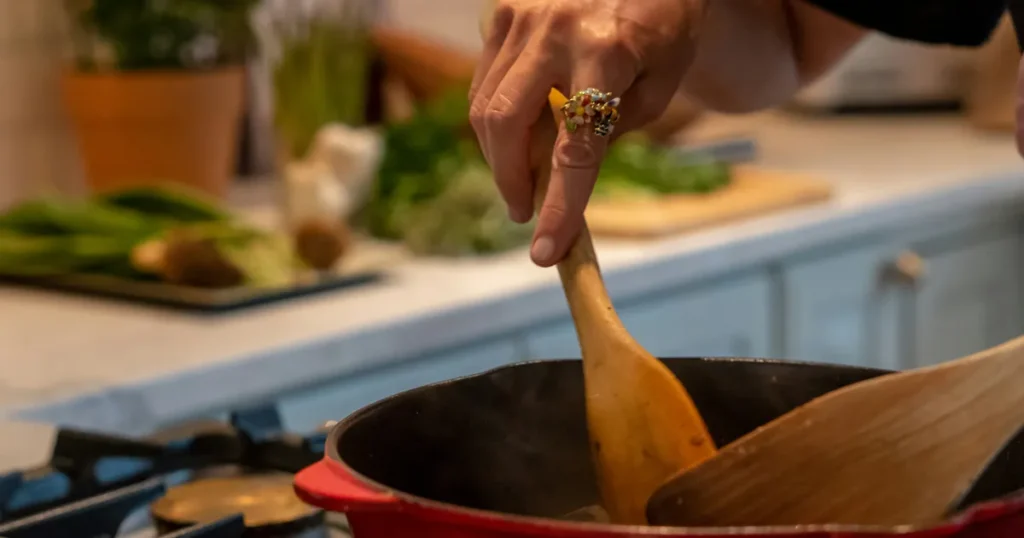
My own journey into the kitchen began with a series of minor disasters – burnt toast, rubbery eggs, and pasta that was either crunchy or mushy. I remember feeling utterly overwhelmed, convinced that cooking was some magical art reserved for culinary wizards. What I eventually discovered, and what I passionately share with every budding home chef, is that cooking isn’t magic; it’s a learnable skill built upon a handful of fundamental principles. If you’re looking for basic cooking tips for beginners, a step-by-step guide to demystify the process, you’ve come to the right place. Forget complex recipes for a moment; let’s master the bedrock techniques that will empower you to create delicious, satisfying meals with confidence, making your kitchen a place of joy rather than trepidation as we head into 2026.
Mastering Mise en Place: The Prep Game-Changer
Mise en place, a French culinary term meaning “everything in its place,” is perhaps the most crucial habit a beginner cook can adopt. Before you even think about turning on the stove, take the time to read your entire recipe, gather all your ingredients, measure them out, and complete all your chopping and dicing. This seemingly simple step transforms the cooking process from a frantic scramble into a calm, organized flow. Imagine trying to chop onions while a pan of oil is smoking, or realizing you’re out of a key spice mid-recipe; it’s a recipe for stress and potential mistakes.
By having everything prepped and ready, you can focus entirely on the actual cooking steps, adjusting heat, stirring, and timing without interruption. This not only makes the experience far more enjoyable but also significantly reduces the chances of burning food or forgetting an ingredient. It’s about setting yourself up for success, ensuring that when the heat is on, your only concern is the beautiful transformation happening in your pan, not a frantic search for garlic or a measuring spoon. Embrace this practice, and you’ll find your kitchen becoming a much more efficient and pleasant space.
Understanding Heat and Your Tools
Many aspiring cooks underestimate the profound impact of heat management on their dishes. It’s not just about turning a knob; it’s about understanding how different temperatures interact with ingredients. A low, slow heat can gently coax flavors out of aromatics like garlic and onions without burning them, while a screaming hot pan creates that coveted sear on meats and vegetables, developing complex Maillard reactions. Learning to “read” your pan – noticing how oil shimmers or a drop of water dances – is a fundamental skill that will elevate your cooking from guesswork to intentional craft. Take your time, observe, and adjust.
Your cooking implements are extensions of your hands, and knowing their purpose is crucial. Cast iron, for instance, offers incredible heat retention for searing, while stainless steel provides even heating and versatility for most tasks. Non-stick pans are fantastic for delicate items like eggs, but they generally shouldn’t be used for high-heat searing. Investing in a few quality pieces and understanding their strengths will serve you far better than a kitchen full of mismatched, underperforming tools. Treat your equipment with respect, and it will return the favor in consistently delicious meals for years to come.
The Magic of a Sharp Knife
If there’s one piece of advice I wish I’d received earlier, it’s this: a sharp knife is not only safer but also makes cooking infinitely more enjoyable. A dull knife forces you to exert more pressure, increasing the risk of slips and injury. More importantly, a sharp blade glides through ingredients cleanly, preserving their cellular structure and thus their flavor and texture. Think about slicing a tomato; a sharp knife yields clean, juicy rounds, while a dull one crushes and tears, leaving a pulpy mess. Dedicate time to learning basic knife skills and invest in a good sharpening steel or stone. The difference is night and day, and it will significantly improve your efficiency and confidence in the kitchen. For excellent guidance on knife care and techniques, I often recommend exploring resources like the Culinary Institute of America’s guides on the topic.
Seasoning with Confidence: Flavor is King
One of the most common pitfalls for beginner cooks is under-seasoning. Salt and pepper are not just additives; they are flavor enhancers that bring out the natural deliciousness of your ingredients. My golden rule is to season throughout the cooking process, not just at the end. Taste as you go, especially when building layers of flavor. A pinch of salt early on can transform bland vegetables, while a final sprinkle of flaky sea salt can add a delightful textural crunch and bright finish. Don’t be afraid to experiment with herbs and spices either; they are your palette for culinary creativity.
Beyond salt and pepper, consider the power of acidity and fat. A squeeze of lemon juice or a splash of vinegar can brighten a dish, cutting through richness and adding a much-needed zing. Similarly, a good quality olive oil or a knob of butter can carry flavors and contribute to a satisfying mouthfeel. Understanding this balance—salt, fat, acid, and heat—is fundamental to creating well-rounded, delicious food. Trust your palate, it’s your best guide in the kitchen, and don’t hesitate to adjust seasonings until the dish sings. Even in 2026, these timeless principles remain at the heart of great cooking.
Don’t Fear Failure: Embrace Experimentation
Every single expert chef, myself included, has had countless kitchen mishaps. Burnt sauces, undercooked proteins, and overly salty dishes are rites of passage. The crucial difference between a beginner who gives up and one who grows is the willingness to learn from these moments. Don’t view a failed dish as a waste of time or ingredients; view it as an invaluable lesson. What went wrong? Was the heat too high? Did you mismeasure? Did you rush a step? Each mistake provides critical feedback that helps you refine your technique and understanding.
Cooking is an iterative process, a continuous loop of trying, tasting, and adjusting. Embrace the opportunity to experiment, to tweak recipes, and to discover what you enjoy. Some of my favorite dishes were born from accidental combinations or improvisation when I lacked a specific ingredient. The kitchen should be a space for curiosity and joy, not anxiety. So, tie on that apron, take a deep breath, and remember that every perfect dish you’ll make in the future stands on the shoulders of lessons learned from past attempts. For further inspiration on embracing kitchen mishaps, check out articles from culinary experts like those at Serious Eats who often share real-world cooking challenges.
Stocking Your Pantry Smartly
A well-stocked pantry is a beginner cook’s secret weapon, providing the foundation for countless meals even on busy weeknights. Focus on essential staples that have a long shelf life and can be transformed into diverse dishes. Think dried pasta, rice, canned tomatoes, beans, broths, and a selection of versatile spices like cumin, paprika, oregano, and chili powder. Having these core ingredients on hand reduces the need for constant grocery runs and empowers spontaneous cooking, allowing you to whip up something delicious without extensive planning.
Beyond dry goods, consider a few fresh essentials: onions, garlic, potatoes, lemons, and a robust cooking oil. These form the aromatic backbone of so many cuisines. Building your pantry thoughtfully over time means you’re always prepared, fostering a sense of culinary independence. It’s about creating a personal flavor library that supports your ambitions, making cooking less of a chore and more of an exciting exploration of possibilities. Remember, you don’t need exotic ingredients to make incredible food; sometimes, the simplest pantry staples yield the most satisfying results in 2026 and beyond.
Key Takeaways
- Embrace Mise en Place: Always prepare and organize all your ingredients before you start cooking. This foundational practice reduces stress, prevents mistakes, and makes the entire cooking process more enjoyable and efficient. It’s the single best habit to cultivate.
- Master Heat Control and Tools: Understand how different heat levels affect food and the specific purposes of your various cooking tools. Learning to “read” your pan and investing in a few quality, appropriate implements will dramatically improve your results and confidence.
- Season Fearlessly and Taste Constantly: Don’t be shy with salt, pepper, and other seasonings, and always taste your food throughout the cooking process. Balancing salt, fat, and acid is key to developing complex, well-rounded flavors that truly sing.
- Learn from Every Experience: Failure is an integral part of learning to cook. Approach mishaps as valuable lessons rather than setbacks, analyze what went wrong, and use that knowledge to improve. The kitchen is a place for experimentation and growth.
Frequently Asked Questions
How do I know if meat is cooked through?
The most reliable way is to use a meat thermometer. Visual cues can be deceiving, but a thermometer provides an accurate internal temperature, ensuring your meat is both safe to eat and perfectly cooked to your desired doneness. Different meats and cuts have specific target temperatures; a quick online search for “safe internal temperatures” is always a good idea.
What’s the difference between sautéing and frying?
Sautéing typically involves cooking food quickly in a small amount of fat over relatively high heat, using a pan that allows for frequent stirring or tossing. Frying, on the other hand, usually implies cooking in a larger amount of fat, either shallow-frying (food partially submerged) or deep-frying (food fully submerged), often resulting in a crispier exterior.
How can I make vegetables taste better?
Proper seasoning is key! Don’t just boil them. Roasting, sautéing, or grilling vegetables with a good amount of olive oil, salt, pepper, and perhaps some garlic, herbs, or a squeeze of lemon juice, caramelizes their natural sugars and brings out incredible depth of flavor. Don’t be afraid to add a pinch of chili flakes for a little kick.
What are the most important spices for a beginner to have?
Start with versatile basics: salt, black pepper, garlic powder, onion powder, paprika (sweet and smoked), cumin, oregano, and dried thyme. These form the foundation for many cuisines and can elevate a wide variety of dishes from simple roasted chicken to hearty chili. Gradually add more as your culinary adventures expand.
Conclusion
Embarking on your cooking journey is an incredibly rewarding experience, transforming basic ingredients into delicious meals and fostering a deep sense of accomplishment. Remember, every expert chef started exactly where you are now, often with a few culinary blunders along the way. By focusing on these basic cooking tips for beginners – mastering mise en place, understanding heat, seasoning confidently, and embracing every lesson – you’re not just learning to follow recipes; you’re developing intuition, building skills, and cultivating a lifelong passion. So, step into your kitchen with curiosity and courage, and prepare to delight yourself and those you cook for.