

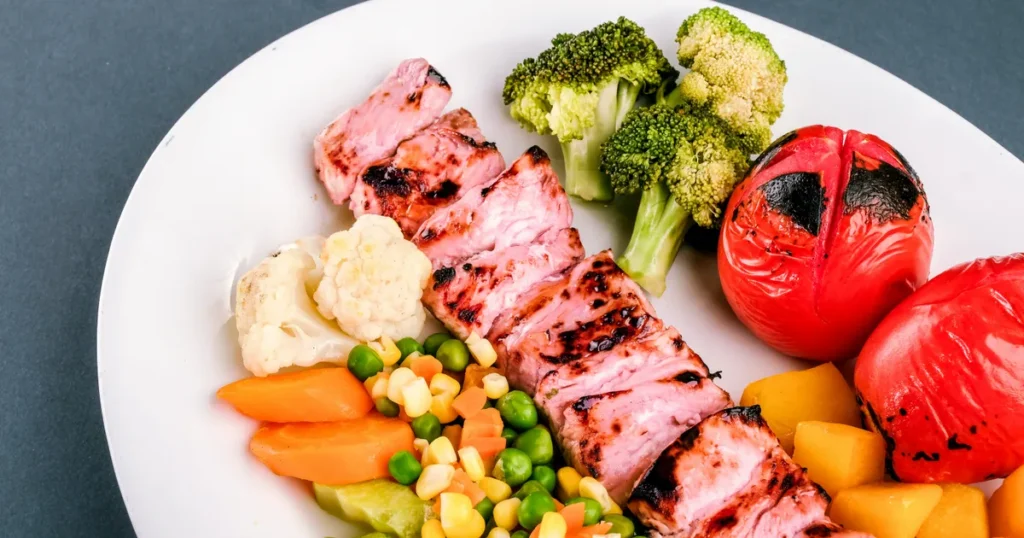
For years, I believed the myth that eating anything after 6 PM was a guaranteed ticket to weight gain. I’d starve myself, only to raid the fridge at midnight, sabotaging my efforts and disrupting my sleep. It wasn’t until I truly delved into the science of metabolism and nutrition that I discovered the profound impact of incorporating healthy dinner recipes for weight loss at night. The truth is, dinner doesn’t have to be a dietary minefield; it can be a powerful ally in your weight management journey. The key lies in strategic ingredient choices, proper portion control, and mindful preparation that supports your body’s natural processes while you rest. Forget deprivation; embrace nourishment that fuels fat loss and promotes restful slumber. Let’s explore how to transform your evening meal into a cornerstone of sustainable weight loss.
Understanding Nighttime Metabolism
The notion that your metabolism grinds to a halt after sunset is a pervasive myth that often leads to unhealthy eating patterns. In reality, your body is a 24/7 engine, constantly burning calories to maintain vital functions, even as you sleep. What truly matters for weight loss is your total daily calorie intake and the quality of those calories, rather than the clock on the wall. A well-balanced dinner, rich in lean protein and fiber, can actually support satiety and help stabilize blood sugar levels throughout the night, preventing those disruptive hunger pangs that lead to poor choices.
Conversely, consuming heavy, high-fat, or sugary meals close to bedtime can indeed hinder weight loss, not because your metabolism stops, but because these foods are harder to digest and can lead to discomfort, acid reflux, and disrupted sleep. Poor sleep, in turn, negatively impacts hormones that regulate appetite and metabolism, creating a vicious cycle. The goal for a healthy dinner is to provide sufficient nutrients to sustain you, promote recovery, and facilitate restful sleep without overwhelming your digestive system. For more on how metabolism works, resources like Nutrition.gov offer excellent insights.
Power-Packed Ingredients for Evening Meals
Building a dinner that supports weight loss begins with smart ingredient selection. Prioritize lean proteins such as baked salmon, grilled chicken breast, turkey, or plant-based options like tofu and lentils. Protein is crucial for satiety, helping you feel full longer, and it also supports muscle repair and growth, which is vital for a healthy metabolism. Pair these with complex carbohydrates like quinoa, sweet potatoes, or a small serving of brown rice. These provide sustained energy without the rapid blood sugar spikes associated with refined carbs, helping you avoid late-night cravings.
Equally important are non-starchy vegetables, which should make up the bulk of your plate. Think leafy greens like spinach or kale, broccoli, bell peppers, zucchini, and asparagus. These vegetables are incredibly low in calories but high in fiber, vitamins, and minerals. Fiber is a game-changer for weight loss, promoting digestive health and enhancing satiety. Healthy fats, in moderation, from sources like avocado slices, a sprinkle of nuts, or a drizzle of olive oil, are also beneficial for nutrient absorption and overall health, but remember, they are calorie-dense, so portion control is key. A balanced plate is your best friend in 2026.
One-Pan Wonders: Your Weeknight Savior
For busy individuals striving for healthier eating, one-pan meals are an absolute revelation. Imagine the simplicity: combining your chosen lean protein (chicken, fish, or chickpeas), a medley of colorful non-starchy vegetables (broccoli florets, bell pepper strips, cherry tomatoes), and perhaps a small amount of complex carbohydrate like cubed sweet potato, all roasted together on a single sheet pan. Season with herbs, spices, a touch of olive oil, and bake. This method not only minimizes cleanup but also locks in flavors and nutrients, creating a wholesome, satisfying dinner with minimal fuss. It’s an ideal strategy for consistently preparing healthy dinner recipes for weight loss at night, even on the most hectic weeknights.
Simple & Satisfying Dinner Ideas
Crafting healthy dinner recipes for weight loss at night doesn’t require gourmet skills; it’s about smart combinations. A simple grilled chicken or baked cod with a generous side of steamed asparagus and a small serving of quinoa is a classic, effective choice. Alternatively, a large, vibrant salad packed with mixed greens, colorful vegetables, a lean protein source (like shrimp or lentils), and a light vinaigrette dressing can be incredibly satisfying. Soups, particularly vegetable-based broths with added protein, are another excellent option, as their high water content contributes to fullness with fewer calories. The key is to keep preparation methods light, favoring baking, grilling, steaming, or sautéing over deep-frying.
Mindful eating and portion control are just as crucial as the recipe itself. Even the healthiest meal can contribute to weight gain if consumed in excess. Listen to your body’s hunger and fullness cues, eating slowly and savoring each bite. Avoid distractions like television or your phone, allowing yourself to fully engage with your meal. Consider using smaller plates to help manage portions visually. Preparing your meals in advance, perhaps through weekend batch cooking, ensures you have healthy options readily available, preventing last-minute unhealthy choices when hunger strikes. This proactive approach sets you up for consistent success in 2026.
Hydration & Sleep: Unsung Heroes
While often overlooked in weight loss discussions, proper hydration and quality sleep play pivotal roles, especially in relation to your evening meal. Drinking adequate water throughout the day, and a glass with dinner, supports digestion and can help differentiate between true hunger and thirst. However, it’s wise to taper off excessive fluid intake closer to bedtime to avoid nighttime bathroom trips that disrupt sleep. Staying well-hydrated also keeps your metabolism ticking efficiently, assisting your body’s natural fat-burning processes.
The connection between sleep and weight management is profound. Chronic sleep deprivation disrupts ghrelin (the hunger hormone) and leptin (the satiety hormone), leading to increased appetite, particularly for high-calorie, sugary foods. Furthermore, poor sleep can impair insulin sensitivity, making your body more likely to store fat. Therefore, ensuring your dinner promotes restful sleep—by being light, easily digestible, and consumed a few hours before bed—is a critical component of healthy dinner recipes for weight loss at night. Avoiding caffeine and heavy meals too close to bedtime is a simple yet effective strategy for improving your sleep quality and, by extension, your weight loss efforts.
Strategy for Sustainable Weight Loss
Achieving sustainable weight loss isn’t about fleeting diets; it’s about embedding consistent, healthy habits into your lifestyle. Meal prepping your dinners for the week is an incredibly powerful strategy. Dedicate a couple of hours on a Sunday to prepare and portion out ingredients or entire meals. Having pre-chopped vegetables, cooked lean proteins, and pre-portioned grains ready to go eliminates decision fatigue during busy evenings, significantly increasing the likelihood of sticking to your healthy eating plan. This proactive approach ensures you’re never caught off guard and tempted by less healthy, convenient options.
Beyond preparation, cultivate a mindful approach to eating your evening meal. This means slowing down, chewing thoroughly, and truly tasting your food. Pay attention to your body’s signals of fullness, stopping when you feel satisfied, not stuffed. Eating in a calm, distraction-free environment can greatly enhance digestion and satisfaction. Regularly assessing your progress and making small, sustainable adjustments, rather than drastic overhauls, will lead to lasting results. Remember, consistency and patience are your most valuable allies on this journey towards a healthier you.
Key Takeaways
- Dinner Timing & Composition Matter: Focus on consuming a balanced, nutrient-dense dinner rich in lean protein, fiber, and complex carbs a few hours before bed, rather than strictly avoiding food after a certain time. This supports satiety and stable blood sugar overnight.
- Prioritize Whole, Unprocessed Foods: Base your evening meals around lean proteins (fish, chicken, tofu), abundant non-starchy vegetables (broccoli, leafy greens), and modest portions of complex carbohydrates (quinoa, sweet potato) to maximize nutrition and minimize calorie density.
- Embrace Smart Preparation & Portion Control: Opt for cooking methods like baking, grilling, steaming, or roasting. Utilize meal prepping to ensure healthy options are always available. Practice mindful eating and listen to your body’s hunger and fullness cues to avoid overeating.
- Leverage Sleep & Hydration: Recognize that quality sleep is as vital as diet for weight loss, impacting appetite-regulating hormones. Ensure your dinner promotes restful sleep, and maintain consistent hydration throughout the day to support metabolism and overall well-being in 2026.
Frequently Asked Questions
Is it really bad to eat late at night if I’m trying to lose weight?
The primary concern isn’t the clock time, but rather the total daily calorie intake and the type of food consumed. Eating a heavy, high-calorie, or high-fat meal right before bed can lead to indigestion and disrupt sleep, which indirectly hinders weight loss. However, a light, balanced meal or snack if you’re genuinely hungry can prevent overeating later and support better sleep.
What about carbohydrates at night? Should I avoid them for weight loss?
No, you don’t need to completely avoid carbohydrates at night. The key is to choose complex carbohydrates like quinoa, sweet potatoes, or whole grains in moderate portions. These provide sustained energy, fiber, and can even aid in serotonin production, which promotes better sleep. Highly refined or sugary carbs are best avoided as they can cause blood sugar spikes and subsequent crashes.
How much protein should I aim for in my evening meal?
For most adults, aiming for 20-30 grams of lean protein in your evening meal is a good target. This amount helps promote satiety, supports muscle repair and growth overnight, and has a higher thermic effect (meaning your body burns more calories digesting it) compared to fats or carbs. Examples include 3-4 ounces of cooked chicken, fish, or about a cup of lentils.
Can I have a small dessert if I’m trying to lose weight?
Yes, you can absolutely incorporate a small, healthy dessert into your weight loss plan, provided it fits within your overall daily calorie goals. Opt for options like a small bowl of berries with a dollop of Greek yogurt, a piece of fruit, or a square of dark chocolate. The key is moderation and choosing nutrient-rich options over highly processed, sugary treats that offer little nutritional value.
Conclusion
Embracing healthy dinner recipes for weight loss at night isn’t about stringent rules or deprivation; it’s about making informed, empowering choices that nourish your body and support your goals. By focusing on lean proteins, abundant vegetables, and smart carbohydrates, coupled with mindful eating and prioritizing sleep, you can transform your evening meal into a powerful tool for sustainable weight management. Remember, consistency and a holistic approach will always yield the best results. Here’s to making your dinners a delicious and effective part of your wellness journey in 2026!