

I remember my first foray into cooking vegetarian meals at home; it was a disaster of burnt garlic and undercooked lentils. Many beginners shy away from cooking their own meals, especially plant-based ones, fearing complexity or blandness. Yet, mastering simple veg dinner recipes for beginners at home can be one of the most rewarding journeys you embark on, transforming your health, your wallet, and even your relationship with food. Forget the intimidating chef-level preparations; we’re talking about genuinely easy, delicious dishes that build confidence and taste fantastic. You don’t need a pantry full of exotic ingredients or hours of free time to create wholesome, satisfying vegetarian dinners.
The Magic of One-Pan Wonders
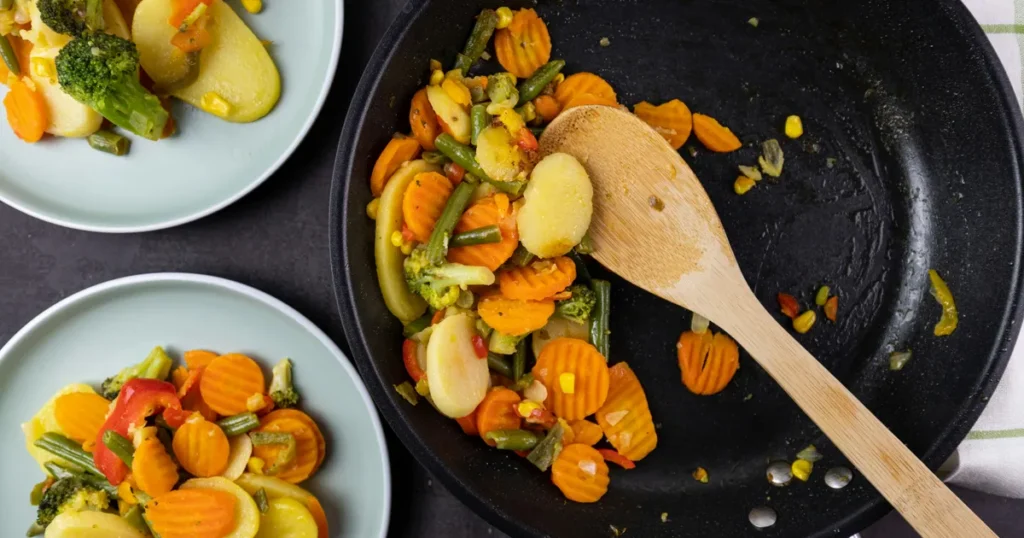
One-pan meals are an absolute lifesaver for anyone just starting their culinary adventure, and honestly, for seasoned cooks too. The beauty lies in their simplicity: chop your vegetables, toss them with oil and seasonings, and roast them on a single baking sheet. Think sturdy vegetables like broccoli florets, bell peppers, zucchini, carrots, and sweet potatoes. You can add protein like chickpeas or firm tofu cubes, coated in a little soy sauce or smoked paprika, to make it a complete meal. The oven does most of the work, caramelizing the vegetables and infusing them with incredible flavor, while you unwind.
The cleanup is arguably the best part – just one pan to wash! For those busy weeknights in 2026, when time is a precious commodity, this method is invaluable. Experiment with different spice blends like Italian herbs, curry powder, or a simple garlic-and-herb mix. A drizzle of balsamic glaze or a squeeze of lemon juice after roasting can brighten everything up. It’s a forgiving technique that allows for endless customization based on what you have in your fridge, minimizing food waste and maximizing flavor with minimal effort.
Pasta Perfection: Quick & Versatile
Pasta is a beginner’s best friend, offering a fast and satisfying canvas for countless vegetarian creations. Forget the heavy meat sauces; a truly delightful veg pasta can come together in the time it takes for the noodles to boil. A classic aglio e olio, simple garlic and olive oil, with a sprinkle of red pepper flakes and fresh parsley, is elegantly understated. For something heartier, combine cooked pasta with a vibrant pesto, cherry tomatoes, and a handful of spinach that wilts beautifully from the pasta’s residual heat. This approach ensures you’re eating well without feeling overwhelmed.
Don’t be afraid to elevate your simple pasta dishes with fresh, seasonal ingredients. Think about adding sautéed mushrooms, asparagus tips, or even some frozen peas thawed in the pasta water during the last minute of cooking. A sprinkle of nutritional yeast can mimic a cheesy flavor without dairy, making it an excellent option for vegan beginners. The key is to keep the sauce light and fresh, allowing the natural flavors of the vegetables to shine through. Pasta is not just a carb delivery system; it’s a vehicle for delicious, quick, and nourishing meals.
Lentils & Legumes: Your Protein Powerhouses
Lentils and legumes are incredibly underrated, offering a fantastic source of plant-based protein, fiber, and essential nutrients, all while being incredibly budget-friendly. They are a staple in many cultures for good reason, and perfect for simple veg dinner recipes for beginners at home. A simple lentil soup, made with red lentils that cook quickly, diced carrots, celery, and a rich vegetable broth, is both comforting and deeply nourishing. Similarly, a quick black bean and corn salsa can be served over rice or in warm tortillas for a speedy taco night.
The versatility of these ingredients is truly remarkable. Canned chickpeas, for example, can be roasted until crispy and used in salads, or mashed and seasoned for a quick “tuna” salad sandwich. Dried lentils, especially red and green varieties, don’t require pre-soaking and cook relatively fast, making them ideal for impromptu meals. Embracing these pantry heroes means you’re always just a few steps away from a wholesome, satisfying dinner that’s packed with goodness and won’t break the bank.
The Humble Power of Pantry Staples
Understanding how to leverage your pantry staples is paramount for beginner cooks. Ingredients like canned diced tomatoes, dried pasta, rice, various canned beans, and a selection of spices form the backbone of countless simple vegetarian meals. Having these on hand means you’re never far from a healthy dinner, even when your fridge looks bare. This proactive approach to stocking your kitchen eliminates the “what’s for dinner?” panic and encourages more home cooking. It’s about building a foundation for consistent, healthy eating habits.
Stir-Fries: Fast, Fresh, and Flavorful
Stir-fries are the epitome of quick cooking, making them an excellent choice for beginners looking to whip up a healthy and flavorful dinner in minutes. The concept is straightforward: high heat, quick cooking, and a medley of colorful vegetables. Start with a base of aromatics like garlic, ginger, and onion, then add your favorite chopped vegetables – think bell peppers, snap peas, carrots, broccoli, and mushrooms. For protein, firm tofu or tempeh are excellent choices, absorbing the sauce beautifully and adding substance to your meal.
The key to a successful stir-fry is preparation; have all your ingredients chopped and ready before you start cooking. A simple sauce made from soy sauce, a touch of sesame oil, rice vinegar, and a pinch of sugar or maple syrup ties everything together. Serve over steamed brown rice or quinoa for a complete, balanced meal. Stir-fries are incredibly adaptable, allowing you to use whatever vegetables are in season or need to be used up, making them a fantastic way to minimize food waste and maximize nutrient intake.
The Art of the Simple Salad Bowl
When you think of “simple,” a salad often comes to mind, but I’m talking about a hearty, satisfying dinner salad, not just a side dish. For beginners, assembling a substantial salad bowl is a fantastic way to create a nutritious meal with minimal cooking. Start with a robust base of mixed greens, then layer in cooked grains like quinoa or farro, roasted vegetables from your one-pan dinner, and a generous helping of chickpeas or black beans for protein. The textural contrasts are key to making it exciting.
The dressing can be as simple as a good quality olive oil and balsamic vinegar, or a creamy tahini-lemon dressing. Don’t underestimate the power of toppings: toasted nuts or seeds, dried cranberries, or fresh herbs can elevate a simple salad to gourmet status. This method encourages creativity and mindful eating, allowing you to build a meal that’s tailored to your taste and nutritional needs without the stress of complex recipes. It’s a refreshing and light option, especially as we head towards warmer evenings in 2026.
Key Takeaways
- Embrace Simplicity: Start with recipes that require minimal ingredients and straightforward techniques. One-pan roasts, simple pasta dishes, and basic stir-fries are excellent entry points that build confidence and culinary skills without overwhelming you.
- Stock Your Pantry Smartly: Keep essential vegetarian staples like lentils, various beans (canned or dried), rice, pasta, canned tomatoes, and a range of spices on hand. A well-stocked pantry makes spontaneous, healthy meal preparation much easier and reduces reliance on takeout.
- Don’t Fear Flavor: Simple doesn’t mean bland. Learn to use herbs, spices, and fresh aromatics like garlic and ginger to create depth and excitement in your dishes. A squeeze of lemon or a dash of hot sauce can dramatically transform the taste profile.
- Batch Cook & Meal Prep: Dedicate a small amount of time once a week to chop vegetables or cook a batch of grains or lentils. This forward-thinking approach significantly reduces weeknight cooking stress and ensures you have healthy components ready to assemble quickly. For more ideas on efficient meal prepping, you might find resources from reputable culinary sites helpful, such as Serious Eats or BBC Good Food.
Frequently Asked Questions
What are the absolute easiest vegetables for beginners to cook?
For beginners, bell peppers, zucchini, broccoli, and cherry tomatoes are incredibly forgiving and versatile. They cook quickly, don’t require complex preparation, and taste great roasted, sautéed, or even raw in salads. Root vegetables like carrots and sweet potatoes are also easy, though they take a bit longer to cook until tender.
How can I make my simple vegetarian dinners more satisfying?
To make vegetarian dinners more satisfying, focus on incorporating a good source of protein (legumes, tofu, tempeh, eggs if ovo-vegetarian, nutritional yeast), healthy fats (avocado, nuts, seeds, olive oil), and complex carbohydrates (whole grains like quinoa, brown rice, whole wheat pasta). Balancing these elements ensures you feel full and energized.
Are there any common mistakes beginners make with veg cooking?
A common mistake is under-seasoning, leading to bland food. Don’t be shy with salt, pepper, herbs, and spices! Another is overcrowding the pan, which steams vegetables instead of browning them. Cook in batches if necessary. Also, ensure vegetables are cut into similar sizes for even cooking. For more comprehensive cooking tips, the Food Network offers great advice.
How can I ensure my vegetarian meals are nutritionally balanced?
Aim for a variety of colors and food groups in your meals. Combine protein sources (beans, lentils, nuts) with complex carbohydrates (whole grains, starchy vegetables), healthy fats (avocado, olive oil), and plenty of non-starchy vegetables. Consulting resources like the USDA MyPlate can provide excellent visual guidance for balanced meals.
Conclusion
Embarking on your journey to cook simple veg dinner recipes for beginners at home doesn’t have to be daunting. With a few foundational techniques, a well-stocked pantry, and a willingness to experiment, you’ll quickly discover the joy and ease of creating delicious, wholesome plant-based meals. Remember, cooking is a skill that improves with practice, and every successful dish builds confidence. By 2026, you’ll be wondering why you ever found it intimidating. So, tie on that apron, grab your chopping board, and let’s get cooking!