

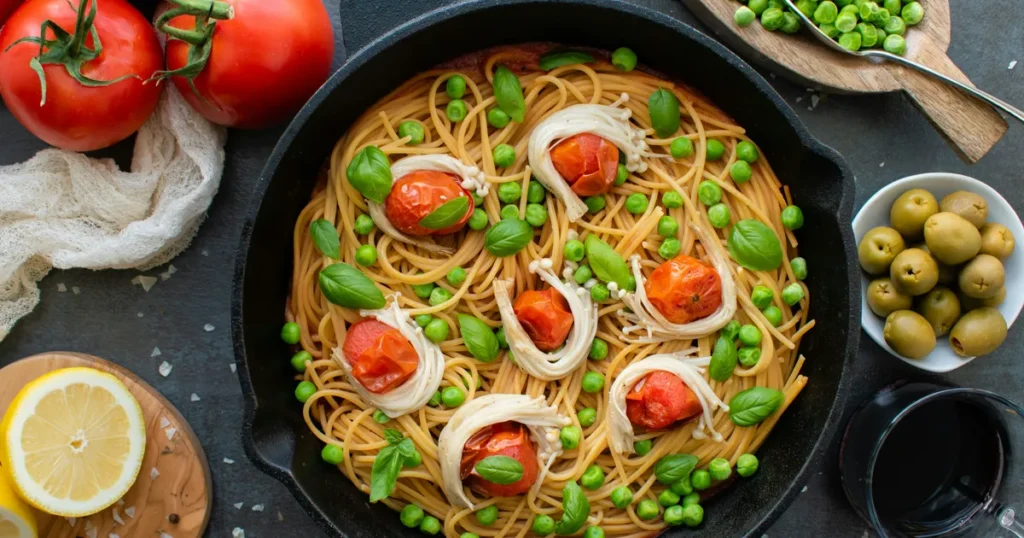
When I first dipped my toes into vegetarian cooking years ago, I admit, I was overwhelmed. The idea of ditching meat seemed like a culinary Everest, fraught with bland meals and endless grocery lists. But what I quickly discovered, much to my delight, is that crafting delicious, satisfying plant-based dinners doesn’t require complex techniques or exotic ingredients. In fact, some of the most enjoyable meals I’ve ever made fall squarely under the umbrella of easy vegetarian dinner recipes for beginners. It’s about understanding a few core principles and embracing the incredible versatility of vegetables, grains, and legumes. You’ll be surprised how quickly you can create vibrant, flavorful dishes that will impress even the most ardent carnivores.
Mastering Your Vegetarian Pantry
The secret to effortless vegetarian cooking, particularly for those just starting out, lies in a well-stocked pantry. Think of it as your culinary safety net. Having staples like canned diced tomatoes, various beans (black, cannellini, chickpeas), lentils, dried pasta, rice, and a good selection of spices means you’re always just minutes away from a wholesome meal. These foundational ingredients are incredibly versatile, allowing you to whip up everything from a hearty chili to a quick pasta sauce without a last-minute dash to the supermarket. A robust pantry saves time, reduces stress, and ultimately makes healthy eating more accessible and enjoyable.
Beyond the dry goods, don’t underestimate the power of your freezer. Keeping frozen vegetables like spinach, broccoli, peas, and corn on hand is a game-changer. They’re picked at their peak, retain nutrients, and require no chopping, making them perfect for boosting the veggie content of any dish. Similarly, frozen fruit for smoothies or quick desserts can be a lifesaver. With these basic provisions, you’ll find that many easy vegetarian dinner recipes for beginners practically assemble themselves. It’s about preparedness, not perfection, and building this habit will serve you well for years to come, even into 2026 and beyond.
One-Pan Wonders and Sheet Pan Suppers
If there’s one category of cooking that truly embodies ease and minimal cleanup, it’s the one-pan or sheet pan dinner. This method involves tossing your chosen vegetables and protein (like tofu, tempeh, or even halloumi cheese) with oil and seasonings on a single baking sheet, then roasting it to perfection. The magic happens in the oven: everything cooks together, allowing flavors to meld beautifully, and the cleanup is usually just one pan. It’s an incredibly forgiving technique, ideal for busy weeknights when you want maximum flavor with minimum fuss, and it’s a fantastic entry point for beginners.
Consider a simple sheet pan roasted vegetable medley. Broccoli florets, bell peppers, red onion, and cherry tomatoes, perhaps some cubed sweet potato, all tossed with olive oil, garlic powder, smoked paprika, and a pinch of salt and pepper. Roast until tender and slightly caramelized. You can serve this as a side or make it a complete meal by adding canned chickpeas (drained and rinsed) to the pan halfway through cooking for protein. For more detailed guidance on roasting temperatures and times, authoritative culinary sites like Serious Eats offer excellent resources. This approach makes healthy eating incredibly straightforward and delicious.
Pasta Perfection, Simplified
Pasta is a vegetarian’s best friend, especially for beginners. It’s universally loved, incredibly versatile, and cooks quickly. You don’t need elaborate sauces to create a satisfying meal. A classic aglio e olio (garlic and oil) with a sprinkle of red pepper flakes and fresh parsley is deceptively simple yet packed with flavor. Add some sautéed mushrooms or a handful of spinach at the last minute for extra nutrition and color. The beauty of pasta is its ability to be a canvas for whatever fresh vegetables you have on hand, transforming them into a comforting and complete meal.
Another fantastic option is a quick pantry marinara. Sauté some chopped onion and garlic, add a can of crushed tomatoes, a bay leaf, and a pinch of sugar to balance the acidity. Let it simmer for 15-20 minutes while your pasta boils. Stir in some fresh basil at the end, and you have a robust sauce that feels gourmet but took minimal effort. You can elevate this further by adding canned lentils or white beans to the sauce for extra protein and fiber, making it an even more substantial and easy vegetarian dinner recipe for beginners. The possibilities with pasta are truly endless and always satisfying.
The Art of the Grain Bowl
Grain bowls are not just a trendy meal; they are an ingeniously simple and customizable way to create balanced, flavorful vegetarian dinners. The concept is straightforward: a base of your favorite cooked grain, topped with various complementary components. Think of it as a deconstructed salad or a simplified Buddha bowl. They are perfect for using up leftovers and allow for endless creativity, ensuring you never get bored. The beauty lies in their flexibility; you can swap out ingredients based on what you have, what’s in season, or what you’re craving.
To assemble a basic grain bowl, start with a foundation of cooked quinoa, brown rice, farro, or couscous. Then, layer on cooked or raw vegetables – roasted sweet potatoes, steamed broccoli, fresh cucumber, or shredded carrots. Add a protein source like chickpeas, black beans, baked tofu, or a hard-boiled egg. Finish with a delicious dressing (tahini-lemon is a personal favorite), some fresh herbs, and a sprinkle of nuts or seeds for crunch. This method ensures a complete meal in one bowl, offering a delightful mix of textures and flavors. It’s a wonderful way to experiment with different combinations and discover new favorites for your 2026 meal plan.
Building Blocks for Your Best Bowl
Creating an exceptional grain bowl involves a few key elements that work in harmony. First, the grain base provides the foundation and essential carbohydrates. Experiment with different grains to find your preference; quinoa cooks quickly and offers complete protein, while brown rice has a satisfying chew. Next, focus on your protein source. Legumes like black beans or lentils are excellent choices, offering fiber and plant-based protein. For a beginner, baking or air-frying pre-marinated tofu is a fantastic way to add a savory, chewy element without much fuss.
The remaining components are where you can really let your creativity shine. Add a variety of vegetables for color, nutrients, and texture – roasted root vegetables, fresh leafy greens, or quick-pickled onions all work wonderfully. Don’t forget a delicious dressing; this is often the unifying factor that brings all the flavors together. A simple vinaigrette, a creamy tahini dressing, or a spicy peanut sauce can transform your bowl. Finally, a ‘crunch’ element like toasted nuts, seeds, or crispy fried onions adds a delightful textural contrast. This structured approach makes crafting these easy vegetarian dinner recipes for beginners both fun and incredibly rewarding.
Legumes: Your Plant-Based Protein Powerhouse
If you’re new to vegetarian cooking, legumes are about to become your best friends. Lentils, chickpeas, black beans, kidney beans, and cannellini beans are incredibly versatile, affordable, and packed with plant-based protein and fiber. They’re fantastic for satiety and provide essential nutrients, making them a cornerstone of many easy vegetarian dinner recipes for beginners. Canned varieties are ready to use with just a quick rinse, drastically cutting down on cooking time and making them perfect for quick weeknight meals.
Think about the sheer variety: black bean tacos or quesadillas, lentil soup or shepherd’s pie, chickpea curries, or even roasted chickpeas for a crunchy snack. They absorb flavors beautifully, making them excellent in stews, salads, and wraps. Incorporating legumes regularly ensures you’re getting ample protein without relying on meat substitutes. For more information on the nutritional benefits of legumes, including their role in heart health and blood sugar management, you can explore resources from organizations like The American Heart Association. Embracing these humble powerhouses will open up a world of delicious and nutritious meal possibilities.
Key Takeaways
- Stock Your Pantry Smartly: A well-organized pantry with staples like canned beans, tomatoes, pasta, rice, and frozen vegetables is your ultimate ally for quick, easy vegetarian meals, minimizing last-minute stress.
- Embrace One-Pan Cooking: Sheet pan dinners and one-pot meals offer maximum flavor with minimal cleanup, making them perfect for beginners and busy weeknights.
- Leverage Pasta’s Versatility: Pasta is a simple, satisfying base for countless vegetarian dishes; focus on quick sauces and abundant fresh or frozen vegetable additions to keep it exciting.
- Build a Better Grain Bowl: Master the art of the grain bowl by combining a grain, protein, varied vegetables, a flavorful dressing, and a crunchy element for balanced, customizable, and delicious dinners.
Frequently Asked Questions
How do I make sure I get enough protein as a vegetarian beginner?
Focus on incorporating protein-rich plant foods into every meal. Excellent sources include legumes (beans, lentils, chickpeas), tofu, tempeh, edamame, nuts, seeds, and whole grains like quinoa. A balanced plate with these components ensures you meet your protein needs easily.
Won’t vegetarian meals be bland or boring without meat?
Absolutely not! The key to flavorful vegetarian cooking lies in embracing spices, herbs, and aromatics. Garlic, onion, ginger, chili flakes, cumin, smoked paprika, and fresh herbs like cilantro and basil can transform simple vegetables into incredibly vibrant and exciting dishes. Don’t be afraid to experiment with different flavor profiles from various cuisines.
What are some quick weeknight vegetarian dinners for someone just starting?
For quick weeknights, consider sheet pan roasted vegetables with chickpeas, pasta with a simple marinara and lots of veggies, black bean tacos or quesadillas, or a quick lentil soup made with canned lentils. Grain bowls are also fantastic for using up leftovers and assembling quickly.
Do I need special ingredients to cook vegetarian food?
Not at all! Many easy vegetarian dinner recipes for beginners rely on common, affordable ingredients found in any grocery store. Focus on fresh produce, legumes, grains, and basic pantry staples. While there are some excellent vegetarian specialty products available, they are certainly not necessary to get started or to enjoy delicious plant-based meals.
Conclusion
Embarking on a vegetarian journey doesn’t have to be daunting. As we’ve explored, the world of easy vegetarian dinner recipes for beginners is rich with simple, satisfying, and incredibly flavorful options. By stocking your pantry wisely, embracing efficient cooking methods like one-pan meals, and getting creative with versatile staples like pasta and legumes, you’ll build confidence in the kitchen. Remember, cooking should be an enjoyable exploration, not a chore. So, dive in, experiment with new flavors, and discover just how delicious and accessible plant-based eating can truly be. Happy cooking!