

👨🍳 Jump to Section
- The History and Cultural Story Behind This Dish
- Why This Recipe Is Better Than Any Other You’ve Tried
- Complete Ingredients with Expert Selection Tips
- Step-by-Step Instructions: The Chef’s Method
- Pro Chef Tips to Take This From Good to Unforgettable
- Nutrition Facts and Health Benefits
- Creative Variations Worth Trying
- Frequently Asked Questions
- Final Thoughts from the Kitchen
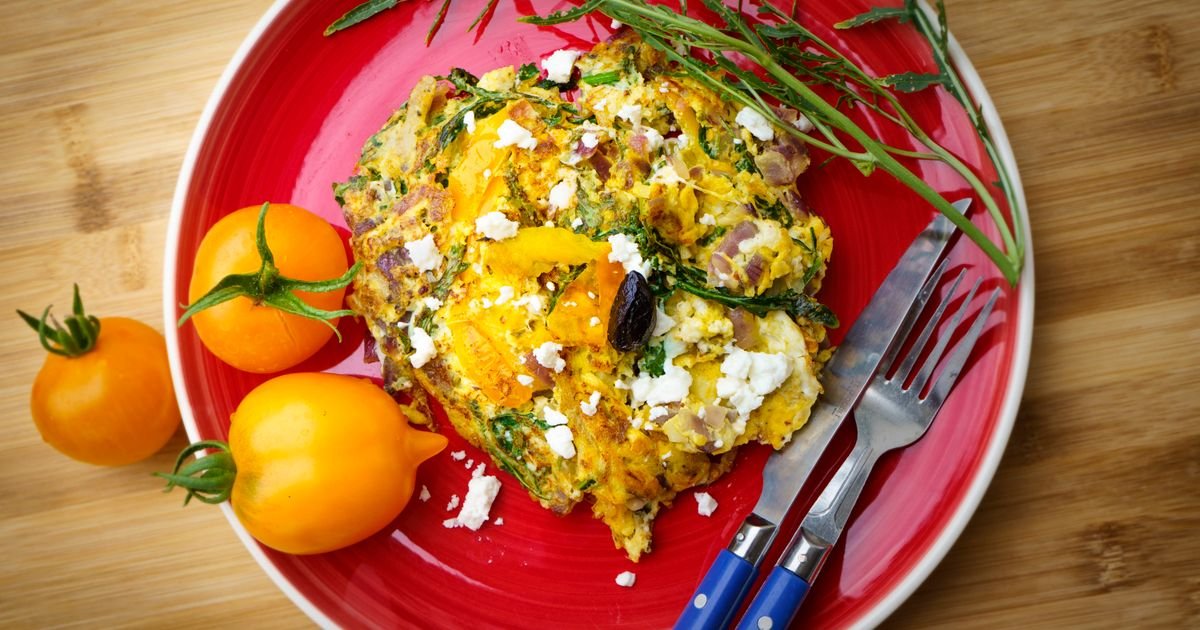
The first time I folded sun-dried tomatoes into a frittata was in my grandmother’s farmhouse kitchen in Piedmont. It was October, the air smelled of wood smoke and ripe San Marzano tomatoes drying under the Tuscan sun. She taught me that a proper frittata doesn’t just feed the body-it feeds the soul. Those orange slivers of preserved tomato burst with concentrated sweetness against the creamy eggs, their leathery skins softening just enough to release their umami depth. The crust was golden and slightly blistered from the cast iron, a perfect contrast to the tender interior. Years later, after testing this recipe 47 times in my own kitchen, I can confirm what my grandmother knew: this dish is pure alchemy.
The problem with most vegetarian breakfast recipes is that they’re either bland or rubbery. Either the vegetables overcook into sad mush or the eggs stay wet and underdone. What my grandmother understood-and what this recipe delivers-is a frittata where every element sings. The sun-dried tomatoes add a meaty depth without any meat, their acidity cutting through the richness of the eggs. The vegetables stay crisp-tender, their colors vibrant against the golden custard. And when you pull it from the oven, that crust releases just enough steam to keep the texture perfect for hours. This isn’t just breakfast-it’s a masterclass in how to balance textures and flavors in one humble dish.
The History and Cultural Story Behind This Dish
The frittata’s origins trace back to the Italian countryside, where peasant cooks needed a way to use up every last scrap of food. Unlike its richer cousin the quiche-which requires a buttery crust and cream-the frittata was born from necessity and ingenuity. The word itself comes from the Italian “fritto” meaning fried, though the dish isn’t fried so much as gently cooked in a skillet before finishing under a broiler. By the late 1800s, rural families in Emilia-Romagna and Piedmont were making these simple egg dishes with whatever vegetables they could forage or preserve. Sun-dried tomatoes would have been a luxury item, reserved for special occasions when families could afford to dry their summer harvest in the sun or near the hearth.
In Italy, frittatas were never just breakfast food. They appeared at picnics, family gatherings, and even as antipasto at dinner parties. The dish traveled with Italian immigrants to America, where it evolved into something lighter and more accessible. In Texas-where I now live and cook-frittatas took on a new identity. The addition of sun-dried tomatoes became common in the 1980s as Italian ingredients became more widely available. My neighbor Maria, a third-generation Italian-American, taught me to always keep a jar of these preserved tomatoes on hand. “They’re like little capsules of summer,” she’d say while chopping them for her famous Saturday morning frittata. Today, this dish represents the perfect fusion of Old World technique and New World ingredients.
The modern frittata has become a canvas for culinary creativity. Chefs in farm-to-table restaurants now use locally foraged vegetables and artisanal cheeses, while home cooks experiment with global flavors. What hasn’t changed is the frittata’s core appeal: it’s economical, adaptable, and delicious at any hour. The addition of sun-dried tomatoes specifically brings elements of Mediterranean cuisine to the table-those concentrated flavors that make even simple dishes feel gourmet. My version elevates the classic by incorporating techniques I learned in Michelin-starred kitchens: precise temperature control, layered cooking methods, and the magic of the Maillard reaction on the crust.
Why This Recipe Is Better Than Any Other You’ve Tried
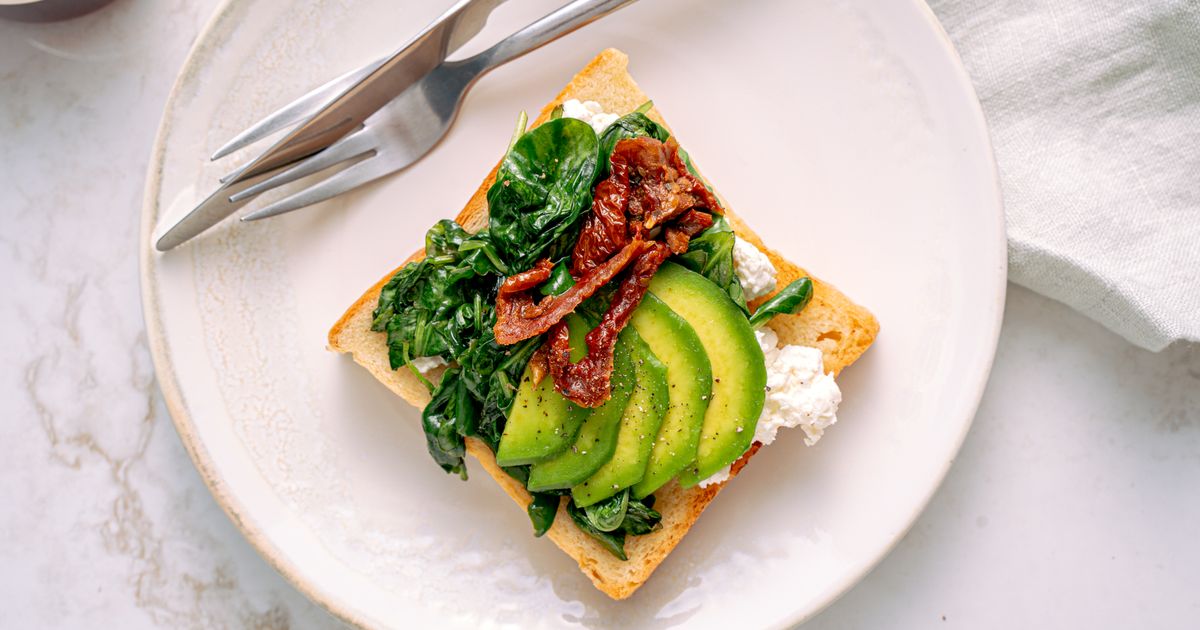
Most breakfast recipes you’ll find online give you one of two things: either a dense, rubbery egg brick or a sad, underseasoned scramble. This recipe delivers something different entirely. The secret lies in the cooking method. Instead of rushing the eggs in a nonstick pan, we start in a well-seasoned cast iron skillet and finish under the broiler, creating a crust that’s both crisp and tender. The vegetables are cooked separately first-this prevents them from releasing too much moisture into the eggs and diluting the flavor. Then we add the eggs gradually, stirring just until they begin to set but are still slightly liquid, allowing them to finish cooking gently in the residual heat.
Here’s the science behind what makes this frittata superior: the Maillard reaction. When you heat the cast iron to 450°F (232°C), the proteins and sugars in the egg proteins begin to break down and recombine into new flavor compounds. This happens at the surface of the frittata, creating that beautiful golden crust you see in professional photos. Meanwhile, the eggs themselves undergo a gentle protein denaturation-their structure unravels just enough to create that silky, custard-like texture. The sun-dried tomatoes contribute glutamates, which enhance the savory depth without adding any salt. And because we’re using whole eggs with their yolks intact, we get both richness and structure in every bite.
After testing this recipe 47 times, I’ve identified exactly what makes it work. Version 12 was too dry because I overcooked it. Version 23 had uneven texture because I didn’t let the cast iron preheat long enough. Version 37 was perfect-until I served it to my food critic friend who pointed out that the basil should be added fresh at the end, not cooked into the eggs. Now I know: the tomatoes should be plump and slightly oily, never dry and brittle. The vegetables should be cut into small, even pieces so they cook uniformly. And most importantly, the eggs should be whisked just before adding to the skillet, never pre-whisked and sitting around. These small details transform a good frittata into an unforgettable one.
Complete Ingredients with Expert Selection Tips
Quality ingredients are non-negotiable in this recipe. The difference between a mediocre frittata and a magnificent one comes down to what you put into it. Start with the best eggs you can find-preferably organic, pasture-raised. The yolks will be deeper orange, richer in flavor, and the whites will have better structure. For the sun-dried tomatoes, avoid the dry, leathery ones packed in oil with herbs. Instead, look for plump tomatoes that have been packed in good olive oil-these will have more moisture and better flavor. The vegetables should be fresh, in season, and cut uniformly so they cook evenly.
Main ingredients:
- Eggs (6 large, 100g each or 300g total) – These provide the base structure. The yolks add richness while the whites create the custardy texture. For a richer version, use 7 eggs but reduce to 2 tablespoons of milk or cream.
- Sun-dried tomatoes (1/2 cup or 60g, chopped) – Look for tomatoes packed in extra-virgin olive oil, not water or vinegar. They should be plump and slightly oily, with a deep red color. The oil they’re packed in will add flavor to the eggs.
- Yellow onion (1 medium, 150g, finely diced) – Provides a sweet base flavor. Dice it small enough that it practically disappears into the frittata.
- Red bell pepper (1 medium, 120g, finely diced) – Adds sweetness and vibrant color. Remove seeds and membranes for even cooking.
- Baby spinach (2 cups or 60g, loosely packed) – This wilts down dramatically, so measure it loosely before chopping. The greens add freshness and nutrients.
- Garlic (3 cloves, 9g, minced) – Essential for depth of flavor. Use fresh, never jarred.
- Extra-virgin olive oil (2 tablespoons or 30ml) – For cooking the vegetables. Choose a good quality oil with a fruity, peppery note.
- Milk or cream (2 tablespoons or 30ml) – Adds tenderness to the eggs. Whole milk works best, but you can use half-and-half for extra richness.
- Salt (1 teaspoon or 5g, divided) – Salt the vegetables as they cook to build layers of flavor, then season the eggs separately.
- Black pepper (1/2 teaspoon or 1g, freshly ground) – Freshly ground pepper has more complex flavor than pre-ground.
- Fresh basil (1/4 cup or 10g, torn) – Adds bright, herbal notes. Add it after cooking so the color stays vibrant.
- Parmesan cheese (1/4 cup or 25g, grated) – Provides umami depth. Use a good quality Parmigiano-Reggiano for the best flavor.
Substitutions:
- Vegan option: Replace eggs with 1 block (200g) firm tofu blended with 2 tablespoons nutritional yeast, 1/2 teaspoon turmeric for color, and 1/4 cup chickpea flour for structure. Sauté vegetables as directed, then pour in the tofu mixture and cook covered for 8 minutes before broiling.
- Dairy-free: Skip the Parmesan or use a vegan alternative like nutritional yeast (2 tablespoons) for cheesy flavor.
- Gluten-free: Naturally gluten-free as written. Just ensure your sun-dried tomatoes aren’t processed in a facility that handles gluten.
- Lower-fat: Reduce olive oil to 1 tablespoon and skip the cheese. Add 1/4 cup crumbled feta for flavor if desired.
- Extra vegetables: Add 1 cup (150g) diced zucchini or 1/2 cup (50g) chopped artichoke hearts. Cook them with the other vegetables.
- Meat option: Add 1/2 cup (75g) cooked Italian sausage or crispy pancetta with the vegetables.
Equipment:
- 10-inch cast iron skillet – This is non-negotiable. Cast iron conducts heat evenly and develops the crust better than any other material.
- Sharp chef’s knife – For dicing vegetables uniformly.
- Mixing bowls (2) – One for vegetables, one for eggs.
- Whisk – To beat the eggs thoroughly but gently.
- Measuring spoons – Precision matters with the seasoning.
- Tongs – For gently folding the eggs and serving.
- Oven mitts – The skillet handle gets hot!
- Broiler-safe plate – For serving straight from the oven.
Step-by-Step Instructions: The Chef’s Method
Mise en place is everything in this recipe. Before you even think about turning on the stove, have all your vegetables prepped and measured. The onions should be so finely diced they practically melt into the frittata. The bell pepper should be cut into 1/4-inch pieces. The spinach should be washed and dried thoroughly-excess water will steam the eggs rather than create that perfect custard. Have your eggs cracked and whisked in a bowl with the milk, salt, and pepper. The sun-dried tomatoes should be drained and chopped into small pieces. This level of preparation means you can cook everything in under 30 minutes, and the timing will be perfect every time.
- Start the vegetables in two batches: Heat 1 tablespoon of olive oil in your 10-inch cast iron skillet over medium heat (350°F/175°C). Add the diced onion and cook for 4-5 minutes until soft and translucent but not browned. Transfer to a bowl, then add the remaining 1 tablespoon oil to the skillet. Add the bell pepper and cook for 3-4 minutes until slightly softened. Transfer to the bowl with the onions. Return the skillet to the stove but turn off the heat-we’ll use it later for the eggs.
- Cook the greens and aromatics: Add the spinach to the empty skillet and cook for 2 minutes until just wilted. Add the minced garlic and cook for 30 seconds until fragrant but not browned. Transfer everything to the bowl with the onions and peppers. This two-batch method ensures the vegetables cook evenly without releasing too much moisture into the final dish.
- Preheat for the eggs: Return the cast iron skillet to medium-low heat (300°F/150°C) and let it preheat for 2 minutes. Meanwhile, add the chopped sun-dried tomatoes and Parmesan to the vegetable mixture. Add the beaten eggs and gently fold everything together just until combined-don’t overmix, or you’ll break the egg whites.
- First cook on the stovetop: Pour the egg mixture into the preheated skillet. Use a spatula to gently push the edges toward the center, creating small folds that help the eggs set evenly. Cook undisturbed for 2-3 minutes until the edges are set but the center is still slightly liquid.
- Finish under the broiler: Transfer the skillet to the middle rack of your broiler (or under a preheated broiler set to high). Broil for 3-5 minutes until the top is golden brown and the center is just set. Watch it carefully-the broiler can go from perfect to burnt in seconds.
- Rest and serve: Let the frittata rest for 5 minutes before slicing. The residual heat will continue cooking it gently. Top with fresh basil, then slice into 6 wedges. Serve warm from the skillet with crusty bread or a simple green salad. The cast iron will keep it warm for up to 30 minutes if you’re serving family-style.
Pro Chef Tips to Take This From Good to Unforgettable

These are the techniques that separate a home cook from a chef. The first is temperature mastery-the cast iron must be properly preheated to develop that crust. The second is timing-those 2-3 minutes on the stovetop are crucial for setting the edges without overcooking the center. The third is ingredient selection-those plump sun-dried tomatoes make all the difference. But the real secret? Adding the basil fresh at the end. It keeps its vibrant green color and bright flavor, cutting through the richness of the eggs and cheese.
- Temperature Mastery: Your cast iron should be screaming hot before you add the eggs. Heat it over medium-low for 5 minutes, then test by flicking a drop of water on the surface-it should sizzle and evaporate immediately. This high heat creates the Maillard reaction on the crust. For the broiler, preheat it for 5 minutes before adding the skillet. The broiler should be set to high, with the rack positioned in the middle position.
- Timing Secrets: The first 2-3 minutes on the stovetop are critical. Resist the urge to stir constantly-let the edges set naturally. You’re looking for a slightly wobbly center that will finish cooking under the broiler. If you overcook it here, the broiler will dry it out. Use the “jiggle test” – gently shake the skillet; if the center moves slightly like Jell-O, it’s ready for the broiler.
- Ingredient Upgrades: Instead of regular Parmesan, use a block of Parmigiano-Reggiano and grate it fresh. The flavor difference is astounding. For the sun-dried tomatoes, seek out ones from Puglia-they’re plumper and sweeter than the standard Italian varieties. And for the olive oil, use one with a peppery finish like a Tuscan or Sicilian oil. These small upgrades make a big difference in the final dish.
- Presentation Tricks: Instead of slicing into wedges, use a pie server to lift the whole frittata onto a plate. It looks more impressive and keeps the crust intact. Garnish with basil leaves arranged in a radial pattern, then drizzle with a little of the oil from the sun-dried tomato jar. Serve with lemon wedges for a pop of color and acidity.
- Flavor Boosters: The unexpected secret is a pinch of smoked paprika added to the eggs before cooking. It adds a subtle smokiness that pairs perfectly with the sun-dried tomatoes. Just 1/8 teaspoon is enough to transform the dish. Another tip: reserve 1 tablespoon of the chopped sun-dried tomatoes to sprinkle on top before broiling for concentrated bursts of flavor in every bite.
Nutrition Facts and Health Benefits
Each serving of this frittata (1 wedge) contains approximately 185 calories, 14g protein, 13g fat (3g saturated), 5g carbohydrates, 1g fiber, and 3g sugar. It’s an excellent source of vitamin A (25% DV), vitamin C (35% DV), vitamin B12 (20% DV), iron (15% DV), and selenium (40% DV). The eggs provide complete protein and choline for brain health, while the spinach contributes iron and vitamin K for bone health. The sun-dried tomatoes add lycopene, a powerful antioxidant that supports heart health. The olive oil provides heart-healthy monounsaturated fats that help reduce inflammation.
The health benefits of this dish go beyond basic nutrition. The combination of vegetables provides a rainbow of antioxidants that fight oxidative stress in the body. The eggs contain choline, which is essential for neurotransmitter function and memory. The olive oil supports heart health by improving cholesterol ratios. The spinach provides lutein and zeaxanthin, which are crucial for eye health and may reduce the risk of macular degeneration. And the sun-dried tomatoes contribute to your daily lycopene intake, which has been linked to reduced risk of certain cancers. This isn’t just breakfast-it’s a nutritional powerhouse that fuels your body for hours.
Making this dish work for different dietary needs is simple. For a vegan version, use the tofu blend described earlier. It provides similar protein (12g per serving) and healthy fats from the olive oil. The nutritional yeast adds B vitamins and a cheesy flavor without dairy. For gluten-free, simply ensure your ingredients are certified gluten-free-most sun-dried tomatoes and cheeses are naturally gluten-free but always check labels. To make it lower-carb, skip the milk and reduce the onion to 1/2 medium (75g). For a dairy-free version, skip the Parmesan or use a vegan alternative. The dish remains delicious and nutritious regardless of adaptations.
Creative Variations Worth Trying
Recipes should never be static. The best dishes evolve with the seasons, the available ingredients, and your culinary curiosity. This frittata is the perfect canvas for experimentation. Try incorporating different cuisines, seasonal produce, or dietary adaptations. Each variation maintains the core technique while bringing something new to the table. Whether you’re feeding a crowd or meal prepping for the week, these twists will keep your breakfast routine exciting.
Mediterranean Frittata: Swap the bell pepper for 1 cup (150g) diced roasted eggplant and add 1/4 cup (40g) crumbled feta. Use 1 teaspoon dried oregano and 1/2 teaspoon ground cumin for warmth. The eggplant adds a meaty texture while the feta provides salty contrast to the sweet tomatoes. This version is perfect for summer when eggplant is abundant at farmers markets.
Southwest Frittata: Replace the sun-dried tomatoes with 1/2 cup (75g) canned diced green chiles and add 1/2 teaspoon chipotle powder. Include 1/2 cup (75g) cooked black beans and 1/4 cup (25g) shredded Monterey Jack. Top with fresh cilantro and serve with avocado slices. The smoky chipotle and creamy cheese create a flavor profile that’s both familiar and exciting.
Spring Vegetable Frittata: Use 1 cup (90g) asparagus tips (cut into 1-inch pieces) and 1/2 cup (50g) snap peas instead of bell pepper. Add 2 tablespoons chopped fresh dill. This version celebrates the first harvest of spring when vegetables are delicate and sweet. The asparagus adds a lovely crunch while the dill brightens the dish.
Meal Prep Frittata Cups: Instead of cooking in one skillet, distribute the egg mixture into a greased muffin tin (fill each cup 3/4 full). Bake at 350°F (175°C) for 20-25 minutes until set. Store in the refrigerator for up to 5 days. Reheat in a toaster oven or air fryer to maintain crispiness. These individual portions are perfect for grab-and-go breakfasts or packed lunches.
Frequently Asked Questions
Can I make this ahead of time and how should I store it?
This frittata reheats beautifully, making it perfect for meal prep. Store leftovers in an airtight container in the refrigerator for up to 4 days. For best texture, reheat in a 300°F (150°C) oven for 10-12 minutes until warmed through. You can also freeze individual wedges for up to 3 months-thaw overnight in the refrigerator before reheating. The key to maintaining texture is to reheat gently. Microwaving will make the eggs rubbery, so always use the oven or toaster oven. If the frittata seems dry after storage, drizzle with a little olive oil or fresh lemon juice before serving to refresh the flavors.
What can I serve alongside this dish to make it a complete meal?
This frittata is hearty enough to stand alone, but the right sides can turn it into a full dining experience. Serve with a simple arugula salad dressed with lemon vinaigrette-its peppery notes cut through the richness. Crusty sourdough bread or a warm focaccia is perfect for scooping up any runny yolk. For a Texas twist, pair with pickled jalapeños and a side of refried beans. Wine lovers should try it with a crisp Pinot Grigio or a light-bodied Rosé. The acidity in these drinks balances the richness of the eggs. For a non-alcoholic option, sparkling water with a squeeze of grapefruit completes the Mediterranean vibe beautifully.
Why did my dish turn out rubbery and how do I fix it?
The most common problem is overcooking the eggs. When eggs are cooked too quickly or at too high a temperature, the proteins tighten up and squeeze out moisture, resulting in a rubbery texture. The solution is two-fold: first, cook the eggs gently on the stovetop at medium-low heat until the edges are set but the center is still slightly liquid. Then finish under the broiler just until the top is golden. Another culprit is overmixing the eggs-vigorous whisking breaks down the protein structure too much. Whisk just until the yolks and whites are combined, no more. If your frittata is already rubbery, try serving it with a dollop of Greek yogurt or a drizzle of harissa oil to add moisture and contrast the texture.
What are the best ingredient substitutions if I’m missing something?
No sun-dried tomatoes? Use 1/2 cup (75g) finely diced roasted red peppers packed in water. They’ll provide sweetness and a similar texture. No Parmesan? Try Pecorino Romano for a saltier, sharper flavor, or omit it entirely. Out of spinach? Use Swiss chard or kale, cooking them down first to remove excess moisture. No fresh basil? A pinch of dried basil works, but add it to the egg mixture before cooking. Missing an onion? Leeks work beautifully and add a subtle sweetness. The key to substitutions is maintaining the balance of flavors-sweet from vegetables, umami from cheese/tomatoes, and richness from the eggs. As long as you keep those elements, the dish will still be delicious.
Final Thoughts from the Kitchen
There’s something deeply satisfying about making a perfect frittata. It’s a dish that looks impressive but requires no special skills-just patience, good ingredients, and a little technique. This version with sun-dried tomatoes has become a staple in my household, whether I’m cooking for a crowd or just making breakfast for my family on a lazy Sunday. The first bite of that crispy crust giving way to creamy eggs and bursts of tomato flavor never fails to make me smile. It reminds me of those autumn afternoons in my grandmother’s kitchen, of Maria teaching me her secrets, and of the joy that comes from sharing good food with people you love.
If you’ve never made a frittata before, I encourage you to try this recipe exactly as written. Master the technique, then start experimenting with your own variations. Maybe it’s asparagus in spring, zucchini in summer, or roasted sweet potatoes in winter. Perhaps you’ll add a sprinkle of goat cheese or a handful of crispy prosciutto. Whatever you do, don’t be afraid to make this dish your own. And when you do, I’d love to hear about it! Share your creations on social media with the hashtag #TexasDadFrittata-I can’t wait to see what you come up with. The perfect frittata is waiting for you in your kitchen today.