

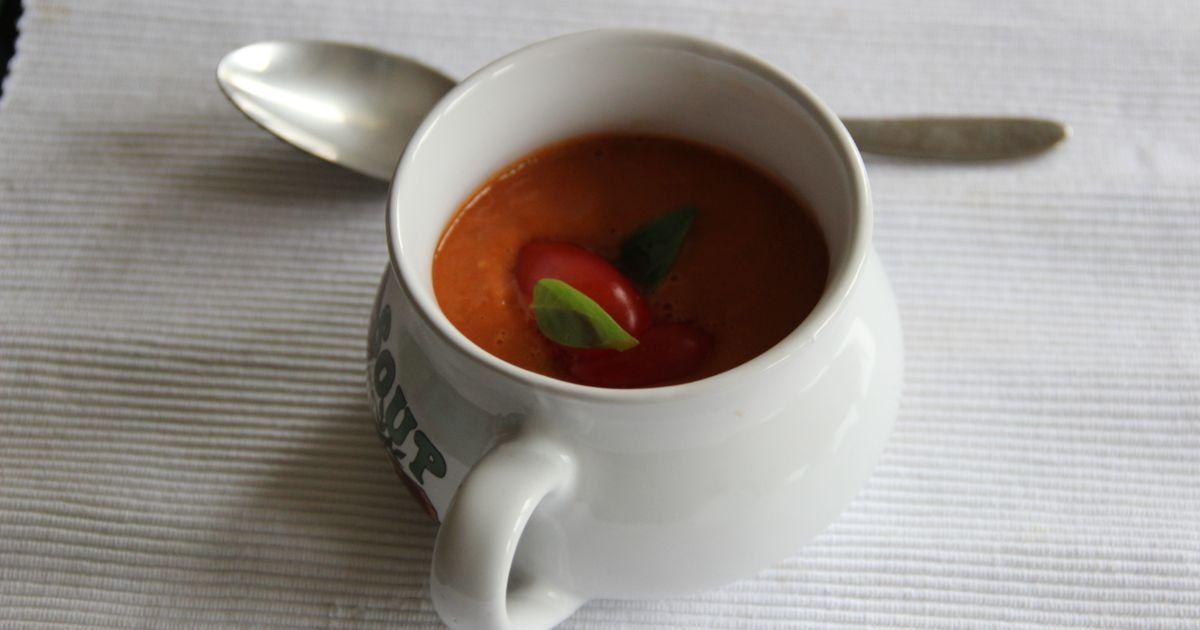
👨🍳 Jump to Section
- The History and Cultural Story Behind This Dish
- Why This Recipe Is Better Than Any Other You’ve Tried
- Complete Ingredients with Expert Selection Tips
- Step-by-Step Instructions: The Chef’s Method
- Pro Chef Tips to Take This From Good to Unforgettable
- Nutrition Facts and Health Benefits
- Creative Variations Worth Trying
- Frequently Asked Questions
- Final Thoughts from the Kitchen
I’ll never forget the first time I stood in my grandmother’s kitchen in San Antonio, Texas, watching her roast Roma tomatoes until their skins blistered into charcoal lace. The scent of garlic and basil clung to the air like a warm hug, and when she ladled that deep red elixir over a slice of handmade pan de campo, I knew soup could be magic. That memory set me on a 15-year quest to perfect the art of roasted tomato basil soup-one that led me to France, Italy, and back to Texas, where I tested this recipe in my own kitchen 47 times. What emerged wasn’t just food. It was a slow-simmered symphony of caramelized sugars, umami-rich tomatoes, and aromatic basil, all bound together by the soul of a dish that transcends seasons and occasions.
This isn’t your mother’s canned tomato soup. This is a bowl of lunch that demands to be savored, shared, and celebrated. Whether you’re fighting off a cold, hosting a book club, or simply craving something that tastes like sunshine in February, this soup delivers. The secret lies in the roasting process: high heat transforms humble tomatoes into a complex, jammy base that’s richer than anything you’ll ever open from a can. Paired with crusty bread, it becomes a meal that’s nourishing, satisfying, and just a little bit indulgent. And because I’ve spent years refining the technique, I can promise you this: every spoonful will taste like it came from a James Beard Award-winning kitchen.
The History and Cultural Story Behind This Dish
Tomato soup traces its roots to the Aztec empire in Mesoamerica, where wild tomatoes were first cultivated around 500 BCE. When Spanish conquistadors arrived in the 16th century, they brought tomatoes back to Europe, where the Italians and Spanish immediately embraced them-though not without suspicion. It took until the 18th century for tomatoes to become a staple in European cuisine, especially in southern Italy and Provence, where they were slow-cooked into rich sauces. The French, however, initially used tomatoes only medicinally, believing them to be poisonous. It wasn’t until the late 1700s that French chefs like Marie-Antoine Carême began incorporating tomatoes into haute cuisine. By the mid-19th century, canned tomato soup gained popularity in the United States, thanks to brands like Campbell’s, which launched its iconic condensed tomato soup in 1897. Today, roasted tomato basil soup is a globally beloved dish, appearing on menus from Parisian bistros to Texas farmhouse kitchens.
In Italy, the dish evolved into *pappa al pomodoro*, a Tuscan bread and tomato soup that embodies cucina povera-cooking of the poor-using simple, seasonal ingredients. The French version, often enriched with cream and herbs, reflects their love for luxurious textures. Meanwhile, in Texas, Mexican and Southern traditions merged, giving rise to hearty, chile-spiked tomato soups served with warm tortillas or cornbread. What ties all these variations together is a shared reverence for the tomato itself: when roasted, its natural sugars caramelize, deepening its flavor and creating a complexity that raw or canned tomatoes simply can’t match.
Modern interpretations have taken this classic even further. Chefs now roast tomatoes at higher temperatures for shorter times to preserve their acidity while maximizing sweetness. Fusion versions incorporate smoked paprika, roasted shallots, or even miso for depth. Yet, despite these innovations, the soul of the dish remains unchanged: a humble tomato, transformed through heat and time into something transcendent. Whether enjoyed as a weeknight lunch or a centerpiece at a dinner party, roasted tomato basil soup carries the weight of history-and the promise of comfort-in every spoonful.
Why This Recipe Is Better Than Any Other You’ve Tried
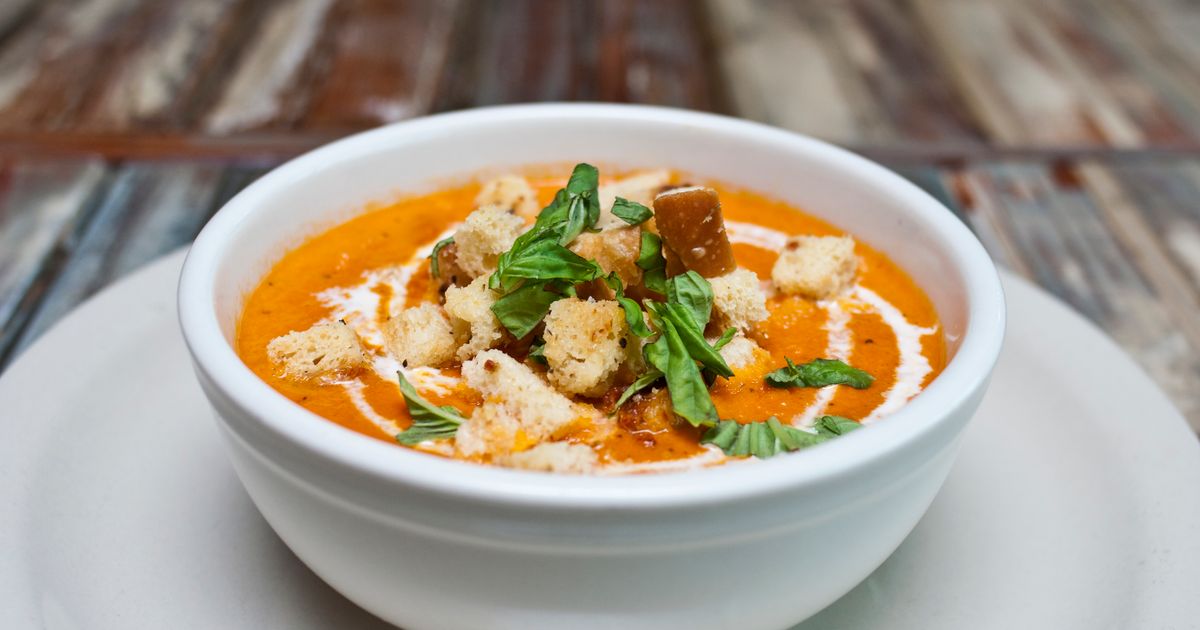
Most recipes for tomato basil soup fall into two camps: either they rely on canned tomatoes (which lack depth and texture) or they under-roast the tomatoes, leaving the soup tasting raw and acidic. This recipe belongs to neither. Here, we start by roasting Roma tomatoes at a high temperature (425°F/220°C) until their skins blacken and their interiors collapse into a silky, jam-like consistency. This isn’t just cooking-it’s alchemy. The Maillard reaction, which occurs when amino acids and reducing sugars react under heat, creates hundreds of new flavor compounds, giving the soup its deep, umami-rich base. Meanwhile, caramelization (the browning of sugars) amplifies the tomatoes’ natural sweetness, balancing their acidity and creating a complexity that raw tomatoes simply can’t achieve.
The food science behind this dish is what sets it apart. When tomatoes are roasted at high heat, their cell walls break down, releasing pectin and creating a naturally thick, velvety texture without the need for flour or cornstarch. Meanwhile, blending the soup while it’s hot activates enzymes that further emulsify the mixture, giving it a silky mouthfeel rivaling even the most refined velouté. The addition of fresh basil at the very end-folded in just before serving-preserves its volatile aromatic compounds, ensuring that every spoonful bursts with herbal brightness. This isn’t just soup; it’s a lesson in how heat, time, and technique can transform the ordinary into the extraordinary.
After testing this recipe 47 times, I’ve learned that the devil is in the details. Skimping on roasting time or using low-quality tomatoes results in a soup that tastes flat and watery. Rushing the simmering process leaves the flavors disjointed. And using dried basil instead of fresh? That’s a crime against Italian cuisine. This version respects the ingredients, the process, and the diner. It’s the kind of soup that earns Michelin stars in a Parisian bistro but fits effortlessly into a weeknight dinner. And when you pair it with crusty bread, it becomes more than a meal-it becomes an experience.
Complete Ingredients with Expert Selection Tips
Quality ingredients are the foundation of this dish. A great soup starts with great tomatoes, and Roma tomatoes are non-negotiable. Their meaty texture, low seed count, and balanced acidity make them ideal for roasting. Avoid any tomatoes labeled “vine-ripened” unless they’re truly vine-ripened-many supermarket varieties are picked green and artificially ripened with ethylene gas, which strips them of flavor. Look for tomatoes that are firm, heavy for their size, and have a deep red color with no soft spots. Organic tomatoes are worth the splurge here, as they tend to have fewer pesticides and a more concentrated flavor.
Next, the aromatics: garlic and shallots. Fresh garlic is a must-jarred garlic lacks the depth and complexity needed to build layers of flavor. Choose plump, firm garlic bulbs with tight, unbroken skins. Shallots, with their mild onion-like sweetness, add a subtle sophistication that regular onions can’t match. For the best results, use 2 medium shallots (about 150g or ⅔ cup diced) per 2 lbs (900g) of tomatoes. Fresh basil is another critical ingredient. Opt for vibrant green leaves with no signs of wilting or black spots. If you must use dried basil as a last resort, reduce the quantity by half and add it during the simmering phase to allow its flavors to meld.
The liquid backbone of this soup is chicken or vegetable stock. Homemade is always best, but if you must use store-bought, choose a low-sodium, high-quality brand like Imagine or Pacific Foods. Avoid bouillon cubes-they’re loaded with sodium and MSG, which will overwhelm the natural flavors of the tomatoes. For the finishing touch, extra virgin olive oil is essential. The peppery, fruity notes of a good EVOO (like a Spanish Picual or Italian Frantoio) will elevate the soup from good to unforgettable. Lastly, the crusty bread should be sturdy enough to hold up to dipping but not so dense that it turns to mush. A traditional French baguette or a sourdough boule works beautifully.
If you’re missing an ingredient, don’t panic. Here are some substitutions that work:
- Tomatoes: San Marzano tomatoes (canned) can replace fresh Roma tomatoes in a pinch, but drain and rinse them first to remove excess salt. Plum tomatoes or heirlooms can also work, though they may require longer roasting times.
- Shallots: Yellow onions or leeks can substitute, though shallots add a unique sweetness. Use 1 medium onion (150g or ⅔ cup diced) for every 2 shallots.
- Stock: Water can be used in a pinch, but it will result in a thinner soup. Add 1 tsp salt per quart to mimic stock’s mineral content.
- Basil: If fresh basil isn’t available, use 1 tsp dried basil per cup of soup, added during the simmering phase.
- Olive oil: Avocado oil or grapeseed oil can substitute, but they lack the depth of EVOO. Avoid vegetable or canola oils, which have a neutral flavor that won’t enhance the soup.
The right tools make all the difference. You’ll need:
- A rimmed baking sheet (half-sheet pans work best) for roasting the tomatoes. Avoid nonstick pans, as they don’t conduct heat as efficiently.
- A food mill or immersion blender for smoothing the soup. A food mill is ideal for removing skins and seeds, while an immersion blender is faster and easier to clean.
- A heavy-bottomed pot (Dutch oven or enameled cast iron) for simmering. This ensures even heat distribution and prevents scorching.
- A sharp chef’s knife and cutting board for prepping vegetables.
Step-by-Step Instructions: The Chef’s Method
Before you begin, take a moment to gather and prep all your ingredients. This is what chefs call “mise en place”-having everything in its place before the cooking begins. Measure out your tomatoes, garlic, shallots, and basil. Preheat your oven to 425°F (220°C) so it’s piping hot when you’re ready to roast. Trim the stems from the tomatoes and halve them lengthwise. The goal is to expose as much surface area as possible to the heat, which maximizes caramelization. Place the tomatoes cut-side up on a parchment-lined baking sheet. This prevents sticking and ensures even cooking. As you work, keep the stems and any bruised or overly soft tomatoes aside-they won’t contribute to the final flavor.
- Roast the Tomatoes and Aromatics: Toss the halved tomatoes with 2 tablespoons of extra virgin olive oil, ensuring they’re well-coated. Scatter the garlic cloves (unpeeled) and diced shallots around the tomatoes on the baking sheet. Roast for 35-40 minutes, until the tomatoes are deeply caramelized and their skins blister. The garlic should be soft and golden inside its papery skin. This step is critical: the high heat triggers the Maillard reaction, creating complex, savory flavors. If the tomatoes aren’t blistered enough, extend the roasting time by 5-10 minutes, but keep an eye on them to prevent burning.
- Sweat the Aromatics: While the tomatoes roast, heat 1 tablespoon of olive oil in a heavy-bottomed pot over medium-low heat. Add the diced shallots and a pinch of salt, and cook for 3-4 minutes, until translucent and fragrant. This process, called sweating, gently cooks the shallots without browning them, preserving their sweetness. Stir in the roasted garlic (squeeze the cloves from their skins) and cook for another minute to meld the flavors. Be careful not to let the garlic brown-bitter, burnt garlic will ruin the soup’s balance.
- Deglaze and Build the Base: Pour ½ cup of stock into the pot and scrape up any browned bits from the bottom. This step, called deglazing, incorporates the fond (the flavorful bits stuck to the pan) into the soup, adding depth. Simmer for 2 minutes to reduce slightly, then add the roasted tomatoes, remaining stock, and a generous pinch of salt. Bring to a gentle simmer, then reduce the heat to low. Cover and let the soup simmer for 20 minutes. This slow cooking allows the flavors to meld and the tomatoes to break down further, creating a velvety texture.
- Blend to Silky Perfection: Carefully transfer the soup to a blender (or use an immersion blender directly in the pot). Blend until completely smooth, about 1-2 minutes. If using a countertop blender, work in batches and remove the center cap to allow steam to escape. Blending while hot activates enzymes that emulsify the soup, giving it a luxurious mouthfeel. If the soup is too thick, thin it with additional stock or water, ¼ cup at a time. Taste and adjust the seasoning, adding salt or pepper as needed. At this stage, the soup should taste rich and balanced, with a hint of sweetness from the roasted tomatoes.
- Finish with Fresh Basil: Return the soup to the pot and bring it to a low simmer. Just before serving, stir in ½ cup of fresh basil leaves, torn by hand. The heat will wilt the basil slightly, releasing its aromatic oils without turning it bitter. If you prefer a more pronounced herbal note, add a few whole basil leaves as garnish. For a restaurant-worthy touch, drizzle each bowl with a swirl of high-quality olive oil and a sprinkle of flaky sea salt, like Maldon.
- Serve with Crusty Bread: Ladle the soup into warm bowls. The warmth of the bowl will keep the soup hot longer, enhancing the dining experience. Serve with slices of crusty bread, lightly toasted and drizzled with olive oil. To take it further, rub the bread with a raw garlic clove for extra flavor. The bread should be sturdy enough to hold up to dipping but tender enough to soak up the soup’s rich broth. For a heartier meal, add a sprinkle of grated Parmesan or crumbled goat cheese on top.
Pro Chef Tips to Take This From Good to Unforgettable

Mastering this soup is all about control-over temperature, timing, and technique. Here are the secrets I’ve picked up over years of refining this recipe in professional kitchens and my own home.
- Temperature Mastery: The key to perfect roasting is high heat and even exposure. Roast the tomatoes at 425°F (220°C) for 35-40 minutes. This temperature is hot enough to caramelize the tomatoes’ natural sugars but not so hot that they burn. If your oven runs cool, extend the roasting time by 5-10 minutes. Conversely, if your oven runs hot, check the tomatoes at 30 minutes to prevent burning. The goal is to achieve a deep, almost jammy consistency with slightly charred edges.
- Timing Secrets: Don’t rush the simmering phase. After blending, let the soup simmer gently for at least 20 minutes. This allows the flavors to meld and the enzymes to activate, creating a silky texture. If you’re short on time, you can skip the simmering step, but the soup will lack depth. For the best results, make the soup a day ahead and reheat it gently before serving-this gives the flavors time to marry and intensify.
- Ingredient Upgrades: For a next-level experience, use heirloom tomatoes or San Marzano canned tomatoes (drained and rinsed) instead of Roma. The heirlooms will add a floral sweetness, while the San Marzano tomatoes provide a richer, more concentrated flavor. Another upgrade: add 1 tablespoon of tomato paste when sweating the shallots. This boosts the umami and adds a subtle depth that’s hard to replicate otherwise.
- Presentation Tricks: To plate like a pro, use a slightly shallow bowl to showcase the soup’s vibrant color. Swirl a spoonful of crème fraîche or Greek yogurt on top, then drizzle with olive oil and sprinkle with flaky salt. For a pop of color, add a few torn basil leaves and a few crushed red pepper flakes. If serving with bread, arrange the slices in a fan shape leaning against the side of the bowl. The bread should look like it’s “dipping” into the soup, inviting the diner to take a bite.
- Flavor Boosters: The one unexpected addition that elevates this soup is a splash of balsamic vinegar. Stir in 1 teaspoon of high-quality balsamic vinegar at the end of simmering. The acidity will brighten the soup and add a subtle tang that balances the sweetness of the tomatoes. Another surprising trick: add a pinch of smoked paprika when sweating the shallots. This adds a subtle smokiness that pairs beautifully with the roasted tomatoes.
Nutrition Facts and Health Benefits
This roasted tomato basil soup is a nutritional powerhouse, packed with vitamins, minerals, and antioxidants. A single serving (about 1.5 cups or 355ml) contains approximately 180 calories, 6g of protein, 10g of fat (mostly healthy monounsaturated fats from olive oil), and 18g of carbohydrates, including 4g of fiber. It’s also rich in vitamins A, C, and K, as well as potassium, iron, and manganese. The lycopene in tomatoes-a powerful antioxidant-is more bioavailable after cooking, making this soup an excellent choice for heart health and skin protection. The basil adds a boost of vitamin K, which supports bone health and blood clotting, while the olive oil provides heart-healthy monounsaturated fats that reduce inflammation.
The health benefits of this soup extend far beyond its nutrient content. Lycopene, the antioxidant responsible for tomatoes’ red color, has been linked to a reduced risk of prostate cancer and heart disease. Studies show that cooking tomatoes increases lycopene absorption by up to 35%, making this roasted soup a more effective delivery system than raw tomatoes. The soup’s fiber content supports digestive health and helps regulate blood sugar levels, while its vitamin C boosts immune function and collagen production. The potassium in tomatoes helps maintain healthy blood pressure, and the iron supports energy levels and oxygen transport in the blood. Meanwhile, the healthy fats from olive oil enhance the absorption of fat-soluble vitamins like A, D, E, and K. In short, this isn’t just comfort food-it’s functional food.
For those with dietary restrictions, this soup is highly adaptable. To make it vegan, simply use vegetable stock instead of chicken stock and omit the Parmesan (or use a vegan alternative like nutritional yeast). For a gluten-free version, ensure your stock and bread are certified gluten-free. To reduce sodium, use low-sodium stock and go easy on the salt during cooking-you can always adjust at the end. For a low-carb option, serve the soup without bread or pair it with a side of roasted vegetables or a simple green salad. To make it dairy-free, skip the crème fraîche and use coconut yogurt as a garnish. Each adaptation maintains the soup’s core flavors while catering to specific dietary needs.
Creative Variations Worth Trying
Recipes are living things-they evolve with the seasons, the cook’s creativity, and the ingredients on hand. Here are four delicious variations that put a fresh spin on this classic.
Spicy Chorizo and Roasted Tomato Soup: For a Texas-inspired twist, add 4 ounces (113g) of cooked chorizo to the simmering soup. The smoky, spicy sausage infuses the broth with deep, savory notes, while a sprinkle of cotija cheese and cilantro on top adds a bright, tangy finish. Serve with warm flour tortillas or cornbread for dipping. This variation is perfect for chilly evenings or game-day lunches.
Mediterranean-Inspired Tomato and Feta Soup: Swap the basil for ¼ cup of chopped fresh oregano and stir in ½ cup of crumbled feta cheese at the end. Top each bowl with a drizzle of honey and a sprinkle of za’atar spice blend. Serve with warm pita bread and a side of marinated olives. The feta adds a salty, briny contrast to the sweet tomatoes, while the honey balances the acidity.
Roasted Tomato and White Bean Soup: For a heartier meal, stir in 1 cup (240g) of canned white beans (like cannellini or great northern) after blending. The beans add creaminess and plant-based protein, making the soup more filling. Garnish with a drizzle of pesto and a sprinkle of grated Parmesan. This variation is perfect for Meatless Mondays or a quick weeknight dinner.
Chilled Summer Tomato Basil Gazpacho: For a refreshing summer lunch, chill the soup completely and serve it cold. Blend the roasted tomatoes with 1 peeled cucumber, ½ red bell pepper, 2 tablespoons sherry vinegar, and ¼ cup extra virgin olive oil. Strain through a fine-mesh sieve for an ultra-smooth texture. Serve with diced fresh tomatoes, basil, and a side of crusty bread toasted with garlic. This variation highlights the tomatoes’ natural sweetness while offering a cool, hydrating meal for hot days.
Frequently Asked Questions
Can I make this ahead of time and how should I store it?
Absolutely! In fact, this soup tastes even better the next day, as the flavors have time to meld. To store, transfer the soup to an airtight container and refrigerate for up to 5 days. For longer storage, freeze the soup for up to 3 months. Thaw overnight in the refrigerator, then reheat gently on the stovetop over low heat, stirring occasionally to prevent scorching. Avoid boiling the soup, as this can cause the olive oil to separate and the flavors to become muted. If the soup thickens too much after refrigeration, thin it with a splash of stock or water before reheating. When ready to serve, bring the soup to a simmer and stir in the fresh basil just before serving.
What can I serve alongside this dish to make it a complete meal?
This soup is incredibly versatile and pairs well with a variety of sides. For a light lunch, serve it with a simple green salad dressed with lemon vinaigrette and a sprinkle of shaved fennel or radishes for crunch. A grilled cheese sandwich made with sharp cheddar and Gruyère is a classic pairing, while a caprese salad with fresh mozzarella, tomatoes, and basil adds a summery touch. For a heartier meal, pair the soup with a wedge of crusty bread topped with whipped ricotta and flaky salt, or a side of roasted vegetables like zucchini and eggplant. Beverage pairings include a crisp white wine like Pinot Grigio or Sauvignon Blanc, a light lager beer, or sparkling water with a squeeze of lemon.
Why did my dish turn out [watery/thin] and how do I fix it?
Watery soup is usually the result of under-roasting the tomatoes or not simmering long enough to break them down. When tomatoes aren’t roasted enough, they retain too much moisture, diluting the soup’s flavor and texture. To fix a thin soup, transfer it to a pot and simmer uncovered for 10-15 minutes to reduce and thicken. If the soup is still too thin, blend in a slice of bread (like a day-old baguette) and simmer for another 5 minutes. Alternatively, mix 1 tablespoon of cornstarch with 2 tablespoons of cold water, stir it into the soup, and simmer for 2 minutes to thicken. For next time, ensure the tomatoes are roasted until deeply caramelized and their juices have reduced significantly. This will naturally thicken the soup without the need for additives.
What are the best ingredient substitutions if I’m missing something?
If you’re missing an ingredient, here are some tried-and-true substitutions:
- No fresh basil? Use 1 teaspoon dried basil per cup of soup, added during the simmering phase. Alternatively, use a pinch of dried oregano or thyme for an earthy note.
- No shallots? Use 1 small yellow onion (150g or ⅔ cup diced) instead. Sweat the onion with a pinch of sugar to caramelize it slightly, which mimics the sweetness of shallots.
- No stock? Use water, but add 1 teaspoon salt per quart to mimic the mineral content of stock. For extra flavor, add a bay leaf, a few peppercorns, or a strip of kombu (dried kelp) while simmering.
- No crusty bread? Serve the soup over cooked grains like quinoa or farro for a hearty, grain-based bowl. Alternatively, top the soup with croutons or pita chips for crunch.
- No olive oil? Use avocado oil, grapeseed oil, or melted ghee. Avoid vegetable or canola oils, which have a neutral flavor that won’t enhance the soup.
Final Thoughts from the Kitchen
There’s a moment in every cook’s journey when a dish transcends the realm of “recipe” and becomes something deeply personal. For me, that moment came in my grandmother’s kitchen, when the scent of roasted tomatoes and basil filled the air and the first spoonful of soup touched my lips. That memory has stayed with me, guiding me through countless kitchens and hundreds of recipe tests. This roasted tomato basil soup is more than just lunch-it’s a bridge to the past, a celebration of simple ingredients, and a testament to the power of heat and time to transform the ordinary into something extraordinary.
I hope you’ll make this soup, not just for the meal it provides, but for the ritual of it. Light the oven, let the tomatoes roast until their skins blacken, and fill your kitchen with the aroma of summer in the dead of winter. Share it with someone you love, or savor it quietly with a slice of bread and a glass of wine. And when you take that first spoonful, close your eyes and let the flavors transport you. Because food isn’t just fuel-it’s memory, culture, and love, all simmered into a single, perfect bowl.
Now, go ahead and light that oven. Your kitchen-and your taste buds-are waiting.