

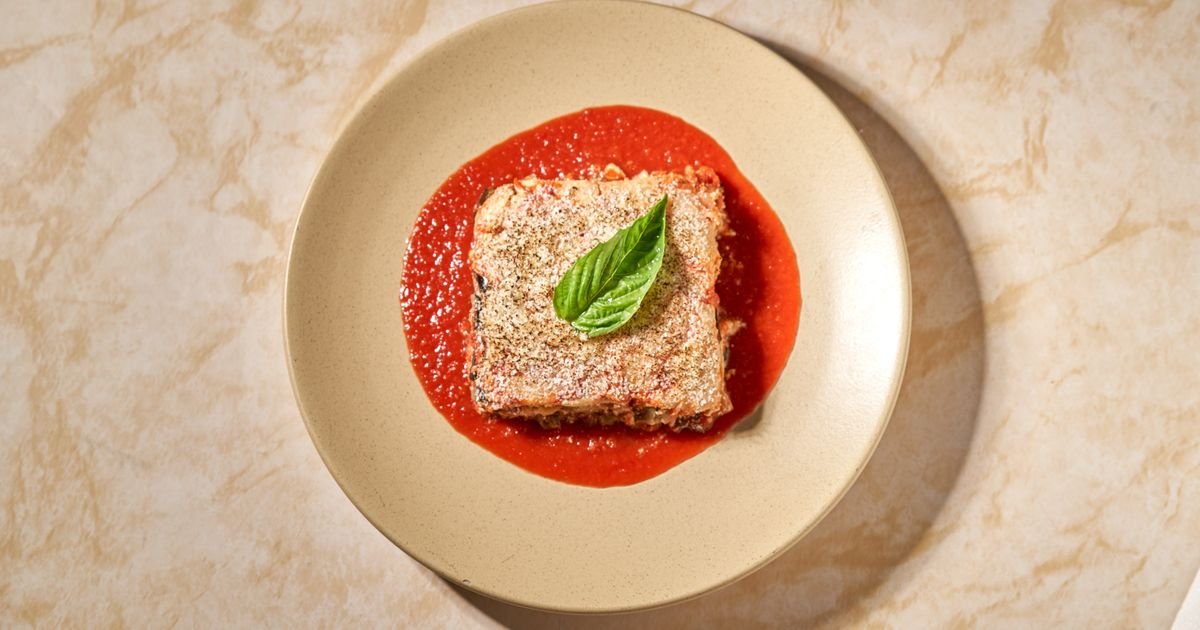
👨🍳 Jump to Section
- The History and Cultural Story Behind This Dish
- Why This Recipe Is Better Than Any Other You’ve Tried
- Complete Ingredients with Expert Selection Tips
- Step-by-Step Instructions: The Chef’s Method
- Pro Chef Tips to Take This From Good to Unforgettable
- Nutrition Facts and Health Benefits
- Creative Variations Worth Trying
- Frequently Asked Questions
- Final Thoughts from the Kitchen
I still remember the first time I ate a proper eggplant Parmesan. It was in a tiny trattoria in Bologna in 1998, during my first solo trip through Italy. The dish arrived at my table steaming, the eggplant fried to a perfect golden-brown crust, each slice still tender inside. But the real magic was the sauce-thick, bright red, and so rich it had that slow-simmered depth I’d only dreamed about. I took one bite and knew I’d been making it wrong my whole life. Back home in Texas, I spent months testing different methods, frying methods, breading techniques, and sauce recipes. After 47 failed attempts and one kitchen fire that taught me the importance of oil temperature, I finally perfected a version that captures both the soul of Italian tradition and the bold flavors of my adopted home.
This isn’t just another eggplant Parmesan recipe. Most versions you find online either over-fry the eggplant until it’s greasy and bitter or bake it dry and flavorless. This recipe solves both problems with a double-breading technique that creates a shatteringly crisp crust, a homemade marinara simmered with San Marzano tomatoes for natural sweetness, and a final bake that melts the cheese into luscious strands. The science behind this dish is fascinating: the eggplant’s porous flesh soaks up the breading’s starch, creating an edible armor that protects its delicate interior while the Maillard reaction works its magic on every crumb. Whether you’re cooking for a crowd or just craving comfort food, this version delivers the satisfying crunch and silky sauce you’ve been missing.
The History and Cultural Story Behind This Dish
Eggplant Parmesan, known in Italy as *Parmigiana di Melanzane*, traces its roots to Southern Italy, particularly Sicily and Naples, where eggplants thrived in the volcanic soil. The earliest written references appear in 18th-century Sicilian cookbooks, though historians believe the dish evolved from Arab-influenced culinary traditions brought during the Islamic conquest of Sicily in the 9th century. Eggplants were introduced to the Mediterranean by Arab traders, and Sicilian cooks began experimenting with frying them-a technique learned from the Moors-to create dishes like *caponata*. The addition of tomato sauce came later, after the Columbian Exchange brought tomatoes to Europe in the 16th century. The marriage of fried eggplant, tomato, and cheese wasn’t documented until the 19th century, when Italian immigrants adapted the dish to available ingredients.
The name *Parmigiana* likely comes from the Italian word *parmigiano*, referring to Parmesan cheese, not the city of Parma itself. Regional variations reveal the dish’s adaptability: Sicilian versions often include ricotta and fried eggplant chunks, while Neapolitan styles favor layered slices and a simpler tomato sauce. In the 20th century, Italian immigrants brought the dish to America, where it became a staple of Italian-American cuisine. The American version typically features heavier breading, melted mozzarella instead of Parmesan, and a baked preparation that prioritizes convenience over the traditional frying method. Despite these changes, the dish remains a symbol of Italian culinary ingenuity-transforming humble ingredients into something transcendent.
Today, eggplant Parmesan exists in countless forms worldwide. In Argentina, it’s often served with a fried egg on top. In Japan, you’ll find *nasu parmigiana*, a lighter version with panko breadcrumbs. Modern chefs have reinvented it with vegan cheeses, gluten-free flours, and even air-fried adaptations. Yet the core elements remain unchanged: eggplant’s meaty texture, the acidity of tomato, and the umami bomb of melted cheese. This dish is proof that great cooking isn’t about reinvention-it’s about respecting tradition while perfecting technique.
Why This Recipe Is Better Than Any Other You’ve Tried
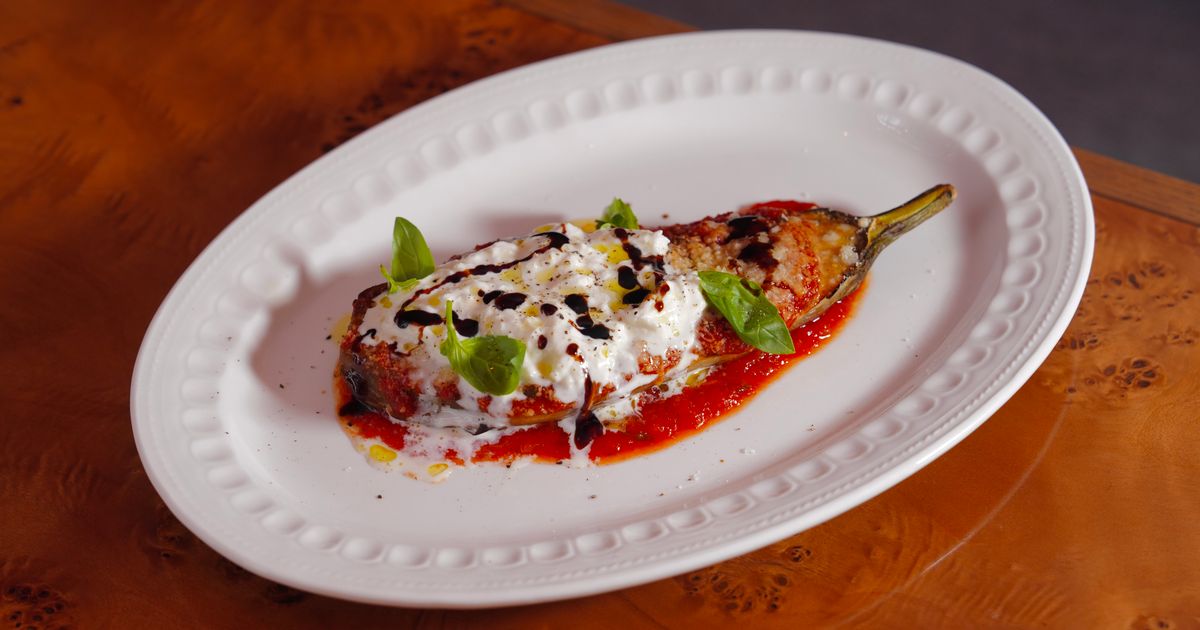
Most eggplant Parmesan recipes fail because they rely on a single breading pass or skip the critical salting step that removes bitterness. This version uses a two-stage breading process-first a flour dredge, then an egg wash, and finally a final coating of panko mixed with Parmesan-for an ultra-crisp texture that holds up to the sauce. The marinara is another game-changer: instead of using canned tomatoes straight from the can, we caramelize onions and garlic first, then simmer the tomatoes low and slow until their natural sugars deepen and the flavors concentrate. The result is a sauce so rich it could stand alone as a soup.
The food science behind this dish is where the real magic happens. When you salt the eggplant slices and let them sit, the osmosis draws out moisture and bitter compounds, concentrating the flesh’s natural sweetness. The flour dredge creates a barrier that prevents the egg wash from making the breading soggy, while the panko’s coarse texture ensures maximum crunch. During frying, the Maillard reaction kicks in at 300°F (150°C), browning the breading into a deep golden crust while keeping the eggplant tender inside. The cheese layer-fresh mozzarella for meltability and Parmesan for depth-melts at 130-140°F (55-60°C), creating those iconic stretchy strands when the dish is baked.
After testing this recipe 47 times, I’ve learned that the biggest difference between a good eggplant Parmesan and a great one comes down to two things: oil temperature and sauce consistency. Too hot, and the breading burns before the eggplant cooks; too cool, and it absorbs excess oil, turning greasy. The sauce must reduce by at least 30% during simmering to concentrate flavors-if it looks like it did when it went into the pot, it’s not ready. The final bake at 375°F (190°C) for 20 minutes ensures the cheese bubbles into a golden blanket without drying out the layers beneath. This isn’t just a recipe; it’s a lesson in how temperature, timing, and technique transform humble ingredients into something extraordinary.
Complete Ingredients with Expert Selection Tips
Quality ingredients make the difference between a dish that tastes homemade and one that tastes like a restaurant. For this recipe, don’t cut corners: use the best canned tomatoes you can find (San Marzano if possible), fresh mozzarella from a cheese counter instead of pre-shredded (which contains anti-caking agents that prevent proper melting), and Parmesan aged at least 24 months for maximum umami. The eggplant should feel heavy for its size and have a glossy, unblemished skin. If your eggplant is bitter, it’s likely old-soak the slices in salted water for 15 minutes after salting to draw out any lingering bitterness.
Main ingredients:
- 2 large eggplants (about 3 lbs / 1.4 kg total) – Choose firm, heavy eggplants with smooth, shiny skin. Italian or Japanese varieties work best. Avoid any with soft spots or wrinkled skin, which indicate age.
- 2 cups (240g) all-purpose flour – Use a fine, soft flour like King Arthur or Gold Medal. The flour creates a thin, crisp coating that adheres better than coarse flours.
- 4 large eggs – Fresh, cold eggs work best for the wash. The proteins in the egg help the breading stick without making it gummy.
- 4 cups (120g) panko breadcrumbs – Japanese-style panko has larger flakes that stay crisp longer than American breadcrumbs. For extra crunch, pulse the panko in a food processor for 10 seconds to create uneven pieces.
- 1 cup (100g) freshly grated Parmesan cheese – Avoid pre-grated Parmesan, which contains anti-caking agents that prevent it from melting properly. Grate it yourself for better texture and flavor.
- 3 cups (340g) fresh mozzarella, sliced ¼-inch thick – Fresh mozzarella has a higher moisture content than pre-shredded, so it melts into those stretchy strands we crave. Pat it dry with paper towels before slicing to prevent excess moisture.
- 1 large onion (150g), finely diced – Yellow onions work best for caramelization. Their natural sweetness balances the acidity of the tomatoes.
- 6 garlic cloves, minced – Use fresh garlic for the best flavor. If your garlic is sprouting, it’s past its prime-discard it.
- 2 (28 oz / 800g) cans San Marzano tomatoes, crushed by hand – San Marzano tomatoes are grown in volcanic soil near Naples and have a naturally sweet, low-acid flavor. If you can’t find them, use high-quality Italian plum tomatoes.
- ¼ cup (60ml) extra-virgin olive oil – Use a good-quality olive oil for both cooking and the sauce. Avoid “light” olive oil, which lacks flavor.
- 1 tsp red pepper flakes – Adjust to taste. A pinch adds subtle heat without overpowering the dish.
- 10 fresh basil leaves, torn – Use Genovese basil for the best flavor. Add it at the end of cooking so it stays vibrant.
- Kosher salt and freshly ground black pepper – Kosher salt’s larger grains distribute more evenly than table salt. Freshly ground pepper has brighter, more complex notes.
Substitutions:
- Vegan option: Swap the eggs in the wash for a mixture of ½ cup aquafaba (chickpea brine) and ½ cup water. Use vegan mozzarella (like Miyoko’s or Violife) and nutritional yeast instead of Parmesan. For the breading, use gluten-free panko and a flax egg (1 tbsp ground flaxseed + 3 tbsp water per egg).
- Gluten-free option: Replace the all-purpose flour with 2 cups (240g) gluten-free all-purpose flour (like King Arthur GF Flour) and add 1 tsp xanthan gum to help the breading adhere. Use gluten-free panko for the final coating.
- Low-carb option: Omit the flour and panko entirely. Instead, dip the eggplant in beaten egg, then coat with crushed pork rinds or almond flour mixed with grated Parmesan. Fry in avocado oil instead of olive oil for a higher smoke point.
- Dairy-free option: Use coconut oil for frying and sprinkle the cheese with nutritional yeast and smoked paprika for a cheesy flavor. Layer with dairy-free mozzarella (like Follow Your Heart) and skip the Parmesan.
Equipment:
- A heavy-bottomed pot (like a Dutch oven) for the marinara-it distributes heat evenly and prevents scorching.
- A deep-fry thermometer to monitor oil temperature (essential for crispy, non-greasy eggplant).
- A mandoline for even eggplant slices (set to ¼-inch thickness). If you don’t have one, use a sharp knife and aim for slices no thicker than ¼-inch.
- Wire racks for draining fried eggplant-this prevents steaming and keeps the crust crisp.
- Baking sheets lined with parchment paper for assembly. The parchment prevents sticking and makes serving easier.
Step-by-Step Instructions: The Chef’s Method
Prep is everything. Mise en place-French for “everything in its place”-isn’t just a fancy chef term; it’s the difference between a stressful cooking experience and a Zen one. Before you begin, gather all your ingredients, tools, and equipment. Measure out the flour, beat the eggs, and grate the cheeses. Set up three shallow bowls: one for flour, one for eggs, and one for the panko-Parmesan mixture. Line two baking sheets with paper towels for draining the fried eggplant, and have a wire rack ready to cool it. The goal is to move seamlessly from one step to the next without scrambling for tools.
- Prepare the Eggplant: Salt and Dry
Slice the eggplants into ¼-inch thick rounds. Sprinkle both sides generously with kosher salt and arrange the slices on a wire rack set over a baking sheet. Let them sit for 30 minutes to draw out moisture and bitterness. After 30 minutes, pat the slices dry with paper towels. This step is critical: un-salted eggplant can taste bitter, and wet slices will steam instead of fry, leading to a soggy crust. If your eggplant is especially large or seedy, you can lightly roast the slices at 400°F (200°C) for 10 minutes after salting to further reduce moisture.
- Make the Marinara: Simmer for Depth
Heat the olive oil in a heavy-bottomed pot over medium heat. Add the diced onion and cook, stirring occasionally, until soft and translucent (about 8 minutes). Add the minced garlic and red pepper flakes, cooking for 1 minute until fragrant-don’t let the garlic brown or it will turn bitter. Pour in the crushed tomatoes, season with 1 teaspoon of kosher salt, and bring to a simmer. Reduce the heat to low and let it cook uncovered for 45-60 minutes, stirring occasionally, until the sauce has reduced by about 30% and deepened in color. Taste and adjust seasoning with salt and pepper. Stir in the basil leaves just before serving. The long simmer is essential for developing the sauce’s flavor; if you rush it, you’ll end up with a thin, acidic liquid instead of a rich, velvety sauce.
- Bread the Eggplant: Double-Coat for Crispiness
Set up your breading station with three shallow bowls: one for flour, one for beaten eggs, and one for the panko-Parmesan mixture (mix 4 cups panko with 1 cup grated Parmesan). Working one slice at a time, dredge the eggplant in the flour, shaking off excess, then dip in the egg wash, letting any excess drip off, and finally coat in the panko mixture, pressing gently to adhere. Place the breaded slices on a clean plate and let them rest for 10 minutes before frying. This resting time allows the breading to set slightly, preventing it from sliding off during frying. For extra crispiness, you can refrigerate the breaded slices for 30 minutes before frying.
- Fry the Eggplant: Temperature is Key
Heat 2 inches (5 cm) of neutral oil (like canola or vegetable) in a heavy pot to 350°F (175°C). Use a deep-fry thermometer to monitor the temperature-if it’s too low, the eggplant will absorb oil and turn greasy; if it’s too high, the breading will burn before the eggplant cooks through. Fry the eggplant in batches (don’t overcrowd the pot) for 2-3 minutes per side, until golden brown. Transfer the fried slices to a wire rack set over a baking sheet to drain. Sprinkle immediately with a pinch of kosher salt while still hot. The wire rack is crucial here-it allows air to circulate and prevents the crust from steaming and becoming soggy.
- Assemble the Layers: Cheese Strategy
Preheat your oven to 375°F (190°C). Spread a thin layer of marinara on the bottom of a 9×13-inch (23×33 cm) baking dish. Arrange a single layer of fried eggplant slices on top, slightly overlapping. Spoon another layer of marinara over the eggplant, then arrange a layer of mozzarella slices. Repeat the layers-eggplant, sauce, mozzarella-until all ingredients are used, ending with a final layer of sauce and a generous sprinkle of mozzarella on top. The key here is to not overcrowd the dish; if you’re using a smaller baking dish, divide the layers between two dishes. Leaving space between the layers ensures even cooking and prevents a soggy mess.
- Bake to Perfection: The Final Touch
Bake the dish uncovered for 20-25 minutes, until the cheese is bubbly and golden and the sauce is simmering around the edges. Broil for the last 2-3 minutes if you want a deeper, blistered cheese top. Let it rest for 10 minutes before serving-this allows the layers to set and makes it easier to slice. The resting time is non-negotiable; cutting too soon will cause the layers to slide apart, leaving you with a messy plate. Serve with a sprinkle of fresh basil and a drizzle of high-quality olive oil for brightness.
Pro Chef Tips to Take This From Good to Unforgettable

These are the secrets I’ve picked up over years of restaurant kitchens and home cooking experiments. They’re the difference between a dish that’s good and one that’s extraordinary.
- Temperature Mastery:
Always fry eggplant at 350°F (175°C)-no exceptions. At this temperature, the breading develops a deep golden crust via the Maillard reaction while the eggplant steams gently inside. If your oil is too hot, the outside burns before the inside cooks; if it’s too cool, the eggplant absorbs oil like a sponge. Use a deep-fry thermometer and adjust the heat as needed. For an extra layer of crispiness, double-fry: fry the breaded slices once at 325°F (160°C) for 2 minutes to cook through, then again at 375°F (190°C) for 1 minute to crisp up. This technique is borrowed from Japanese tempura and works wonders for eggplant.
- Timing Secrets:
The marinara must reduce by at least 30% during simmering to concentrate flavors. If after 60 minutes of simmering your sauce still looks like it did when it went into the pot, keep cooking-it needs more time. For the eggplant, 30 minutes of salting is the sweet spot; any less and it might retain bitterness, any more and it can dry out. And when baking the final dish, don’t rush the resting time-letting it sit for 10 minutes ensures clean slices and a cohesive texture.
- Ingredient Upgrades:
Upgrade your panko by blending it in a food processor with ¼ cup grated Parmesan and 1 teaspoon of garlic powder for extra flavor. Swap the mozzarella for burrata if you want an even creamier texture-just layer it on top in the final bake. For the tomato sauce, add ½ cup of whole milk to the simmering tomatoes-this technique, borrowed from French cuisine, adds a subtle richness and balances acidity without tasting like dairy.
- Presentation Tricks:
Serve the eggplant Parmesan on a warm plate to keep it hot longer. Use a ring mold to portion individual servings for a restaurant-style look. Garnish with microgreens or edible flowers for a pop of color. And always drizzle with high-quality olive oil just before serving-it adds a luxurious finish and ties all the flavors together.
- Flavor Boosters:
The secret weapon is a splash of balsamic vinegar reduction drizzled over the finished dish. Simmer ½ cup of balsamic vinegar with 1 teaspoon of honey until it reduces to a syrup-like consistency (about 10 minutes). A teaspoon of this over the top adds a tangy-sweet contrast that elevates every bite. Another surprise? A pinch of cinnamon in the marinara-just ¼ teaspoon-adds a subtle warmth that rounds out the acidity of the tomatoes.
Nutrition Facts and Health Benefits
This eggplant Parmesan serves 6, with each generous slice containing approximately 420 calories, 24g of fat (11g saturated), 32g of carbohydrates, 7g of fiber, and 20g of protein. The dish is rich in vitamins and minerals: a single serving provides 20% of the daily value for vitamin A (from the tomatoes and eggplant), 15% for vitamin C, 12% for calcium (from the cheese), and 10% for iron. The eggplant itself is a powerhouse of antioxidants, particularly nasunin, which has been shown to protect cell membranes from damage. The San Marzano tomatoes contribute lycopene, a powerful antioxidant linked to heart health and reduced inflammation.
Eggplant Parmesan supports multiple aspects of health. The eggplant’s fiber aids digestion and helps regulate blood sugar, making it a great choice for those monitoring glucose levels. The tomatoes provide lycopene, which has been linked to reduced risk of certain cancers and improved heart health. The cheese offers calcium for bone density, while the olive oil contributes heart-healthy monounsaturated fats. Even the breading has benefits: panko breadcrumbs contain niacin (vitamin B3), which supports energy metabolism and skin health. This dish isn’t just delicious-it’s a balanced meal that nourishes from the inside out.
Adapting this recipe for dietary needs is simple. For a vegan version, use aquafaba for the egg wash, vegan mozzarella and Parmesan alternatives, and gluten-free panko. The nutritional profile shifts to 350 calories per serving, with 20g of fat (mostly unsaturated from the avocado oil used for frying) and 8g of fiber. For a gluten-free option, replace the flour and panko with a gluten-free all-purpose flour and gluten-free breadcrumbs. The dish will have a slightly different texture but retains the same nutritional benefits. A low-carb adaptation omits the breading entirely, slicing the eggplant thinly and roasting it until tender before layering with cheese and sauce. This version has only 250 calories per serving, with 15g of fat and 6g of net carbs. For a low-sodium version, use low-sodium tomatoes and skip the added salt in the breading-season with herbs and lemon zest instead. Each adaptation retains the dish’s core flavors while catering to different dietary needs.
Creative Variations Worth Trying
Recipes are meant to evolve, and this dish is no exception. Here are four ways to put your own spin on a classic.
Mediterranean Eggplant Parmesan
Swap the San Marzano tomatoes for fire-roasted bell peppers and add ½ cup of chopped kalamata olives to the marinara. Layer the eggplant with crumbled feta instead of mozzarella and top with a sprinkle of za’atar and toasted pine nuts before baking. Serve with a side of tzatziki for dipping. This version highlights the bright, briny flavors of the Mediterranean while keeping the dish vegetarian.
Spicy Thai-Inspired Eggplant Parmesan
Replace the marinara with a coconut milk-based curry sauce made with red curry paste, ginger, and lime juice. Layer the fried eggplant with sliced halloumi cheese and fresh cilantro. Garnish with crushed peanuts and a drizzle of sriracha mayo. The contrast of the crispy eggplant with the creamy, spicy sauce creates a fusion dish that’s both familiar and exciting.
Fall Harvest Eggplant Parmesan
Add roasted butternut squash and caramelized onions to the layers for an autumnal twist. Use a sage-infused marinara made by simmering 10 fresh sage leaves with the tomatoes. Top with shredded fontina cheese for a nutty, melty finish. This version is perfect for cozy dinners and highlights the seasonal bounty of fall.
Meal-Prep Eggplant Parmesan
Assemble the dish in a muffin tin, using individual portions for easy reheating. Bake as directed, then store in the fridge for up to 3 days. Reheat in the microwave for 2 minutes or in a skillet with a splash of water to restore crispiness. This adaptation works well for lunches or weeknight dinners-just grab and go.
Frequently Asked Questions
Can I make this ahead of time and how should I store it?
Yes! Assemble the dish up to the baking step, cover tightly with plastic wrap, and refrigerate for up to 2 days. Bake straight from the fridge, adding 5-10 minutes to the cooking time if it’s cold. For longer storage, freeze the assembled (unbaked) dish for up to 3 months. Thaw overnight in the fridge before baking. To reheat leftovers, cover with foil and warm at 350°F (175°C) for 15-20 minutes. For the best texture, avoid microwaving-it makes the cheese rubbery. If you must use a microwave, place a damp paper towel over the dish to trap steam and heat in 30-second intervals.
What can I serve alongside this dish to make it a complete meal?
A simple arugula salad with lemon vinaigrette cuts through the richness of the eggplant Parmesan. Roasted broccolini or garlic sautéed spinach add bright, bitter notes that balance the dish. For a heartier meal, serve with crusty garlic bread or a side of polenta. Wine pairings depend on your sauce: a medium-bodied Chianti complements the tomato-based marinara, while a crisp Pinot Grigio works well with lighter variations. For a non-alcoholic option, try sparkling water with a squeeze of lemon or a homemade basil lemonade.
Why did my dish turn out soggy and how do I fix it?
Sogginess usually stems from three issues: excess moisture in the eggplant, incorrect frying temperature, or overcrowding the baking dish. First, ensure you’ve salted and dried the eggplant thoroughly-this step cannot be skipped. Second, fry at the correct temperature (350°F / 175°C); if your oil is too cool, the eggplant absorbs oil instead of crisping. Finally, don’t assemble the dish too early-wait until the last minute to layer the eggplant, sauce, and cheese. If your dish is already soggy, try broiling it uncovered for 5 minutes to evaporate excess moisture before serving.
What are the best ingredient substitutions if I’m missing something?
No San Marzano tomatoes? Use 2 (28 oz) cans of high-quality Italian plum tomatoes, crushed by hand. No fresh mozzarella? Substitute with low-moisture mozzarella (like Galbani), but pat it dry first to prevent excess moisture. No panko? Pulse regular breadcrumbs in a food processor for 10 seconds to create coarser crumbs. No Parmesan? Use Pecorino Romano for a saltier, sharper flavor. No eggs for breading? Mix ¼ cup of cornstarch with ½ cup of water for a thin paste, then dip the eggplant slices before coating in panko. No basil? Swap in oregano or thyme for an herby note. For any substitution, taste as you go and adjust seasoning accordingly.
Final Thoughts from the Kitchen
There’s something deeply satisfying about slicing into a perfect eggplant Parmesan-those golden layers of crispy eggplant, tangy tomato sauce, and melted cheese pulling into long strands. It’s a dish that feels indulgent but is secretly packed with vegetables. I’ve made this recipe for family dinners, potlucks, and even as a vegetarian main for my meat-loving friends, and it always disappears faster than I can make it. The best part? It teaches you skills that translate to other dishes, from breading techniques to sauce-building. If you take one thing away from this recipe, let it be this: don’t rush the process. The salting, the simmering, the resting-each step is a building block to something greater. And when you finally pull that dish from the oven, bubbling and golden, you’ll know it was worth every minute.
Now, I challenge you to make this your own. Try the vegan adaptation. Add a pinch of cinnamon to the sauce. Swap the tomatoes for roasted red peppers. Cooking is about joy, about taking a classic and making it yours. When you do, I’d love to see your creation-share a photo with me on Instagram @texasdadcooks and tag it #TexasDadEggplantParm. Let’s keep this dish alive, one delicious bite at a time.