

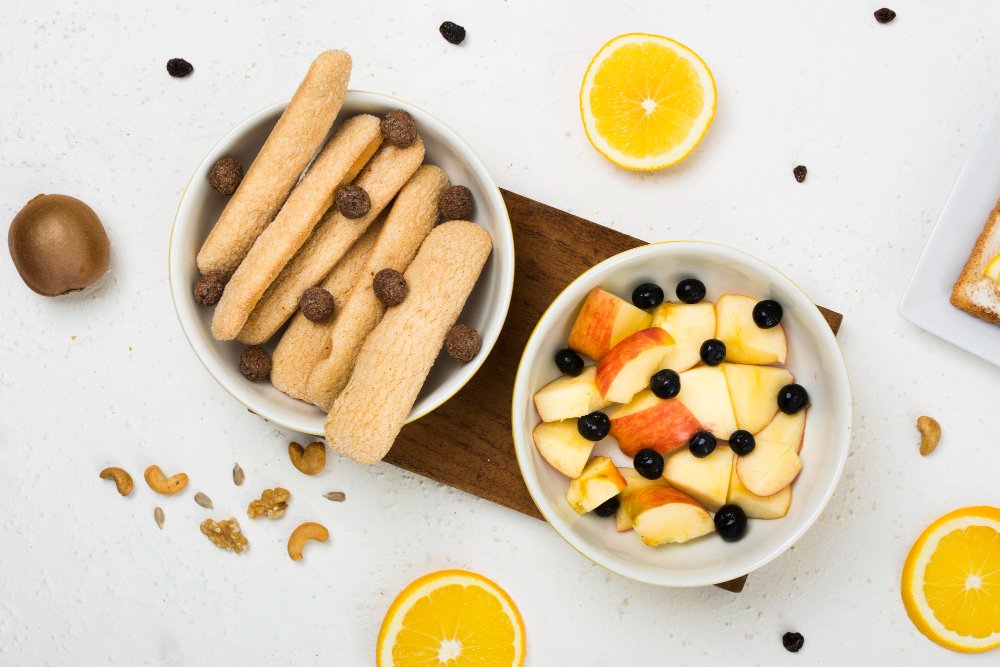
For years, I battled the late-afternoon slump with a bag of chips or a sugary biscuit, only to feel guilty and sluggish moments later. It was a vicious cycle that made weight loss feel like an impossible uphill battle. The truth is, snacking isn’t inherently bad; in fact, healthy snacks for weight loss low calorie options can be a powerful ally in your journey, helping to stabilize blood sugar, curb cravings, and prevent overeating at main meals. The key lies in making smart, nutrient-dense choices that satisfy without derailing your progress, turning those hunger pangs into opportunities for nourishment rather than caloric excess.
The Power of Protein-Packed Snacks
When it comes to satiety and muscle preservation, protein is your best friend. Opting for snacks rich in protein helps you feel fuller for longer, reducing the likelihood of reaching for less healthy alternatives between meals. Consider a small container of plain Greek yogurt, perhaps with a handful of berries, or a hard-boiled egg. These options provide essential amino acids that support metabolism and keep your energy levels steady throughout the day, making them excellent choices for anyone aiming to manage their weight effectively.
Another fantastic protein-forward choice is cottage cheese. It’s surprisingly versatile, pairing well with a sprinkle of black pepper and chives for a savory treat, or with a few slices of peach for something sweeter. The slow digestion of casein protein found in cottage cheese makes it particularly effective at staving off hunger for extended periods. Even a small serving of edamame, steamed and lightly salted, offers a satisfying crunch and a significant protein boost, making these healthy snacks for weight loss low calorie options truly impactful.
Fiber-Rich Choices for Gut Health
Fiber is another critical component often overlooked in the snack department, yet its role in weight management is profound. Foods high in fiber add bulk to your diet, promoting a feeling of fullness and aiding in healthy digestion. Think crunchy vegetables like carrots, celery, or bell peppers paired with a small portion of hummus. This combination delivers both soluble and insoluble fiber, which can help regulate blood sugar levels and support a healthy gut microbiome, crucial for overall wellness.
Beyond fresh vegetables, air-popped popcorn stands out as a surprisingly good source of whole-grain fiber, provided it’s prepared without excessive butter or salt. A generous bowl can feel incredibly satisfying for minimal calories, offering a light, crunchy texture that many find comforting. Remember, the goal isn’t just to eat less, but to eat smarter, ensuring each snack contributes positively to your nutritional intake and weight loss goals for 2026 and beyond.
Hydration and Mindful Snacking
Often, what we perceive as hunger is actually thirst. Before grabbing a snack, try drinking a large glass of water and waiting 15-20 minutes. You might find your craving dissipates entirely. Keeping hydrated throughout the day is fundamental for metabolic function and can significantly reduce unnecessary snacking. Furthermore, when you do choose to snack, practice mindful eating by paying full attention to your food, savoring each bite, and listening to your body’s hunger cues.
Mindful snacking means avoiding distractions like screens or work, which can lead to overconsumption. Take a moment to appreciate the flavors, textures, and aromas of your healthy snack. This practice not only enhances enjoyment but also helps your brain register satiety more effectively, preventing the mindless munching that often sabotages weight loss efforts. It’s about building a healthier relationship with food, one conscious bite at a time, a philosophy I’ve personally found transformative.
Smart Swaps for Sweet Cravings
Sweet cravings can be particularly challenging, but there are numerous healthy snacks for weight loss low calorie options that can satisfy your sweet tooth without the sugar crash. Instead of reaching for candy, try a handful of berries – strawberries, blueberries, or raspberries are packed with antioxidants and natural sweetness. A small apple, perhaps with a teaspoon of almond butter, offers fiber, healthy fats, and a delightful crunch, proving that indulgence doesn’t have to mean regret.
Understanding Portion Control
Even the healthiest snacks can contribute to weight gain if consumed in excess. Portion control is paramount. A handful of nuts, for example, is incredibly nutritious, offering healthy fats and protein, but a few handfuls can quickly add up in calories. Always measure out your snacks, especially calorie-dense options, to ensure they fit within your daily caloric goals. This discipline ensures that your snacks remain a helpful bridge between meals, not an additional, unnecessary meal.
Pre-portioned snacks can be a game-changer, especially when you’re on the go. Divide a bag of almonds into small snack bags, or pre-cut vegetables for easy access. This proactive approach eliminates the guesswork and temptation to overeat when hunger strikes unexpectedly. For more guidance on healthy eating, resources like the USDA’s MyPlate initiative offer excellent visual aids and practical advice on balanced portion sizes, which I frequently recommend to clients in 2026.
Building a Sustainable Snacking Strategy
The most effective weight loss journey is one that’s sustainable, and that includes your snacking habits. Focus on variety to ensure you’re getting a broad spectrum of nutrients and to prevent palate fatigue. Rotate through different low-calorie, nutrient-dense options like a small container of plain Greek yogurt, a handful of cherry tomatoes, or a slice of whole-wheat toast with avocado. This keeps things interesting and makes healthy eating a joy, not a chore.
Remember that snacks should complement your main meals, not replace them entirely. They are designed to bridge the gap between meals, keeping hunger at bay and preventing excessive hunger that leads to poor food choices. By consistently incorporating smart, healthy snacks for weight loss low calorie options into your routine, you’re not just cutting calories; you’re building a foundation of nutritious habits that will serve you well for a lifetime, a principle championed by institutions like the Harvard T.H. Chan School of Public Health.
Key Takeaways
- Prioritize Protein and Fiber: Focus on snacks rich in protein (like Greek yogurt, hard-boiled eggs, cottage cheese) and fiber (vegetables, berries, air-popped popcorn). These nutrients are crucial for satiety, blood sugar stability, and preventing overeating, making them cornerstones of effective weight management.
- Practice Mindful Eating: Pay attention to your body’s hunger and fullness cues, and eliminate distractions while snacking. This conscious approach helps you savor your food, register satisfaction more effectively, and avoid mindless consumption that can derail your progress.
- Embrace Portion Control: Even healthy snacks contribute calories. Always measure or pre-portion snacks, especially calorie-dense items like nuts, to ensure they align with your daily caloric goals and support your weight loss efforts rather than hindering them.
- Stay Hydrated and Plan Ahead: Often, thirst is mistaken for hunger, so drink water first. Plan and prepare your snacks in advance to make healthy choices convenient and readily available, significantly reducing the likelihood of reaching for less nutritious, impulsive options.
Frequently Asked Questions
Are all “low calorie” snacks truly healthy for weight loss?
Not necessarily. While low in calories, some processed “diet” snacks may lack essential nutrients, fiber, or protein, leading to dissatisfaction and subsequent cravings. Focus on whole, unprocessed foods that offer both low calories and high nutritional value.
How many snacks should I eat per day for weight loss?
The ideal number varies based on individual metabolism, activity level, and meal timing. Generally, 1-2 well-planned snacks per day can be beneficial for managing hunger between meals. Listen to your body and adjust as needed to avoid excessive caloric intake.
Can nuts be considered a low-calorie snack for weight loss?
Nuts are nutrient-dense and excellent for satiety, but they are calorie-dense. While beneficial, they must be consumed in strict moderation. A small handful (about 1/4 cup) is a healthy portion, providing healthy fats and protein without excessive calories.
What’s the best time to eat healthy snacks for weight loss?
The best time is usually between main meals when you start to feel genuinely hungry, rather than waiting until you’re ravenous. This could be mid-morning or mid-afternoon, helping to prevent overeating at your next full meal and maintaining stable energy levels.
Conclusion
Embracing healthy snacks for weight loss low calorie options is not about deprivation; it’s about empowerment through informed choices. By focusing on protein, fiber, mindful eating, and portion control, you transform snacking from a potential pitfall into a powerful tool for achieving your weight management goals. Remember, consistency and planning are your greatest allies. Make these smart, satisfying choices a regular part of your routine, and you’ll be well on your way to a healthier, more energized you, not just for 2026 but for many years to come.