

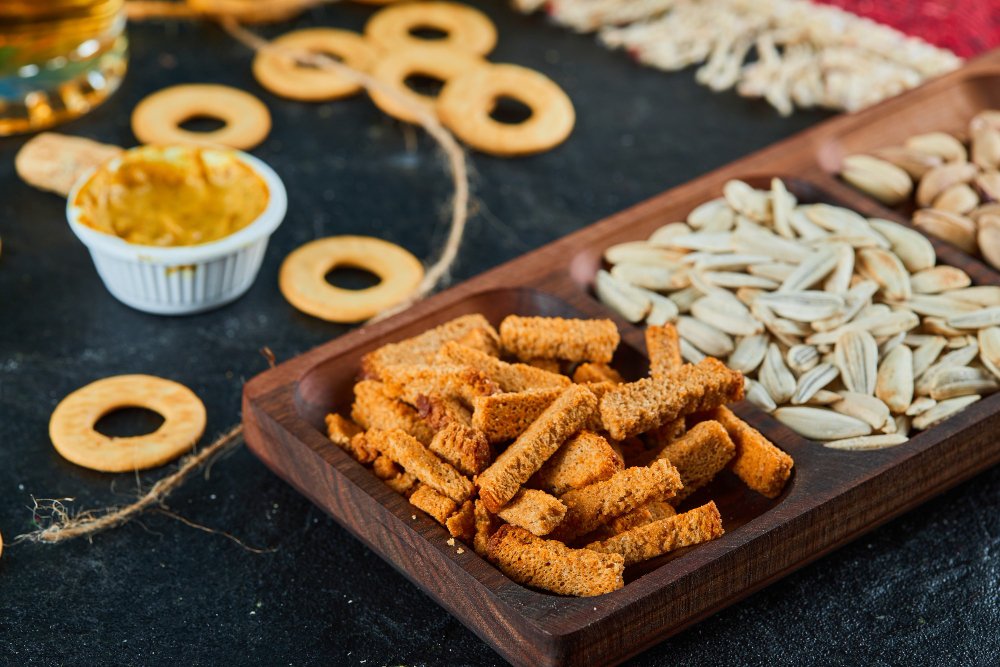
I still remember the look on my grandmother’s face when I told her I wanted to make “crispy snacks recipes without deep frying.” She, a purist who believed anything truly crispy must be submerged in bubbling oil, was skeptical, to say the least. Yet, here we are in 2026, and the culinary landscape has transformed! My journey to master the art of achieving that irresistible crunch without the guilt of excessive oil has been incredibly rewarding, proving that healthy doesn’t mean compromising on texture or flavor. From air fryers to clever baking techniques, there’s a world of possibilities waiting to be explored for anyone seeking that perfect non-fried crisp.
The Magic of Air Frying for Crispy Goodness
The air fryer has, without a doubt, revolutionized how we approach crispy snacks. It’s not just a trend; it’s a kitchen essential for anyone wanting to cut down on oil without sacrificing that satisfying crunch. The circulating hot air mimics the effect of deep frying, cooking food evenly and quickly, leaving the exterior perfectly golden and crisp. Think about transforming humble potato slices into irresistible chips or giving sweet potato fries a crackling finish with just a fraction of the oil you’d use otherwise. It’s all about surface area and dry heat, which promotes browning and crisping beautifully.
My personal trick for maximizing air fryer crispiness is a light pre-toss in a minimal amount of oil (often just a tablespoon for a whole batch!) mixed with a starch like cornstarch or arrowroot powder. This creates a thin, almost invisible coating that helps achieve an even crispier exterior. Don’t overcrowd the basket; air circulation is key. If you pack too much in, you’ll steam your food instead of crisping it. A little patience and cooking in batches often yield superior results, especially for items like cauliflower florets or zucchini sticks.
Oven Baking Beyond the Basics
While air fryers get a lot of attention, the humble oven remains an incredibly powerful tool for creating crispy, non-fried delights. The secret lies in understanding temperature, airflow, and moisture control. Many people make the mistake of baking at too low a temperature or not preheating sufficiently, which leads to soggy results. For true crispness, a higher temperature (often 400-425°F or 200-220°C) is essential, coupled with a good quality baking sheet that allows for even heat distribution and prevents sticking. Look for heavy-gauge, light-colored sheets.
Achieving oven-baked crispiness often involves a multi-step approach. For items like vegetable chips (kale, beet, parsnip), ensure they are sliced incredibly thin and dried thoroughly before tossing with a tiny bit of oil and seasonings. For heartier items like baked chicken wings, a pre-bake at a lower temperature to render fat, followed by a blast at a higher temperature, can work wonders. Some recipes even suggest a quick blanching or steaming step for vegetables before roasting to help break down cell walls and encourage a drier, crispier final product. For excellent resources on baking techniques, I often consult sites like Serious Eats, which provides detailed scientific explanations for cooking methods.
Dehydrators: The Unsung Heroes of Crisp
When it comes to pure, unadulterated crispness without any oil whatsoever, dehydrators are the unsung heroes. They work by slowly removing moisture at low temperatures, preserving nutrients and creating an incredibly crunchy texture that deep frying simply can’t replicate in terms of health benefits. Think about fruit leathers, vegetable crisps like zucchini or tomato slices, or even savory herb crackers. The process is slower, yes, but the results are unparalleled for a truly “dry” crisp that holds its shape beautifully.
My favorite dehydrator creations include thinly sliced apple chips dusted with cinnamon and cayenne, or kale chips massaged with a cashew-based “cheese” sauce before dehydrating. The key is uniform thickness for even drying and patience. While it takes hours, the hands-off nature of the process means you can set it and forget it, returning to a batch of perfectly crispy, nutrient-dense snacks. This method is particularly fantastic for preserving seasonal produce and creating unique texture profiles that are impossible to achieve with high-heat methods. For more information on dehydrating safety and techniques, the National Center for Home Food Preservation offers invaluable guidance.
Pan-Frying with Minimal Oil
Sometimes, you just need a quick crisp, and pan-frying with minimal oil can absolutely deliver. This method is distinct from deep frying because the food isn’t submerged; instead, it’s cooked in a thin layer of oil, often just enough to coat the bottom of the pan. The key here is a hot pan and the right oil. High smoke point oils like avocado or grapeseed are excellent choices, allowing you to reach temperatures necessary for browning without burning. A cast-iron skillet, with its superior heat retention, is my preferred tool for this technique.
Think about things like crispy halloumi cheese slices, thin chicken cutlets, or even certain types of dumplings. The trick is to get the pan hot before adding the oil, then swirl to coat, and finally add your food in a single layer. Don’t overcrowd the pan, or the temperature will drop, leading to steaming rather than crisping. Flip only when a beautiful golden crust has formed. This method is fantastic for dishes where you want a crisp exterior but a tender interior, offering a delightful textural contrast that satisfies without the excess grease of traditional frying.
Creative Ingredients for Crunch
Beyond the cooking methods, the choice of ingredients themselves plays a crucial role in achieving non-fried crispiness. Many natural ingredients inherently lend themselves to becoming crisp with minimal intervention. Root vegetables like parsnips, carrots, and beets, when thinly sliced, become wonderfully brittle. Leafy greens such as kale and spinach transform into delicate, airy crisps. Even certain legumes, like roasted chickpeas or edamame, can achieve a remarkable crunch with the right seasoning and cooking temperature. It’s about leveraging their natural properties.
Don’t overlook grains and seeds either. Quinoa can be “puffed” and added to snack mixes, while sunflower and pumpkin seeds add a delightful pop and crunch to savory and sweet preparations. My current obsession for 2026 is experimenting with puffed lotus seeds (makhana), which are incredibly light, airy, and absorb seasonings beautifully when roasted. Consider incorporating rice paper for incredibly thin, brittle crackers or even using finely grated cheese baked until golden and crisp for a savory, low-carb option. The world of naturally crispy ingredients is vast and full of exciting possibilities for innovative snack creation.
Key Takeaways
- Embrace Technology: Air fryers are game-changers for achieving deep-fried crispness with significantly less oil, thanks to circulating hot air. Remember not to overcrowd the basket for optimal results.
- Master Oven Techniques: High temperatures (400-425°F), proper preheating, and quality baking sheets are crucial for baking crispy snacks. Consider multi-step cooking or pre-drying for best outcomes.
- Explore Dehydration: For oil-free, incredibly dry and brittle crisps, a dehydrator is an excellent investment. It preserves nutrients and creates unique textures over a longer, low-heat process.
- Ingredient Innovation: Leverage naturally crispy ingredients like root vegetables, leafy greens, legumes, and seeds. Experiment with items like puffed lotus seeds or baked cheese crisps for new flavor and texture profiles.
Frequently Asked Questions
What are the best vegetables for making non-fried crispy snacks?
Root vegetables like sweet potatoes, beets, parsnips, and carrots are excellent choices when thinly sliced. Leafy greens such as kale and spinach also crisp up beautifully. Zucchini, bell peppers, and even thinly sliced mushrooms can be transformed into delicious, crispy bites with the right preparation.
How do I prevent my oven-baked snacks from becoming soggy?
To prevent sogginess, ensure your vegetables are thoroughly dry before baking. Use a high oven temperature (around 400-425°F), preheat your oven completely, and don’t overcrowd the baking sheet. A light coating of oil and a starch like cornstarch can also help create a crispier exterior.
Can I make crispy snacks without any added oil at all?
Absolutely! Dehydrators are perfect for making completely oil-free crispy snacks like fruit leathers, vegetable chips, and herb crackers. Some air fryer recipes can also be made with little to no oil, especially for items that naturally release moisture and crisp up easily, like certain vegetable chips.
What spices and seasonings work best for crispy snacks?
The best seasonings depend on your preference! For savory snacks, consider paprika, garlic powder, onion powder, chili flakes, cumin, or nutritional yeast for a cheesy flavor. For sweet options, cinnamon, nutmeg, ginger, or a touch of maple syrup work wonderfully. Experiment with blends like za’atar or everything bagel seasoning.
Conclusion
The journey to creating crispy snacks without deep frying is not just about health; it’s about culinary creativity and expanding our understanding of texture. With the right techniques—whether it’s the efficiency of an air fryer, the consistent heat of an oven, or the patient magic of a dehydrator—we can achieve truly satisfying crunch without the guilt. So, next time that snack craving hits, remember that delicious, guilt-free crispiness is well within your reach, proving that innovation in the kitchen is always rewarding.