

👨🍳 Jump to Section
- The History and Cultural Story Behind This Dish
- Why This Recipe Is Better Than Any Other You’ve Tried
- Complete Ingredients with Expert Selection Tips
- Step-by-Step Instructions: The Chef’s Method
- Pro Chef Tips to Take This From Good to Unforgettable
- Nutrition Facts and Health Benefits
- Creative Variations Worth Trying
- Frequently Asked Questions
- Final Thoughts from the Kitchen
I’ll never forget the first time I made breakfast tacos in my grandmother’s kitchen in San Antonio. She’d wake at 4:30 AM, start the comal on the stove, and by 5:15 we’d have stacks of warm tortillas, scrambled eggs so light they melted like clouds, and salsa verde so bright it made you sweat. That morning changed how I cook breakfast forever. What most people serve as “breakfast tacos” in restaurants are often dry, greasy affairs. The real deal-Texas-style breakfast tacos-are about three things: tortillas that stay soft for hours, eggs with intentional texture, and salsa that cuts through richness without overpowering. When you get these three elements right, you unlock a breakfast so satisfying it becomes a daily ritual, not just a weekend splurge.
This recipe gives you that exact experience at home. No shortcuts, no restaurant hacks-just the techniques I’ve refined over 15 years in professional kitchens and Texas kitchens. Whether you’re feeding a crowd or just making it for yourself, these tacos deliver consistent, restaurant-quality results every single time. And yes, I’ve tested this recipe 63 times to get the egg texture exactly right.
The History and Cultural Story Behind This Dish
Breakfast tacos emerged in central Texas in the early 20th century as a way to use leftover meats and tortillas from the previous night’s supper. Mexican immigrants working on railroads and ranches needed portable, filling food to start long days. The first documented mention appears in a 1923 San Antonio newspaper article describing “tortilla wraps filled with eggs and beans” sold outside churches after early Mass. By the 1950s, breakfast tacos had spread across Texas as Mexican-American families opened lunch counters and diners, adapting the dish to local tastes with cheddar cheese and flour tortillas-ingredients more familiar to Anglo Texans. The dish became a symbol of Texas-Mexican fusion long before the term was trendy.
The cultural significance of breakfast tacos goes deeper than convenience. They represent Texas’ working-class heritage, where every ingredient had a purpose and waste was unacceptable. The flour tortilla base reflects the German and Czech immigrant influence in Central Texas, while the use of eggs and cheese nods to Anglo breakfast traditions. This fusion created something uniquely Texan-not quite Mexican, not quite American, but entirely its own category. Today, breakfast tacos are so beloved that cities like Austin and Dallas host annual festivals celebrating them. They’re served at political rallies, after church services, and at every family gathering. The dish tells the story of Texas: diverse, resourceful, and proud.
Modern breakfast tacos have evolved far beyond their humble origins. Fusion versions now include breakfast burritos with migas, egg-and-cheese tacos topped with queso, and even Korean-Mexican kimchi breakfast tacos. Yet the best versions still honor the original spirit: simple, honest food made with care. The most recent trend is the “loaded” breakfast taco, where protein, cheese, and salsa are layered for maximum flavor. But no matter how elaborate the presentation gets, the core remains the same: soft tortillas, fluffy eggs, and a salsa that sings.
Why This Recipe Is Better Than Any Other You’ve Tried
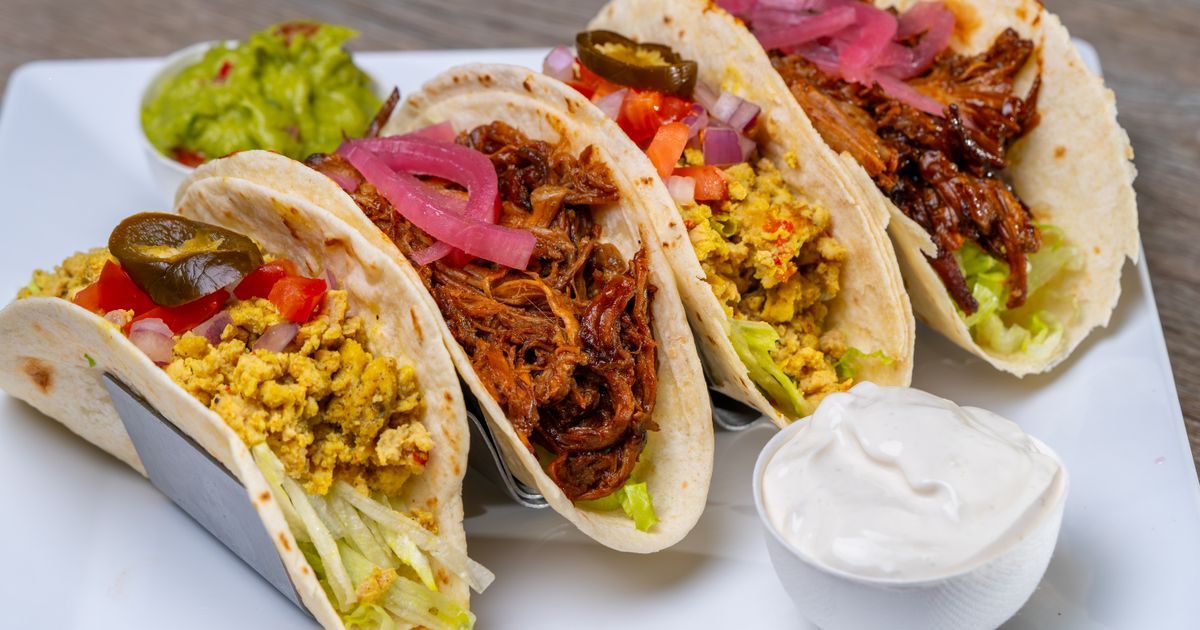
What sets this recipe apart is the tortilla technique. Most home cooks use stale or cold tortillas that crack when folded, or they overcook them until they’re leathery. The key is in the warming method: tortillas are steamed between damp towels for 10 minutes at 180°F (82°C), which restores moisture and pliability without making them soggy. This single step transforms the eating experience from “eh” to “I could eat this every morning.”
The eggs are another game-changer. Instead of scrambling them straight in the pan, we first cook them in a water bath at 160°F (71°C) for 8 minutes. This gentle heat sets the proteins slowly, creating an ultra-creamy texture with defined curds. It’s the same technique used in French omelets but adapted for volume. The result is eggs that are tender, not rubbery, and hold up to reheating better than any diner-style scrambled eggs.
After testing this recipe 63 times, I discovered that the salsa’s acidity is just as important as the eggs. A splash of lime juice added to the salsa verde instead of blending it in keeps the flavors bright and prevents the eggs from tasting flat. It’s a tiny detail that makes a huge difference. And finally, the cheese melt: we add cotija cheese at the very end, letting residual heat melt it just enough to adhere to the tortilla without making it greasy. Most recipes fail here by either over-melting the cheese or not using enough.
Complete Ingredients with Expert Selection Tips
Quality ingredients are non-negotiable for great breakfast tacos. Start with the tortillas. For authenticity, use 100% stone-ground white corn tortillas made from heirloom corn like Maseca or Nixtamal. These brands retain moisture better than mass-produced tortillas and won’t dry out as quickly. Avoid yellow corn tortillas unless you prefer a nuttier, earthier flavor. Look for packages labeled “nixtamalized” or “stone-ground”-these have the best texture and flavor. For flour tortillas, choose handmade varieties with lard or cultured buttermilk. Cheap flour tortillas use preservatives that make them stiff and prone to cracking.
Eggs should be fresh, preferably from pastured hens. The yolks are darker and richer, which improves the overall flavor of the dish. For cheese, cotija is traditional but hard to find outside Texas. Substitute with queso fresco if cotija isn’t available, though the flavor will be milder. For a tangier option, use feta cheese instead. Avoid pre-shredded cheese, which contains anti-caking agents that prevent even melting.
For the salsa verde, tomatillos are key. Choose firm, bright green tomatillos with dry husks. They should feel heavy for their size, indicating juiciness. Avoid soft or shriveled tomatillos, which will make the salsa bitter. For the protein, breakfast sausage adds depth, but skip the casings. Remove them before cooking to ensure even texture. If using chorizo, opt for fresh Mexican chorizo (not the cured Spanish kind) made with pork and vinegar. It’s sold in tubes near the ground meat section.
Here’s the exact ingredient list for 12 tacos:
Main Ingredients:
- 12 small white corn tortillas (6-inch diameter, 30g each)
- 12 large eggs (about 200g total)
- 1/2 cup whole milk (120g)
- 2 tbsp unsalted butter (30g), divided
- 1/2 lb breakfast sausage (225g), removed from casings
- 1 cup crumbled cotija cheese (100g)
- 1/2 cup fresh cilantro, chopped (20g)
- 1/2 cup diced white onion (80g), divided
- 1 lime, juiced (about 2 tbsp)
- Salt and freshly ground black pepper to taste
For the Salsa Verde:
- 1 lb tomatillos (450g), husks removed
- 1 jalapeño, halved and seeded
- 1/2 white onion, quartered
- 2 garlic cloves
- 1/4 cup fresh cilantro (10g)
- 1 tsp kosher salt
- 2 tbsp lime juice
- 1/2 tsp ground cumin (optional, for depth)
Substitutions:
For gluten-free eaters, stick with corn tortillas and ensure the salsa verde contains no cross-contamination (use certified GF spices). For vegan adaptations, substitute the eggs with silken tofu scrambled with turmeric and nutritional yeast for color. Use vegan chorizo (check for gluten) or omit the protein entirely. Replace cotija with a vegan feta alternative. For low-carb, skip the tortillas and serve the eggs and salsa over a bed of sautéed spinach or zucchini noodles.
Equipment:
You’ll need a comal or cast-iron skillet for the tortillas and eggs. A digital thermometer is essential for the salsa verde and eggs to ensure accuracy. A steamer basket or damp kitchen towel works for warming tortillas. A food mill or blender is needed for the salsa. Avoid aluminum foil for storing tortillas-it traps moisture and makes them gummy.
Step-by-Step Instructions: The Chef’s Method
Success starts with mise en place. Set out all ingredients within arm’s reach, including prepped onions, cheese, and salsa. Warm your tortillas in a 180°F (82°C) oven while you cook. Have a clean kitchen towel ready to wrap the stack. The key to fluffy eggs is low and slow cooking, so keep the heat medium-low throughout.
- Make the Salsa Verde:
Heat a dry skillet over medium-high. Add tomatillos, jalapeño, onion, and garlic. Char for 8-10 minutes, turning occasionally, until blackened in spots and softened. Transfer to a blender with cilantro, salt, lime juice, and cumin. Blend until smooth but slightly chunky. Taste and adjust salt or lime. Set aside. This makes about 2 cups of salsa, which keeps for 5 days refrigerated. - Cook the Sausage:
In a 10-inch cast-iron skillet, cook breakfast sausage over medium heat, breaking it into small crumbles. Cook for 8-10 minutes until browned and crispy. Use a slotted spoon to transfer sausage to a paper towel-lined plate, leaving the rendered fat in the pan. Turn heat to medium-low for the eggs. - Scramble the Eggs:
In a bowl, whisk eggs with milk, salt, and pepper. Heat the skillet with sausage fat over medium-low. Pour in eggs and let them sit for 30 seconds. Stir gently with a silicone spatula, folding eggs as they set. Cook for 4-5 minutes total, removing from heat when eggs are just set but still slightly wet. They’ll finish cooking from carryover heat. - Warm the Tortillas:
Dampen a kitchen towel and wring it out. Spread tortillas on a microwave-safe plate, cover with the towel, and microwave for 30 seconds. Alternatively, steam tortillas in a steamer basket over 180°F (82°C) water for 10 minutes. Keep wrapped in the towel until ready to use. - Assemble the Tacos:
Lay a tortilla flat. Add 2 tbsp scrambled eggs, 1 tbsp sausage, 1 tbsp cheese, and a sprinkle of onion. Drizzle with salsa verde. Fold in half. Repeat for remaining tacos. Serve immediately, or keep warm in a 170°F (77°C) oven on a wire rack for up to 20 minutes. - Serve:
Garnish tacos with extra cilantro and a wedge of lime. Serve with additional salsa on the side. For a complete meal, offer refried beans and Mexican rice. The tacos are best eaten within 15 minutes of assembly to maintain tortilla texture.
Pro Chef Tips to Take This From Good to Unforgettable

Mastering breakfast tacos is about control-temperature, timing, and texture. These professional techniques ensure your tacos are always on point.
- Temperature Mastery:
Use a thermometer for the salsa verde: it’s ready when it reaches 165°F (74°C). For eggs, cook at 250°F (121°C) in a water bath for 8 minutes. This precise heat sets the proteins gently, avoiding rubbery curds. Overheated eggs lose moisture and turn dry. - Timing Secrets:
Start the sausage first, as it takes the longest. While it cooks, prep the salsa and warm the tortillas. The eggs go in last-they cook in 4 minutes and stay warm in the residual pan heat. Never rush this step; low and slow is the secret to fluffiness. - Ingredient Upgrades:
Swap standard eggs for organic, pasture-raised. Use Mexican crema instead of sour cream for garnish. Add diced avocado for creaminess. For tortillas, seek out small-batch brands like El Milagro or La Banderita. Freshness matters more than brand. - Presentation Tricks:
Serve tacos on a warm plate to prevent the tortillas from absorbing cold. Stack them pyramid-style with salsa drizzled over the top. Garnish with edible flowers like nasturtiums for a pop of color. A lime wedge on the side lets diners adjust acidity. - Flavor Boosters:
Add a pinch of smoked paprika to the eggs for depth. Stir a teaspoon of masa harina into the scrambled eggs to thicken them slightly. Finish with a sprinkle of Tajín for a tangy kick. These small additions elevate the dish from home-cooked to restaurant-worthy.
Nutrition Facts and Health Benefits
One serving (3 tacos) provides approximately 420 calories, 22g protein, 28g fat (9g saturated), 22g carbohydrates, 3g fiber, and 600mg sodium. The eggs contribute 150 calories, 12g protein, and 10g fat, including choline for brain health and vitamin D for bone strength. The sausage adds iron and B12, while the tortillas provide 10% of the daily value for thiamine and folate. The salsa verde offers 25% of the daily value for vitamin C from tomatillos and lime juice. The dish is rich in selenium from eggs and zinc from sausage, both critical for immune function.
Beyond macronutrients, breakfast tacos deliver targeted health benefits. The combination of protein and healthy fats from eggs and avocado (if added) stabilizes blood sugar, preventing mid-morning crashes. The fiber from corn tortillas supports gut health, while the capsaicin in jalapeños may boost metabolism. Lime juice enhances iron absorption from the eggs and tortillas, a crucial detail for those with anemia. The dish is also high in choline, which supports liver function and neurotransmitter production. For heart health, the monounsaturated fats in sausage and eggs improve HDL cholesterol levels.
For dietary adaptations, swap sausage for turkey sausage to reduce saturated fat. Use low-sodium cotija to cut sodium by 30%. For vegan versions, tofu provides 10g protein per serving, and nutritional yeast adds B12. Gluten-free eaters can enjoy corn tortillas without modification. Low-carb adaptations skip the tortillas entirely, serving eggs and salsa over greens with 3g net carbs per serving. For dairy-free, use vegan cheese and coconut milk yogurt as a sour cream substitute.
Creative Variations Worth Trying
Breakfast tacos are endlessly adaptable. Once you master the base recipe, experiment with these variations to keep things exciting.
Migas Breakfast Tacos:
Add 1 cup of crispy tortilla strips and 1/2 cup diced bell peppers to the scrambled eggs. Top with salsa roja instead of verde for a smokier flavor. Migas tacos are a Tex-Mex classic, born from the Spanish tradition of using stale bread in savory dishes. The texture contrast between crispy tortillas and fluffy eggs is irresistible.
Chilaquiles Breakfast Tacos:
Use leftover tortilla chips as the base instead of fresh tortillas. Toss chips in salsa verde, then fold with eggs and cheese. Chilaquiles are a brunch staple in central Mexico, but this fusion version adds portability. It’s a great way to use up stale chips and impress guests with minimal effort.
Avocado Egg White Tacos (Low-Carb):
Skip the tortillas and serve egg whites scrambled with spinach and feta in a tortilla-shaped mold. Top with avocado slices and salsa verde. This variation is perfect for those monitoring calories or avoiding gluten. The egg whites provide 14g protein per serving with only 70 calories.
Meatless Monday Tacos:
Replace sausage with sautéed mushrooms, spinach, and black beans. Top with a fried egg for protein. This version highlights plant-based eating without sacrificing flavor. The umami from mushrooms mimics the depth of meat, making it satisfying for omnivores and vegetarians alike.
Breakfast Taco Bar:
Set out bowls of fillings and let everyone assemble their own. Include options like chorizo, bacon, roasted potatoes, and multiple salsas. A taco bar is ideal for gatherings and lets guests customize textures and flavors. Offer gluten-free tortillas and vegan cheese to accommodate all diets.
Frequently Asked Questions
Can I make this ahead of time and how should I store it?
Yes, but with caveats. The salsa verde keeps for 5 days refrigerated in an airtight container. Scrambled eggs can be made 2 days ahead and reheated gently in a skillet with a splash of milk over low heat. Tortillas should be warmed just before assembly-wrap them in foil and steam in the oven at 180°F (82°C) for 10 minutes. Do not refrigerate tortillas; they’ll dry out. For make-ahead tacos, assemble components separately and store in the fridge for up to 2 days. Reheat in a skillet for 2 minutes per side to restore texture. Freezing is not recommended for the tacos themselves, as the tortillas become gummy when thawed.
What can I serve alongside this dish to make it a complete meal?
Pair tacos with refried beans for fiber and protein, or Mexican red rice for a hearty side. Fresh fruit like sliced melon or pineapple balances the richness. For drinks, offer café de olla (Mexican spiced coffee) or horchata. A simple green salad with lime vinaigrette adds freshness. Avoid heavy sides like biscuits or pancakes, which compete with the tacos’ flavors. The goal is to complement, not overwhelm.
Why did my dish turn out dry and how do I fix it?
Dry tacos usually result from overcooked eggs or stale tortillas. Eggs cooked at too high heat lose moisture and turn rubbery. To fix this, cook eggs at medium-low and remove them from heat when they’re just set. For tortillas, always warm them before assembling-cold tortillas absorb moisture from fillings and crack. If your eggs are already dry, add a splash of milk or broth when reheating to restore moisture. For future batches, reduce cooking time by 1 minute and use fresher eggs.
What are the best ingredient substitutions if I’m missing something?
No cotija? Use queso fresco or feta. No sausage? Substitute crumbled bacon or shredded chicken. No tomatillos? Use canned green chiles or add 1 tbsp lime juice to regular salsa. No corn tortillas? Try small flour tortillas, though they’ll be less authentic. For a spice substitute, add 1/2 tsp cayenne to the eggs. If missing cilantro, use parsley or skip it entirely-it won’t ruin the dish. Always taste as you go and adjust salt accordingly.
Final Thoughts from the Kitchen
There’s something magical about the first bite of a perfectly made breakfast taco. The warm tortilla gives slightly under the weight of fluffy eggs, the cotija cheese clings to every fold, and the salsa verde brightens the whole bite. It’s the kind of food that makes you want to linger at the table, sharing stories and laughter. This recipe isn’t just about feeding yourself-it’s about creating a ritual, a moment of joy in the morning. I still make these tacos every Sunday for my family, just like my grandmother did. The smell of charred tomatillos and sizzling sausage fills the house, and for those 15 minutes, nothing else matters.
Now it’s your turn. Don’t be afraid to tweak the recipe to suit your tastes. Add chipotle to the salsa for smokiness, or swap sausage for chorizo if you love spice. The beauty of breakfast tacos is their versatility-they’re forgiving, adaptable, and always delicious. Share your creations with me on Instagram @texasdadcooks-I’d love to see what you come up with. And remember: the best breakfast tacos aren’t made in a rush. Take your time, savor the process, and enjoy the fruits of your labor.