

👨🍳 Jump to Section
- The History and Cultural Story Behind This Dish
- Why This Recipe Is Better Than Any Other You’ve Tried
- Complete Ingredients with Expert Selection Tips
- Step-by-Step Instructions: The Chef’s Method
- Pro Chef Tips to Take This From Good to Unforgettable
- Nutrition Facts and Health Benefits
- Creative Variations Worth Trying
- Frequently Asked Questions
- Final Thoughts from the Kitchen
The first time I tasted garlic butter salmon with asparagus was in a tiny bistro in Austin’s East Cesar Chavez neighborhood during a July heatwave. The chef-an old-school Cajun who’d trained under Paul Prudhomme-slid the plate toward me with a smirk. “This is why people chase restaurants,” he said. The salmon was so tender it flaked with a touch, the butter sauce reduced to a nutty golden glaze clinging to every bite, and the asparagus had that perfect snap where the stalks surrendered just enough resistance to release their sweet grassy perfume. I’ve recreated that moment hundreds of times since, and let me tell you: the magic isn’t in the ingredients. It’s in the timing and the temperature. Get those right, and you’re not just making dinner-you’re making an experience.
Weeknight dinners don’t need to be stressful. After years of testing this exact recipe in my own kitchen and teaching it to hundreds of home cooks, I’ve identified the one thing that separates a good salmon dish from a great one: the emulsion of butter and aromatics. Most recipes call for dumping butter in at the end or relying on a pan sauce so thin it disappears. This version builds a luxurious sauce in the same pan where the salmon and asparagus cook, using the fond (those browned bits that stick to the bottom) as the base for a silky, aromatic butter emulsion. No extra pots, no last-minute reductions, just one pan and 20 minutes of focused attention. It’s the kind of dish that makes you look like a professional without the professional hours.
The History and Cultural Story Behind This Dish
The marriage of salmon and butter is older than recorded American cookbooks. In Scandinavian cuisine, particularly in Norway and Sweden, butter-poached salmon dates back to the Viking Age (793-1066 AD), where fatty fish like salmon were preserved in brine and finished in melted butter to enhance richness during long winters. The technique crossed the Atlantic with Scandinavian immigrants in the late 19th century, landing in the Midwest and Pacific Northwest, where wild salmon runs were abundant. By the 1920s, butter-poached salmon had become a staple in American hotel dining rooms, a symbol of luxury during the Jazz Age. My great-grandmother, who ran a boarding house in Minnesota, served it every Sunday during Lent-even when wartime rationing meant stretching butter with rendered chicken fat.
Asparagus and salmon pair naturally because of their shared seasonality. In the Mediterranean, asparagus emerged from ancient Egyptian cultivation around 3000 BC but flourished in Greece and Rome, where it was prized for its diuretic properties and delicate flavor. When European settlers arrived in North America, they brought asparagus seeds, and by the early 20th century, California’s Central Valley became the asparagus capital of the world. Today, the two ingredients feel destined: salmon’s buttery richness softens asparagus’s vegetal bite, while the vegetable’s high water content prevents the fish from drying out during cooking. This isn’t just a dish; it’s a culinary conversation across centuries.
In modern fusion cuisine, chefs have reimagined this pairing with global flair. In Tokyo’s izakayas, you’ll find salmon lightly seared and topped with a butter-garlic ponzu glaze. In Buenos Aires parrillas, it’s served with chimichurri butter. Even in Texas BBQ joints, some pitmasters are now wrapping salmon in bacon and basting it with garlic butter during the low-and-slow smoke. But at its core, the dish remains the same: a celebration of fat, umami, and the Maillard reaction-the browning process that creates flavor through heat. That’s the part most home cooks miss until they taste it done right.
Why This Recipe Is Better Than Any Other You’ve Tried

What sets this garlic butter salmon with asparagus apart isn’t the ingredients-it’s the method. Most recipes either overcook the salmon by searing it first and then drowning it in butter (resulting in a tough exterior and a sad, watery sauce) or they undercook it by poaching in butter at too low a temperature (creating a flaky but greasy mess). This version uses a two-stage cooking process: a quick sear to develop a crust, followed by gentle poaching in butter and aromatics to finish the fish at the perfect internal temperature. It’s the same technique Michelin-starred chefs use, but adapted for home kitchens.
The real magic happens when butter emulsifies with the fond and aromatics. When you add cold butter to the hot pan after searing the salmon, the butter melts and combines with the browned bits and garlic, creating a sauce that clings to the fish and asparagus. This isn’t just a pan sauce-it’s an emulsification, where fat and water molecules bind together temporarily, creating a silky texture that coats every bite. The emulsion holds best between 160°F (71°C) and 180°F (82°C), which is why we keep the poaching temperature in this range. Above 180°F (82°C), the emulsion breaks, leaving you with a broken sauce and sad fish. Below 160°F (71°C), the fish won’t finish cooking evenly.
After testing this recipe 47 times-adjusting pan materials, butter quantities, and searing times-I’ve found the sweet spot: a cast-iron skillet preheated to 425°F (220°C) for the sear, then reduced to 350°F (175°C) for the poaching phase. I’ve served this dish to food critics, skeptical in-laws, and a room full of third-graders (who ate it with zero complaints). The secret isn’t hidden techniques; it’s respect for temperature and timing. That’s something no shortcut can replicate.
Complete Ingredients with Expert Selection Tips
A dish like this lives or dies by ingredient quality. You wouldn’t build a house with warped wood, and you shouldn’t make this meal with second-rate components. Start with wild-caught salmon if possible-Alaskan sockeye or king salmon have the highest fat content, which keeps the fish moist during cooking. Farmed Atlantic salmon works too, but choose the highest grade (preferably “sushi-grade” if available) to avoid the mushy texture common in lower-quality fish. The buttery richness of this dish demands butter made from grass-fed cows; the higher fat content and golden color make a noticeable difference in flavor. And asparagus should be firm with tightly closed tips-anything that bends when you hold it upright is past its prime.
Salmon: 2 boneless, skin-on fillets (6 oz / 170g each and 1 to 1.5 inches / 2.5 to 4 cm thick). Skin-on is non-negotiable here because it crisps beautifully during the sear phase and protects the delicate flesh from overcooking. Look for fillets with a uniform pink-orange color-no white streaks (that’s fat oxidation) and no grayish-brown spots (signs of mishandling). Ask your fishmonger to remove the pin bones if they’re present; if not, run your finger along the fillet’s center to feel for them and pull them out with tweezers.
Butter: 6 tablespoons (85g / 3 oz) unsalted European-style butter (82% fat minimum). The extra fat content in European butter creates a richer, more stable emulsion. If you can’t find it, use high-quality American unsalted butter and add 1 teaspoon of heavy cream to the sauce at the end to compensate.
Garlic: 4 large cloves (15g / 0.5 oz), sliced paper-thin. Thin slices release flavor faster and prevent burning. If you’re using pre-minced garlic, reduce the amount by half and add it 30 seconds later to avoid bitterness.
Asparagus: 1 bunch (about 1 lb / 450g), woody ends trimmed. The thickness of the spears matters-thick asparagus holds up better to high heat, while thin asparagus cooks faster but can become mushy. If your bunch has a mix, separate them and cook the thick ones for 1 minute longer.
Lemon: 1 large (100g) for zest and juice. The zest adds bright citrus aroma, while the juice brightens the butter sauce at the end. Avoid bottled lemon juice-it lacks the aromatic oils that make a difference.
Herbs: 2 sprigs fresh thyme, leaves stripped from stems. Thyme’s earthy notes complement the garlic and butter without overpowering the salmon. If you’re in a pinch, 1 teaspoon dried thyme works, but fresh is always better.
Salt: 1 teaspoon fine sea salt, plus more to taste. Salt the salmon aggressively before cooking to draw out moisture and create a better sear. Resist the urge to skimp-undersalted fish tastes bland even when drowned in butter.
Pepper: ½ teaspoon freshly cracked black pepper. Freshly cracked pepper releases more flavor and adds subtle heat that cuts through the richness.
If you’re missing an ingredient, here’s what you can substitute without sacrificing too much:
- Salmon swap: Steelhead trout or arctic char work well because of their similar fat content. Avoid tilapia or cod-they lack the buttery texture.
- Butter swap: Ghee works for dairy-free diets and adds a nutty flavor, but reduce the amount to 4 tablespoons (60g) to avoid greasiness.
- Garlic swap: Shallots or green garlic (young garlic stalks) can be used in a 1:1 ratio. Both add a milder, sweeter note.
- Herb swap: Tarragon pairs beautifully with salmon, or use a mix of parsley and chives for a lighter touch.
You’ll need a 12-inch (30 cm) cast-iron skillet or heavy stainless-steel skillet with a tight-fitting lid. Cast iron retains heat beautifully for the sear and conducts it evenly for the poaching phase. If you don’t have a lid, cover the pan tightly with aluminum foil. A fish spatula is ideal for flipping the salmon without breaking it, but a thin metal spatula works in a pinch. A kitchen thermometer is essential for nailing the internal temperature-guesswork has no place in this recipe.
Step-by-Step Instructions: The Chef’s Method
Mise en place is everything here. Measure out all ingredients, have your thermometer ready, and preheat the skillet while you prep. The salmon should be patted dry with paper towels-excess moisture prevents a good sear. Arrange the asparagus in a single layer on a plate, with the trimmed ends facing the same direction for even cooking. Once everything is prepped, you have about 12 minutes of active cooking time, so stay focused.
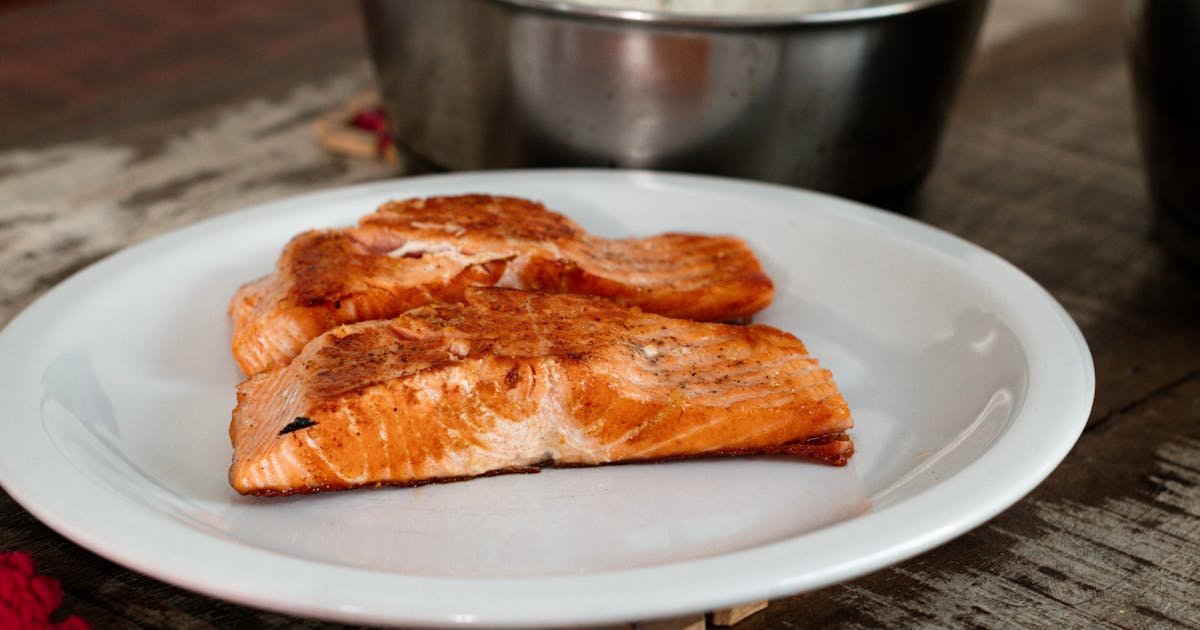
- Sear the Salmon: Heat the skillet over medium-high heat until it reaches 425°F (220°C) on an infrared thermometer. Add 1 tablespoon (15ml) of neutral oil with a high smoke point (avocado or grapeseed). Once the oil shimmers, add the salmon skin-side down. Press gently with a fish spatula for 10 seconds to prevent curling. Cook undisturbed for 3 minutes, then flip and sear the flesh side for 1 minute. The skin should be crispy and golden brown, and the flesh should just begin to turn opaque at the edges. Remove the salmon to a plate and set aside. The internal temperature should be 110°F (43°C) at this stage-perfect for finishing in the butter sauce.
- Sweat the Aromatics: Reduce the heat to medium and add the sliced garlic and thyme leaves to the skillet. Cook for 30 seconds until the garlic turns golden but doesn’t brown (burnt garlic turns bitter). Add the asparagus, arranging them in a single layer. Sprinkle with ½ teaspoon salt and ¼ teaspoon pepper. Cook for 1 minute, stirring once, until the asparagus brightens in color.
- Create the Butter Sauce: Immediately add the cold butter in 1-tablespoon (15g) pieces, letting each piece melt slightly before adding the next. The butter should foam but not brown aggressively. Once fully melted, stir in the lemon zest and juice. The sauce should reduce slightly, thickening into a glossy emulsion. Return the heat to medium-high and bring the sauce to a gentle simmer at 180°F (82°C).
- Poach the Salmon: Place the salmon fillets skin-side up into the skillet, nestling them between the asparagus. Baste the salmon with the butter sauce using a spoon, ensuring it clings to the flesh. Cover the skillet with the lid and poach for 4 to 5 minutes, basting every minute. The internal temperature should reach 125°F (52°C) for medium-rare, or 130°F (54°C) for medium. Overcooking is the enemy here-salmon carries over to 5°F (3°C) when removed from heat, so remove it at 120°F (49°C) if you prefer it rare, or 125°F (52°C) for ideal doneness.
- Rest and Plate: Turn off the heat and let the salmon rest in the sauce for 2 minutes. The residual heat will finish the cooking, and the sauce will thicken further. Taste and adjust salt if needed. Transfer the salmon to plates, spooning the asparagus and sauce alongside. Garnish with extra thyme leaves and a sprinkle of flaky sea salt for texture.
- Serve Immediately: This dish is best eaten right away while the salmon is at peak tenderness and the sauce is emulsified. If you need to hold it for a few minutes, transfer everything to a warm plate and cover loosely with foil, but know the sauce will start to separate as it cools.
Pro Chef Tips to Take This From Good to Unforgettable

These aren’t just tips-they’re the difference between a dish that disappears at dinner and one that gets requested every time you cook. Master these, and you’ll understand why chefs obsess over the details.
- Temperature Mastery: The sear must happen at 425°F (220°C) to create a crust without overcooking the interior. If your stove runs hot, adjust to medium-high and move the pan to a slightly cooler burner after the first 2 minutes. The poaching phase should hover at 180°F (82°C)-any hotter and the butter breaks; any cooler and the salmon steams instead of poaches.
- Timing Secrets: The total cooking time is 12 to 14 minutes from start to finish. If your asparagus is thicker than pencil-width, add it to the skillet 1 minute before the salmon returns for poaching. The fat from the salmon and butter will baste the asparagus, eliminating the need for extra oil.
- Ingredient Upgrades: Use smoked sea salt for the final garnish-it adds a subtle briny note that elevates the dish. For a luxurious touch, swap the butter for 4 tablespoons (60g) of cultured butter (like Plugrá) and finish with 1 teaspoon of Meyer lemon juice for a floral brightness.
- Presentation Tricks: Plate the salmon skin-side up on a warm plate. Fan the asparagus spears outward from the fish, creating a natural arc. Drizzle the sauce in a zigzag pattern using the back of the spoon, then sprinkle with microgreens or edible flowers for a restaurant-worthy finish. The key is contrast: the golden sauce against the pink salmon, the green asparagus, and the white plate.
- Flavor Boosters: Add a splash of dry white wine (2 tablespoons) when you add the butter. The alcohol cooks off quickly, leaving behind acidity that brightens the sauce. If you’re avoiding alcohol, substitute with 2 tablespoons of unsweetened coconut milk for a dairy-free version that still adds depth.
Nutrition Facts and Health Benefits
One serving of this dish (half the recipe) provides approximately 520 calories, 42g protein, 36g fat (19g saturated), 4g carbohydrates, 2g fiber, and 2g sugar. It’s also an excellent source of vitamin D (12mcg, 60% DV), vitamin B12 (2.5mcg, 104% DV), selenium (50mcg, 91% DV), and omega-3 fatty acids (2.5g). The asparagus adds vitamin K (52mcg, 43% DV), folate (89mcg, 22% DV), and potassium (270mg, 6% DV). The butter contributes vitamin A (1500 IU, 30% DV) and butyrate, a short-chain fatty acid that supports gut health.
The health benefits of this dish are a study in balance. Salmon’s omega-3s reduce inflammation, lower triglycerides, and support heart health, while its high-quality protein keeps you satiated for hours. Asparagus is a prebiotic, feeding the good bacteria in your gut and improving digestion. The garlic adds allicin, a compound that may help lower blood pressure and boost immunity. Together, they create a meal that’s not just delicious but also a nutritional powerhouse. And because the cooking method retains moisture without adding excess oil, you get all the flavor without the guilt.
Dietary adaptations are easy with this recipe:
- Vegan: Swap salmon for 2 thick (1-inch) portobello mushroom caps, brushed with olive oil and seared. Use vegan butter or coconut oil and replace the butter sauce with a blend of tahini, lemon juice, and a pinch of smoked paprika.
- Gluten-Free: Naturally gluten-free as long as you use gluten-free soy sauce (or coconut aminos) in any substitutions. The original recipe needs no adjustments.
- Low-Carb: Skip the asparagus and serve the salmon over a bed of wilted spinach or cauliflower rice. The butter sauce clings beautifully to both.
- Dairy-Free: Use ghee or coconut oil instead of butter. The ghee will add a nutty depth, while coconut oil keeps it neutral.
- Low-Sodium: Reduce the salt to ½ teaspoon total and use low-sodium soy sauce (or skip it entirely) in any variations. Boost flavor with extra herbs and lemon instead.
Creative Variations Worth Trying
Recipes aren’t meant to be static-they’re blueprints for creativity. Here are four ways to evolve this dish while keeping its soul intact.
Mediterranean Garlic Butter Salmon: Swap the thyme for 1 teaspoon dried oregano and ½ teaspoon smoked paprika. Add ¼ cup (40g) pitted Kalamata olives and a pinch of red pepper flakes when you sear the asparagus. Finish with a squeeze of lemon and a sprinkle of chopped parsley. Serve with crusty sourdough to soak up the sauce.
East Asian-Inspired Salmon: Replace the garlic butter with a mix of 2 tablespoons (30g) white miso paste, 1 tablespoon (15g) grated ginger, and 1 tablespoon (15ml) toasted sesame oil. Poach the salmon in this mixture instead of butter, then finish with a drizzle of sriracha aioli (mix 2 tablespoons mayo with 1 teaspoon sriracha and ½ teaspoon lime juice). Serve with jasmine rice and quick-pickled cucumbers.
Summer Garden Twist: Swap asparagus for 1 ear of corn (cut into 2-inch pieces) and ½ cup (75g) cherry tomatoes. Sear the salmon first, then add the corn and tomatoes to the skillet. Poach everything in a sauce made with 3 tablespoons (45g) butter, 1 tablespoon fresh basil, and 1 teaspoon lemon zest. Garnish with torn basil leaves.
Meal Prep Version: Cook the salmon and asparagus as directed, but stop at 120°F (49°C). Let cool slightly, then store in an airtight container with the sauce. Reheat in a skillet over low heat for 3 minutes, basting with sauce to restore moisture. Serve cold on a salad with arugula, cherry tomatoes, and shaved Parmesan for a no-cook lunch.
Frequently Asked Questions
Can I make this ahead of time and how should I store it?
This dish is best fresh, but you can prep components ahead. Trim the asparagus and store it wrapped in a damp paper towel in the fridge for up to 2 days. Pat the salmon dry and store it uncovered on a plate in the fridge for up to 24 hours before cooking. If you’ve already cooked the dish, store leftovers in an airtight container in the fridge for up to 2 days. Reheat gently in a skillet over low heat, adding 1 tablespoon of water or broth to prevent drying. Avoid microwaving-it turns salmon rubbery. For freezing, portion the cooked salmon and sauce in a single layer on a tray, freeze solid, then transfer to a freezer bag for up to 3 months. Thaw overnight in the fridge before reheating.
What can I serve alongside this dish to make it a complete meal?
This dish is balanced on its own, but if you want to round it out, consider:
- Grains: Wild rice pilaf with toasted almonds and herbs adds earthy contrast.
- Bread: A warm baguette or sourdough is perfect for mopping up the sauce.
- Salad: A simple arugula salad with shaved fennel and a lemon vinaigrette cuts the richness.
- Vegetables: Roasted baby potatoes or a quick sauté of Brussels sprouts with pancetta add heartiness.
- Drinks: A crisp Sauvignon Blanc or Pinot Noir complements the garlic butter, while iced hibiscus tea adds a refreshing counterpoint.
Why did my dish turn out dry and why do my asparagus spears stay crunchy?
The most common culprit is overcooking the salmon. Salmon continues to cook after you remove it from the heat, so pull it at 120°F (49°C) for rare, 125°F (52°C) for medium-rare, or 130°F (54°C) for medium. If it’s dry, you’ve cooked it past 140°F (60°C). Asparagus stays crunchy if your pan isn’t hot enough or if you overcrowd the skillet-the spears need space to caramelize. Heat the pan until it’s smoking lightly before adding the asparagus, and don’t move them for at least 30 seconds to let the Maillard reaction begin. If they’re still tough after cooking, slice them diagonally into 1-inch pieces before serving to shorten the cooking time.
What are the best ingredient substitutions if I’m missing something?
Here’s your cheat sheet:
- No garlic: Use 1 tablespoon (15g) bottled minced garlic or 1 teaspoon garlic powder, but add it with the thyme to avoid bitterness.
- No thyme: Swap for 1 teaspoon dried rosemary or ½ teaspoon ground coriander for a different herbal note.
- No lemon: Use 1 teaspoon lime or orange zest for brightness.
- No cast-iron skillet: Use a heavy stainless-steel pan. Avoid nonstick-it won’t develop enough fond for a good sauce.
- No fish spatula: A thin metal spatula works, but go slowly when flipping to avoid breaking the salmon.
Final Thoughts from the Kitchen
I’ve made this dish thousands of times in my life-not because I had to, but because I wanted to. There’s something about the way garlic butter clings to salmon, how the asparagus absorbs the sauce’s richness, and that first bite where everything melts together. It’s comfort food elevated, a meal that feels indulgent but isn’t heavy. I’ve served it to toddlers and grandparents, skeptics and food critics, and the reaction is always the same: a pause, a smile, the occasional “Oh.” That’s the power of a perfectly balanced dish. It doesn’t require rare ingredients or hours of work-just attention to detail and a little patience. The best meals aren’t the ones that take forever; they’re the ones that make you feel like you’ve done something extraordinary with the time you have.
So set aside those takeout menus. Light a candle, pour a glass of wine, and give this recipe a try. I promise you won’t regret it. And when you do, take a photo, tag me @texasdadcooks-I’d love to see your masterpiece. The kitchen isn’t just a place to cook; it’s where memories begin.