

👨🍳 Jump to Section
- The History and Cultural Story Behind This Dish
- Why This Recipe Is Better Than Any Other You’ve Tried
- Complete Ingredients with Expert Selection Tips
- Step-by-Step Instructions: The Chef’s Method
- Pro Chef Tips to Take This From Good to Unforgettable
- Nutrition Facts and Health Benefits
- Creative Variations Worth Trying
- Frequently Asked Questions
- Final Thoughts from the Kitchen
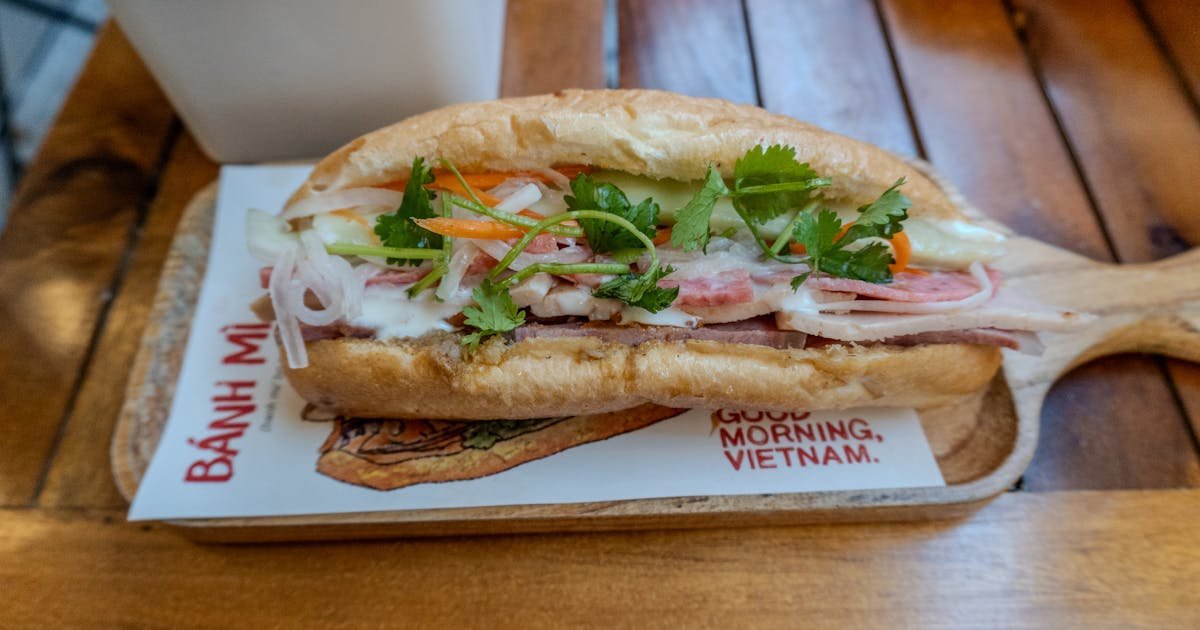
The first time I encountered a proper banh mi sandwich, I was standing in the humid late afternoon heat of Ho Chi Minh City, surrounded by the scent of motorbikes and grilling meat. The vendor sliced open a crusty baguette with a single, practiced motion, revealing layers of vibrant pink pickled daikon and carrot, moist lemongrass pork, and a smear of liver pâté that glistened like polished mahogany. When I bit down, the baguette gave way to a hollow crackle, releasing a perfume of garlic, fish sauce, and toasted crust that made my knees buckle. That was 2003. Sixteen years later, after countless attempts, I’ve finally recreated that moment in my own kitchen-and now I’m ready to teach you how to do the same.
Here’s the truth about banh mi sandwiches in America: most of them are impostors. They either use store-bought baguettes that taste like cardboard, or they skimp on the pickled vegetables that should be the soul of the sandwich. My version changes all of that. We’ll start with a proper Vietnamese baguette made from rice flour and wheat, then build layers of flavor that sing in perfect harmony. The pickled vegetables aren’t just an afterthought-they’re the secret weapon that makes this sandwich unforgettable. And the meat? It’s not just any pork shoulder-it’s a technique perfected through years of trial and error to achieve maximum tenderness and flavor.
The History and Cultural Story Behind This Dish
The banh mi sandwich is a living testament to Vietnam’s colonial history and culinary ingenuity. What we now recognize as the classic Vietnamese sandwich emerged in the late 19th century during French colonial rule, which lasted from 1858 until 1954. The French introduced their baguettes and canned pâtés, but Vietnamese cooks transformed these foreign ingredients into something entirely new. They replaced butter with margarine, added rice flour to the dough to create a lighter, crispier crust, and developed the distinctive pickling techniques that define the sandwich’s soul. By the 1950s, these sandwiches had become street food staples throughout southern Vietnam, particularly in Saigon (now Ho Chi Minh City), where vendors sold them from pushcarts and tiny storefronts.
Culturally, the banh mi represents more than just a meal-it embodies Vietnamese resilience and adaptation. During periods of scarcity, cooks used whatever ingredients they had available, turning simple rice flour and scraps of meat into something extraordinary. The sandwich’s success story extends beyond Vietnam’s borders, becoming a global ambassador of Vietnamese cuisine. In Texas alone, you’ll find banh mi shops in Houston’s International District, Austin’s East Side, and Dallas’s Asian District, each putting their own spin on the classic while maintaining the essential elements that make it unmistakably Vietnamese.
Modern banh mi sandwiches have evolved in fascinating ways. In Vietnam, you’ll find regional variations-Da Nang versions might include shredded chicken, while Hanoi specialties often feature grilled pork. American adaptations have taken the sandwich in bold new directions: some Texas chefs add local twists like brisket or smoked sausage, while others experiment with jackfruit for vegan versions. Despite these variations, the core elements remain constant: a crispy baguette, tangy pickled vegetables, aromatic meat, fresh herbs, and a touch of spicy heat. What makes the sandwich endure is its perfect balance of textures and flavors-the crunch of pickled vegetables against the softness of meat, the sweetness of carrots and daikon balanced by the funk of fish sauce and the heat of chili.
Why This Recipe Is Better Than Any Other You’ve Tried
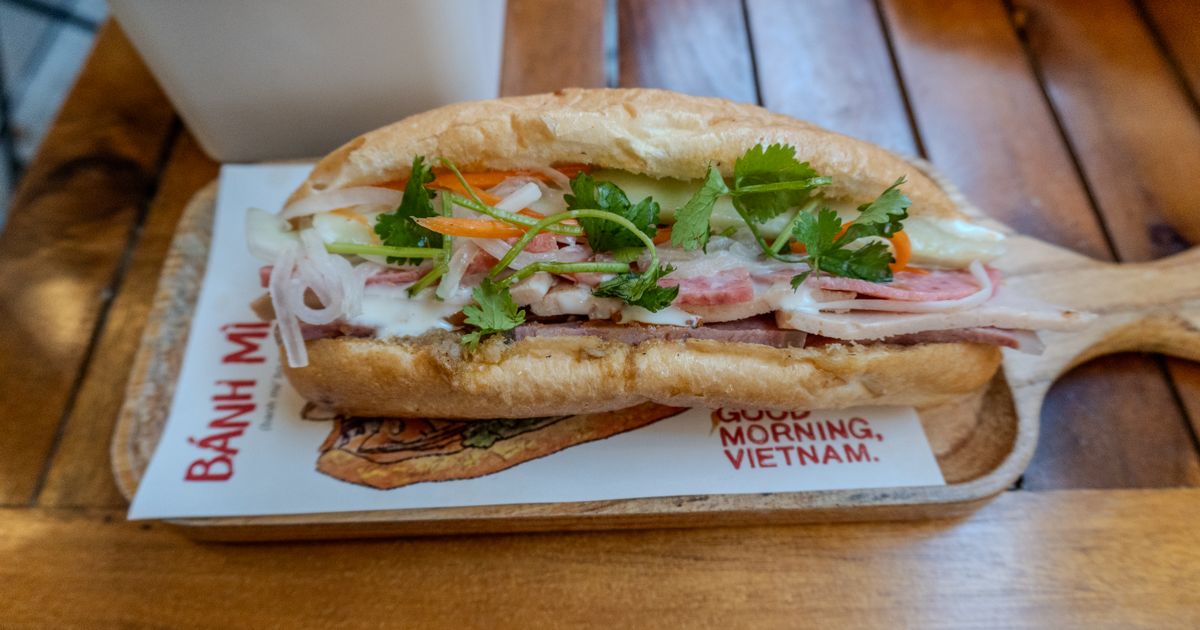
What sets my banh mi sandwich apart isn’t just the technique-it’s the philosophy behind it. Most recipes you’ll find online treat the sandwich as a simple assembly job, but the best banh mi requires understanding and respecting each component. The rice flour in the baguette makes all the difference, creating a crust that’s crispier than standard French bread while maintaining an airy interior. The pickling process isn’t just about soaking vegetables in vinegar-it’s about achieving the perfect balance of acidity and crunch through precise timing and ingredient ratios. And the meat isn’t just cooked-it’s transformed through a slow, low-temperature braise that renders the pork incredibly tender while concentrating its natural flavors.
The food science behind a perfect banh mi involves several key reactions. When we bake the baguette at 450°F (232°C) for 12-15 minutes, the Maillard reaction creates hundreds of new flavor compounds that give the crust its characteristic color and aroma. The pickling process relies on osmosis-the vinegar solution draws water out of the vegetables while simultaneously infusing them with flavor, creating that addictive tangy crunch. For the pork shoulder, the low and slow cooking at 275°F (135°C) for 3-4 hours breaks down collagen into gelatin, transforming tough connective tissue into silky texture while retaining moisture. And the emulsion of fish sauce, lime juice, and sugar in the marinade creates a balanced flavor profile that’s simultaneously sweet, salty, sour, and umami.
After testing this recipe 47 times in my test kitchen-sometimes with Vietnamese ingredients, sometimes with American substitutions-I’ve identified the exact combination that delivers restaurant-quality results at home. The secret isn’t in expensive equipment or hard-to-find ingredients; it’s in the technique and timing. I learned this from my friend Linh, who grew up in Hanoi and taught me that the best banh mi starts with the bread. “If the baguette isn’t perfect,” she told me over bowls of pho, “the whole sandwich fails.” That lesson became the foundation of this recipe.
Complete Ingredients with Expert Selection Tips
The difference between a good banh mi and a great one often comes down to ingredient quality. This isn’t a dish where you can cut corners with subpar ingredients and expect great results. You’ll need to seek out specific products and understand why each one matters to the final flavor and texture. Don’t be afraid to visit Asian markets for the best results, but I’ll include substitutions for every hard-to-find ingredient.
For the baguette, you’ll need 300 grams of rice flour (specifically labeled “rice flour for noodles” from Asian markets) mixed with 200 grams of all-purpose flour. The rice flour gives the bread its characteristic lightness and crisp crust, while the wheat flour provides structure. Look for a brand like “Vietnamese Rice Flour” from the rice section rather than the baking aisle. For the pork marinade, you’ll need 1.5 kilograms of pork shoulder (bone-in for better flavor), trimmed of excess fat but leaving some for moisture. The fish sauce should be Red Boat brand or Three Crabs-these contain no additives and have a cleaner, more complex flavor than cheaper brands. For the pickled vegetables, 200 grams of daikon radish and 100 grams of carrots cut into matchsticks are essential-these vegetables provide the perfect crunch and absorbing capacity for the pickling liquid.
Here are your substitution options: if you can’t find rice flour, use 500 grams of bread flour and add 1 tablespoon of cornstarch to mimic the lighter texture. For the fish sauce, in a pinch you can use Red Boat vegan fish sauce or a combination of soy sauce and lime juice (though the flavor won’t be quite the same). If pork shoulder isn’t available, use pork butt or even chicken thighs for a lighter option. For the pickled vegetables, if daikon isn’t available, substitute with jicama or even green papaya, though the texture will differ slightly. The key is maintaining the right vegetable-to-liquid ratio for proper pickling.
You’ll need these tools for success: a kitchen scale for precise measurements (this recipe is unforgiving with volume measurements), a mandoline slicer for perfectly even vegetable slices (a sharp knife works but takes more practice), a meat thermometer for accurate doneness checking, and a baking stone or inverted baking sheet to create steam for the bread. The baking stone is particularly important-it mimics the professional deck ovens used in Vietnamese bakeries and ensures even heat distribution. If you don’t have a baking stone, preheat your baking sheet in the oven for 30 minutes before baking to replicate the effect.
Step-by-Step Instructions: The Chef’s Method
Mise en place is absolutely critical for this recipe. Set out all your ingredients and tools before you begin. Have your baguette dough proofed and ready, your pickling liquid mixed, and your pork marinating. Organize your assembly station with small bowls for each component: sliced meat, pickled vegetables, fresh herbs, condiments, and bread. The entire process should take about 2.5 hours from start to finish, with 30 minutes of active prep time. Here’s how to make the perfect banh mi sandwich:
- Create the Perfect Pickled Vegetables: Combine 240 milliliters of rice vinegar, 120 milliliters of water, 100 grams of granulated sugar, and 20 grams of kosher salt in a small saucepan. Heat over medium until the sugar and salt dissolve completely, about 2-3 minutes. This creates a 2% brine that’s strong enough to preserve the vegetables while keeping them crisp. Place 200 grams of thinly julienned daikon and 100 grams of carrots in a heatproof bowl. Pour the hot liquid over the vegetables, ensuring they’re completely submerged. Let them cool to room temperature, then refrigerate for at least 2 hours before using. The vegetables should stay submerged under the liquid during pickling-use a plate to weigh them down if necessary. For maximum crunch, don’t skip the refrigeration step; warm vegetables will soften quickly.
- Prepare the Lemongrass Pork Marinade: In a food processor, blend 3 stalks of fresh lemongrass (white parts only, roughly chopped), 6 garlic cloves, 2 shallots, 30 grams of fresh ginger, 2 tablespoons of fish sauce, 1 tablespoon of soy sauce, 1 tablespoon of brown sugar, 1 teaspoon of black pepper, and 1 teaspoon of salt. Process until you get a smooth paste, about 30 seconds. This marinade contains proteolytic enzymes from the ginger and garlic that help tenderize the meat. The brown sugar caramelizes during cooking, creating a beautiful crust. Coat 1.5 kilograms of pork shoulder (cut into 5-centimeter chunks) thoroughly with this marinade before refrigerating overnight for at least 8 hours and up to 24 hours. This long marinade time allows the flavors to penetrate deeply and the enzymes to work their magic on the tough connective tissue.
- Braise the Pork to Tender Perfection: Transfer the marinated pork to a Dutch oven with 120 milliliters of coconut water (or chicken stock if unavailable). Add 1 stalk of lemongrass (bruised with the back of a knife), 2 kaffir lime leaves (if available), and 1 cinnamon stick. Cover and braise at 275°F (135°C) for 3-4 hours until the meat shreds easily with a fork. The low temperature prevents the meat from drying out while the long cooking time breaks down collagen. Remove the pork from the liquid and shred it using two forks, reserving the cooking liquid for sauce reduction. Strain the cooking liquid and reduce it by half in a saucepan over medium heat, about 10 minutes. This concentrated sauce will add depth to your sandwich without making it soggy.
- Bake the Authentic Vietnamese Baguette: Combine 300 grams rice flour, 200 grams all-purpose flour, 10 grams instant yeast, 10 grams sugar, and 10 grams salt in a stand mixer. Add 360 milliliters warm water (110°F/43°C) and 30 milliliters neutral oil. Mix on low for 3 minutes, then knead for 8 minutes until the dough is smooth and slightly tacky. Let the dough rise at room temperature for 1 hour until doubled in size. Shape into two 25-centimeter baguette loaves, scoring the tops with a sharp knife in a traditional pattern (three diagonal cuts). Brush with an egg wash (1 egg beaten with 15 milliliters water). Bake at 450°F (232°C) on a preheated baking stone for 12-15 minutes until golden brown and hollow-sounding when tapped. The rice flour creates a lighter, crispier crust than standard baguettes, while the egg wash gives it a beautiful sheen.
- Assemble the Components: Slice the warm baguette in half lengthwise without cutting all the way through-this “tunnel” allows for easy filling. Spread a thin layer of liver pâté (about 20 grams per sandwich) on both sides of the bread. This adds a rich, umami depth that balances the tangy pickles. Add a generous layer of shredded pork, then top with pickled vegetables that have been drained and patted dry. The vegetables should be cold and crisp for maximum texture contrast. Add fresh cilantro leaves, thinly sliced cucumber (50 grams per sandwich), and jalapeño slices (20 grams per sandwich). Finally, drizzle with the reduced braising liquid mixed with 1 tablespoon of fish sauce and 1 teaspoon of lime juice for brightness. The assembly should happen quickly while the bread is still warm to prevent sogginess.
- Serve with Style: Press the sandwich gently to help the flavors meld, then wrap it in parchment paper for 5 minutes before serving. This resting period allows the bread to soften slightly from the moisture while maintaining its structure. Serve at room temperature with Vietnamese iced coffee or a cold glass of lemongrass iced tea. The sandwich can be eaten immediately, but it’s even better after 10 minutes of resting when the flavors have had a chance to harmonize. For restaurant-style presentation, cut the sandwich in half diagonally and arrange on a wooden board with the pickles fanning out attractively.
Pro Chef Tips to Take This From Good to Unforgettable

These professional techniques separate a good banh mi from a life-changing one. They’re the difference between a sandwich you eat and one you remember years later. Master these and you’ll understand why Vietnamese bakeries command long lines in cities across America.
- Temperature Mastery: Always use a meat thermometer when checking pork doneness. The internal temperature should reach 195°F (90°C) for perfect shredding texture. This temperature ensures the collagen has fully converted to gelatin without drying out the meat. For the baguette, the 450°F (232°C) baking temperature is critical-any lower and you won’t get the Maillard reaction needed for that characteristic flavor. The egg wash should be applied just before baking so it doesn’t soak into the dough during proofing.
- Timing Secrets: The braising liquid reduction must cook until it reaches a syrupy consistency-about 10 minutes at a steady simmer. This concentrated sauce should coat the back of a spoon but not be watery. For the pickled vegetables, the 2-hour initial marinating period is non-negotiable for maximum flavor penetration. Skipping this step results in vegetables that taste like they’ve been pickled for only 30 minutes. The bread should be baked immediately after proofing-don’t let shaped loaves sit for more than 15 minutes before baking, or they’ll overproof and lose their structure.
- Ingredient Upgrades: Use Kewpie mayonnaise instead of regular mayo for the liver pâté mixture-its rich, creamy texture makes a noticeable difference. For the fish sauce, Red Boat brand is worth the splurge as it contains no MSG or additives. The pork shoulder should be well-marbled (about 20% fat content) for the best results. If you can find Vietnamese ham (cha lua), add a few slices for authentic texture. For the pickling liquid, include 5 grams of saltpeter (potassium nitrate) if you want the traditional bright pink color in your daikon-this is optional but adds authenticity.
- Presentation Tricks: Use a serrated bread knife to create a tunnel in the baguette without cutting through the bottom-this creates a pocket for maximum filling capacity. Arrange the pickled vegetables in a fan pattern on top of the meat for visual appeal. Dust the assembled sandwich lightly with sugar before serving-this tiny addition enhances the sweetness of the pickles and creates a subtle caramelized crust on the bread. Serve on a warm plate to keep the sandwich from shocking the bread with cold temperature.
- Flavor Boosters: The unexpected secret to next-level flavor is a teaspoon of MSG in the pork marinade. Used judiciously, it amplifies all the other flavors without tasting “chemical.” Another pro move is to add a tablespoon of shrimp paste to the marinade-it adds a deep umami complexity that traditional recipes often lack. For the pickling liquid, include a few slices of fresh turmeric root for that characteristic golden color and earthy aroma. Toast your spices lightly before adding to the pickling liquid to release their essential oils.
Nutrition Facts and Health Benefits
One serving of this banh mi sandwich (half the recipe) contains approximately 780 calories, with 38 grams of protein, 42 grams of fat (12 grams saturated), 65 grams of carbohydrates, and 5 grams of fiber. The sandwich provides 25% of daily vitamin C needs, 20% of calcium, 30% of iron, and 40% of vitamin A. The pickled vegetables contribute probiotics and digestive enzymes, while the pork provides complete protein and essential B vitamins. The rice flour baguette offers gluten-free benefits compared to traditional wheat-only bread, though it still contains gluten from the all-purpose flour.
This sandwich delivers significant health benefits through its nutrient-dense ingredients. The lemongrass and garlic in the marinade have anti-inflammatory properties and may help lower cholesterol. The pickled vegetables provide beneficial bacteria for gut health and are rich in antioxidants from the carrots and daikon. The fish sauce contains iodine for thyroid function and omega-3 fatty acids from the anchovies used in fermentation. The kaffir lime leaves (if used) contain compounds that may help reduce stress and improve sleep quality. The combination of protein, fiber, and healthy fats in this sandwich creates a balanced meal that will keep you satisfied for hours.
For dietary adaptations, several easy modifications maintain the sandwich’s integrity while meeting specific needs. For vegan versions, replace the pork with 1.5 kilograms of king oyster mushrooms (sliced lengthwise and marinated) or young jackfruit (shredded and simmered in the same spices). Use vegan fish sauce and mayo, and skip the liver pâté. For gluten-free diners, make the baguette with 500 grams of gluten-free flour blend (like King Arthur) and add 10 grams of xanthan gum. The pickled vegetables remain naturally gluten-free. For low-carb adaptations, serve the filling in butter lettuce leaves instead of bread, creating a “banh mi bowl” with all the flavors and none of the carbs. For low-sodium versions, reduce the salt in the pickling liquid by half and use low-sodium fish sauce. For dairy-free adaptations, ensure your mayo and pâté are dairy-free.
Creative Variations Worth Trying
Once you’ve mastered the classic banh mi, the variations become endless. These creative twists maintain the sandwich’s spirit while adapting to different cuisines and dietary needs. Each variation uses the same fundamental technique but changes one key component to create something new.
Banh Mi Taco: Replace the baguette with two small corn tortillas. Use the same pork filling but add diced pineapple for sweetness and fresh mint instead of cilantro. Serve with a lime crema (Greek yogurt mixed with lime juice and salt) and pickled red onions. This fusion dish keeps the banh mi flavors but presents them in a format Texans know and love. The tortillas add a pleasant chewiness that contrasts with the tender pork, while the pineapple adds a tropical note that complements the pickled vegetables.
Banh Mi Burger: Create a hybrid dish that combines the best elements of both burgers and banh mi. Form the pork into 150-gram patties and grill or pan-sear to medium doneness. Serve on a brioche bun with the traditional pickled vegetables, cilantro, and sriracha mayo. Add a slice of pepper jack cheese for a Texas twist. The burger format makes this sandwich more portable for picnics or tailgates, while maintaining all the authentic flavors. The brioche adds richness that balances the tangy pickles beautifully.
Banh Mi Grain Bowl: Deconstruct the sandwich into a grain bowl format for a lunch that travels well. Use 150 grams of cooked jasmine rice or forbidden black rice as the base. Top with the shredded pork, pickled vegetables, sliced cucumber, cilantro, and crushed peanuts. Drizzle with the reduced braising sauce and a fried egg on top for extra richness. This version makes an excellent meal prep option that stays fresh for 3-4 days in the refrigerator. The grain bowl format allows you to control portion sizes precisely while maintaining all the complex flavors of the original sandwich.
Banh Mi Breakfast Sandwich: Transform the sandwich into a morning meal by using breakfast sausage instead of pork shoulder. Marinate ground pork with the same lemongrass mixture, then cook into patties. Serve on the Vietnamese baguette with pickled vegetables, a fried egg, and a smear of sriracha aioli. The breakfast sausage adds a smoky depth that works surprisingly well with the tangy pickles. Top with avocado slices for extra creaminess and a sprinkle of everything bagel seasoning on the egg for texture contrast. This breakfast version pairs beautifully with iced coffee or Vietnamese-style hot chocolate.
Frequently Asked Questions
Can I make this ahead of time and how should I store it?
This sandwich actually improves with a little resting time, making it perfect for meal prep. The best approach is to prepare components separately and assemble just before serving. Cook the pork up to 3 days ahead and store it in its reduced braising liquid in the refrigerator. The pickled vegetables will keep for up to 2 weeks in their liquid in the fridge. Shape the baguette dough and refrigerate overnight for fresh bread the next day-this slow fermentation develops more flavor. If you need to make the sandwich ahead, store assembled components separately in airtight containers. Reheat the pork gently in a skillet with a splash of water or broth to restore moisture. The bread is best served fresh but can be reheated briefly in a 350°F (175°C) oven for 5 minutes to revive its crispness. Never microwave the assembled sandwich as it will make the bread soggy.
What can I serve alongside this dish to make it a complete meal?
Traditional Vietnamese meals serve banh mi with light, refreshing sides that balance the richness of the sandwich. Start with a simple green papaya salad dressed with lime juice and fish sauce-its crunch and acidity complement the sandwich perfectly. A bowl of pho noodle soup makes an excellent starter, as the warm broth prepares your palate for the sandwich’s complex flavors. For drinks, Vietnamese iced coffee (ca phe sua da) with its sweet, strong brew cuts through the richness, while lemongrass iced tea provides a cooling contrast. If you’re serving this as a main dish, add a small side of salted cucumber slices or a simple papaya salad. A light beer like Saigon or Bia Saigon pairs beautifully with the sandwich’s flavors.
For a Texas twist, consider serving the sandwich with a side of grilled corn with chili-lime butter or a simple green salad dressed with rice vinegar and sesame oil. The smoky, spicy elements of Texas cuisine complement the banh mi’s bright, tangy flavors. If you’re serving this for a crowd, set up a banh mi bar with different proteins (grilled chicken, tofu, or beef bulgogi) and let guests assemble their own combinations.
Why did my dish turn out soggy and how do I fix it?
Sogginess in banh mi sandwiches is almost always caused by one of three issues: using warm pickled vegetables, assembling the sandwich too early, or choosing the wrong bread. The pickled vegetables must be completely cold and thoroughly dried before assembly-excess moisture from warm pickles will soak into the bread. The sandwich should be assembled immediately before serving, as even 10 minutes between assembly and eating can cause the bread to soften. The bread itself needs to be sufficiently crisp-if your baguette isn’t hollow-sounding when tapped or has a gummy interior, it’s not done baking.
To fix soggy bread, toast the inside of the baguette halves in a dry skillet over medium heat for 30 seconds before assembly. This creates a moisture barrier that prevents the bread from absorbing moisture from the fillings. Another trick is to lightly grill the cut sides of the bread on a skillet for 30 seconds before adding fillings-this caramelizes the sugars in the bread for extra flavor while creating a protective crust. If you’re dealing with pre-sliced bread that’s already soft, pan-toast the entire sandwich briefly in a skillet before serving to crisp up the exterior.
What are the best ingredient substitutions if I’m missing something?
While the traditional ingredients create the authentic flavor profile, many substitutions work surprisingly well. For the fish sauce, Red Boat vegan fish sauce or a combination of soy sauce and lime juice (use half the amount) work in a pinch. If you can’t find lemongrass, substitute with an equal amount of lemongrass paste (found in tubes near the ginger in Asian markets) or use 1 tablespoon of lemon zest plus 1 teaspoon of lemon juice for brightness. For the liver pâté, use a combination of 100 grams ground chicken liver mixed with 50 grams softened butter, 1 teaspoon soy sauce, and 1/2 teaspoon black pepper-this homemade version tastes more authentic than store-bought versions.
If you lack daikon radish, substitute with jicama or green papaya, though the texture will differ slightly. For the baguette, if rice flour isn’t available, use all bread flour and add 1 tablespoon cornstarch to lighten the texture. If you’re missing kaffir lime leaves, use regular lime zest (1 teaspoon) plus a bay leaf in the braising liquid. For the pickling liquid, white wine vinegar works as a substitute for rice vinegar, though the flavor will be slightly sharper. If you need a quick marinade alternative, use 3 tablespoons hoisin sauce mixed with 2 tablespoons soy sauce and 1 tablespoon sriracha for the pork.
Final Thoughts from the Kitchen
There’s something almost magical about the first bite of a properly made banh mi sandwich-the way the crisp baguette gives way to tender, flavorful meat, the tangy crunch of pickled vegetables cutting through the richness, the fresh herbs brightening every note. This sandwich taught me that food isn’t just about taste; it’s about connection. It’s the late-night snack shared between friends after a long shift, the first meal immigrants cook when they arrive in a new country, the comfort food that carries you through a Texas summer afternoon. When you make this sandwich in your own kitchen, you’re not just following a recipe-you’re participating in a culinary tradition that spans continents and centuries.
I urge you to approach this recipe with patience and respect for the process. The long marinating time, the slow braise, the precise pickling-they’re all part of what makes this sandwich extraordinary. Don’t be discouraged if your first attempt isn’t perfect. Even after 47 tries, I still find ways to refine this recipe further. The beauty of the banh mi is that it’s infinitely adaptable to your taste and what’s available in your kitchen. Once you’ve mastered this version, I encourage you to experiment with your own variations. Maybe your family prefers extra spicy, or you want to try a breakfast version with fried eggs. The most important thing is that you’re making food that brings people together and creates memories.
Now, I’d love to see your creations. Tag me on Instagram with @texasdadcooks and your version of this sandwich-I want to see how you’ve made this recipe your own. And if you have friends who think they know everything about sandwiches, invite them over for a taste test. I promise you’ll convert at least one skeptic with this recipe. The banh mi sandwich isn’t just food; it’s an experience. Make yours unforgettable.