

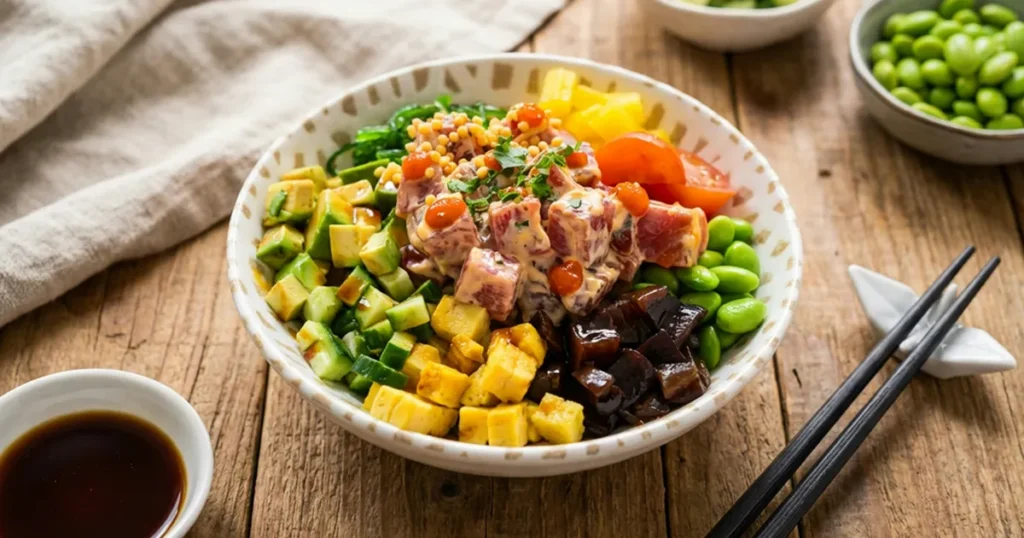
One of the most common pitfalls I’ve observed in my decade-plus journey helping people achieve their health goals isn’t about grand dietary overhauls, but rather the seemingly small, daily decision of what to eat for lunch. Many start the day with good intentions, only to find themselves staring into a fridge at noon, or worse, ordering something quick and unhealthy, derailing their progress entirely. It’s a moment of truth that can make or break your weight loss efforts. That’s why diving deep into healthy lunch ideas for weight loss isn’t just about recipes; it’s about strategy, understanding your body, and making consistent, informed choices that propel you towards your goals, not away from them.
The Power of Protein and Fiber
When crafting a lunch for weight loss, protein and fiber are your non-negotiable allies. Protein provides the building blocks for muscle and, crucially, a profound sense of satiety. It slows down digestion, keeping hunger pangs at bay for hours after your meal, which is absolutely vital in preventing those afternoon snack attacks that can quickly add unwanted calories. Think lean chicken breast, fish, tofu, lentils, or Greek yogurt as foundational elements.
Fiber, equally important, contributes to fullness without adding a significant caloric load. It aids digestive health, helps regulate blood sugar levels, and is found abundantly in vegetables, fruits, whole grains, and legumes. A lunch rich in both means you’re not just eating to fill a void; you’re nourishing your body, stabilizing energy, and proactively managing your appetite. Imagine a vibrant salad brimming with leafy greens, colorful bell peppers, chickpeas, and grilled salmon – a perfect example of this powerful duo in action.
Smart Carbohydrates for Sustained Energy
Carbohydrates often get a bad rap in weight loss circles, but the truth is, not all carbs are created equal. For a healthy lunch that supports weight loss, the focus should be on complex carbohydrates. These are your whole grains like quinoa, brown rice, farro, and whole-wheat bread, as well as starchy vegetables such as sweet potatoes and butternut squash. They provide sustained energy, preventing the sharp blood sugar spikes and subsequent crashes that leave you feeling sluggish and craving more sugar.
In contrast, refined carbohydrates, found in white bread, pastries, and sugary drinks, offer little nutritional value and contribute to rapid energy fluctuations. My advice for 2026 and beyond is to prioritize quality over quantity when it comes to carbs. A sensible portion of complex carbs can be incredibly beneficial, providing the energy you need to power through your afternoon without overeating. Pairing them with protein and fiber further blunts their impact on blood sugar, creating a truly balanced and satisfying meal.
Healthy Fats: Don’t Fear Them!
For decades, fat was demonized, but we now understand that healthy fats are essential for overall well-being and, yes, even for weight loss. Incorporating sources of monounsaturated and polyunsaturated fats into your lunch can significantly enhance satiety and nutrient absorption. These fats, found in avocados, nuts, seeds, and olive oil, contribute to the feeling of fullness and can help regulate appetite by influencing hormone production. They also support vital bodily functions, including hormone synthesis and vitamin absorption.
However, the key with fats, as with all energy-dense foods, is portion control. A quarter of an avocado, a small handful of almonds, or a tablespoon of extra virgin olive oil for dressing can make a world of difference. These healthy fats ensure your meal is not only satisfying but also nutritionally complete, providing essential fatty acids that your body cannot produce on its own. They are a crucial component of balanced healthy lunch ideas for weight loss, ensuring you feel nourished, not deprived.
The Role of Omega-3s
Among healthy fats, omega-3 fatty acids deserve a special mention. Found in fatty fish like salmon, mackerel, and sardines, as well as flaxseeds and walnuts, omega-3s are renowned for their anti-inflammatory properties and benefits for heart and brain health. While not directly a weight-loss magic bullet, reducing inflammation can indirectly support a healthier metabolism and overall well-being, which are conducive to sustainable weight management. Including a source of omega-3s in your lunch, perhaps a salmon salad or a sprinkle of flaxseeds on your soup, adds a powerful nutritional punch.
Meal Prep: Your Secret Weapon
Let’s be honest, the biggest hurdle to consistent healthy eating is often convenience. This is where meal prepping transforms from a trend into an indispensable strategy for weight loss. By dedicating a few hours once or twice a week to prepare your healthy lunch ideas, you eliminate decision fatigue and the temptation of less healthy, last-minute options. Imagine opening your fridge on a Tuesday, knowing a delicious, pre-portioned, and nutrient-dense lunch is waiting for you – it’s a game-changer.
Meal prepping doesn’t have to be complicated. Start with simple recipes that can be made in bulk, like a large batch of quinoa, roasted vegetables, or grilled chicken. Portion them into individual containers, and you’re set for several days. This proactive approach ensures you consistently fuel your body with meals aligned with your weight loss goals, saving you time, money, and countless calories from impulse buys. It empowers you to take control of your nutrition, rather than letting hunger dictate your choices.
Beyond the Plate: Mindful Eating & Hydration
While the ingredients on your plate are paramount, how you consume your healthy lunch is equally significant for weight loss. Mindful eating involves paying full attention to your meal – its flavors, textures, and aromas – without distractions. This practice helps you recognize your body’s hunger and fullness cues more accurately, preventing overeating and enhancing satisfaction. Slowing down, chewing thoroughly, and savoring each bite can transform your lunch experience from a rushed necessity into a moment of nourishment.
Hydration is another often-overlooked component of a successful weight loss journey. Drinking enough water throughout the day, and especially before and during lunch, can significantly impact satiety and metabolism. Sometimes, what we perceive as hunger is actually thirst. Aim to drink a glass of water before your meal and keep a water bottle handy. Proper hydration supports every bodily function, including fat metabolism, making it an essential, yet simple, addition to your healthy lunch routine in 2026.
Key Takeaways
- Prioritize Protein & Fiber: Build your lunches around lean protein and abundant fiber sources to maximize satiety, stabilize blood sugar, and reduce overall calorie intake.
- Choose Smart Carbs & Healthy Fats: Opt for complex carbohydrates for sustained energy and incorporate healthy fats in moderation to enhance satisfaction and nutrient absorption, avoiding refined options.
- Embrace Meal Preparation: Dedicate time to batch cook and portion your meals in advance to ensure consistent healthy choices, minimize decision fatigue, and prevent unhealthy impulse eating.
- Practice Mindful Eating & Hydration: Pay attention to your body’s hunger cues, eat slowly, and ensure adequate water intake before and during meals to support satiety and overall metabolic health.
Frequently Asked Questions
Can I still eat out and lose weight?
Absolutely! The key is making smart choices. Look for grilled or baked options instead of fried, ask for dressings and sauces on the side, and prioritize dishes rich in vegetables and lean protein. Don’t be afraid to customize your order or ask for half portions. Planning ahead by checking menus online can also be incredibly helpful.
How much protein should I aim for at lunch?
While individual needs vary, a good general guideline for weight loss is to aim for 20-30 grams of protein at lunch. This could look like 3-4 ounces of grilled chicken or fish, a cup of lentils, or a substantial serving of tofu. This amount is typically effective for promoting satiety and supporting muscle maintenance.
Are low-carb lunches always better for weight loss?
Not necessarily. While reducing refined carbohydrates is beneficial, completely eliminating complex carbohydrates from your lunch might leave you feeling deprived and lacking energy. A balanced approach, incorporating sensible portions of whole grains and starchy vegetables alongside protein and healthy fats, often proves more sustainable and effective for long-term weight loss.
What if I don’t have much time for lunch?
This is where meal prep shines! Quick options include pre-made salads with grilled chicken or hard-boiled eggs, overnight oats (savory versions can be great for lunch), or even a high-quality protein shake blended with spinach and berries. Keep canned tuna or salmon, whole-grain crackers, and pre-cut veggies on hand for emergency healthy lunches.
Conclusion
Embarking on a weight loss journey doesn’t have to mean sacrificing deliciousness or feeling constantly hungry. By integrating these healthy lunch ideas for weight loss into your routine, you’re not just choosing a meal; you’re choosing consistency, nourishment, and a powerful step towards your goals. Remember, sustained progress comes from small, deliberate actions taken day after day. Fuel your body wisely, listen to its signals, and enjoy the journey to a healthier, more vibrant you.