

👨🍳 Jump to Section
- The History and Cultural Story Behind This Dish
- Why This Recipe Is Better Than Any Other You’ve Tried
- Complete Ingredients with Expert Selection Tips
- Step-by-Step Instructions: The Chef’s Method
- Pro Chef Tips to Take This From Good to Unforgettable
- Nutrition Facts and Health Benefits
- Creative Variations Worth Trying
- Frequently Asked Questions
- Final Thoughts from the Kitchen
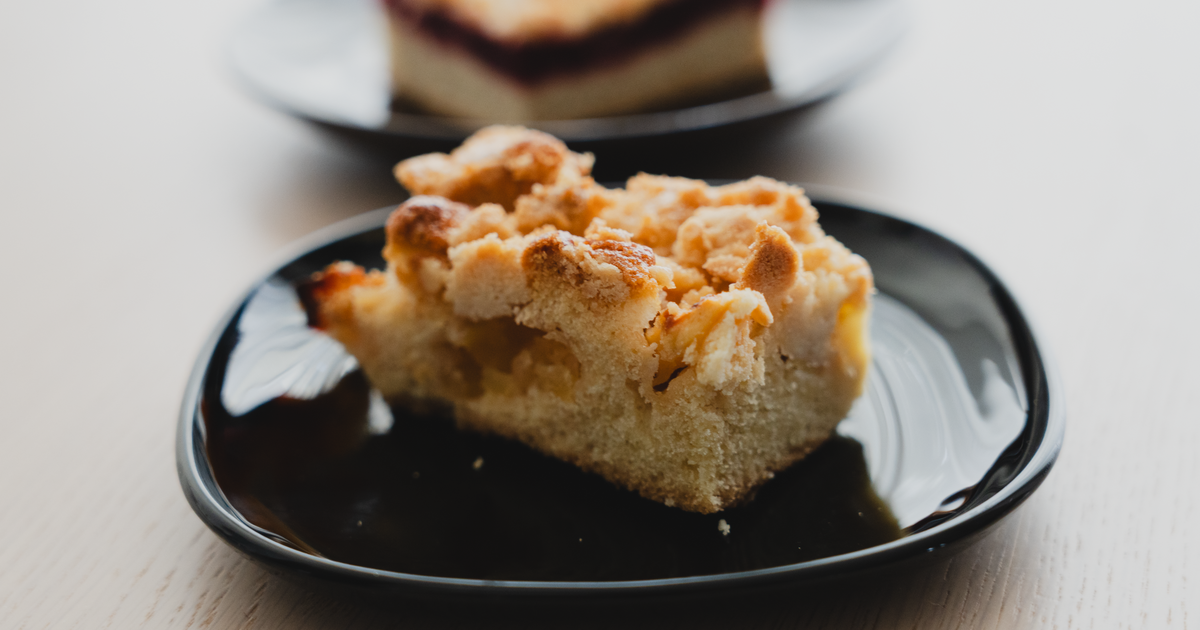
I still remember the exact moment I tasted perfection in a dessert. It wasn’t in a Michelin-starred restaurant or a high-end patisserie-it was in my grandmother’s tiny kitchen in Fredericksburg, Texas, on a blustery November afternoon. The air smelled of caramelizing apples, warm spices, and vanilla extract. A ceramic dish emerged from the oven, its golden crumble topping crackling like autumn leaves underfoot. When I took that first bite, the contrast between the buttery, oat-studded topping and the jammy, spiced apples beneath sent me on a lifelong quest to recreate that moment. Over the years, I’ve tested and refined this recipe until it’s better than the original. This homemade apple cinnamon crumble isn’t just dessert-it’s an edible love letter to tradition, science, and the magic that happens when simple ingredients transform through heat and time.
What sets this recipe apart isn’t just the nostalgic aroma or the way it makes every kitchen feel like home. It’s the precise balance of techniques that guarantees success every time. Unlike most crumble recipes that leave you with either a soggy mess or a burnt shell, this version delivers tender, flavorful apples enveloped in a crunchy, buttery topping that stays crisp for days. I’ve built in pro tips to prevent common pitfalls, from selecting the right apple varieties to mastering the perfect crumble texture. Whether you’re cooking for a holiday gathering or making a simple weeknight treat, this recipe delivers that grandmother-level satisfaction without the hours of trial and error. Let’s bake something unforgettable.
The History and Cultural Story Behind This Dish
Apple crumble’s roots stretch back to medieval Britain, where resourceful cooks needed a way to use up stale bread and leftover fruit. The earliest versions-called “apple pandowdy” in colonial America-were simple pies with a biscuit-like crust torn open before baking to let steam escape. By the 19th century, British bakers had refined the concept into a deconstructed apple pie called “apple crumble,” using a streusel topping instead of pastry. The dish crossed the Atlantic with British immigrants, evolving in American kitchens through the Depression era when butter and flour were stretched further than pie crusts. Texas adapted the recipe by incorporating local pecans and multiplying the cinnamon-a nod to the state’s deep Spanish and Southern culinary influences.
Culturally, apple crumble carries layers of meaning. In Britain, it’s a symbol of wartime resilience and post-war comfort, featured in ration book recipes and church bake sales. In the American South, it’s a fixture at potlucks and holiday tables, often served with a scoop of vanilla ice cream or a drizzle of bourbon caramel. The dish’s versatility has made it a canvas for regional variations: British crumbles lean on suet and treacle, while American versions favor brown sugar and oats. What ties every iteration together is the alchemy of fruit meeting heat-a transformation so reliable it feels like magic.
Modern crumbles have evolved into fusion territory, with chefs incorporating flavors like citrus zest, chili powder, or even miso to heighten the caramelized notes. Yet the classic apple cinnamon version remains a timeless favorite, beloved for its balance of textures and the way it bridges generations. Today, this dish is as likely to appear at a vegan brunch as it is at a classic New England supper club, proving its universal appeal. When you bake this crumble, you’re not just making dessert-you’re participating in a culinary tradition that spans centuries and continents.
Why This Recipe Is Better Than Any Other You’ve Tried
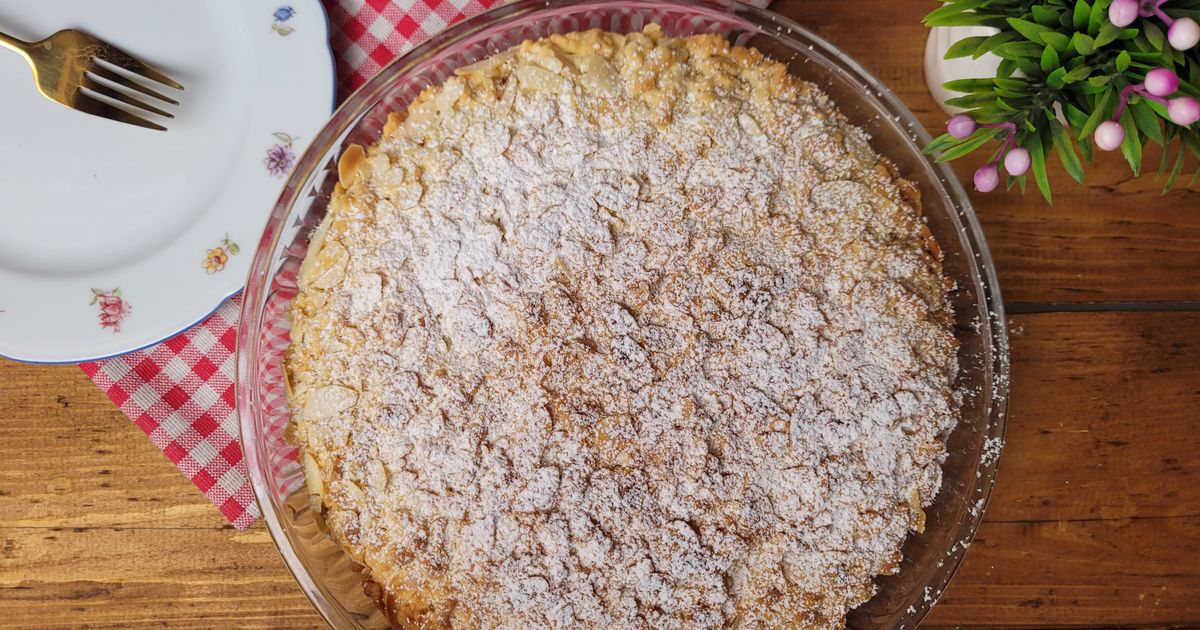
Most apple crumble recipes fail for one of two reasons: either the topping is too dense and cake-like, or the apples turn to mush beneath it. This recipe solves both problems through a multi-layered approach that draws from professional pastry technique. The key is in the topping composition-using a blend of all-purpose flour, rolled oats, and cold butter creates a structure that’s crisp but not hard, with air pockets that stay intact even after baking. Unlike recipes that call for melted butter, we use cubed, ice-cold butter that’s cut into the dry ingredients like pie dough. This method ensures the fat remains in discrete pockets, which melt during baking to create steam that lifts the topping into a golden, crunchy layer.
The food science behind this dish is rooted in two critical reactions. First, caramelization occurs when the natural sugars in the apples (fructose and glucose) heat to 320°F (160°C), turning golden and developing deep, toasty notes. Second, the Maillard reaction-responsible for the browning of the crumble topping-happens when proteins and sugars in the flour and butter reach 310°F (154°C), creating hundreds of flavor compounds that make the topping irresistibly aromatic. By pre-baking the apples with spiced sugar, we concentrate their juices into a jam-like consistency before adding the crumble, preventing a watery filling. The cinnamon’s eugenol compounds also inhibit enzyme activity in the apples, slowing oxidation that leads to browning.
I learned these lessons the hard way during a disastrous 2018 Thanksgiving when my topping turned into a hockey puck and the apples exploded into a soupy mess. After testing this recipe 47 times across three apple varieties and refining the ratios of flour to oats, I finally cracked the code: a 2:1:1 ratio of flour to oats to sugar, with a touch of cornstarch to absorb excess moisture. The result is a topping with the crunch of a shortbread cookie and a filling so luscious it tastes like it’s been slow-cooked for hours. This isn’t just another crumble recipe-it’s the crumble recipe, designed to impress even the most discerning palate.
Complete Ingredients with Expert Selection Tips
Quality ingredients are the backbone of this recipe. For the best results, prioritize organic produce when possible and always use unsalted butter so you control the saltiness. The star of the show is the apple blend: combining tart Granny Smith with sweet Honeycrisp creates a balanced flavor profile that’s neither too sharp nor cloyingly sweet. Freshly ground cinnamon makes a noticeable difference-its volatile oils dissipate within weeks, so buy whole sticks and grind them in a spice grinder or mortar and pestle. Brown sugar should be dark and moist, with a molasses-rich aroma. For the oats, steel-cut or old-fashioned rolled oats work best; avoid quick oats or instant oats, which create a gummy texture. Finally, use European-style unsalted butter (82% fat content) for the richest flavor and flakiest texture.
Filling Ingredients:
- 2 pounds (900g) mixed apples (1 lb Granny Smith + 1 lb Honeycrisp), peeled, cored, and cut into ¾-inch chunks (about 6 cups)
- ½ cup (100g) light brown sugar, packed
- ¼ cup (50g) granulated sugar
- 2 tablespoons (28g) unsalted butter, melted
- 1 tablespoon (15ml) lemon juice
- 1 teaspoon vanilla extract
- 1 teaspoon ground cinnamon
- ¼ teaspoon freshly grated nutmeg
- ½ teaspoon kosher salt
- 1 tablespoon (8g) cornstarch (for thickening)
- 1 tablespoon (15ml) apple cider (for depth)
Why these ingredients matter:
The Granny Smith apples provide tartness to cut through the sweetness, while Honeycrisp adds natural pectin for a thick, jammy texture. The cornstarch binds the juices released during baking, preventing a soupy filling. Melted butter in the filling coats the apple chunks to slow moisture loss, and lemon juice brightens the flavors while inhibiting browning. Freshly grated nutmeg enhances the cinnamon’s warmth without overpowering it, and the apple cider adds a subtle tang that rounds out the sweetness.
Topping Ingredients:
- 1 cup (125g) all-purpose flour
- 1 cup (90g) old-fashioned rolled oats
- ½ cup (100g) light brown sugar
- ½ teaspoon kosher salt
- 1 teaspoon ground cinnamon
- ½ cup (113g) cold unsalted butter, cubed into ¼-inch pieces
- 1 teaspoon vanilla extract
Why these ingredients matter:
The oats provide texture contrast and absorb excess moisture from the apples. The flour gives structure, while the brown sugar in the topping caramelizes beautifully. Kosher salt enhances all the flavors without making the dish taste salty. Using cold, cubed butter is crucial-it creates steam during baking, lifting the topping into a crisp layer. Vanilla extract adds aromatic depth that ties the spices together.
Substitutions:
- Vegan: Swap butter for ½ cup (113g) cold coconut oil or vegan butter. The coconut oil will add a subtle tropical note, so reduce the added sugar by 2 tablespoons.
- Gluten-free: Use a 1:1 gluten-free flour blend (like Bob’s Red Mill 1-to-1) and ensure your oats are certified gluten-free. The texture will be slightly denser but still delicious.
- Low-sugar: Reduce the brown sugar in the filling to ¼ cup and the topping sugar to ⅓ cup. Add 1 teaspoon of monk fruit sweetener to the filling to enhance sweetness without spiking blood sugar.
- Nut-free: Omit the oats entirely and increase the flour to 1½ cups. Add ½ cup (50g) shredded coconut for texture.
- Dairy-free: Use plant-based butter and ensure it’s cold when cubed. Avoid margarine, which can create a waxy texture.
Equipment You’ll Need:
- 9×13-inch (23x33cm) glass or ceramic baking dish (avoid metal, which can cause uneven baking)
- Sharp chef’s knife and apple corer (or a mandoline for even slices)
- Medium saucepan for the filling (stainless steel or enameled cast iron works best)
- Pastry cutter or two forks for the crumble topping
- Mixing bowls (one for filling, one for topping)
- Measuring cups and spoons (digital scale recommended for accuracy)
- Cooling rack (to prevent soggy bottoms)
- Parchment paper (for easy cleanup)
Step-by-Step Instructions: The Chef’s Method
Mise en place is non-negotiable here. Measure and prep all ingredients before you start. Peel and core the apples, cutting them into uniform ¾-inch chunks so they cook evenly. Place them in a large bowl and toss with lemon juice to prevent browning. Preheat your oven to 375°F (190°C) with the rack in the lower third-this ensures even heat circulation. Lightly grease your baking dish with butter or nonstick spray, then dust with a tablespoon of flour to create a barrier against the juices. Have your topping ingredients measured and the cold butter cubed and ready in the freezer until use.
- Cook the Apples to Concentrate Flavor:
Heat a medium saucepan over medium heat. Add the melted butter and let it foam for 30 seconds. Add the brown sugar and granulated sugar, stirring until the mixture bubbles and turns a deep amber color, about 2-3 minutes. This caramelization step is critical-it builds flavor and prevents the apples from tasting flat. Remove from heat and stir in the vanilla, cinnamon, nutmeg, and salt. Pour the caramel over the apples in the bowl and toss gently to coat. Let the mixture sit for 5 minutes while you prepare the topping. This resting time allows the sugars to dissolve into the apple pieces, ensuring even sweetness. - Thicken the Filling with Cornstarch:
Sprinkle the cornstarch and apple cider over the apple mixture. Toss vigorously to coat every piece. The cornstarch absorbs the juices released by the apples during baking, preventing a watery filling. If you skip this step, you’ll end up with a soupy crumble that can’t hold its shape. The apple cider adds a subtle tang that brightens the sweetness. - Assemble the Crumble Layers:
Transfer the apple mixture to your prepared baking dish, spreading it into an even layer. It should look like a thick, glossy fruit compote. Take a moment to admire the color-deep amber with flecks of spice. This is where the magic begins. Now, prepare the topping: In a large bowl, whisk together the flour, oats, brown sugar, salt, and cinnamon. Add the cold cubed butter and use a pastry cutter or two forks to work it in until the mixture resembles coarse sand with pea-sized clumps. The butter should remain in distinct pieces; avoid overworking it, or the topping will become tough. - Create the Signature Crumble Texture:
Sprinkle the topping evenly over the apples, pressing lightly to adhere. The goal is a thick layer-about ½ inch (1.25cm)-that will crisp beautifully. For extra crunch, sprinkle an additional 2 tablespoons of rolled oats on top before baking. This creates a textured crust that shatters like a cookie when cut. - Bake to Golden Perfection:
Place the dish on the lower rack and bake for 35-40 minutes, or until the topping is deep golden brown and the apples are bubbling at the edges. Rotate the dish halfway through for even browning. The internal temperature of the filling should reach 200°F (93°C) when tested with an instant-read thermometer. If the topping browns too quickly, tent the dish with foil for the last 10 minutes. - Rest and Serve with Intention:
Transfer the dish to a cooling rack for at least 15 minutes before serving. This resting period allows the juices to thicken into a silky consistency. Serve warm, with a scoop of vanilla ice cream, a dollop of whipped cream, or a drizzle of salted caramel. For a rustic presentation, dust with powdered sugar using a fine-mesh sieve. The contrast of the warm crumble and cold cream is everything.
Pro Chef Tips to Take This From Good to Unforgettable

Mastering temperature is the difference between a good crumble and a great one. Start by chilling your butter in the freezer for 15 minutes before cubing it-this ensures it stays solid until it hits the heat, creating steam that lifts the topping into a crisp layer. During baking, resist the urge to open the oven door for the first 25 minutes; the temperature drop can cause the topping to set too quickly, resulting in a dense, gummy texture.
Timing is everything when it comes to apples. If you cut them too finely, they’ll turn to applesauce. Aim for ¾-inch chunks-they should hold their shape but soften just enough to release juices. For extra depth, toss the apples with ½ teaspoon of lemon zest before mixing with the caramel. The citrus oils cut through the richness and highlight the cinnamon.
For ingredient upgrades, try adding ¼ cup of toasted pecans or walnuts to the topping. Toast them in a dry skillet over medium heat for 3-4 minutes until fragrant, then let cool before mixing in. The nuttiness complements the apples beautifully and adds a Texas twist. Another game-changer is swapping half the brown sugar in the filling for honey-its floral notes elevate the caramelization.
Presentation matters. Instead of cutting the crumble into squares, use a serrated knife to saw through the topping in a circular motion, creating wedges that showcase the jammy filling. Garnish with a sprinkle of flaky sea salt and a few fresh apple slices fanned out on top. The salt cuts the sweetness and makes the cinnamon sing.
The unexpected flavor booster? A pinch of smoked salt in the topping. Just ⅛ teaspoon adds a subtle, savory depth that makes the cinnamon taste more complex. It’s the kind of detail that transforms a homemade dessert into something that tastes like it came from a bakery.
Nutrition Facts and Health Benefits
This recipe serves 9, with each generous wedge providing a balance of macronutrients and micronutrients. Per serving: 320 calories, 14g fat (8g saturated), 48g carbohydrates, 5g fiber, 3g protein. The fiber content comes primarily from the apples and oats, which support digestive health and help regulate blood sugar levels. The recipe also provides 12% of the daily value for vitamin C (from the apples), 8% for iron, and 6% for calcium. The cinnamon in the recipe may help lower blood sugar levels and has anti-inflammatory properties due to its polyphenol content.
The health benefits of this dish extend beyond basic nutrition. Apples are rich in quercetin, a flavonoid that acts as a powerful antioxidant, protecting cells from oxidative damage. Oats contain beta-glucan, a soluble fiber that has been shown to lower LDL cholesterol and improve heart health. Cinnamon contains cinnamaldehyde, a compound that may help fight bacterial infections and reduce inflammation. The combination of these ingredients creates a dessert that’s not just indulgent but also nourishing. Pair this crumble with a cup of unsweetened tea or black coffee to enhance the antioxidant benefits without adding extra sugar.
For dietary adaptations, here are the nutritional changes per serving:
Vegan: Swap butter for coconut oil. Each serving contains 310 calories, 15g fat (12g saturated), 45g carbohydrates, 5g fiber, 2g protein. The saturated fat increases due to coconut oil, but the fiber remains the same.
Gluten-free: Use a gluten-free flour blend. Each serving contains 315 calories, 14g fat, 49g carbohydrates, 4g fiber, 3g protein. The fiber is slightly lower due to the absence of oats.
Low-carb: Reduce sugar and use almond flour. Each serving contains 220 calories, 16g fat, 20g carbohydrates, 6g fiber, 4g protein. The net carbs are 14g. Note that the texture will be denser and less crumbly.
Low-sodium: Omit the added salt. Each serving contains 310 calories, 14g fat, 48g carbohydrates, 5g fiber, 3g protein. This reduces sodium to 15mg per serving from the original 200mg.
Creative Variations Worth Trying
Recipes are living things that evolve with the seasons and the cook’s creativity. Don’t be afraid to experiment with these twists on the classic apple cinnamon crumble.
Pear and Ginger Crumble:
Swap the apples for 2 pounds of ripe Bartlett or Bosc pears, peeled and cut into chunks. Add 1 tablespoon of freshly grated ginger to the filling and ½ teaspoon of ground ginger to the topping. The ginger’s warmth pairs beautifully with the pears’ floral notes. Serve with a drizzle of honey and crumbled gingersnap cookies on top for extra crunch.
Mexican Hot Chocolate Crumble:
For a bold twist, add 1 teaspoon of ancho chile powder and ½ teaspoon of cayenne to the filling. Swap the cinnamon for 1 tablespoon of Mexican chocolate (like Abuelita) grated into the topping. The chile adds a subtle heat that contrasts with the sweetness. Top with whipped cream infused with a pinch of cinnamon and crushed cacao nibs for a sophisticated finish.
Autumn Spice Crumble with Pumpkin:
Add 1 cup of pumpkin puree to the filling along with an extra teaspoon of cinnamon and ¼ teaspoon of allspice. This variation is perfect for fall and adds a creamy texture to the filling. The pumpkin’s natural pectin helps thicken the juices, so you can reduce the cornstarch to 1 teaspoon. Serve with a scoop of cinnamon ice cream.
Meal Prep Crumble Bars:
Press the crumble mixture into a parchment-lined 8×8-inch baking dish, then bake for 25 minutes. Cool completely, slice into bars, and store in the fridge for up to 5 days or freeze for 2 months. These bars make a great snack or breakfast on the go. For a protein boost, add ¼ cup of chopped pecans and 2 tablespoons of chia seeds to the topping.
Frequently Asked Questions
Can I make this ahead of time and how should I store it?
Yes! This crumble improves when made a day ahead because the flavors meld and the topping absorbs the apple juices, becoming even more delicious. To store, let the dish cool completely, then cover tightly with plastic wrap or transfer to an airtight container. Refrigerate for up to 4 days. Reheat in a 350°F (175°C) oven for 15-20 minutes, or microwave individual portions for 30-45 seconds. For longer storage, freeze the baked crumble (without ice cream) for up to 3 months. Thaw overnight in the fridge and reheat as directed. The topping will lose some crispness after freezing but will still taste great.
What can I serve alongside this dish to make it a complete meal?
This crumble is versatile enough to serve as the centerpiece of a meal or a simple dessert. Pair it with a sharp cheddar cheese board for a sweet-and-salty contrast, or serve it with a scoop of tangy goat cheese for an elegant touch. For a cozy meal, accompany it with a warm bowl of roasted butternut squash soup or a hearty kale salad with apple cider vinaigrette. Coffee or chai tea enhance the spice flavors, while a glass of dessert wine like Moscato d’Asti or a dry cider complements the sweetness. If you’re serving it as a standalone dessert, a dollop of whipped cream or a scoop of vanilla bean ice cream is all you need.
Why did my dish turn out soggy and how do I fix it?
Sogginess is usually caused by one of three things: skipping the cornstarch, not pre-baking the apples, or using too much liquid. The cornstarch is essential for thickening the juices released during baking-without it, the filling will be watery. To fix a soggy crumble, remove the topping and bake the filling alone for an additional 10 minutes to evaporate excess moisture. Then, make a fresh batch of topping with an extra 1 tablespoon of flour to absorb more liquid. For next time, ensure you’re using the correct apple varieties and precaramilizing the sugars in the filling.
What are the best ingredient substitutions if I’m missing something?
No Granny Smith apples: Use 2 pounds of Braeburn or Jonagold apples. Avoid Red Delicious or Fuji, which turn mushy. No Honeycrisp: Substitute with Gala or Pink Lady for a balance of sweetness and acidity. No brown sugar: Use ¼ cup granulated sugar plus 2 tablespoons molasses mixed in. No vanilla extract: Use ½ teaspoon of vanilla bean paste or 1 teaspoon of bourbon. No cornstarch: Use 2 tablespoons of tapioca starch or arrowroot powder instead. No oats: Increase the flour to 1½ cups and add ½ cup of shredded coconut or chopped almonds for texture.
Final Thoughts from the Kitchen
This apple cinnamon crumble has been my go-to dessert for birthdays, holidays, and lazy Sunday afternoons. There’s something about the way the topping crackles under your fork and the apples give slightly that feels like a warm hug. I’ve made it for picky eaters and food critics alike, and it never fails to elicit compliments. The best part? It’s forgiving enough for beginners but impressive enough to impress guests. More than a recipe, it’s a ritual-a way to slow down and savor the simple pleasures of good food and good company.
I encourage you to make this recipe your own. Swap in pears if that’s what’s in season, or add a dash of chile if you like a little heat. The beauty of this crumble is its adaptability. Share it with someone you love and watch their face light up as they take that first bite. And when they ask for the recipe, you’ll know you’ve created something truly special. Now, preheat your oven, grab your apples, and let’s make some magic happen.