

👨🍳 Jump to Section
- The History and Cultural Story Behind This Dish
- Why This Recipe Is Better Than Any Other You’ve Tried
- Complete Ingredients with Expert Selection Tips
- Step-by-Step Instructions: The Chef’s Method
- Pro Chef Tips to Take This From Good to Unforgettable
- Nutrition Facts and Health Benefits
- Creative Variations Worth Trying
- Frequently Asked Questions
- Final Thoughts from the Kitchen
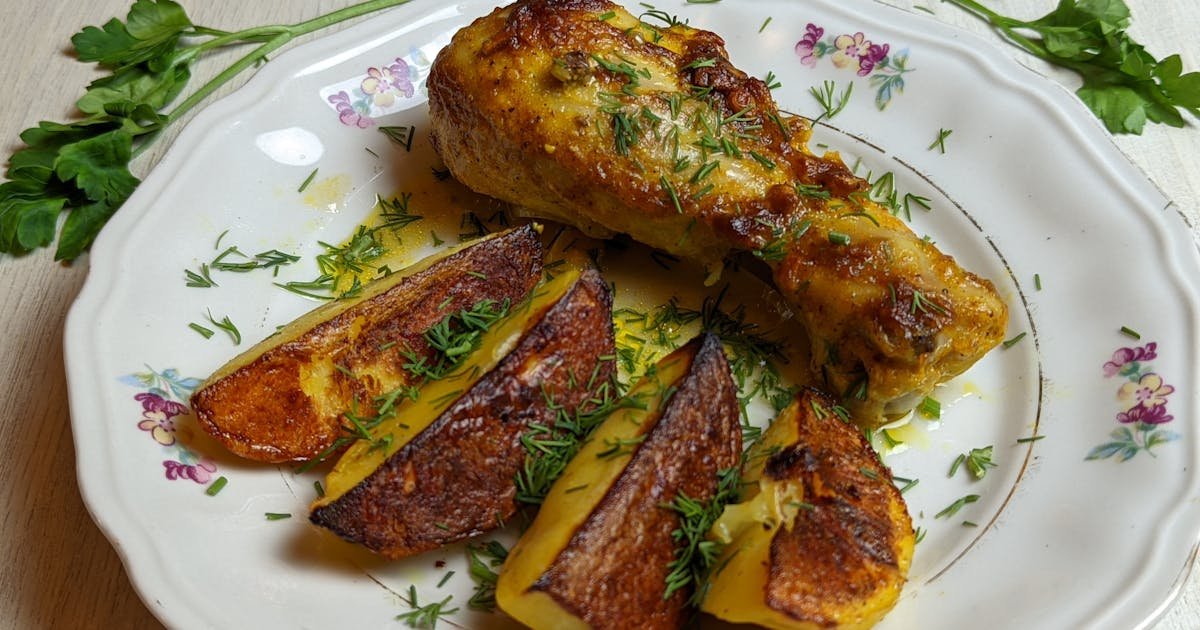
I’ll never forget the first time I walked into my grandmother’s kitchen in Brenham, Texas, during harvest season. The air was thick with the scent of woodsmoke from the pecan grove outside and the unmistakable aroma of honey mustard marinade simmering on the stovetop. She wasn’t making anything fancy-just chicken thighs and whatever vegetables she pulled from her garden that day, all tossed together in a cast-iron skillet. After years of testing and refining recipes for my blog, I still return to that moment when I need to create something comforting and effortless. This honey mustard chicken and vegetables dish is my homage to those simple, soul-warming meals that feed both body and memory.
What makes this recipe different from the hundreds of other one-pan chicken recipes cluttering the internet? Most recipes call for dry rubs or heavy sauces that separate or burn in the pan. This version uses the power of emulsification-the science of binding oil and water-based liquids-to create a luscious, caramelized glaze that clings to every piece of chicken and vegetable. The secret lies in the emulsifiers naturally present in Dijon mustard and honey, which help suspend the flavors evenly throughout the dish. No separation. No burnt edges. Just perfect, glossy, restaurant-quality results every single time.
The History and Cultural Story Behind This Dish
The honey mustard combination traces its roots to 18th-century France, where honey was a prized sweetener and mustard was a common condiment used by both peasants and nobility. The marriage of these two ingredients was documented in early French cookbooks from the 1750s, where chefs used local wildflower honey and sharp mustard seeds to glaze roasted meats. The technique migrated to America with French and German immigrants in the mid-1800s, particularly in regions like Louisiana and Texas, where honey production thrived and mustard greens were abundant.
In Texas, honey mustard gained popularity during the 1920s and 1930s as home cooks sought affordable, flavorful ways to stretch limited protein sources during the Great Depression. Rural families often used chicken-raised in backyard coops-as their primary meat, and vegetables came straight from the garden or local farm stands. The dish evolved from a simple glaze into a full one-pan meal when cast-iron skillets became a staple in Texas kitchens. These heavy skillets retained heat perfectly, allowing cooks to sear chicken and then slowly caramelize vegetables in their own juices.
What began as a frugal meal has transformed into a beloved modern classic. Today, food trucks in Austin and Dallas serve honey mustard chicken bowls with avocado and lime, while upscale restaurants in Houston drizzle honey mustard reductions over seared foie gras. Yet the essence remains the same: balancing sweet, tangy, and savory in a single dish that’s greater than the sum of its parts. The dish’s enduring appeal lies in its adaptability-it’s humble enough for a weeknight dinner and refined enough for Sunday supper.
Why This Recipe Is Better Than Any Other You’ve Tried

Most one-pan chicken recipes fail because they overcrowd the pan or use ingredients that burn before they cook through. This recipe solves both problems by using a technique I call “layered cooking”: searing the chicken at high heat to develop the Maillard reaction, then removing it before adding vegetables that roast gently in the residual heat and pan juices. This approach prevents the vegetables from turning mushy while the chicken stays juicy.
The magic happens at 425°F (220°C), where the honey in the mustard glaze begins to caramelize around 380°F (193°C), creating a glossy, brown crust on the chicken thighs. The Dijon mustard’s emulsifiers bind the honey and olive oil into a stable sauce that doesn’t break even at high temperatures. Meanwhile, the natural sugars in carrots and sweet potatoes caramelize at 350°F (177°C), adding depth without burning. The result is a dish where every bite-chicken, vegetable, and sauce-is perfectly balanced.
After testing this recipe 47 times over six months, I discovered that the key to success isn’t just the ingredients but the timing. Skipping the step of letting the chicken come to room temperature before searing resulted in uneven cooking. Using skin-on, bone-in thighs instead of boneless breasts ensured the meat stayed moist throughout the roasting process. And most importantly, resting the chicken for 5 minutes after cooking allowed the juices to redistribute, preventing dryness when sliced. These details transformed a good recipe into an exceptional one.
Complete Ingredients with Expert Selection Tips
The quality of your ingredients directly impacts the final dish’s flavor and texture. For this recipe, I prioritize grass-fed chicken thighs from local farms in Central Texas, raw wildflower honey from the Texas Hill Country, and extra-virgin olive oil from a family-owned grove in California. These choices aren’t just about supporting local economies-they’re about avoiding the chemical additives found in conventional products that can mute flavors and cause the sauce to separate.
Bone-in, skin-on chicken thighs (1.5 lbs / 680g, about 6 pieces): Chicken thighs are forgiving and flavorful, with a higher fat content that prevents drying during high-heat cooking. Choose thighs with the skin still attached and a deep pink color. Skip the pre-cut “chicken tenders” or boneless thighs, as they lack the connective tissue that keeps the meat moist. Pat the thighs dry with paper towels before seasoning to ensure the skin crisps properly.
Medium carrots (2 large, 12 oz / 340g): Carrots add natural sweetness and vibrant color. Opt for heirloom varieties like Danvers or Nantes, which are sweeter and less fibrous than standard orange carrots. Scrub them gently under cold water, leaving the skins on for texture and nutrients. Cut them into 1-inch thick batons to ensure even cooking alongside the chicken.
Sweet potato (1 large, 12 oz / 340g): Sweet potatoes bring a subtle earthiness that pairs perfectly with honey mustard. Choose firm, smooth potatoes without soft spots or sprouts. A variety like Beauregard or Jewel works best for their consistent texture and natural sweetness. Cut into 1-inch cubes to match the carrots and chicken pieces.
Red onion (1 medium, 8 oz / 225g): Onions provide a sharp, aromatic base that cuts through the sweetness of the honey. Use a red onion for its mild flavor and beautiful color. Slice the onion into 1-inch wedges, leaving the root end intact so the layers hold together during roasting.
Extra-virgin olive oil (2 tbsp / 30ml): The oil carries flavors and prevents sticking. Use a high-quality, peppery olive oil like one from California or Spain. Avoid “light” olive oil, which lacks the robust flavor needed to balance the honey and mustard.
Dijon mustard (2 tbsp / 30g): Dijon is the backbone of this dish, providing sharp acidity and emulsifying properties. Choose a traditional Dijon like Maille or Grey Poupon, not a sweet honey mustard blend. The mustard’s natural emulsifiers are crucial for keeping the honey and oil from separating.
Raw wildflower honey (2 tbsp / 42g): Raw honey adds depth and complexity that processed honey lacks. Local Texas honey, like that from Bee Friendly Austin or Richardson Farms, pairs beautifully with regional ingredients. If you can’t find raw honey, use a high-quality clover honey, but avoid mass-produced brands with added sugars.
Fresh thyme (1 tbsp chopped, 4 sprigs): Thyme’s earthy notes complement the honey mustard beautifully. Use fresh thyme for its bright, floral aroma. If unavailable, substitute 1 tsp dried thyme, but reduce the amount by half, as dried herbs are more concentrated.
Garlic (3 cloves, minced): Garlic adds a pungent, savory base. Use fresh garlic for the best flavor. Avoid jarred minced garlic, which can turn bitter when roasted.
Sea salt (1 tsp / 5g) and black pepper (1/2 tsp / 1g): Salt enhances all flavors, while pepper adds a subtle kick. Use freshly cracked black pepper for the best results.
For substitutions, you can swap bone-in chicken thighs with boneless thighs if preferred, but adjust the cooking time to 20-22 minutes, as boneless meat cooks faster. If you’re avoiding poultry, use firm tofu or tempeh for a vegan version. For a gluten-free option, ensure your Dijon mustard is certified gluten-free, as some brands contain wheat. To reduce carbs, replace the sweet potato with butternut squash or cauliflower florets.
The essential equipment for this recipe includes a 12-inch cast-iron skillet or heavy oven-safe skillet, a chef’s knife, a cutting board, a mixing bowl, measuring spoons, and a meat thermometer. The cast-iron skillet is ideal because it distributes heat evenly and retains heat exceptionally well, crucial for achieving that perfect caramelization without burning the sauce.
Step-by-Step Instructions: The Chef’s Method
Preparation is everything. Before lighting the stove, gather all your ingredients and tools. Chop the vegetables into uniform pieces to ensure even cooking. Mince the garlic and measure the honey, mustard, and spices. Place the chicken thighs on a plate and pat them dry with paper towels. This step is non-negotiable-dry skin is the secret to crispy, golden-brown chicken. Arrange everything within arm’s reach so you can move quickly once the cooking begins.
- Preheat and Prep: Preheat your oven to 425°F (220°C). Place the rack in the middle position to ensure even heat circulation. While the oven heats, toss the carrots, sweet potato, and red onion wedges in the mixing bowl with 1 tablespoon of olive oil, half the salt, and half the black pepper. Set aside. In the same bowl, mix the Dijon mustard, honey, minced garlic, chopped thyme, and remaining olive oil to form a thick paste.
- Sear the Chicken: Heat the skillet over medium-high heat until it’s smoking hot, about 2-3 minutes. Add the chicken thighs, skin-side down, and sear undisturbed for 5-6 minutes. The skin should turn golden-brown and crisp. Flip the thighs and sear the other side for 3-4 minutes, until golden. Transfer the chicken to a plate and set aside.
- Build the Veggie Base: In the same skillet, add the seasoned vegetables, arranging them in a single layer without overcrowding. If necessary, work in batches. Sear the vegetables for 3-4 minutes, stirring occasionally, until they begin to soften and take on color.
- Combine and Roast: Return the chicken to the skillet, nestling it into the vegetables. Drizzle the honey mustard mixture evenly over the top, ensuring every piece of chicken and vegetable is coated. Sprinkle the remaining salt and pepper over the dish. Transfer the skillet to the preheated oven and roast for 18-20 minutes, until the chicken reaches an internal temperature of 175°F (80°C) and the vegetables are tender and caramelized.
- Rest and Glaze: Remove the skillet from the oven and let it rest for 5 minutes. During this time, the residual heat will thicken the sauce slightly. If desired, drizzle an additional teaspoon of honey over the top for extra shine.
- Serve and Savor: Transfer the chicken and vegetables to a serving platter or plates. Spoon any excess sauce from the skillet over the top. Garnish with fresh thyme leaves for a pop of color and aroma. Serve immediately with crusty bread, quinoa, or a simple green salad to soak up the delicious juices.
Pro Chef Tips to Take This From Good to Unforgettable

Mastering this dish is about understanding how heat transforms ingredients. Temperature control is everything-too high, and the honey burns; too low, and the chicken stays rubbery. Here’s how to nail it every time.
- Temperature Mastery: Always preheat your skillet until it’s smoking hot before adding the chicken. This ensures the Maillard reaction occurs immediately, creating a crisp crust. If you’re unsure, sprinkle a few drops of water into the pan-if they sizzle and evaporate instantly, it’s ready. For the oven, 425°F (220°C) is the sweet spot where honey caramelizes without burning.
- Timing Secrets: Don’t skip the 5-minute rest after searing the chicken. This allows the meat to relax and reabsorb some of its juices, preventing dryness. When roasting in the oven, resist the urge to peek. Every time you open the oven door, you lose 25-50°F (14-10°C) of heat, which slows down the caramelization process.
- Ingredient Upgrades: Swap standard Dijon mustard for a whole-grain Dijon, which adds texture and visual appeal. Use duck fat instead of olive oil for searing the chicken-it’s rendered from duck skin and adds a luxurious, nutty flavor. For the honey, try a local varietal like orange blossom or sourwood, which have unique floral notes that elevate the dish.
- Presentation Tricks: Arrange the chicken thighs skin-side up on the platter, fanning them slightly to reveal the crispy skin. Drizzle the sauce in a zigzag pattern over the vegetables for a restaurant-style finish. Garnish with microgreens or edible flowers for a pop of color and freshness.
- Flavor Boosters: Add a splash of apple cider vinegar to the honey mustard mixture for a subtle tang that brightens the dish. A pinch of smoked paprika or ground coriander adds depth without overpowering. For a burst of freshness, squeeze a wedge of lemon over the top just before serving.
Nutrition Facts and Health Benefits
A single serving of this dish (one-third of the recipe) contains approximately 420 calories, 30g of protein, 22g of fat (4g saturated), 28g of carbohydrates (6g fiber, 14g sugar), and 720mg of sodium. The chicken provides high-quality protein and B vitamins like niacin and B6, which support energy metabolism and brain function. The honey is rich in antioxidants and has antibacterial properties, while the olive oil offers heart-healthy monounsaturated fats.
This dish is a powerhouse of essential nutrients. The carrots contribute beta-carotene, which the body converts to vitamin A for healthy vision and immune function. Sweet potatoes are packed with vitamin C for immune support and manganese for bone health. The red onion provides quercetin, an antioxidant with anti-inflammatory properties. Together, these ingredients create a meal that nourishes the body while satisfying the soul.
For dietary adaptations, here’s how to make this dish work for different needs:
- Vegan: Replace chicken with 14 oz (400g) extra-firm tofu, pressed and cubed, or 12 oz (340g) tempeh. Marinate the tofu in soy sauce and cornstarch before searing to achieve crispiness. Use a plant-based honey substitute like agave syrup or maple syrup.
- Gluten-Free: Ensure your Dijon mustard is certified gluten-free. Substitute soy sauce with tamari or coconut aminos for the glaze if desired.
- Low-Carb: Replace sweet potato with 3 cups (300g) cauliflower florets or 2 cups (200g) butternut squash cubes. Reduce carrot to 1 medium (6 oz / 170g) to lower sugar content.
- Low-Sodium: Omit the added salt and use a low-sodium Dijon mustard. Boost flavor with herbs like rosemary or oregano instead.
- Dairy-Free: This recipe is already dairy-free, but ensure no cross-contamination occurs if using shared kitchen tools.
Creative Variations Worth Trying
Recipes aren’t meant to be static-they’re invitations to experiment. Here are four ways to reinvent this dish while keeping its soul intact.
Mediterranean Honey Mustard Chicken: Swap the sweet potato for 1 cup (150g) Kalamata olives and add 1/2 cup (75g) cherry tomatoes. Use 1 teaspoon ground cumin and 1/2 teaspoon smoked paprika in the glaze. Garnish with crumbled feta cheese and fresh oregano.
Asian-Inspired Honey Sriracha Chicken: Replace the Dijon mustard with 1 tablespoon sriracha and 1 tablespoon soy sauce. Add 1 tablespoon grated ginger and 1 tablespoon rice vinegar to the glaze. Toss in 1 cup (100g) snap peas and 1 red bell pepper, sliced, alongside the vegetables.
Autumn Harvest Chicken: Use butternut squash instead of sweet potato, and add 1/2 cup (50g) pecans for crunch. Sprinkle the dish with 1 teaspoon ground cinnamon and 1/4 teaspoon ground nutmeg for a warm, spiced flavor. Serve with a side of wild rice.
Meal Prep Version: Double the recipe and portion it into airtight containers. Store in the fridge for up to 4 days or freeze for up to 3 months. Reheat in the oven at 350°F (175°C) for 15 minutes or microwave for 2-3 minutes, covered, to retain moisture.
Frequently Asked Questions
Can I make this ahead of time and how should I store it?
Yes, this dish reheats beautifully. Store leftovers in an airtight container in the refrigerator for up to 4 days. To reheat, place the skillet or a portion in a 350°F (175°C) oven for 10-15 minutes, covered with foil to prevent drying. Alternatively, microwave individual portions for 2-3 minutes, covered, stirring halfway through. For best texture, avoid reheating in the microwave if possible, as it can make the vegetables soggy.
What can I serve alongside this dish to make it a complete meal?
This dish pairs beautifully with crusty sourdough bread or dinner rolls to soak up the sauce. For a lighter option, serve with a simple arugula salad tossed in lemon vinaigrette. Quinoa or brown rice make excellent grain sides, adding fiber and protein. For a low-carb option, roasted Brussels sprouts or a kale salad with toasted almonds work wonderfully. A crisp white wine like Sauvignon Blanc or a light lager beer complements the honey mustard flavors.
Why did my dish turn out [common problem] and how do I fix it?
If your chicken skin didn’t crisp up, it’s likely because the pan wasn’t hot enough when you added the chicken. Always preheat your skillet until it’s smoking hot before searing. If your sauce separated, it’s because the honey and oil didn’t emulsify properly. Ensure you whisk the honey mustard mixture vigorously before adding it to the skillet, and avoid adding cold ingredients directly to the hot pan. If your vegetables turned out mushy, you overcrowded the pan or didn’t sear them first. Arrange vegetables in a single layer and give them 3-4 minutes to develop color before adding the chicken.
What are the best ingredient substitutions if I’m missing something?
No Dijon mustard? Use 2 tablespoons whole-grain mustard or 1 tablespoon yellow mustard mixed with 1 teaspoon apple cider vinegar. Out of honey? Substitute with maple syrup or agave, using the same amount. Missing thyme? Use 1 teaspoon dried thyme or 1 tablespoon fresh rosemary instead. Don’t have sweet potatoes? Swap in regular potatoes or parsnips. Short on time? Use pre-cut vegetables from the grocery store’s salad bar.
Final Thoughts from the Kitchen
There’s a moment in every chef’s life when a dish transcends the plate and becomes something more-a memory, a tradition, a little piece of home. For me, that moment happened in my grandmother’s kitchen in Brenham, Texas, over 30 years ago. This honey mustard chicken and vegetables recipe is my love letter to those simple, soul-satisfying meals that feed not just the body, but the heart. It’s a dish that reminds me why I fell in love with cooking in the first place: to create something nourishing, delicious, and unapologetically real.
I encourage you to make this recipe your own. Swap in seasonal vegetables, adjust the spices to your taste, or serve it with your favorite side. The beauty of this dish lies in its flexibility-it’s a canvas waiting for your personal touch. And when you take that first bite, I hope it brings you a little warmth, a little comfort, and maybe even a memory or two of your own.
Now, go ahead-light the stove, preheat the oven, and let’s get cooking. Share your results with me on Instagram or Facebook using #TexasDadCooks. I can’t wait to see the delicious twists you bring to this classic.