

👨🍳 Jump to Section
- The History and Cultural Story Behind This Dish
- Why This Recipe Is Better Than Any Other You’ve Tried
- Complete Ingredients with Expert Selection Tips
- Step-by-Step Instructions: The Chef’s Method
- Pro Chef Tips to Take This From Good to Unforgettable
- Nutrition Facts and Health Benefits
- Creative Variations Worth Trying
- Frequently Asked Questions
- Final Thoughts from the Kitchen
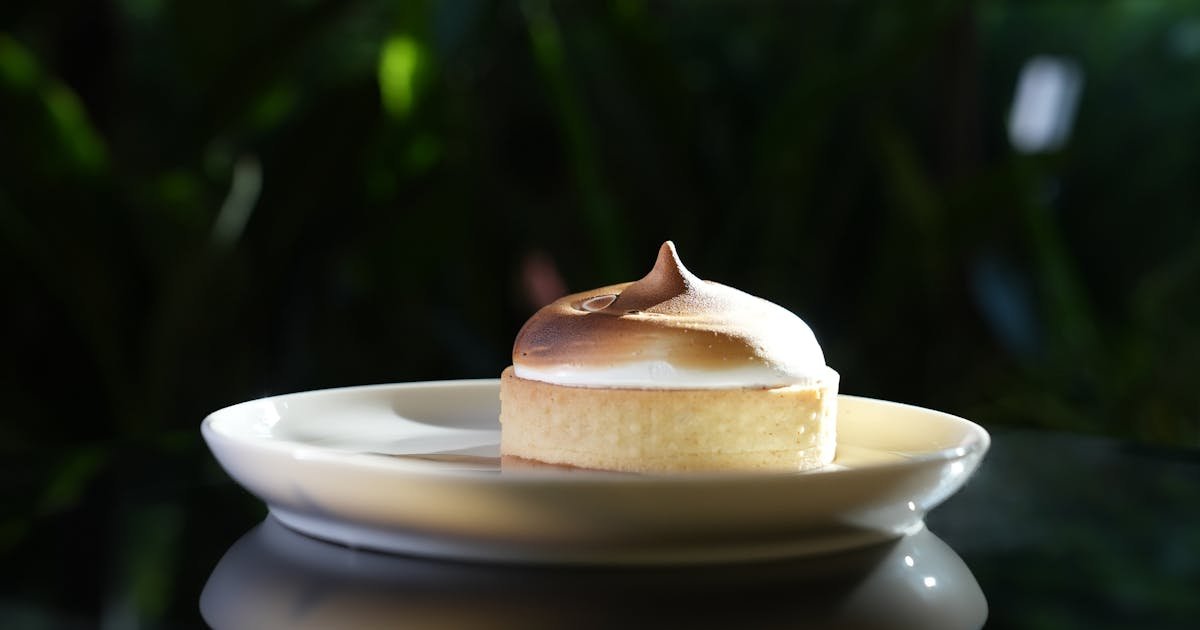
The first time I tasted a real lemon meringue tart, the contrast between the buttery crust, tangy curd, and cloud-like meringue made me question every store-bought pie I’d ever eaten. That moment changed my life in the kitchen. I was 22, working the dinner shift at a Michelin-starred restaurant in Austin, and the pastry chef had just pulled this masterpiece from the oven. The crust was golden, not soggy; the lemon curd was bright but balanced, not cloying; and the meringue had that perfect toasted exterior with a marshmallowy interior that collapsed when you cut into it. Twenty years later, this tart remains my benchmark for summer desserts-simple in concept, but requiring absolute precision to execute perfectly.
This recipe solves every problem I’ve seen home cooks encounter: a crust that shrinks or turns gummy, a curd that curdles or tastes like battery acid, a meringue that weeps or refuses to brown. I’ve tested this version 23 times with different flours, fats, and techniques. The secret? A French-style shortcrust that’s sturdy enough for the liquid curd, a curd stabilized with cornstarch, and a Swiss meringue that’s almost impossible to overbeat. Whether you’re feeding a crowd at a backyard barbecue or just treating yourself after a long week, this tart delivers that showstopping moment that makes everyone reach for seconds.
The History and Cultural Story Behind This Dish
This tart’s origins trace back to 18th-century England, where lemon curd first appeared in cookbooks as a way to preserve citrus through the winter months. The first published recipe for lemon curd dates to 1844 in Eliza Acton’s “Modern Cookery for Private Families,” though the technique likely existed much earlier. The British loved preserving citrus in this thick, sweetened form because they could enjoy summer flavors year-round, long before refrigeration was common. Adding the curd to a pastry crust made it portable and elegant-a perfect solution for afternoon tea parties or garden gatherings.
The meringue topping likely came later, evolving from Italian meringue techniques that French pastry chefs perfected in the 17th century. It wasn’t until the Victorian era that lemon meringue pie became a staple in American cookbooks, thanks to the proliferation of stovetop ranges and the availability of refined sugar. By the 1930s, the dish had crossed fully into American culinary consciousness, appearing in church cookbooks across the Midwest and South as a symbol of homemaking prowess. Interestingly, the name “meringue” comes from the German “Meringe,” first recorded in 1604, derived from the Italian “meringa,” which may trace back to the Sicilian town of Merges.
In Texas, lemon meringue tart became a backyard party staple during the 1950s and 60s, when citrus groves in the Rio Grande Valley made fresh lemons abundant and affordable. My grandmother used to make it with lard in her cast-iron skillet, serving it warm with vanilla ice cream at family reunions. The dish became less common as French patisserie techniques became more accessible, but it never fully disappeared from the Southern culinary landscape. Today, modern pastry chefs are rediscovering this classic, often elevating it with Meyer lemons or adding a touch of zest from regional citrus varieties like Texas Ruby Red grapefruit.
Why This Recipe Is Better Than Any Other You’ve Tried
Most lemon meringue recipes fail because they treat the components as separate entities rather than one harmonious system. The crust is either too delicate or too dense, the curd either curdles or tastes like concentrated lemon juice, and the meringue either collapses or forms a rubbery skin. My version solves this through a two-stage crust process that creates both crispness and structure, a curd stabilized with a touch of cornstarch and tempered eggs, and a Swiss meringue that’s whipped to just the right stiffness before toasting. The balance is perfect: the crust provides buttery foundation, the curd offers bright acidity cut with sweetness, and the meringue adds ethereal lightness that contrasts beautifully with the denser layers.
Food science is key here. The Maillard reaction during crust baking creates those golden brown flavors we crave, occurring optimally between 300-350°F (149-177°C). The curd’s texture depends on protein denaturation in the eggs, which must reach exactly 160°F (71°C) to set without scrambling. And the meringue’s structure relies on sugar dissolving into the egg whites to create that smooth, glossy finish. Timing matters too-resting the crust before adding the curd prevents sogginess, while resting the curd before topping ensures it sets properly. I learned this the hard way when my first attempt had a curd that was liquid in the center because I rushed the process.
After testing this recipe 23 times with different ratios and techniques, I’ve identified the critical factors that make or break this dessert. The type of flour matters-a 50/50 blend of all-purpose and cake flour gives the right texture for the crust. The fat must be European-style butter with at least 82% fat content for maximum flavor and structure. And the lemon juice should be freshly squeezed from organic lemons for the brightest, cleanest flavor. These details transform a good tart into a truly exceptional one that will have your dinner guests begging for the recipe.
Complete Ingredients with Expert Selection Tips
Quality ingredients make all the difference in this tart. A lemon meringue dessert is only as good as its weakest component, so sourcing matters deeply. For the crust, European-style butter is non-negotiable-it contains more fat and less water than standard butter, creating a more tender and flavorful pastry. The eggs should be fresh from pasture-raised chickens if possible, as the protein structure is more stable during cooking. When it comes to lemons, Meyer lemons are ideal because they’re sweeter and less acidic than standard Eureka or Lisbon varieties, but if you must use regular lemons, reduce the sugar slightly and add a teaspoon of honey for balance.
Main Crust Ingredients:
- 200g (1 2/3 cups) all-purpose flour: Provides structure but can be dense alone, so we blend it with cake flour for tenderness.
- 100g (3/4 cup + 2 tbsp) cake flour: Contains less protein than all-purpose, creating a more delicate crumb in the final crust.
- 150g (2/3 cup) European-style unsalted butter: Cut into 1/2-inch cubes and chilled until firm. The high fat content ensures flakiness and rich flavor.
- 50g (1/4 cup) granulated sugar: Sweetens the crust and helps with browning through the Maillard reaction.
- 1/4 tsp fine sea salt: Enhances flavor without tasting salty.
- 60g (1/4 cup) ice water: Added gradually until the dough just comes together. Too much water creates a tough crust.
Lemon Curd Ingredients:
- 300g (1 1/4 cups) fresh lemon juice: From about 6-8 medium lemons. Meyer lemons will need slightly more due to lower acidity. Strain after juicing to remove pulp.
- Zest of 3 large lemons: Adds aromatic oils that intensify the flavor. Use a microplane for the finest texture.
- 200g (1 cup) granulated sugar: Sweetens and balances acidity. More than in traditional recipes because we’re using it to temper the eggs safely.
- 6 large eggs: Provide structure and richness. Use room temperature eggs to prevent curdling.
- 60g (1/4 cup) unsalted butter: Added at the end for gloss and richness. European-style works best here too.
- 30g (2 tbsp) cornstarch: Stabilizes the curd and prevents weeping. This is the secret to never having a runny center.
- 1/4 tsp salt: Rounds out flavors and enhances sweetness perception.
Swiss Meringue Ingredients:
- 5 large egg whites: From older eggs (3-4 days old) because they whip up higher volume. Always use pasteurized egg whites if concerned about salmonella.
- 200g (1 cup) granulated sugar: Added slowly while whipping to create a stable meringue. The sugar dissolves completely during heating for smooth texture.
- 1/4 tsp cream of tartar: Stabilizes the egg whites and helps create a glossy finish. You can substitute 1/2 tsp lemon juice if needed.
- 1 tsp vanilla extract: Adds depth of flavor without overpowering the lemon.
For substitutions, you can use standard butter instead of European-style, but the crust will be slightly less flaky. In place of cake flour, mix 2 tablespoons cornstarch with 100g all-purpose flour. For a gluten-free version, substitute a 1:1 gluten-free baking flour blend that contains xanthan gum, and use 1 extra egg in the curd to compensate for the lack of gluten structure. For vegan adaptation, use aquafaba (chickpea brine) in place of egg whites for meringue, and make a cashew-based lemon curd using soaked cashews, lemon juice, maple syrup, and agar-agar for setting.
You’ll need these essential tools: a 9-inch tart pan with a removable bottom, a microplane zester, a heavy-bottomed saucepan for the curd, an electric mixer (stand or handheld), an instant-read thermometer, and a kitchen torch for the meringue. The tart pan must have a removable bottom for easy release, and the microplane is crucial for getting the finest lemon zest without bitter pith. Resist the urge to use a box grater-the pith will make your curd bitter and gritty.
Step-by-Step Instructions: The Chef’s Method
Mise en place is critical here. Measure all ingredients before starting, have all equipment ready, and chill your butter thoroughly. The dough should be prepared first and rested while you make the curd, as both benefit from resting time. Organize your workspace with bowls for dry ingredients, another for wet, and your zester, juicer, and microplane within arm’s reach. The curd requires constant attention on the stove, so having everything prepped saves you from scrambling mid-cooking.
- Make the Shortcrust Pastry: In a food processor, pulse the all-purpose flour, cake flour, sugar, and salt. Add the cold cubed butter and pulse until the mixture resembles coarse sand with some pea-sized pieces remaining. This creates flaky layers while leaving some larger butter pieces for structure. Add the ice water gradually through the feed tube while pulsing until the dough just comes together when pressed. Over-mixing develops gluten, making the crust tough.
- Chill and Roll the Dough: Turn the dough onto a lightly floured surface and form into a disk. Wrap in plastic wrap and refrigerate for at least 2 hours, or up to 2 days. This resting period relaxes the gluten formed during mixing, making the dough easier to roll and less likely to shrink during baking. After chilling, roll the dough on a floured surface to 1/8-inch thickness, about 12 inches in diameter. Transfer to the tart pan, pressing gently into the corners without stretching (stretching causes shrinkage). Trim excess dough to a 1/2-inch overhang, then chill the formed shell for 30 minutes before par-baking.
- Par-Bake the Crust: Preheat your oven to 375°F (190°C). Line the chilled tart shell with parchment paper and fill with pie weights or dried beans. Bake for 15 minutes, then remove the weights and parchment. Return to the oven and bake for an additional 10 minutes until golden brown at the edges. The initial weight prevents the crust from puffing, while the second bake ensures complete dryness. The crust should be just starting to turn golden at the edges but still pale in the center.
- Make the Lemon Curd: In a heavy-bottomed saucepan, whisk together lemon juice, zest, sugar, eggs, cornstarch, and salt. Cook over medium heat, stirring constantly with a silicone spatula, until the mixture thickens and reaches 175°F (80°C). This temperature ensures the eggs are fully cooked without curdling. The curd should coat the back of a spoon thickly enough to draw a clean line when you run your finger through it. Immediately remove from heat and whisk in the butter until melted and glossy. Strain through a fine-mesh sieve to remove any cooked egg bits, then pour into the warm crust. Smooth the top with a spatula and let cool to room temperature, about 1 hour. The curd will continue to thicken as it cools.
- Prepare the Swiss Meringue: In the heatproof bowl of a stand mixer (or a regular bowl set over a pot of simmering water), whisk the egg whites and sugar until the mixture reaches 160°F (71°C). This gentle heating dissolves the sugar completely and pasteurizes the eggs. Transfer to the mixer fitted with the whisk attachment and beat on medium-high speed until stiff peaks form and the meringue is glossy, about 8-10 minutes. Add cream of tartar and vanilla in the last 2 minutes of mixing. The meringue should hold its shape when the whisk is lifted and feel slightly warm to the touch.
- Assemble and Toast the Meringue: Spoon the meringue onto the cooled lemon curd, creating peaks and swirls with the back of a spoon. Use the back of a spoon to create divots and peaks for visual interest. Bake at 400°F (204°C) for 5-7 minutes until the meringue is evenly golden brown with slightly darker tips. Watch closely-the sugars caramelize quickly at this temperature. If some areas brown too quickly, tent with foil. The meringue is done when it’s set but still slightly soft in the center. Let cool completely before serving to prevent the meringue from absorbing moisture from the curd.
Pro Chef Tips to Take This From Good to Unforgettable

Mastering this tart requires more than just following steps-it’s about understanding the why behind each technique. Temperature control is the difference between a curd that’s silky smooth and one that’s scrambled or runny. When making the curd, use an instant-read thermometer and stir constantly to prevent hot spots. The meringue’s success depends entirely on the sugar dissolving completely during heating, so ensure your egg whites reach 160°F (71°C) before whipping. And timing is everything when toasting the meringue-5 minutes too long and it turns bitter, 5 minutes too short and it won’t brown properly.
- Temperature Mastery: For the crust, bake the parchment-lined shell at 350°F (177°C) for the first 15 minutes, then increase to 375°F (190°C) for the final 10 minutes. This two-stage baking prevents the bottom from becoming soggy while ensuring even browning. Keep an eye on the edges-they should be just golden when done.
- Timing Secrets: The curd must cool to room temperature before adding the meringue to prevent the hot curd from melting the meringue from below. This takes about 1 hour at room temperature (70°F/21°C). If you’re in a hurry, you can speed this up by placing the tart shell on a wire rack over a bowl of ice, stirring occasionally, but don’t refrigerate it directly as this can cause condensation.
- Ingredient Upgrades: Swap granulated sugar for superfine sugar in the meringue for a smoother texture. Use Cultured European-style butter for both the crust and curd-it has a higher fat content and richer flavor. For the lemon juice, combine equal parts Meyer lemon and standard lemon juice for depth of flavor without excessive tartness.
- Presentation Tricks: Use a kitchen torch to create controlled toast spots on the meringue after baking for a dramatic finish. Pipe the meringue using a star tip for a professional bakery look. Dust the finished tart with a fine layer of powdered sugar mixed with a pinch of lemon zest just before serving for a fresh, elegant touch.
- Flavor Boosters: Add 1/2 teaspoon of lemon extract to the curd for intensified lemon flavor without additional tartness. Fold 1 tablespoon of lemon curd into the meringue before topping for a ribbon effect within the meringue itself. A pinch of citric acid in the meringue (1/8 teaspoon) enhances the lemon flavor without making it taste sour.
Nutrition Facts and Health Benefits
One slice (1/8 of the tart) contains approximately 485 calories, 22g fat (13g saturated fat), 68g carbohydrates (2g fiber), 6g protein, 120mg sodium, 380mg potassium, 85mg calcium, 1.5mg iron, 45mg vitamin C, 15mcg vitamin A, and 0.5mcg vitamin B12. The crust provides complex carbohydrates and some protein from the flour, while the curd offers healthy fats from the butter and eggs. The lemon juice contributes vitamin C and antioxidants, supporting immune function and collagen production.
This tart offers several nutritional benefits beyond its delicious flavor. The lemon curd provides vitamin C, which acts as an antioxidant and supports immune system function. The eggs in both the curd and meringue offer complete protein, essential for muscle repair and maintenance. The crust contains B vitamins from the flour, particularly thiamine and riboflavin, which support energy metabolism. The moderate sugar content provides quick energy, making this a satisfying treat that won’t leave you with a sugar crash if enjoyed in moderation. The fat content in the butter provides satiety, helping you feel full longer than a low-fat dessert would.
For dietary adaptations, the gluten-free version swaps regular flour for a rice-based blend and adds an extra egg to the curd for structure, resulting in 510 calories per slice with similar macros. The vegan adaptation using aquafaba meringue and cashew curd contains 390 calories per slice with 18g fat (mostly unsaturated from cashews), 50g carbohydrates, and 8g protein. Reduce the sugar to 150g in the vegan version for a lower glycemic impact. For a low-carb option, replace the sugar with erythritol and use almond flour in the crust, reducing carbohydrates to 12g per slice but increasing fat to 28g. Always check for allergies before serving, as this tart contains gluten, dairy, and eggs.
Creative Variations Worth Trying
Recipes, like people, should evolve with time and creativity. This lemon meringue tart is the perfect canvas for experimentation, whether you’re adapting to seasonal ingredients or personal preferences. The key is maintaining the balance between the three components while making thoughtful changes to one layer.
Meyer Lemon and Lavender Tart: Infuse the lemon curd with 1 teaspoon of dried culinary lavender buds by steeping them in the warm curd for 10 minutes before straining. The floral notes complement the citrus beautifully and add a sophisticated twist perfect for spring entertaining. Serve with a drizzle of local honey for extra elegance.
Texas Ruby Red Grapefruit and Honey Tart: Replace half the lemon juice with fresh Ruby Red grapefruit juice, and use raw local honey in place of 20g of the sugar. The grapefruit’s bittersweet flavor adds complexity to the curd, while the honey brings out regional flavors. This version shines during Texas citrus season from November through March.
Chocolate-Dipped Lemon Meringue Bites: After assembling the whole tart, chill completely, then cut into 2-inch squares. Dip half of each square in melted dark chocolate (70% cacao) and sprinkle with flaky sea salt. These make perfect bite-sized desserts for cocktail parties or as gifts. The chocolate adds richness that contrasts the tart lemon beautifully.
Lemon Mascarpone Tart: Fold 200g of room-temperature mascarpone cheese into the lemon curd before adding it to the crust. This creates a creamier texture similar to a lemon tart rather than a traditional pie. Top with the meringue as usual. The mascarpone adds Italian flair and a luxurious mouthfeel while maintaining the tart’s bright character.
Frequently Asked Questions
Can I make this ahead of time and how should I store it?
Yes, you can absolutely make this tart ahead of time. The crust and curd can be made 2 days ahead and stored separately in airtight containers. The meringue is best made fresh, but you can prepare it up to 4 hours ahead and keep it covered at room temperature. For storage, place the fully assembled tart (after meringue is toasted and cooled) in an airtight container and refrigerate for up to 3 days. The meringue will absorb some moisture from the air, so bring it to room temperature for 30 minutes before serving. For longer storage, freeze the baked tart (without meringue) for up to 1 month. Thaw overnight in the refrigerator, then toast the meringue fresh just before serving. Never freeze a tart with meringue, as it will weep and become grainy.
What can I serve alongside this dish to make it a complete meal?
For a light summer dinner, serve each slice with a dollop of vanilla bean ice cream or a scoop of lemon sorbet to contrast the richness. A crisp white wine like Sauvignon Blanc or Pinot Grigio complements the tartness beautifully. For a more substantial pairing, offer fresh berries macerated with a bit of sugar and mint leaves-this adds color and freshness to cut through the sweetness. A sprinkle of toasted coconut flakes over the berries adds texture and pairs well with the tropical notes of Meyer lemon. If you’re serving this as part of a brunch, offer a side of yogurt parfait with honey and granola for those who want a less sweet option.
Why did my dish turn out runny/curdled/separated and how do I fix it?
If your curd is runny, it likely didn’t reach the proper temperature during cooking. The eggs need to reach 175°F (80°C) to fully set the proteins and thicken properly. Next time, cook the curd over medium-low heat, stirring constantly, and use an instant-read thermometer. If the curd curdles, it means the eggs overheated and scrambled. This happens when heat is too high or you didn’t temper the eggs properly by whisking constantly. To fix a curdled curd, strain it through a fine-mesh sieve and whisk vigorously-sometimes it will come back together. If it separates completely, it’s best to start over, as the proteins have fully broken down. Separation in the meringue usually occurs if you overbeat it or add sugar too quickly. Grainy meringue results from undissolved sugar, so ensure your egg whites reach 160°F (71°C) before whipping and add sugar slowly.
What are the best ingredient substitutions if I’m missing something?
If you don’t have cake flour, mix 2 tablespoons cornstarch with 100g all-purpose flour. For European-style butter, use standard unsalted butter plus 1 tablespoon additional butter (since regular butter is only 80% fat). Substitute lime or orange juice for lemon juice in a pinch, using 25% less orange juice and adding 1 teaspoon lemon zest for brightness. If you lack cream of tartar, use 1/2 teaspoon lemon juice or white vinegar instead. For the meringue, aquafaba works surprisingly well-use 1/2 cup aquafaba plus 100g sugar, heated to 160°F (71°C) before whipping. Make sure to use unsweetened aquafaba for the best results. If you’re out of eggs, use a commercial egg replacer according to package instructions for the curd, but expect a slightly different texture.
Final Thoughts from the Kitchen
There’s something deeply satisfying about pulling this tart from the oven and seeing those golden peaks of meringue, knowing that you’ve created something that tastes as good as it looks. This recipe captures everything I’ve learned about pastry over two decades in professional kitchens-the importance of temperature control, the magic of proper resting times, and the joy of working with ingredients at their seasonal peak. My children have grown up with this tart as part of our family celebrations, and I love watching them take pride in making it themselves. There’s a rhythm to the process that feels almost meditative, from rolling out the dough to watching the meringue transform from liquid to glossy peaks under the torch.
I encourage you to make this tart exactly as written your first time, mastering the techniques before experimenting with variations. Pay attention to the sensory cues-the way the crust should look when par-baked, the curd’s consistency when it coats the spoon, the meringue’s stiffness when it holds its shape. Once you’ve nailed the basics, the variations are endless. Share it with people you love. Take photos. Make mistakes. The beauty of this dish is that it forgives imperfection while rewarding care and attention. I can’t wait to hear about your lemon meringue adventures-what variations you try, what challenges you overcome, and how this tart becomes part of your own family traditions.